Need to build a gravel parking pad for a car, SUV, pickup truck or extra driveway parking? The most important decisions are choosing the right stone, building a stable base and ordering enough material to handle vehicle weight without constant rutting or sinking.
For most residential parking areas, the project starts with a compactable gravel base such as crusher run, crush and run, road base or another locally available dense-grade aggregate, followed by an appropriate crushed-stone surface such as #57 stone or crushed limestone where available.
If you're already searching for gravel for a parking pad, crusher run near me, #57 stone near me, crushed limestone near me, gravel prices near me or bulk gravel delivery, you're probably closer to buying material than researching landscaping ideas.
Aggregate Markets lets homeowners, DIY buyers, landscapers and small contractors check bulk gravel and crushed stone available for delivery to a home or job site.
What Should You Order for a Gravel Parking Pad?
For the compacted base:
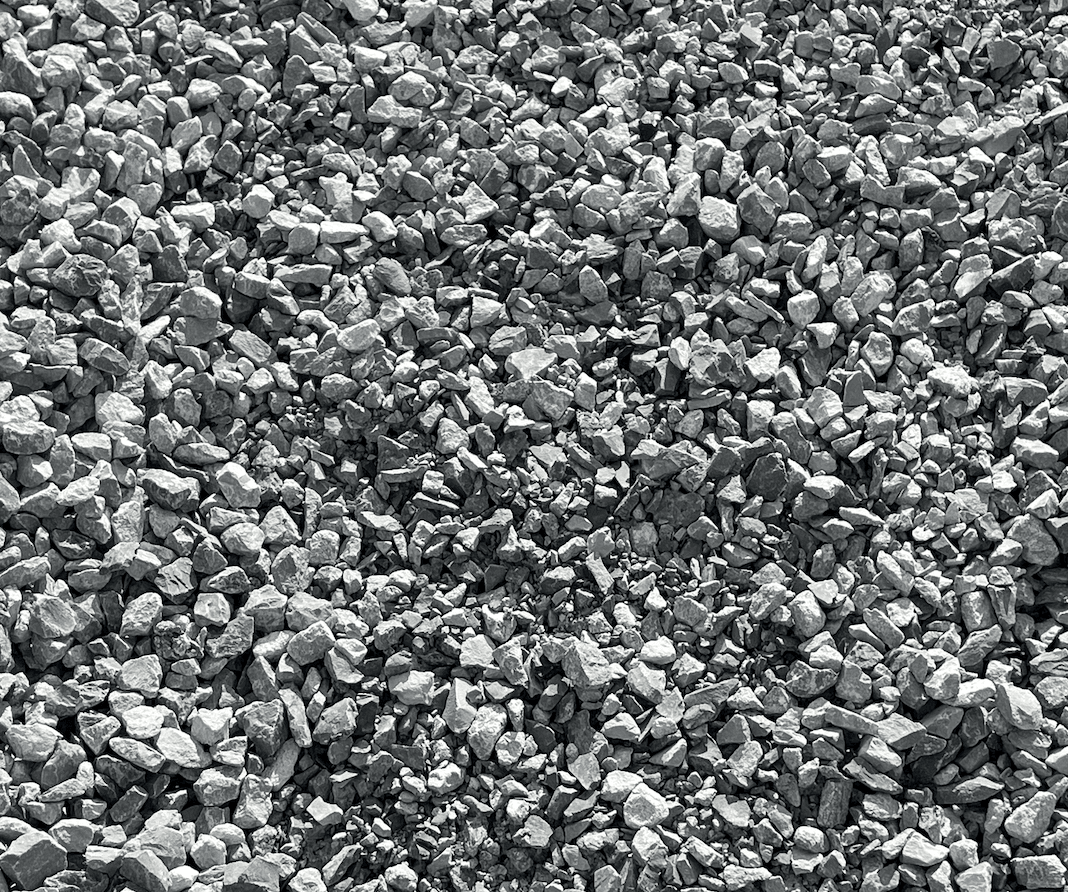
Crusher run, crush and run, ABC, road base or another locally specified dense-grade aggregate.
For the surface:
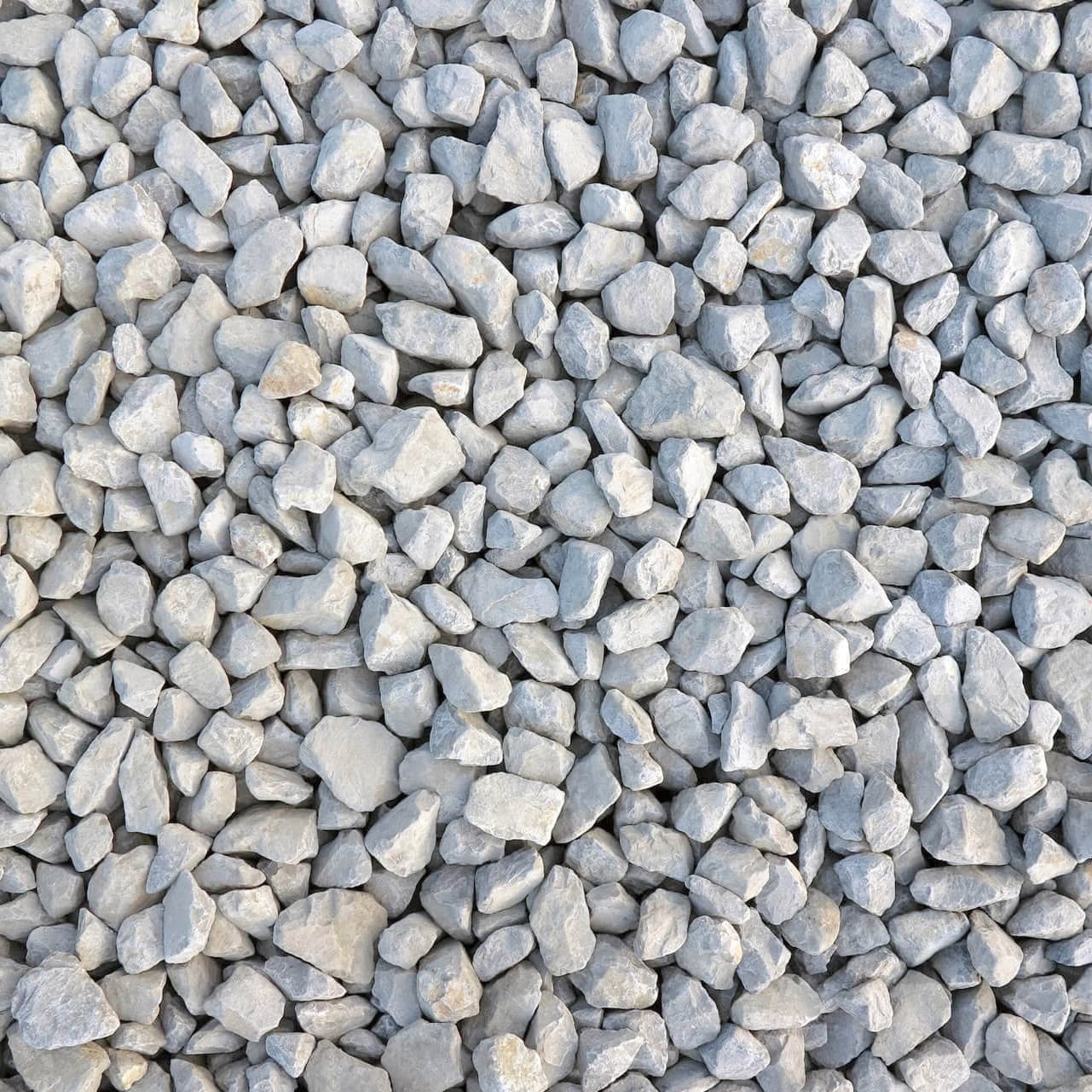
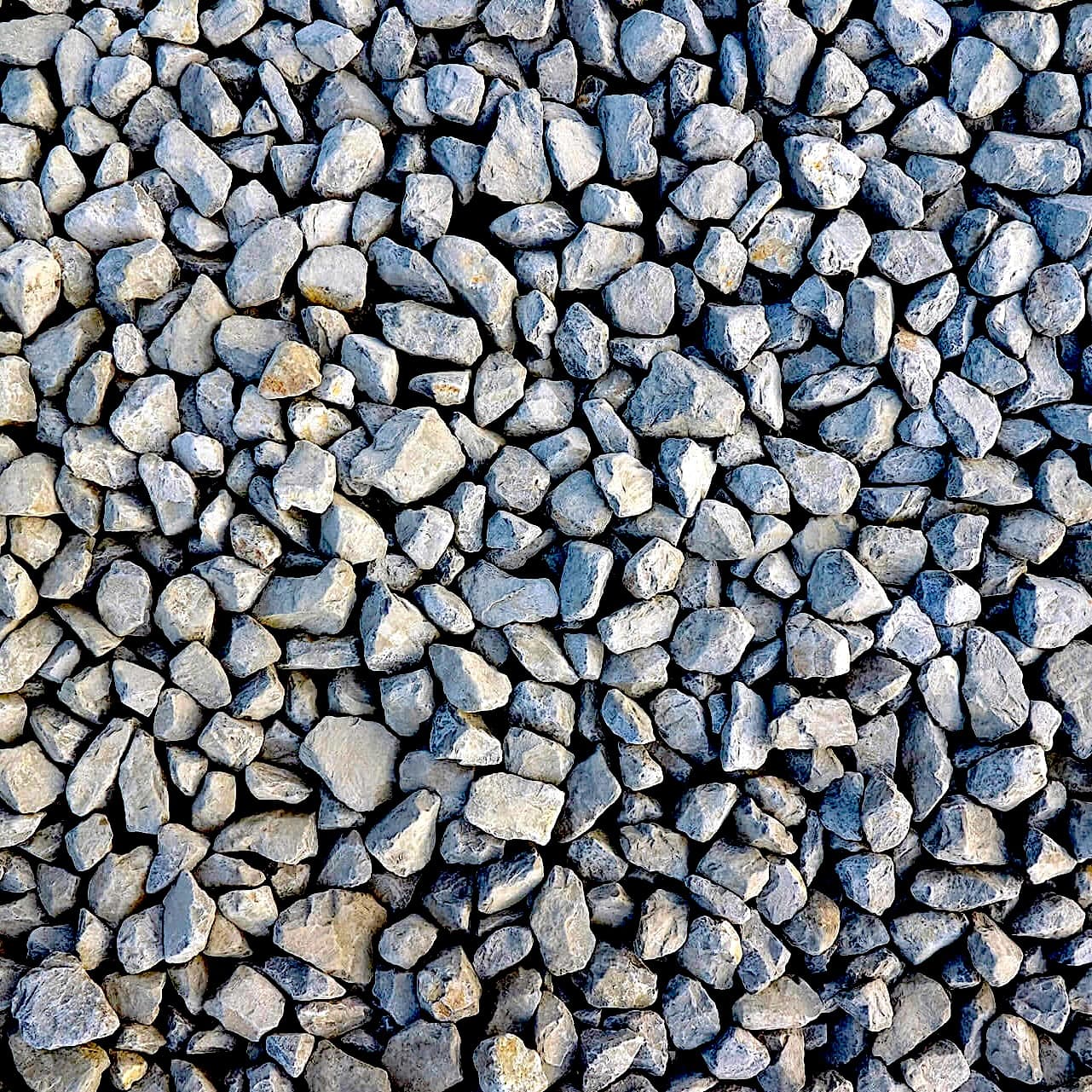
#57 crushed stone, crushed limestone or another durable angular surface aggregate available in your area.
For soft or unstable ground:
You may also need geotextile fabric and additional base depth before placing the finish stone.
Material names vary considerably by state and supplier. Crusher run, ABC, 21A, road base and dense-grade aggregate are not universal names for exactly the same specification, so check the product description before ordering.
How Much Gravel Do You Need?
A typical single-car parking pad may be around 10 × 20 feet, while a larger truck or SUV space may need additional width and length.
The amount of gravel you need depends on:
- parking-pad dimensions
- excavation depth
- condition of the existing soil
- vehicle weight
- base-material density
- surface-stone density
- drainage conditions
For a typical DIY project, expect to order several tons of bulk material rather than bags. Larger parking areas, contractor parking, rental properties and multi-vehicle pads can quickly require a full dump-truck load or more.
Need material now? Enter your delivery location to check bulk gravel, crusher run, #57 stone and crushed limestone available near you.
A successful parking area for cars and SUVs isn't just about dumping rocks on the ground; it’s about managing weight and water. In the United States, the gold standard for a residential "unpaved" parking spot involves a two-stage layering system.
This guide walks you through the professional process of using Crush and Run (also known as ABC stone or 21A) as your dense-grade base and #57 Crushed Limestone as your clean top-dress.

Phase 1: Planning and Logistics
1. Sizing for Modern Vehicles
A standard SUV needs room to maneuver.
- Single Car: 10 feet wide by 20 feet long.
- Large SUV/Truck: 12 feet wide by 22 feet long.
- Depth: Aim for a total thickness of 8 inches to ensure the pad doesn't "flex" under the weight of a 5,000-lb vehicle.
2. Delivery Logistics
When ordering from AggregateMarkets.com, consider the truck size. A Single Axle (1–7 tons) is perfect for a small DIY pad and won't crack your existing driveway. If you are building a large multi-car area, a Triaxle (15–18 tons) will be significantly more cost-effective per ton.
Phase 2: Execution Steps
Step 1: Precise Excavation
Remove the sod and topsoil to a depth of 8 inches.
- The "V" Slope: Slightly slope the bottom of your pit (1 inch of drop for every 10 feet of width) away from your home’s foundation to ensure proper drainage.
- Compaction of Subgrade: Before adding any stone, use a hand tamper or rent a plate compactor to firm up the bare earth. If the dirt is soft, your gravel will eventually sink.
Step 2: The Separation Layer (Geotextile)
Lay down a woven geotextile fabric.
- Why it matters: Without this, the heavy Crush and Run will eventually mix with the soft dirt below, causing the pad to fail.
- Installation: Overlap seams by at least 12 inches and secure the edges with landscape staples.
Step 3: The Foundation (Crush and Run)
Apply 5 inches of Crush and Run. This material is a mix of 1-inch stones down to fine limestone dust.
- The Magic of Fines: The dust acts as a binder. When wet and compacted, this layer becomes nearly as hard as concrete.
- Compaction Technique: Spread the stone in 2-inch "lifts" (layers). Run the plate compactor over each lift until the stone no longer moves under the machine.
Step 4: Perimeter Edging
Install heavy-duty edging—such as 4x4 pressure-treated timbers or galvanized steel edging.
- Function: This keeps the top layer of #57 stone from migrating into your grass when you turn the vehicle's tires.
- Anchor: Use 12-inch rebar spikes for timbers to ensure they stay flush with the ground.
Step 5: The Finish Layer (#57 Crushed Limestone)
Add the final 3 inches of #57 Crushed Limestone.
- Texture: #57 stone is roughly 1 inch in size and has been "washed" of fines. This allows water to flow through the gaps and into the ground.
- Stability: Because these stones are angular (crushed) rather than round (river rock), they "lock" together under tire pressure, providing a stable surface that doesn't "rut" or "spin out."
FAQ: Quantities, Coverage, and Cost
1. How much is a ton of gravel in the USA? Depending on your state, a ton of #57 limestone ranges from $35 to $65. "Crush and Run" is typically cheaper, ranging from $28 to $45 per ton. Always factor in a delivery fee, which usually starts around $100–$150 per load.
2. How much does a ton or yard of gravel cover?
- 1 Ton: Covers roughly 100 square feet at 2 inches deep.
- 1 Cubic Yard: Is equal to about 1.4 tons and covers 120 square feet at 2 inches deep.
3. How much crushed stone do I need for a 10x20 pad? For an 8-inch deep project:
- Base (5"): You need approximately 6 tons of Crush and Run.
- Top (3"): You need approximately 3.5 tons of #57 Limestone.
4. How much is a load of gravel? A typical residential delivery in a Single Axle truck (6 tons) will cost between $350 and $550 all-in. A Triaxle load (18 tons) might cost $800–$1,100, offering a much better bulk rate.
5. Why not use Pea Gravel for an SUV? Pea gravel is round. Driving a heavy SUV on round stones is like driving on marbles; the tires will slide, and the stones will displace. It will look nice as top layer but be prepared to order it again every 2-3 years.
6. Do I need to permit a gravel parking pad? In many US municipalities, gravel is considered a "semi-permeable" surface. Check your local zoning laws; you may need a permit if you are close to a property line or a protected watershed.
7. How do I calculate tonnage for gravel? Calculate the square footage (Length x Width), multiply by the depth in feet (e.g., 8 inches is 0.66 ft), divide by 27 to get cubic yards, and multiply by 1.4 to find the tonnage.
8. Can I skip the plate compactor rental? For a small 10x20 area, you can use your vehicle to drive back and forth over the base layer, but a professional plate compactor provides much more even pressure and a better long-term result.
9. How do I handle weeds in the gravel? While the fabric helps, dust and organic matter will eventually settle between the top stones. A quick spray of vinegar or a specialized weed killer once a season keeps the pad looking pristine.
10. Why is #57 Limestone the standard choice? It strikes the perfect balance. It’s large enough not to get stuck in tire treads, heavy enough not to wash away in rain, and angular enough to provide a high-traction surface.