Blog
Our most recent articles
Expert insights, practical guides, and industry best practices to help you succeed.
Expert insights, practical guides, and industry best practices to help you succeed.
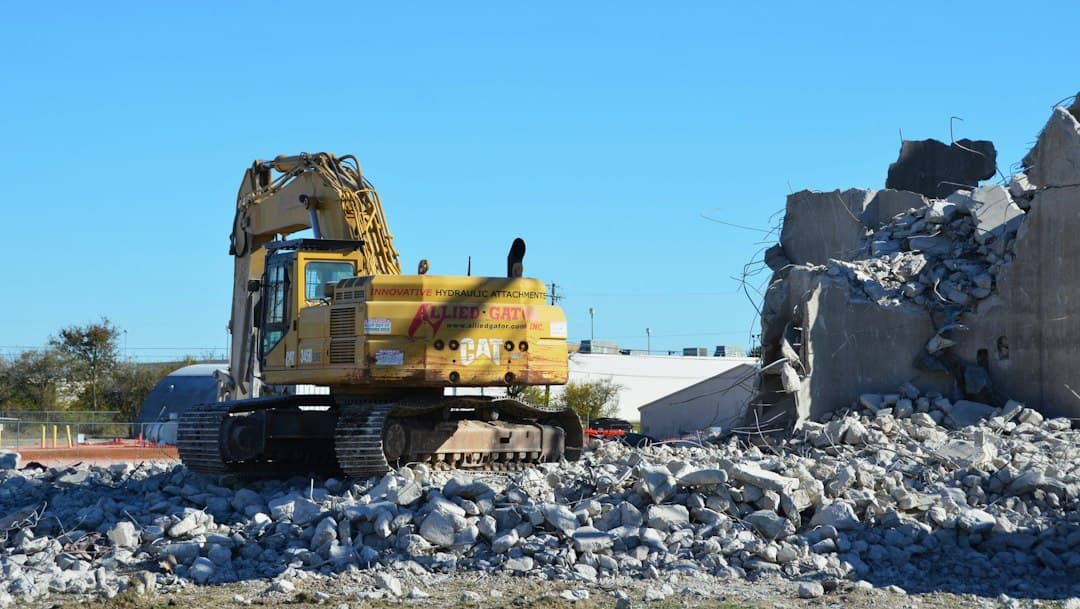
A comprehensive professional guide to commercial US construction types, material specifications, and engineering processes for foundations, roads, and earthworks.
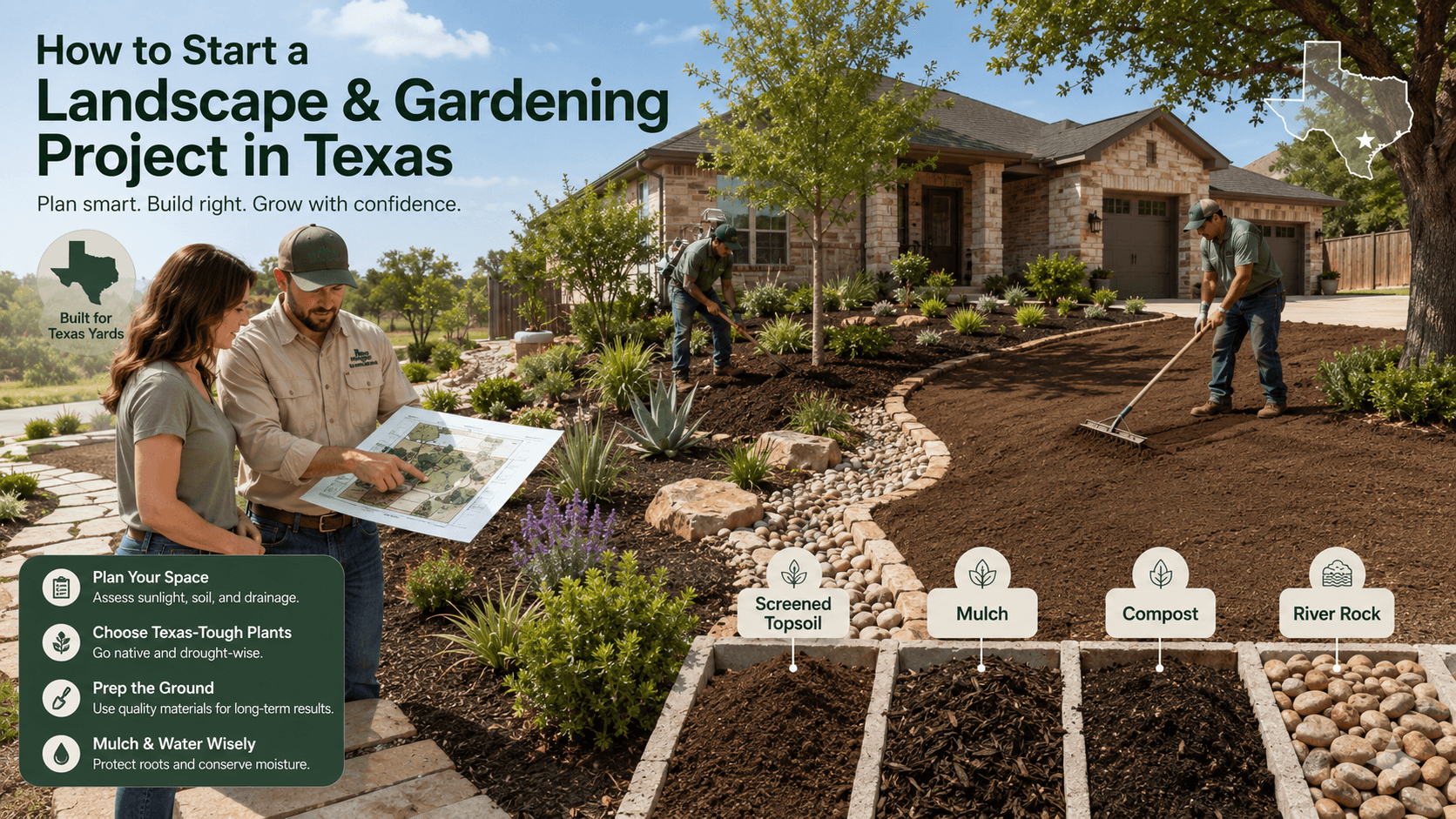
Planning a lawn, garden, mulch, drainage, or landscaping project in Texas? Learn which bulk materials to use for grading, planting, decorative beds, and drainage—and how to source delivery to your property or job site.
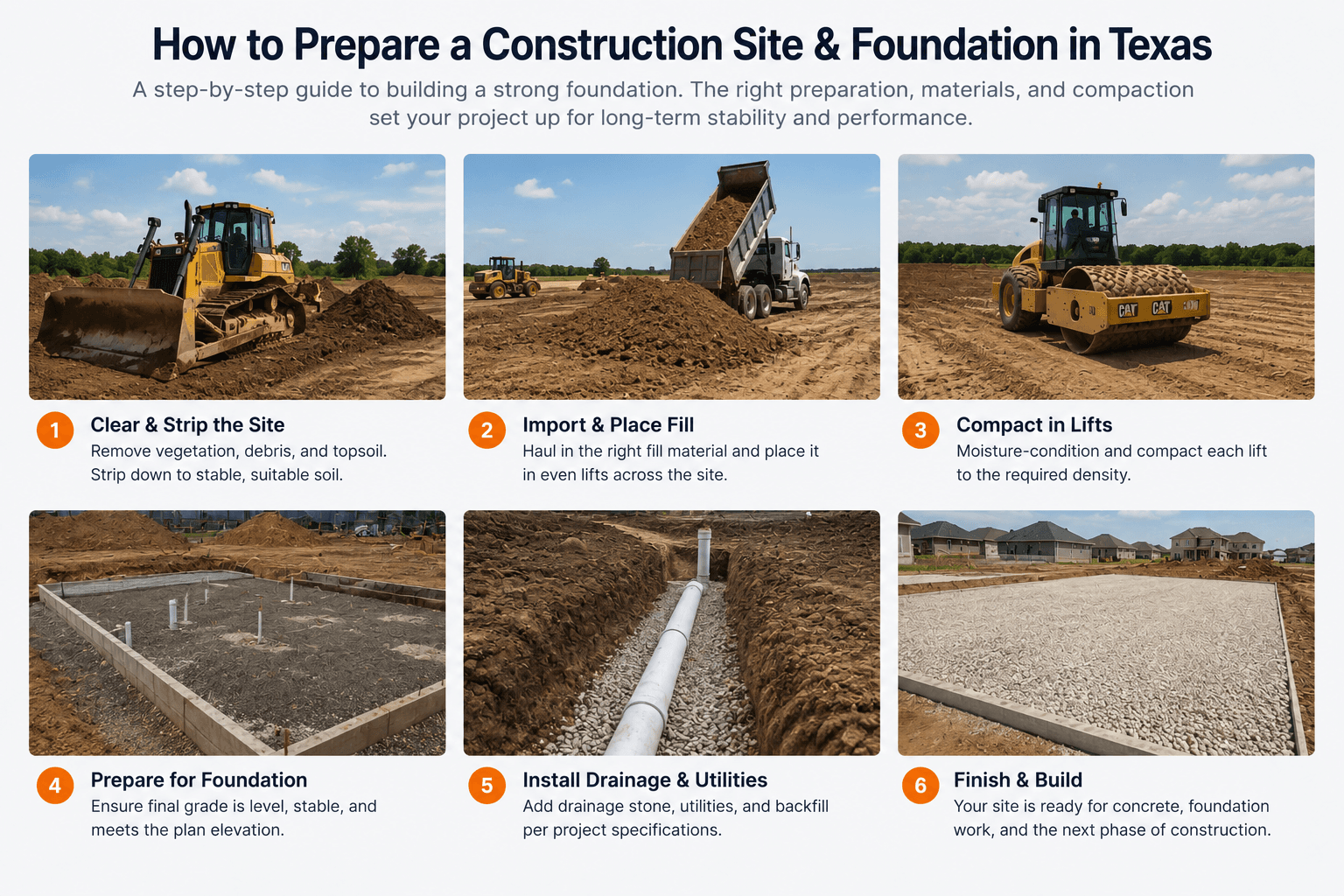
Starting construction in Texas? Learn how to prepare the site, build elevations and foundation pads, select the right fill and aggregate, calculate material quantities, and coordinate bulk delivery.
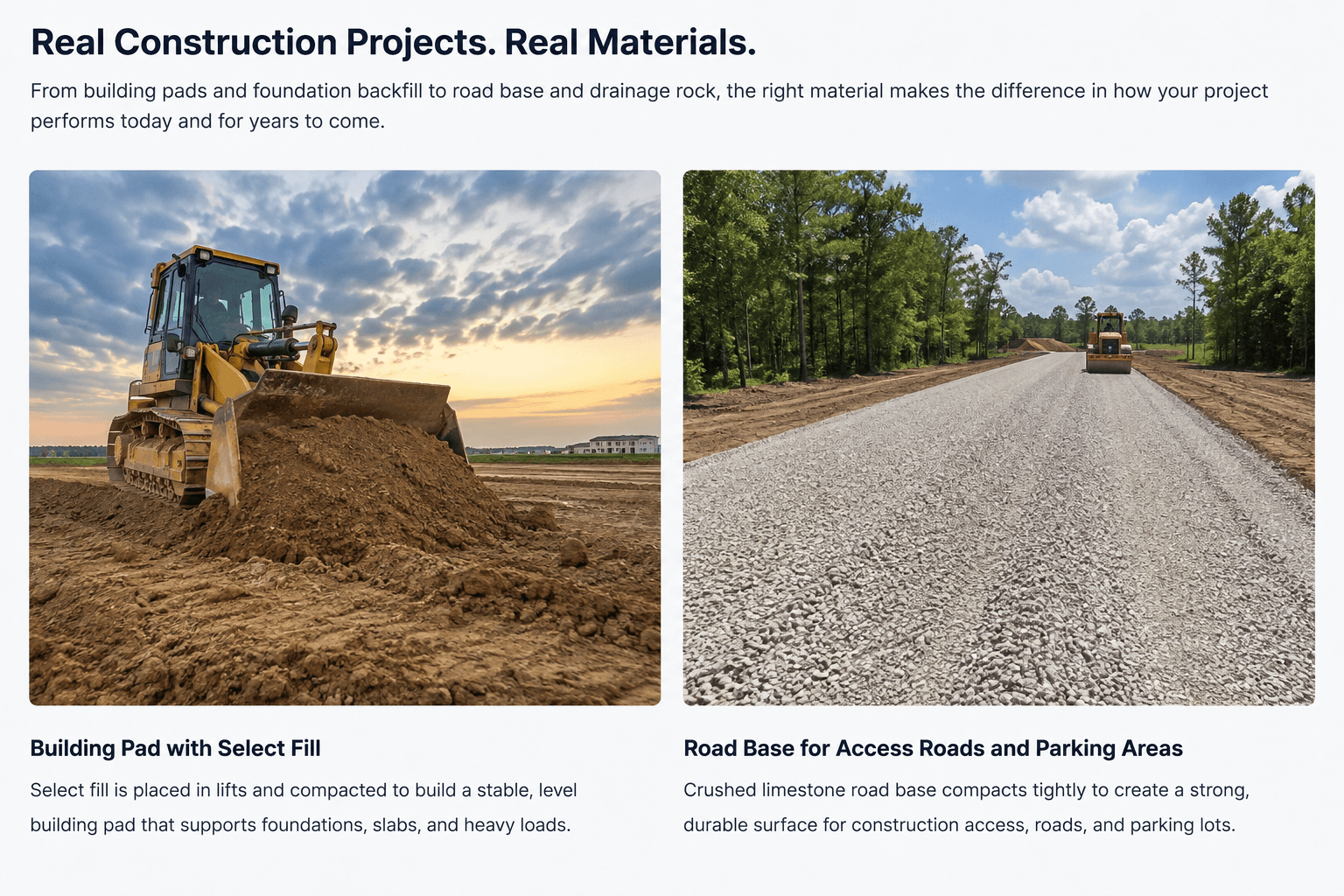
Building a foundation, commercial site, road, parking area, or new development in Texas starts with the right bulk materials. Learn when to use fill dirt, select fill, road base, crushed limestone, sand, drainage stone, and other aggregates and how contractors and property owners can source material for delivery directly to the job site.
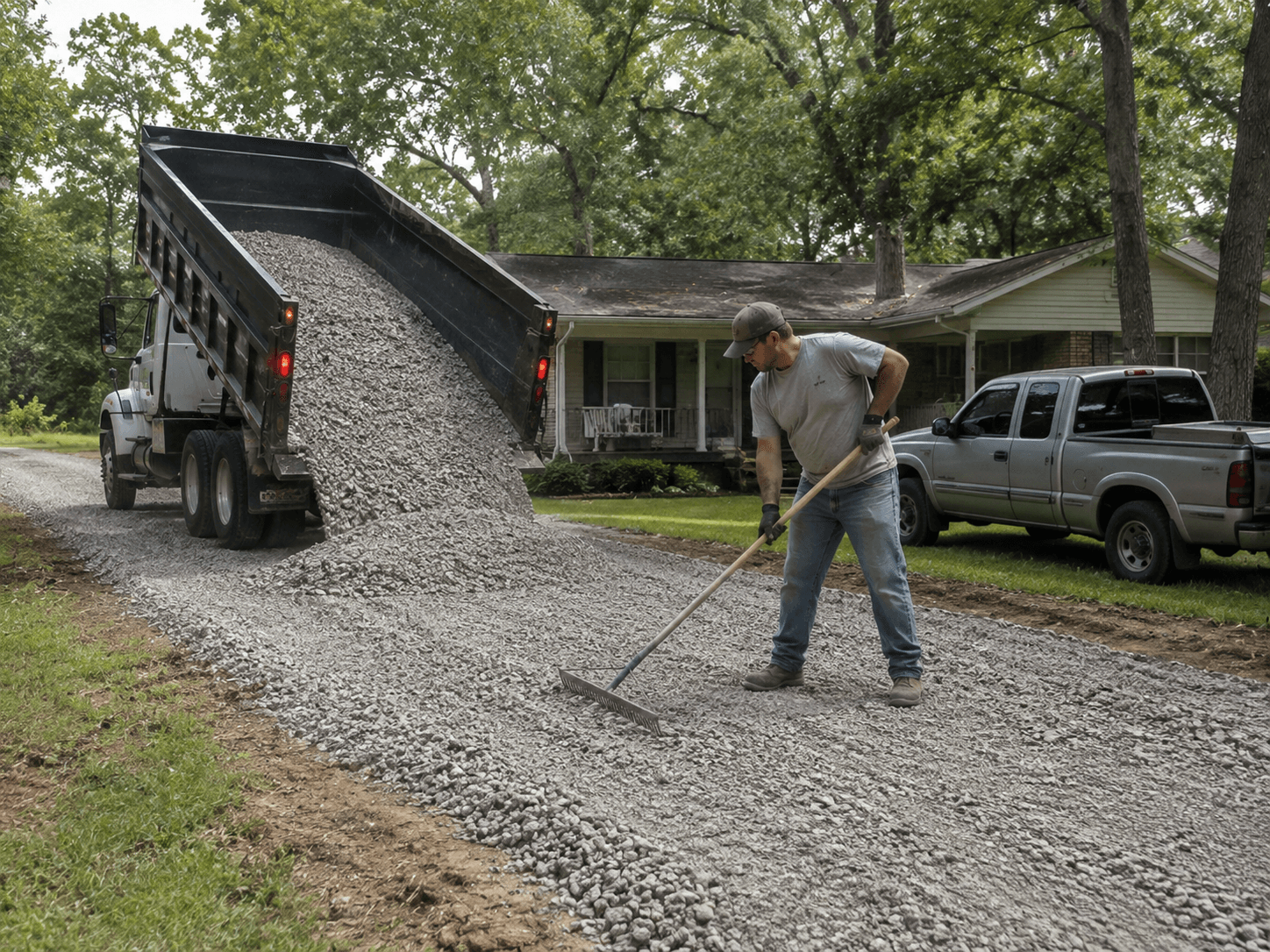
Choosing between crusher run, #57 stone, asphalt millings, fill dirt or topsoil? This South Carolina guide explains which bulk materials work best for driveways, drainage, landscaping and DIY projects—and what to know before ordering local delivery.
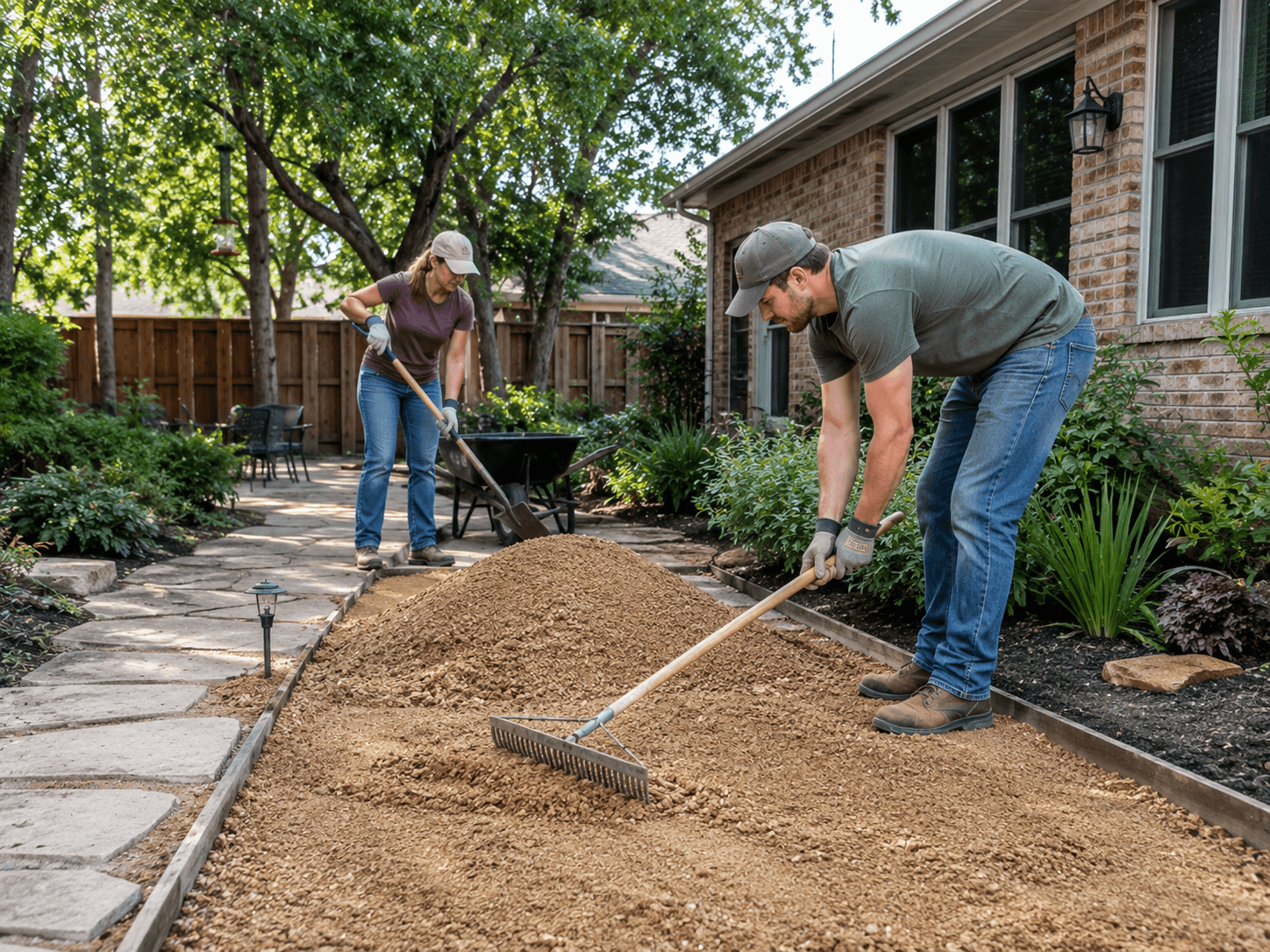
Not sure whether you need crushed limestone, flex base, fill dirt, topsoil, sand or river rock? This Texas bulk material guide helps homeowners, DIYers and small contractors choose the right product, estimate quantities and find gravel and aggregate delivery near them.
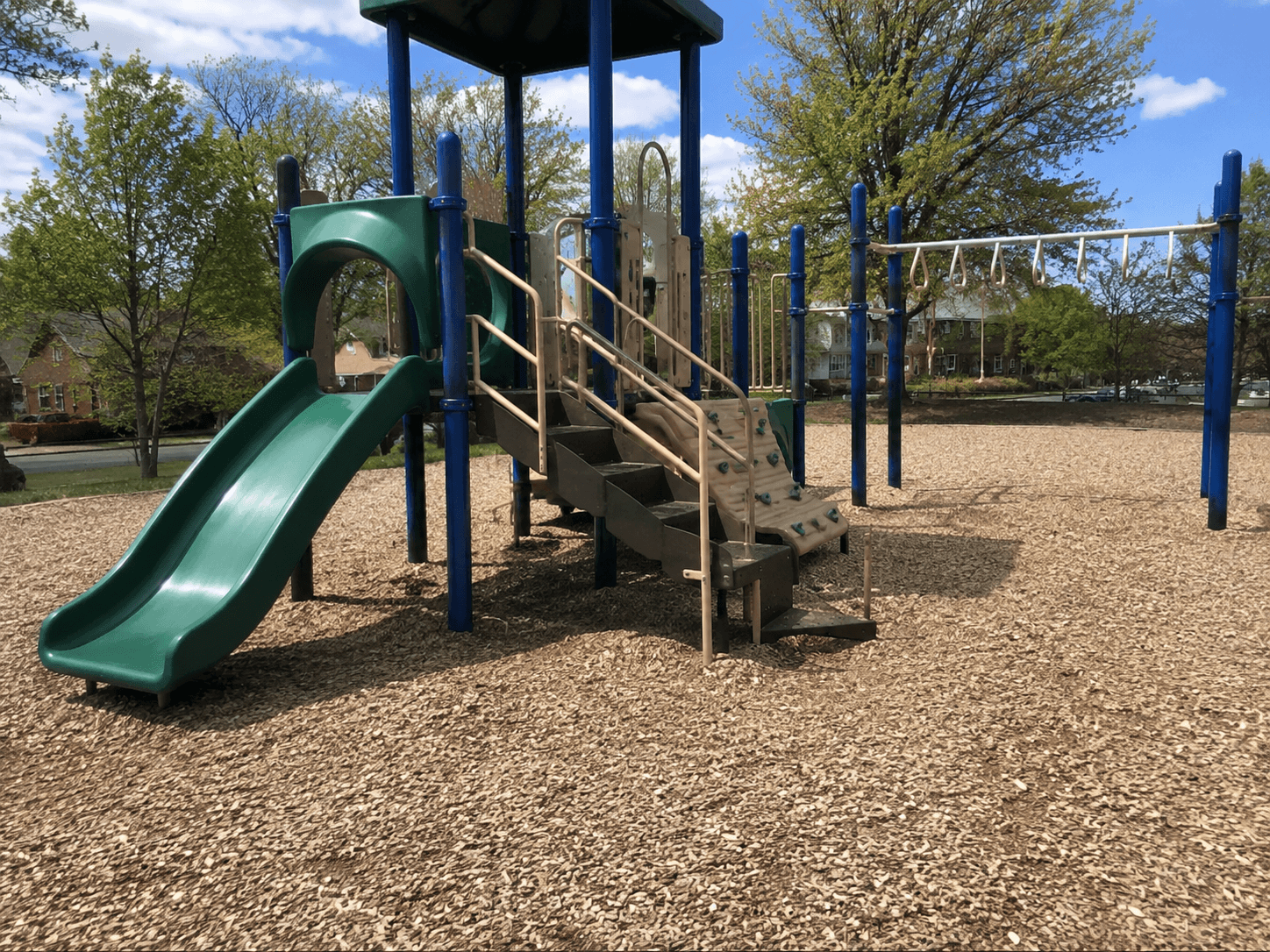
Choosing the right mulch can improve curb appeal, reduce maintenance and protect landscaping. Learn the best mulch types for homeowners, HOAs, schools, churches, playgrounds and commercial properties.
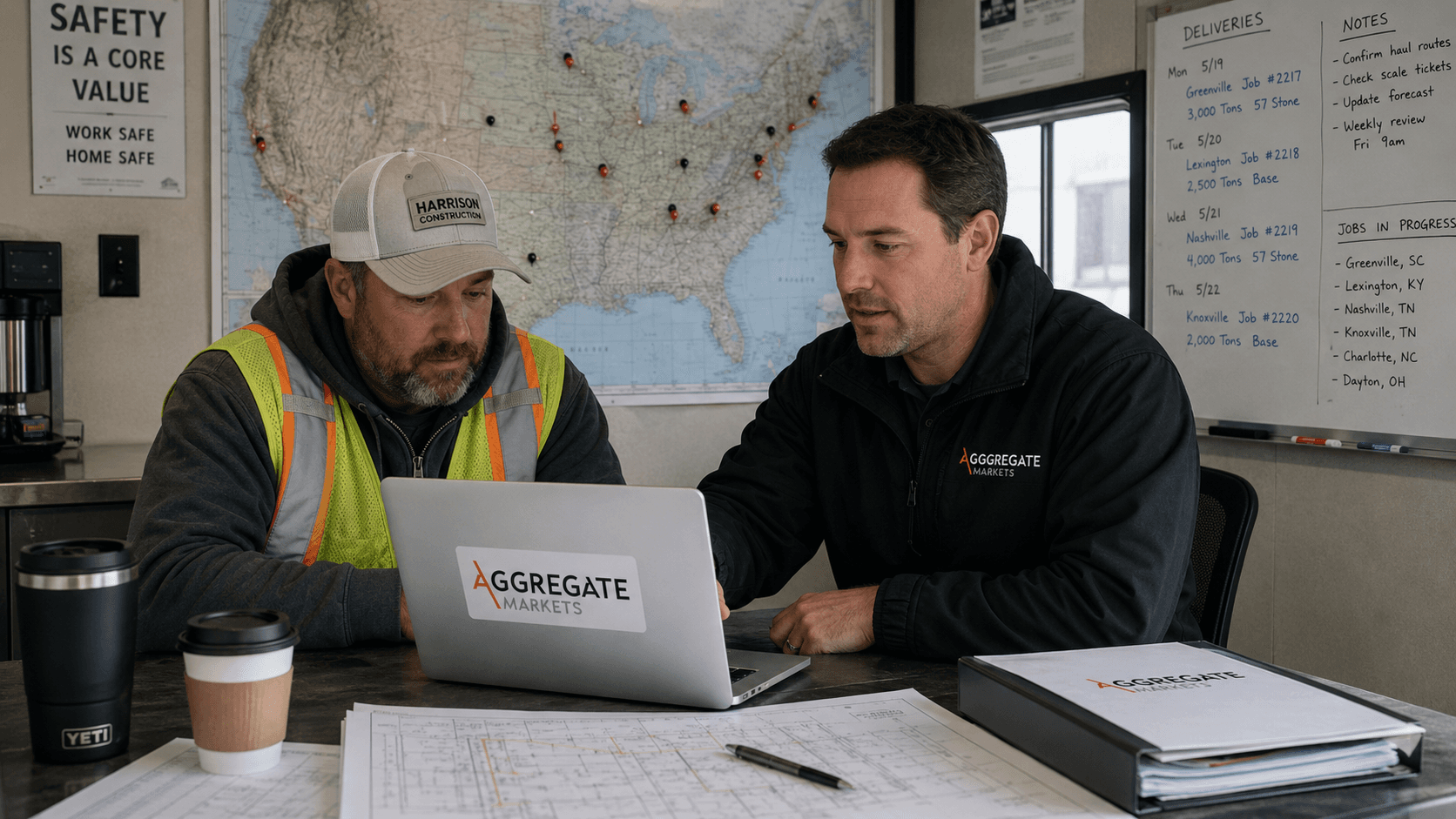
Bidding construction work outside your normal market? Check local delivered aggregate pricing online before submitting your estimate instead of waiting days for supplier quotes.
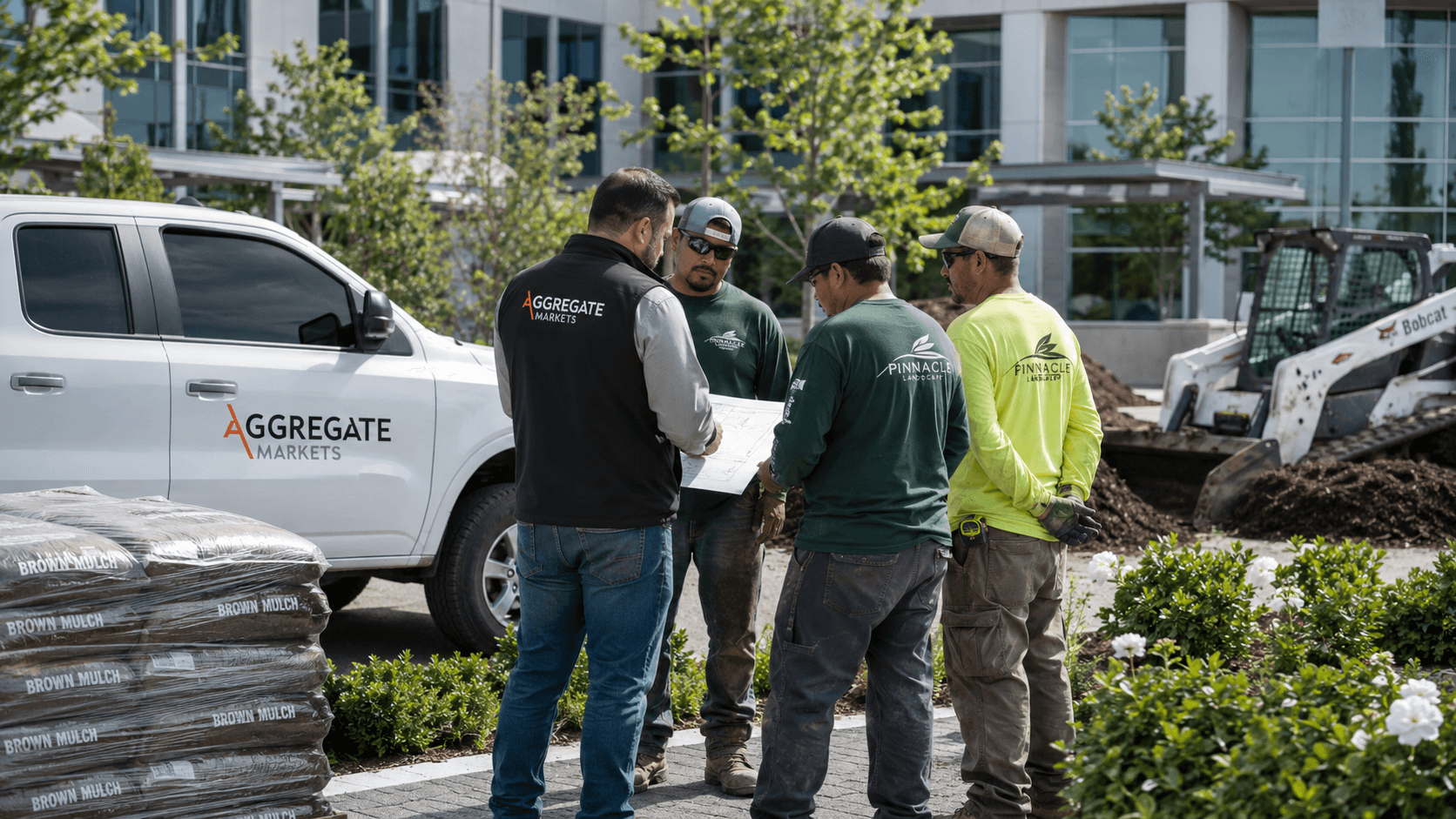
When every project manager buys materials differently, purchasing gets harder to control as a contractor grows. Learn how multi-site contractors can standardize aggregate sourcing, delivered pricing, approvals, and jobsite deliveries without forcing every project to use the same local supplier.
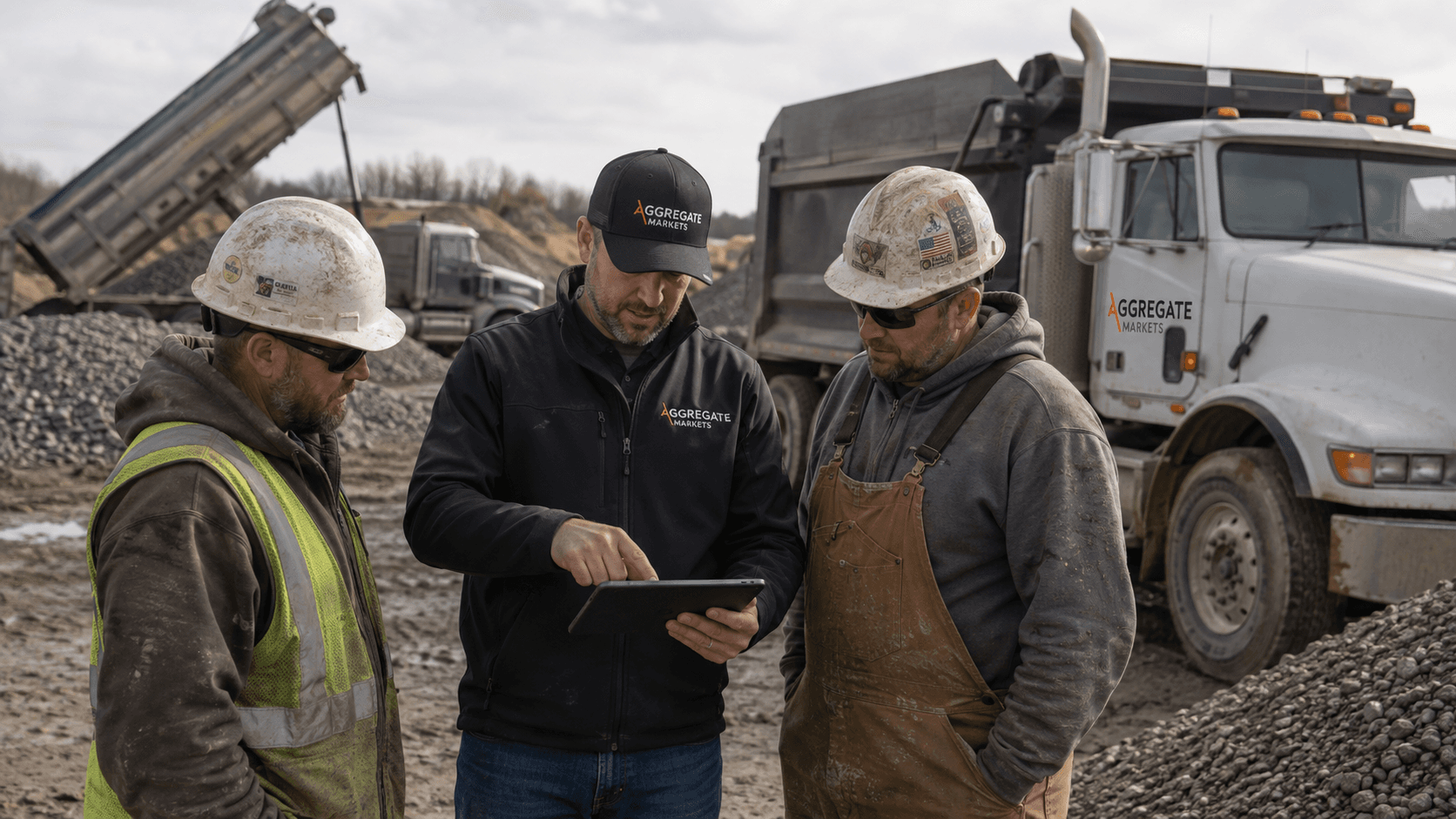
Multi-state landscaping companies should not need a new mulch, topsoil, gravel, and stone supplier for every project. Learn how centralized bulk-material sourcing simplifies nationwide operations.
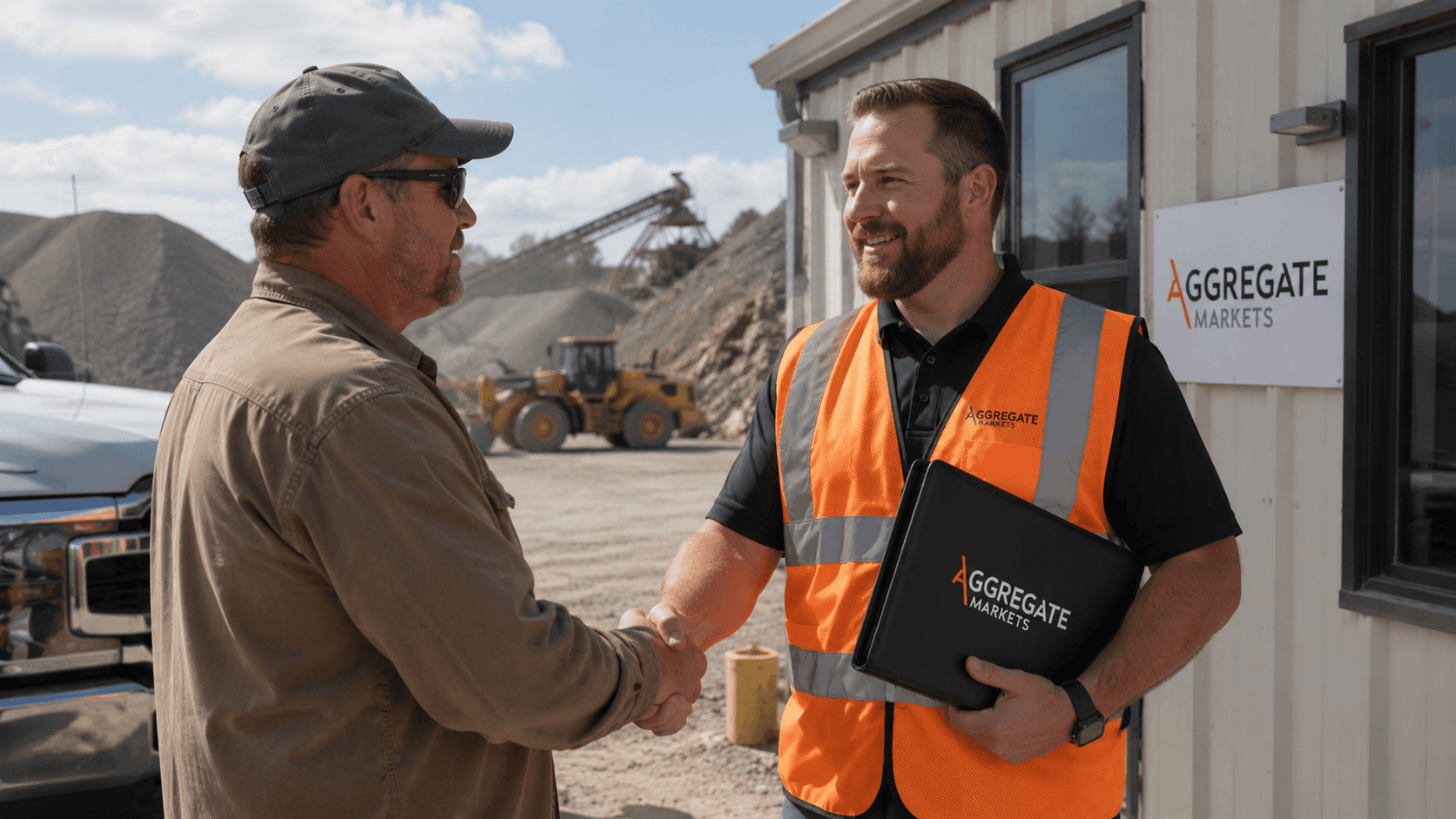
The cheapest stone price is not always the lowest project cost. Learn how contractor time, trucking, supplier searches, delays, and coordination can make fragmented aggregate purchasing far more expensive than it appears.
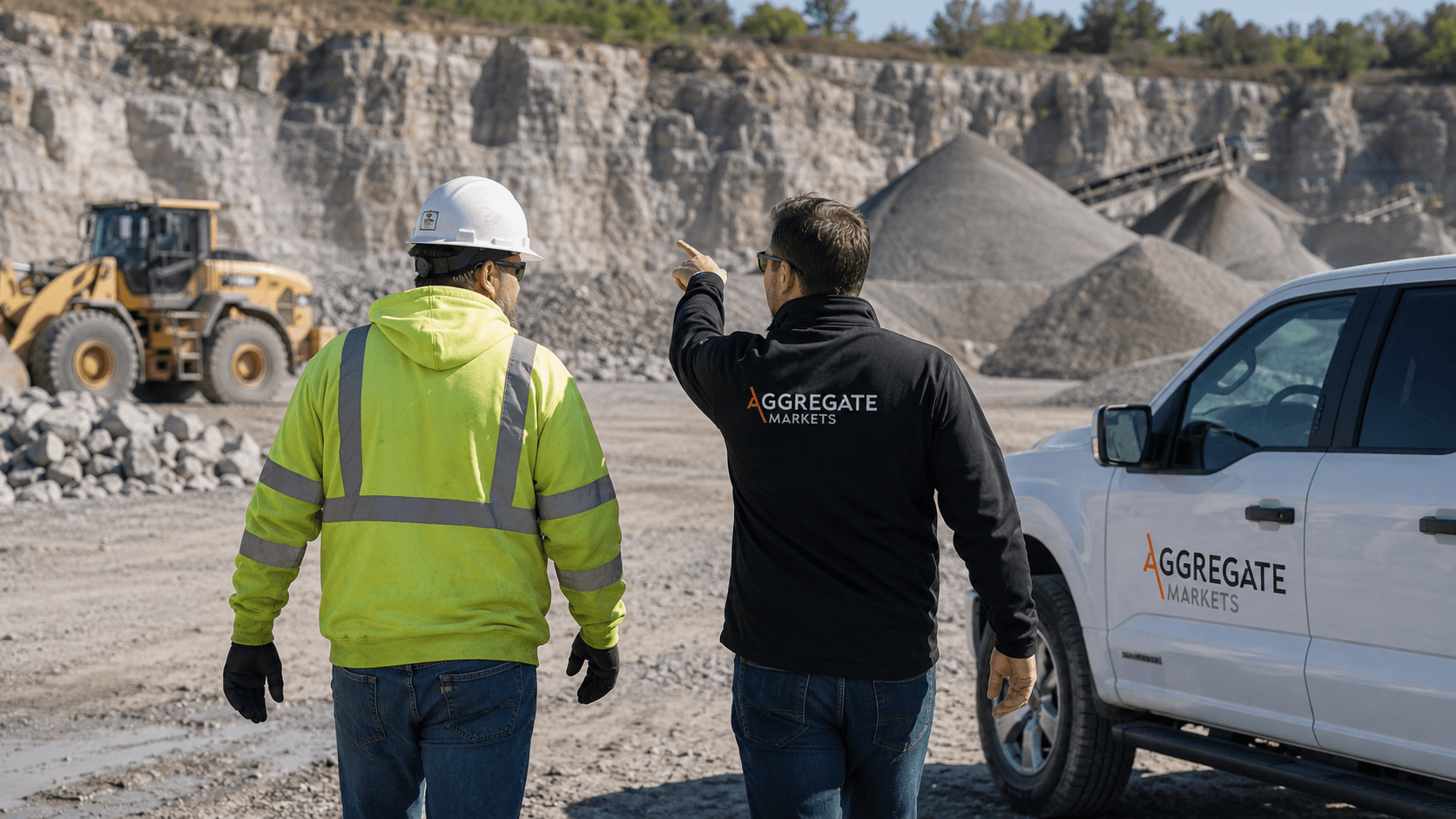
Nationwide contractors should not have to find a new quarry, supplier, and trucking company every time they enter a new market. Learn how Aggregate Markets helps contractors source gravel, crushed stone, road base, sand, soil, and other bulk materials through one nationwide sourcing and delivery network.