When you’re looking for mulch in your area, the goal is usually one of three things: getting a clean, low-maintenance finish for planting beds, completing landscaping after construction, or choosing a packaging option that’s easy to deliver and install on-site.
In the US, the most common options include hardwood mulch, cedar mulch, colored mulch (black or red), and rubber mulch. Each serves a slightly different purpose depending on the job, the look you want, and how much maintenance you're willing to deal with later.
Mulch, in simple terms, is any material spread over soil to help retain moisture and reduce weed growth. Organic mulch like hardwood or cedar also improves soil over time as it breaks down, while other options like rubber are built more for durability than soil health. For contractors and homeowners, the takeaway is straightforward: the right mulch makes a project look finished and cuts down on long-term maintenance.
Hardwood mulch vs cedar vs colored vs rubber mulch
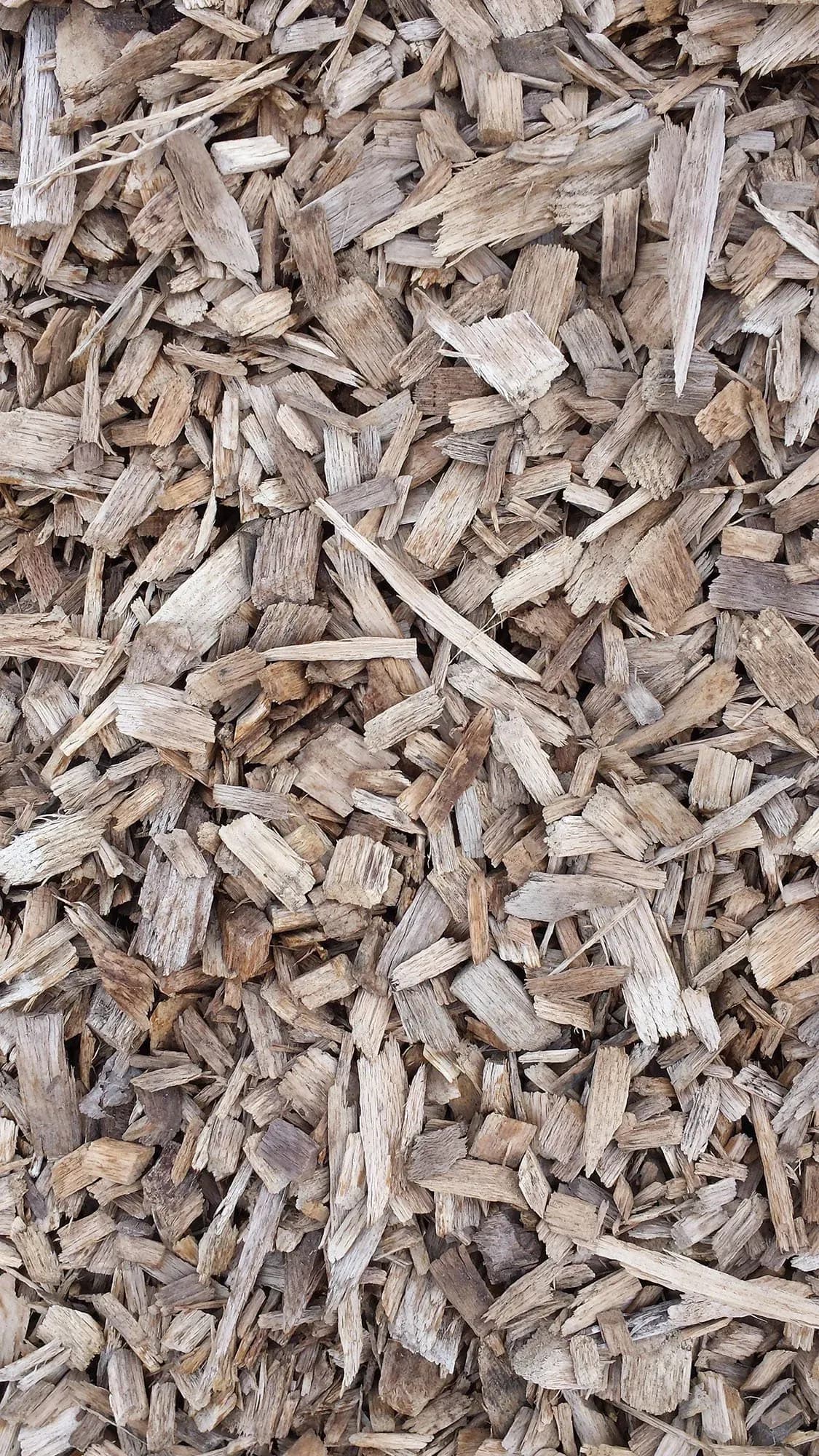
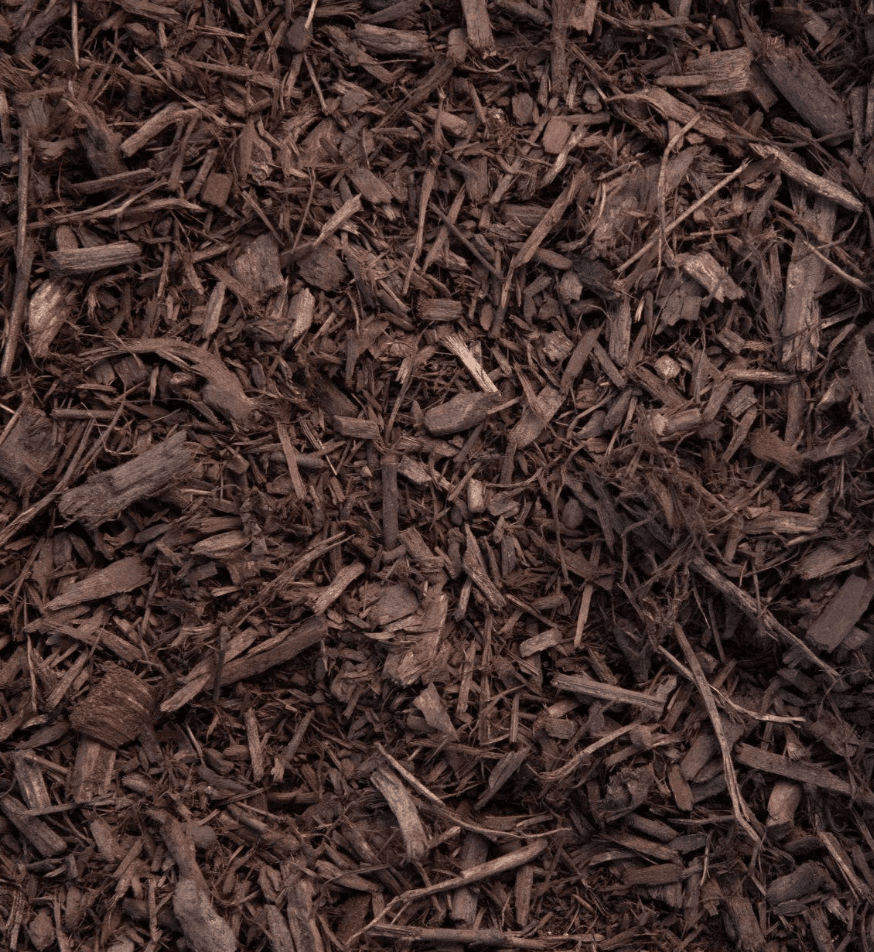
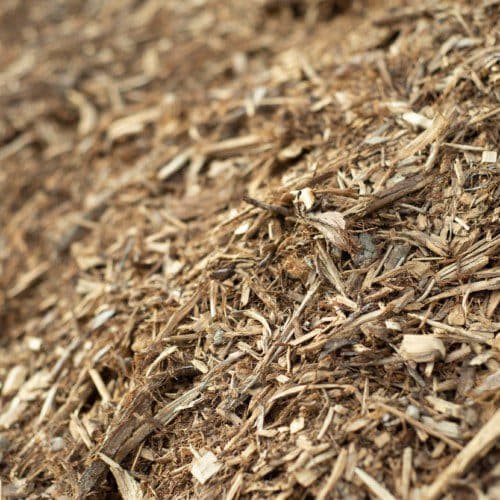
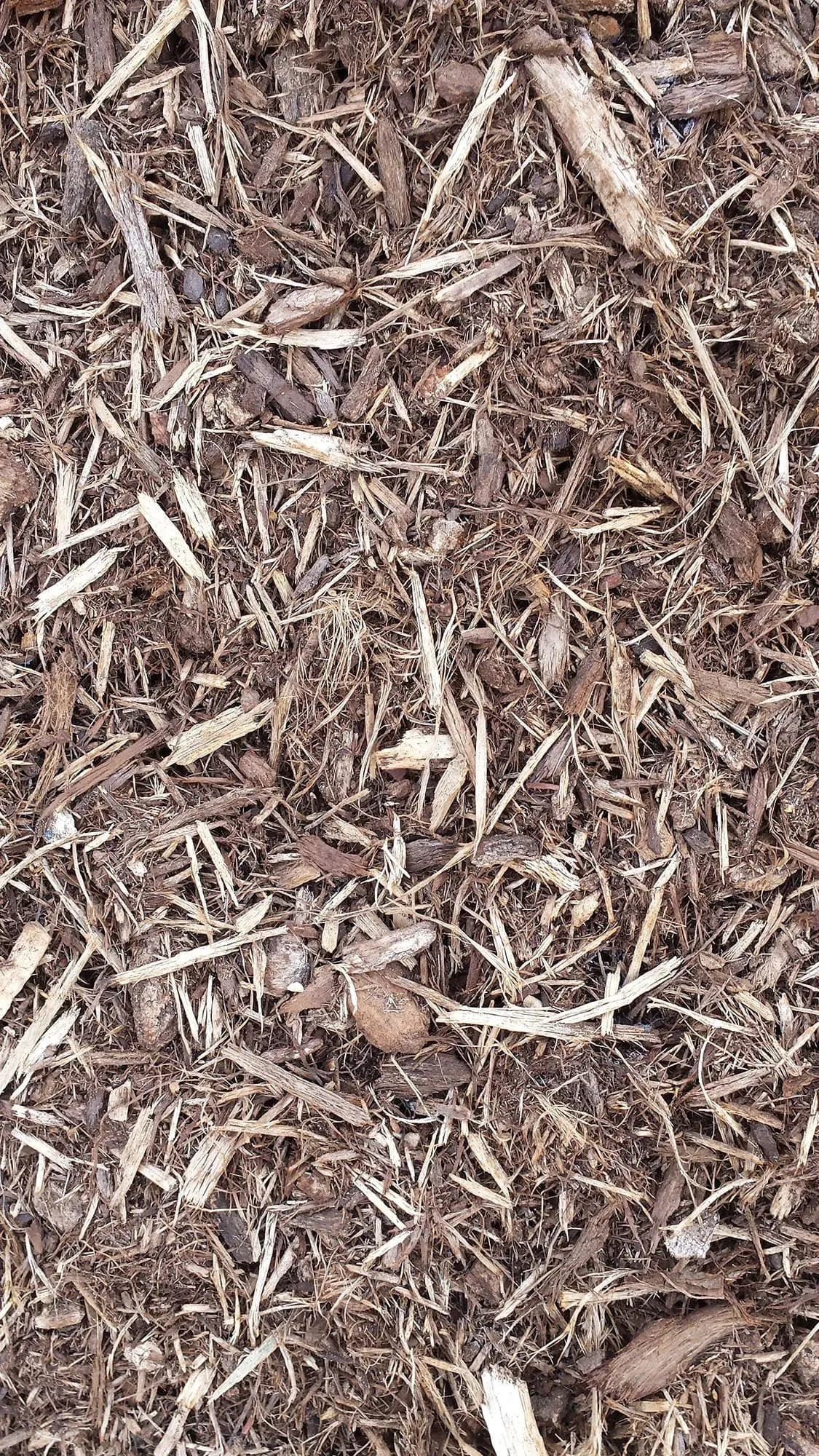
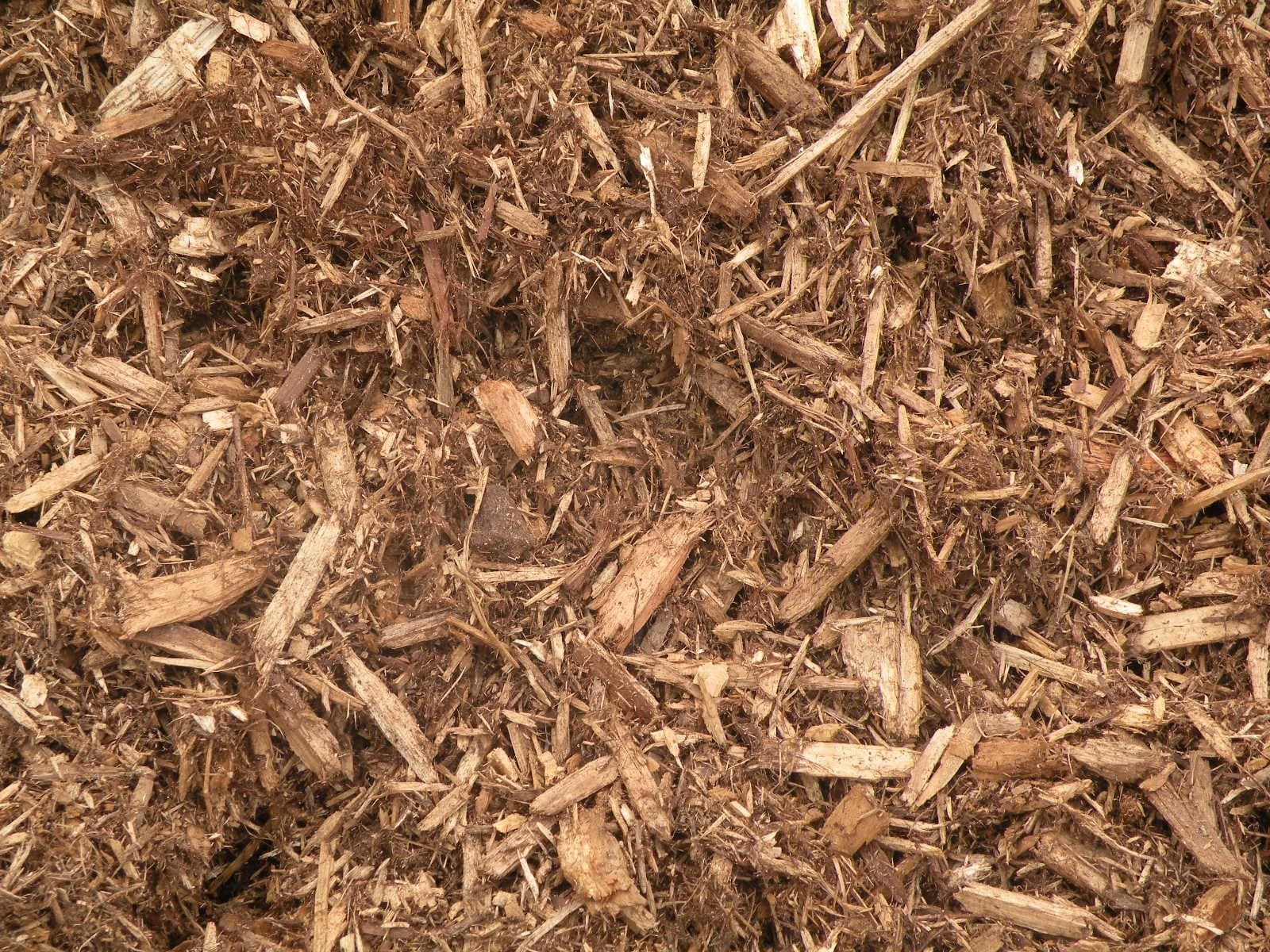
Hardwood mulch is the most widely used option across the US. It’s typically made from recycled wood products and works well for general landscaping—planting beds, tree rings, and larger coverage areas. It breaks down over time, adding nutrients to the soil, and gives a natural, consistent look. This is usually the go-to choice when cost, coverage, and functionality matter most.
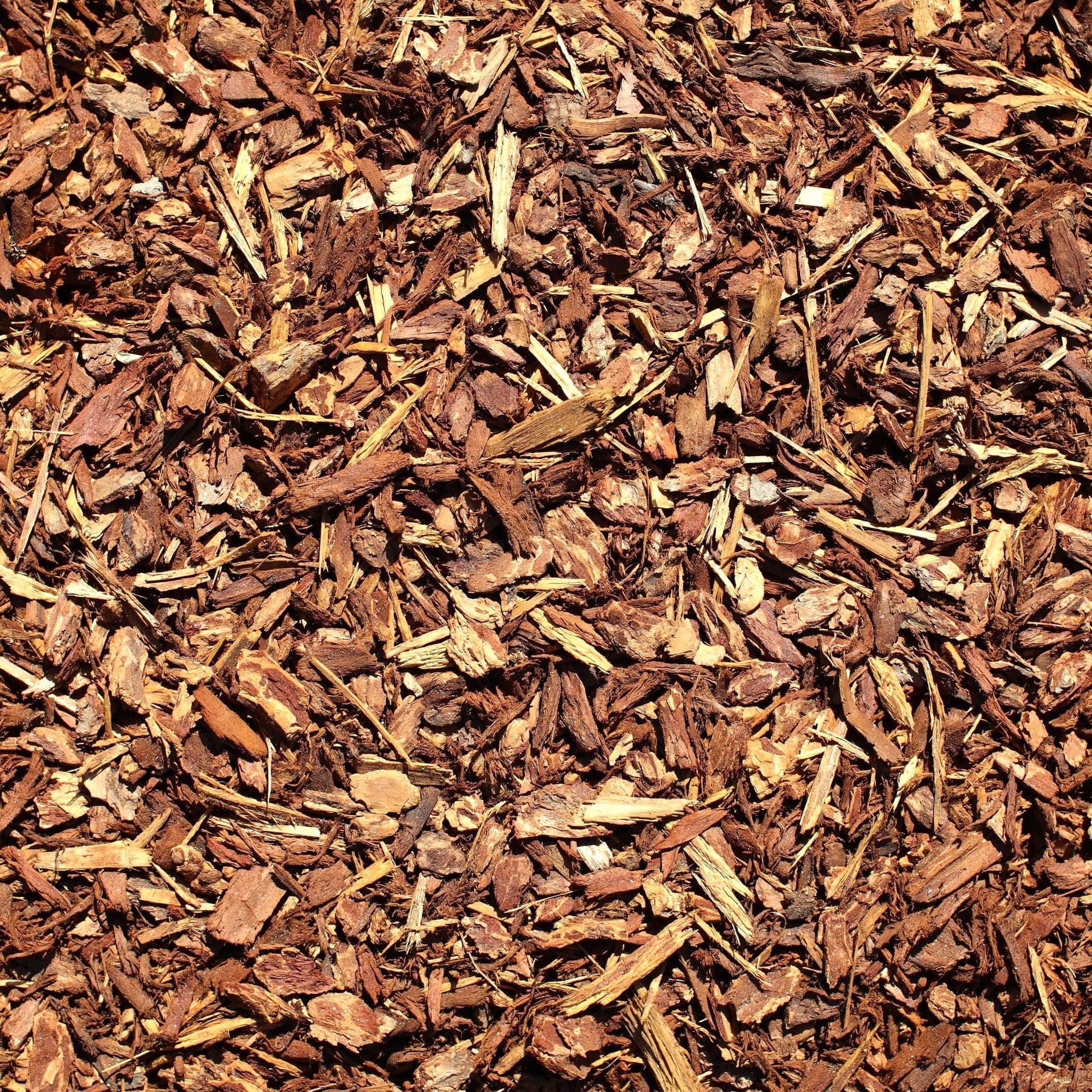
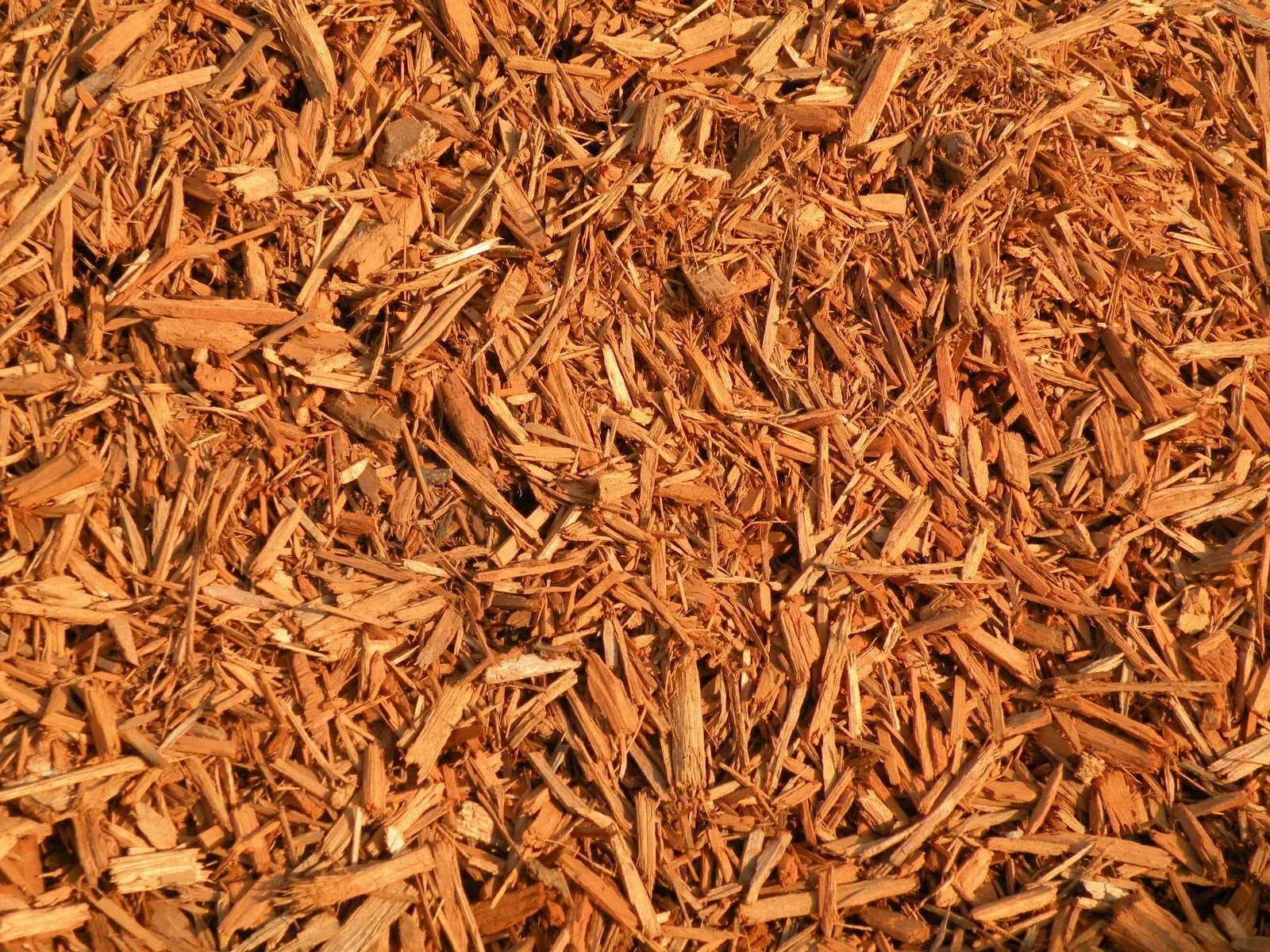
Cedar mulch is a step up in durability and appearance. It has a natural resistance to insects and decay, which means it lasts longer than standard hardwood mulch. It also has a distinct color and smell that many homeowners prefer for decorative beds around homes, patios, and entryways. If the goal is a cleaner, longer-lasting finish with less frequent replacement, cedar is often worth the extra cost.
Black and red colored mulch are dyed versions of hardwood mulch designed mainly for visual impact. Black mulch gives a sharp, modern contrast, especially around light-colored homes, while red mulch creates a more traditional landscaped look. These are popular in residential landscaping and commercial properties where curb appeal matters. Over time, the color fades, so they may need refreshing more often than natural mulch.
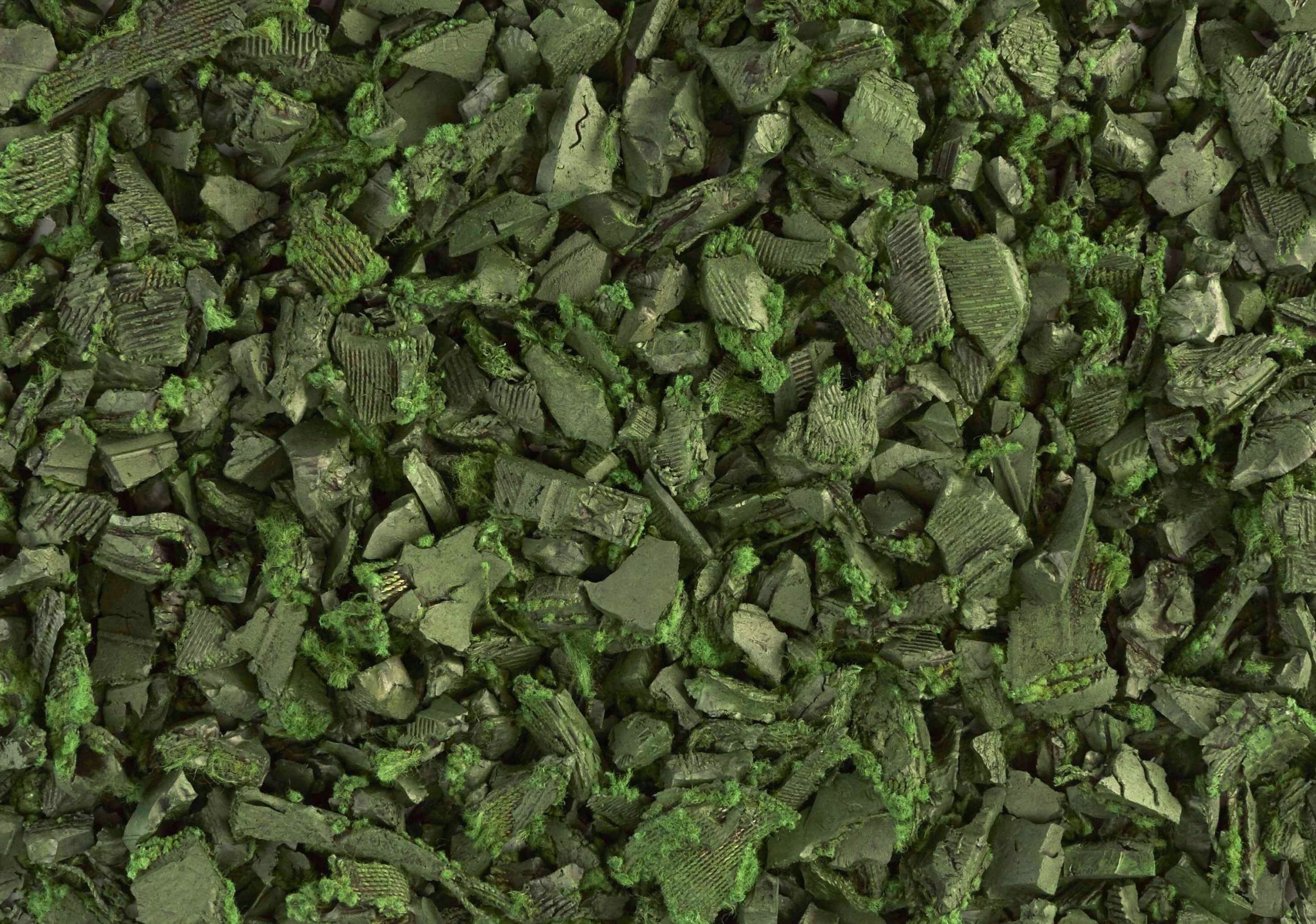
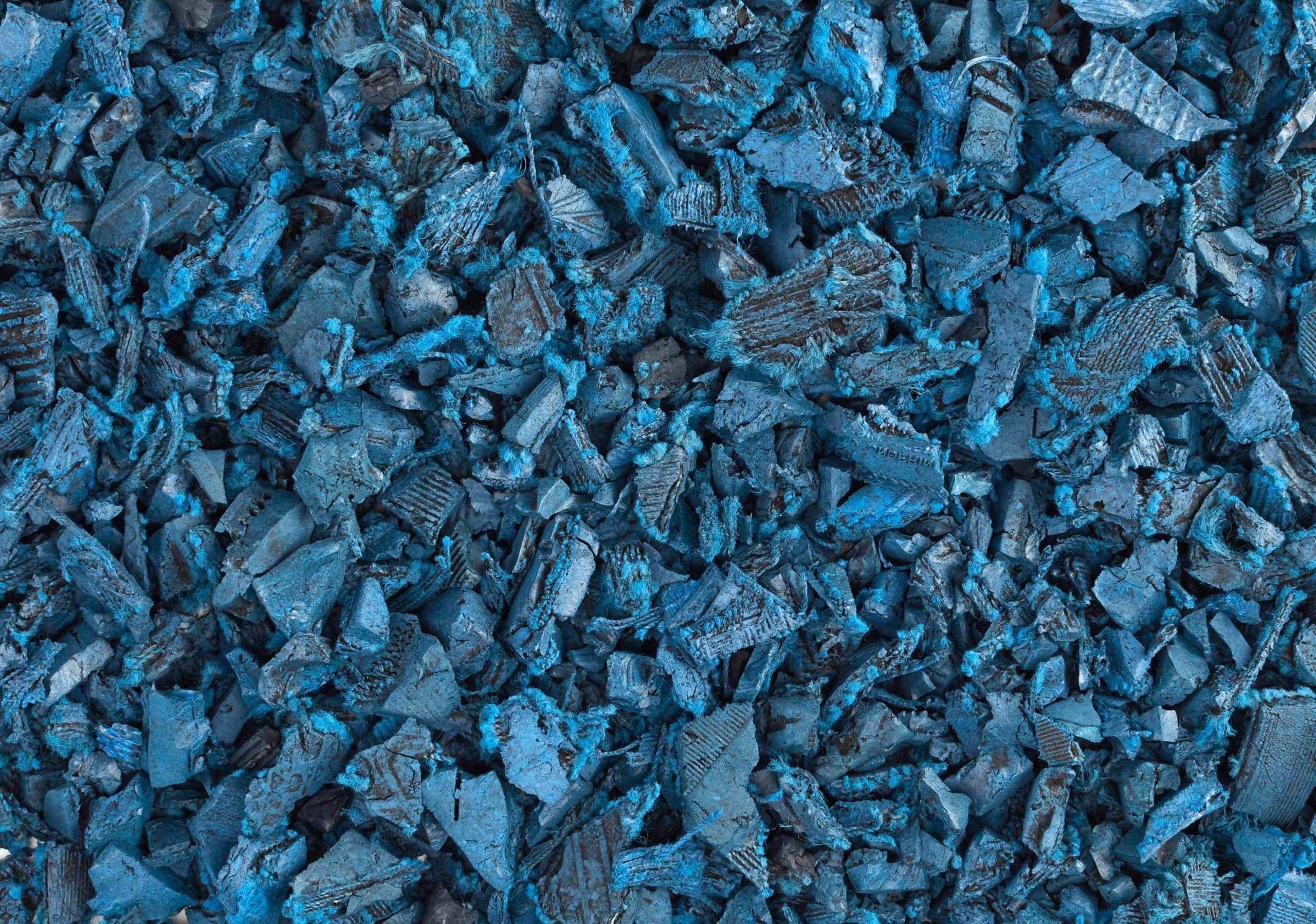
Rubber mulch is completely different from organic options. It doesn’t break down, doesn’t improve soil, and is not used for planting beds in the traditional sense. Instead, it’s designed for durability—commonly used on playgrounds, pathways, dog runs, and high-traffic areas. It lasts for years with minimal maintenance, but it’s more of a surface material than a soil-enhancing one.

Choosing the right mulch for the job
For planting beds and general landscaping, hardwood or cedar mulch is usually the best fit. Hardwood is more cost-effective for larger areas, while cedar works better when you want longer lifespan and a more refined look.
If the goal is visual impact, especially for residential or commercial front-facing areas, black or red mulch is often the preferred choice.
For areas where durability matters more than appearance—like playgrounds, walkways, or pet areas—rubber mulch is often the better option.
Bulk mulch vs bags vs bulk bags
Just like choosing the right material, choosing the right packaging matters.
Bulk mulch delivery is the most efficient option for larger areas. It’s typically sold by the cubic yard and delivered directly to the site. This is the most common choice for contractors, HOAs, and larger residential projects where speed and volume matter.
Bulk bags (Super Sacks / Big Bags) are a practical middle ground. They keep the material contained, reduce mess, and are easier to manage on tighter job sites where dumping loose material isn’t ideal. They’re especially useful for residential jobs or smaller construction sites.
Bagged mulch (usually 2 cubic foot bags on pallets) is best for smaller jobs or when material needs to be moved by hand across the site. It’s also useful when work is done in phases and you don’t want all material delivered at once.
How much mulch do you need?
A simple way to calculate:
Area (square feet) × depth (in feet) = cubic feet needed
For example:
- 200 sq ft area × 0.25 ft (3 inches) = 50 cubic feet (~2 cubic yards)
General guidelines:
- 2–3 inches for most mulch beds
- 3–4 inches for better weed control
- Slightly deeper layers for pathways or non-plant areas
This calculation often determines whether bulk delivery, bulk bags, or pallets of bags make the most sense.
A quick real-world example
On a recent landscaping job, a contractor planned to use bagged mulch for a medium-sized planting area. After unloading and spreading a portion by hand, it became clear the volume was underestimated. What started as a simple job turned into multiple supply runs and extra labor just moving bags across the property. In hindsight, ordering bulk mulch delivery would have saved time, reduced labor, and kept the crew focused on finishing instead of handling materials.
Common questions
What mulch is best for planting beds?
Hardwood or cedar mulch is the safest and most common choice. Both support soil health and provide good moisture retention.
What mulch is best for playgrounds or pathways?
Rubber mulch is a strong option for durability and low maintenance. Hardwood mulch can also be used for a more natural surface.
Is bulk mulch cheaper than bagged?
For larger areas, bulk mulch is almost always more cost-effective and faster to install.
Should you use landscape fabric under mulch?
It depends on the project. Fabric can help with weed control but may slow down natural soil improvement. Many contractors prefer applying mulch directly to soil for planting beds.
Where to order mulch
If you want to compare availability, pricing, and delivery options based on your jobsite, AggregateMarkets.com lets you enter your location and see local suppliers, delivery options, and bulk pricing for mulch and other landscaping materials.
Final takeaway
If you want a clean, finished look with long-term soil benefits, go with hardwood or cedar mulch. If appearance is the priority, colored mulch delivers strong visual results. If durability is the main goal, rubber mulch is built to last.
For packaging, bulk mulch is the fastest and most efficient for large jobs, bulk bags offer control and cleaner handling, and bagged mulch works best for smaller or phased projects.
In most cases, choosing the right mulch is not just about the material—it’s about matching the product, quantity, and delivery method to how the job actually gets done.