See all reviews on Google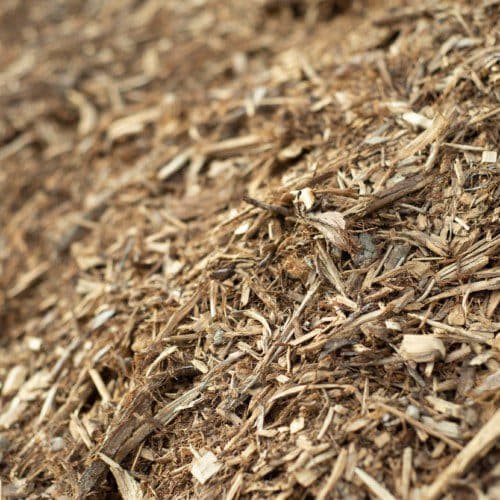
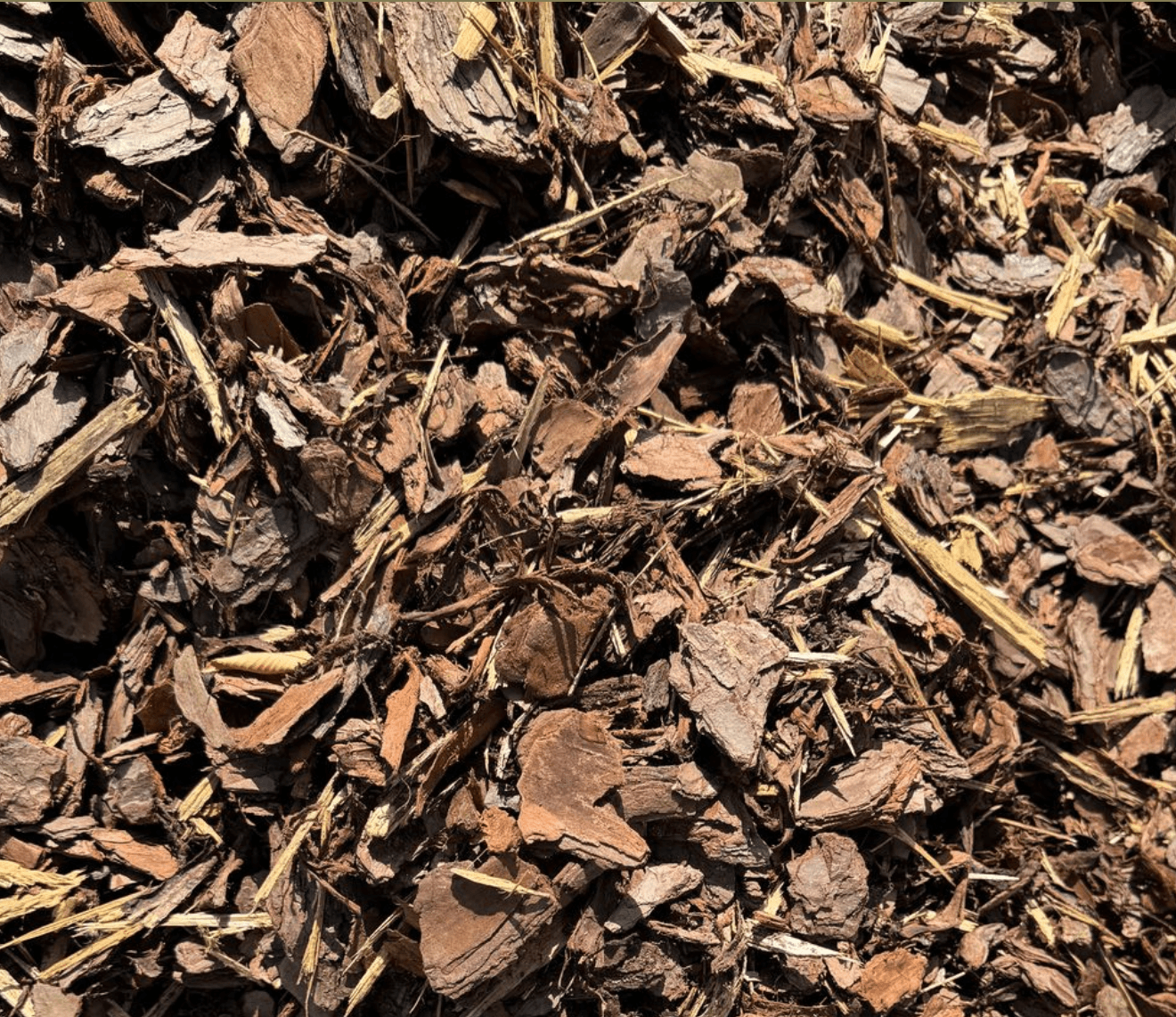
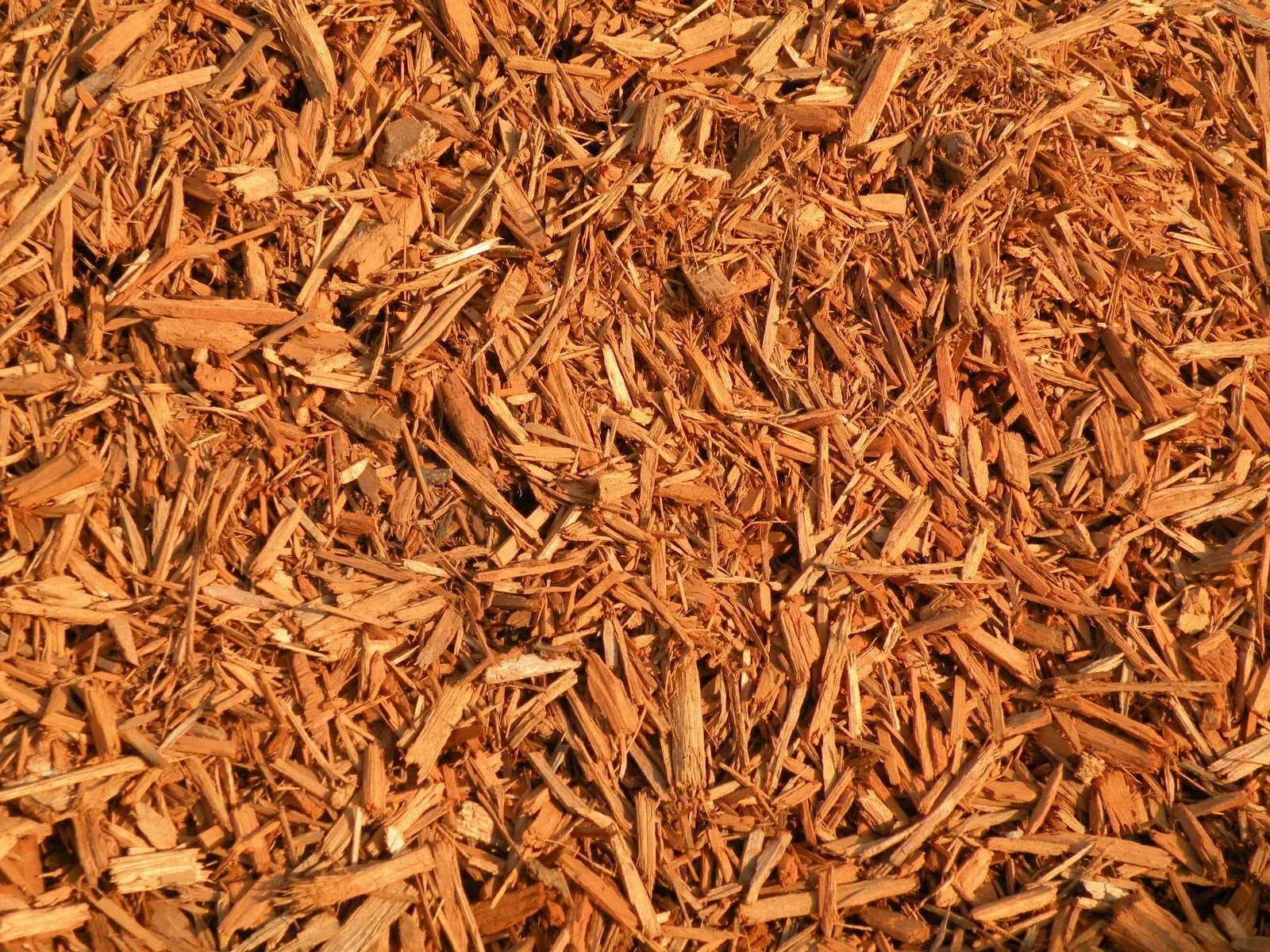
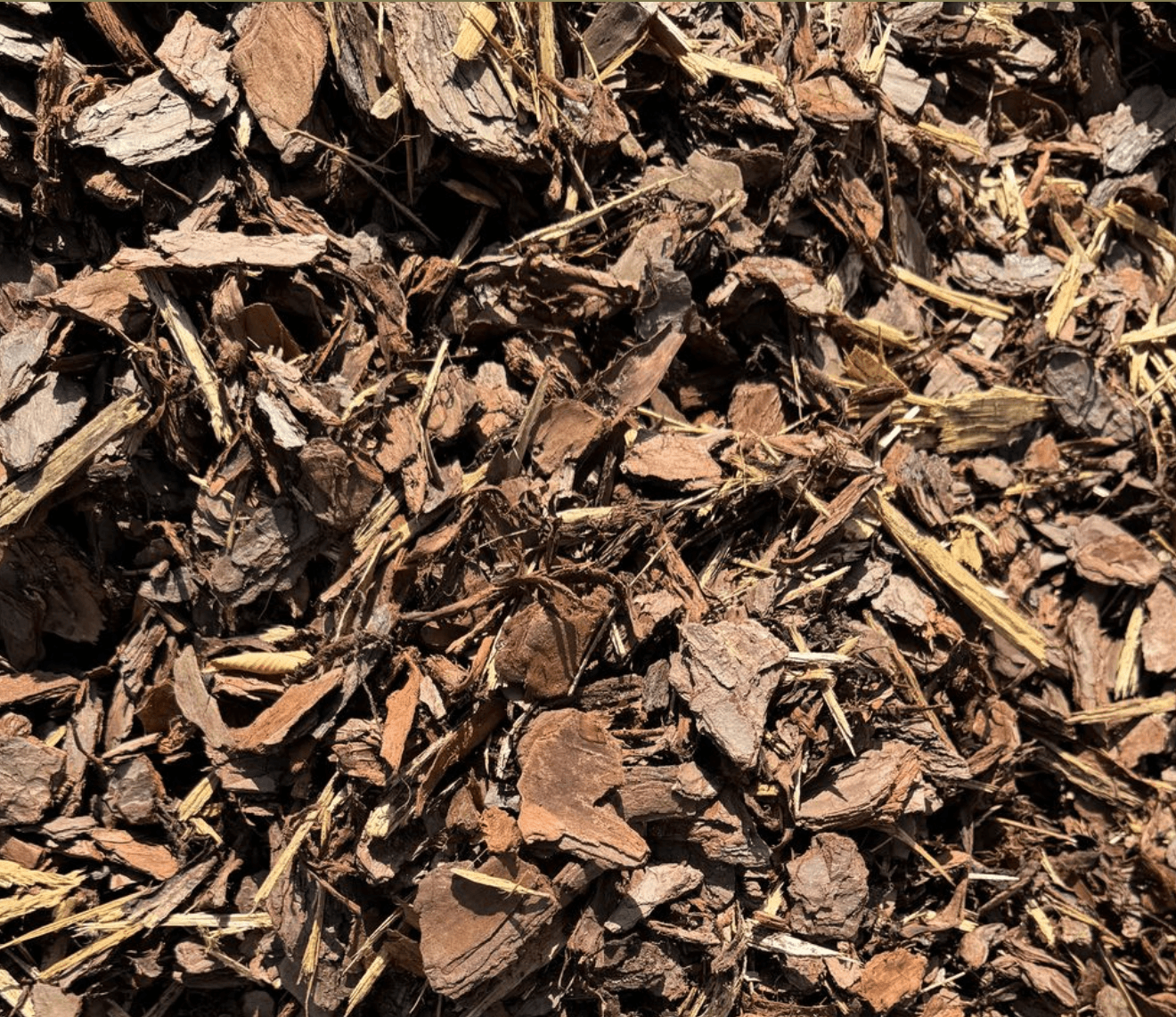
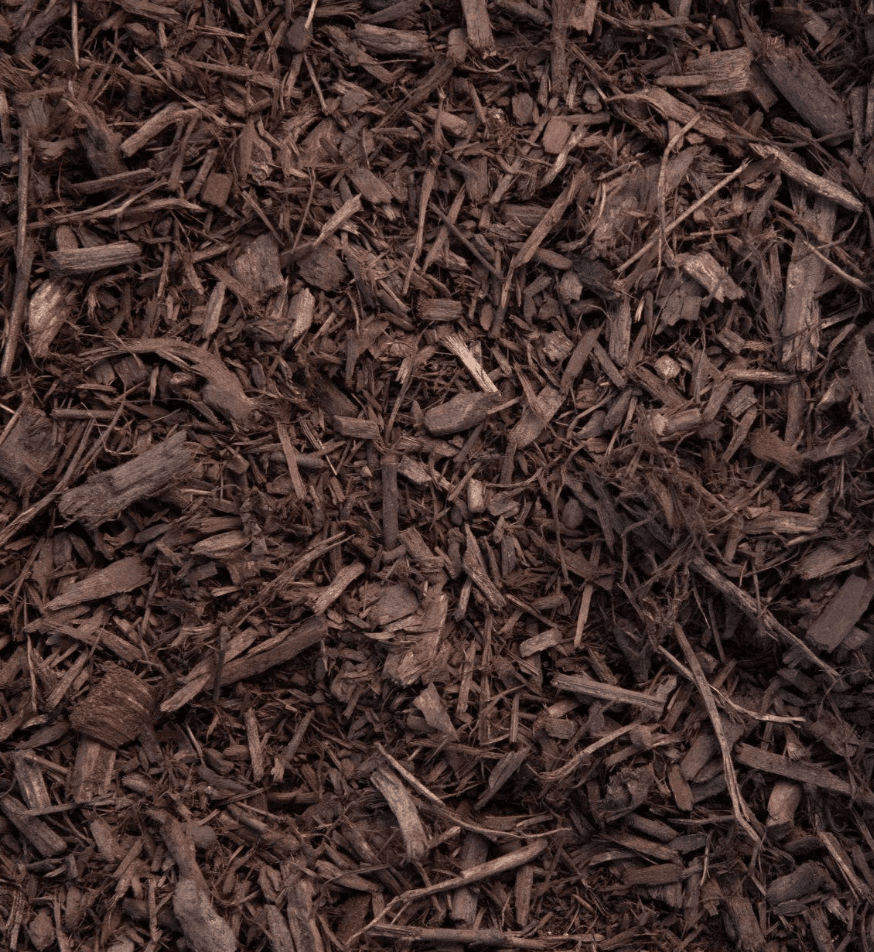
Natural mulch is an organic landscape ground cover made from shredded or chipped wood material without added colorants. Its soft brown and wood-tone appearance creates a clean, understated finish that blends naturally with flower beds, trees, shrubs, garden borders, foundations, pathways, and a wide range of residential and commercial landscape designs.
Because it is undyed, natural mulch develops its appearance from the wood itself, giving each load subtle variation in shade, texture, and particle size. This organic look works especially well in wooded properties, native landscapes, garden areas, parks, commercial grounds, and projects where a simple, natural finish is preferred over brightly colored mulch.
Natural mulch helps conserve soil moisture by reducing evaporation from the ground surface. This allows the soil to remain more evenly moist between watering and creates a more stable root environment around established plants, trees, shrubs, flowers, and ornamental grasses.
A properly applied mulch layer also helps moderate soil temperature by insulating the root zone from rapid heating and cooling. This added protection supports more consistent growing conditions during hot weather, cold periods, and seasonal temperature changes.
Natural mulch can help suppress weed growth by reducing the amount of sunlight reaching the soil surface. When installed at an appropriate depth, it creates a cleaner planting area and reduces the amount of exposed ground where unwanted vegetation may establish.
Its fibrous wood structure also helps protect loose soil from erosion caused by rainfall, irrigation, wind, and surface runoff. This makes it useful around planting beds, slopes, tree rings, and other areas where exposed soil may wash or dry out.
As natural mulch gradually decomposes, it contributes organic matter back into the soil. Over time, this can help improve soil structure, moisture retention, biological activity, and long-term growing conditions around landscape plants.
Natural mulch is popular with homeowners, landscapers, municipalities, property managers, and commercial maintenance crews because it combines practical landscape performance with an environmentally friendly, low-maintenance appearance. It is suitable for new installations, seasonal bed refreshes, large planting areas, and projects focused on natural landscape design.
For the best results, natural mulch should be spread in an even layer and kept slightly away from direct contact with tree trunks, shrub stems, and building siding. Periodic raking and seasonal replenishment can help maintain consistent coverage, depth, and appearance.
Common Applications of Natural Mulch
- Flower beds and garden borders
- Around trees and shrub rings
- Foundation plantings and landscape beds
- Moisture control in planting areas