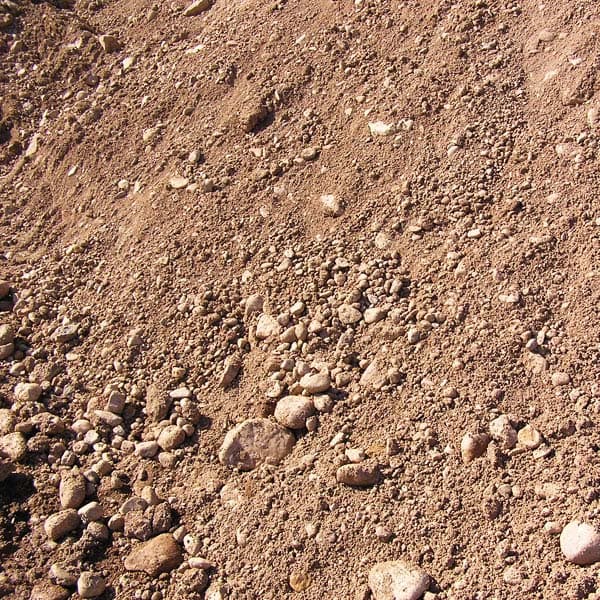
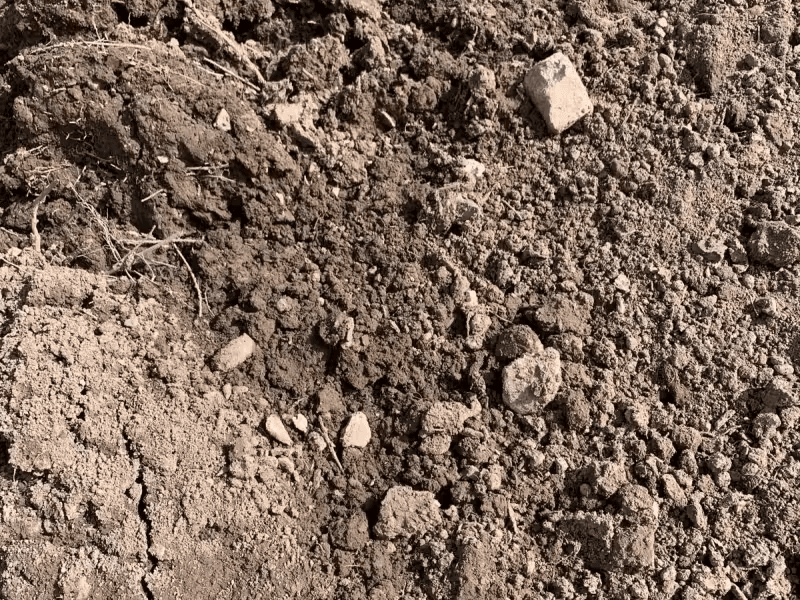
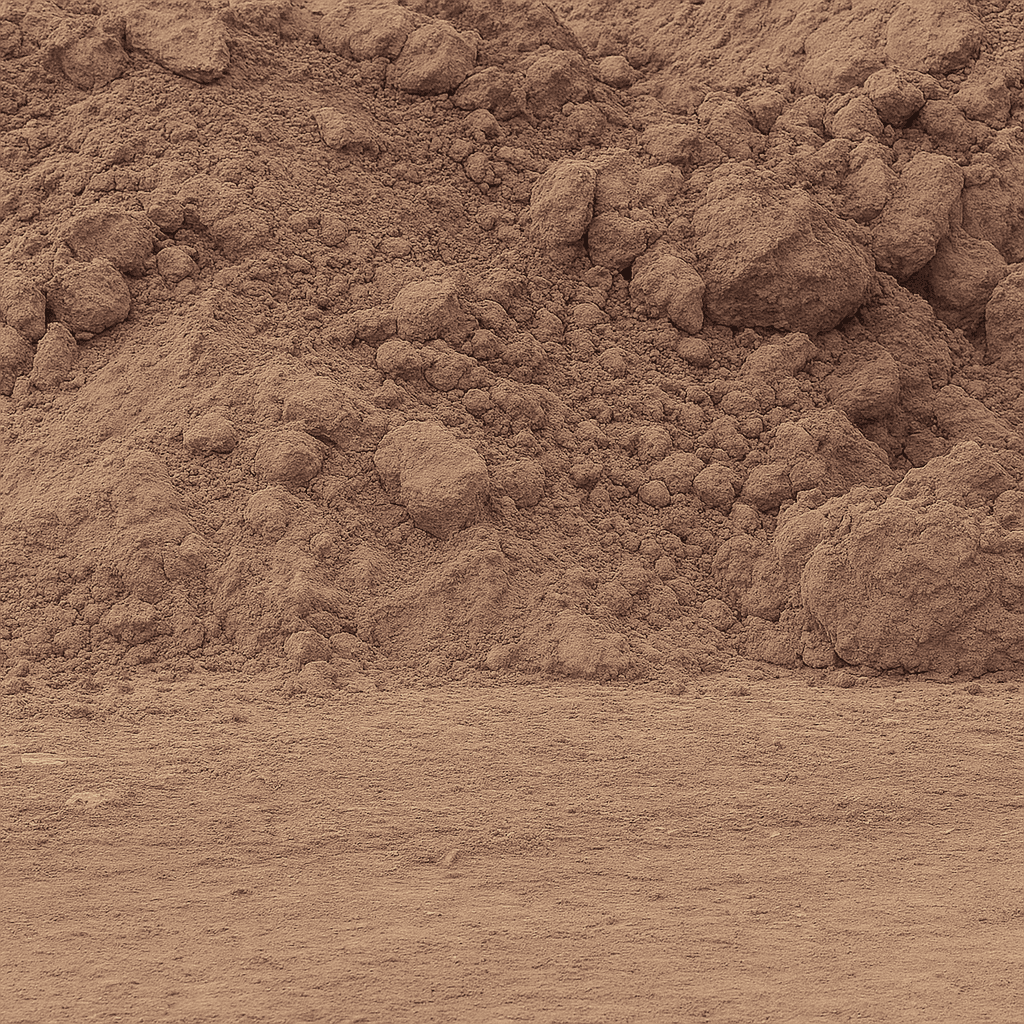
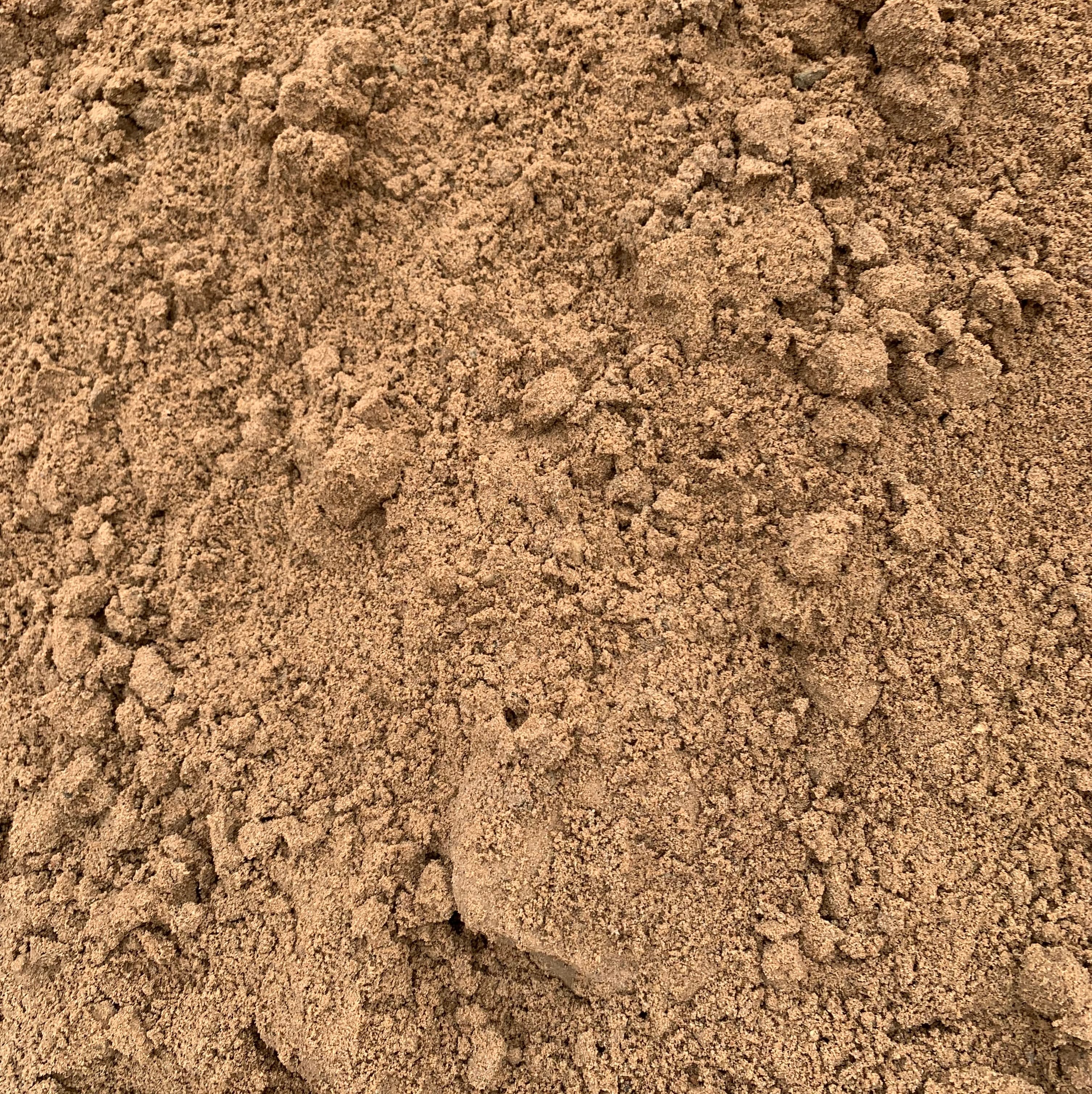
Fill dirt is one of the most common bulk materials used in construction, landscaping, grading, and site preparation. It is an affordable earth material used to fill holes, raise low areas, level uneven ground, build up grades, support foundations, and prepare land for future projects. Unlike garden soil or topsoil, fill dirt is not mainly used for growing plants. Its main purpose is to provide volume, stability, and structure.
Homeowners, contractors, landscapers, builders, and property managers use fill dirt for many outdoor projects, including yard leveling, driveway base preparation, construction backfill, erosion repair, pool removal, retaining wall support, foundation work, and general land improvement. Because fill dirt is usually sourced locally, its color, texture, and composition can vary depending on the region, soil type, excavation source, and supplier.
Fill dirt may be clay-based, sandy, silty, rocky, or mixed. Some fill dirt is clean and screened, while other fill dirt may contain rocks, roots, clumps, or other natural material. The right type depends on the job. For structural filling and grading, compactable fill dirt is often preferred. For planting, lawn repair, or garden beds, topsoil or garden blend soil is usually a better choice.

What Is Fill Dirt?
Fill dirt is a natural earth material used to fill space, change elevation, or create a stable base. It is usually made from subsoil, excavated earth, clay, sand, silt, or a mixture of mineral soil materials. Fill dirt typically contains little organic matter compared with topsoil.
Organic matter is useful for plant growth, but it can decompose, shrink, and settle over time. That is why fill dirt is often preferred for structural or grading projects. A low-organic soil material is more stable because it does not break down the way compost, mulch, or rich topsoil can.
Fill dirt is commonly used when the goal is to build up or reshape land rather than create a fertile planting surface. It can be placed, spread, graded, and compacted to create a firm base for many outdoor projects.
What Is Fill Dirt Made Of?
Fill dirt is usually made from mineral soil. Depending on the source, it may include different amounts of clay, sand, silt, gravel, small rocks, and natural soil particles.
Common fill dirt components include:
- Clay soil
- Sandy soil
- Silty soil
- Subsoil
- Excavated earth
- Mineral soil
- Small rocks
- Gravelly soil
- Natural soil fines
Good fill dirt should not contain large amounts of organic matter, trash, construction debris, treated wood, large roots, or contaminated material. For many projects, customers want “clean fill dirt,” which means the material is free from unwanted debris and suitable for general filling, grading, and backfilling.
The exact texture can vary by region. In some areas, fill dirt may be red clay. In others, it may be brown soil, sandy fill, gray clay, tan subsoil, or mixed earth material.
Where Does Fill Dirt Come From?
Fill dirt usually comes from excavation, grading, construction sites, soil pits, borrow pits, land development projects, or aggregate and landscape supply yards. When land is excavated for construction, roads, foundations, utilities, ponds, basements, or grading work, large amounts of earth may be removed. If the material is clean and usable, it can be repurposed as fill dirt.
Some fill dirt also comes from dedicated borrow pits, where soil is excavated specifically for use as fill material. These sources may provide more consistent material than random excavation spoil.
Because dirt is heavy and expensive to transport long distances, fill dirt is usually sourced locally. This means the material available in one city may look and perform differently from material in another region. Local soil conditions determine whether the fill is clay-heavy, sandy, rocky, or loamy.
Why Fill Dirt Varies by Region
Fill dirt varies because it is a natural local material. It is not manufactured to look the same everywhere. The color, compaction behavior, drainage, and texture depend on the local geology and soil source.
Several factors affect fill dirt quality and appearance:
Local Soil Type
Some regions have heavy clay soils. Others have sandy soil, silty soil, rocky soil, or mixed subsoil. Clay-based fill dirt can compact well and hold shape, but it may drain slowly. Sandy fill dirt drains faster, but it may not compact as tightly unless properly blended.
Source Site
Fill dirt from a construction excavation may be different from fill dirt from a borrow pit. Dedicated pits may provide more predictable material. Excavated dirt can vary more depending on depth, location, and what was removed from the ground.
Screening
Screened fill dirt has been processed to remove larger rocks, roots, clumps, and debris. Unscreened fill dirt may be less expensive but more variable.
Moisture Content
Wet fill dirt can be heavy, sticky, and harder to spread. Dry fill dirt can be dusty and easier to move. Moisture also affects compaction.
Organic Content
Fill dirt with too much organic matter can settle over time as the organic material decomposes. For stable filling, low-organic mineral soil is usually better.
How Fill Dirt Is Mined or Excavated
Fill dirt is usually not “mined” in the same way as stone or gravel, but it is excavated from the ground. The process depends on the source.
A supplier may remove soil from a borrow pit using excavators, bulldozers, scrapers, loaders, and haul trucks. On construction sites, fill dirt may be generated when contractors dig foundations, basements, ponds, utilities, or grading cuts.
The material is then loaded into trucks and transported to a supply yard, construction site, or delivery location. If the material needs processing, it may be screened, blended, dried, or stockpiled before being sold.
For high-quality fill dirt, the supplier may inspect the material to make sure it is reasonably clean and suitable for filling and grading.
How Fill Dirt Is Produced
Fill dirt production is usually simpler than producing crushed stone, sand, or engineered soil. The process often includes sourcing, separating, screening, stockpiling, and delivery.
1. Sourcing
The soil is collected from a clean excavation site, borrow pit, grading project, or soil source.
2. Inspection
The material is checked for unwanted debris, excessive organic matter, trash, concrete, asphalt, treated wood, or contamination concerns.
3. Screening
Some fill dirt is screened through equipment that removes large rocks, roots, clumps, and oversized material. Screened fill dirt is usually easier to spread and grade.
4. Blending
In some cases, clay, sand, or other soil materials may be blended to improve compaction or workability.
5. Stockpiling
The fill dirt is placed in a pile at a supply yard or source site until it is loaded for delivery.
6. Loading and Delivery
The material is loaded into a dump truck, trailer, or other hauling equipment and delivered in bulk.
Fill dirt is commonly sold by the cubic yard, truckload, or ton depending on the supplier and region.
Clean Fill Dirt vs. Regular Fill Dirt
Clean fill dirt generally means dirt that is free from trash, construction debris, large organic waste, chemicals, and other unwanted materials. It is typically used for general filling, grading, and backfilling.
Regular fill dirt may still be usable, but it may contain more rocks, clumps, roots, or mixed material. The exact definition can vary by supplier, so customers should always ask what is included.
For residential yards, landscaping, and property work, clean fill dirt is usually the safer and better choice. For large construction fills, project specifications may require testing, compaction standards, or engineered fill.
Fill Dirt vs. Topsoil
Fill dirt and topsoil are often confused, but they are used for different purposes.
Fill dirt is used to fill, raise, level, and stabilize land. It usually contains less organic matter and is better for building volume and supporting grade changes.
Topsoil is the upper layer of soil and is usually richer in organic matter. It is better for lawns, planting beds, gardens, and growing grass.
Use fill dirt underneath when you need to build up an area. Use topsoil on top when you need a plant-friendly surface. For example, if you are filling a deep low spot in a yard, you may use fill dirt for most of the depth and finish with several inches of topsoil for grass or plants.
Fill Dirt vs. Garden Blend Soil
Garden blend soil is designed for planting. It usually contains screened soil, compost, and organic amendments. Fill dirt is designed for filling and grading, not for growing plants.
Garden blend soil is usually darker, richer, and more workable. Fill dirt is usually more mineral-based and more compactable.
Use garden blend soil for raised beds, vegetable gardens, flowers, and planting areas. Use fill dirt for raising grade, backfilling, and filling holes.
Fill Dirt vs. Sand
Sand drains quickly and is easy to spread, but it may shift or wash out if not contained. Fill dirt can be more stable for grading and filling, especially when it has clay or silt content.
Sand may be useful for drainage, leveling pavers, or certain construction applications. Fill dirt is better for building up land and creating a compactable earth base.
Fill Dirt vs. Gravel
Gravel is stone aggregate. It drains well and is often used for driveways, drainage, construction base, and road work. Fill dirt is earth material used to create grade, fill space, and support landscaping or construction.
For projects that need drainage, gravel may be better. For projects that need bulk earth volume, fill dirt is usually more affordable and practical.
Common Uses for Fill Dirt
Fill dirt is used in many residential, commercial, and construction projects. It is one of the most versatile bulk materials because it can build elevation, reshape land, and fill empty space.
Common applications include:
- Filling holes
- Raising low areas
- Yard leveling
- Backfilling foundations
- Backfilling retaining walls
- Pool removal fill
- Pond filling
- Erosion repair
- Driveway base preparation
- Building up landscape areas
- Grading around buildings
- Berm construction
- Ditch filling
- Utility trench backfill
- Construction site preparation
- Creating slopes for drainage
- Leveling uneven ground
- Filling under future topsoil
- Land reclamation
- General earthwork
The best fill dirt use depends on the material quality, compaction needs, drainage conditions, and project requirements.
Fill Dirt for Yard Leveling
Fill dirt is commonly used to level yards and fix low areas. If a yard has dips, holes, ruts, or uneven grades, fill dirt can help build the area back up.
For lawn areas, fill dirt should usually be placed below the growing layer, with topsoil added on top. Grass grows better in topsoil than in most fill dirt. If fill dirt is placed directly at the surface, it may be too compacted or nutrient-poor for good grass growth.
For large low areas, fill dirt can be spread, graded, and compacted, then finished with topsoil and seed or sod.
Fill Dirt for Pool Removal
When an old swimming pool is removed or partially demolished, fill dirt is often used to fill the empty space. This is a major project that may require permits, drainage planning, compaction, and sometimes engineering.
For pool fill-ins, contractors often use a combination of clean fill dirt, compactable fill, and sometimes gravel or drainage stone. The material must be placed in lifts and compacted to reduce future settling.
Pool removal fill should be done carefully because poorly compacted fill can settle later, creating dips or unstable ground.
Fill Dirt for Foundations and Backfill
Fill dirt may be used around foundations and structures, but the material must be chosen carefully. Foundation backfill needs proper compaction and drainage. In some cases, gravel, engineered fill, or specific backfill materials may be required instead of ordinary fill dirt.
Poorly draining clay fill placed against a foundation can create water pressure and drainage problems. For foundation work, it is important to follow project specifications and local building requirements.
Fill Dirt for Driveways
Fill dirt can be used to build up low areas under future driveway construction, but it is usually not the final driveway surface. A driveway typically needs a compacted base, such as crushed stone, road base, gravel, or aggregate base.
If fill dirt is used below a driveway, it should be compacted properly. Soft, wet, organic, or loose fill can cause settling and rutting. For vehicle traffic, compaction and drainage are critical.
Fill Dirt for Retaining Walls
Fill dirt may be used behind or around retaining walls, but drainage must be planned carefully. Many retaining walls need clean stone or gravel directly behind the wall to allow water to drain. Using only clay-heavy fill dirt behind a wall can trap water and increase pressure.
Fill dirt can be used for general grading behind the drainage zone, but the wall design should determine the correct material.
Fill Dirt for Erosion Repair
Fill dirt can help repair eroded areas, washouts, ruts, and gullies. However, erosion repair also requires controlling water flow. If runoff is not redirected or slowed, the new fill can wash away again.
For erosion repair, fill dirt may be combined with topsoil, seed, erosion control blankets, riprap, mulch, drainage swales, or retaining structures depending on the site.
Fill Dirt for Landscaping
In landscaping, fill dirt is useful for building berms, raising beds, creating slopes, filling depressions, and shaping the land before adding topsoil, mulch, sod, gravel, or plants.
Fill dirt is usually the base material, not the final decorative or planting layer. After the grade is built, landscapers often add topsoil, garden blend soil, mulch, rock, or sod on top.
Benefits of Fill Dirt
Fill dirt has several practical benefits.
Affordable Bulk Material
Fill dirt is often less expensive than topsoil, garden soil, gravel, or specialty materials. It is a cost-effective choice when large amounts of material are needed.
Good for Building Grade
Fill dirt is ideal for raising low areas, filling holes, and reshaping land.
Low Organic Content
Because fill dirt usually contains less organic matter, it is less likely to shrink from decomposition compared with compost-heavy soil.
Compactable
Many fill dirt types can be compacted to create a stable base or support grade changes.
Versatile
Fill dirt can be used for residential, commercial, landscaping, and construction projects.
Locally Available
Fill dirt is often widely available from local suppliers, excavation projects, and landscape yards.
Limitations of Fill Dirt
Fill dirt is useful, but it is not right for every purpose.
It is usually not ideal for growing grass, vegetables, flowers, or shrubs without adding topsoil or amendments. Some fill dirt may contain rocks, clumps, clay, or debris. Clay-heavy fill may drain slowly. Sandy fill may shift or erode more easily. Unscreened fill can be difficult to spread evenly.
For structural projects, ordinary fill dirt may not meet engineering requirements. In those cases, compactable structural fill, select fill, or engineered fill may be needed.
How to Choose the Right Fill Dirt
Choosing fill dirt depends on the project.
For simple hole filling or yard leveling, clean fill dirt may be enough. For compacted areas, choose material that can be placed and compacted in layers. For drainage-sensitive areas, avoid heavy clay fill unless the project design allows it. For planting areas, plan to add topsoil or garden blend soil on top.
Before ordering, ask the supplier:
- Is the fill dirt clean?
- Is it screened or unscreened?
- Does it contain rocks, roots, or debris?
- Is it clay-heavy, sandy, or mixed?
- Is it suitable for compaction?
- Is it suitable for residential yard use?
- How much organic matter does it contain?
- Is it dry enough to spread?
- How is it sold, by cubic yard or ton?
- Can it be delivered by dump truck?
These questions help make sure the material matches the job.
Screened Fill Dirt vs. Unscreened Fill Dirt
Screened fill dirt has been processed through a screen to remove large rocks, roots, clumps, and debris. It is usually easier to spread, grade, and work with. It may cost more than unscreened fill, but it saves labor and creates a cleaner result.
Unscreened fill dirt is less processed and may contain larger material. It can be useful for deep fills, rough grading, or large projects where appearance is not important. However, it may be harder to spread and may require additional cleanup.
For residential yards and landscaping, screened fill dirt is often preferred. For large rough fill projects, unscreened fill may be acceptable.
Compactable Fill Dirt
Compactable fill dirt is used when stability matters. It should be placed in thin layers, often called lifts, and compacted as the material is installed. Compaction helps reduce future settling and creates a firmer base.
Moisture content matters during compaction. Dirt that is too dry may not compact well. Dirt that is too wet may pump, smear, or become unstable. The best compaction usually happens when the material has the right moisture balance.
For roads, buildings, retaining walls, or engineered projects, compaction requirements may need to be tested and verified.
How to Install Fill Dirt
Fill dirt installation depends on the project size and purpose, but the basic process is similar.
1. Clear the Area
Remove grass, debris, loose organic material, trash, and unstable soil from the area.
2. Plan the Grade
Decide where water should drain. Proper slope is important so water does not flow toward buildings or pool in low spots.
3. Place Fill in Layers
For best results, fill dirt should be placed in thin layers instead of one deep loose pile. This helps with compaction and reduces future settling.
4. Compact Each Layer
Use a hand tamper, plate compactor, roller, or heavy equipment depending on the project. Compaction is especially important for driveways, building pads, pool removal, and structural fills.
5. Check Elevation
Measure the grade as you go. Add or remove material to reach the desired height.
6. Add Topsoil if Planting
If grass, sod, plants, or garden beds will be installed, finish the surface with topsoil or garden blend soil.
7. Stabilize the Surface
For exposed areas, use seed, sod, mulch, gravel, erosion control fabric, or other surface material to prevent erosion.
How Much Fill Dirt Do You Need?
Fill dirt is usually sold by the cubic yard or truckload. To estimate the amount, measure the length, width, and depth of the area to be filled.
A basic formula is:
Length × Width × Depth = Volume
Make sure all measurements use the same unit. For soil sold by the cubic yard, convert cubic feet to cubic yards by dividing by 27.
For example, an area that is 10 feet long, 10 feet wide, and 1 foot deep is 100 cubic feet. Dividing by 27 gives about 3.7 cubic yards.
Because fill dirt settles when compacted, it is common to order more than the loose volume calculation. The amount of extra material depends on soil type, moisture, compaction, and project depth.
Fill Dirt Delivery
Fill dirt is commonly delivered by dump truck. Before delivery, customers should choose a dump location that is accessible, safe, and close to the work area.
The delivery area should be firm enough for a heavy truck. It should be free of low branches, wires, narrow gates, soft ground, parked cars, and overhead obstacles. Dump trucks need space to raise the bed and unload safely.
If the truck cannot reach the exact project area, the material may need to be dumped in a driveway or staging area and moved by wheelbarrow, skid steer, tractor, or loader.
Buying Fill Dirt in Bulk
Buying fill dirt in bulk is usually the best option for medium and large projects. Bulk delivery is more efficient than buying many small bags, especially for yard leveling, grading, pool removal, and construction fill.
When buying bulk fill dirt, customers should confirm the quantity, material type, delivery access, and intended use. It is important to know whether the material will be used for rough fill, compacted fill, or a planting area.
For customers who need a finished lawn or garden surface, fill dirt should usually be paired with topsoil or garden blend soil.
Common Problems With Fill Dirt
Fill dirt problems usually happen when the wrong material is used or when it is installed poorly.
Common issues include:
- Future settling
- Poor compaction
- Too much organic matter
- Rocks and debris
- Poor drainage
- Clay that stays wet
- Sandy fill that washes away
- Uneven grading
- Water draining toward buildings
- No topsoil layer for grass
- Erosion after installation
Most problems can be reduced by choosing clean fill, installing in compacted layers, planning drainage, and finishing the surface properly.
Is Fill Dirt Good for Growing Grass?
Fill dirt is usually not the best material for growing grass by itself. It often lacks organic matter and nutrients. It may also be too compacted, rocky, or clay-heavy.
For grass, use fill dirt to build the grade, then add topsoil on top. A few inches of quality topsoil can create a better growing layer for seed or sod.
Is Fill Dirt Good for Gardens?
No, fill dirt is usually not recommended as the main soil for vegetable gardens, raised beds, or flower beds. It may be too low in nutrients and organic matter. Garden blend soil, topsoil, or compost-amended soil is usually better.
Fill dirt can be used below a planting area to raise elevation, but the upper growing layer should be a plant-friendly soil.
Is Fill Dirt Safe?
Clean fill dirt is generally safe for common filling and grading uses, but quality depends on the source. Customers should avoid fill dirt that may contain trash, chemicals, treated wood, construction debris, petroleum odors, or unknown contaminants.
For residential yards, gardens, schools, playgrounds, or sensitive areas, use material from a reputable supplier. For large or regulated projects, testing may be required.
What Is Select Fill?
Select fill is a higher-quality fill material that meets specific requirements for compaction, gradation, plasticity, or engineering use. It is often used for building pads, road work, foundations, and construction projects where ordinary fill dirt may not be acceptable.
Select fill may be cleaner, more consistent, and better suited for compaction than regular fill dirt. If a project has engineering specifications, always use the required material.
What Is Structural Fill?
Structural fill is material placed and compacted to support structures, pavement, foundations, slabs, roads, or other loads. It must usually meet project specifications and be compacted to a required density.
Ordinary fill dirt is not automatically structural fill. For structural projects, consult project plans, engineers, or local building requirements.
Frequently Asked Questions About Fill Dirt
What is fill dirt used for?
Fill dirt is used for filling holes, raising low areas, leveling yards, backfilling foundations, filling pools, repairing erosion, building up grades, and preparing land for landscaping or construction.
Is fill dirt the same as topsoil?
No. Fill dirt is used for filling and grading, while topsoil is used for growing grass, plants, and gardens. Fill dirt usually has less organic matter than topsoil.
Can grass grow in fill dirt?
Grass may grow in some fill dirt, but it is usually not ideal. For better results, use fill dirt to raise the area and add topsoil on top before seeding or laying sod.
Is fill dirt good for gardens?
Fill dirt is not usually recommended for gardens because it may lack nutrients and organic matter. Garden blend soil or topsoil is better for planting.
What is clean fill dirt?
Clean fill dirt is fill material that is free from trash, construction debris, large organic waste, and contamination. It is commonly used for residential and construction filling projects.
Should I use screened or unscreened fill dirt?
Screened fill dirt is better for residential yards, landscaping, and areas where a cleaner, easier-to-spread material is needed. Unscreened fill dirt may be acceptable for rough fill and large deep fills.
How much fill dirt do I need?
Measure the length, width, and depth of the area to estimate volume. Fill dirt is commonly sold by the cubic yard. Order extra to account for settling and compaction.
Can fill dirt be compacted?
Yes, many types of fill dirt can be compacted. For best results, place it in layers and compact each layer.
Is fill dirt good for drainage?
It depends on the soil type. Sandy fill drains faster, while clay-heavy fill drains slowly. For drainage projects, gravel or sand may be better.
Can fill dirt be used under a driveway?
Fill dirt can be used to build up low areas under a driveway, but it must be compacted properly. The final driveway base usually requires crushed stone, road base, or another aggregate.
Final Thoughts
Fill dirt is a practical and affordable bulk material used for filling, grading, leveling, backfilling, and site preparation. It is different from topsoil, garden blend soil, compost, sand, and gravel because its main purpose is structure and volume rather than plant growth or decoration.
Because fill dirt is a natural local material, its color, texture, and composition can vary by region and supplier. Some fill dirt may be clay-heavy, sandy, rocky, or mixed. The best choice depends on the project, drainage needs, compaction requirements, and whether the finished surface will be planted or covered.
For homeowners, contractors, landscapers, and builders, fill dirt is one of the most useful materials for reshaping land, fixing low areas, filling holes, repairing erosion, and preparing outdoor spaces for future construction or landscaping.