Blog
Our most recent articles
Expert insights, practical guides, and industry best practices to help you succeed.
Expert insights, practical guides, and industry best practices to help you succeed.
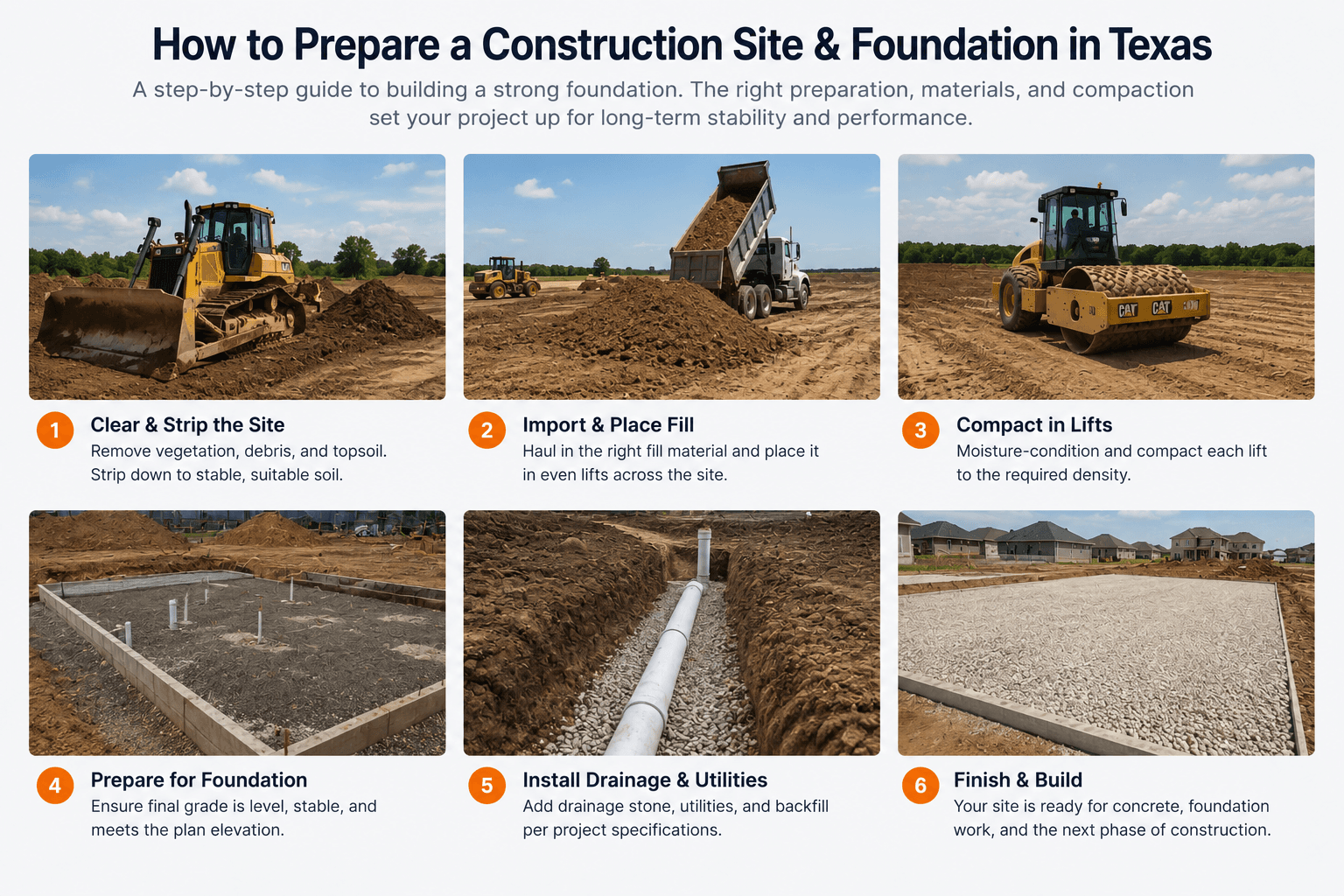
Starting construction in Texas? Learn how to prepare the site, build elevations and foundation pads, select the right fill and aggregate, calculate material quantities, and coordinate bulk delivery.
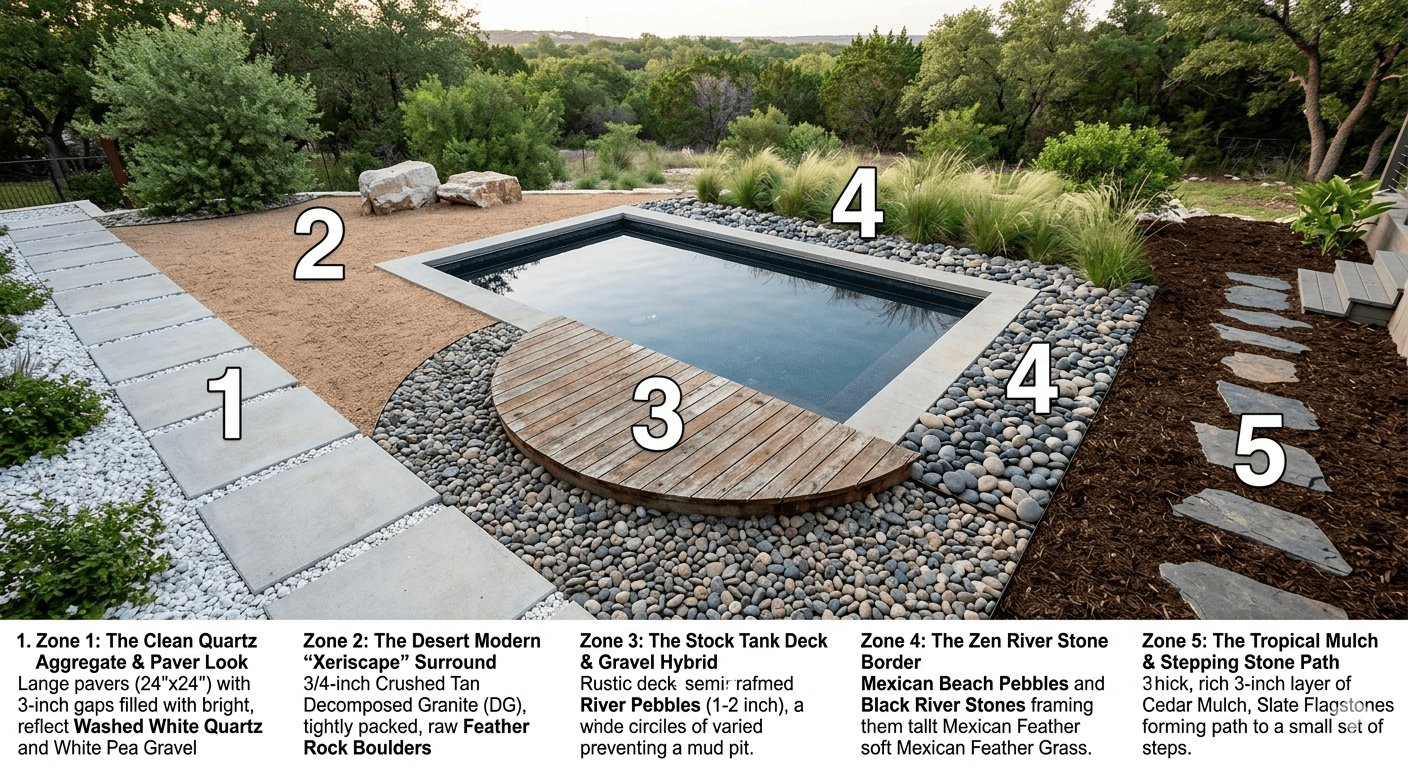
Large swimming pools are being replaced by smaller, energy-efficient, and incredibly stylish "plunge pools." These compact solutions provide quick cooling and a luxurious spa-like feel even in yards with limited space. The main trend for 2026 is the complete integration of the pool and its surrounding area into a cohesive design, utilizing premium materials that stay cool underfoot.
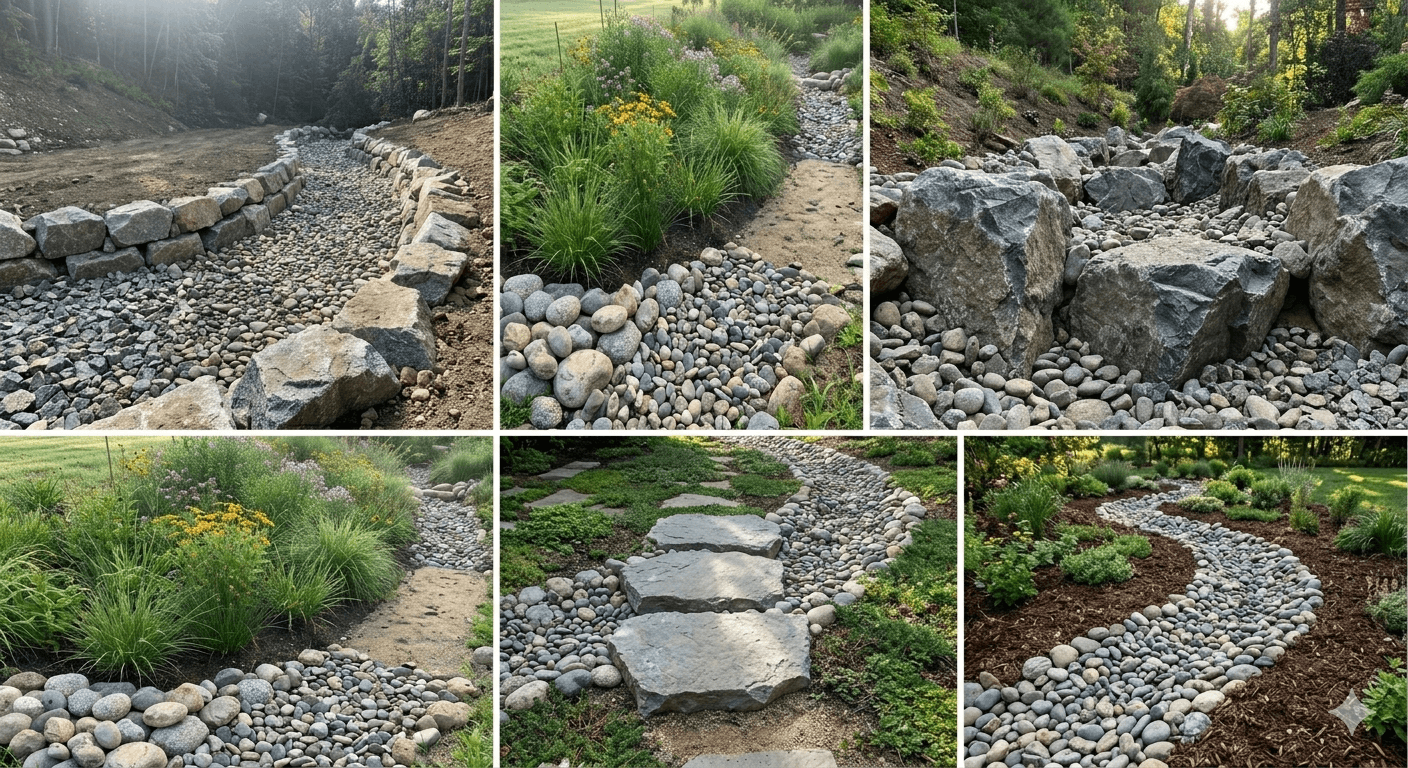
With more extreme weather patterns, homeowners are searching for ways to manage rainwater beautifully. A dry creek bed uses a mix of river rock and boulders to redirect water while looking like a natural landscape feature.
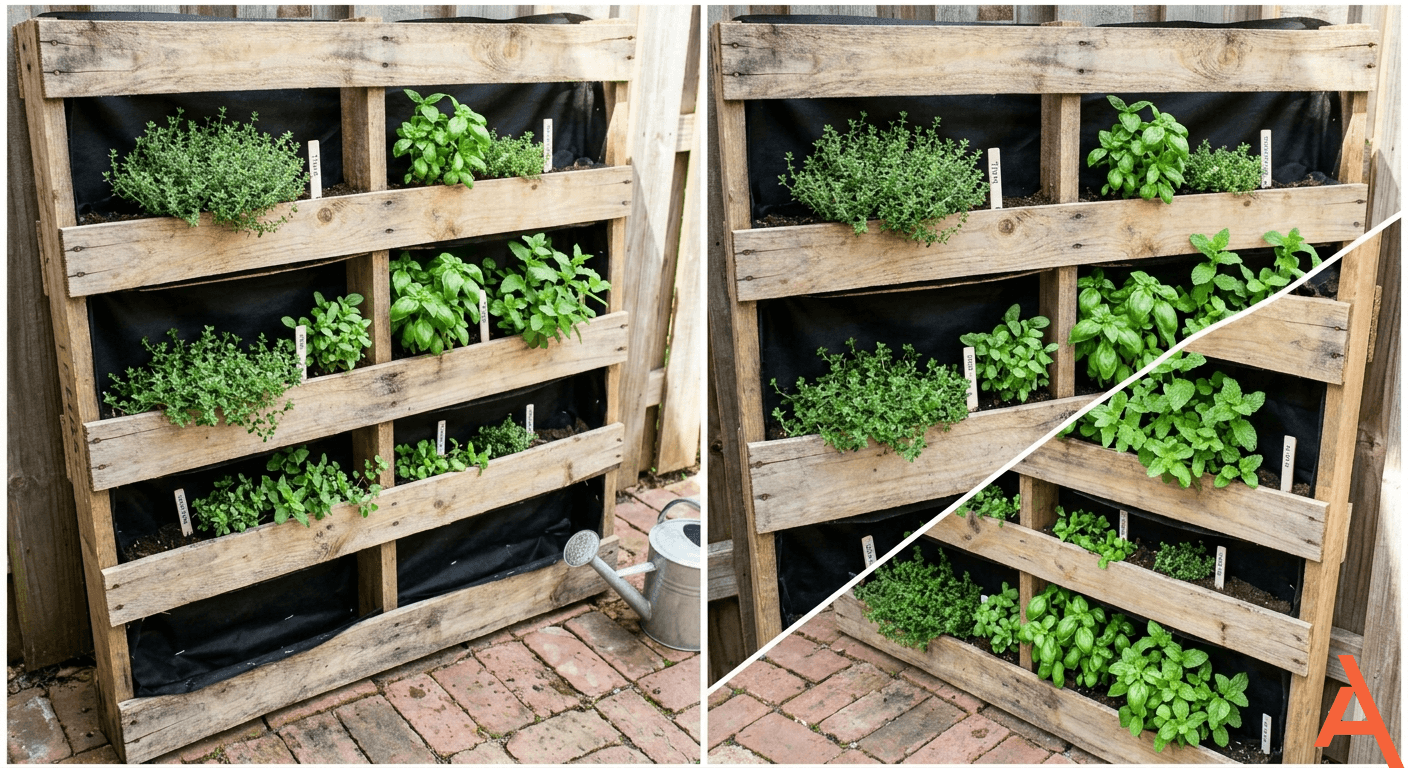
Turn reclaimed shipping pallets into stunning outdoor features with these five beginner-friendly DIY projects. From modular lounge seating and vertical herb gardens to rustic boardwalks, this guide provides practical steps and visual inspiration to help you upgrade your backyard on a budget using standard US skids.
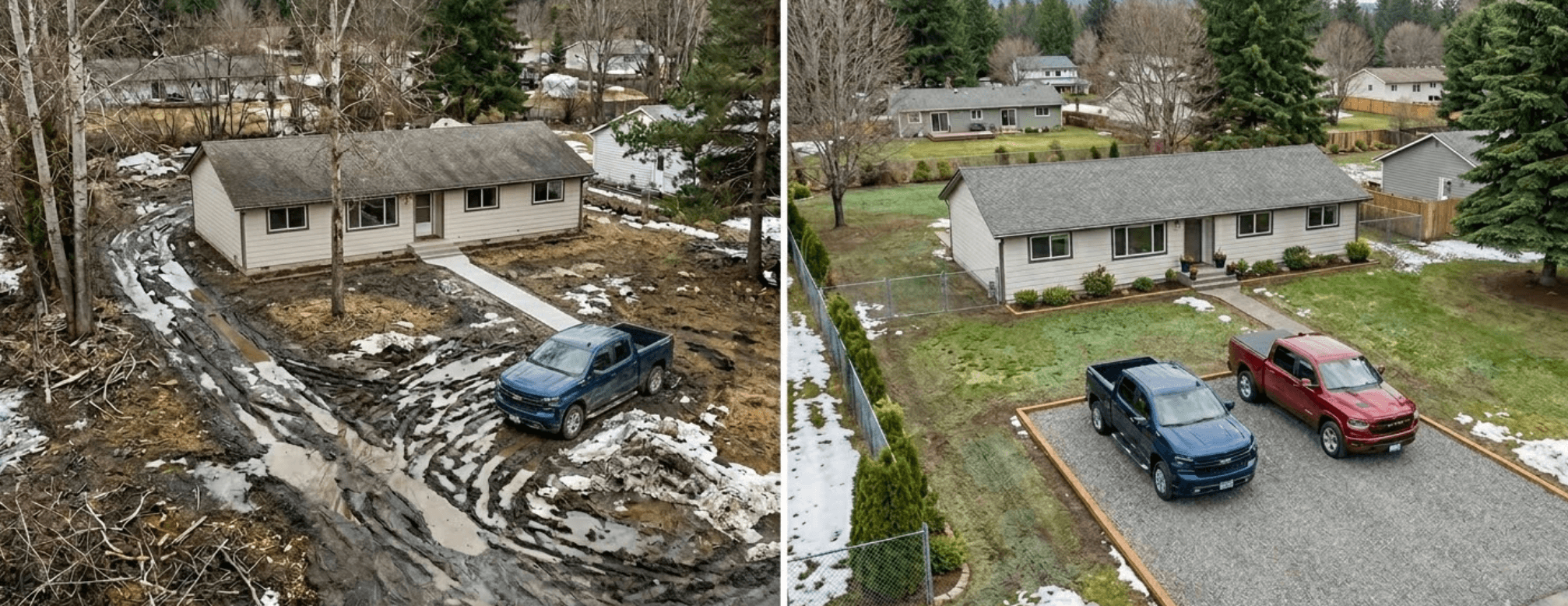
Creating a durable parking area for your car or SUV doesn't require a professional paving crew. By using a "Crush and Run" base for stability and #57 Crushed Limestone for a clean, permeable finish, you can build a long-lasting parking pad. This DIY guide covers the essential steps from excavation to the final spreading of stone.
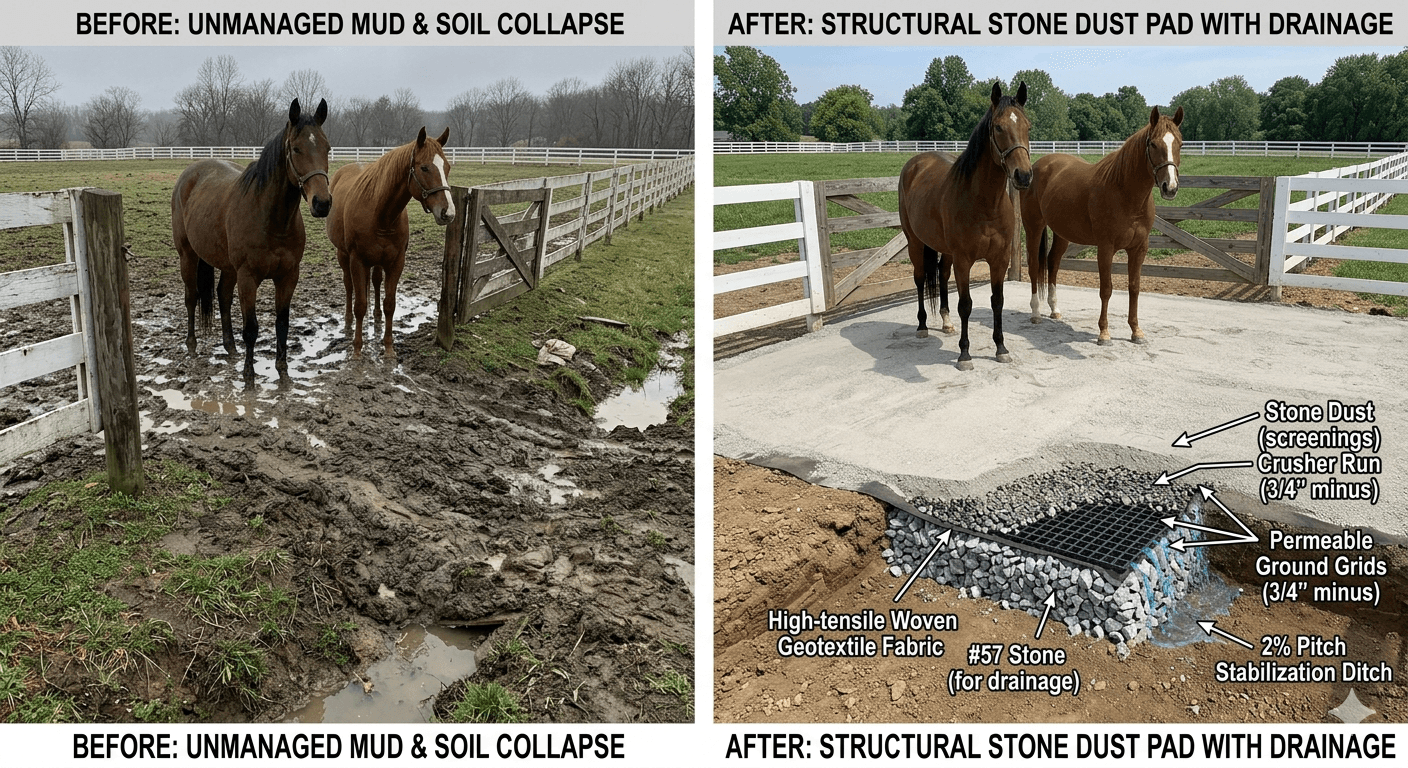
Stop the "hoof-sucking" mud. Learn how to build a structural limestone pad designed for heavy livestock and high-traffic gate areas.
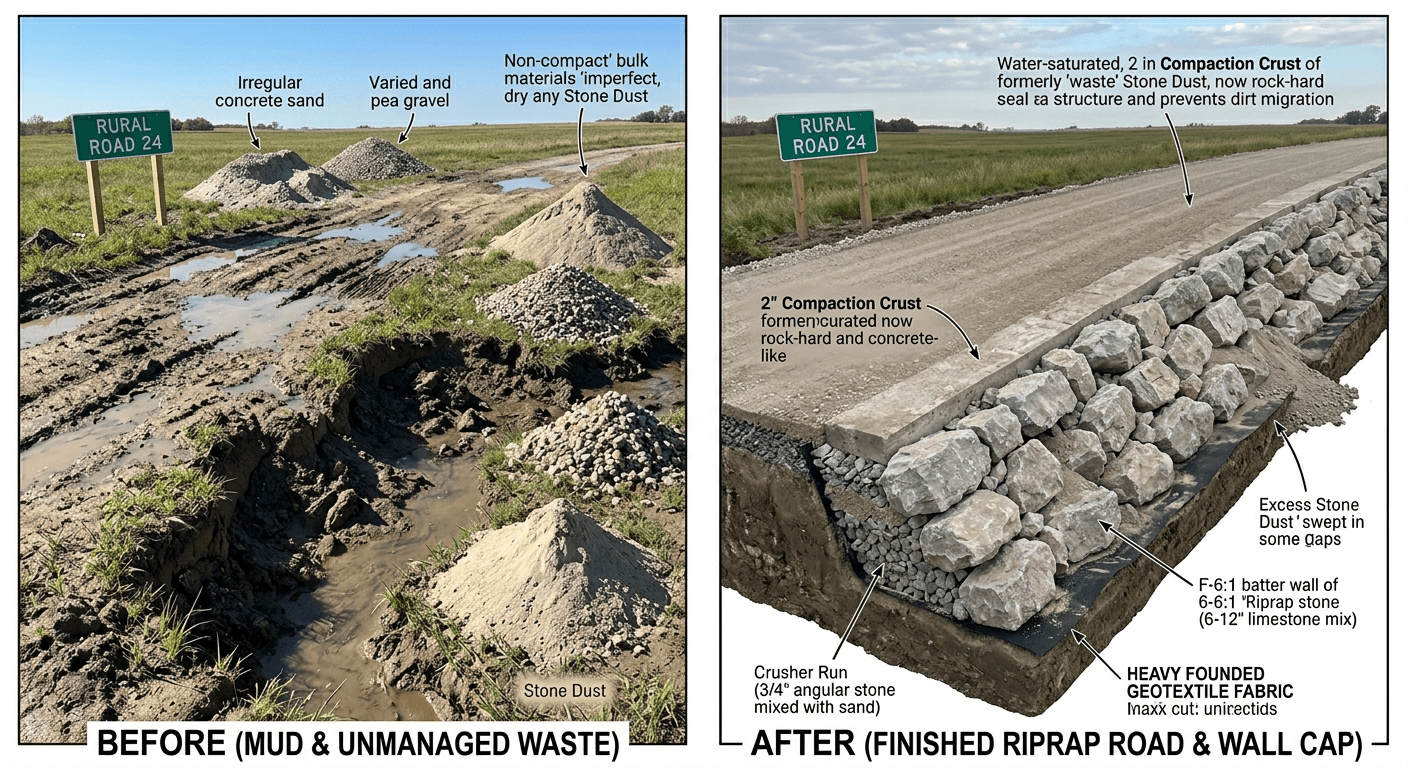
Master the art of high-impact erosion control and learn how to use "waste" materials like stone dust to lock your project in place.

Stop the swamp. Learn how to build a high-flow drainage system using the "Sand-Filter" method to protect your foundation and reclaim your lawn.
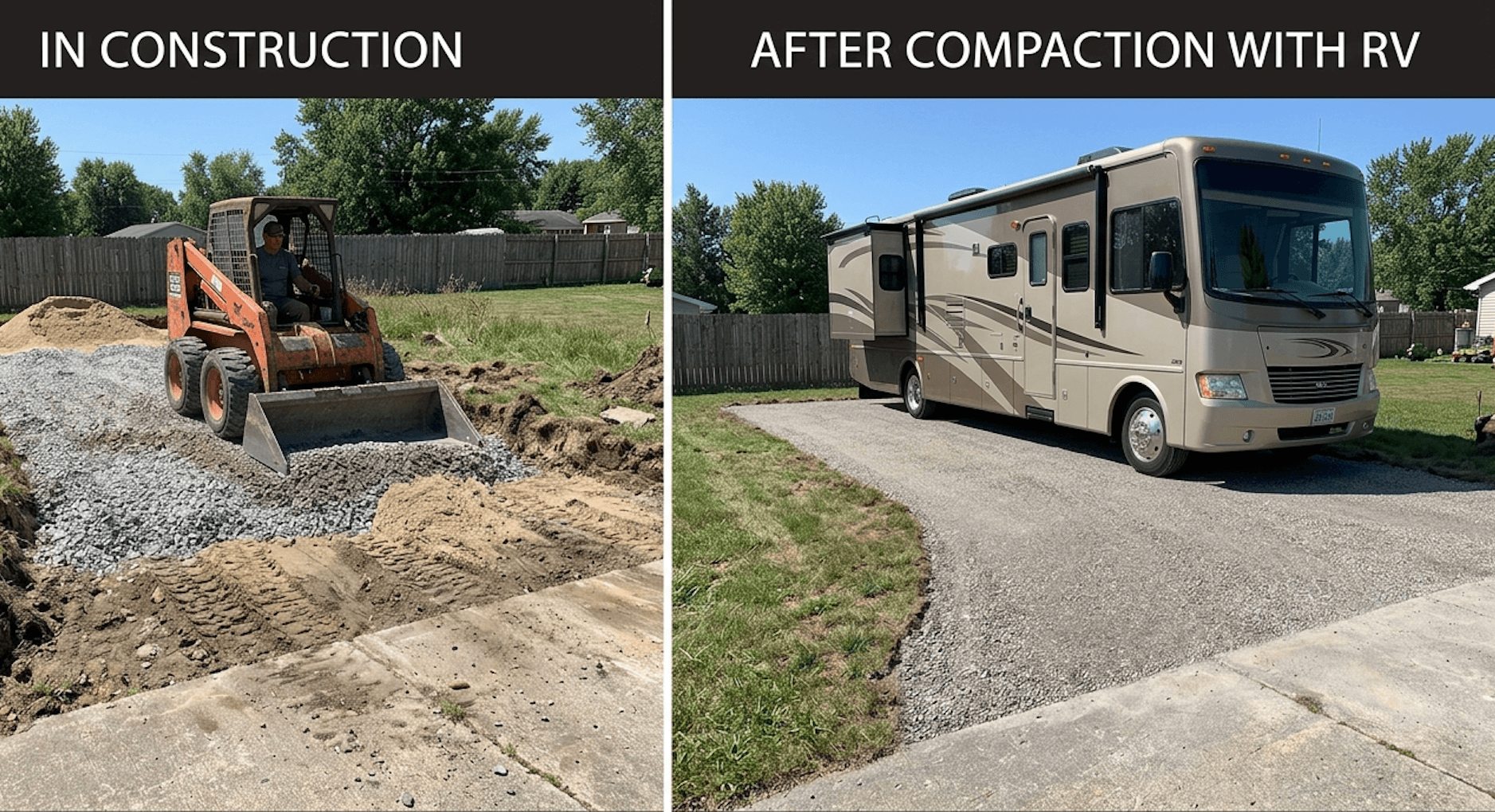
Stop your trailer from sinking into the mud. Learn how to mix a "well-graded" base of sand and crushed stone to build a professional-grade parking pad on a DIY budget.
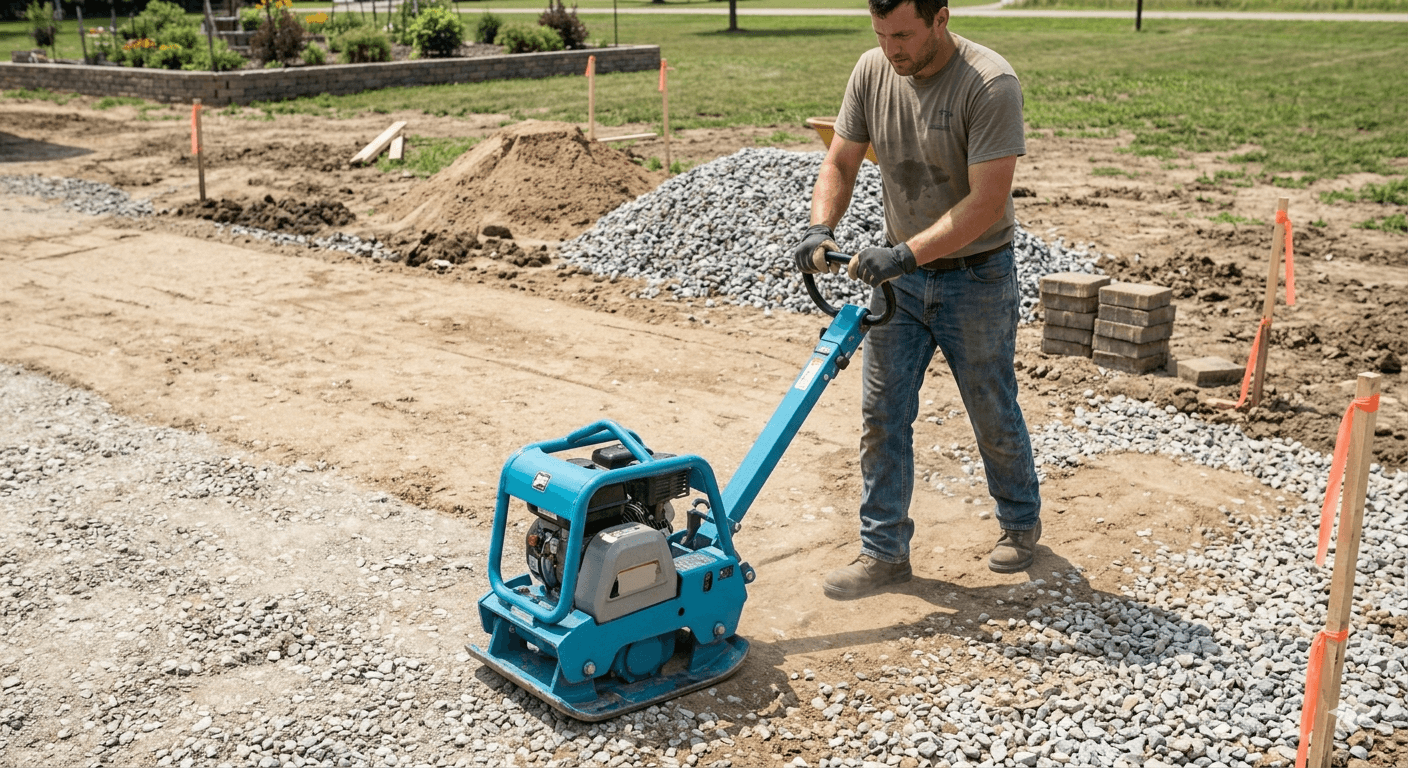
Mixing sand and gravel creates a stronger, more stable material than using either alone. Learn how gradation, sizing, and mix ratios affect compaction, drainage, and cost.
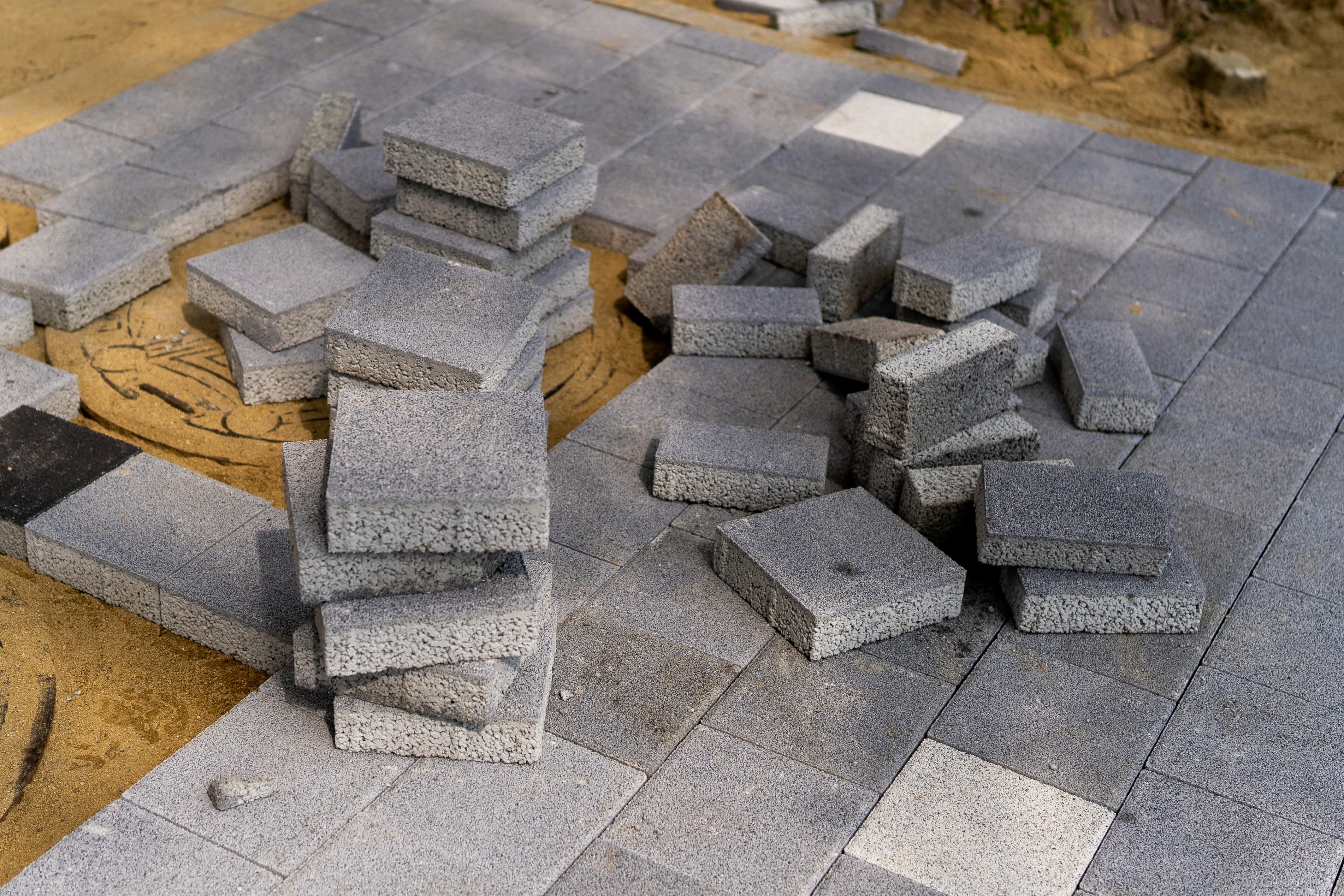
Not sure which material to use? Here’s a simple, real-world breakdown of sand, stone, and gravel — and how to choose the right one for driveways, drainage, patios, and more.

Aggregate Markets is an online marketplace for bulk construction and landscaping materials, connecting customers with local suppliers of gravel, sand, limestone, topsoil, mulch, recycled concrete, and more. Learn how the aggregate industry works, how materials are produced and delivered, what they cost, and how to order bulk materials online.