The Equestrian Challenge: Concentrated Loads
A 1,200 lb. horse exerts approximately 50-100 psi of pressure through its hooves. In wet conditions, this pressure acts like a plunger, mixing topsoil with water to create deep, dangerous mud. A simple "toss some gravel on it" approach will fail within one season. You need a Structural Hoof-Grade Matrix.
Material Selection: The "Hoof-Safe" Rule
- The Barrier: Woven Geotextile Fabric. Essential to keep the stone from disappearing into the clay.
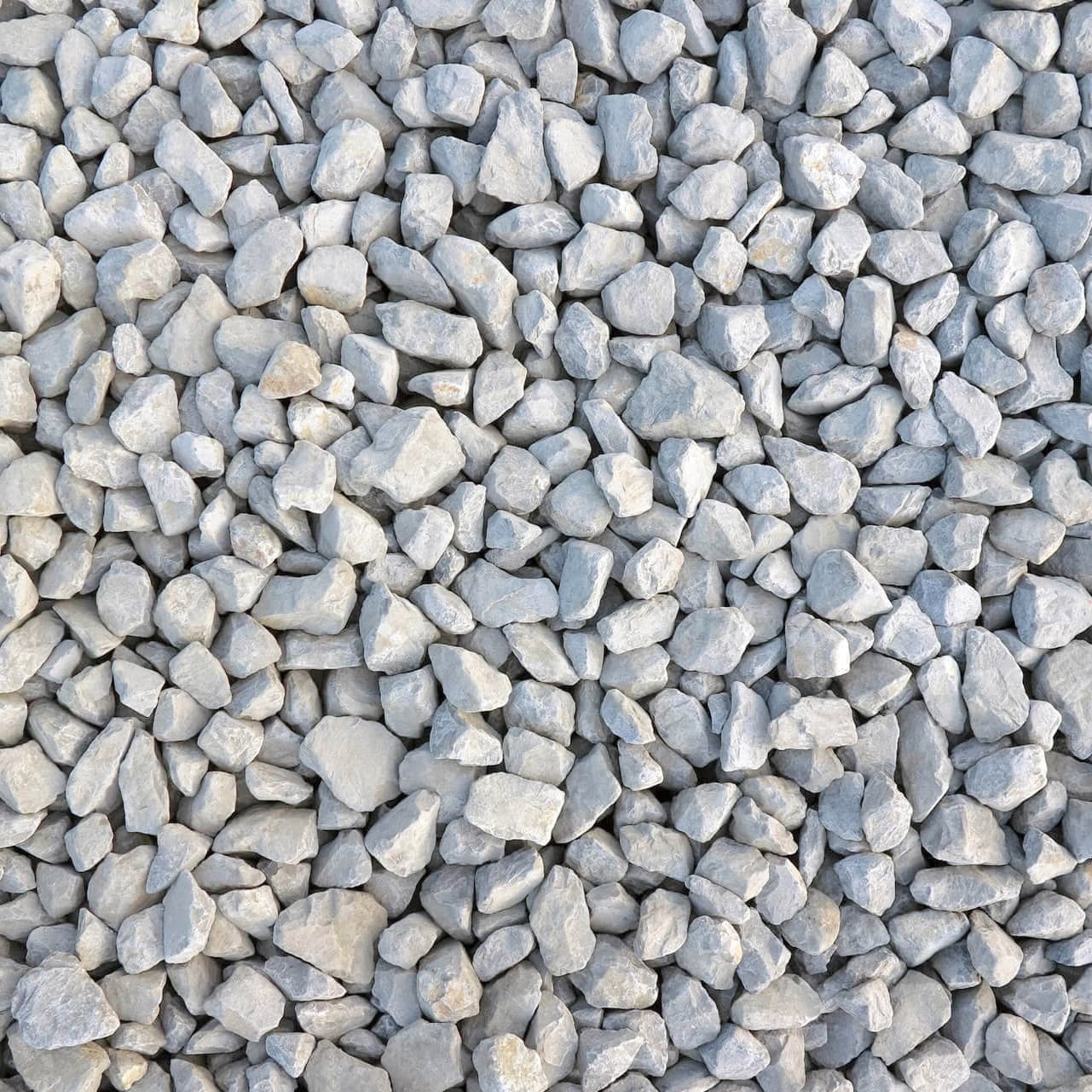
- The Reservoir: #57 Clean Crushed Stone. Provides high-void space for drainage.
- The Armor: Heavy-Duty Permeable Ground Grids. Prevents horizontal shifting of the stone.
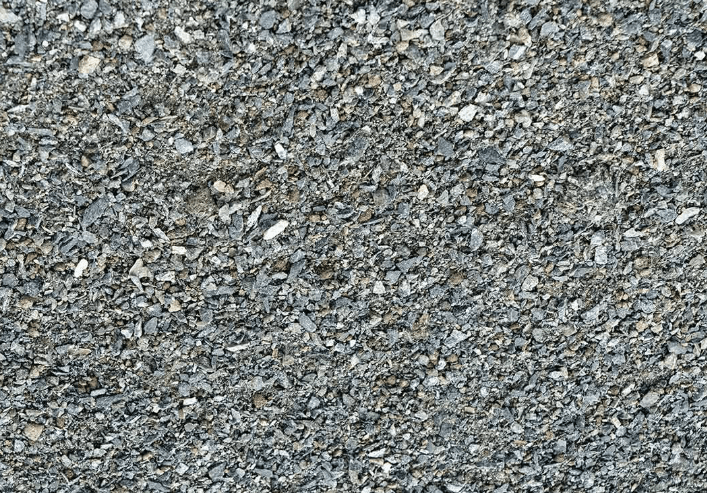
- The Comfort Layer: Stone Dust (Screenings). Compacts into a smooth, "give-back" surface that won't bruise sensitive frogs.

The Cowboy Build Specs (Structural Multi-Layer Pad)
| Layer | Material | Depth | Function |
|---|---|---|---|
| Sub-Base | Woven Geotextile | N/A | Separates aggregate from sub-grade soil. |
| Drainage | #57 Clean Stone | 4" | Allows vertical water movement away from hooves. |
| Stabilization | Permeable Grids | 2" | Locks the stone matrix to prevent "rutting." |
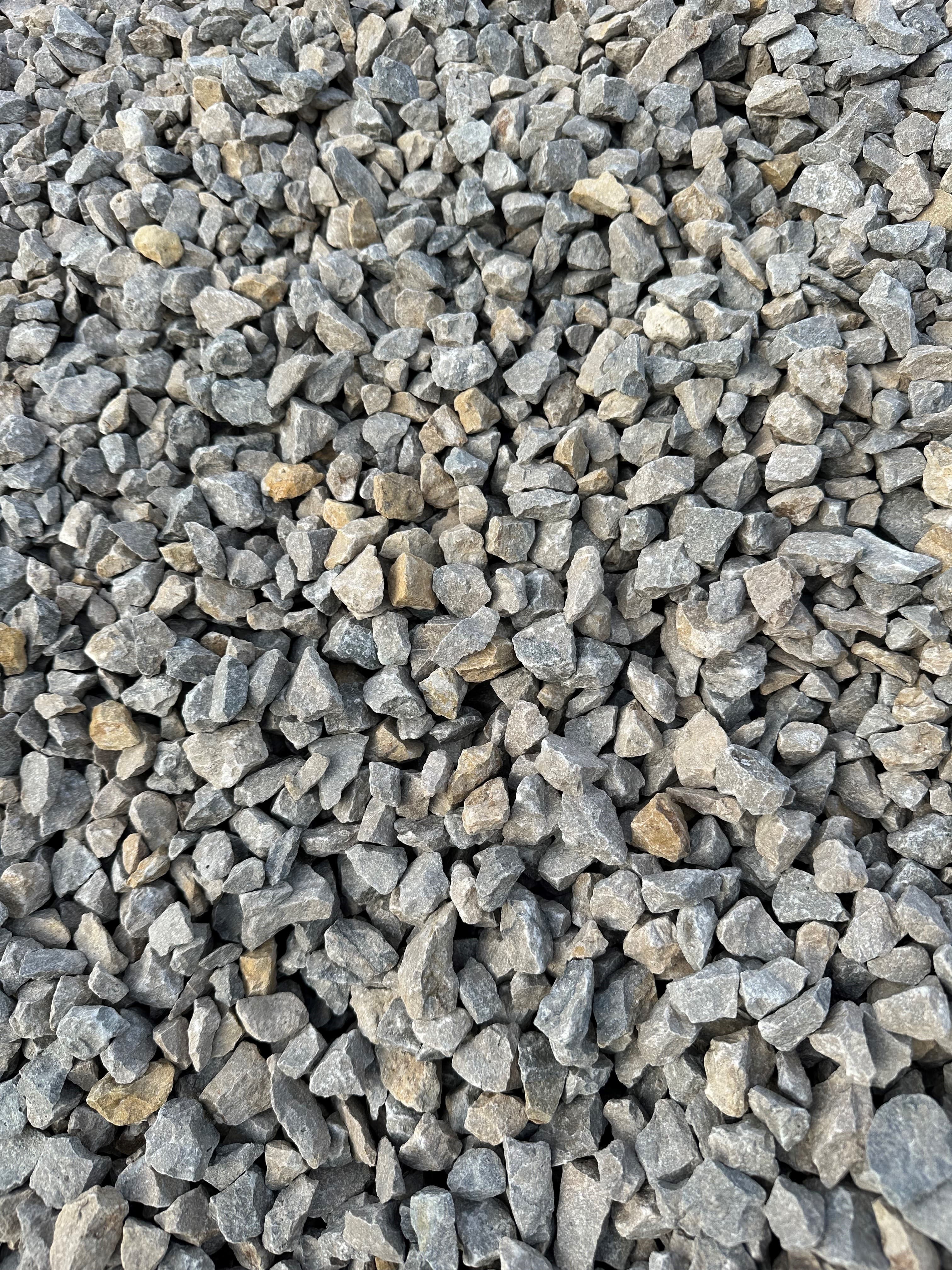
| Surface | Crusher Run and Stone Dust | 2" | Creates a compact, sweepable, hoof-safe crust. |
Step-by-Step Construction
1. The Excavation and Grade
Dig out your high-traffic area (gates, troughs, or barn entrances) to a depth of 8 inches. Crucial: Ensure the floor of the pit is graded at a 2% slope toward a drainage ditch. If the base is level, the water will just sit under the stone and turn the soil to mush.
2. Woven Stabilization
Roll out your woven geotextile. This is your "insurance policy." It prevents the heavy stone from being hammered into the clay by the horses' hooves. Pin the edges and overlap seams by 12 inches.
3. The Drainage Lift
Pour 4 inches of #57 Clean Stone. This angular stone provides the structural "skeleton" of the pad while leaving enough air space for water to drain through quickly.
4. Setting the Grid & Dust Infill
Lay your permeable ground grids directly on the #57 stone. Fill these grids with Crusher Run & top it of with Stone Dust (screenings). The grid prevents the horse from "digging" a hole, and the stone dust locks the entire surface into a solid, unyielding plane.
5. Compaction
Soak the surface with a hose and use a vibratory plate compactor. You want to "water in" the fines so they fill every gap. Once dry, this surface will be as hard as a tennis court but remain permeable.
Recommended Cowboy Maintenance Gear
- For high-traffic areas, the VEVOR Permeable Pavers 24X24 Inch 4pcs Ground Grid provides the structural honeycomb needed to stop hooves from displacing your stone.
- To maintain the surface and clear debris, the VEVOR 48-inch Steel Landscape Rake is sturdy enough to handle bulk limestone dust without bending.
- For clearing fence lines, use a VEVOR Skid Steer Brush Cutter Attachment to keep pastures clean and accessible.
FAQ: Professional Equestrian Paddock Construction
1. Will stone dust hurt my horse's hooves? No, provided it is properly compacted. Loose stone dust can be abrasive, but a compacted limestone crust mimics a hard-packed natural trail. It is excellent for supporting the hoof's natural shock-absorption.
2. Why not just use wood chips or sand? Organic materials like wood chips decompose and hold moisture, which promotes bacteria and thrush. Sand lacks structural stability and will quickly "disappear" into the mud without the stone and fabric layers below it.
3. How often do I need to "top off" the dust? On a high-traffic gate, you may need a light refresh of stone dust every 2–3 years. Because the woven fabric prevents it from sinking into the earth, you only lose material to minor surface runoff.
4. Can I clean manure off this surface? Yes. Unlike a muddy field, a compacted stone-dust pad is sweepable and scrapeable. You can use a tractor bucket or a heavy rake to remove waste without taking your foundation with it.
5. Is limestone better than granite? Yes, for horses. Crushed limestone has "self-cementing" properties when wet and compacted. Granite tends to stay "sharper" and doesn't lock together as tightly as limestone "fines." But be noted! Some states primarily carry granite; in those regions, granite screenings or "decomposed granite" will work well, though they may require slightly more compaction to lock together.
6. Do I really need the plastic grids? In extreme mud or high-stress areas where horses stand and paw, grids are a lifesaver. They keep the stone from shifting laterally, preventing the "potholes" that horses naturally create in gate areas.