Why a Standard Gravel Pile Fails
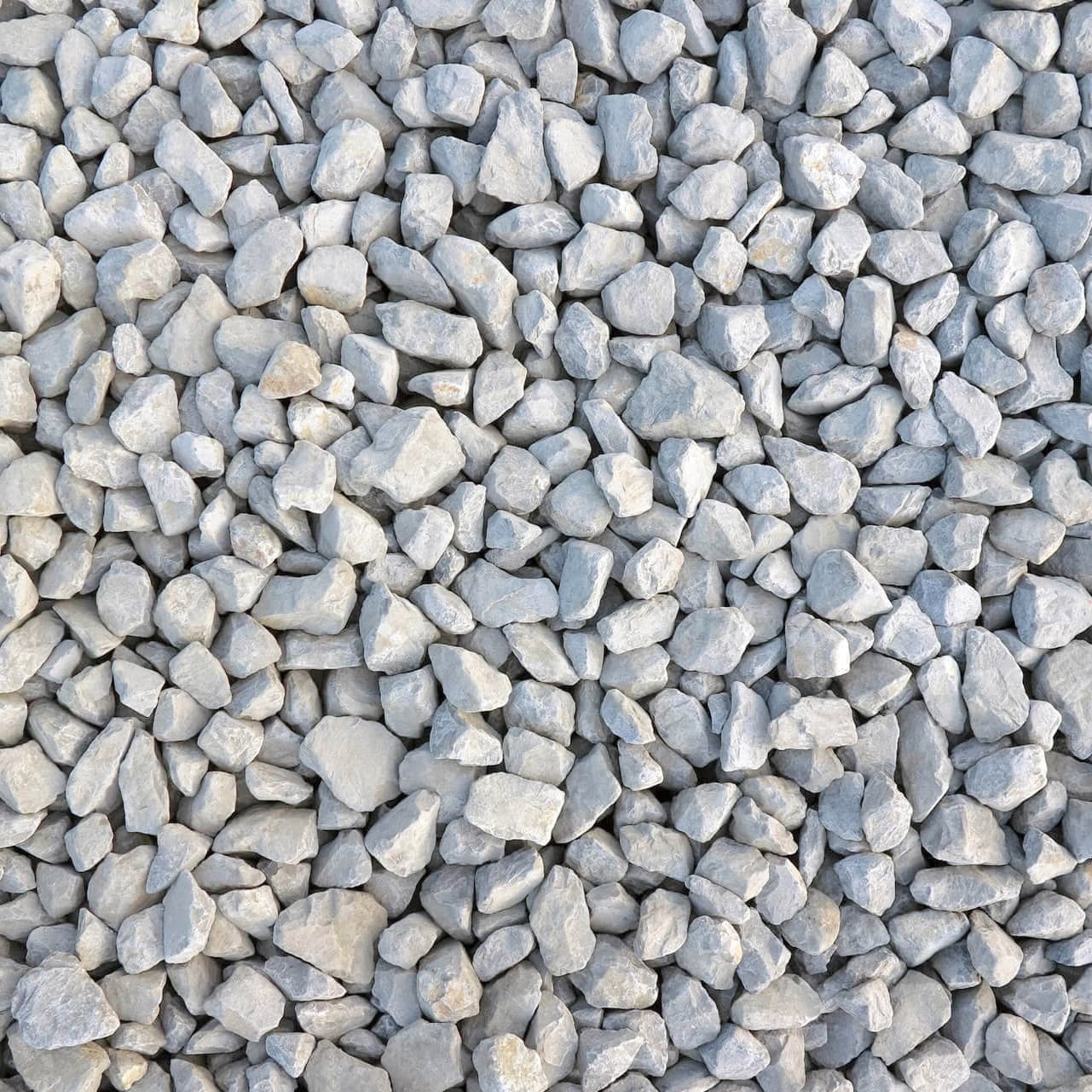
Most homeowners just dump a load of #57 "clean" stone and call it a day. The problem? Clean stone has too many air pockets. When you park a 10,000-lb RV on it, the tires push the rocks aside like marbles.
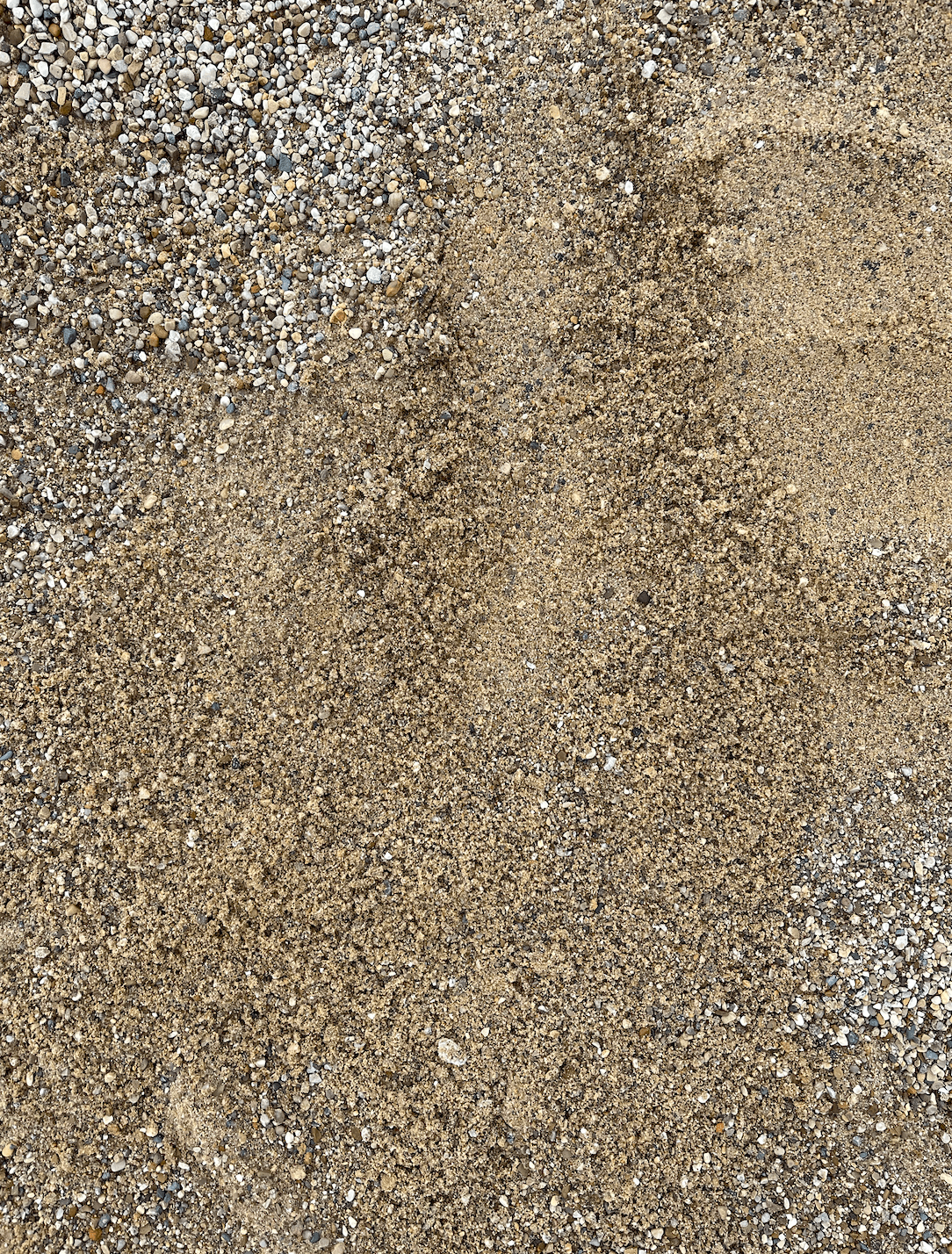
To build a pad that stays level, you need a matrix. By mixing 70% angular stone with 30% coarse sand, you create a surface where the sand locks the stones together. This is exactly how highway sub-bases are built.
Material Selection: The "Angular" Rule
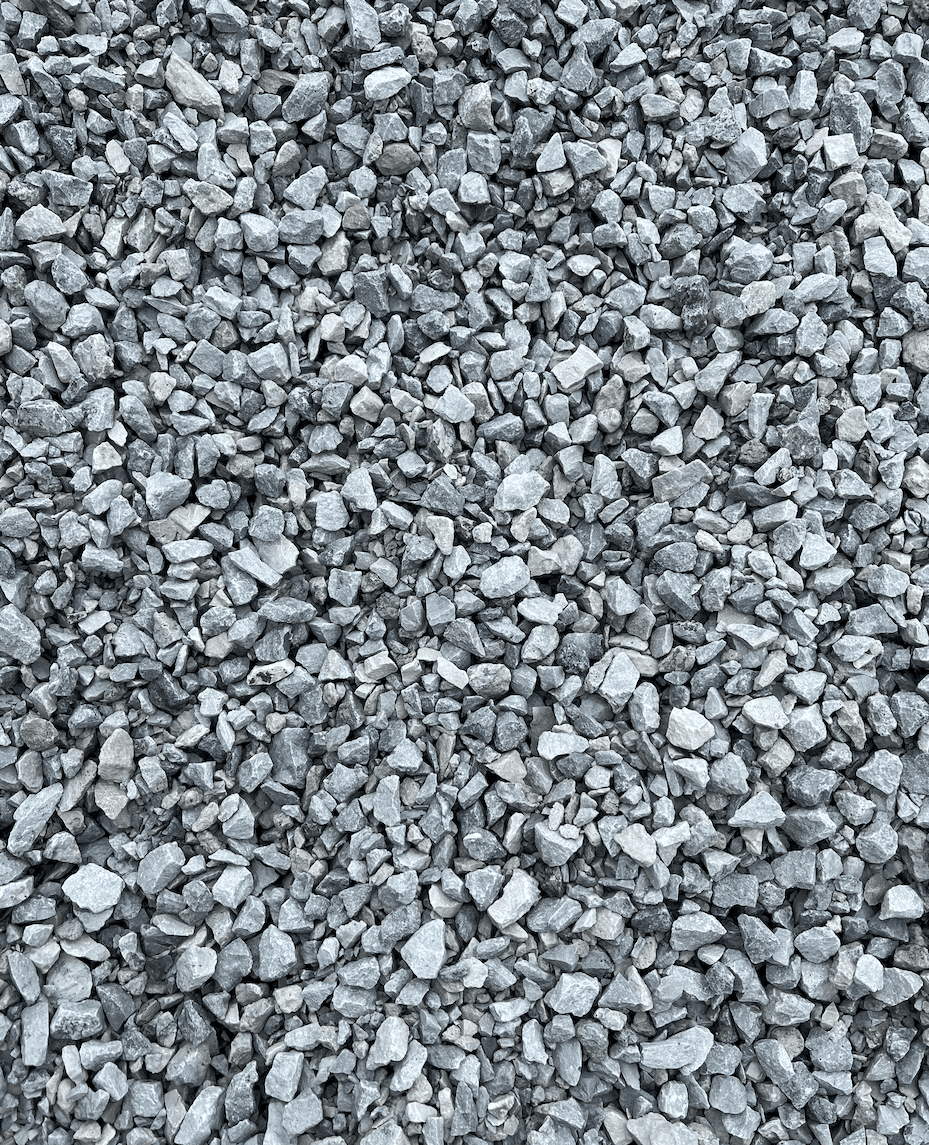
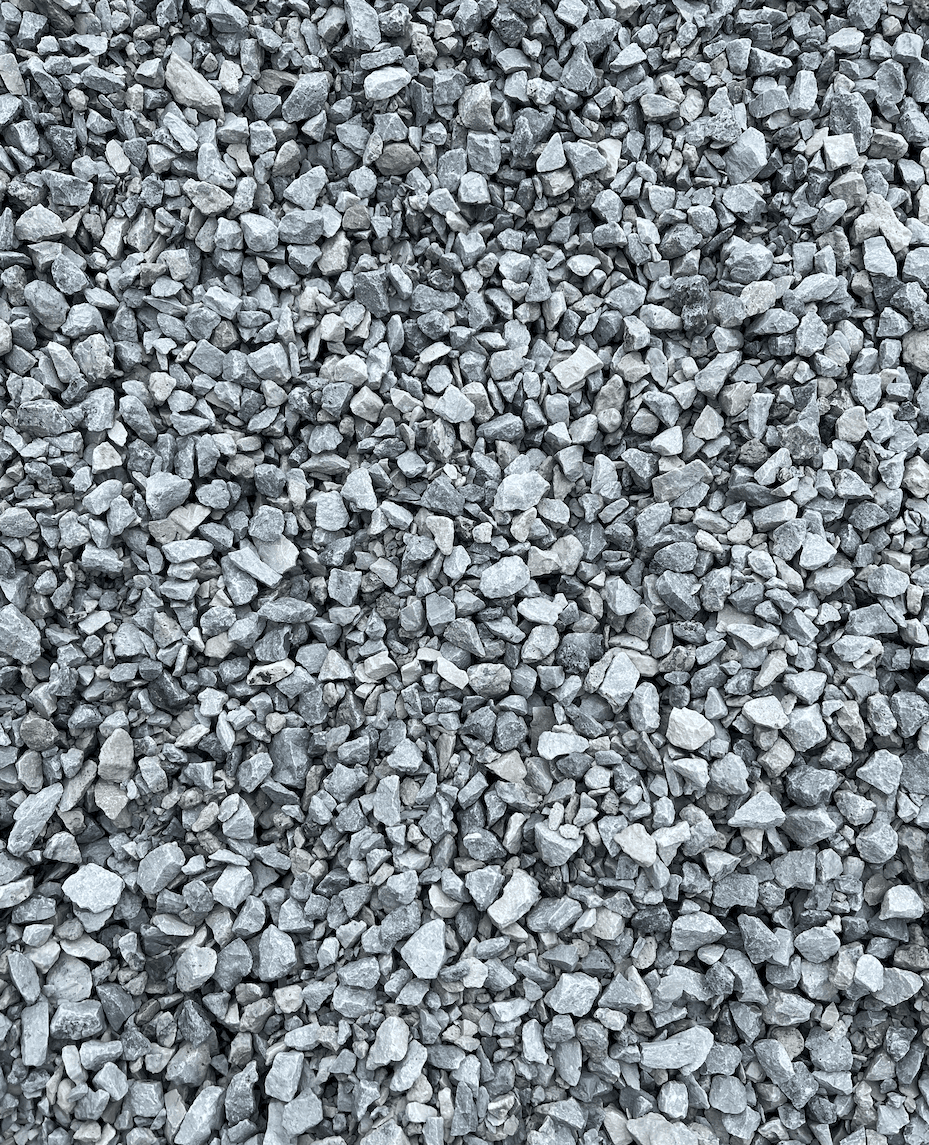
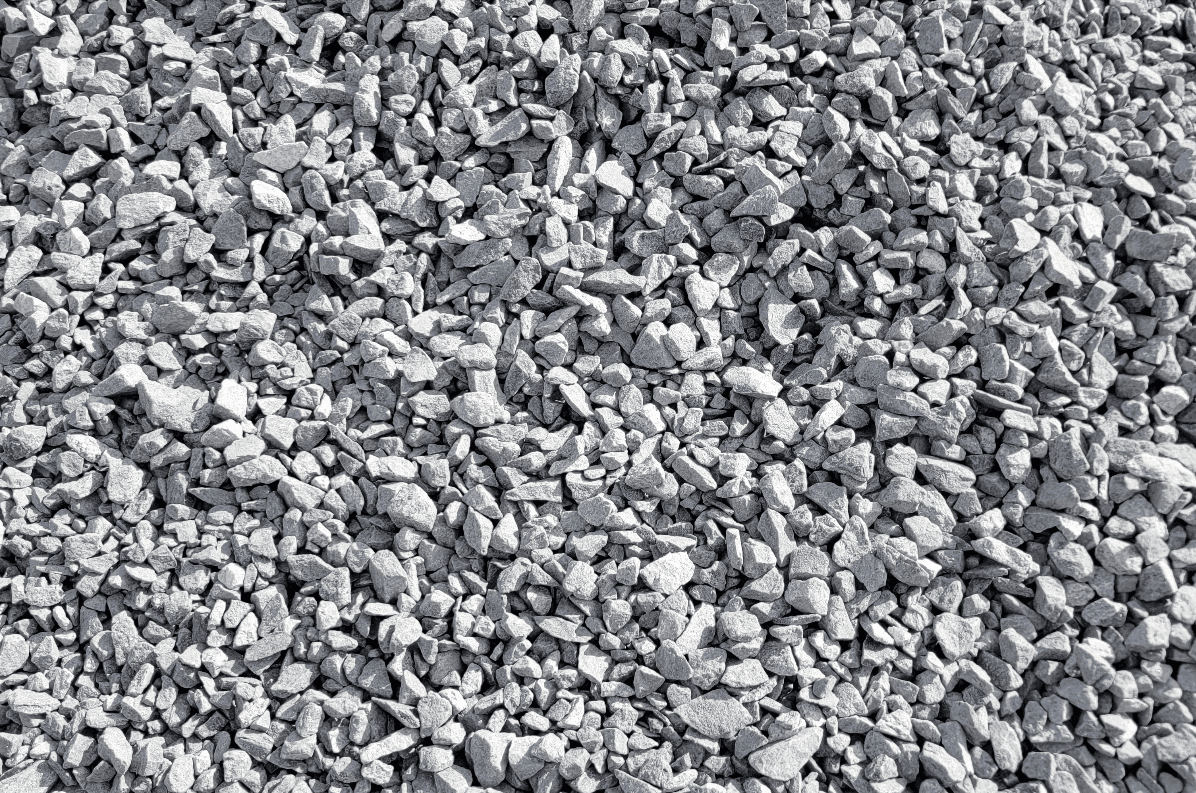
- 3/4-inch #57 Crushed Limestone (Must be "crushed"—never use round river rock for a parking pad).
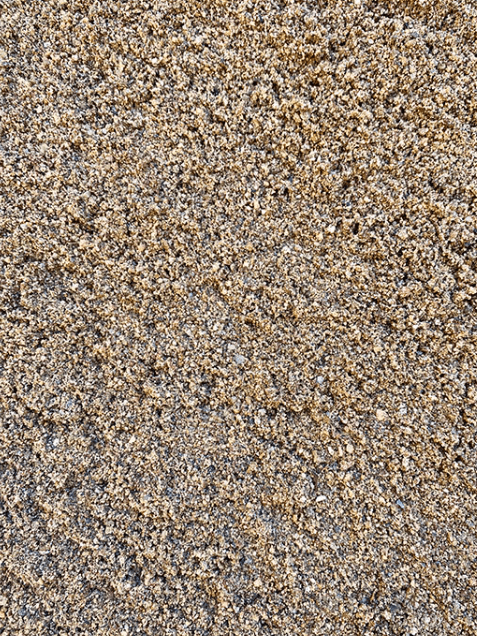
- Concrete or Coarse Sand (Coarse/Sharp).
- The Secret Weapon: Stone Dust (Fines). If your gravel yard has "Crusher Run," it already has this mixed in. If not, add extra sand.
The 4-Layer Build Specs (For a 10" Total Depth)
| Layer | Material | Depth | Pro Tip |
|---|---|---|---|
| 1. Sub-Base | Excavated Soil | - | Compact the bare dirt first! |
| 2. Separation | Geotextile Fabric | N/A | Use "Woven" fabric for weight. |
| 3. Structural | 3/4" Stone + Sand Mix | 8 inches | Install in 4-inch "lifts." |
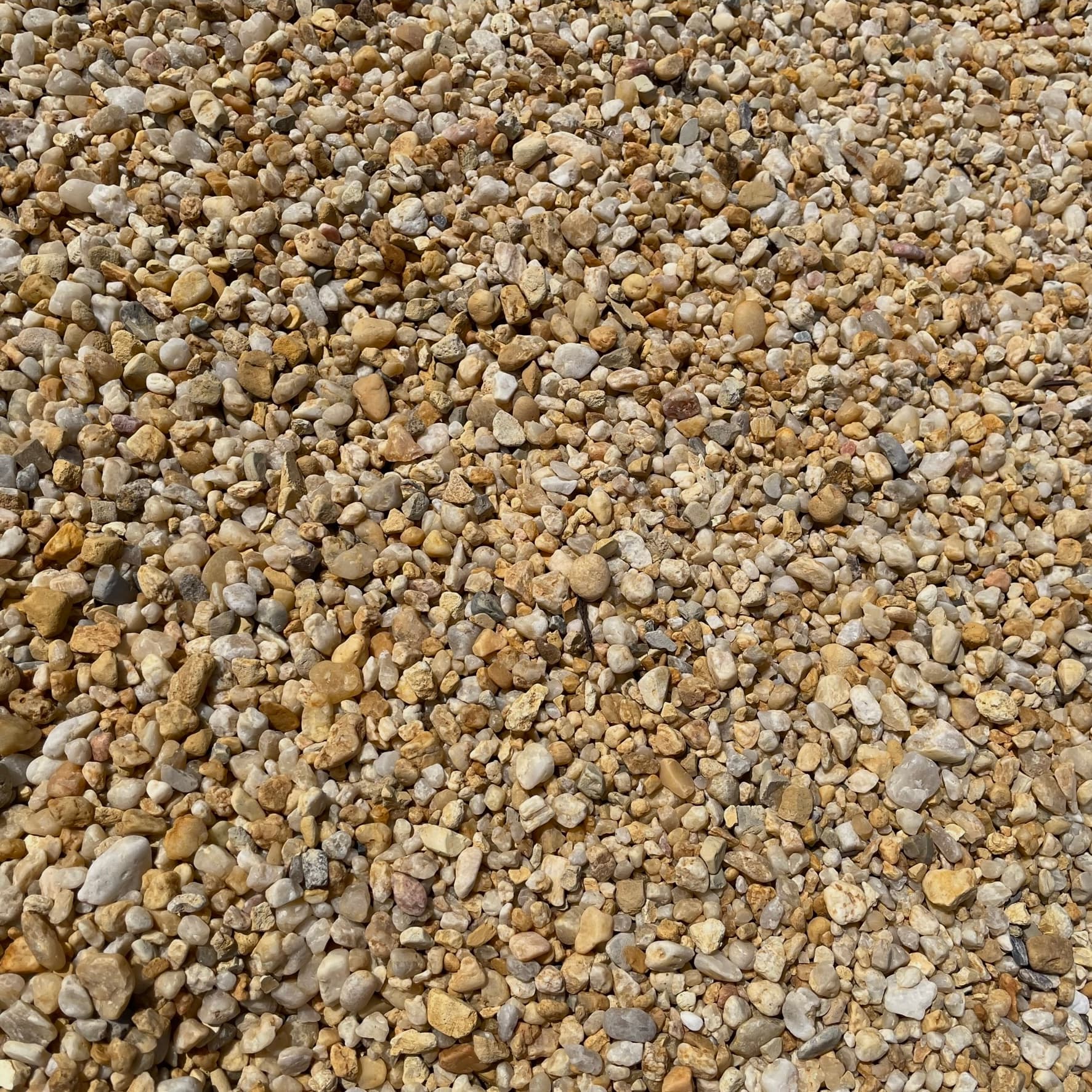
| 4. Cap | Fine Screenings/Screened asphalt/Peagravel/Chips | 2 inches | This creates the "crust." |
The DIY Installation Secret: "Lifting"
One of the most common mistakes in DIY projects is dumping the entire 8 to 10 inches of material into the excavated area at once and attempting to compact it from the top. Most residential-grade plate compactors only have an effective "compaction depth" of about 4 to 6 inches. If you pour the full depth at once, the compactor will only harden the top crust, leaving the bottom layers loose and prone to shifting.
To build a foundation that can support thousands of pounds, follow these steps for each "lift":
- Spread the First Lift: Pour exactly 4 inches of your stone, gravel, or sand mix. Use a rake to ensure it is level and even across the entire footprint.
- Moisture is Key: Lightly wet the material down with a garden hose. You aren't looking to create mud, but a damp consistency helps the particles slide together and lock into place during compaction.
- The Compaction Pass: Run the plate compactor over the damp material. Start at the outer edges and spiral toward the center. Continue until the surface feels "tight" and the machine no longer leaves deep indentations or causes the material to "give" under its weight.
- Repeat and Layer: Once the first 4-inch layer is rock-solid, repeat the entire process for the next 4-inch lift. This layered approach ensures 100% density from the soil subgrade all the way to the finished surface.
By building your pad in these stages, you create a dense, interlocking structure that mimics the strength of a paved road.
Performance Comparison
The Finishing Touch: The Optional 2-Inch Aesthetic Layer
Once you have established a rock-solid, 8-inch compacted base using the lifting method, you have the option to add a final 2-inch "wearing course." While the base provides the structural integrity to support the weight of an RV or boat, this top layer defines the look and texture of your parking pad.
Because this layer is thinner and often consists of decorative or smaller-grade materials, it requires a slightly different approach:
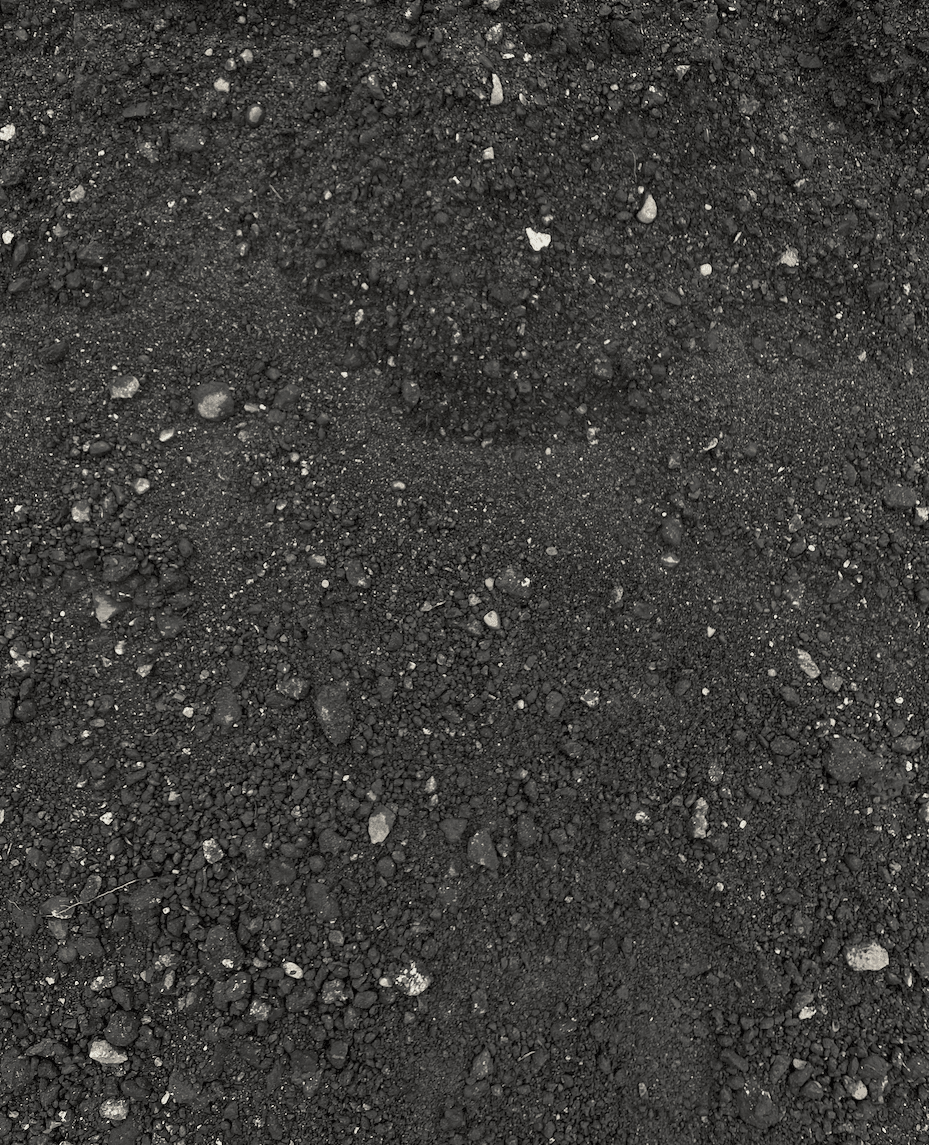
- Screened Asphalt or Screenings: These are excellent for a "semi-permanent" feel. When compacted, asphalt screenings (sometimes called crushed glass or recycled asphalt) knit together to create a smooth, hard surface that mimics a paved driveway. It is highly resistant to weeds and provides a clean, dark aesthetic.
- Crushed Chips: Using 1/2-inch or 3/4-inch clean stone chips provides a sharp, modern look. The angular edges of the chips allow them to lock together, providing a stable walking surface that won't shift as much as rounded stone.
- Pea Gravel: If you prefer a softer, decorative look, a 2-inch layer of rounded pea gravel is a popular choice. It offers excellent drainage and a satisfying "crunch" underfoot, though it is more prone to shifting under tires than angular materials.
Installation Tip: Spread this final 2-inch layer evenly over your last compacted lift. Give it a light misting and one final pass with the plate compactor. This "seats" the decorative stone into the top of your structural base, preventing the material from washing away or spreading into your lawn.
FAQ
Can I park my RV immediately after compacting?
It’s best to wait 24–48 hours after the final "wet and pack" to let the moisture leave the sand. Once it’s bone dry, that sand acts like a wedge between the rocks, making the pad rock-hard.
Why do I need woven fabric instead of felt?
Felt is for gardens (drainage). Woven fabric is for weight (load-bearing). It acts like a "snowshoe" for your trailer, preventing the heavy tires from punching through the gravel and into the soft Indiana or Texas clay below.
How do I calculate the weight?
Gravel and sand are heavy. A 10' x 20' pad at 10" deep will require roughly 12–14 tons of material. This is why buying in bulk is 10x cheaper than buying bags!
How do I prevent the edges of the gravel from spreading out over time?
The best "pro" method is to dig a slightly deeper perimeter trench (about 2 inches deeper than the rest of the pad) along the edges. When you compact the stone and sand into this trench, it creates a "structural shoulder" that anchors the rest of the pad in place. Alternatively, you can install a heavy-duty steel or recycled plastic edging that is flush with the ground to keep the matrix tight.
What is the best way to calculate how much material I need to order?
To get your tonnage, use this formula: (Length in feet x Width in feet x Depth in feet) / 27. This gives you the total cubic yards. Multiply that number by 1.5 (since crushed stone and sand weigh roughly 1.5 tons per cubic yard).
Why can’t I just use "Clean" stone without the sand?
"Clean" stone (like #57 limestone) has large gaps between the rocks. While it drains great, it has zero structural "interlock." A heavy RV will cause the stones to shift and roll, creating deep ruts. The Concrete Sand fills those gaps, creating friction that locks the angular stones together into a solid mass.
Should I use a specific type of stone for the top layer?
For a parking pad, stay away from round "pea gravel" or river rock. You want Crushed Limestone or Granite. The "crushed" part is key—the jagged, angular edges of the stone grip each other and the sand. For the very top 2 inches, using Stone Screenings (very fine crushed stone) mixed with sand will give you that smooth, "paved" look that is easy to walk on.
Does this setup handle heavy rain without washing away?
Yes, as long as your site is graded correctly. The sand and stone matrix is porous, meaning water sinks through it rather than racing across the surface. The woven geotextile fabric at the bottom is the hero here—it lets water pass into the soil while keeping your expensive stone from sinking into the mud.