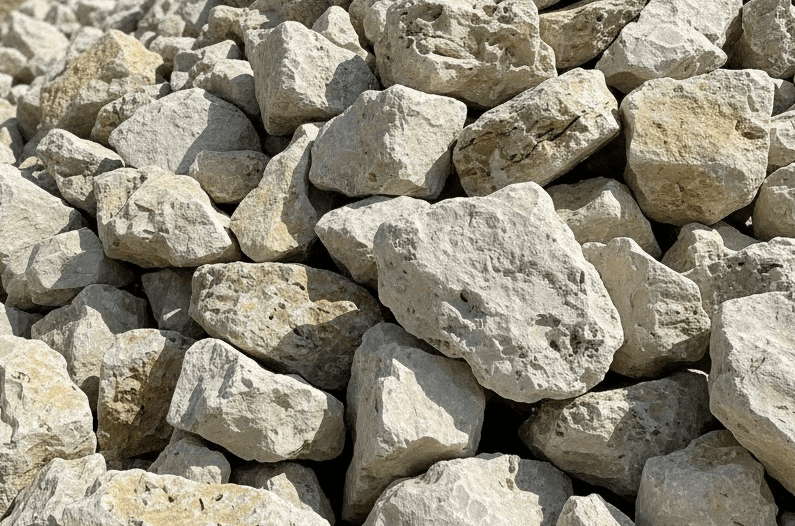
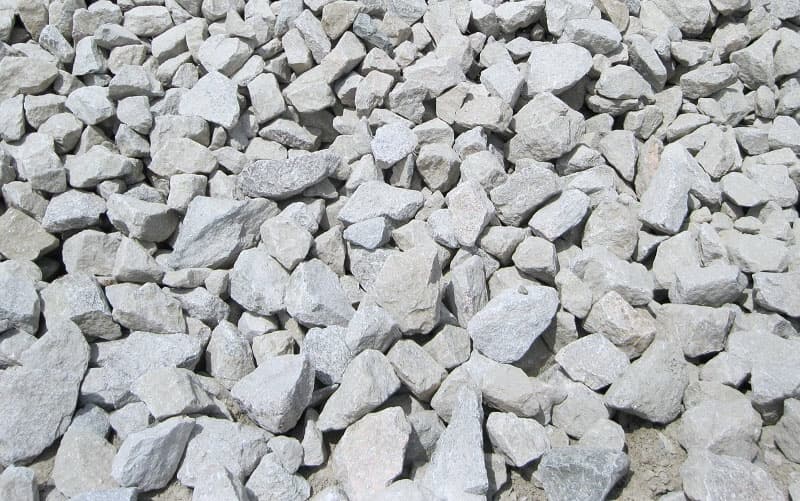
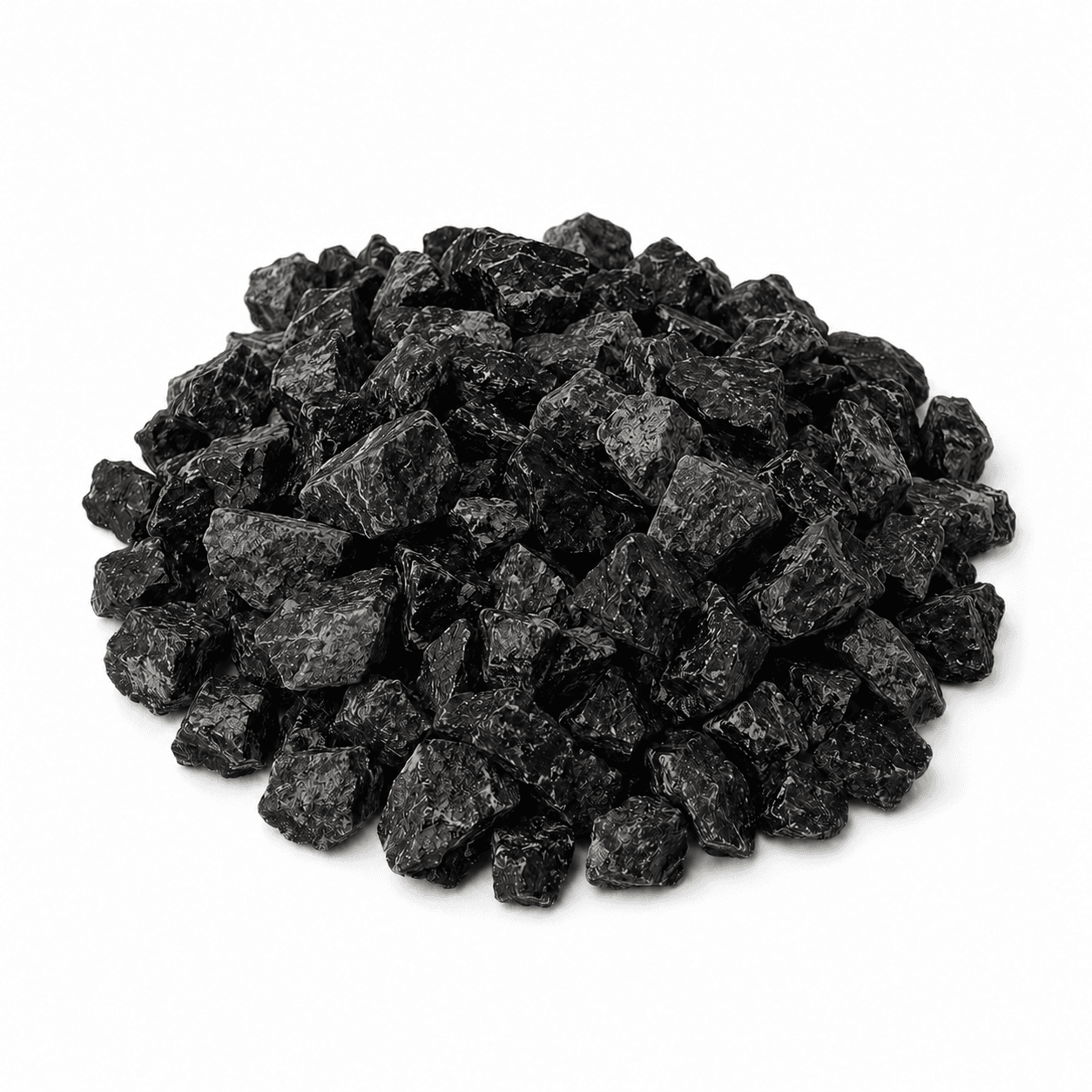
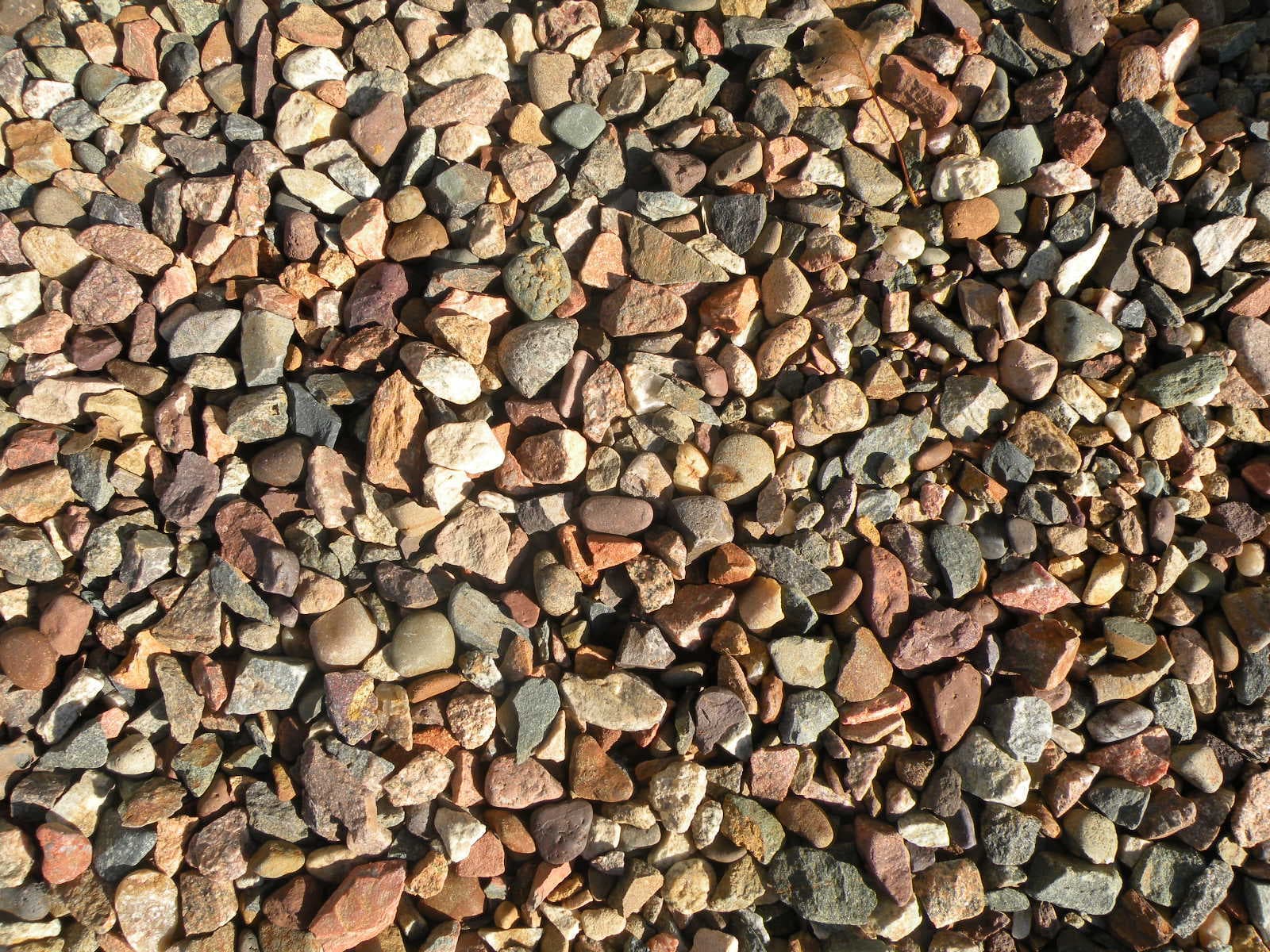
With extreme weather patterns becoming the norm, effective water management is no longer optional—it's essential for protecting your property. Homeowners across the US and UK are turning to the "Dry Creek Bed" as the #1 most searched solution. These features are highly effective at channeling large volumes of rainwater away from foundations, preventing pooling and erosion.
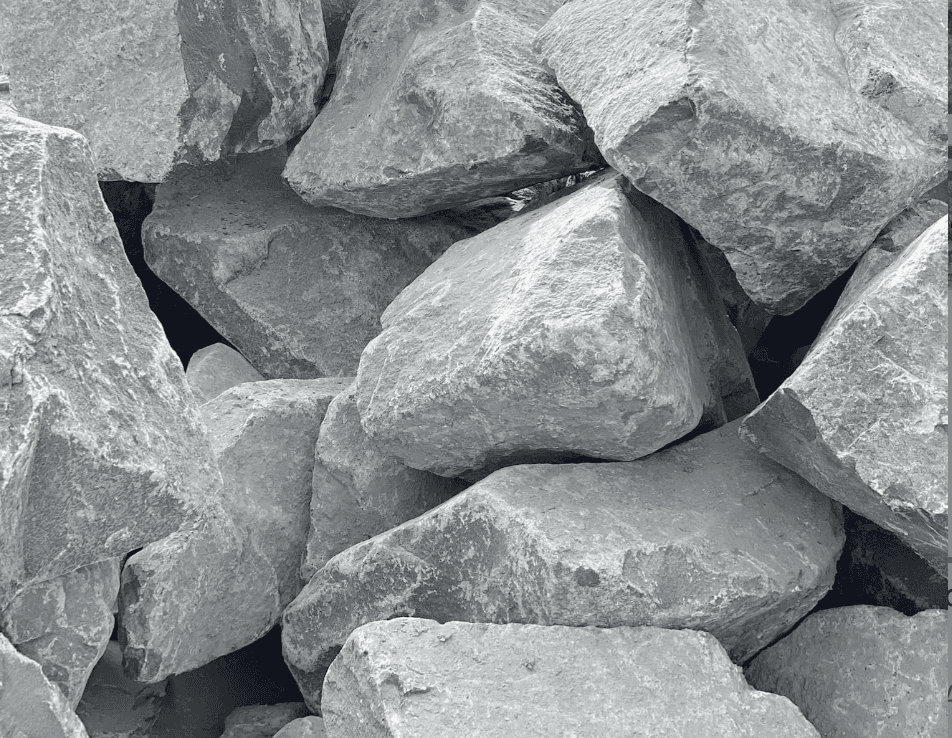
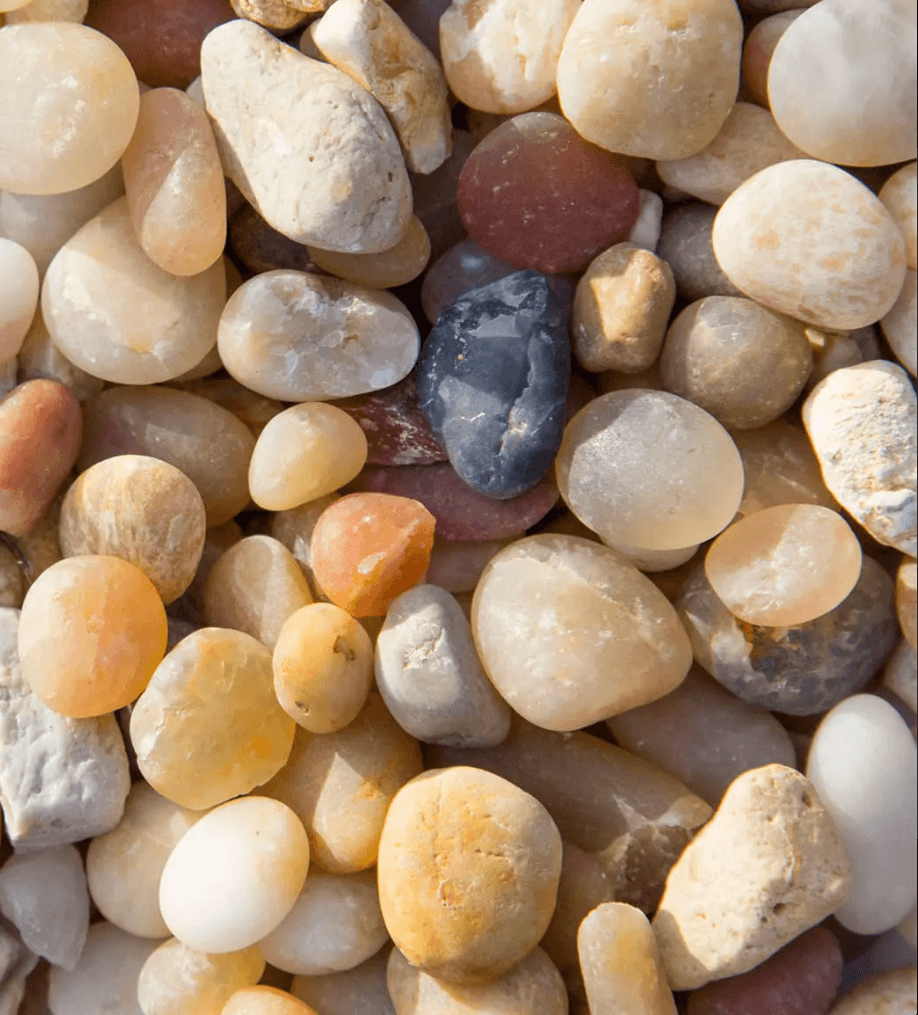
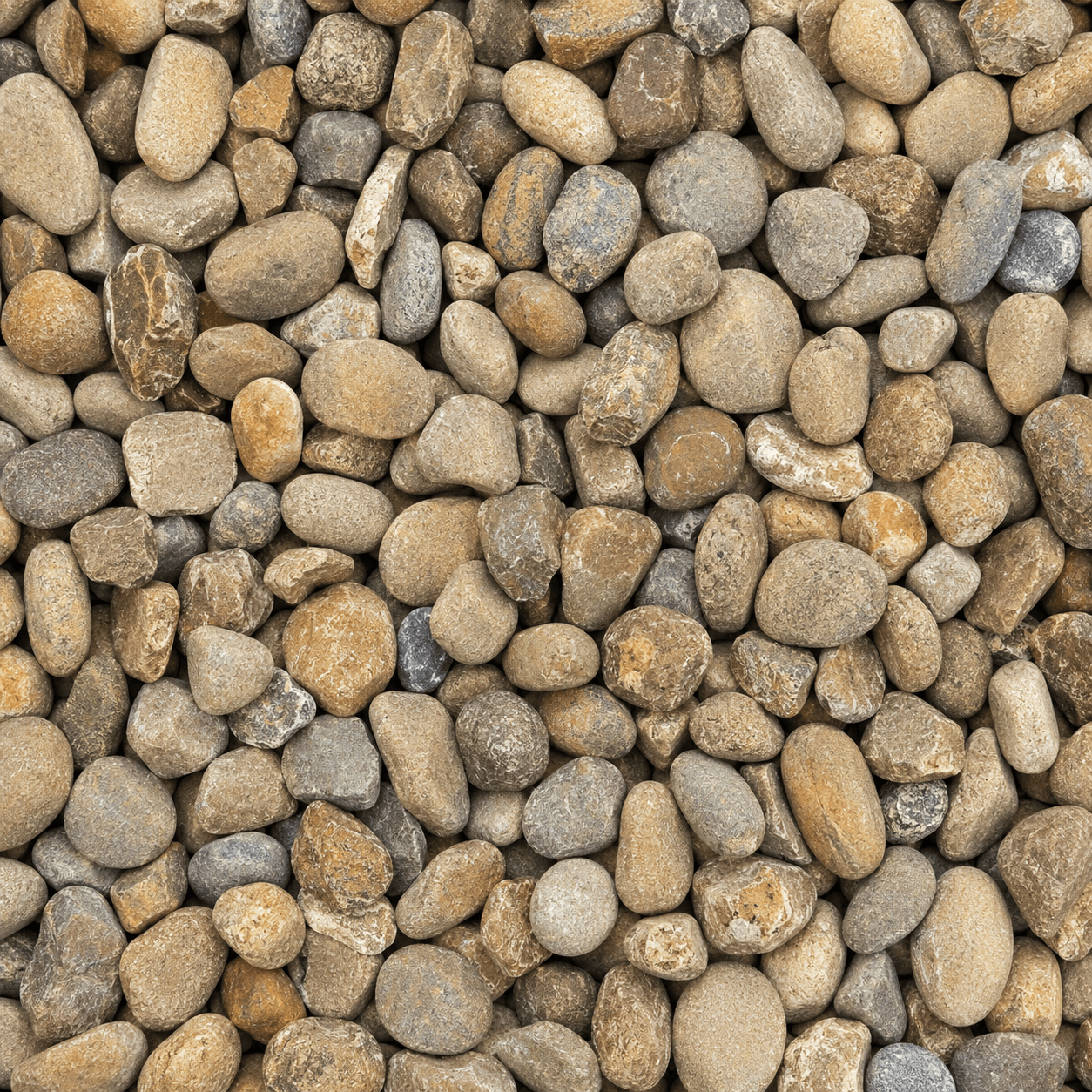
A successful dry creek bed is not just a trench filled with gravel. It must be a carefully engineered ecosystem, mixing larger "anchor stones," boulders, and river rock to simulate a natural stream, integrated with high-performance bulk materials.
1. The High-Flow Drainage Channel
This is the engineered powerhouse of the list. Designed for properties with significant slopes or heavy runoff (e.g., steep backyards), this design prioritizes function above all else. Its primary job is to act as an open culvert, safely accelerating water away from your foundation.
The Build:
- Dug-Out: Excavate a wide, 12-inch deep trench. This is a significant earth-moving task. Integrate: Backfill the bottom with 2 inches of sharp leveling sand to provide a stable, pervious base.
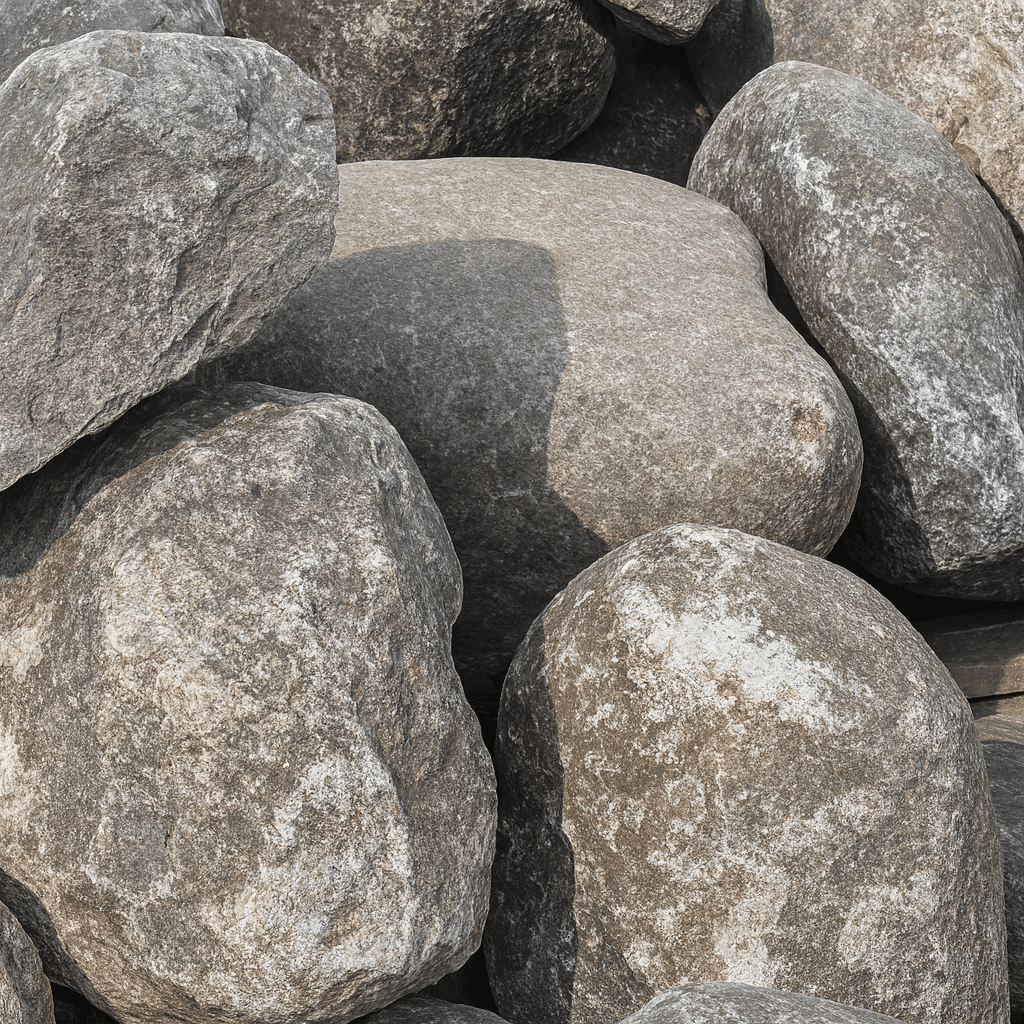
- Anchor Boulders: Place 12–18 inch heavy boulders (the "anchor stones") along the outer bends of the trench. These stones absorb the energy of fast-moving water, preventing it from eroding the creek walls.
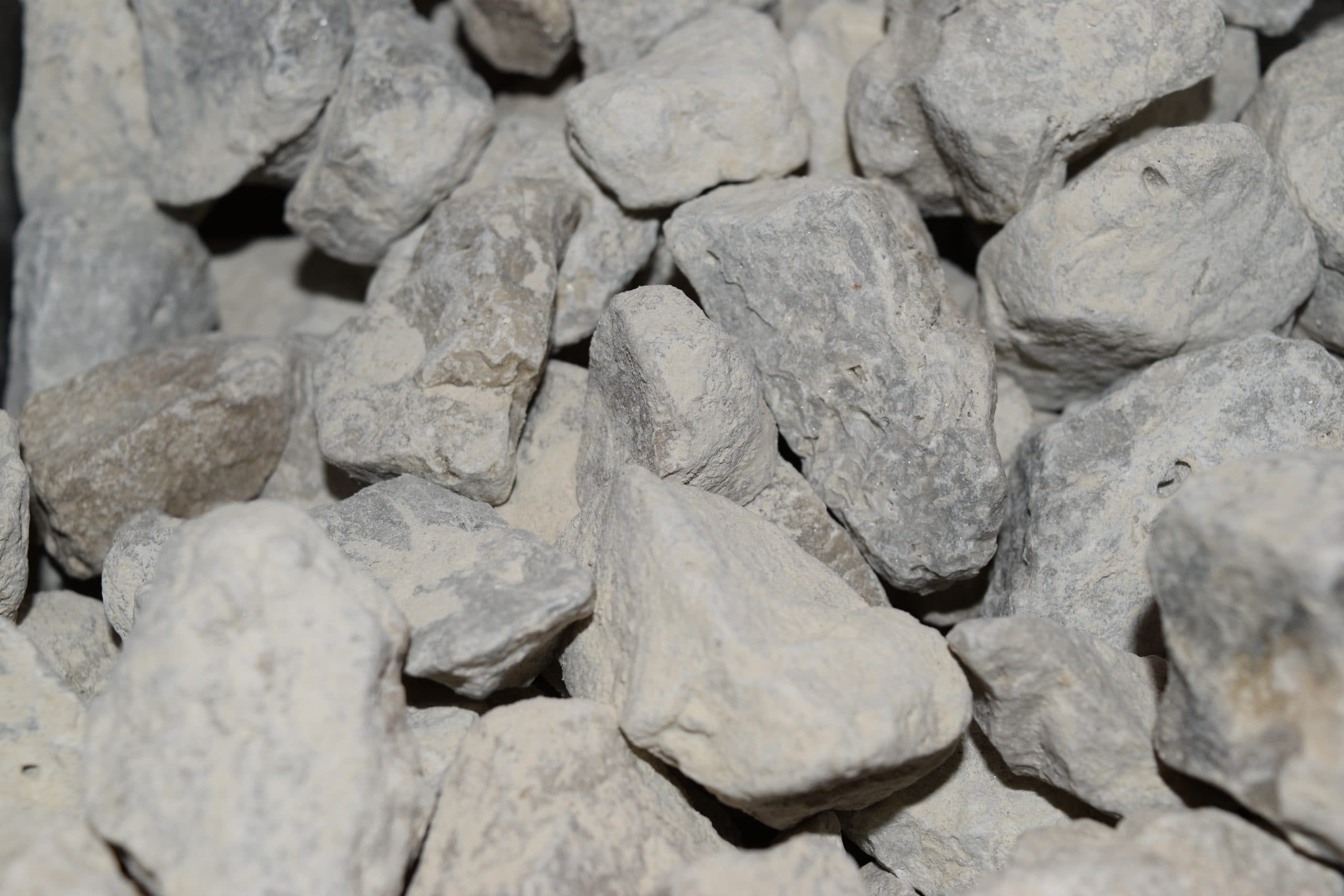
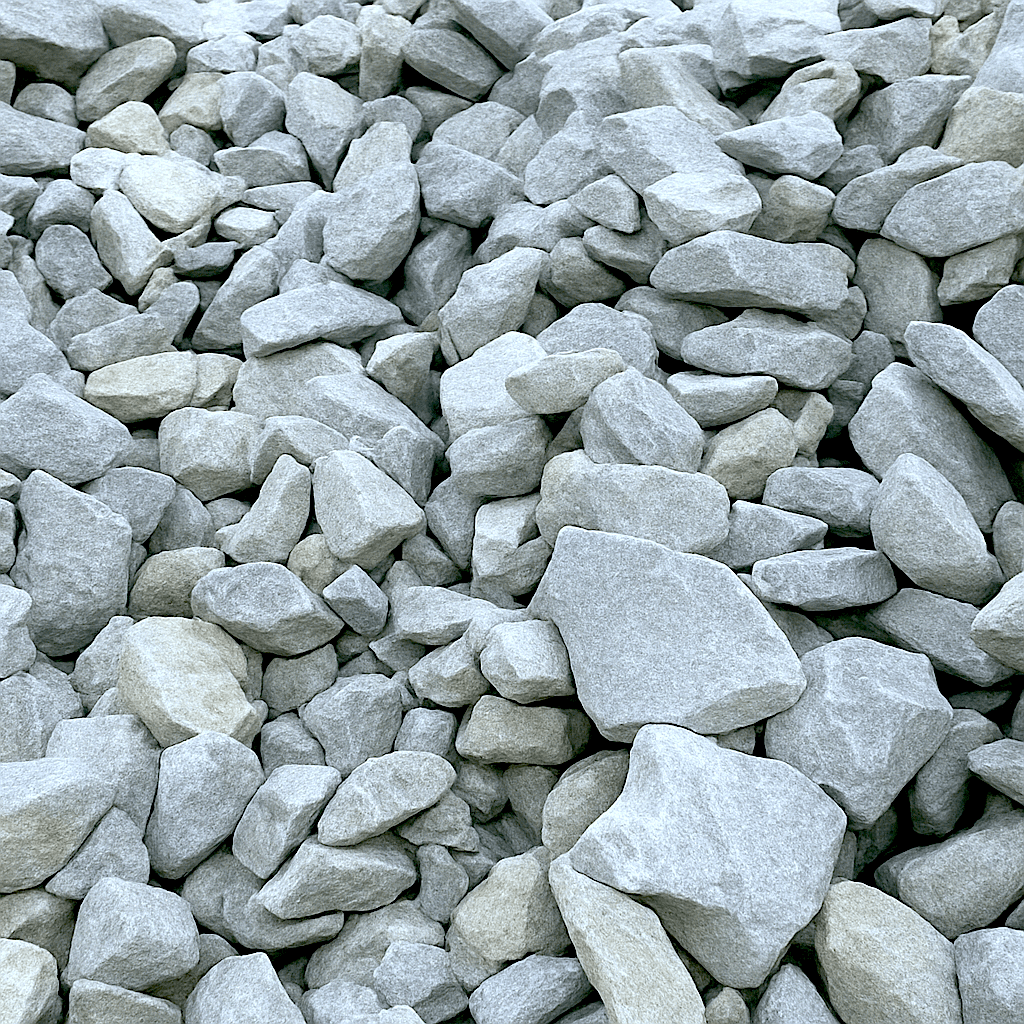
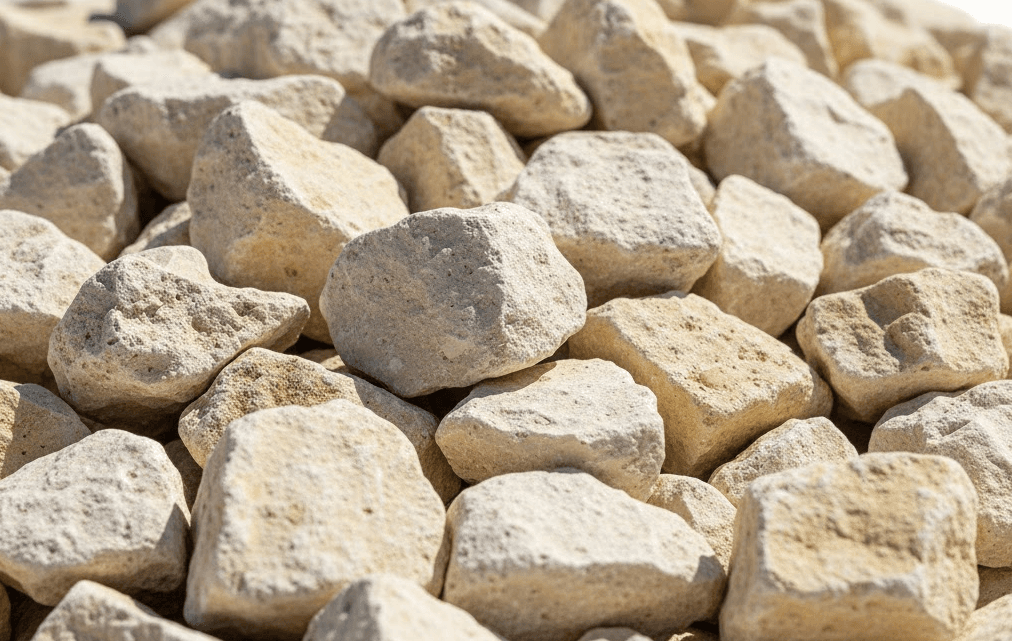
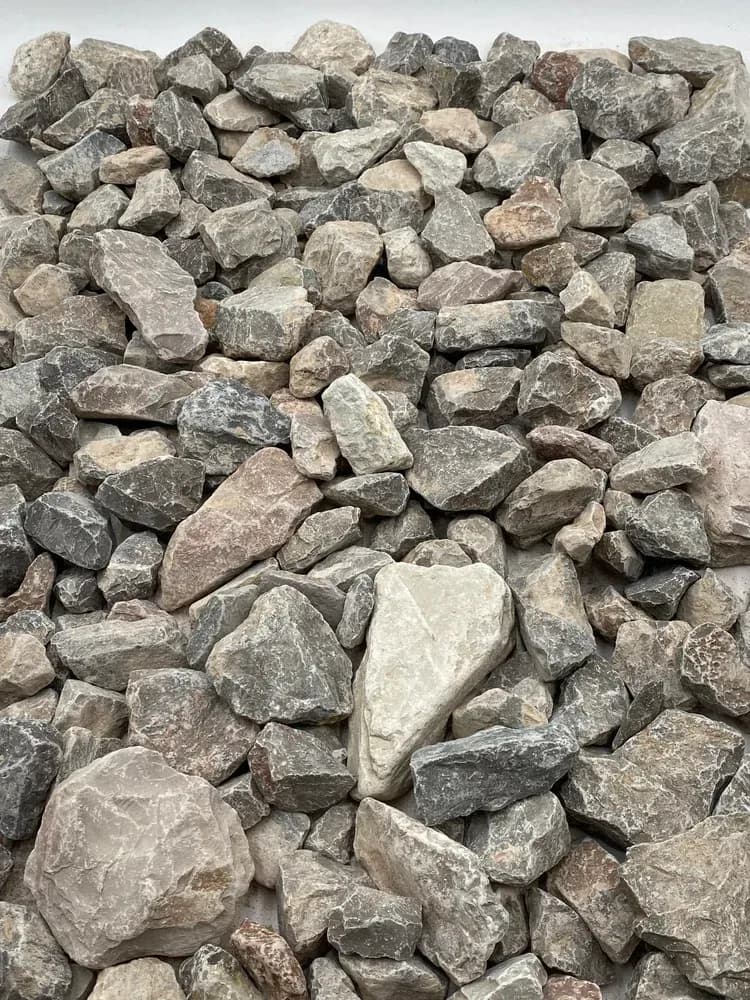
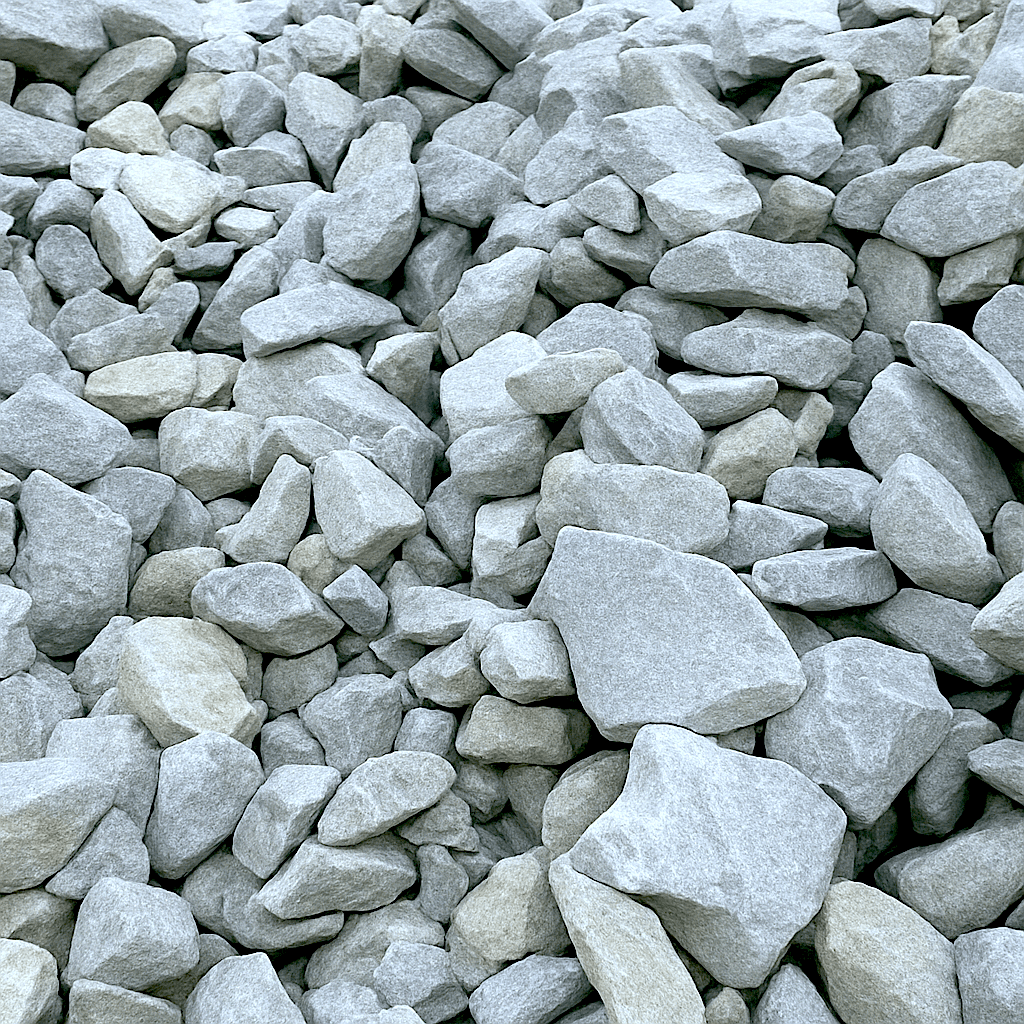
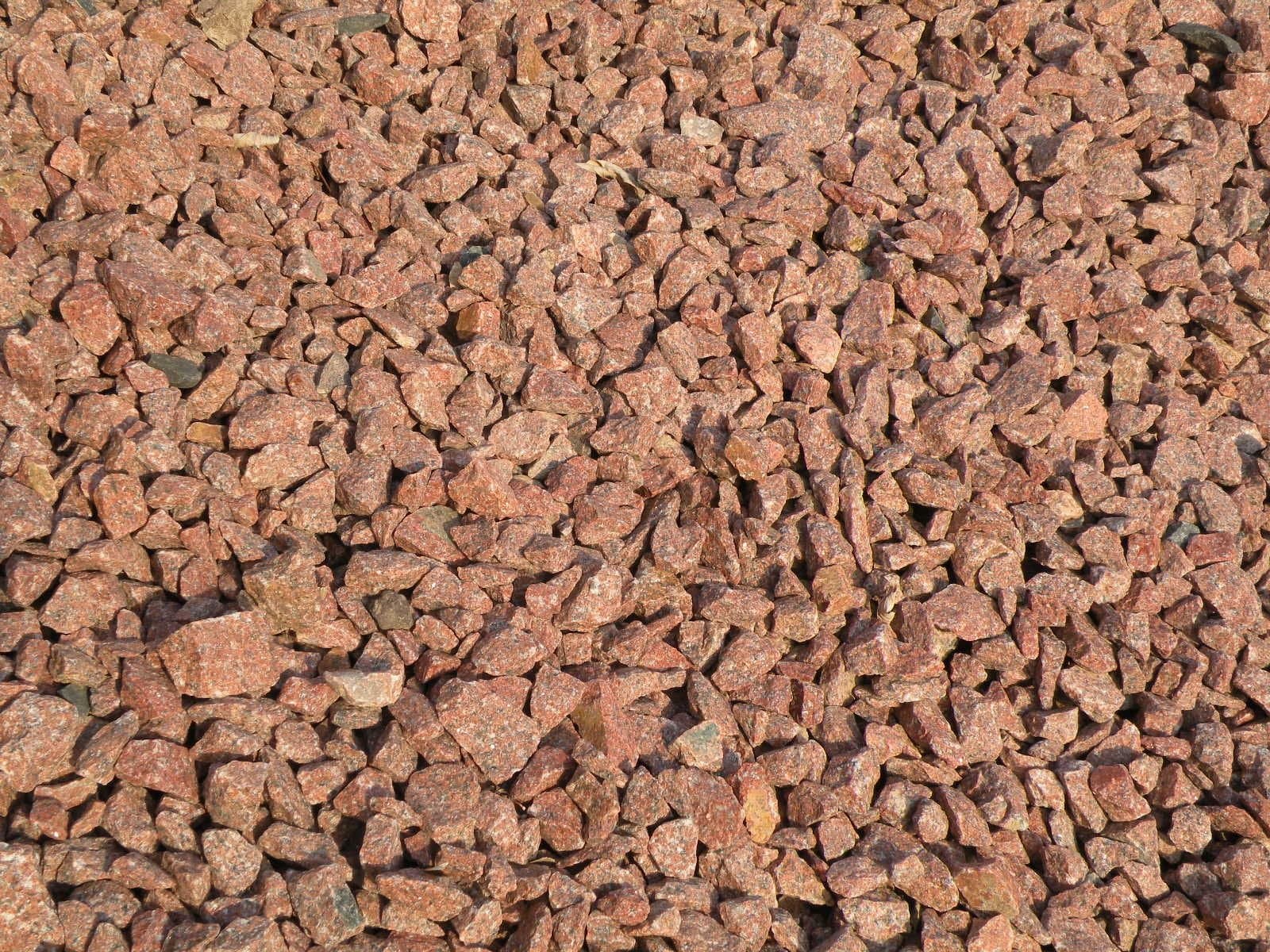
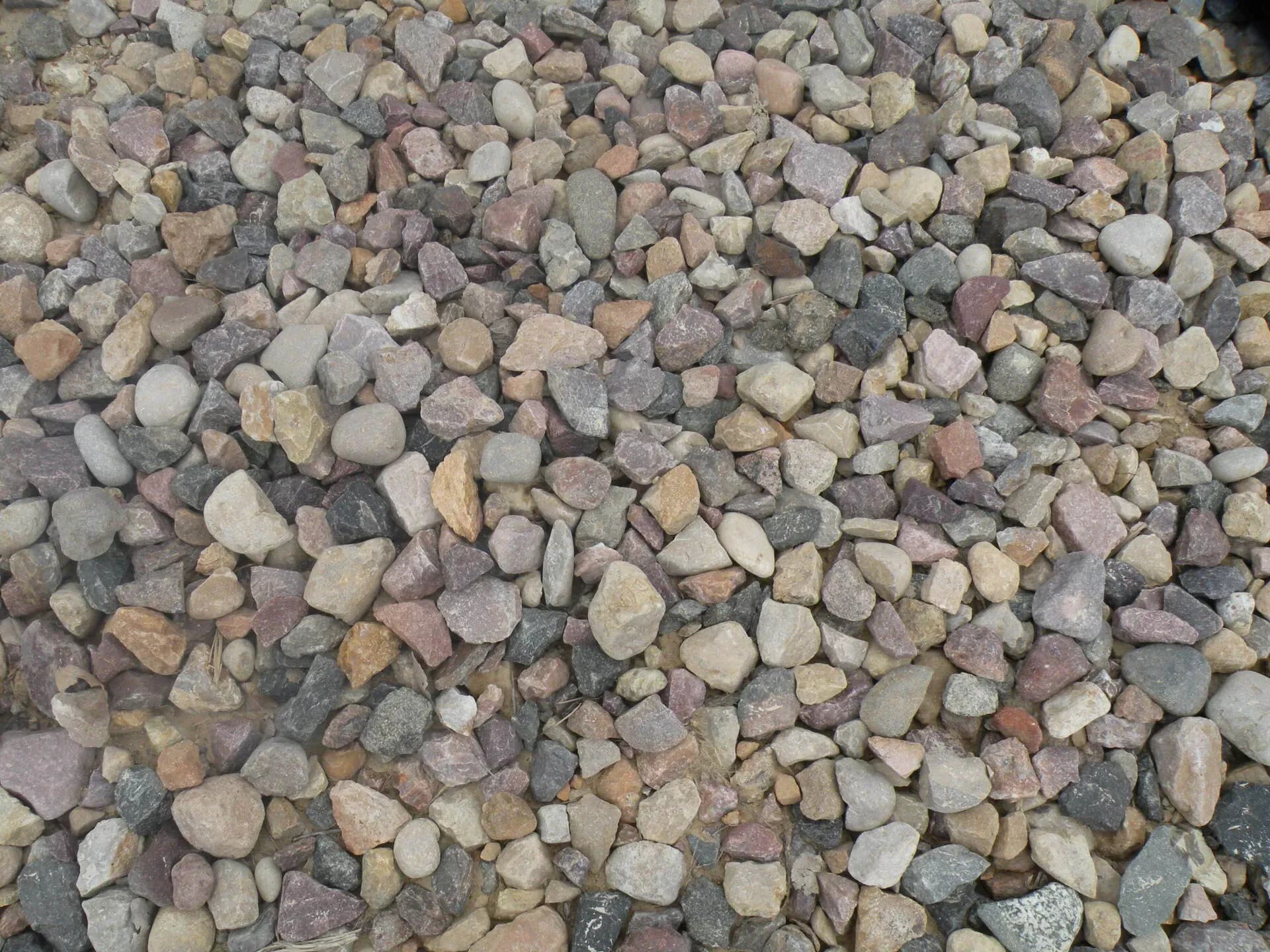
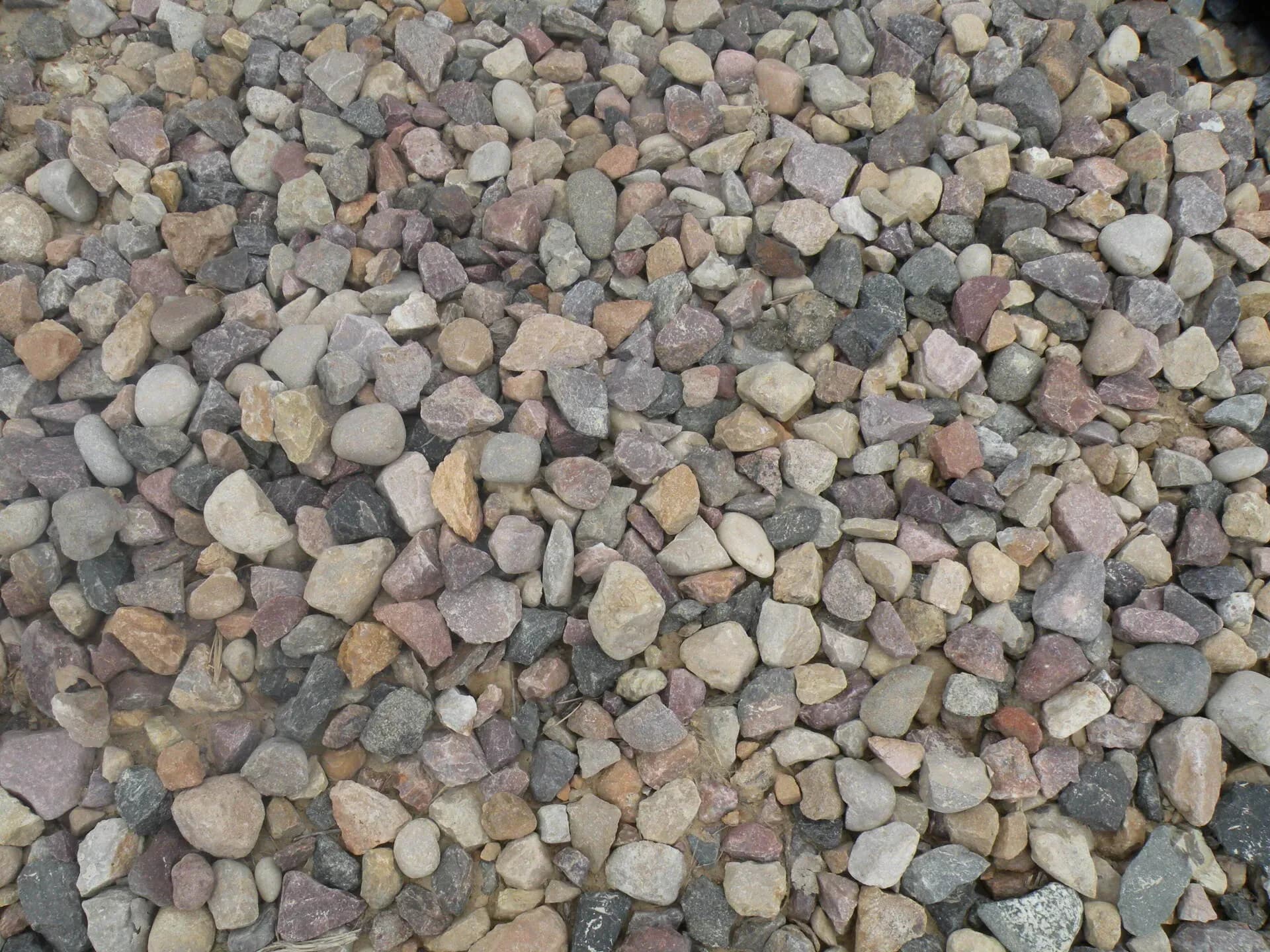
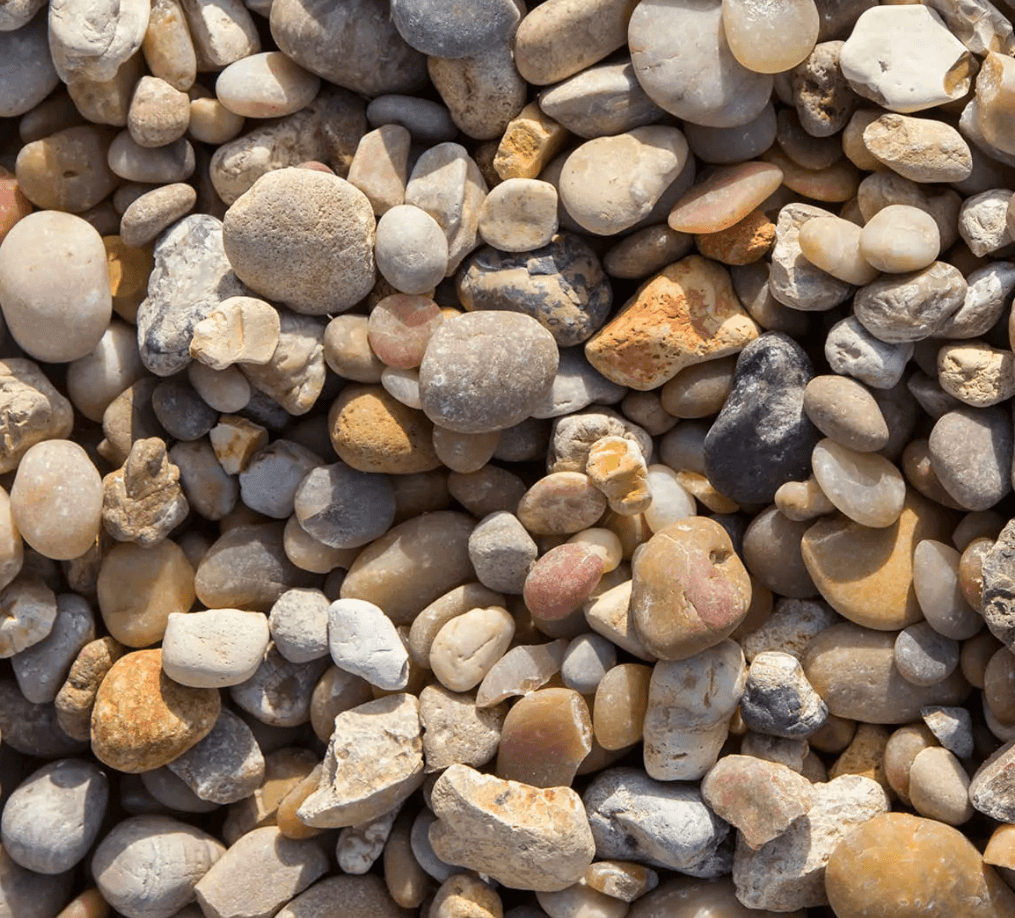
- Infill: Fill the remaining channel with a mix of 3-4 inch crushed stone (for rapid drainage) and smoother 2-inch river rock (for aesthetics).
The Result:
A robust, wide-gauge water artery. The deep cross-section, stable boulder anchors, and sharp infill allow this design to handle exceptional volumes of water during peak storm events without washing out. It’s an ideal solution for steep backyards or managing neighborhood runoff.

2. The Native Rain Garden Swale
This design is a masterclass in combining drainage with sustainability, a major search driver in 2026. This system slow-filters water into the ground (a rain garden) using native plants, acting as a retention pond that occasionally empties into a dry creek channel during extreme over-flow.
The Build:
- Retention Area: Excavate a large, wide, 6-inch deep bowl or 'swale' upstream. Mix 30% organic compost with your existing soil to create a sponge-like native planting zone.
- Creek Inlet: Connect the swale to a narrower (8-10 inch) dry creek bed. Integrate: Backfill the bottom of the creek channel with 2 inches of sharp leveling sand for pervious drainage.
- Filtration: Line the entire creek bed with varied 1-2 inch river rock and use small river cobblestones (3-4 inch) at the inlet to slow the initial flow entering the channel.
The Result:
A beautiful, "living" retention system. The main swale handles average rain, filtering water for native plants, while the rock channel provides an overflow safety valve. It’s perfect for low-lying spots or clay soils that drain slowly, supporting pollinators and reducing lawn space.

3. The Boulder-Strewn Cascade
This design is a highly sought-after dramatic feature, mimicking a high-energy mountain cascade. It is perfect for adding vertical interest to properties with some slope, blending significant water management with high-end landscaping.
The Build:
- Grade: Utilize an existing slope or build a 15-20 degree grade. Excavate a channel, 8-10 inches deep. Integrate: Backfill the bottom with 2 inches of sharp leveling sand for stable pervious drainage.
- Cascades: Use large, varied boulders (18–24 inches)—preferably of a contrasting local stone—to build small, stable check dams and waterfalls that interrupt the channel's flow.
- Infill: Fill the remaining channel with a mix of small to large 1-3 inch river rock and use rough 3-4 inch crushed stone to prevent erosion around the boulder structures.
The Result:
A powerful, turbulent water feature that adds substantial visual and textural contrast. The large boulders act as powerful anchors and check dams, slowing fast-moving water and aerating the flow, preventing erosion. It's a dramatic, beautiful solution for challenging slopes and properties seeking high visual impact.

4. The Flagstone Crossing and Path
This design is a highly functional bridge, combining essential water management with a stable, leveled crossing or walkway. It addresses the common problem of a muddy, un-passable path across a yard during a storm.
The Build:
- Layout: Define a direct route for your path that intersects with a 12-14 inch wide dry creek bed. Integrate: Backfill the bottom of the creek bed with 2 inches of sharp leveling sand for stable pervious drainage.
- Crossings: Embed 3-5 large, thick, heavy (e.g., 2.5–3 inch) natural flagstones (like limestone or slate) at a single crossing point.
- Stability: Key to this design is the integration of decomposed granite (DG) or compacted stone dust. Use this to compact firmly beneath and around the flagstones to ensure they don't shift.
- Creek: Finish the surrounding creek bed with smooth 1-2 inch river rock and use larger 2-3 inch cobblestones for texture.
The Result:
A stable, heavy-duty footbridge. The massive, leveled flagstones provide a solid, dry surface for traversing the yard, seamlessly integrated over a high-flow drainage artery. It's a elegant, functional solution for muddy path problems.

5. The Low-Profile Meandering Creek
This design is a masterclass in subtlety and scale, perfect for creating a graceful water feature on properties with gentle slopes. It addresses a very common 2026 search driver: a "Found Object" look that blends seamlessly with native plantings and suppresses weeds.
The Build:
- Layout: Define a wide, very gently curving route. The main requirement is a subtle, wide excavation, only 6-8 inches deep. Integrate: Backfill the bottom with 2 inches of sharp leveling sand for stable pervious drainage.
- Creek Inlet: Connect the swale to a slightly narrower (8-10 inch) dry creek bed. Integrate: Backfill the bottom of the creek channel with 2 inches of sharp leveling sand for pervious drainage.
- Filtration: Line the entire creek bed with varied 1-2 inch river rock and use small river cobblestones (3-4 inch) at the inlet to slow the initial flow entering the channel.
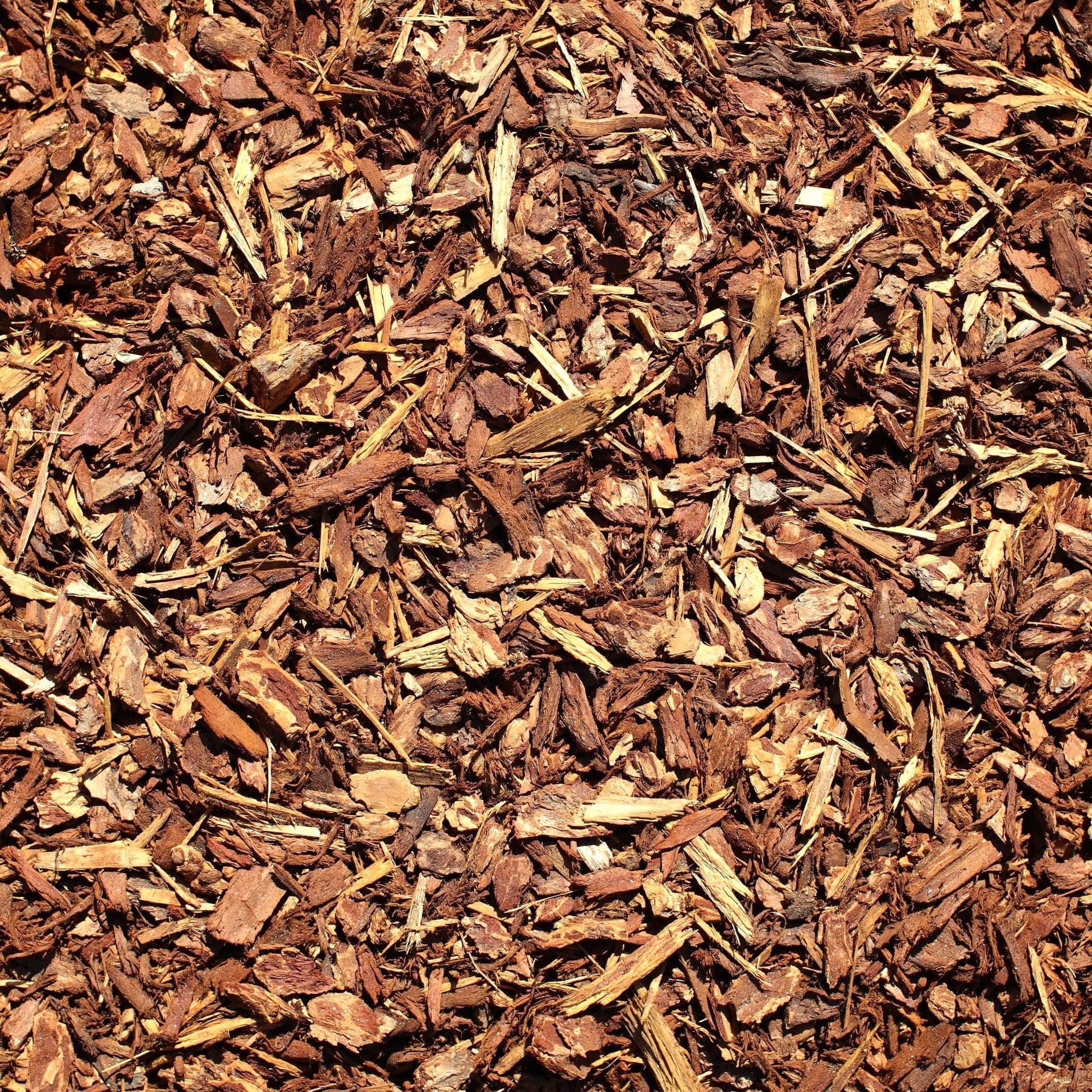
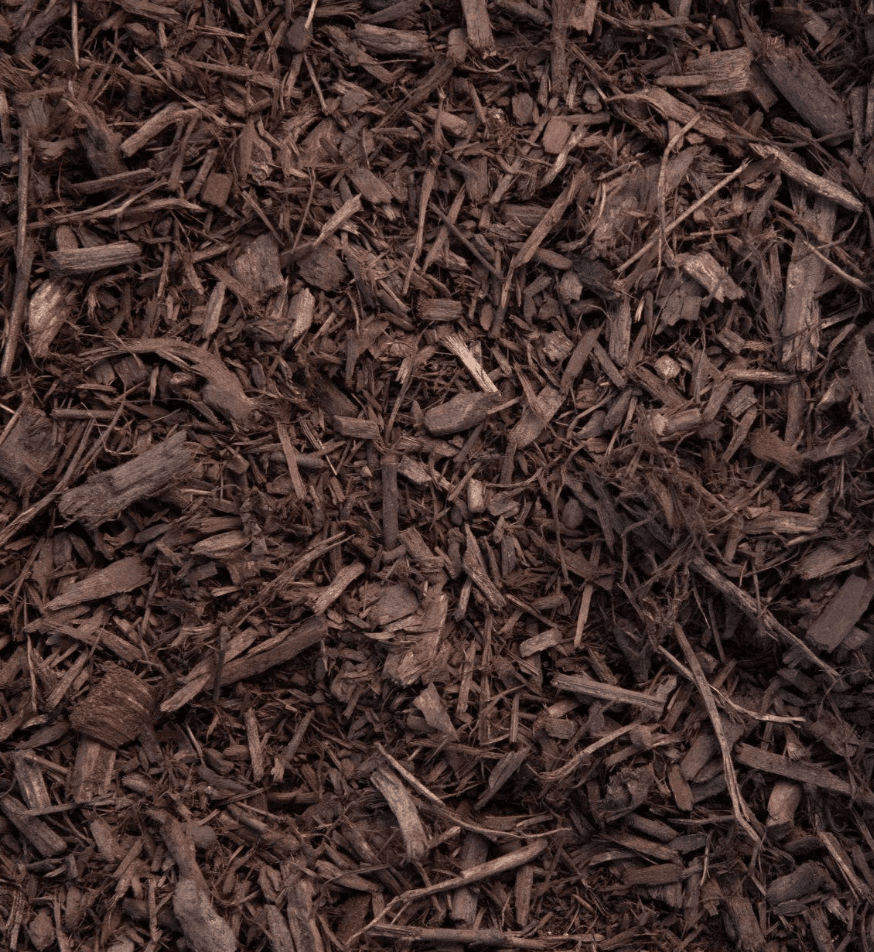
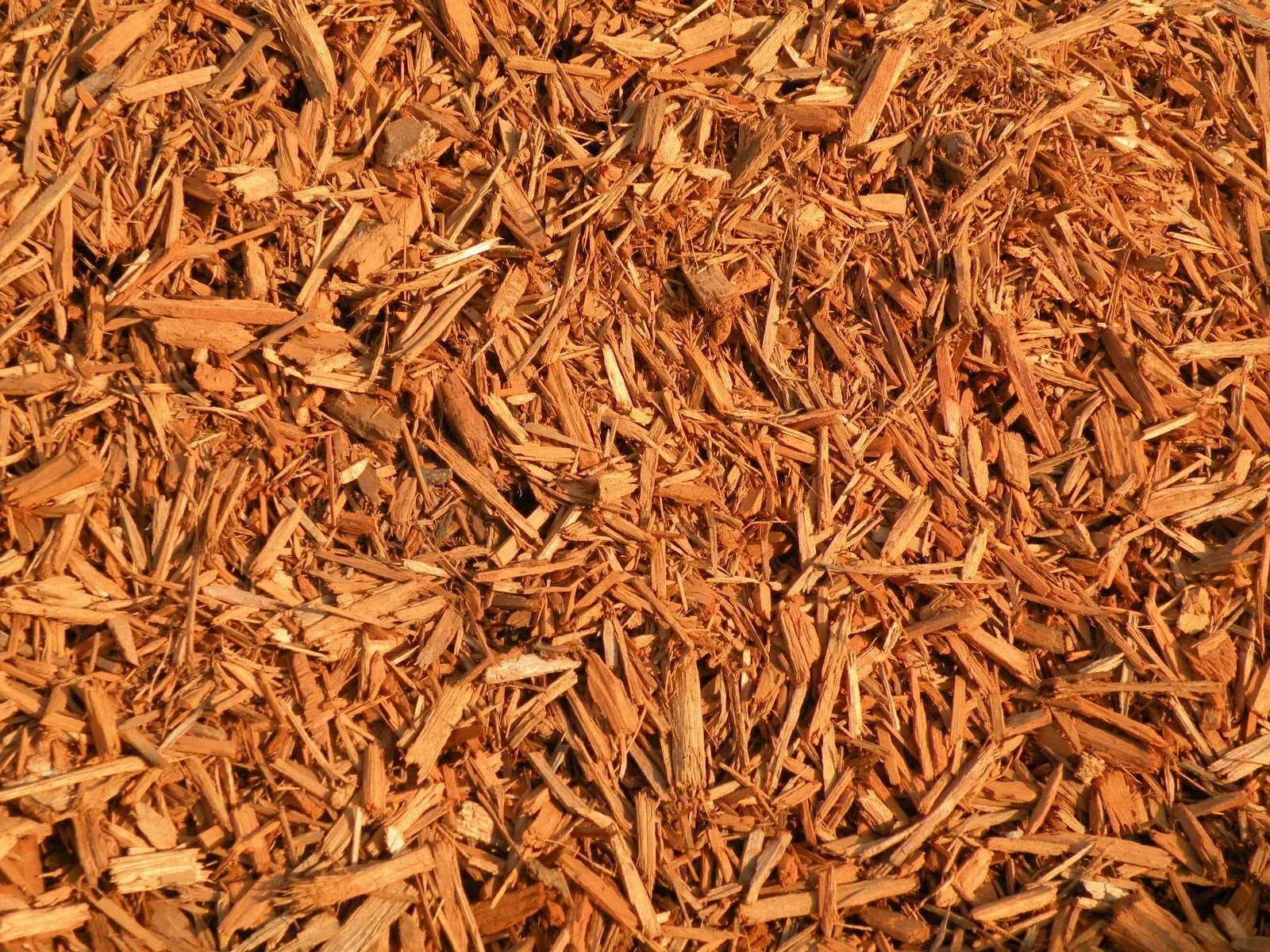
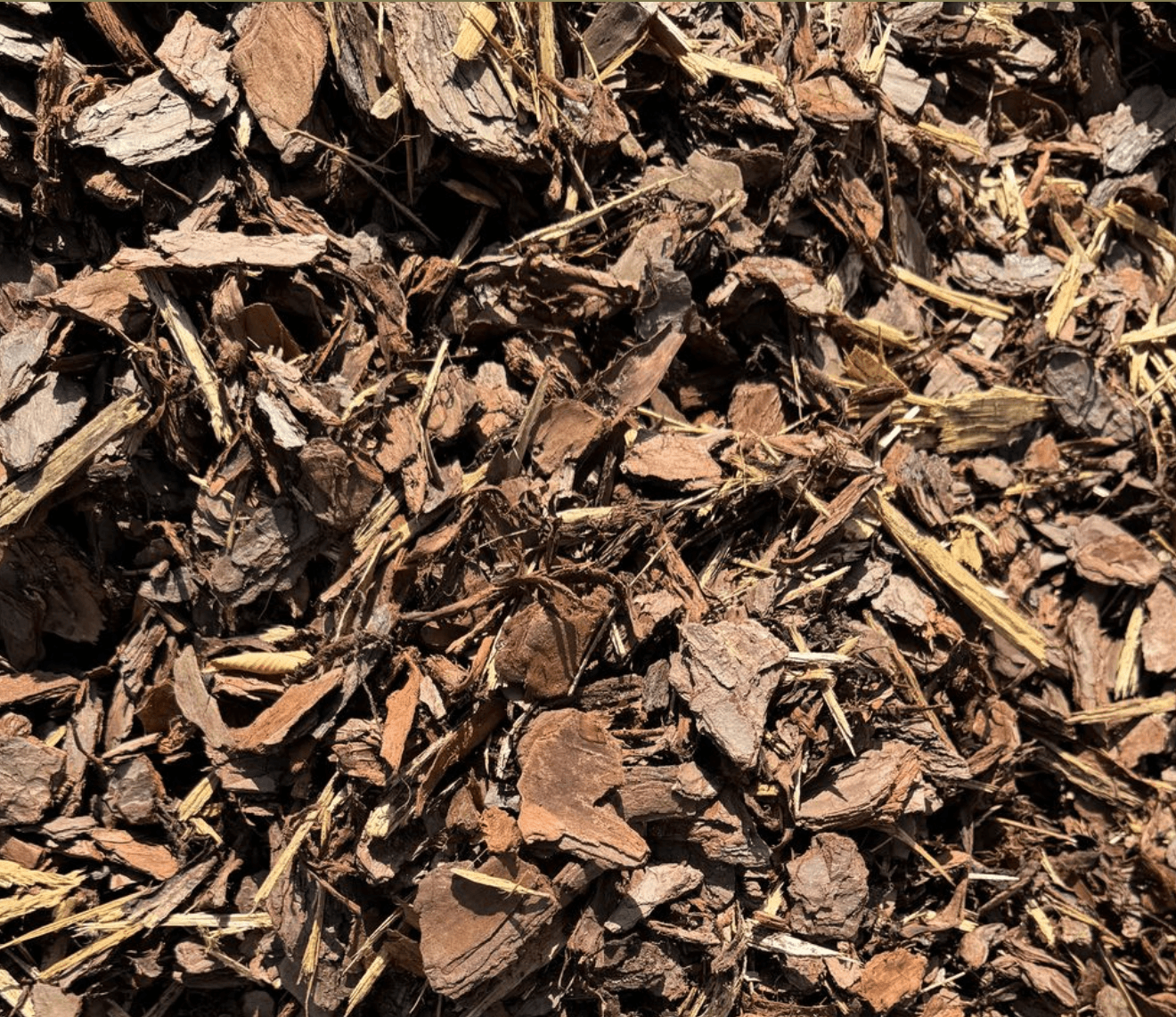
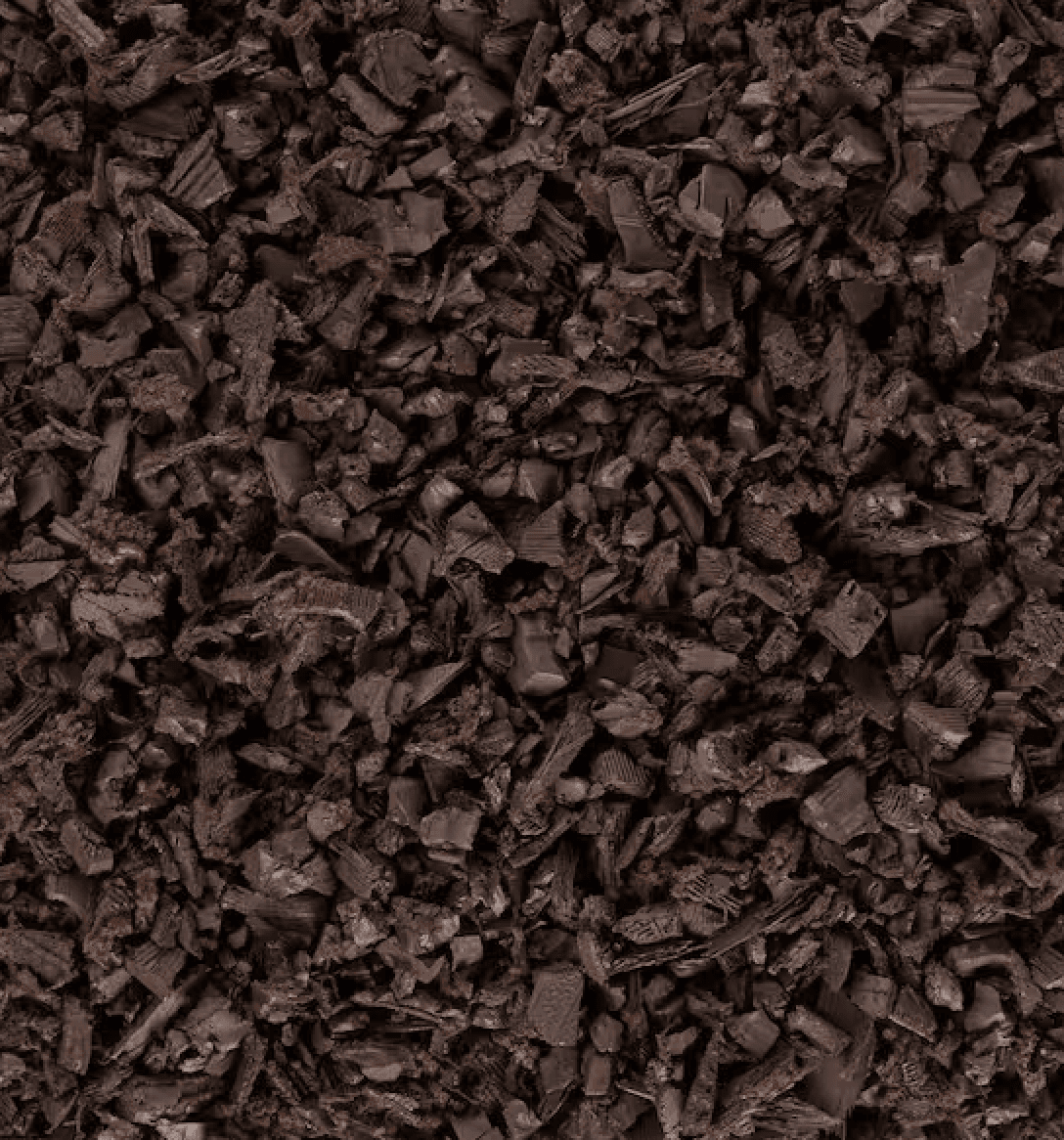
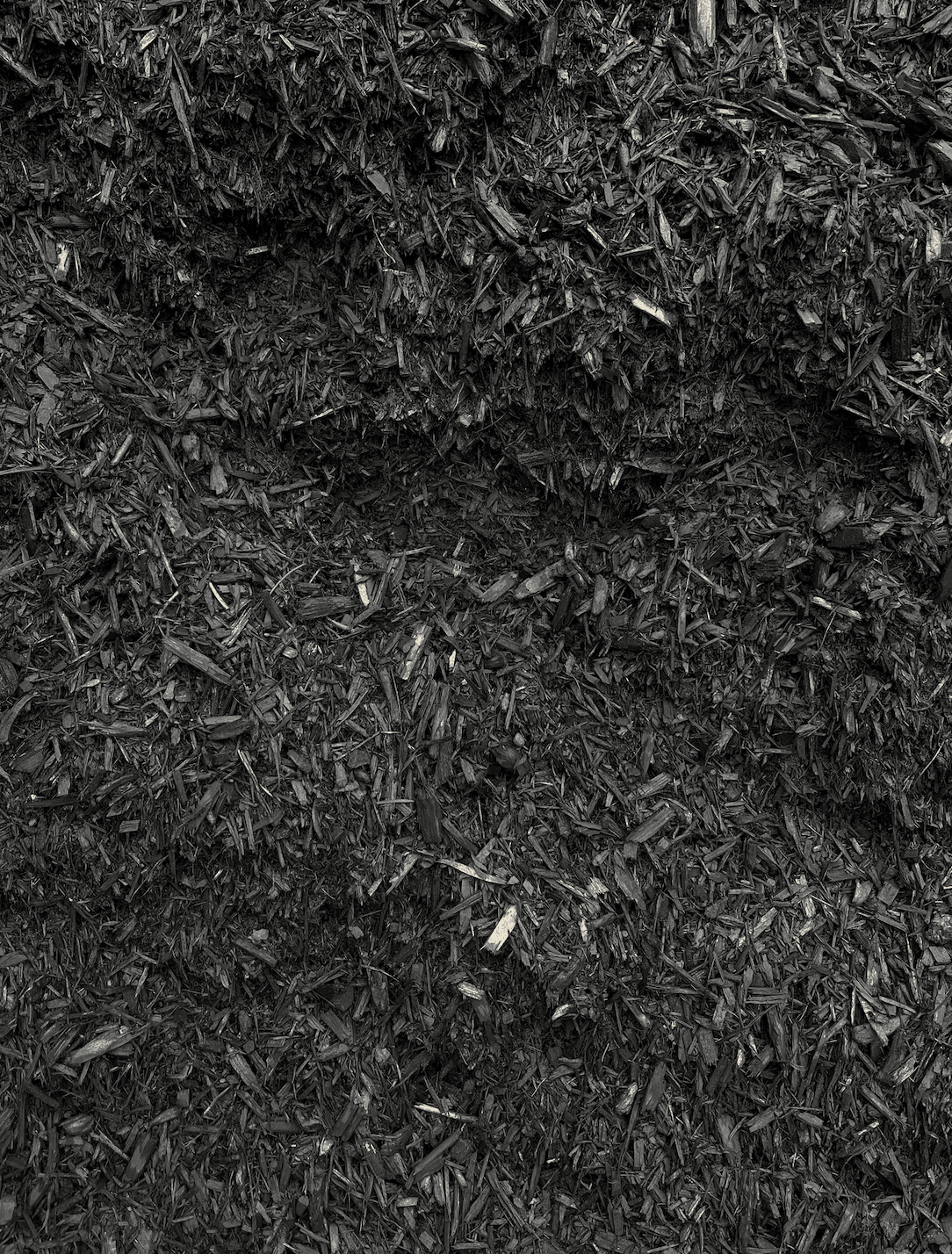
- Borders: This is the key integration. Frame the entire gently curving creek with substantial, 3-inch layers of Dark Wood Mulch (like cedar or hemlock). The mulch suppresses weeds and provides a rich, contrasting texture that defines the path.
The Result:
A tranquil, naturalistic water feature. The gentle grade, native plantings, and rich mulch border make it feel like a "living," long-established feature. The wide shape handles average rainfall while providing a safe, overflow drainage artery. It's a elegant, low-maintenance solution for properties seeking seamless landscape integration.