Blog
Our most recent articles
Expert insights, practical guides, and industry best practices to help you succeed.
Expert insights, practical guides, and industry best practices to help you succeed.
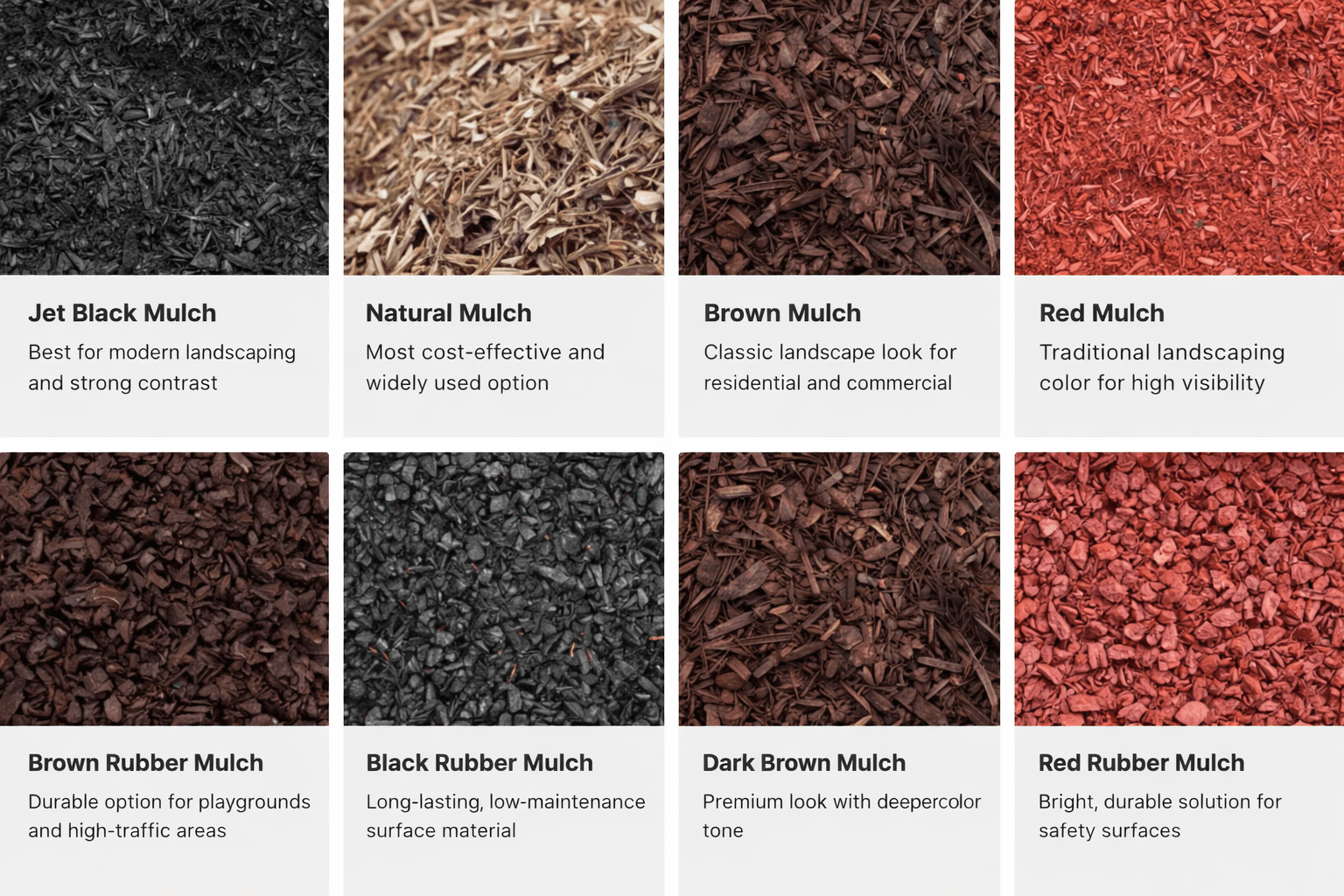
Compare hardwood, cedar, colored, and rubber mulch. Learn which mulch works best for landscaping, planting beds, and bulk delivery projects.
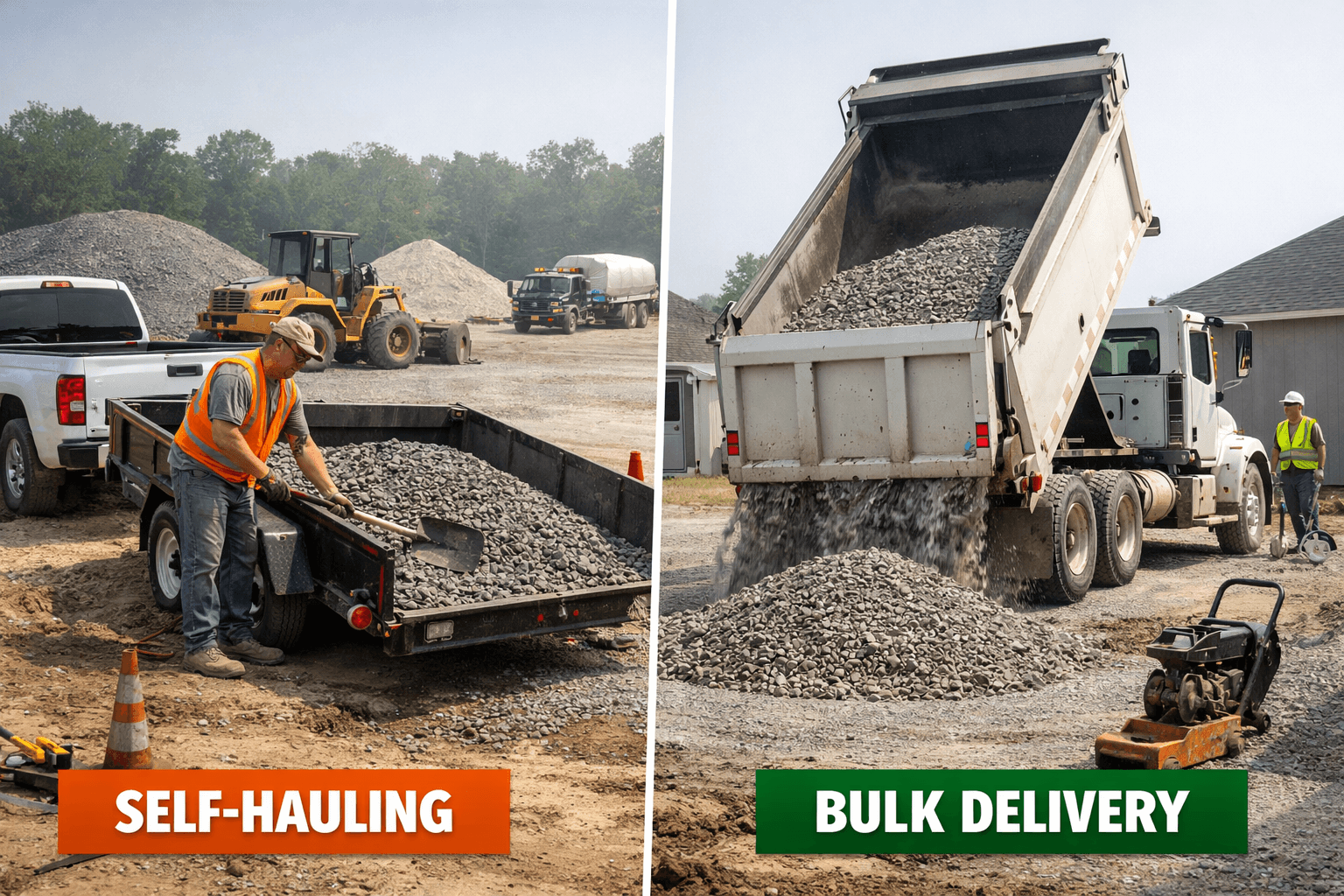
Compare self-hauling gravel, fill dirt, sand, and crusher run with bulk delivery. See the real costs in time, truck wear, trailer use, and labor.
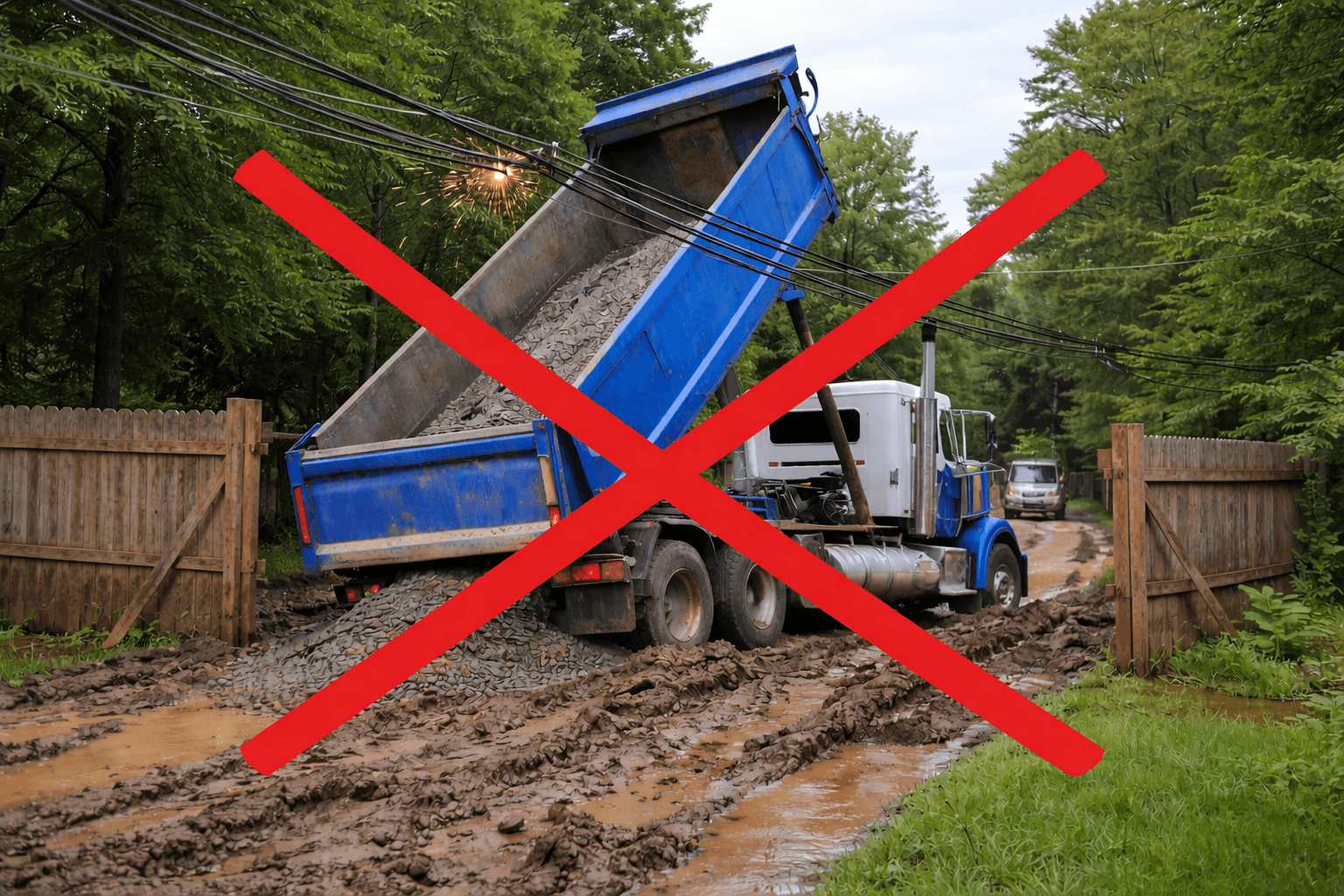
Dump truck pricing depends on time, distance, and site access—so poor planning quickly drives up costs. The biggest mistakes are ordering the wrong material (topsoil vs. fill dirt, wrong gravel type), underestimating quantity, and not thinking about where the truck can dump. If you plan the material, volume, and delivery upfront, you can save hundreds of dollars on a simple project.
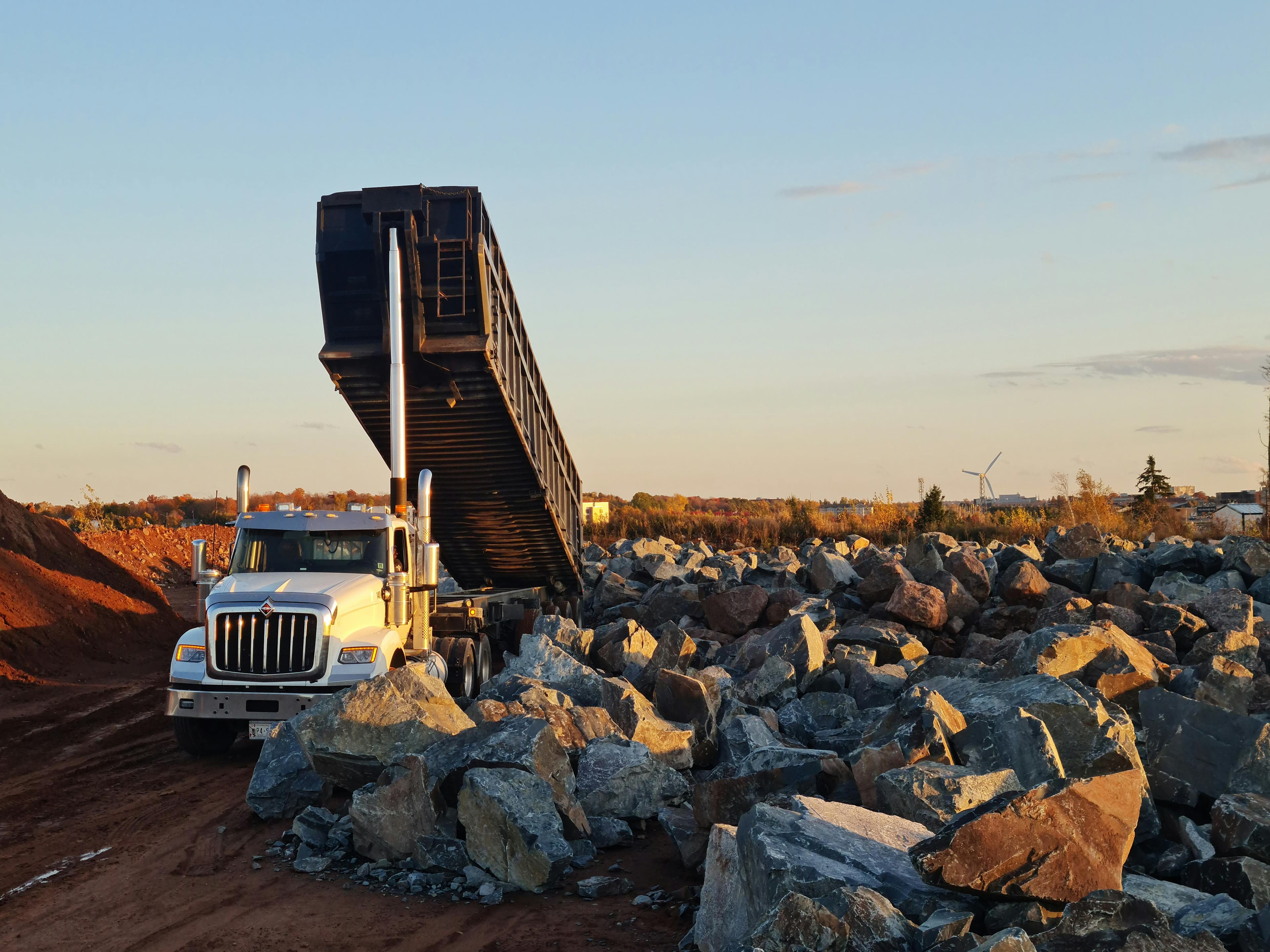
The most common hurdle in any construction or landscaping project isn't the cost of the material itself—it is the cost of moving it. Whether you are ordering crushed stone, sand, or mulch, the logistics of heavy hauling can often account for 40% to 60% of your total invoice. In 2026, delivery pricing is driven by three main factors: fuel volatility, driver labor, and regional quarry proximity. This guide breaks down the universal standards for how these costs are calculated.

Fixing a gravel driveway in Belle Meade or starting a new landscape project in Franklin? In 2026, finding the right price for bulk materials is the first step. This guide covers the latest Nashville limestone rates, how to handle the "red clay" soil in your backyard, and the easiest way to get gravel delivery in Tennessee without the headache of calling around.
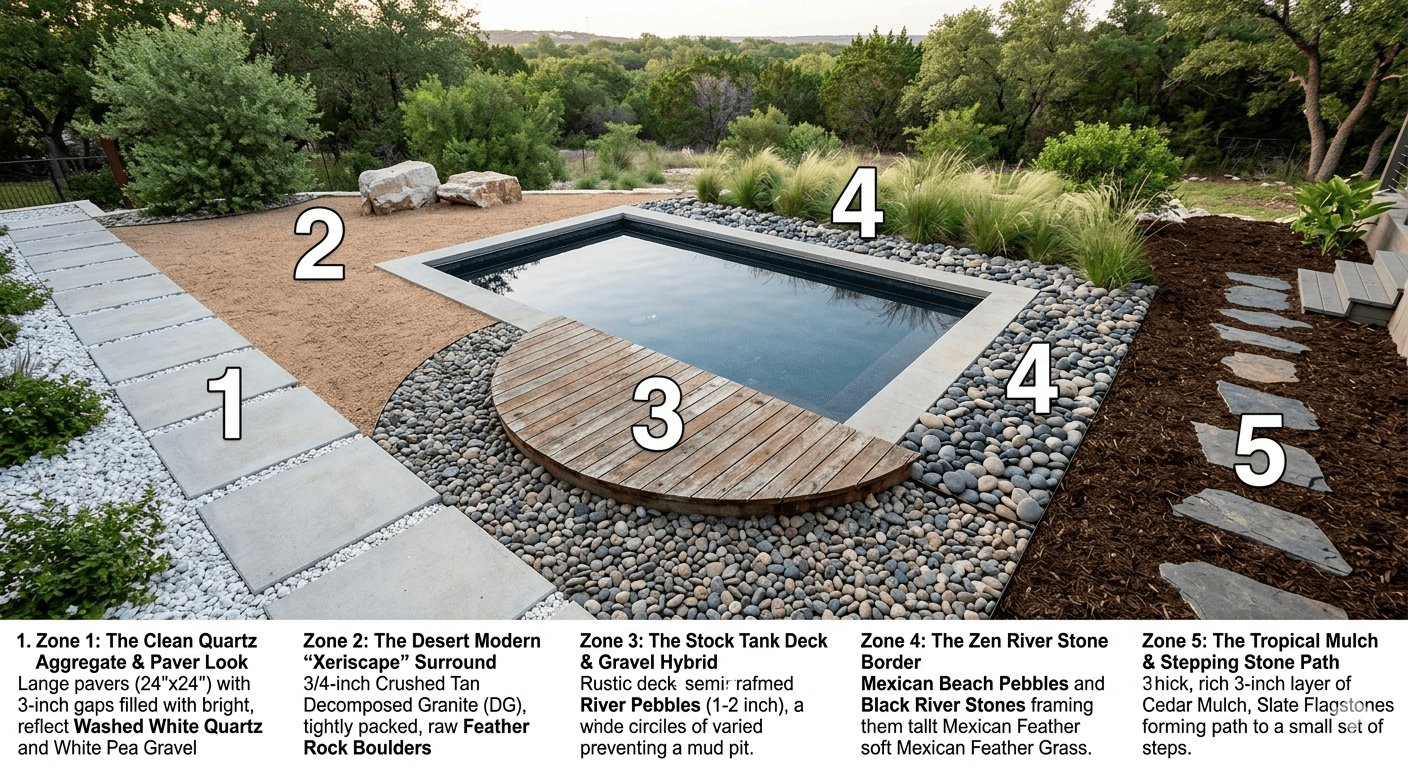
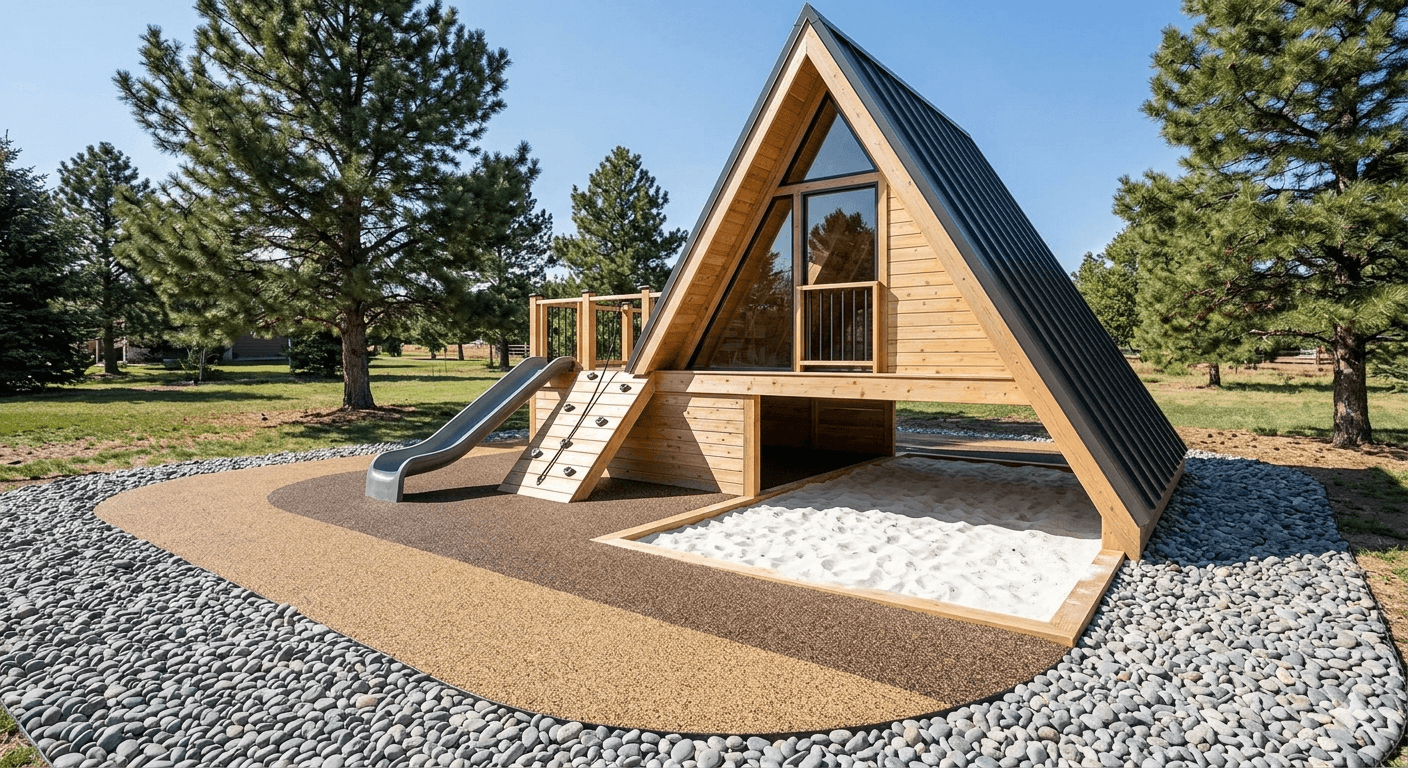
Large swimming pools are being replaced by smaller, energy-efficient, and incredibly stylish "plunge pools." These compact solutions provide quick cooling and a luxurious spa-like feel even in yards with limited space. The main trend for 2026 is the complete integration of the pool and its surrounding area into a cohesive design, utilizing premium materials that stay cool underfoot.
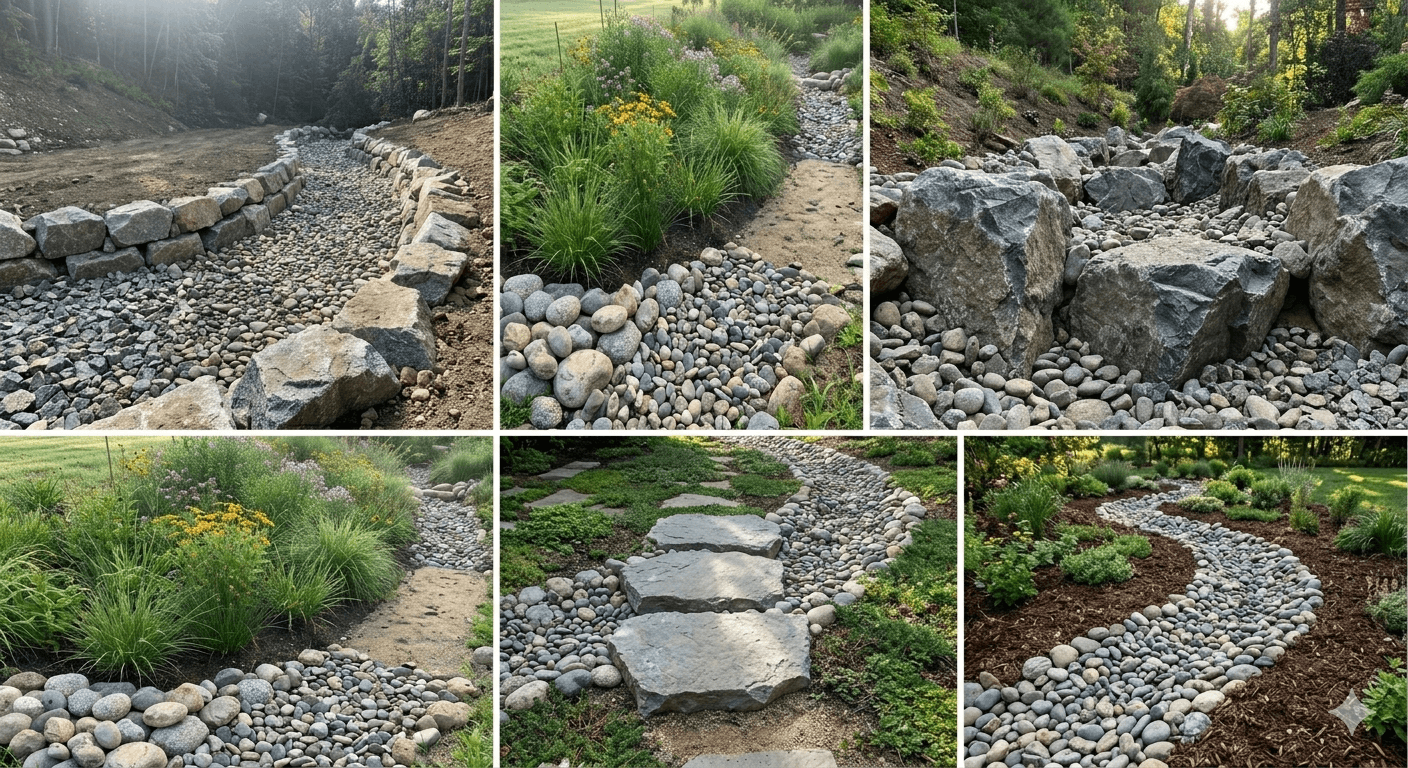
With more extreme weather patterns, homeowners are searching for ways to manage rainwater beautifully. A dry creek bed uses a mix of river rock and boulders to redirect water while looking like a natural landscape feature.
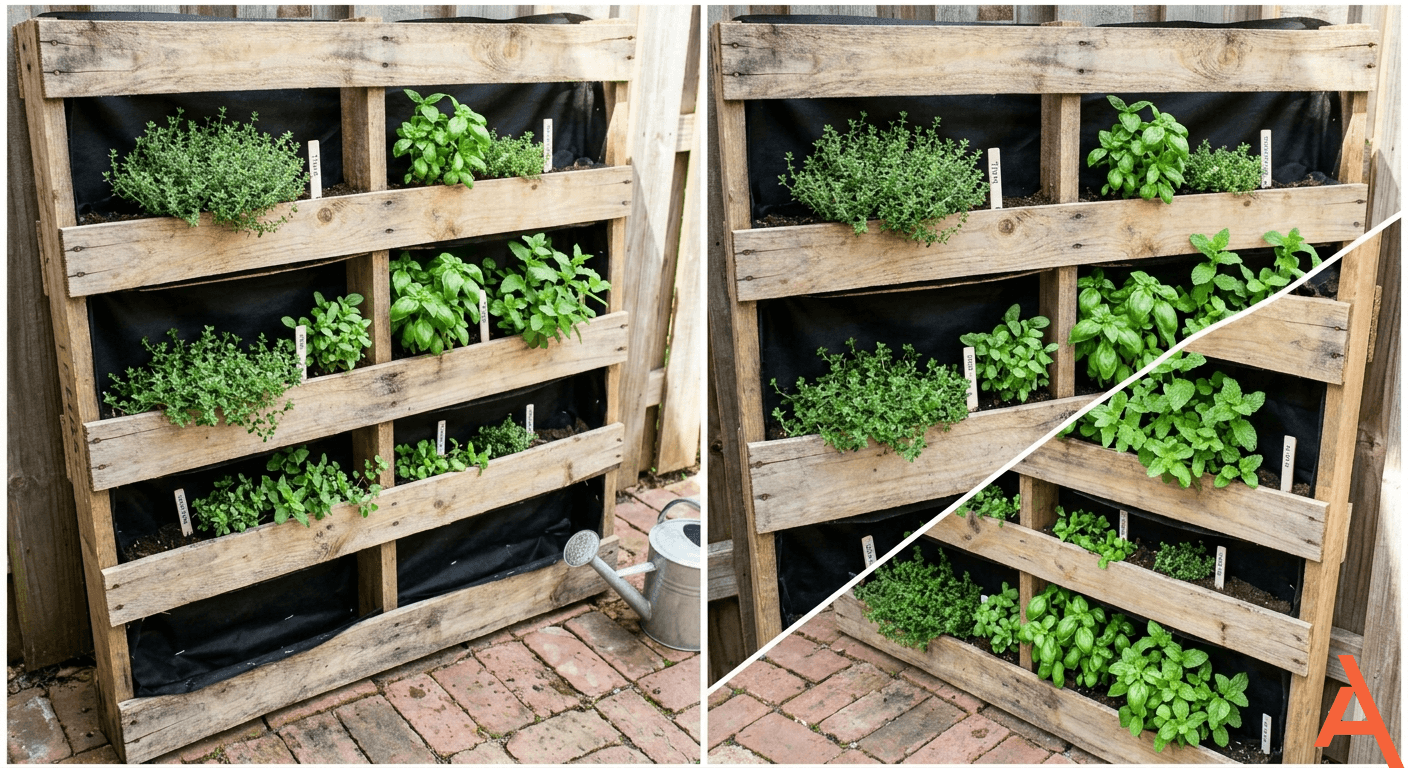
Turn reclaimed shipping pallets into stunning outdoor features with these five beginner-friendly DIY projects. From modular lounge seating and vertical herb gardens to rustic boardwalks, this guide provides practical steps and visual inspiration to help you upgrade your backyard on a budget using standard US skids.
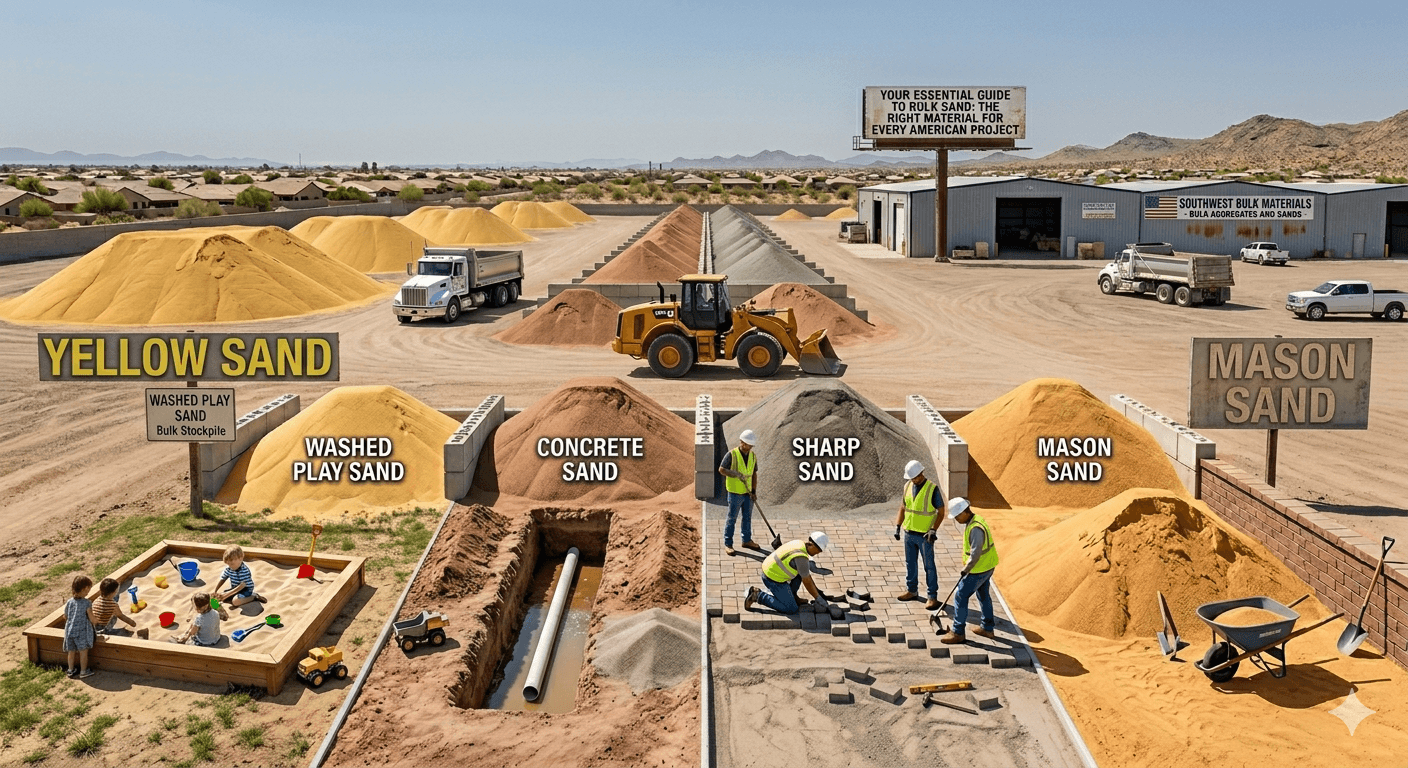
When tackling a landscaping or construction project, the "sand is just sand" mentality can lead to costly mistakes. From the foundation of a patio to the safety of a playground, the physical properties of the grain—its size, sharpness, and cleanliness—dictate the success of the job. Below is a breakdown of the primary bulk sand varieties used in professional and DIY applications.

Discover professional applications for river rocks in modern landscaping, from drainage solutions to aesthetic focal points. Compare various rock types.
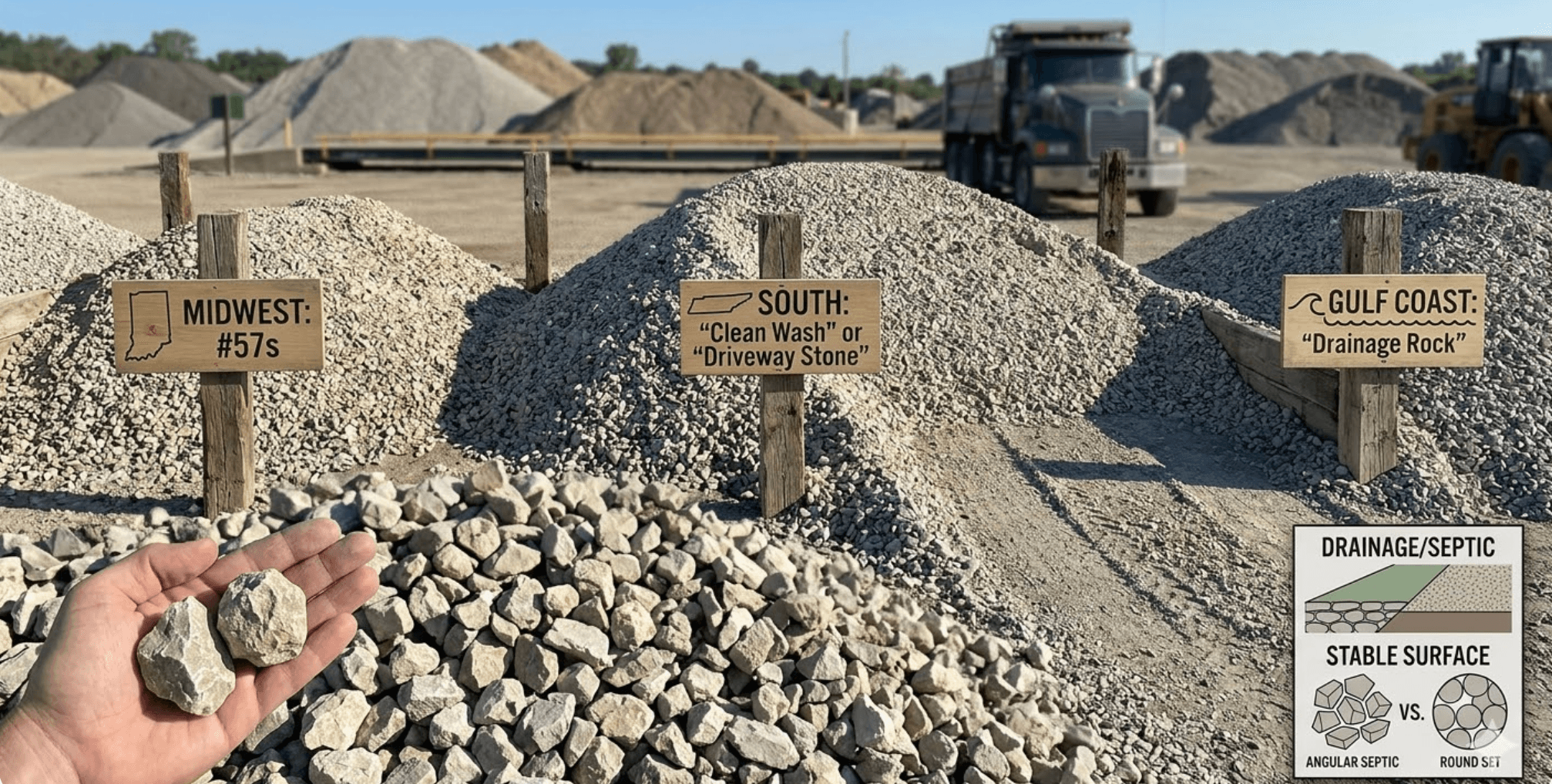
Ordering limestone in the United States can feel like learning a second language. A "size #57" in Tennessee might be called "Clean Wash" in another state, while the compactable base material used for driveways has dozens of different names depending on which side of the state line you stand on. At AggregateMarkets.com, we bridge this gap. Here is a comprehensive look at the five most common limestone products and the regional "nicknames" you’ll encounter when searching for them.
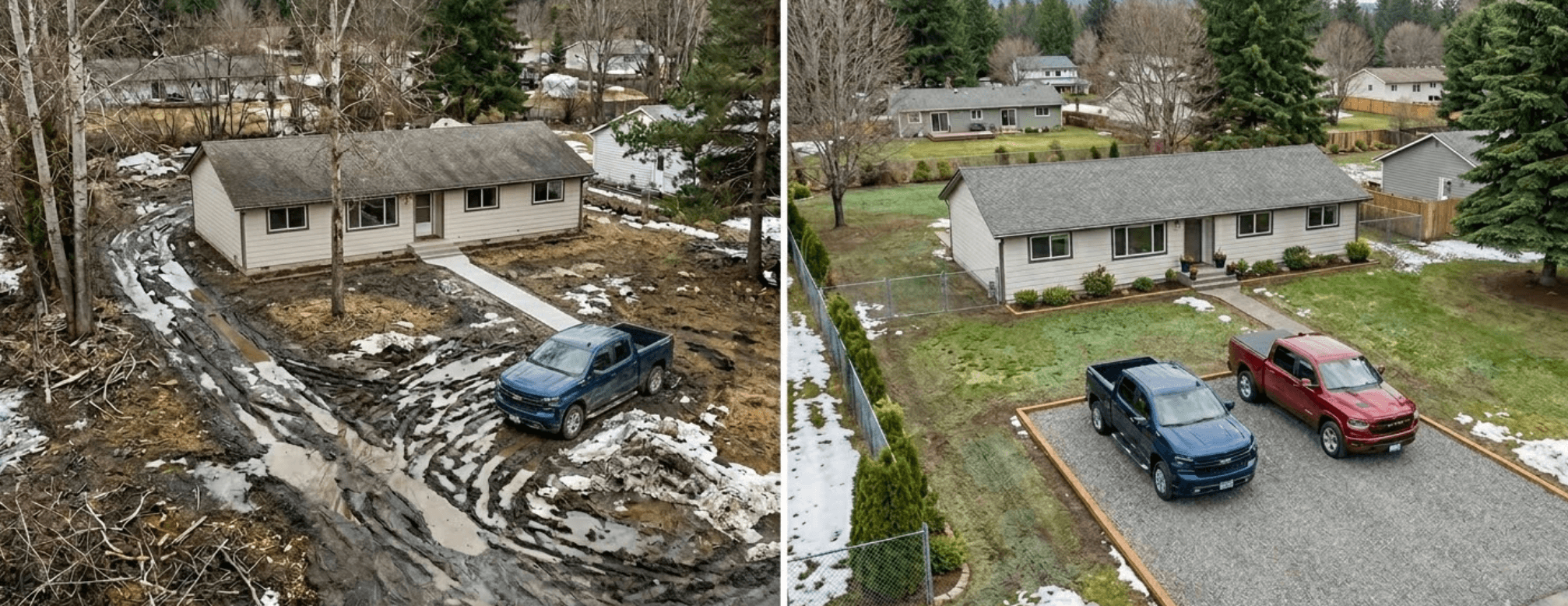
Creating a durable parking area for your car or SUV doesn't require a professional paving crew. By using a "Crush and Run" base for stability and #57 Crushed Limestone for a clean, permeable finish, you can build a long-lasting parking pad. This DIY guide covers the essential steps from excavation to the final spreading of stone.