If you’re fixing a driveway, building a shed pad, or reworking your yard, the first surprise usually isn’t the material price. It’s the trucking. As of April 6, 2026, the U.S. average on-highway diesel price was $5.643 per gallon. On top of that, diesel still carries a 24.4-cent federal tax, and state diesel taxes averaged 35.5 cents per gallon as of January 1, 2026, with a huge spread from state to state. That’s a big reason a “cheap load of gravel” can still turn into an expensive day.
A lot of homeowners make the same mistake: they compare the price of stone, soil, or sand, but they don’t really compare the cost of getting it to the property. That’s where the budget starts slipping. Consumer pricing guides for 2026 show just how wide the swing can be. Gravel delivery and site prep can range from about $150 to $6,200 depending on quantity and prep. Sand delivery often lands around $200 to $650 for a typical job. Topsoil delivery alone can add roughly $250 to $1500 per trip depending on size of the load and your location before any spreading labor is included.
How dump truck pricing usually works in the U.S.
In most U.S. markets, small hauling jobs are quoted one of three ways: by the hour, by the mile, or as a flat load or day rate. One 2025 U.S. hauling guide for independent dump work put typical ranges around $75 to $120 per hour, $1.75 to $4.00 per mile, and $350 to $800 per day. Real quotes move around based on truck size, traffic, wait time at the pit, and how easy your property is to access.
That’s why two “same size” deliveries can price out very differently. A short, easy drop on a firm driveway is one thing. A job with a narrow entrance, soft ground, overhead lines, or nowhere to turn around is another. Sand and fill guides both note that difficult access, extra prep, added equipment, and even street-placement permits can push the total up.
Don’t order “dirt.” Order the right dirt.
This is where a lot of people burn money in the U.S. They call and ask for dirt, or even topsoil, without thinking through what the material actually needs to do.
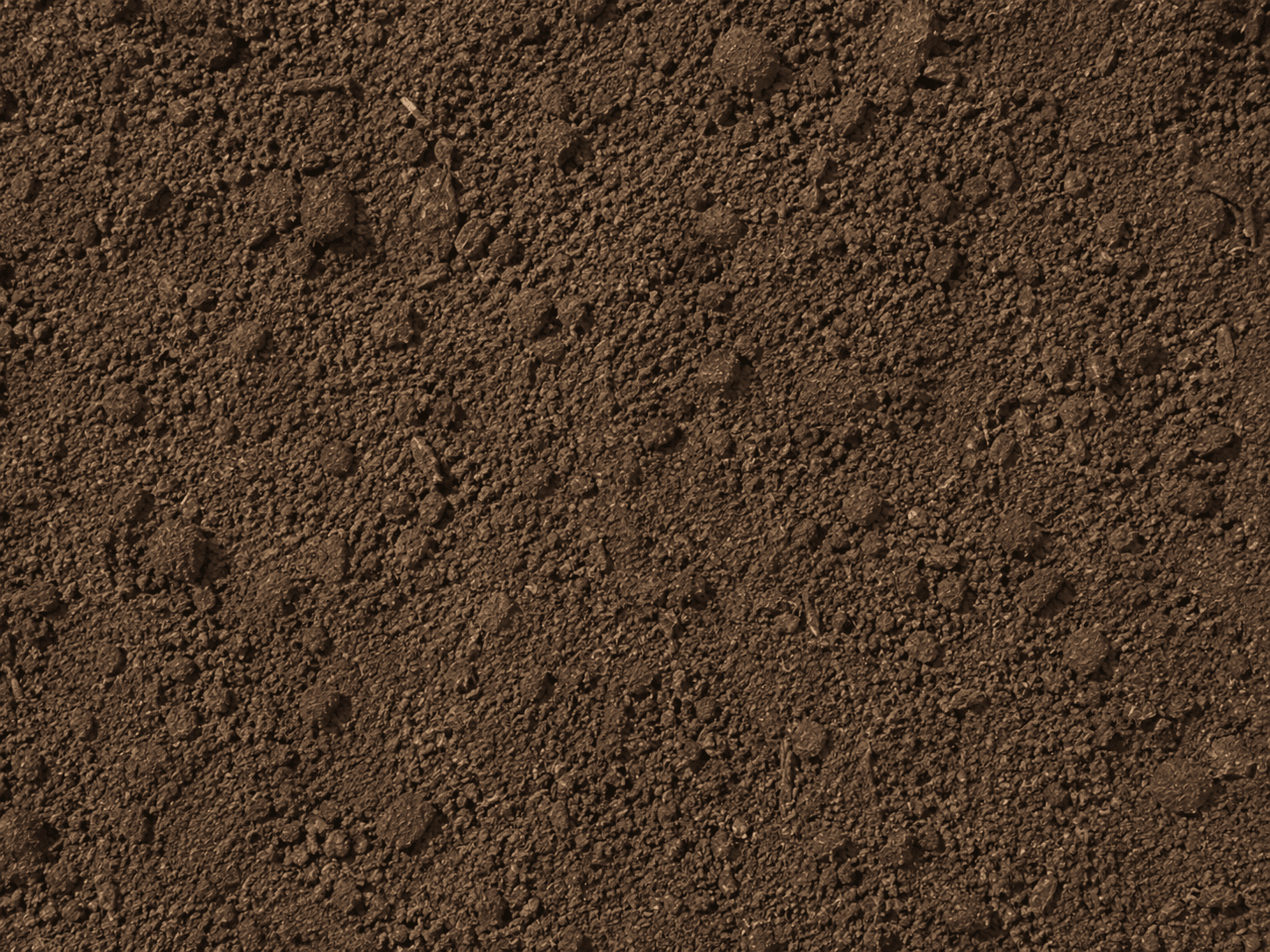
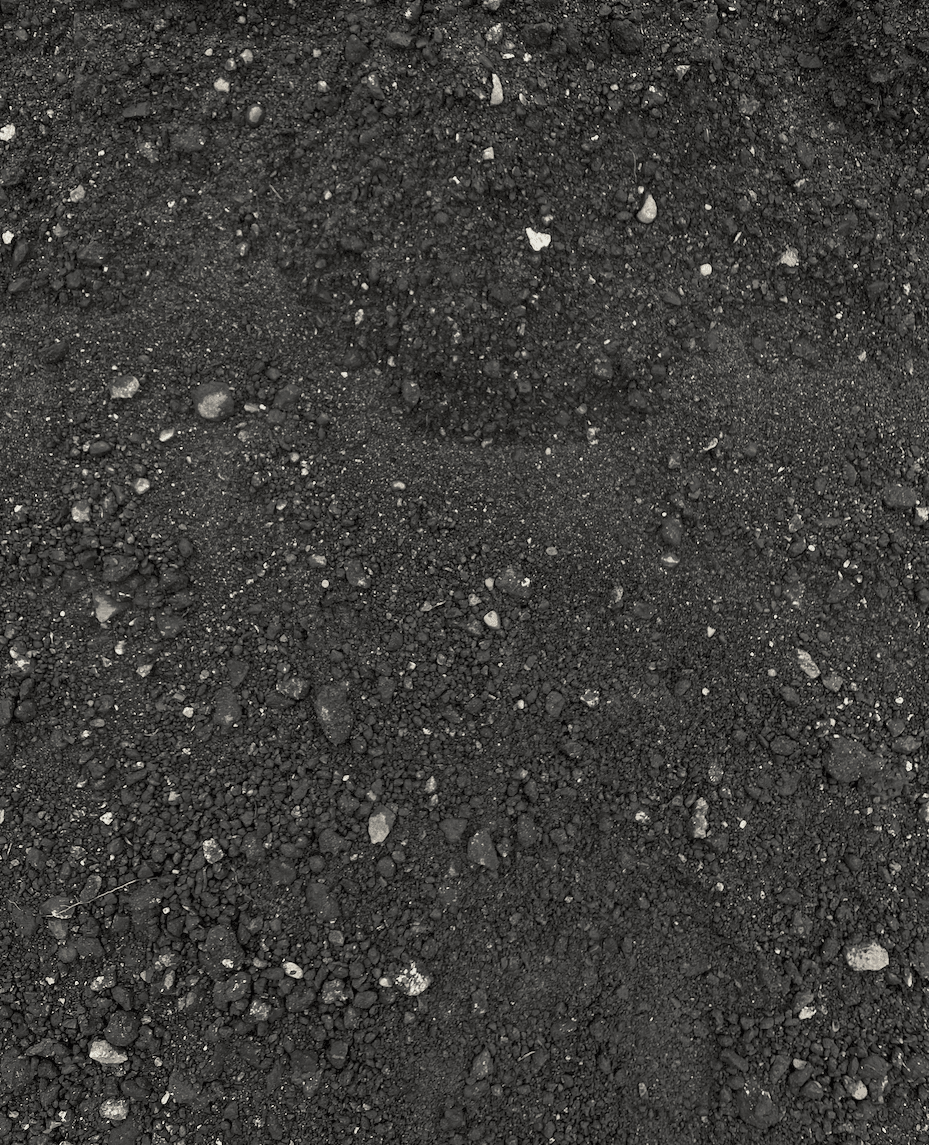
If you’re trying to establish a lawn, finish a visible landscape area, or plant around the house, soil quality matters a lot. Utah State says quality topsoil is the foundation of quality landscapes. Michigan State makes another important point: the word topsoil is not, by itself, a guarantee that you’re getting rich, screened, premium growing soil. In other words, don’t buy on the label alone. Ask what’s actually in it.
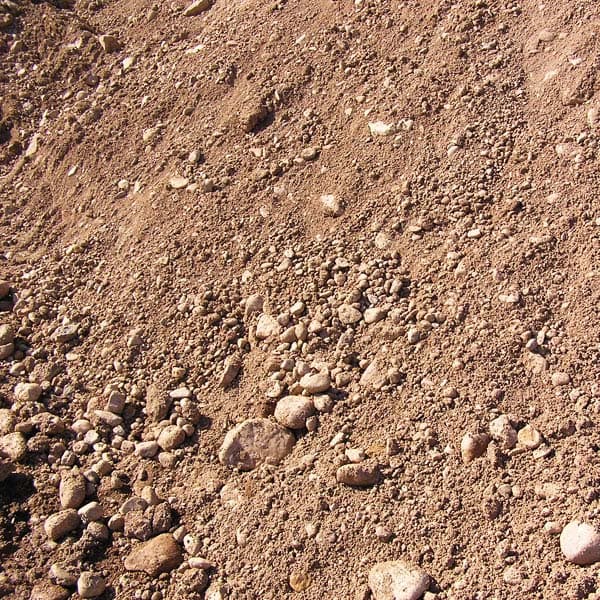
Fill dirt is a different product for a different job. It’s mainly used for grading, raising low areas, foundation work, and rough shaping. Angi’s 2026 fill dirt guide describes it as material used for leveling land, building up foundations, and grading, with screened fill better for smoother landscaping finishes and structural fill used where compaction and stability matter most. That is not the same thing as buying good soil for grass or planting.
So the smarter question is not, “How much is dirt?” It’s, “Do I need topsoil for a finished surface, or fill dirt for grade and structure?” Getting that wrong means paying for delivery twice.
Don’t just ask for gravel, either
Stone is the same story. In the U.S. aggregate names are local, and that throws people off all the time (read the article about State-by-State Guide to Limestone Types and Sizes). Penn State’s aggregate guide shows how suppliers commonly use AASHTO numbers and regional names instead of a single simple naming system. It also draws a clear difference between open-graded stone, which drains well but does not compact densely, and well-graded aggregate, which compacts better and is preferred where support and a tight base matter.
That means the right question isn’t, “What’s your cheapest gravel?” The right question is, “What am I building?” The material under a muddy driveway, the stone you want for drainage, and the base under pavers are not the same thing.
A practical way to order even if you don't know what to order is to describe the job. Tell us whether you need driveway base, drainage stone, paver base, or a finish layer for a lane or parking area. That gets you a much better answer than asking for “gravel” and hoping everyone means the same thing.
Asphalt millings are worth pricing out
If you’re fixing a long rural driveway or building up a pull-off, asphalt millings are worth a quote. U.S. homeowner guides describe recycled asphalt as a less expensive, more eco-friendly alternative to standard asphalt, which is exactly why it shows up so often as a middle-ground option between loose stone and full paving. It’s not the right answer for every property, but it’s popular for a reason.
Where projects really go sideways
The biggest money leak usually isn’t the material itself. It’s bad planning.
One classic mistake is ordering too little, then paying for a second trip. Small deliveries are usually the highest price due to delivery factor. Angi’s 2026 sand guide shows exactly that pattern: smaller orders carry higher per-unit costs, while larger loads and full truckloads usually work out better. But its logical...
The other big mistake is not thinking through access before the truck arrives. If the driveway is soft, the gate is tight, there’s a steep slope, or there are overhead utility lines, the driver may not be able to drop where you imagined. And that’s not the driver being difficult. That’s just reality with a loaded dump truck. Consumer delivery guides explicitly flag access problems, extra prep, and special handling as real cost drivers.

The simplest rule I know
Plan the dump before the truck gets there.
If you want two drop points, say that, maybe you need to order two smaller trucks. If you want a tailgate spread, ask ahead of time and make sure the route is firm, clear, and safe. A dump truck driver is there to deliver material efficiently and safely, not to redesign the site on the fly.
Before ordering ask yourself:
Do I know exactly what material I need?
Do I know how much of it I need?
Can the dump truck access the site?
Is there enough space for unloading?
Do I want just a pile, or also spreading while driving?
Can the ground support the truck?
If you have answers to these questions, you’re already halfway there.
That one conversation can save you more money than spending an hour hunting for the absolute cheapest stone price online.
The bottom line
The cheapest gravel price is not always the cheapest job, same goes for dirt. The fuel, haul distance (specially to rural areas), state-level costs, access problems, and the wrong material choice can swing your final number fast. Diesel is expensive, taxes vary by state, and delivery charges move with even slight distance, quantity, and site condition change.
So before you order, make sure you know whether you need topsoil or fill dirt, what kind of aggregate the job actually calls for, how much material you really need, and exactly where the truck can dump it. That’s how you keep a simple yard project from turning into two deliveries, two invoices, and a weekend of avoidable frustration.