The terminology used for crushed limestone is as diverse as the American landscape itself. While geologists see calcium carbonate, contractors and homeowners see "Crush and Run," "Limerock," or "2A Modified." This expanded guide provides a deep dive into the top five limestone sizes used across the U.S., detailing their mechanical properties and the regional aliases you’ll need to know to order like a local from Indiana to Florida.

The Top 5 Limestone Sizes: A Master Guide to Regional Aliases and Uses
Ordering limestone in the United States can feel like learning a second language. A "size #57" in Tennessee might be called "Clean Wash" in another state, while the compactable base material used for driveways has dozens of different names depending on which side of the state line you stand on.
At AggregateMarkets.com, we bridge this gap. Here is a comprehensive look at the five most common limestone products and the regional "nicknames" you’ll encounter when searching for them.
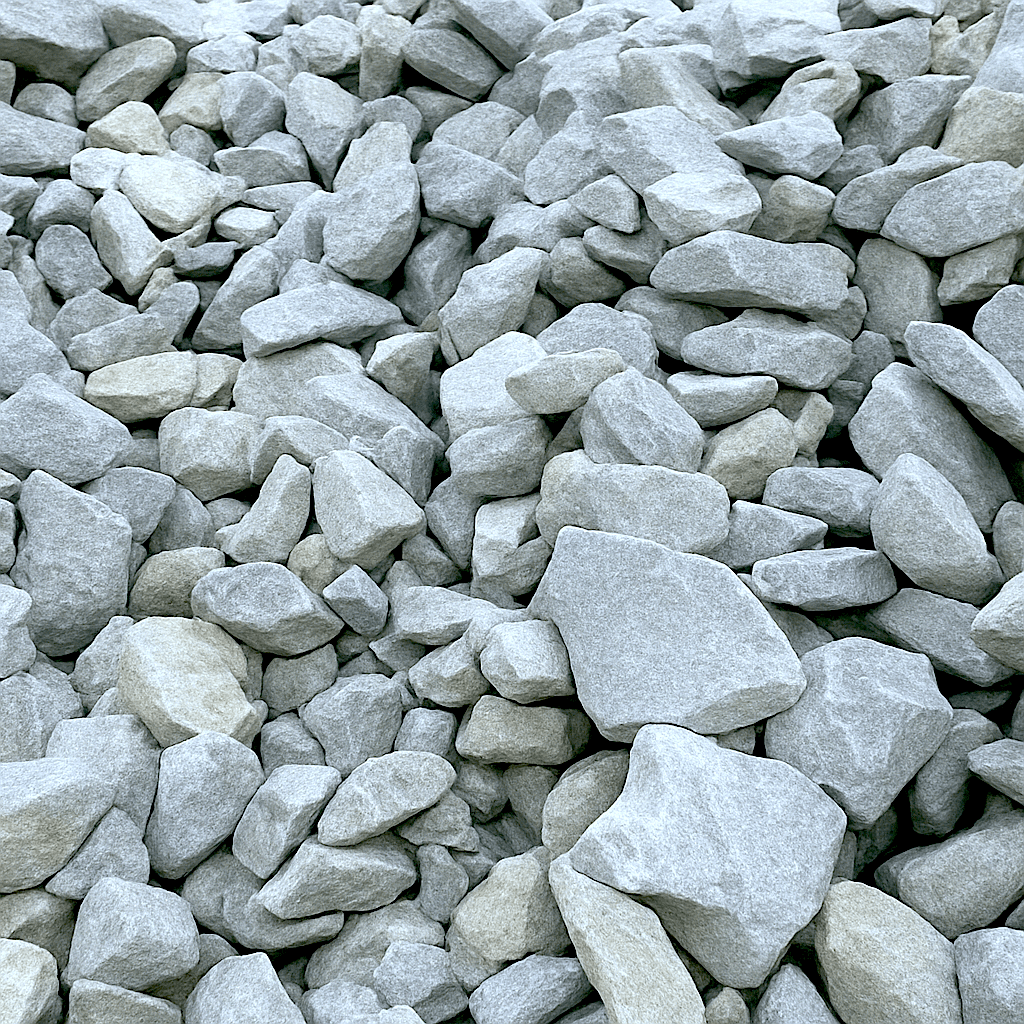
1. #57 Crushed Limestone (The Versatile Surface)
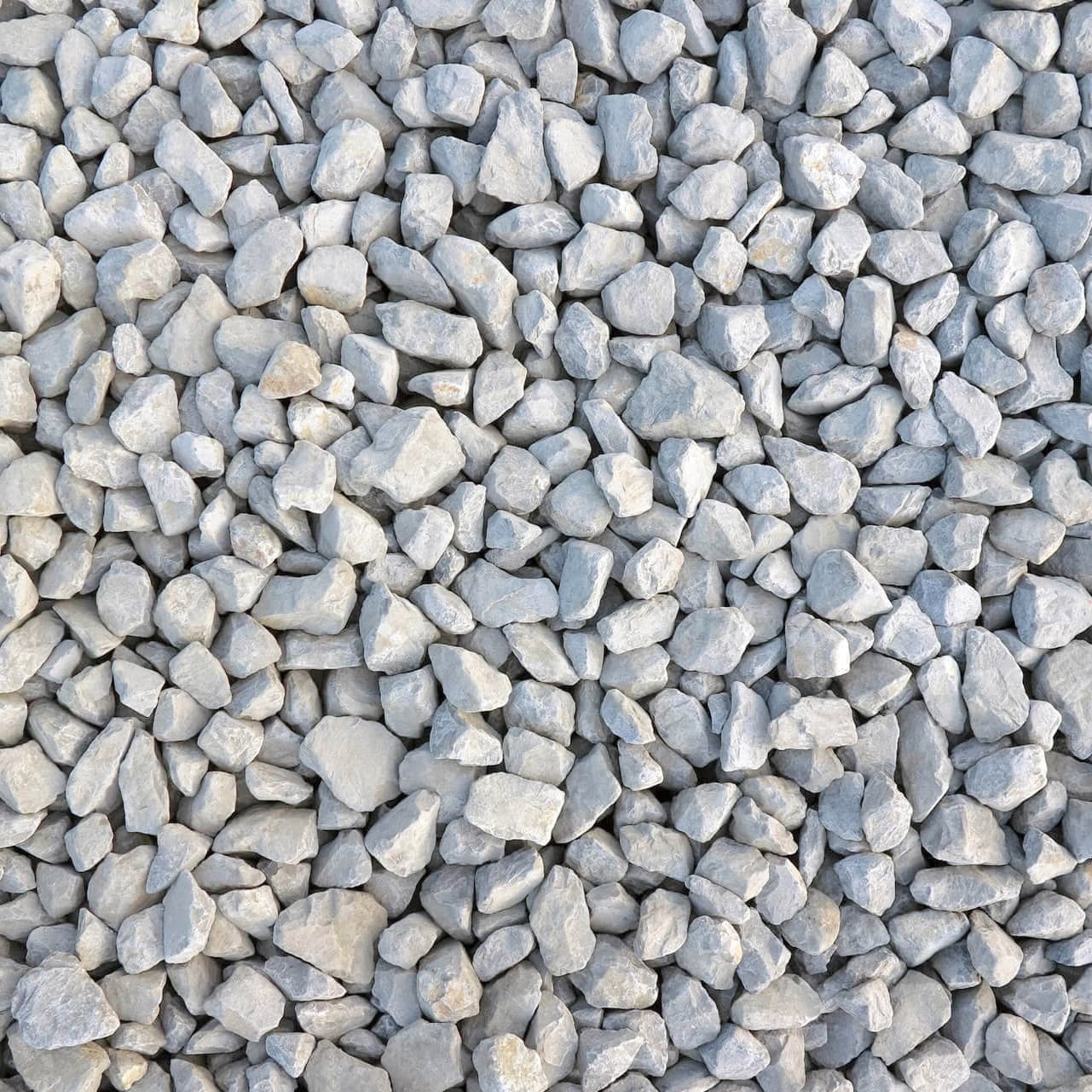
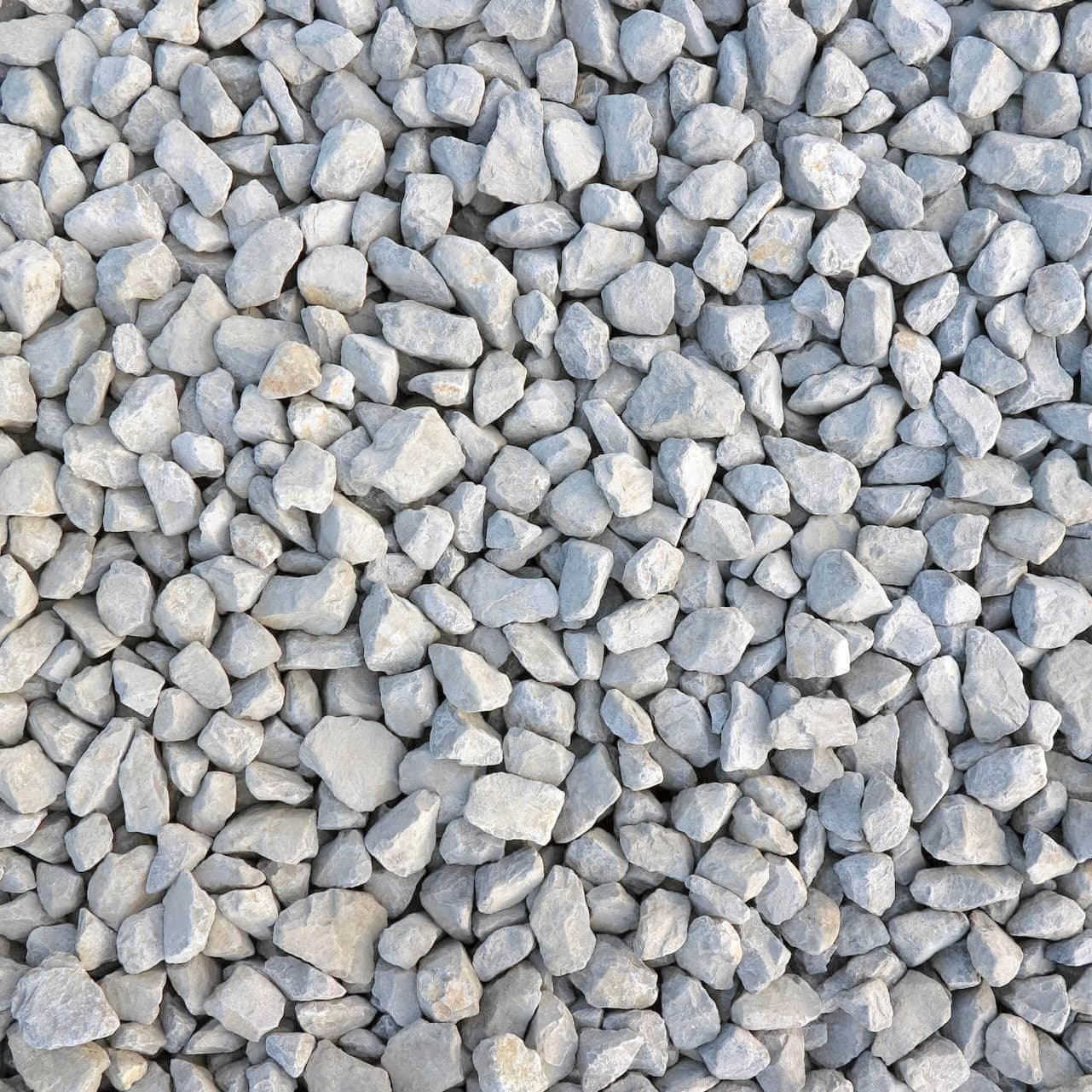
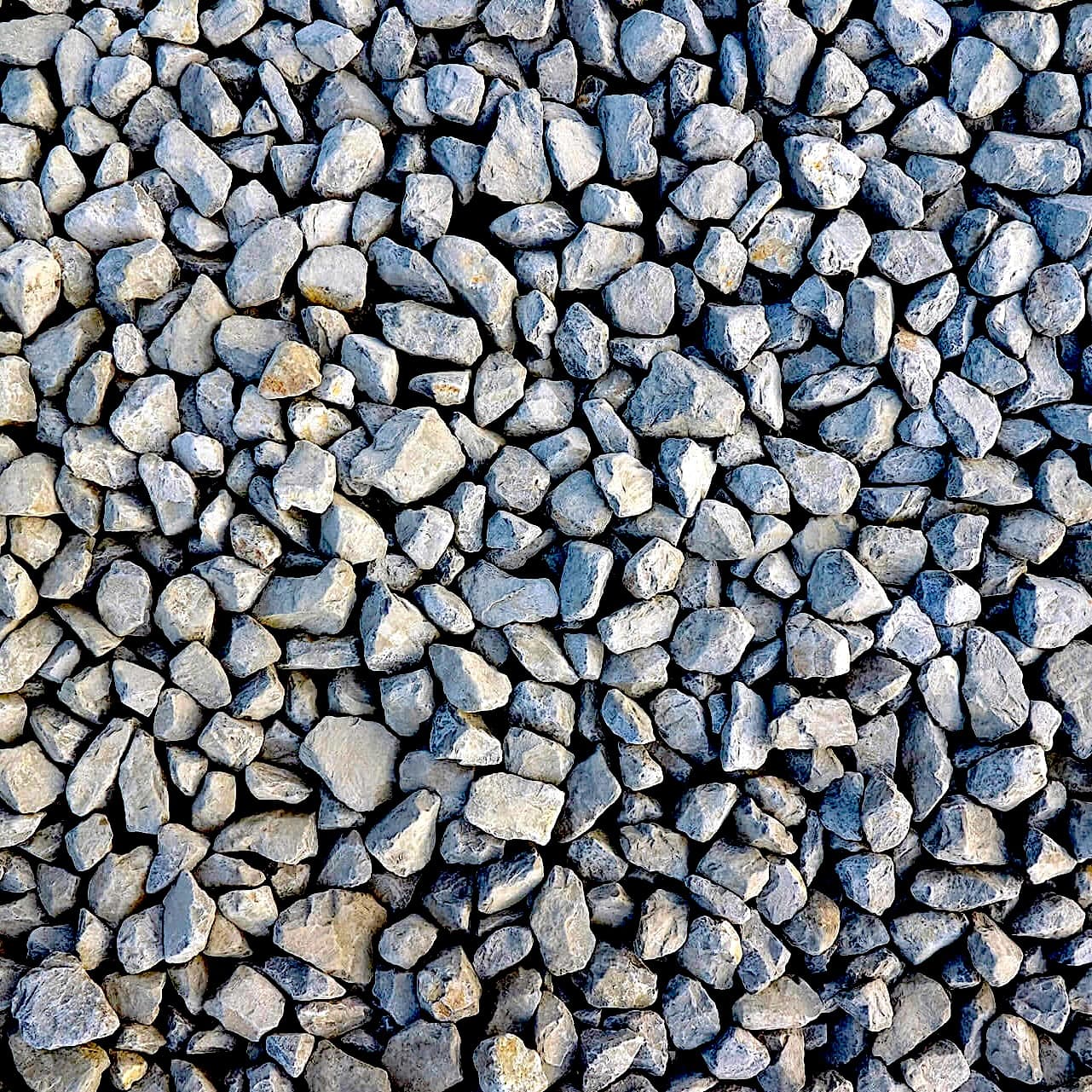
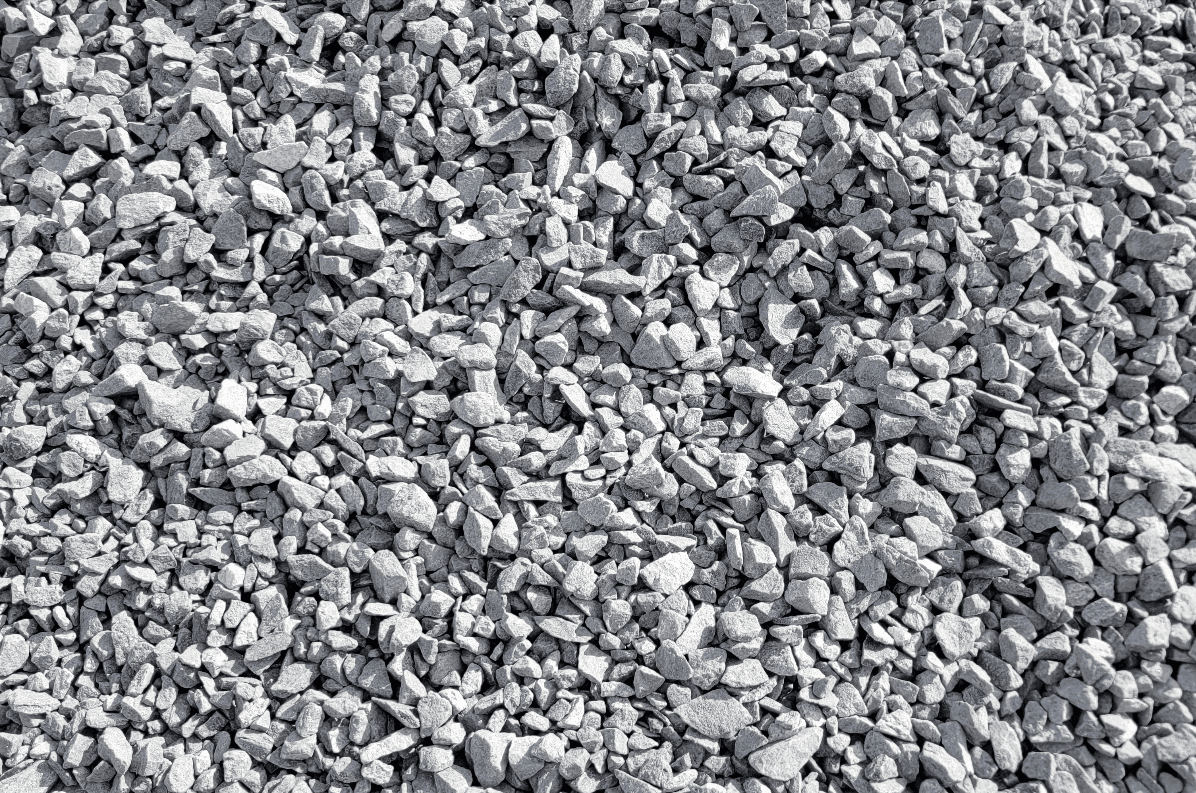
Size: Approx. 1" to 1.5" (Angular, Golf Ball size) The Regional Lingo: In the Midwest (Indiana/Ohio), this is strictly "#57s." In the South (Tennessee/Georgia), you’ll often hear it called "Clean Wash" or "Driveway Stone." Along the Gulf Coast, it may be referred to as "Drainage Rock" because of its lack of dust.
- Engineering Properties: This stone is "washed," meaning the fine dust has been removed. This creates large "void spaces" between the stones, making it the premier choice for drainage (French drains) and septic fields.
- Best Use Case: The top 2–3 inches of a gravel driveway. Because the stones are angular, they lock together to provide a stable surface for SUVs and trucks without creating the "marble effect" of round river rocks.
2. #411 Limestone (The Structural Base)
Size: 3/4" down to fine limestone dust. The Regional Lingo: This material has the most aliases in the U.S. In the Mid-Atlantic, it is "Crush and Run" (often spelled Crusher Run). In Pennsylvania, it is "2A Modified." In Texas and the Southwest, it’s known as "Flex Base" or "Grade 2," while Florida calls it "Limerock Base." In the Midwest, look for "CA-6" or "Grade 8."
- Engineering Properties: This is a "dense-graded" aggregate. The mix of 3/4" stone and fine dust allows it to be compacted into a nearly impermeable, rock-hard surface.
- Best Use Case: This is the mandatory foundation for any driveway, shed pad, or patio. Without a 4–6 inch layer of this material, any decorative stone you put on top will eventually sink into the soil.
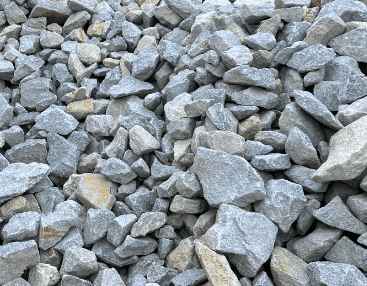
3. #4 Limestone (The Mud-Stopper)
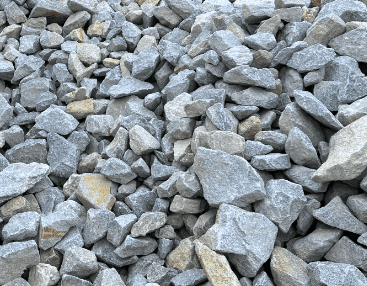
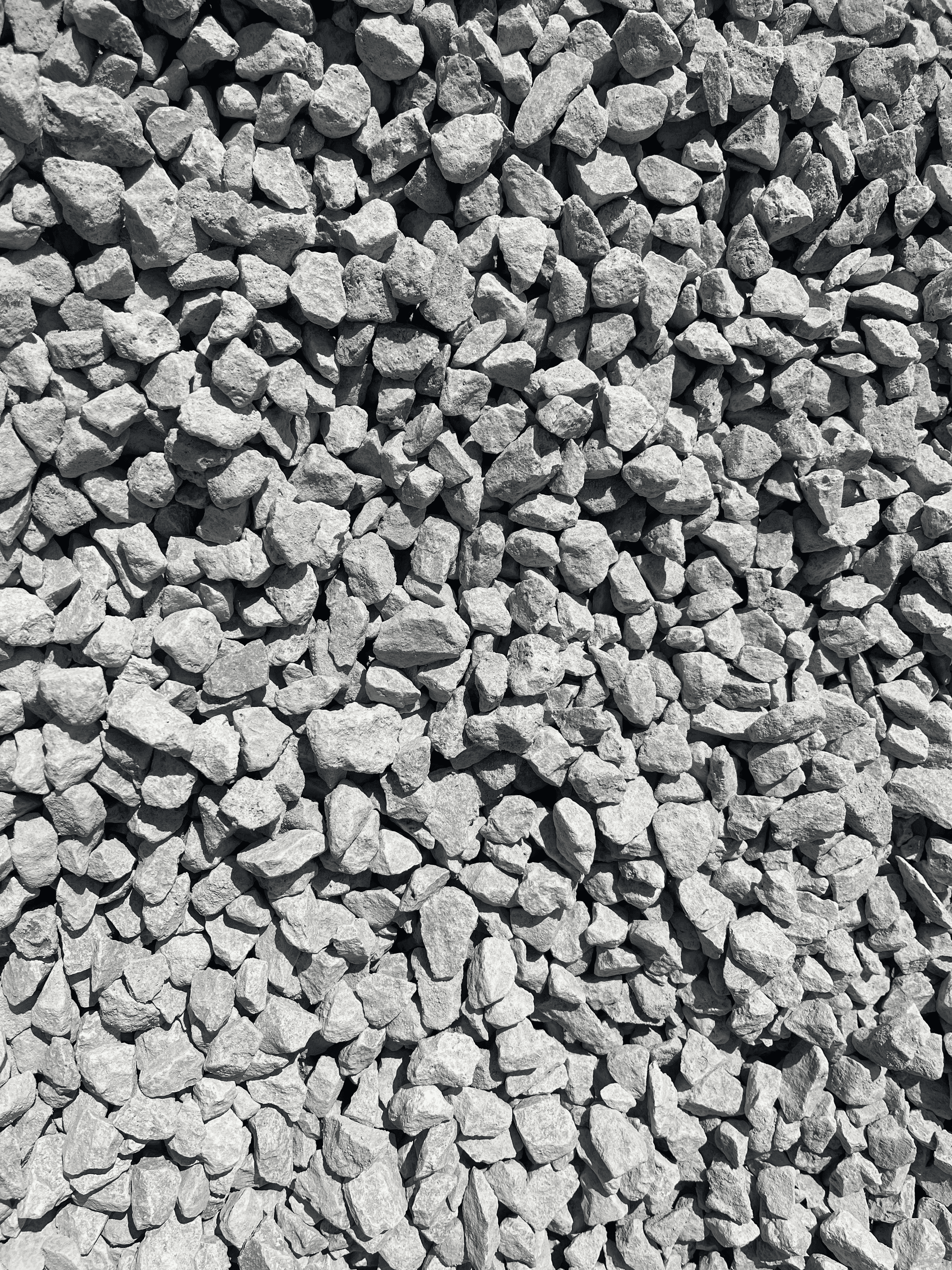
Size: 2" to 4" (Fist-sized) The Regional Lingo: Often referred to as "Ballast" or "Surge Stone" in the South. In northern states like Indiana, it’s frequently called "Construction Entrance Stone" or "Heavy Base."
- Engineering Properties: These large, heavy chunks provide massive structural support. They are too large to be moved by heavy truck tires and won't easily disappear into soft, saturated mud.
- Best Use Case: Fixing "nightmare" mud holes after a hard winter. It is also the standard for creating a temporary road onto a construction site so that delivery trucks don't track mud onto public asphalt.
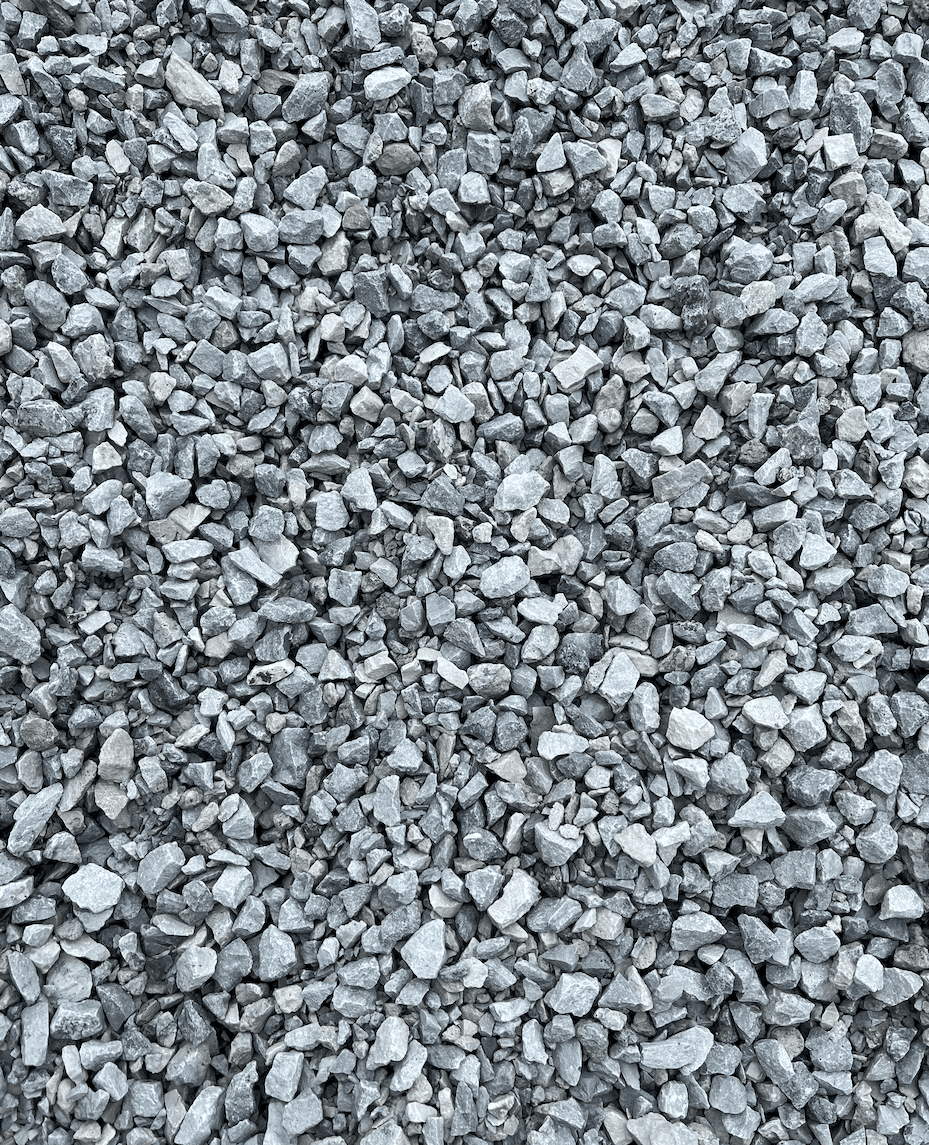
4. #8 or #9 Limestone (The Finishing Chip)
Size: 1/8" to 3/8" (Tiny, Angular chips) The Regional Lingo: In many states, this is called "Chips" or "Screenings." In Florida and the South, it is sometimes called "Limerock Finings." In the Northeast, you might hear it referred to as "1B Stone."
- Engineering Properties: These are essentially tiny versions of #57 stone. They are angular and offer a much smoother walking surface than larger gravel.
- Best Use Case: These are the best choice for leveling pavers or creating a high-end, walkable garden path. Because they are crushed limestone rather than round pea gravel, they won't shift underfoot, making them "stroller and wheelchair friendly."
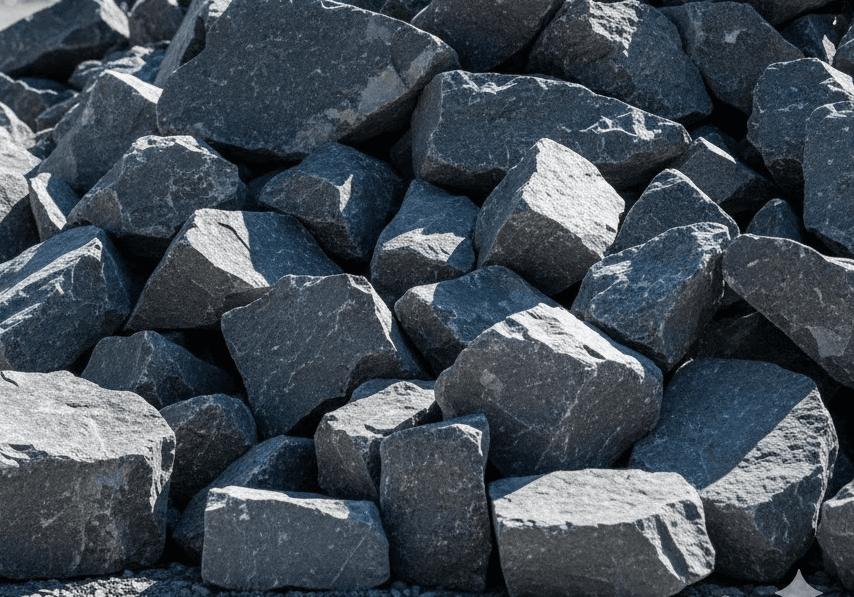
5. Rip-Rap / Shot Rock (Erosion Control)
Size: 6" to 18"+ (Boulders) The Regional Lingo: In the Midwest, you’ll hear "Ditch Liner" or "Gabion Stone." In Texas, it’s often just "Rock Armor." In Florida, large chunks of native limerock used for this are called "Limerock Boulders."
- Engineering Properties: These are heavy, unrefined stones straight from the primary crusher. They are designed for weight and durability against moving water.
- Best Use Case: Protecting shoreline property from waves or lining steep drainage ditches. They are also used at the end of culvert pipes to break the force of rushing water and prevent soil loss.
FAQ: US Limestone Basics
1. Is "Crusher Run" the same as "Crush and Run"?
Yes. It is simply a regional spelling variation for the same #411 dense-graded limestone.
2. Why is my "Grey Limestone" arriving covered in white dust?
Crushed limestone is self-abrasive during transport. This creates "fines" (dust). After a few rain cycles or a quick spray with a garden hose, the dust washes off to reveal the natural grey or blue-grey color underneath.
3. What is the most searched limestone size for a DIY driveway?
"#57 Stone" and "Crush and Run" are the top-searched keywords for residential projects across the United States.
4. What is the best gravel for a sloped driveway?
Crushed Limestone #57 or #411 (Crush and Run) are the best for slopes. Because they are angular, they lock together. Avoid round "Pea Gravel" or "River Rock" on inclines, as they will act like ball bearings and slide down the hill every time you drive over them.
5. How thick should a gravel driveway be for an SUV or Truck?
For residential use, a total thickness of 8 inches is recommended. This should consist of a 5-inch base of compacted Crush and Run (or #4 Limestone for very soft ground) and a 3-inch surface layer of #57 Crushed Limestone.
6. How do I know which name to use when ordering on AggregateMarkets.com?
Simply enter your zip code. Our platform automatically translates regional terms so that when you ask for "Gravel," you see the exact limestone products available at your local pits and yards.
7. Is limestone cheaper than river rock?
In most of the USA, yes. Because limestone is quarried in almost every state (especially the Midwest and South), the transportation costs are lower than hauling river rock from specific riverbeds.
8. How many square feet does 1 ton of gravel cover?
At a standard 2-inch depth, one ton of gravel covers approximately 80 to 100 square feet. If you are building a deeper 4-inch base, expect one ton to cover only 40–50 square feet.
9. How much is a full dump truck load of gravel?
A standard Tri-axle dump truck carries between 15 and 18 tons. Depending on the material and your location in the USA, a full load typically costs between $600 and $1,100 including delivery. Small "Single Axle" trucks carry 5–7 tons and are better for tight residential driveways.
10. Can I lay new gravel over my old, muddy driveway?
Dumping clean gravel directly onto mud is a temporary fix that usually lasts only one season. To fix it permanently, you must scrape away the mud, lay down a geotextile fabric, and install a compacted base layer of Crush and Run before adding your decorative top stone.