| Application | Recommended Sand | Primary Benefit |
|---|---|---|
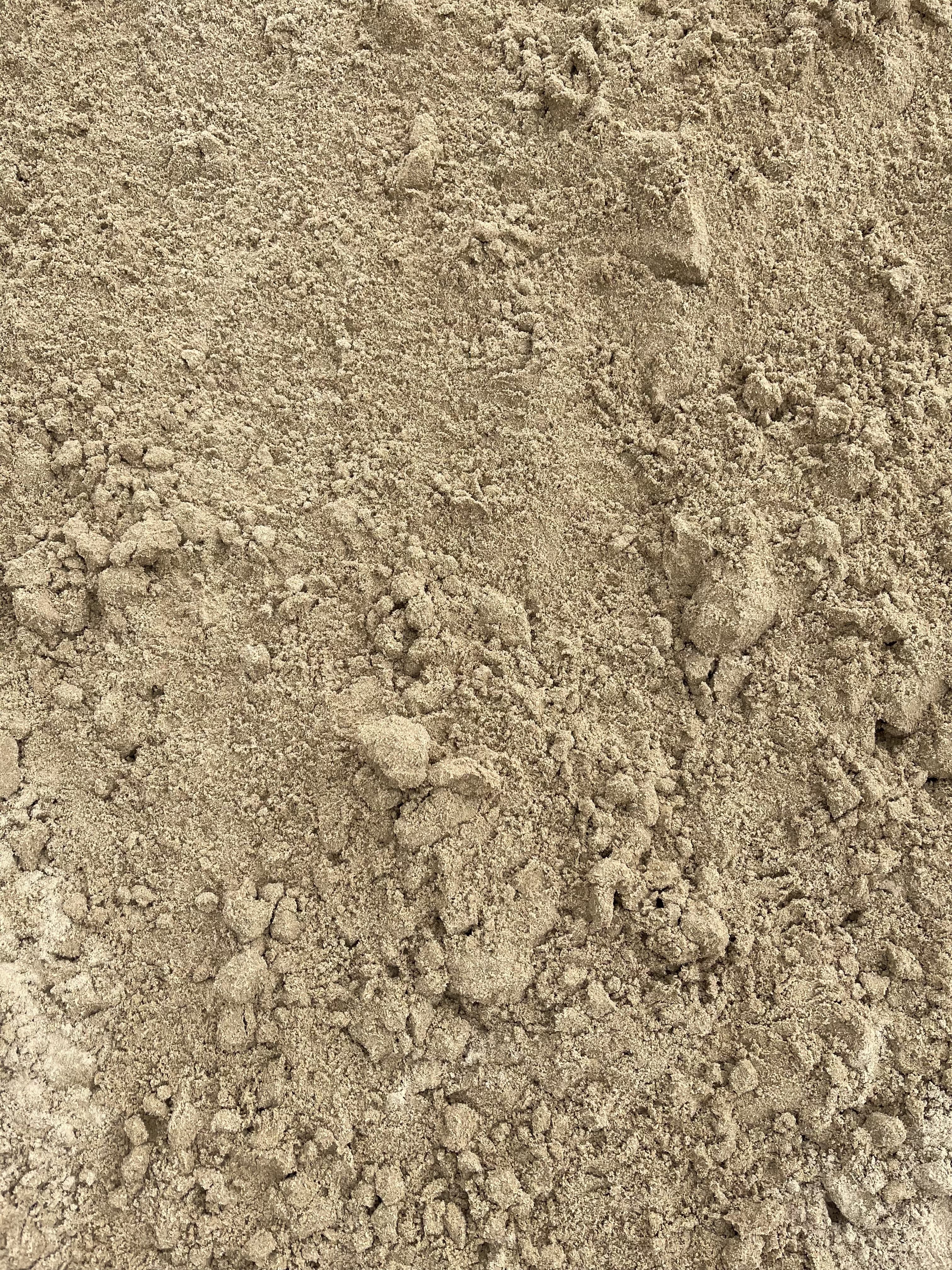
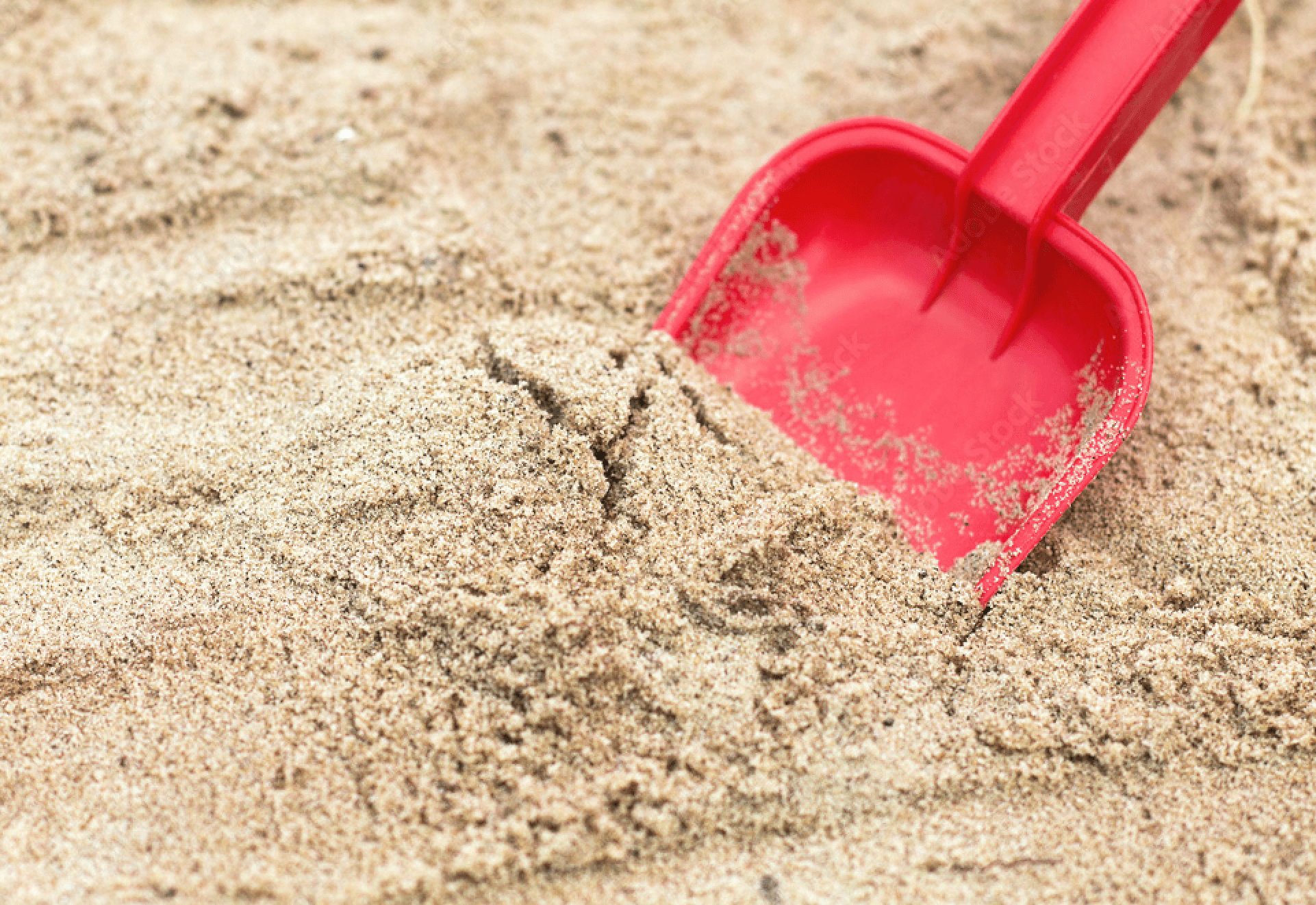
| Play Areas | Washed Play Sand | Triple-washed and rounded grains for a soft, safe texture. |
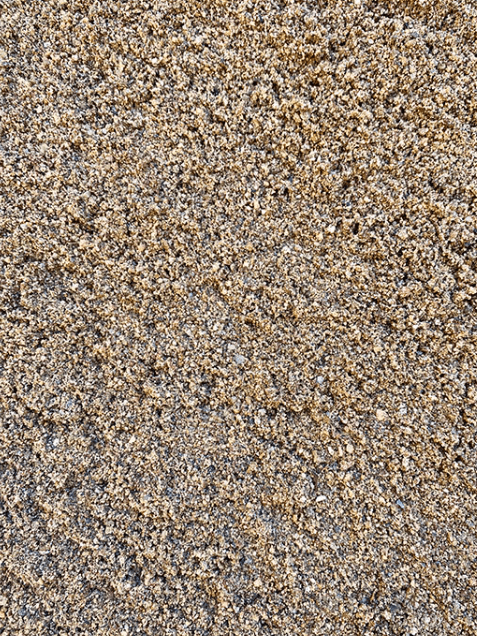
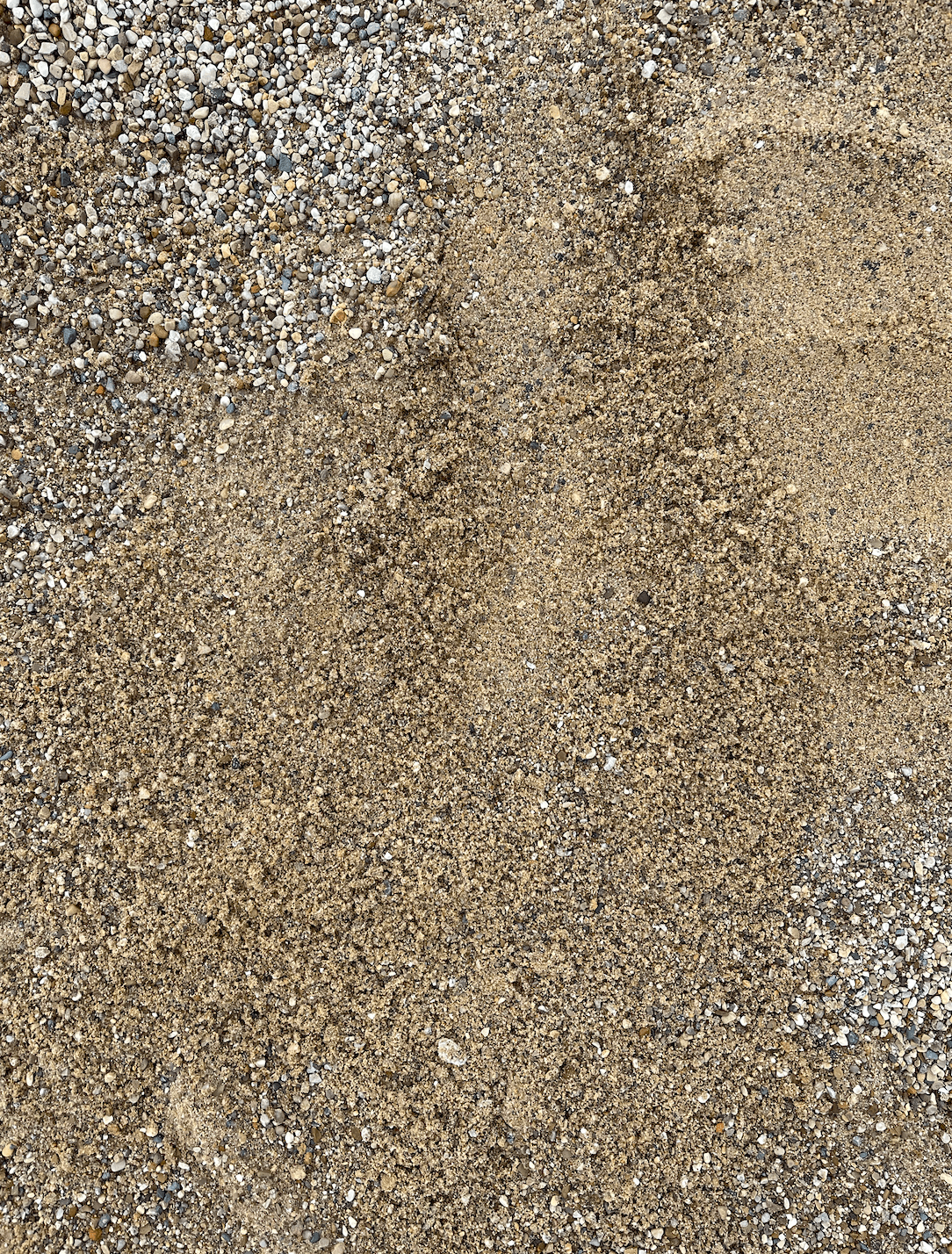
| Drainage Systems | Concrete Sand (Coarse) | Large grains create voids that allow rapid water filtration. |
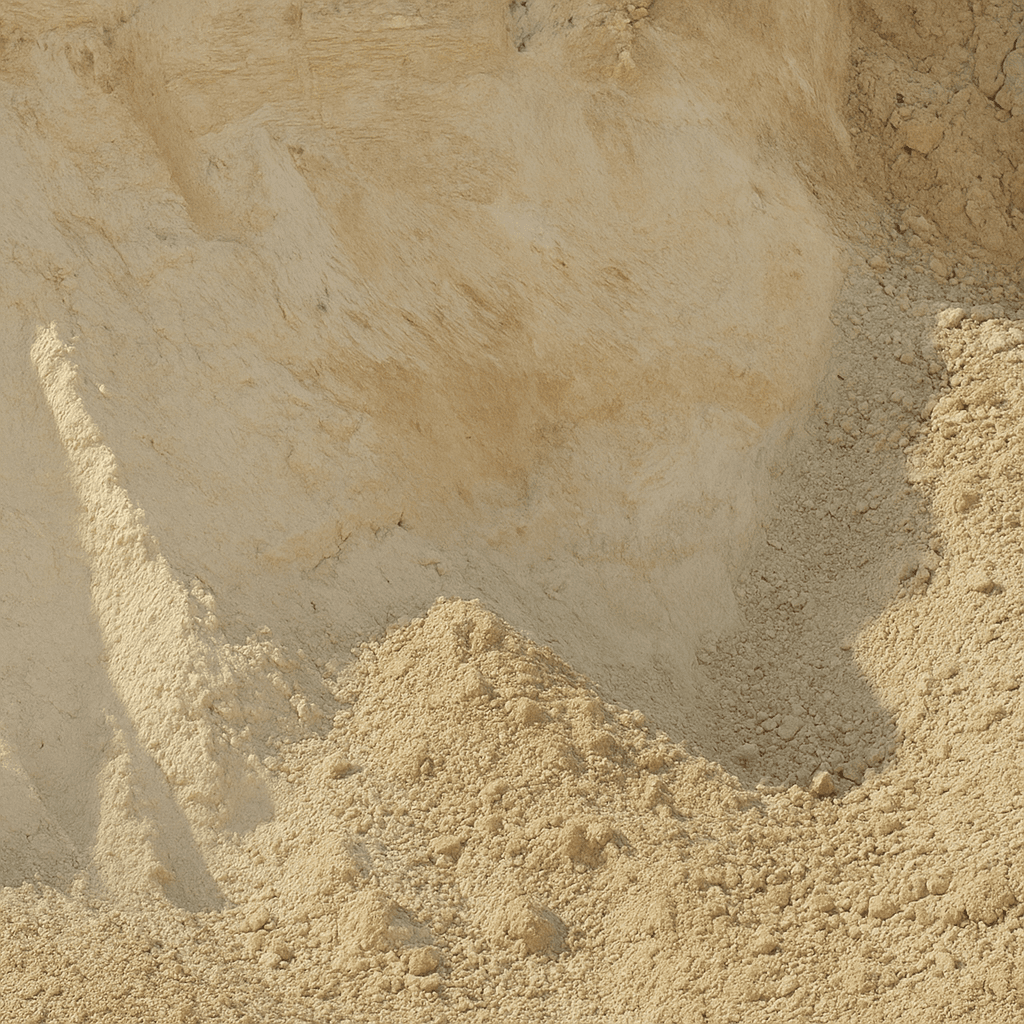
| Masonry & Mortar | Mason Sand (Fine) | Fine-screened for a smooth, workable finish in mortar joints. |
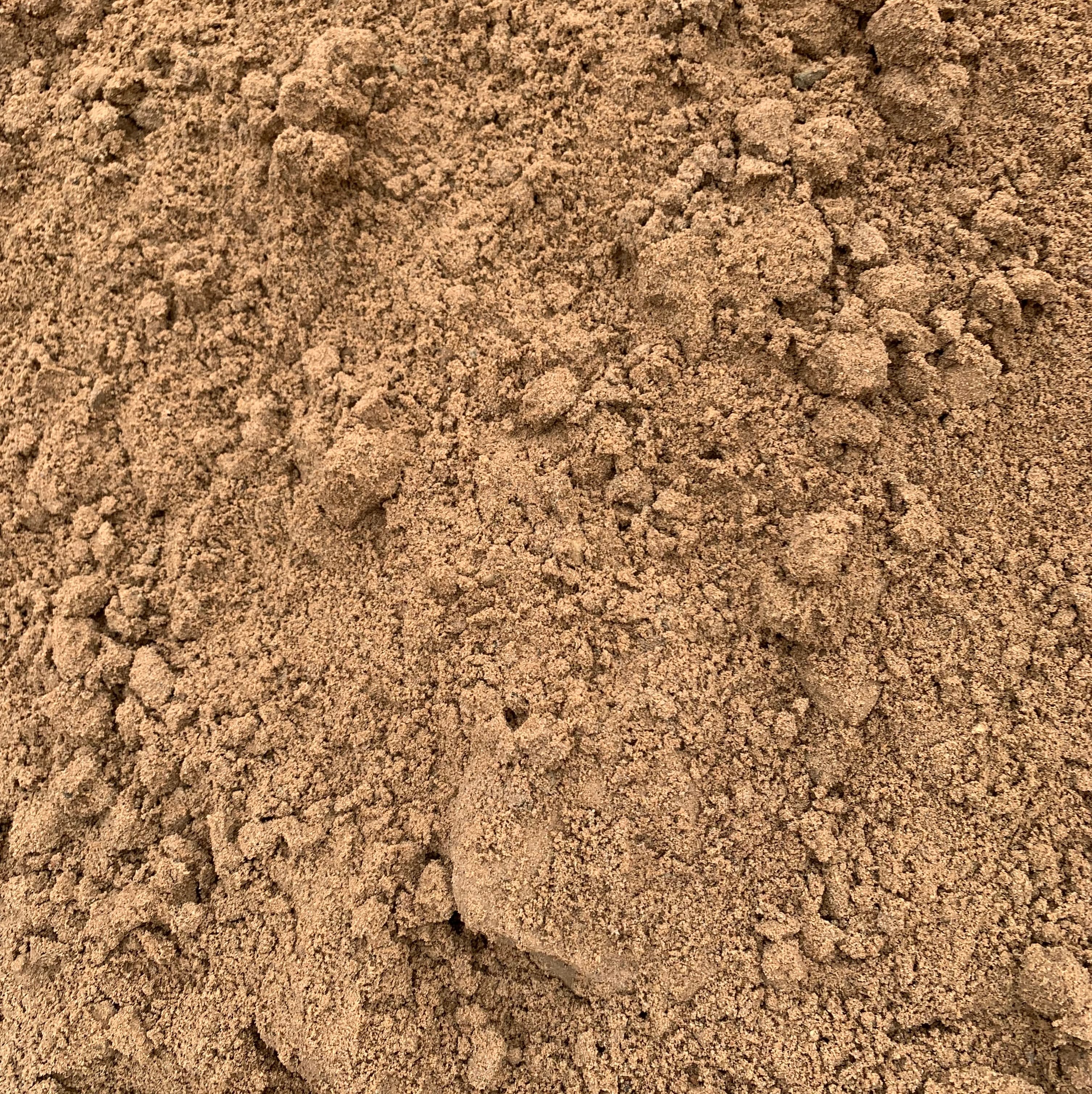
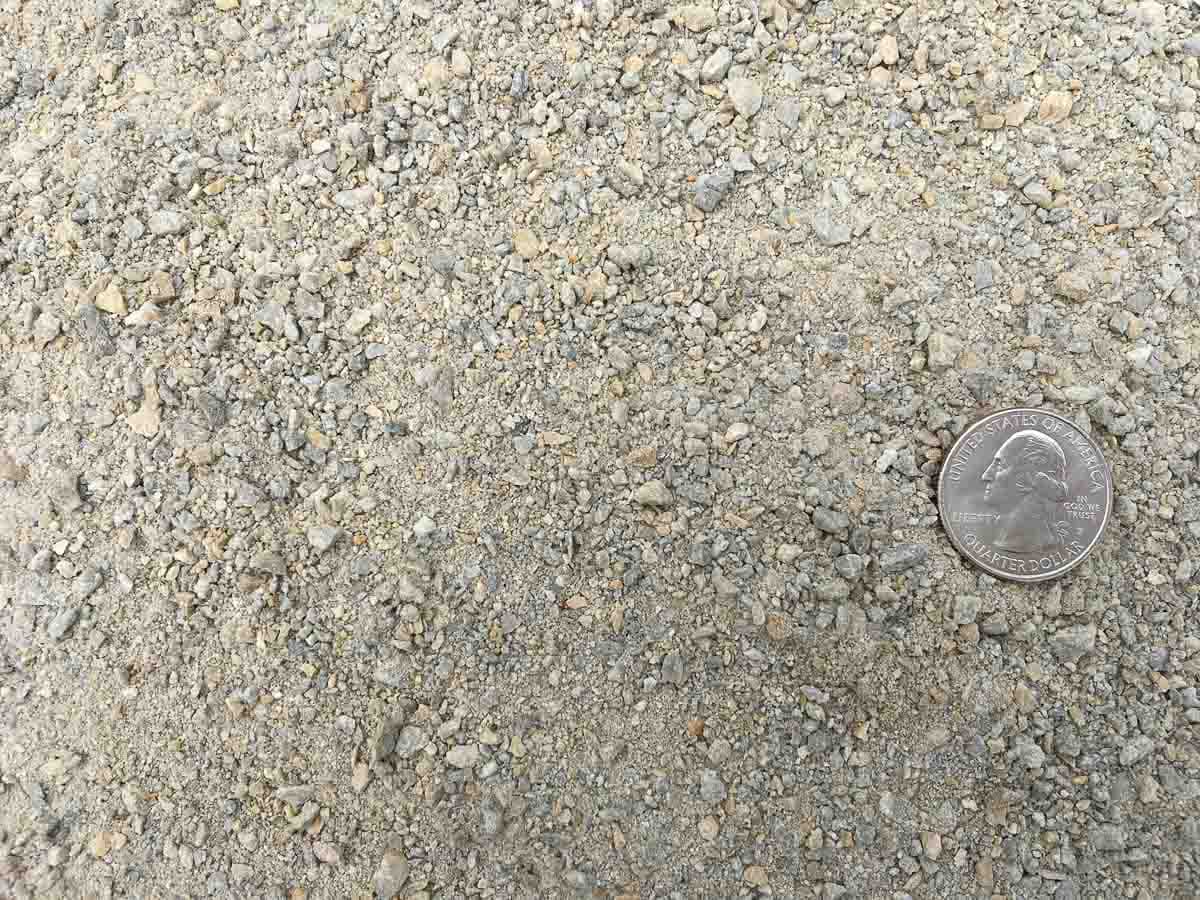
| Paver Bedding | Sharp Sand | Angular texture that "locks" together to prevent shifting. |
1. Washed Play Sand: Safety First
This is the most refined bulk sand available. It undergoes a rigorous washing process to remove silt, clay, and dust. Because the grains are naturally weathered and rounded, it won’t "pack" as hard as industrial sands, keeping it soft for sandboxes and volleyball courts.
2. Concrete Sand: The Utility Workhorse
Often called "grit sand," this is the go-to for drainage. If you are installing a French drain or a foundation, you need the large, irregular grains found in concrete sand. These gaps ensure that water moves away from your structure rather than pooling.
3. Sharp Sand: The Foundation of Pavers
When laying a patio or driveway, you need a material that locks together under pressure. Sharp Sand has a high percentage of larger, angular particles. Unlike fine sand, it provides a rigid bed that prevents pavers from sinking or tilting over time.
4. Mason Sand: The Finisher
For brickwork or stone masonry, Mason Sand is the standard. It is processed through much finer screens than concrete sand. This results in a uniform, aesthetic finish that is easy to spread and work into tight joints between bricks or blocks.

Frequently Asked Questions
1. What is the main difference between Play Sand and Mason Sand?
While both are fine-textured, Play Sand is triple-washed and screened to ensure the grains are sub-rounded and free of silica dust for child safety. Mason Sand is also fine but is intended for construction; it may contain more crushed minerals and is graded specifically to bond with cement in mortar mixes.
2. Can I use Sharp Sand for a child’s sandbox?
It is not recommended. Sharp Sand (or grit sand) contains larger, angular grains designed for structural stability and drainage. These jagged edges can be abrasive on the skin and are much less comfortable for play compared to the soft, rounded grains of play sand.
3. Why is Concrete Sand best for drainage?
Drainage requires "permeability." Because Concrete Sand consists of varied, coarse particles, it doesn't pack down into a solid, watertight mass. Instead, it leaves tiny interconnected air pockets that allow water to filter through quickly, making it ideal for septic fields and French drains.
4. Is "Pit Sand" the same as Sharp Sand?
Generally, yes. Both terms refer to coarse, unwashed, or minimally processed sand extracted from land deposits. However, "Sharp Sand" specifically highlights the angular shape of the grains, which is the mechanical property needed to create a stable base for pavers or heavy slabs.
5. How do I know how much bulk sand to order?
Bulk sand is typically sold by the ton or cubic yard. A good rule of thumb is that one cubic yard covers approximately 100 square feet at a 3-inch depth. Keep in mind that sand compacts when dampened or compressed, so it’s often wise to order 10% more than your exact calculation.