See all reviews on Google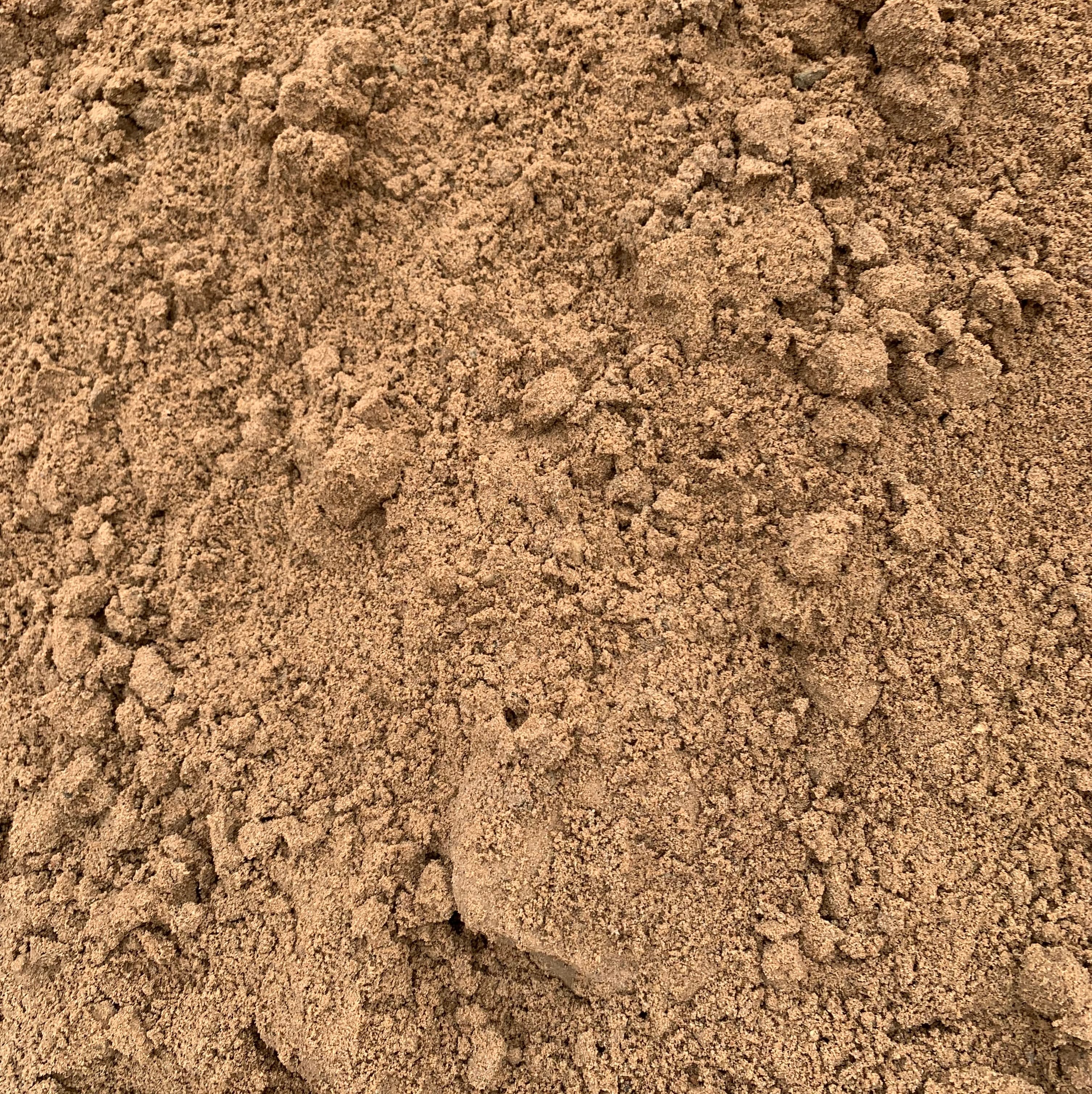
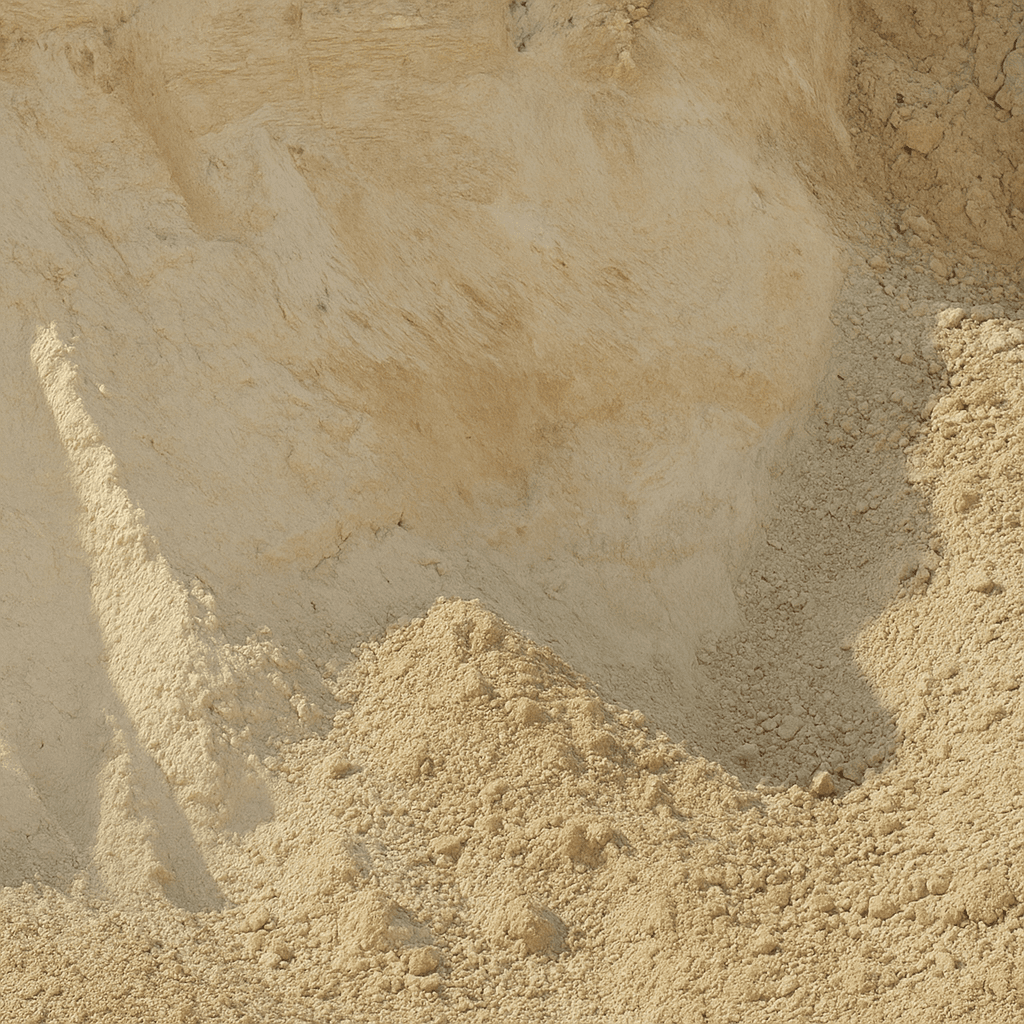
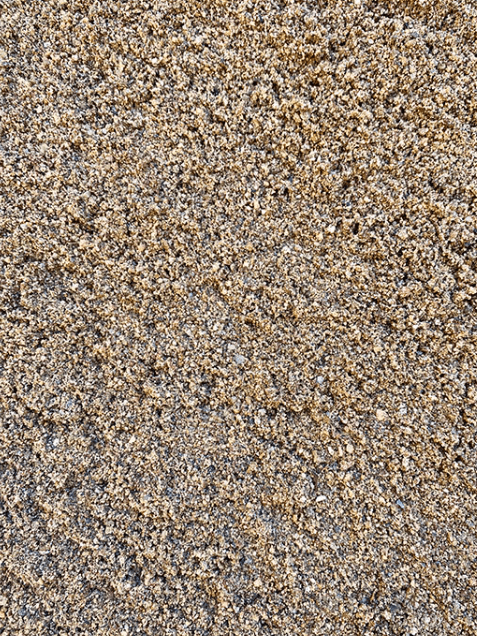
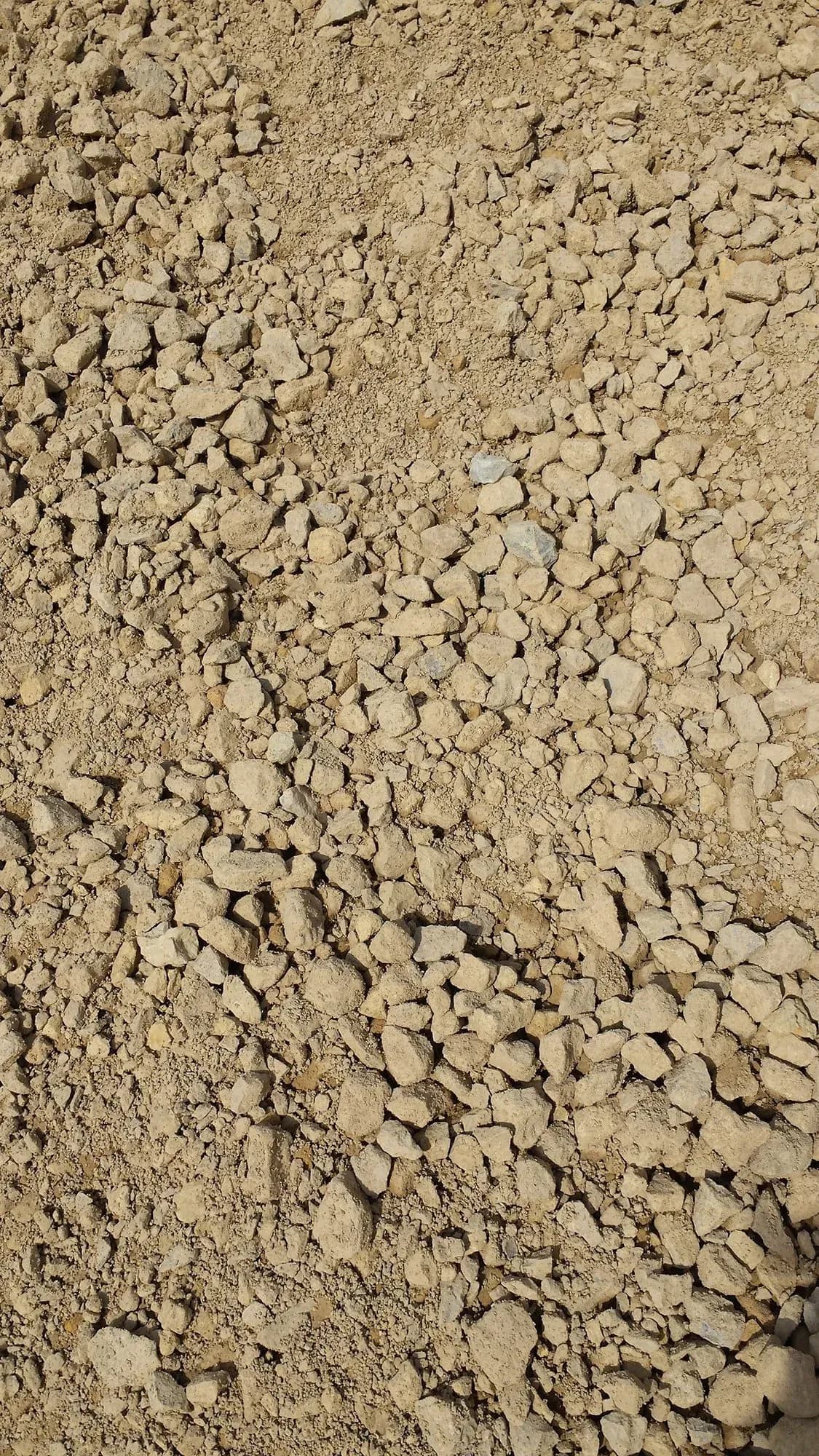
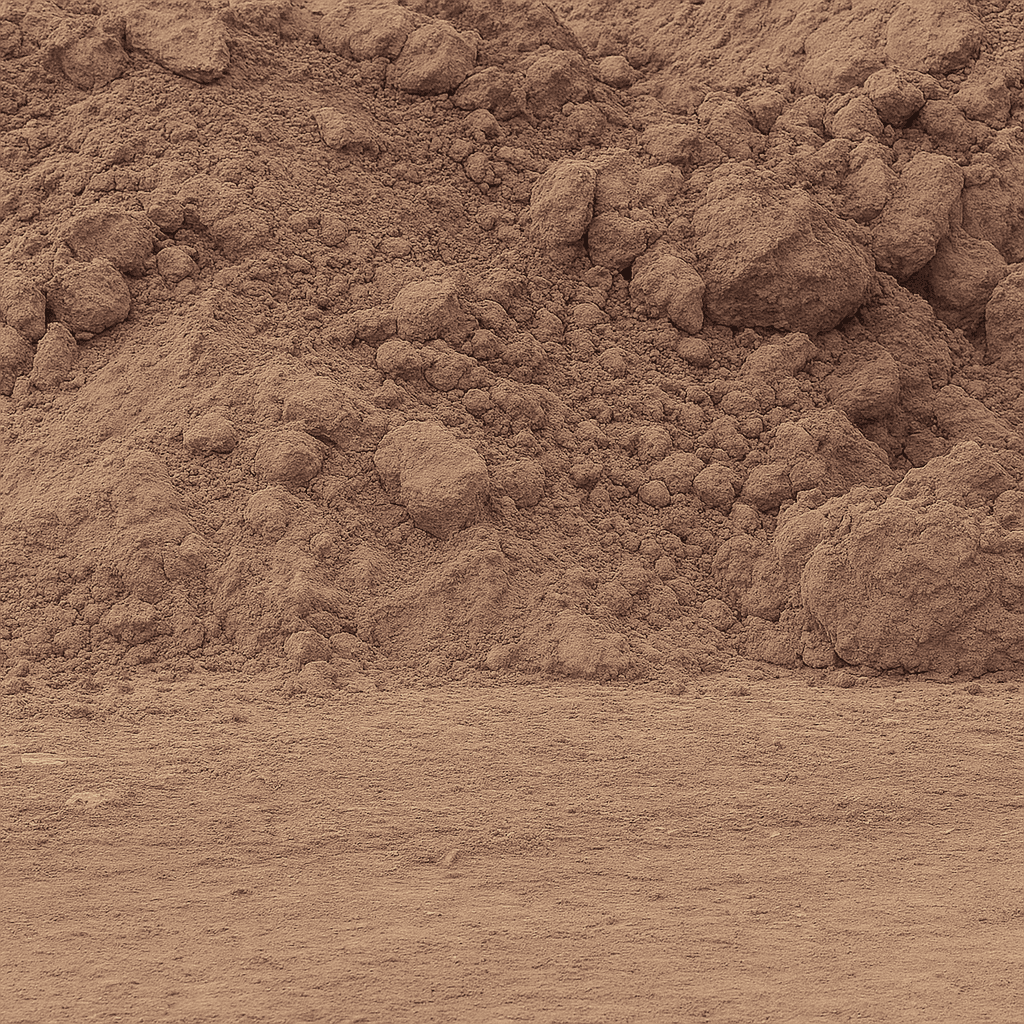
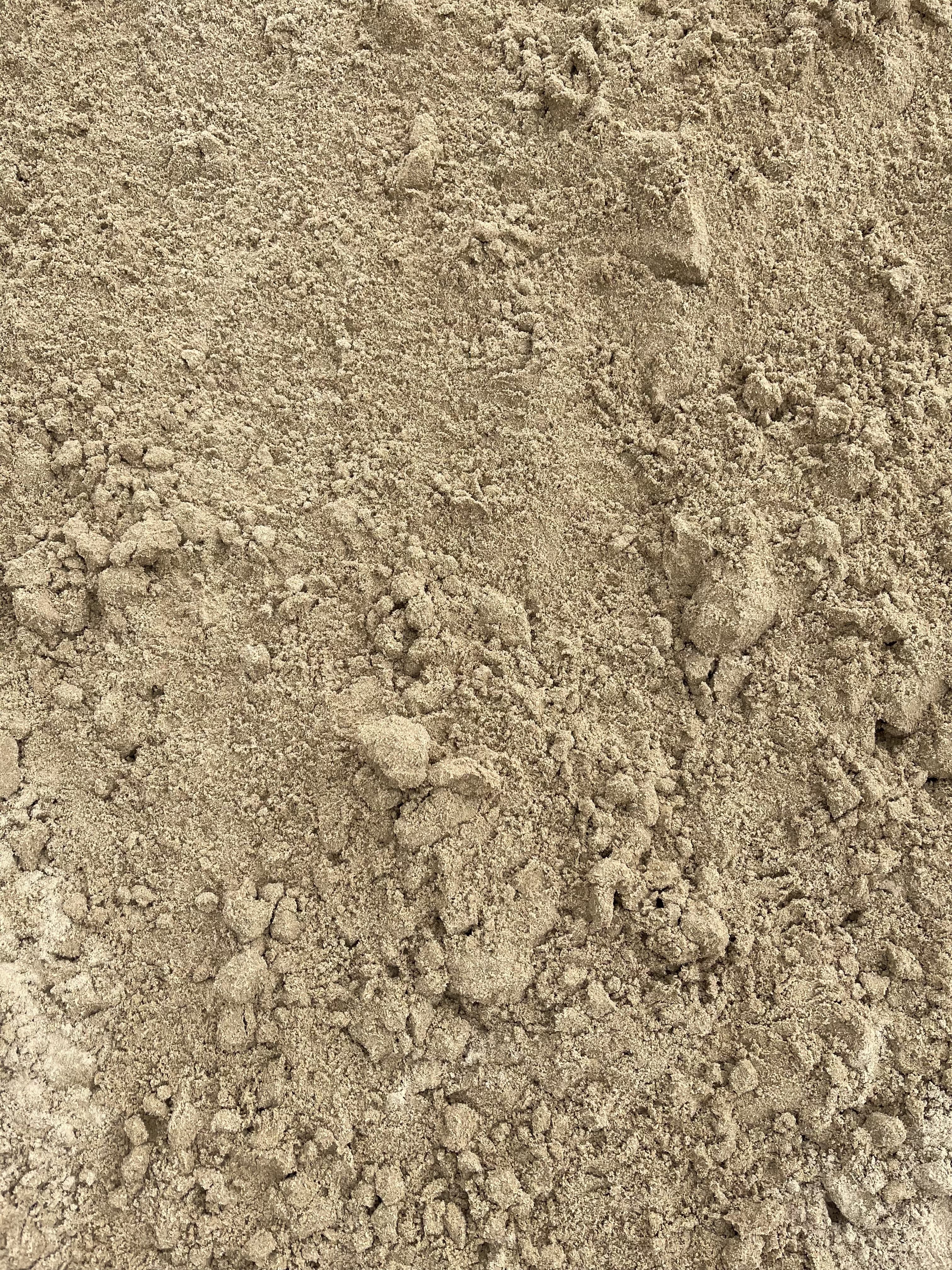
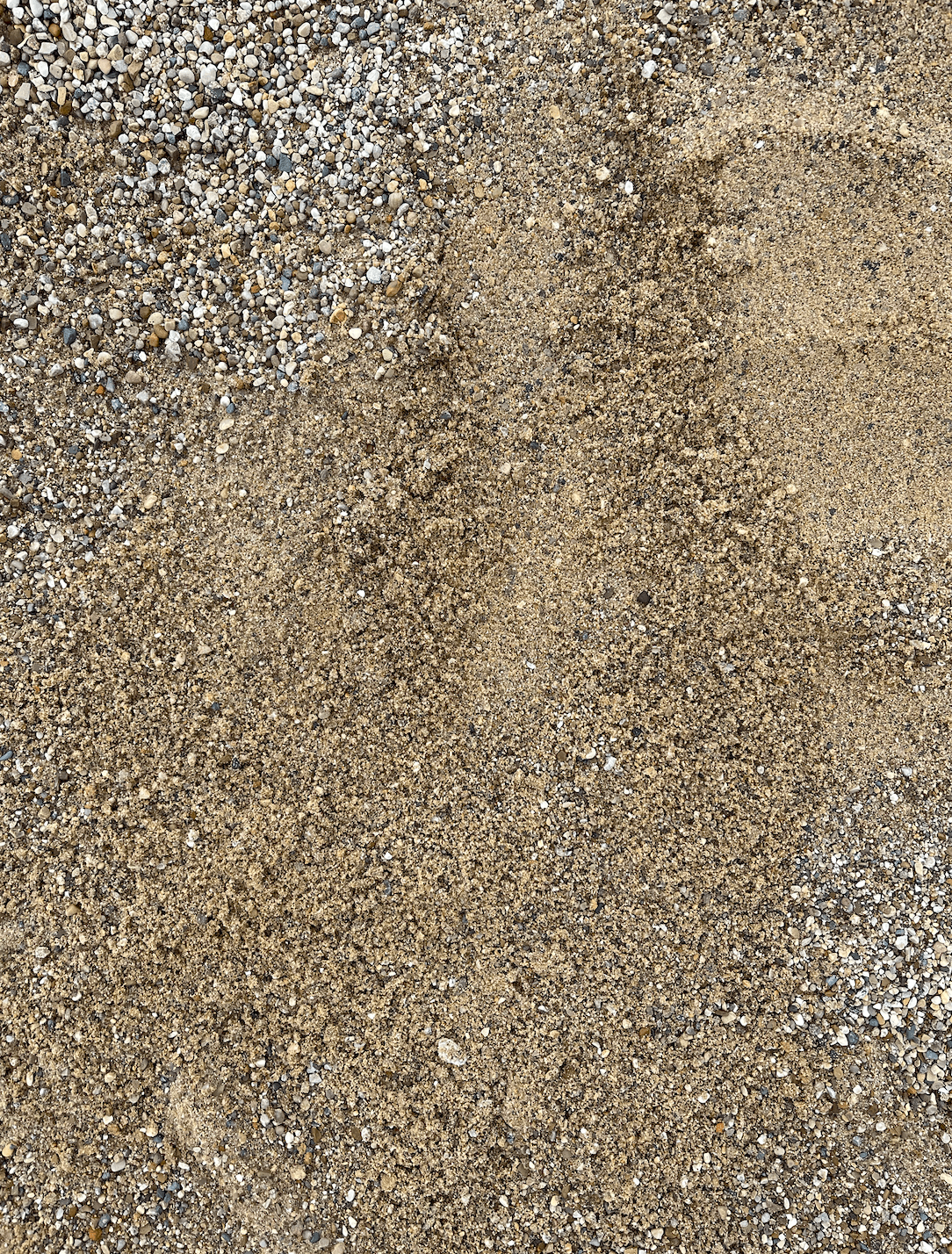
Fill sand is an economical, general-purpose construction material commonly used for filling, leveling, backfilling, and early-stage site preparation. It typically contains a natural blend of fine and coarse sand particles and may include small amounts of silt, clay, or small stone depending on the source and local geology.
Its loose, workable texture allows the material to spread easily, flow into voids, and build up low areas efficiently. This makes fill sand a practical choice for projects that require substantial volume without the higher cost of washed or specialty construction sands.
When placed in controlled lifts and properly compacted, fill sand can create a stable and uniform layer for grading, utility work, landscaping, and general construction. Its consistency helps contractors shape elevations, correct uneven ground, and establish the desired site profile before installing base aggregate or finished materials.
Fill sand is particularly useful around utility trenches and construction areas because it can be placed around pipes, conduits, and other buried features with standard equipment. It fills irregular spaces effectively and provides a workable transition between native soil and more refined construction materials.
For hardscape and building projects, fill sand is often used as an underlying bulk layer beneath compacted gravel base, concrete sand, limestone, pavers, concrete slabs, or other structural materials. This allows large elevation changes to be completed economically before the project receives its final engineered base and surface.
In landscaping, the material can be used to build up yards, reshape contours, fill shallow depressions, and improve transitions between different grades. Once the desired elevation is established, screened topsoil or planting soil can be added where healthy vegetation is required.
Fill sand is widely selected for residential, commercial, municipal, and construction projects because it provides efficient coverage and cost-effective volume. Its versatility makes it suitable for both small property improvements and large-scale site-development work.
Because fill sand composition can vary by source, it is primarily intended for general fill, grading, and backfill applications. For concrete production, masonry, playgrounds, or precision bedding, a washed or specifically graded sand is generally selected instead.
Common Applications of Fill Sand
- General site leveling and rough grading
- Filling low spots and uneven ground
- Backfilling trenches and utility lines
- Building up yards and construction areas
- Bulk layer beneath pavers and hardscapes
- Foundation and slab preparation
- Landscape contouring and grade adjustment