River rocks are an indispensable asset in professional hardscaping, offering a blend of geological permanence and refined aesthetics. These naturally smoothed stones, shaped by centuries of water flow, provide structural integrity to gardens while serving as low-maintenance alternatives to organic mulch. For industry experts, selecting the right aggregate involves more than visual appeal; it requires an understanding of permeability, compaction, and local hydrology.
Beyond their decorative value, river rocks play a critical role in functional landscape architecture. Their weight and smooth surfaces make them ideal for heavy-traffic areas where loose soil or wood chips would eventually wash away or decompose. Integrating these stones into a design requires careful consideration of stone size, color palettes, and long-term site stability to ensure the hardscape remains both beautiful and operational for decades.
Drainage and Hydrological Management

Managing surface runoff is a primary functional application for river rocks in professional landscapes. Designers frequently utilize dry creek beds and French drains lined with varied stone sizes to direct water away from building foundations. This prevents soil erosion and costly structural damage while creating a naturalistic feature that mimics a riparian environment during significant rain events.
In commercial and residential projects alike, the high permeability of river rock makes it a superior choice for drainage pits and swales. Unlike compacted soil or concrete, a deep layer of river stone allows water to percolate slowly back into the groundwater table. This sustainable approach to water management is increasingly required by urban planning codes and eco-conscious landscape standards.
Comparing Rock Varieties and Specifications
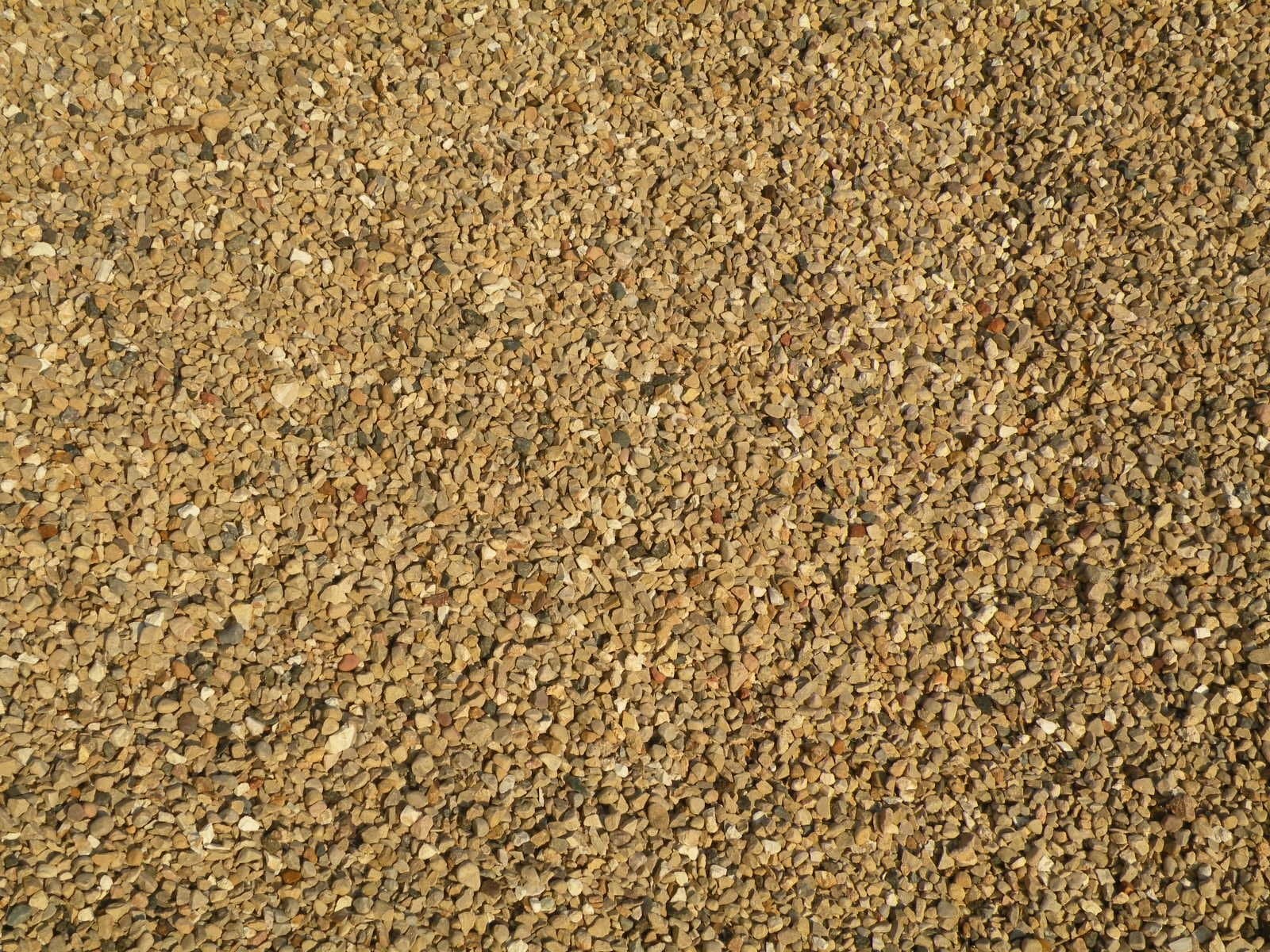
Professional hardscaping requires precise material selection to ensure durability and aesthetic consistency across a project. Larger stones, often referred to as cobbles, are better suited for stabilizing slopes and creating structural borders, while smaller aggregates like pea gravel provide a softer texture for pedestrian walkways and negative space infill.
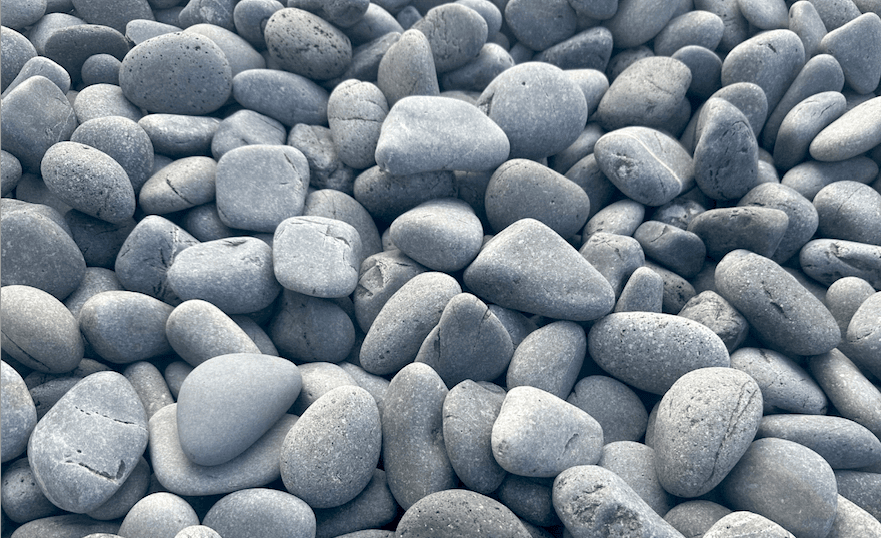
Choosing between rock types often depends on the project's specific mechanical requirements and the desired visual finish. While many river rocks are sourced from local quarries to minimize environmental impact, premium varieties such as Mexican Beach Pebbles are often imported for high-end modern designs due to their uniform color and matte texture. The table below summarizes the technical specifications for common landscaping stones.
| Rock Type | Typical Size | Primary Usage | Visual Profile |
|---|---|---|---|
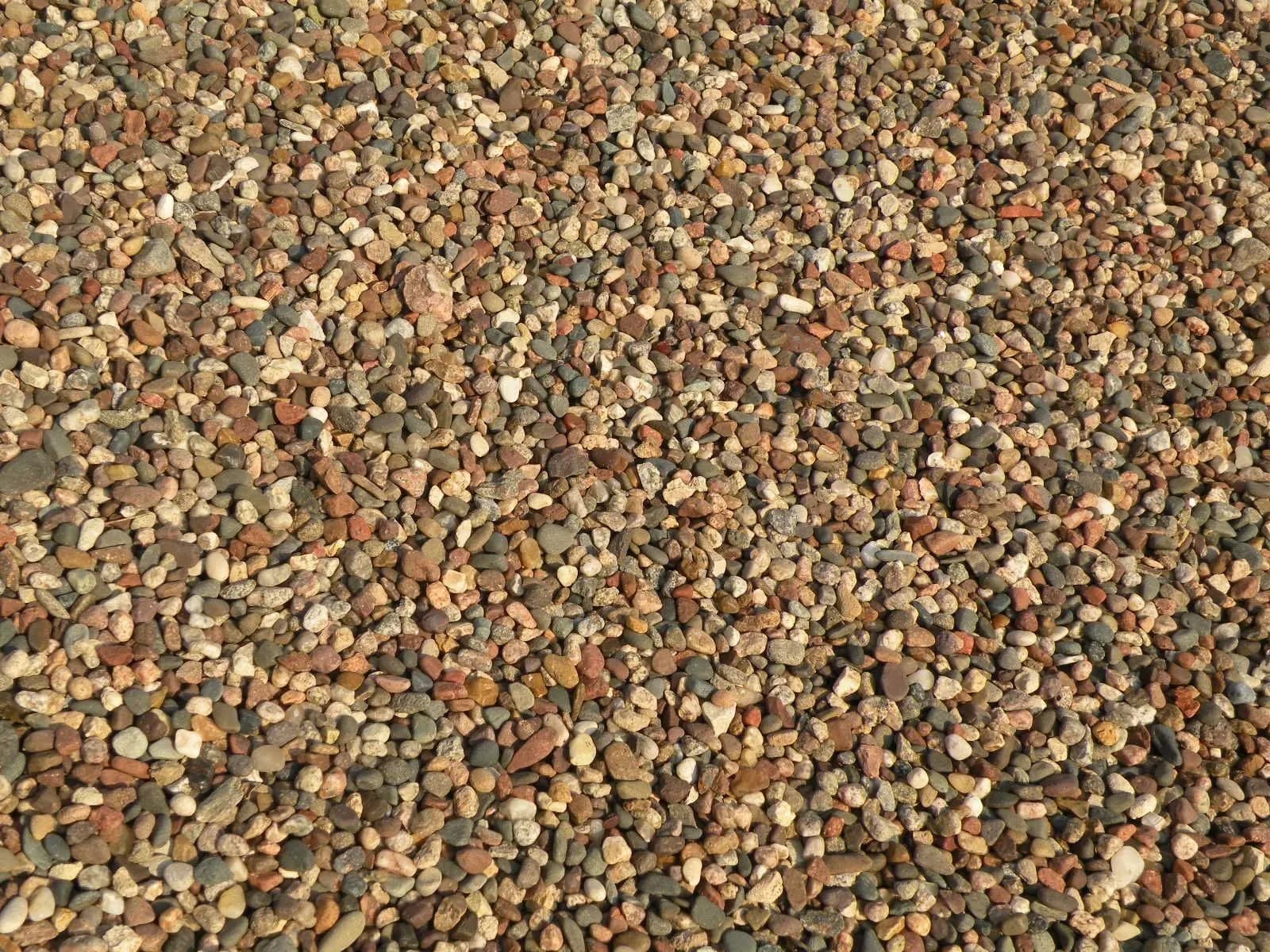
| Pea Gravel | 1/4" - 1/2" | Walkways and Infill | Multi-colored, smooth |
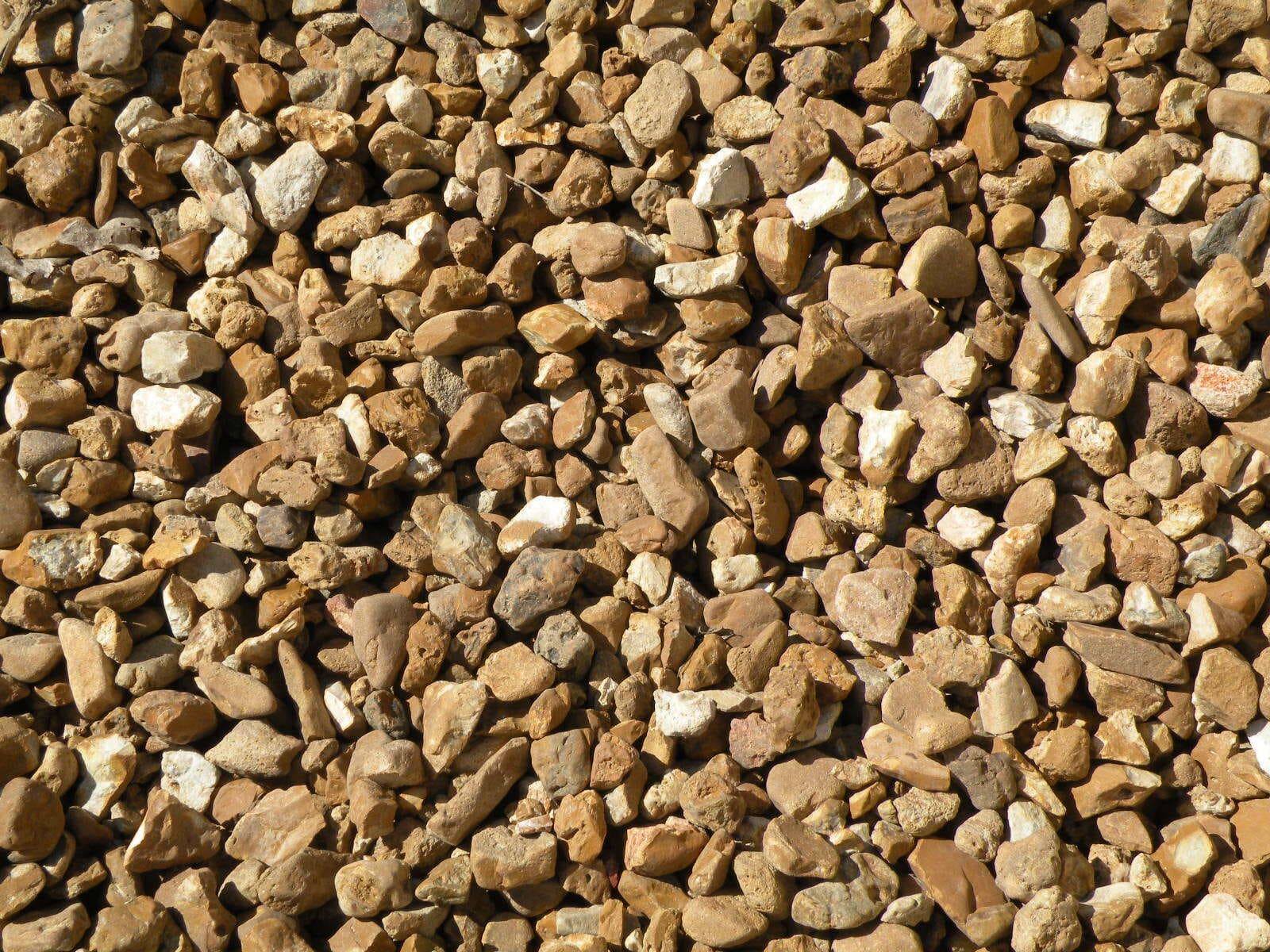
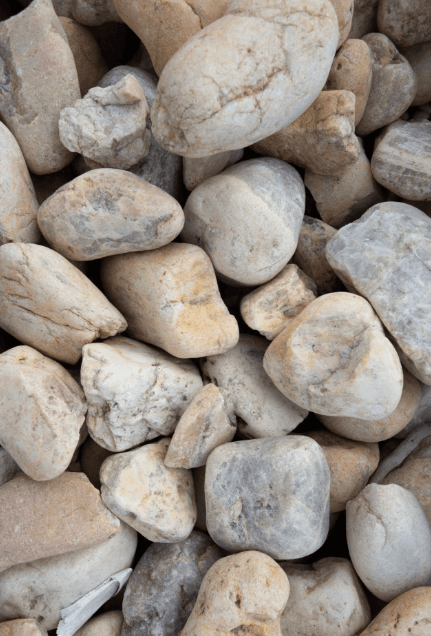
| Egg Rock | 1" - 3" | Drainage and Accents | Tan, grey, and white |
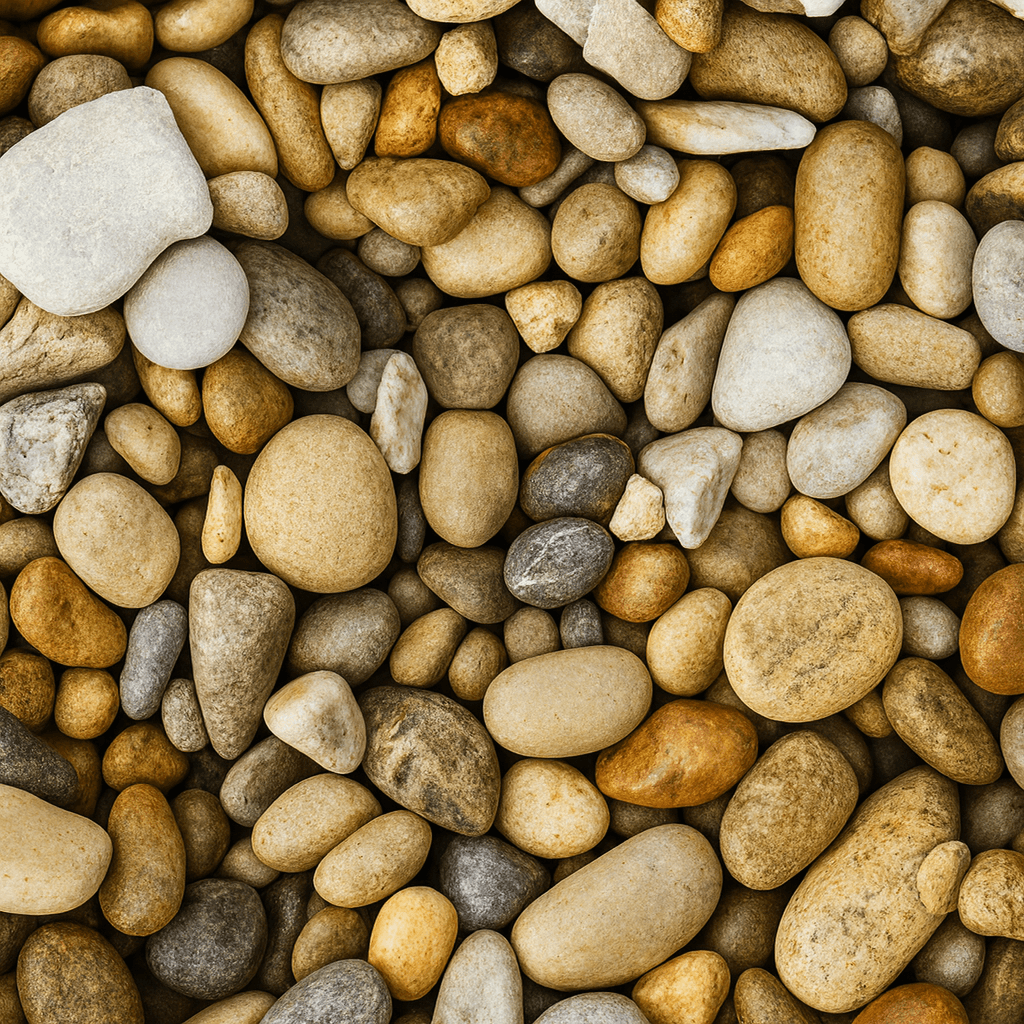
| Mexican Beach Pebbles | 1" - 5" | High-end Focal Points | Deep charcoal, matte |
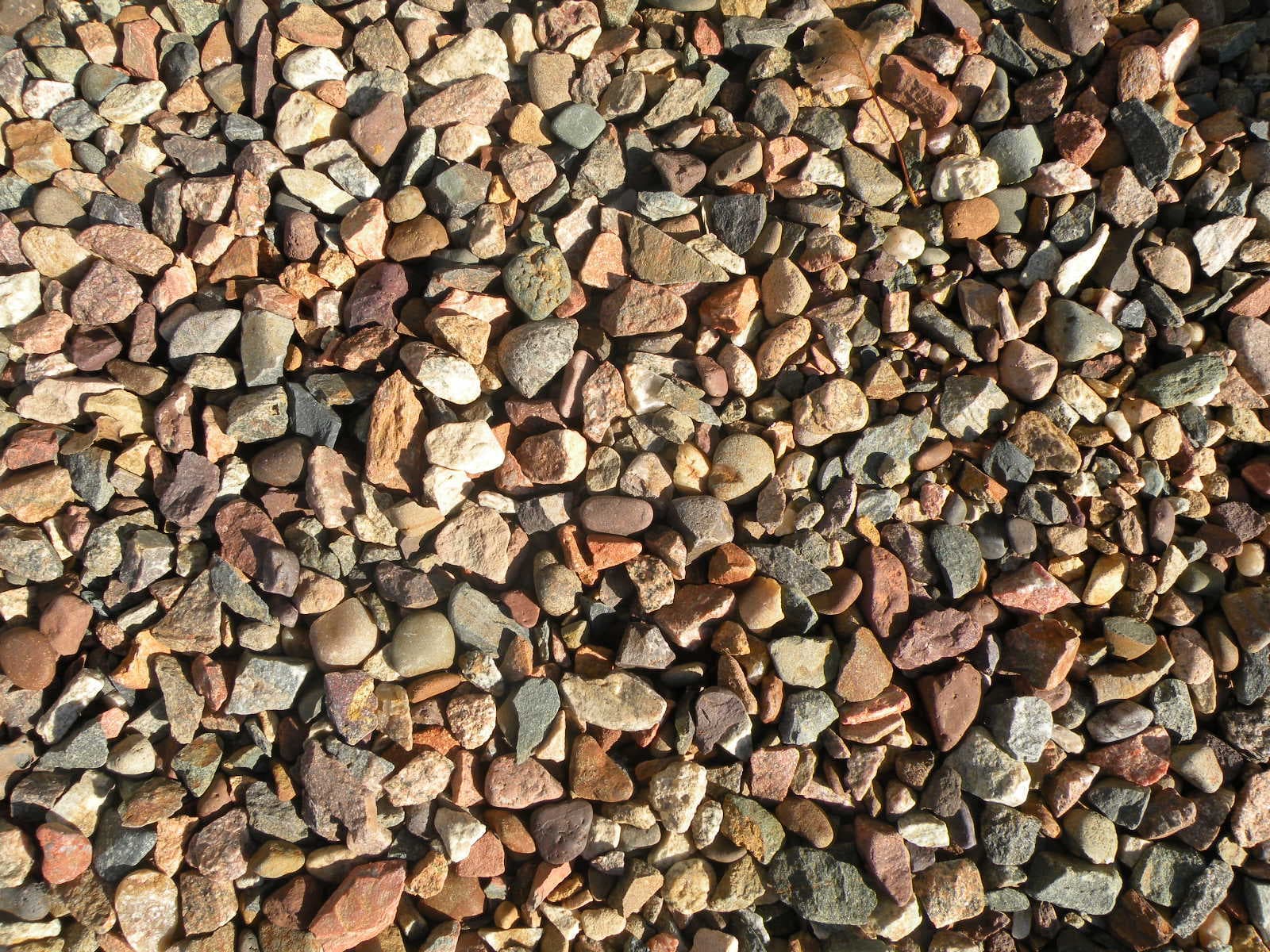
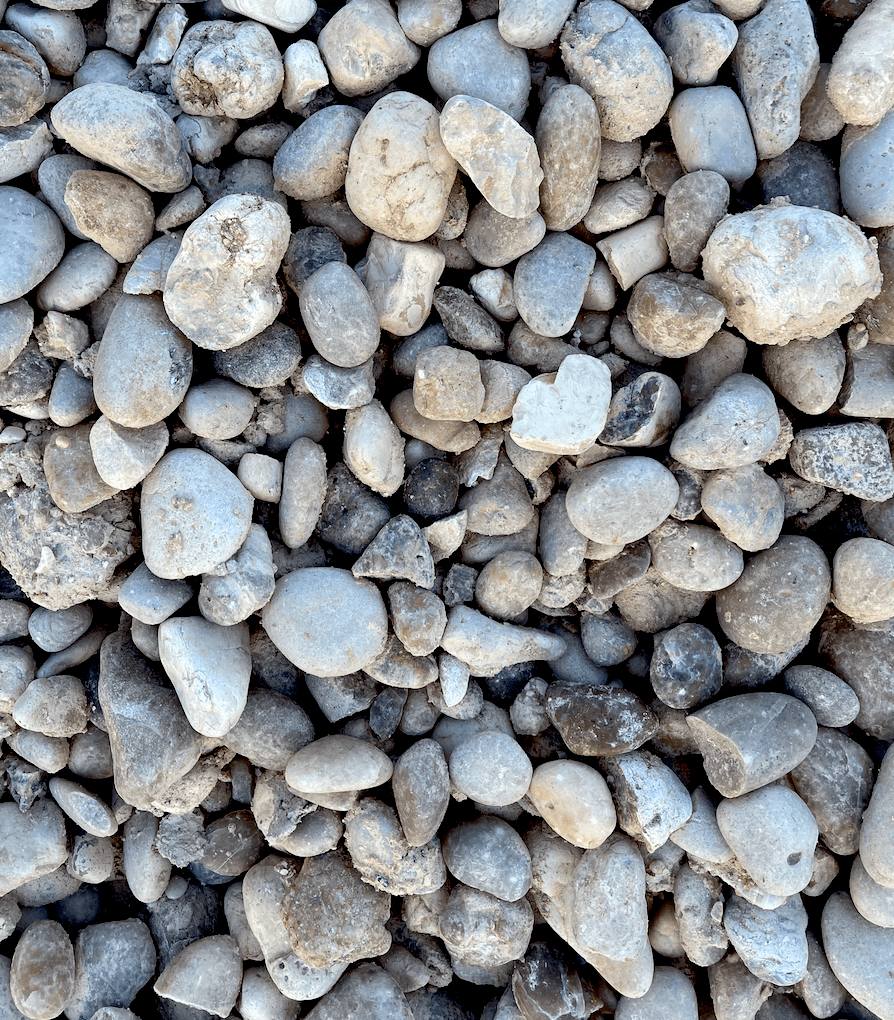
| Oversized Cobble | 5" - 10" | Dry Creeks, Borders | Large, rugged, rounded |
Ground Cover and Thermal Regulation

Unlike organic mulches, river rocks do not decompose or host fungal growth, making them a permanent one-time investment for high-traffic zones or commercial properties. They also act as effective thermal mass, absorbing solar radiation during the day and releasing heat slowly at night. This characteristic can be leveraged to moderate soil temperatures in specific microclimates, protecting delicate root systems from extreme fluctuations.
In xeriscaping applications, river rock serves as a water-efficient ground cover that drastically reduces evaporation from the soil. When used in conjunction with drought-tolerant plantings, these stones create a sophisticated, desert-inspired look that eliminates the need for irrigation-heavy turf. The durability of stone ensures that the landscape maintains its pristine appearance even in harsh climates with high wind or heavy seasonal precipitation.
Professional Installation Best Practices
Long-term success with river rock depends heavily on meticulous site preparation. Installing a high-grade woven geotextile fabric beneath the stone layer is non-negotiable for preventing weed intrusion and stone migration into the subsoil. Without this barrier, the stones will eventually sink into the mud, leading to a messy and inefficient drainage layer that is difficult to remediate.
Experts also recommend using heavy-duty steel or aluminum edging to maintain clean boundaries between rock installations and adjacent turf or planting beds. Maintenance generally involves simple leaf blowing to remove organic debris and occasional pressure washing to clear away sediment. When installed with these professional standards, a river rock feature provides an unrivaled return on investment through its longevity and timeless appeal.