If you’ve ever tried to order materials for a project, you’ve probably run into the same issue pretty quickly — everything starts to sound the same.
Sand, gravel, stone, limestone… it all looks similar when you’re scrolling through products, but in reality, each one behaves completely differently once it’s on the ground. And that’s usually where things go wrong.
Most problems people run into — sinking driveways, shifting pavers, poor drainage — don’t come from bad installation. They come from using the wrong material in the first place.
So instead of overcomplicating it, here’s the easiest way to think about it:
👉 Sand is for smoothing and leveling
👉 Stone is for strength and structure
👉 Gravel is for drainage and coverage
If you keep those three roles in mind, you’ll make better decisions right away.
What Sand Is Used For
Sand is the material that makes everything look clean and finished.
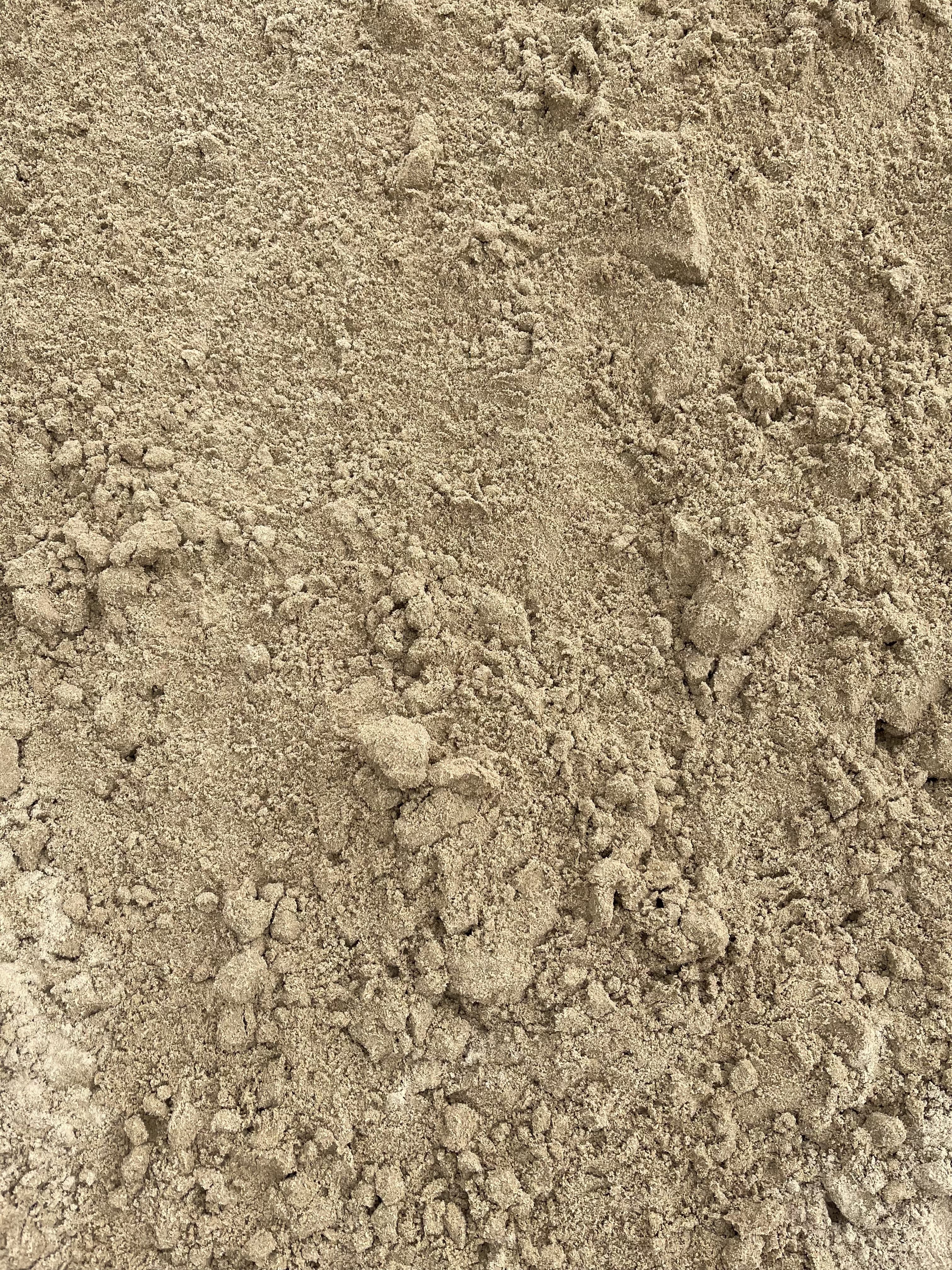
It’s fine, easy to spread, and great when you need to level out a surface or fill small gaps. That’s why you see it used under pavers, around pools, in sandboxes, and in mortar mixes.
But here’s the part people miss — sand doesn’t hold weight well on its own.
It compacts, but it can also shift over time, especially when water gets involved or when there’s repeated pressure on it.
That’s why sand is almost always used on top of something stronger, not by itself.
The most common types you’ll come across are:
- Concrete sand, which is slightly coarse and ideal for leveling pavers
- Mason sand, which is finer and used for mortar or finishing work
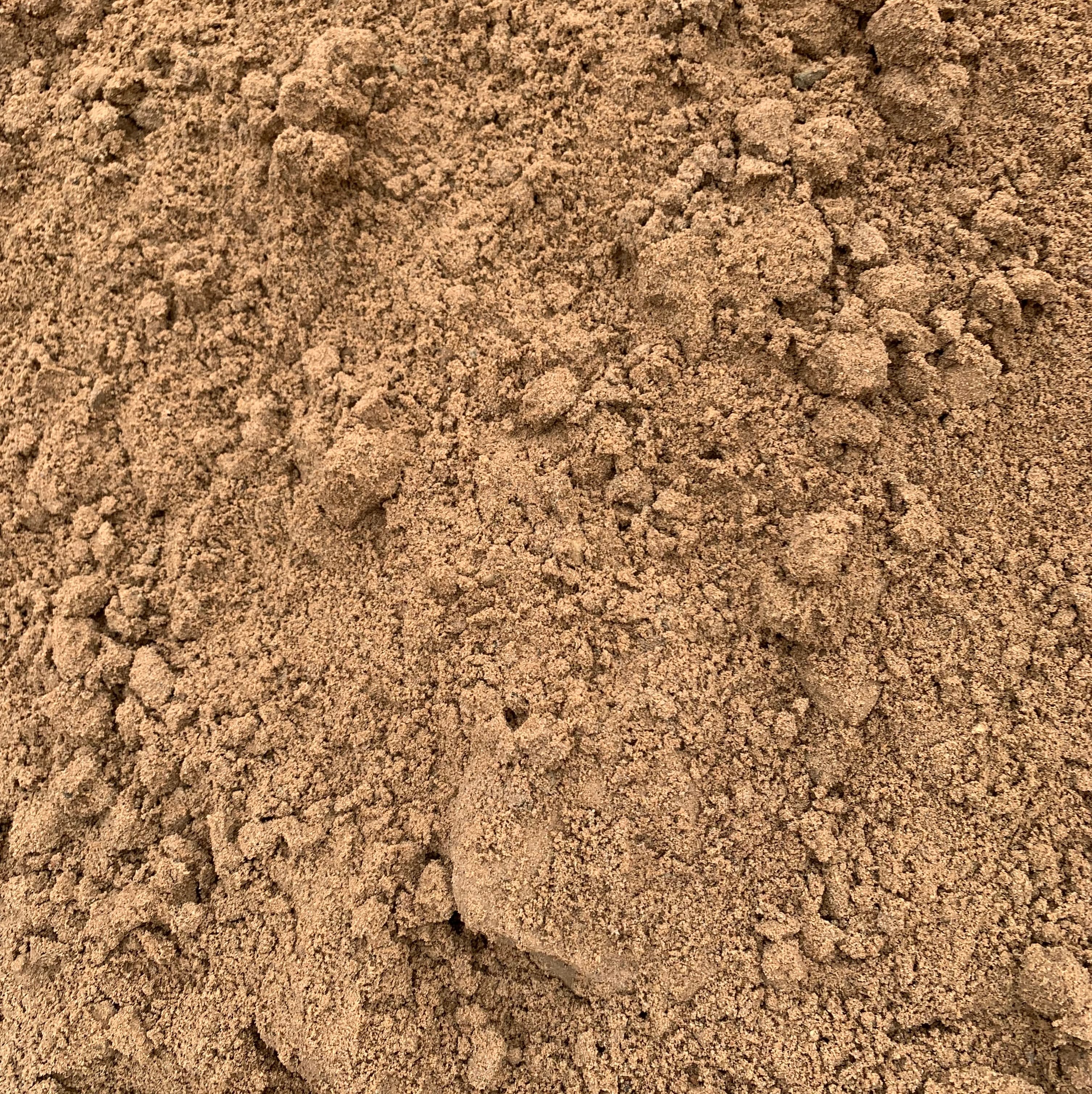
- Fill sand, which is cheaper and used when you just need to bring up grade in a large area
If your project needs a clean, level surface, sand is the right tool — just don’t rely on it to carry the load.
What Stone Is Used For
Stone is what actually gives your project structure. It’s larger, more angular, and designed to lock together when compacted. That’s what allows it to support weight without shifting over time. If you’re building anything that needs to last — a driveway, patio base, or foundation layer — stone is where you start.
The most important materials to know here are:
- Crusher run, which is a mix of crushed stone and dust that compacts into a very solid base
- Crushed limestone, which works similarly and is widely used for base layers
- Larger base stone (like #2) for deeper foundation builds
Also read our article about Crushed Limestone vs. Crusher Run Gravel
Crusher run is usually the go-to for most residential projects because it gives you a strong, stable base without a lot of guesswork.
If something heavy is going on top, this is the layer doing the work.
Where Gravel Fits In
Gravel sits somewhere in between, but its main job is different. It’s not really about compaction — it’s about movement, especially water.
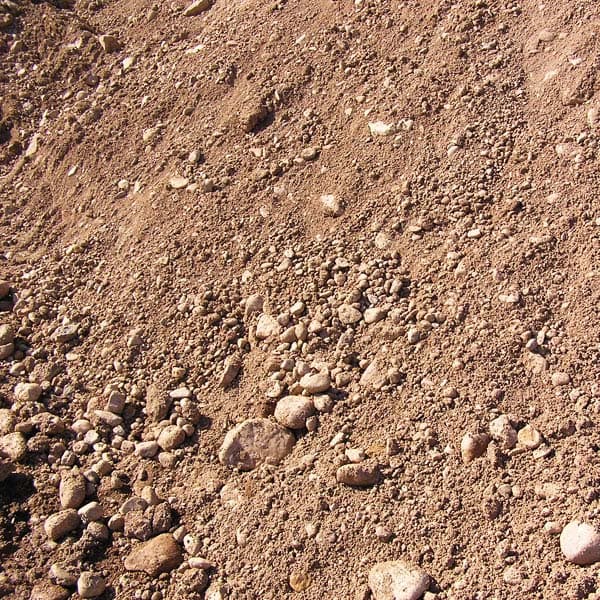
Gravel like #57 stone doesn’t contain fines (dust), which means it won’t lock together the same way crusher run does. Instead, it leaves small gaps between the stones, and that’s exactly what allows water to pass through.
That’s why it’s used in:
- Drainage systems
- Around foundations
- French drains
- Areas where water buildup is an issue
There are also decorative gravels like pea gravel, which are used more for appearance than function.
So while gravel might look similar to base stone, it serves a completely different purpose.
How These Materials Actually Work Together
Where a lot of people go wrong is trying to pick just one material and use it for everything. In reality, the best setups use layers, and each layer has a job.
For example, if you’re building a paver patio:
- You start with crusher run as your base, because it compacts and holds everything in place
- Then you add a thin layer of concrete sand so you can level the pavers properly
- Then your surface goes on top
Same idea for driveways — the strength always comes from underneath.
If you’re dealing with water, like around a foundation or in a drainage system, you skip the compaction materials and go straight to #57 stone, because that’s what allows water to move instead of getting trapped.
Getting the right material from the start
It’s easy to think these materials are interchangeable, especially when they look similar in a pile. But using the wrong one creates problems that don’t show up right away — they show up months later. That’s when things start shifting, settling, or holding water where they shouldn’t.
Getting the right material from the start:
- Saves you from redoing the job
- Keeps everything stable
- And usually ends up being cheaper in the long run
Ordering the Right Materials
Most people don’t struggle to find sand or gravel — they struggle to choose the right one. That’s why having clear product categories and descriptions matters.
At AggregateMarkets.com, you can order:
- Crusher run for base layers
- #57 stone for drainage
- Concrete or mason sand under pavers or top layer leveling
- Fill dirt and fill sand for raising and base leveling
Everything gets delivered directly to your job site, so you’re not dealing with multiple suppliers or guessing what to order.
You can also check out more guides here:
👉 https://aggregatemarkets.com/en/blog