If you are planning a driveway, parking area, shed pad, walkway, or another outdoor project, choosing the right aggregate is one of the most important decisions you can make. Two of the most commonly used materials are crushed limestone and crusher run gravel. Both are widely used in residential and commercial projects, but they are designed for slightly different purposes.
Understanding how these materials perform can help you choose the right product for your job and avoid problems with drainage, shifting, or poor compaction later.
What Is Crushed Limestone?
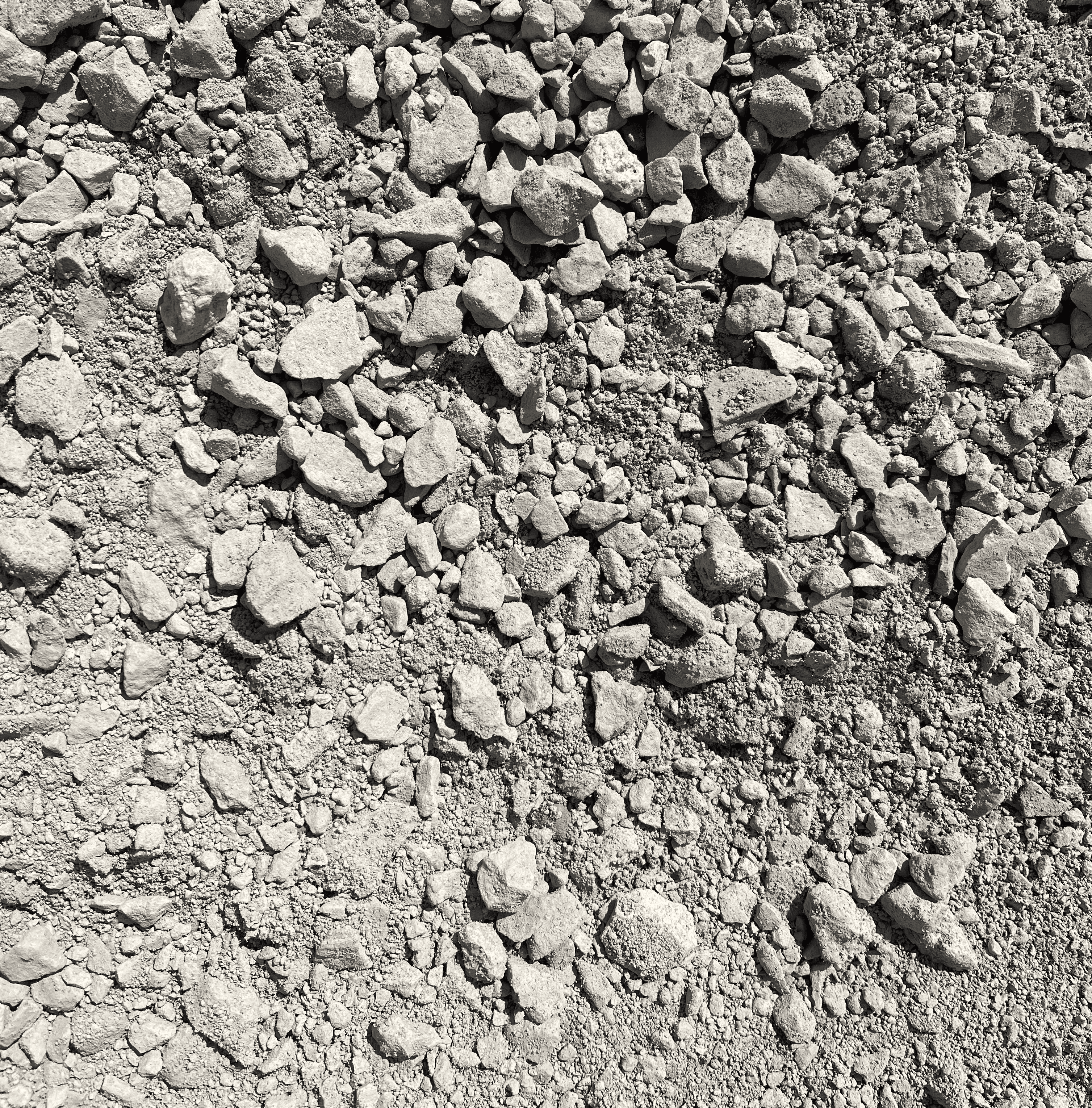
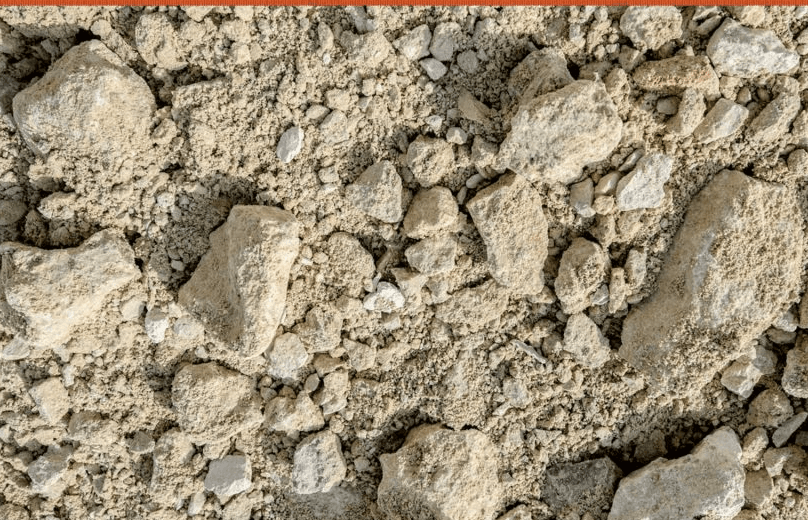
Crushed limestone is a durable aggregate made by crushing limestone rock into angular pieces. Because the stone is crushed rather than rounded, it locks together better than many naturally rounded materials. This makes it a popular choice for a wide range of construction and landscaping applications.
Crushed limestone is commonly used for:
- Driveways
- Walkways
- Patio bases
- Parking areas
- Construction fill
- General site preparation
One of the biggest advantages of crushed limestone is versatility. It can be used in many project types and works well where strength and stability are important. Depending on the size and blend, crushed limestone may be used as a base material or as a finished surface.
What Is Crusher Run Gravel?
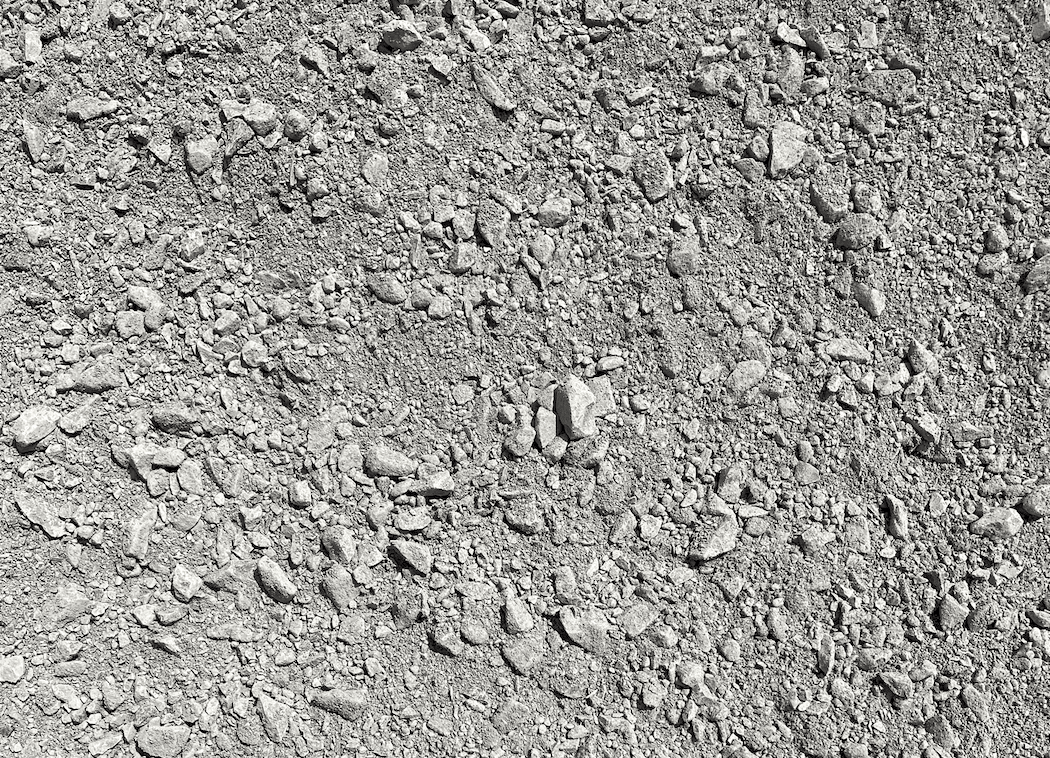
Crusher run gravel is a compactable aggregate made from crushed stone mixed with fine particles. It is also often called crush and run gravel. The combination of stone and fines helps the material bind together tightly when compacted, creating a solid and stable base.
Crusher run gravel is often used for:
- Driveway base layers
- Road base
- Parking pads
- Shed foundations
- Paver bases
- Compacted paths
Because crusher run gravel contains fines, it compacts more tightly than many loose stone products. This makes it especially useful in projects where a firm foundation is needed to support weight and reduce movement over time.
Crushed Limestone vs. Crusher Run Gravel
Although crushed limestone and crusher run gravel are both useful aggregate materials, they are not exactly the same.
Crushed limestone is often chosen for its all-purpose performance. It works well across a variety of outdoor uses and can provide both function and a clean finished look, depending on the grade.
Crusher run gravel is usually chosen when tight compaction matters most. Because it includes fine material, it forms a denser base that can better resist shifting under traffic and weight.
In many projects, the choice comes down to the role the aggregate will play.
Choose crushed limestone when you want:
- A strong and versatile aggregate
- A material suitable for general outdoor use
- A stone product that can work in both base and surface applications
Choose crusher run gravel when you want:
- Maximum compaction
- A strong base under driveways or pads
- A material that helps create a firm, load-bearing foundation
When to Use Crush and Run Gravel
The term crush and run gravel is commonly used interchangeably with crusher run gravel. In most cases, buyers are referring to the same kind of compactable base material.
Crush and run gravel is a practical option for:
- New driveway installations
- Rebuilding uneven gravel surfaces
- Stabilizing high-traffic areas
- Preparing a base for pavers
- Creating a compacted pad for small structures
Because the material compacts into a dense layer, it is often used below the visible surface. It is especially useful where long-term stability is more important than appearance alone.
Best Aggregate for Driveways
Driveways are one of the most common uses for both crushed limestone and crusher run gravel. The best choice depends on whether you are building the driveway base, the top layer, or both.
For a strong driveway foundation, crusher run gravel is often the preferred material because it compacts tightly and creates a stable base.
For a durable aggregate surface or a versatile stone option, crushed limestone is often a good fit.
In many cases, a driveway performs best when the base and surface are treated as separate layers. A compacted base provides support, while the top material helps with appearance, wear, and ongoing maintenance.
How Sand and Gravel Fit Into Outdoor Projects
Many outdoor jobs require more than one type of material. Along with crushed limestone or crusher run gravel, buyers often need sand and gravel for related work on the same site.
Sand and gravel may be used for:
- Bedding under pavers
- General fill
- Drainage work
- Surface leveling
- Site preparation around hardscaping
For example, a project may use crusher run gravel as the base and sand as a leveling layer. A landscaping or drainage project may also require gravel in one area and sand in another. Using the right combination of materials can improve both performance and finish quality.
What to Consider Before Ordering Aggregate
Before buying aggregate, it helps to think about how the material will be used.
Important questions include:
- Is the material for a base layer or a finished surface?
- Will the area support vehicle traffic or foot traffic?
- Does the project need drainage, compaction, or both?
- Will the aggregate remain visible after installation?
- Do you need one material or a combination of products?
These questions make it easier to decide between crushed limestone, crusher run gravel, and related materials such as sand and gravel.
Choosing the Right Material for the Job
Every outdoor project has different demands. A driveway, walkway, parking pad, and shed base may all require a different type of aggregate or a different installation approach.
Crushed limestone is a reliable option for buyers who need a durable and flexible aggregate for a range of uses.
Crusher run gravel is ideal when a project needs a tightly compacted and stable base.
Crush and run gravel offers the same kind of compactable performance for buyers using that product name.
When the right material is chosen from the start, the finished project is more likely to stay level, perform well, and require less maintenance over time.