Most outdoor projects start with a simple idea.
Fix the driveway.
Refresh the flower beds.
Level the yard.
Fill the raised garden boxes.
Build a patio base.
Stop water from pooling near the house.
Add stone around the landscape beds.
Then the project turns into a phone-call marathon.
You search online. You find a few local yards. Some websites do not show prices. Some show pickup pricing but not delivery. Some list product names you do not recognize. One supplier sells “crusher run,” another calls it “road base,” and another has “dense grade.” You call one place, wait for a quote, call another, compare delivery fees, then realize nobody asked whether the truck can actually fit in your driveway.
That is the part of outdoor projects people do not talk about enough: buying the material can be harder than doing the work.
This guide is for homeowners, landscapers, property managers, and contractors who want to order bulk outdoor materials the easier way. It explains how to think through the project, choose the right material, estimate quantity, compare delivered prices, and prepare for the truck before it arrives.
The goal is not to become an aggregate expert. The goal is to get the right load delivered without wasting the day.

Start With the Job, Not the Product Name
Most people do not really want “gravel” or “soil.” They want a problem solved.
A muddy driveway needs a stable surface.
A low yard needs elevation.
A garden bed needs growing soil.
A drainage trench needs clean stone.
A front yard needs a clean finished look.
A patio needs a base that will not settle.
That is why the best way to order bulk materials is to describe the project first.
Instead of starting with:
“I need gravel.”
Start with:
“I need gravel for a driveway that gets soft after rain.”
That one sentence tells the supplier much more. It points toward a compactable driveway material, not rounded decorative stone.
Instead of saying:
“I need dirt.”
Say:
“I need to raise a low area, then grow grass on top.”
That may mean fill dirt underneath and topsoil above.
Instead of saying:
“I need sand.”
Say:
“I need sand for a paver base, leveling area, playground, or masonry work.”
Different sands do different jobs. The project matters more than the generic product name.
The Five Questions That Make Ordering Easier
Before you order any bulk material, answer these five questions.
1. What are you building or fixing?
A driveway, flower bed, raised garden, drainage area, patio base, walkway, or lawn repair will each need a different material.
2. Does the material need to compact, drain, grow plants, or look decorative?
This is the most important difference.
A driveway needs stability.
A drain needs water flow.
A garden needs nutrients and structure.
A flower bed may need mulch or decorative stone.
A patio base needs compaction.
3. How much space are you covering?
Measure length and width. A rough estimate is better than guessing from memory.
4. How deep does the material need to be?
Depth changes the order size quickly. A 2-inch layer and a 6-inch layer can require very different quantities.
5. Where can the truck dump it?
Delivery access can affect the truck type, price, and whether the delivery can happen at all.
Once you know these answers, ordering becomes much easier.
A Simple Material Match Guide
Here is a plain-English way to think about common outdoor materials.
For a Driveway
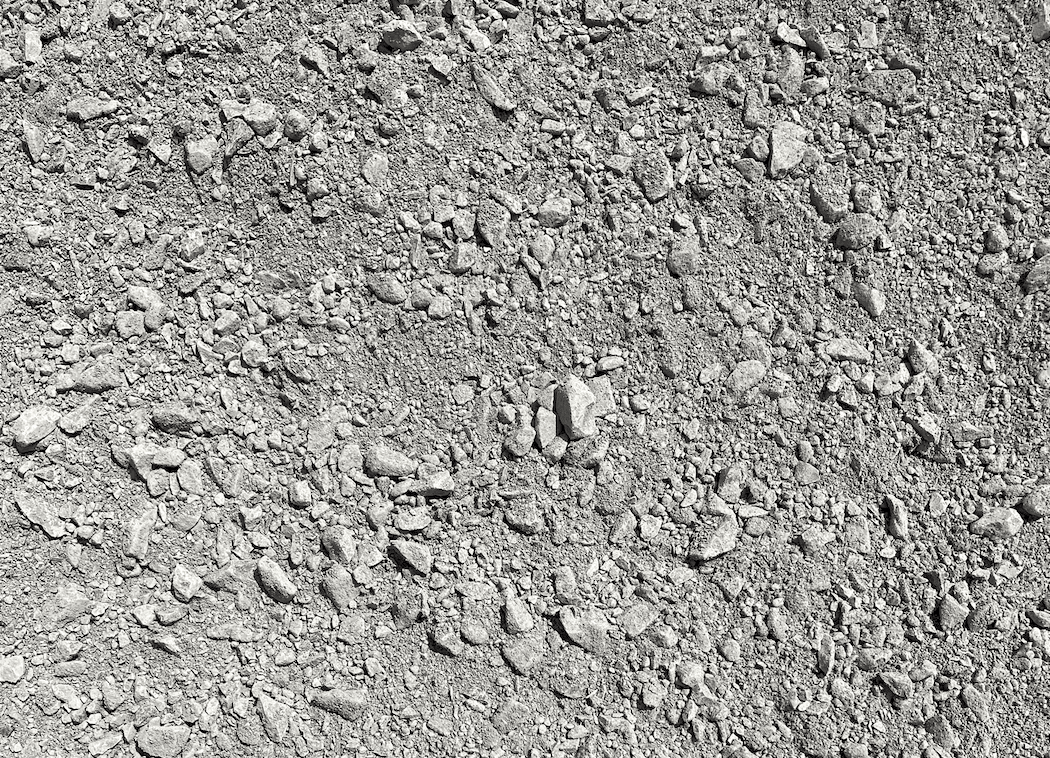
Driveways usually need angular stone that can lock together under tires. Rounded stone looks nice, but it can move around and create ruts.
Good driveway options often include:
- Crusher run
- Road base
- Crushed limestone
- Crushed granite
- Recycled concrete
- Dense grade aggregate
- #57 stone in some driveway applications
For a new driveway, you may need more depth and a stronger base. For resurfacing an existing driveway, a thinner top layer may be enough if the base is already stable.

For Drainage
Drainage projects need open stone that lets water pass through. Material with too many fines can pack tightly and slow water movement.
Good drainage options often include:
- Clean crushed stone
- #57 stone
- Drain rock
- Washed gravel
- River rock for visible drainage areas
- Larger stone for swales or erosion control
For French drains or retaining wall drainage, clean stone is usually preferred.

For Flower Beds
Flower beds can use mulch, compost, topsoil, garden soil, or decorative stone depending on the goal.
Use mulch when you want moisture retention, weed suppression, and an organic look.
Use decorative stone when you want a longer-lasting, lower-maintenance ground cover.
Use garden soil or compost-amended soil when you are improving the planting area itself.

For Raised Garden Beds
Raised beds need soil that can support roots, hold moisture, and drain properly.
Good options often include:
- Garden blend soil
- Raised bed mix
- Screened topsoil blended with compost
- Planting soil
Avoid using plain fill dirt as the main raised bed soil. Fill dirt is for volume and grading, not for growing vegetables or flowers.

For Lawn Repair
Lawn repair usually needs screened topsoil or lawn soil. If you are filling a deep low area, use fill dirt first, then add topsoil as the finished growing layer.
Good options often include:
- Screened topsoil
- Lawn soil
- Topsoil-compost blend
- Fine garden soil for small repair areas

For Patio or Paver Base
Patios and pavers need a stable base. The wrong material can settle and cause uneven surfaces.
Good options often include:
- Crusher run
- Road base
- Crushed stone base
- Paver base
- Screenings or bedding sand depending on the installation system
The base should be compacted properly before the final surface is installed.

For Decorative Landscaping
Decorative stone is chosen for appearance, but size and shape still matter.
Good options often include:
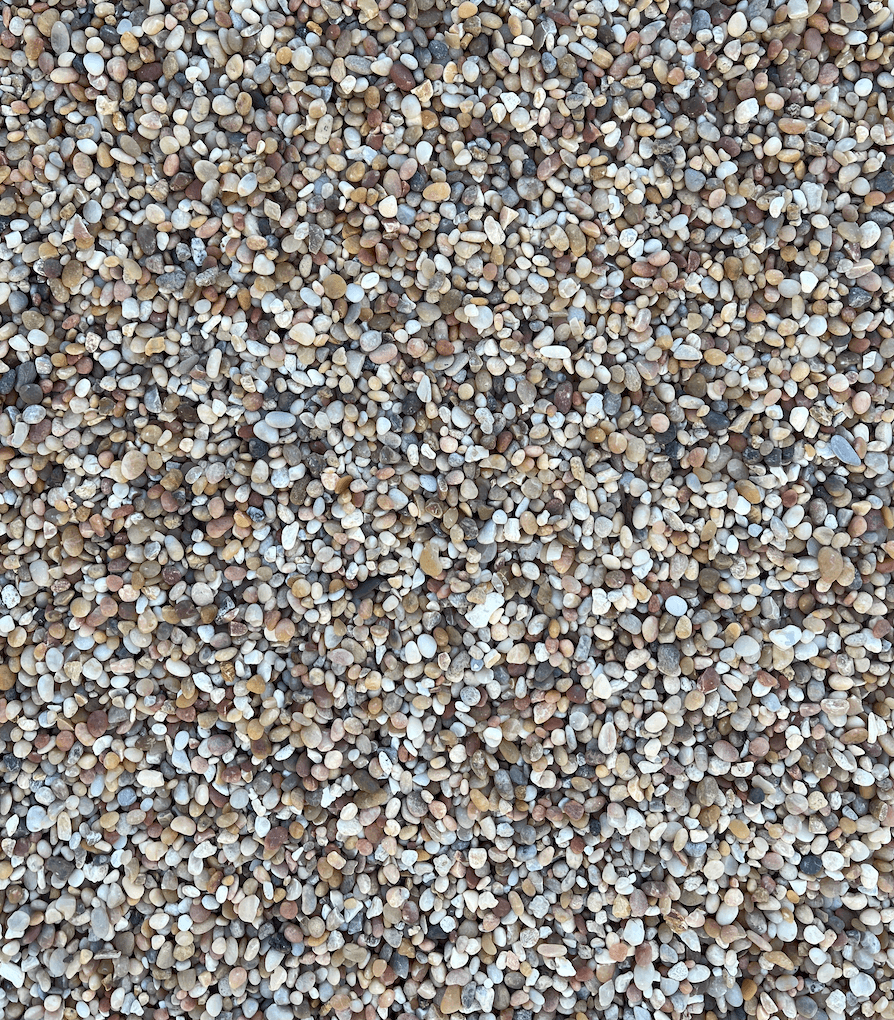
- Pea gravel
- River rock
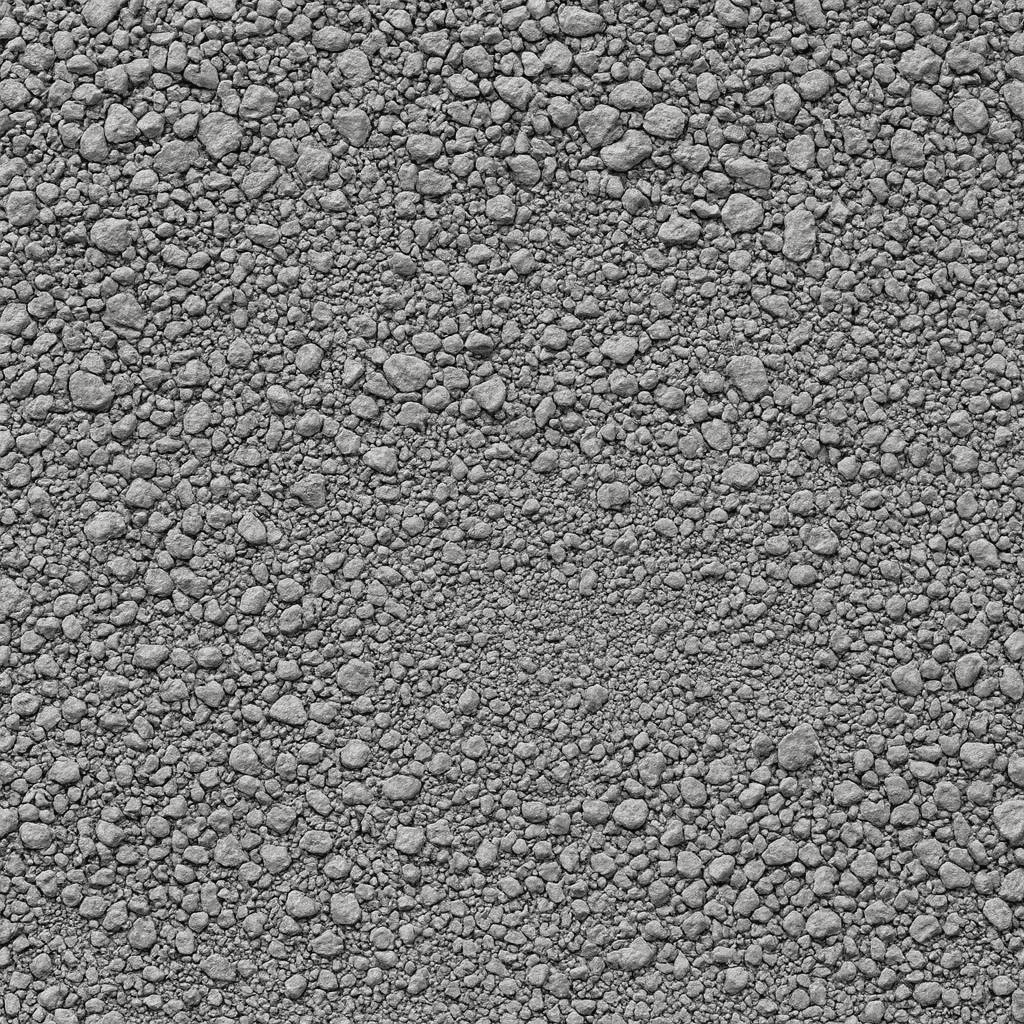
- Decomposed granite
- Crushed granite
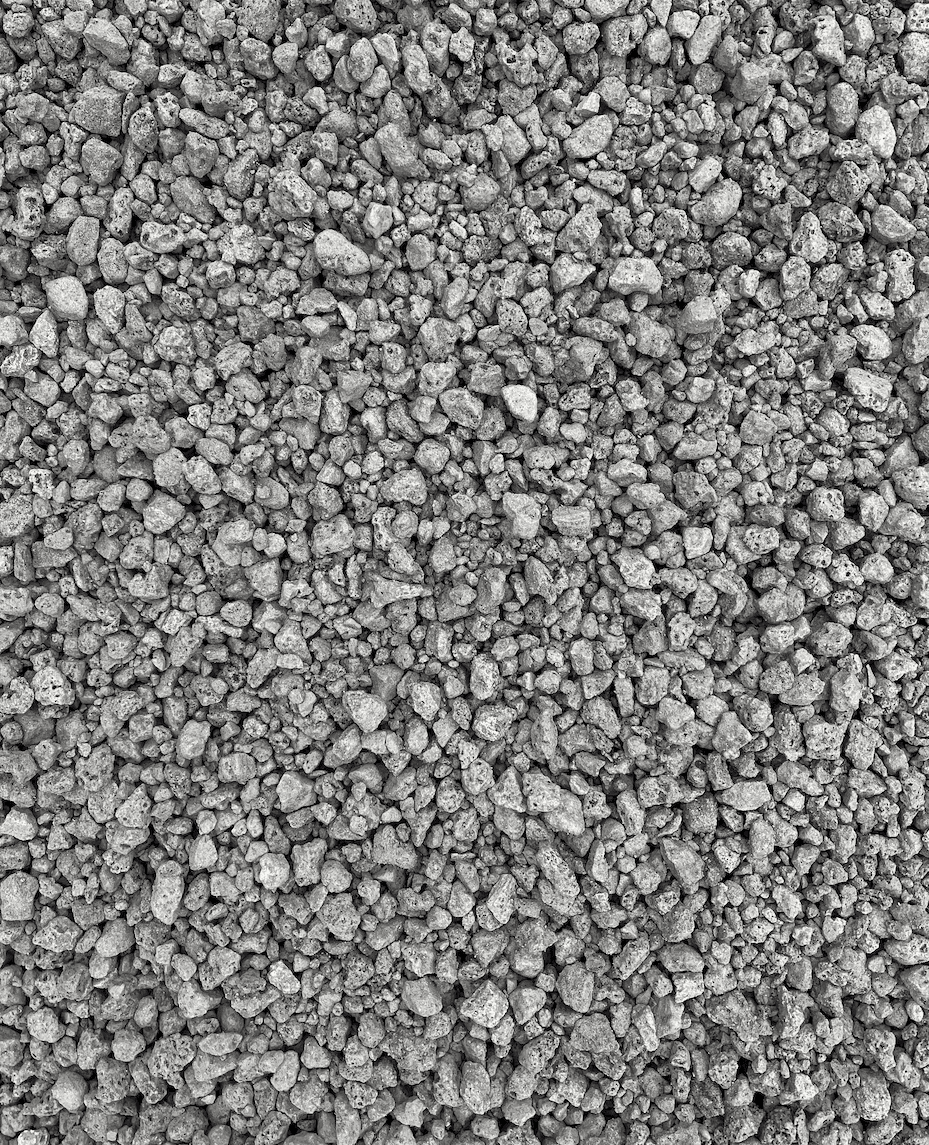
- Lava rock
- Marble chips
- Slate chips
- Decorative limestone
Small rounded stone can feel better underfoot but may move around. Angular stone may stay in place better. Larger stone works well for borders, dry creek beds, and areas where foot traffic is low.

Why the Same Material Has Different Names
Bulk materials are local products, and local suppliers often use local names.
That is why the same or similar material may be listed differently depending on the area.
Crusher run may also be called road base, dense grade, or gravel base.
Decomposed granite may be called DG, granite fines, crusher fines, or breeze.
Topsoil may be called screened soil, lawn soil, or planting soil.
Fill dirt may be called clean fill, common fill, or backfill.
Drain rock may be called clean stone, washed stone, or drainage gravel.
This is one reason ordering can feel confusing. The solution is simple: explain the use case.
A good supplier can translate the project into the local material name.
How Much Should You Order?
Quantity is where many customers get nervous. Nobody wants to run short, but nobody wants a giant leftover pile either.
The basic formula is:
Area × depth = volume
For most people, the easier method is to measure the area and use a coverage estimate. You can also use our material calculator.
Gravel and Stone
As a general guide:
- 1 ton at 2 inches deep covers about 100 to 120 square feet
- 1 ton at 3 inches deep covers about 70 to 90 square feet
- 1 ton at 4 inches deep covers about 50 to 65 square feet
- 1 ton at 6 inches deep covers about 35 to 45 square feet
Stone coverage depends on size, shape, density, and how much it compacts.
Mulch
As a general guide:
- 1 cubic yard at 2 inches deep covers about 162 square feet
- 1 cubic yard at 3 inches deep covers about 108 square feet
- 1 cubic yard at 4 inches deep covers about 81 square feet
Most landscape beds use 2 to 3 inches. For stronger weed suppression, 3 to 4 inches may work better.
Soil, Compost, and Dirt
As a general guide:
- 1 cubic yard at 1 inch deep covers about 324 square feet
- 1 cubic yard at 2 inches deep covers about 162 square feet
- 1 cubic yard at 3 inches deep covers about 108 square feet
- 1 cubic yard at 6 inches deep covers about 54 square feet
Raised beds and deep fill areas may require much more material than a simple topdressing project.
Why You Should Usually Order a Little Extra
Bulk materials do not always spread perfectly on paper.
Gravel settles into low spots.
Mulch fluffs up when delivered, then settles.
Soil can compact after watering.
Beds have curves and uneven edges.
Driveways may have soft areas that take more material.
Stone can spread thinner than expected if the ground is uneven.
For many projects, ordering 5% to 10% extra is a smart buffer. It is usually cheaper to have a little leftover than to pay for a second delivery because the project came up short.
The exception is when the project area is very small or there is no place to store extra material.
What Actually Affects Delivery Price
The total delivered price is not just the material price.
A bulk material delivery may include:
- Material cost
- Loading
- Trucking
- Fuel
- Driver time
- Distance from source
- Minimum order fee
- Small-load fee
- Difficult access
- Seasonal demand
- Local availability
This is why a cheap material far away may cost more delivered than a slightly more expensive local material.
For most outdoor projects, the best value is not always the lowest price per ton or yard. It is the right material from a nearby source with a fair delivered price. Read more about dump truck pricing and cost in our article here.
Truck Delivery: What Customers Should Know
The delivery truck matters almost as much as the material.
A small truck may fit a tight residential driveway but carry less material. A larger dump truck may be more cost-effective but needs more room. A semi or belly dump may work well for a contractor job but may be too large for a residential street.
Common delivery vehicles include:
- Small dump trucks
- Single-axle dump trucks
- Tandem dump trucks
- Tri-axle dump trucks
- Quad-axle dump trucks
- Semi end dumps
- Belly dumps
- Walking floor trucks for some mulch or compost deliveries
Most residential deliveries use smaller dump trucks, tandem trucks, or tri-axle trucks. Larger commercial jobs may use semis, belly dumps, or multiple truckloads. Read more about dump truck sizes and differences in our article here.
Before delivery, confirm that the truck can safely reach the dump location.
How to Prepare for a Smooth Drop-Off
A bulk delivery is easiest when the site is ready.
Before the truck arrives:
- Choose the dump location
- Move cars, trailers, and equipment
- Check for low wires
- Trim or avoid low branches
- Make sure gates are wide enough
- Avoid soft lawns and septic areas
- Mark the dump spot clearly
- Keep pets and children away from the delivery area
- Make sure someone is reachable by phone
Most drivers will dump in one safe location. They may refuse to dump somewhere that could damage the truck, the property, or create a safety issue.
If the material needs to be moved into the backyard or spread across an area, plan for wheelbarrows, a skid steer, tractor, loader, rake, shovel, or contractor help.
The Difference Between a Good Order and a Bad Order
A bad order usually starts with a vague request.
“I need gravel.”
“I need dirt.”
“I need sand.”
“I need rock.”
A good order includes the project.
“I need gravel for a driveway that gets muddy.”
“I need soil for raised garden beds.”
“I need clean stone for drainage behind a wall.”
“I need mulch for 800 square feet of flower beds.”
“I need fill to raise a low area, then topsoil for grass.”
“I need a compactable base under pavers.”
The more the order matches the project, the better the result.
Common Mistakes to Avoid
Avoid these mistakes when ordering bulk materials:
- Choosing only by lowest price
- Forgetting delivery cost
- Not measuring the area
- Guessing the ammount
- Ordering too little
- Assuming the driver will spread the load
- Not checking truck access and making sure it is clear
- Not picking alternative dump spot
- Waiting until the busiest part of spring
- Mixing materials from different suppliers and expecting an exact match
Most mistakes come from one thing: ordering a product before defining the project.
Frequently Asked Questions
What is the easiest way to order outdoor materials?
The easiest way is to start with the project, choose a material that fits the job, estimate the quantity, confirm the delivered price, and prepare a safe dump location before the truck arrives. You can place online order 24/7 at AggregateMarkets.com if you are having trouble navigating the page use our How to buy guide.
How do I know what material I need?
Think about what the material needs to do. Driveways need stability. Drainage areas need water flow. Gardens need growing soil. Flower beds may need mulch or decorative stone. Low areas may need fill dirt with topsoil above.
Is bulk delivery cheaper than buying bags?
For medium and large projects, bulk delivery is usually cheaper and more practical. Bags are convenient for small repairs and small planters, but they become expensive for driveways, beds, lawns, and larger outdoor projects.
How much gravel do I need?
One ton of gravel often covers about 70 to 90 square feet at 3 inches deep, depending on the material. Driveways, parking areas, and base layers may need more depth.
How much mulch do I need?
One cubic yard of mulch covers about 108 square feet at 3 inches deep. Most flower beds use 2 to 3 inches of mulch.
How much soil do I need?
One cubic yard of soil covers about 108 square feet at 3 inches deep. Raised beds and deeper fill areas require more material.
Will the truck spread the material?
Usually no. Most bulk deliveries are dumped in one pile unless spreading is specifically offered or the truck is designed for that service.
Can a dump truck deliver to my house?
Usually yes, if the site is accessible and safe. The truck needs firm ground, overhead clearance, and enough room to dump and exit.
What if I order the wrong material?
The wrong material can be expensive to remove or replace. That is why it is important to describe the project before ordering and confirm that the selected product fits the use.
Should I order extra?
For most projects, ordering 5% to 10% extra is smart because material can settle, compact, spread unevenly, or fill low spots.
Final Thoughts
Outdoor projects are easier when the material order is simple.
You should not have to call ten suppliers to figure out what goes under a driveway, what fills a raised bed, what drains behind a wall, or how much mulch covers a flower bed. You should be able to start with the project, choose the right material, see the delivered price, and get the load dropped where the work is happening.
The best bulk material order is not just the cheapest pile. It is the right product, in the right quantity, delivered by the right truck, with no confusion.
That is how gravel, mulch, soil, sand, and stone delivery should work.