Cuando trabajas con arena, grava o piedra base, las diferencias no son solo visuales — son estructurales.
Dos materiales pueden verse casi idénticos amontonados, pero una vez que se compactan, se exponen al agua o se someten a carga, se comportan de manera completamente diferente.
Ahí es donde empiezan la mayoría de los problemas.
Entender cómo se gradan estos materiales, cómo se compactan y cómo el agua se mueve a través de ellos es lo que separa un proyecto que dura de uno que hay que reparar un año después.
Por qué el tamaño importa
En el núcleo de todo esto hay algo llamado gradación, que simplemente significa la mezcla de tamaños de partículas en un material. Esto es lo que determina:
- Tamaño de partícula de trituración
- Qué tan bien se compacta algo
- Cuánto peso puede soportar
- Si el agua drena a través o queda atrapada
Gradación simplemente significa cuántos tamaños diferentes se mezclan en un mismo material.
Algunos materiales tienen de todo — desde polvo fino hasta piedras más grandes. Otros están formados mayoritariamente por un solo tamaño, con muy poco entre medias. Esa mezcla (o la falta de ella) es lo que controla cómo se comporta el material una vez en el suelo.
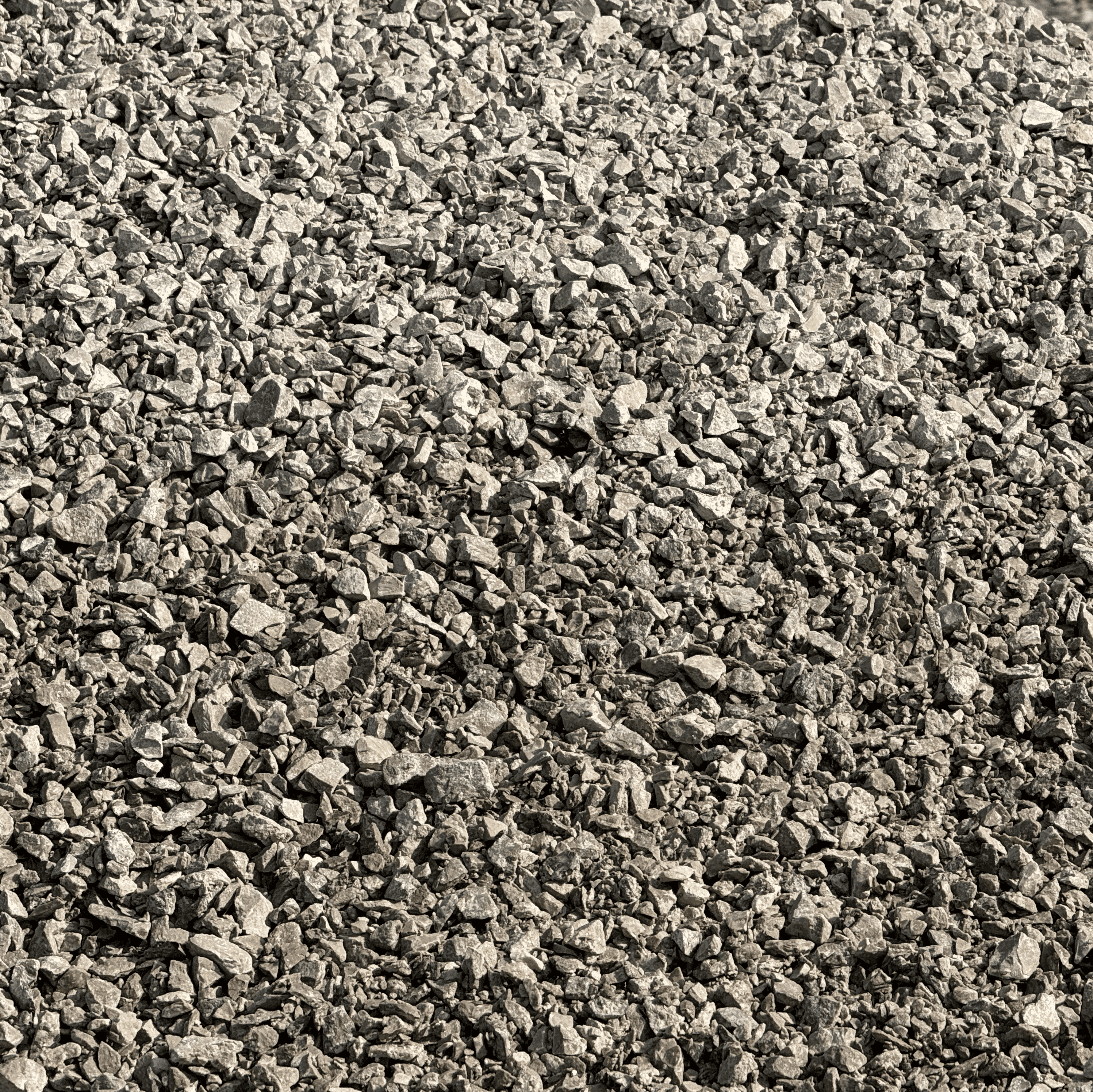
Toma Crusher Run como ejemplo. Tiene una gama completa de tamaños — piezas grandes, piezas más pequeñas y polvo fino. Cuando lo compactas, esas partículas más pequeñas llenan los huecos entre las más grandes. Todo se traba y terminas con una base apretada y sólida. Por eso funciona tan bien para entradas de vehículos y patios.
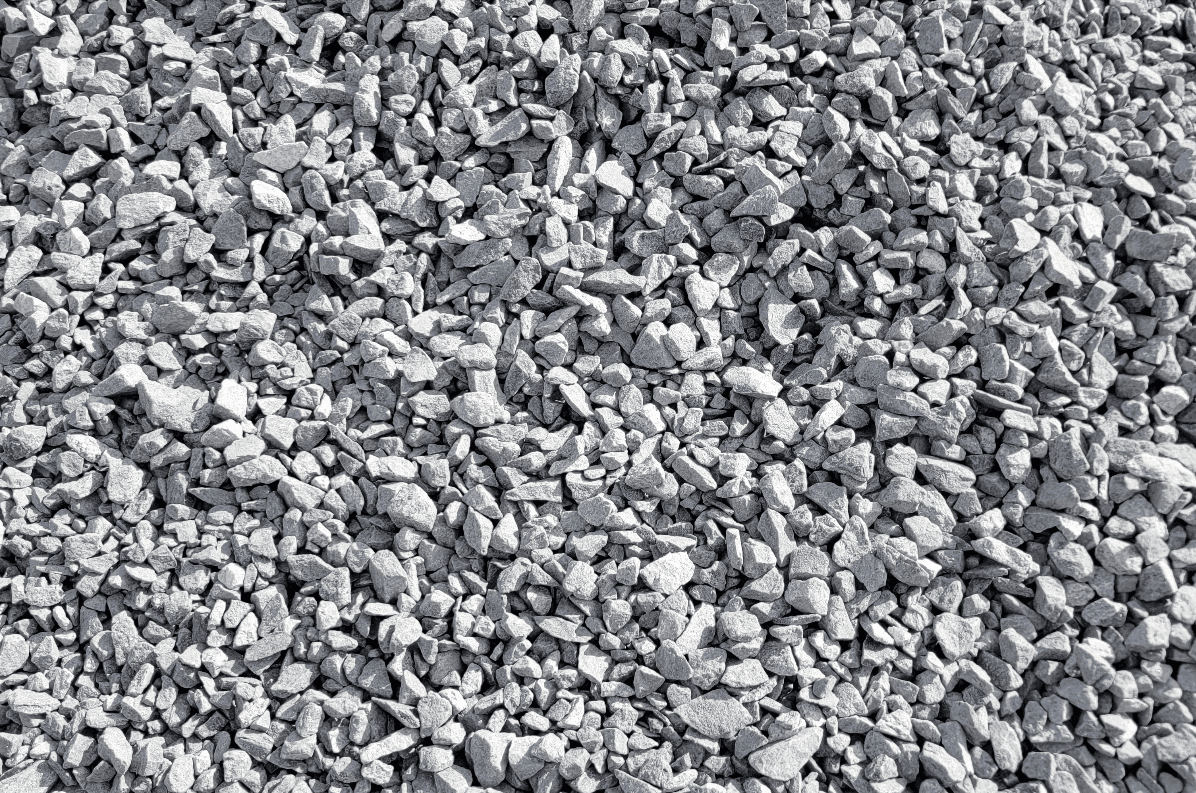
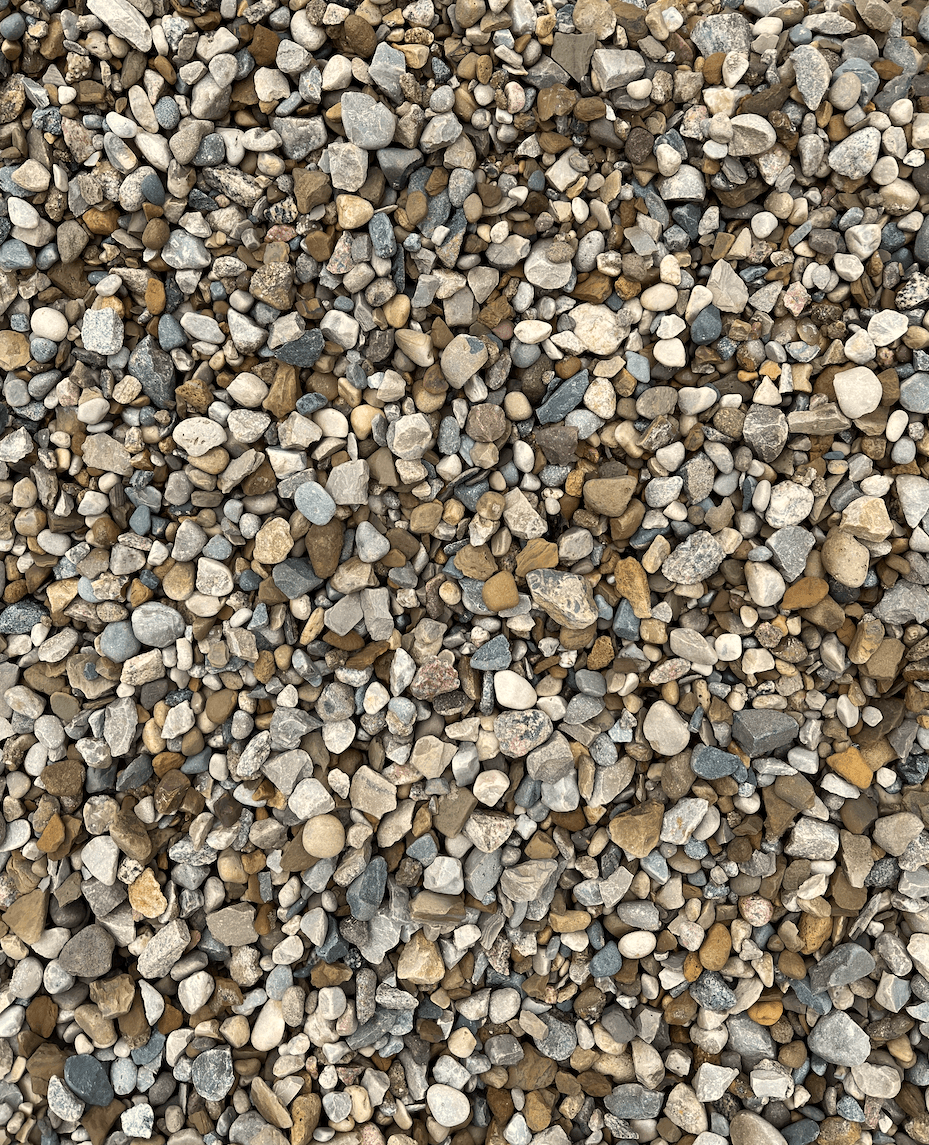
Ahora mira la #57 stone. Es principalmente de un solo tamaño, casi sin polvo ni partículas más pequeñas. Como no hay nada llenando los huecos, no se traba de la misma manera. En cambio, permanece más abierta, lo que permite que el agua pase fácilmente. Eso es lo que la hace excelente para el drenaje.
La arena está en el extremo opuesto. Está compuesta por partículas muy pequeñas, por lo que se esparce fácilmente y crea una superficie lisa. Eso es perfecto para nivelar o servir de cama, pero no tiene la estructura para soportar peso por sí sola.
Así que cuando la gente habla de elegir el material correcto, lo que realmente está eligiendo es la gradación correcta — si necesitan algo que se trabe firmemente, drene libremente o nivele limpiamente.
Hay dos categorías principales de piedras:
Materiales de gradación densa (compactantes)
Estos incluyen materiales como Crusher Run. Contienen:
- Piezas de piedra más grandes
- Agregado más pequeño
- Polvo fino (llamado "finos")
Esos finos llenan los huecos entre las piedras más grandes, lo que permite que el material se trabe firmemente cuando se compacta.
👉 Resultado: base fuerte y estable


Materiales de gradación abierta (drenaje)
Estos incluyen materiales como #57 stone. Son principalmente:
- Piedra de tamaño uniforme
- Poco o ningún fino
Como no hay nada llenando los huecos, el agua se mueve libremente a través del material.
👉 Resultado: excelente drenaje, pero poca compactación


¿Dónde encaja la arena?
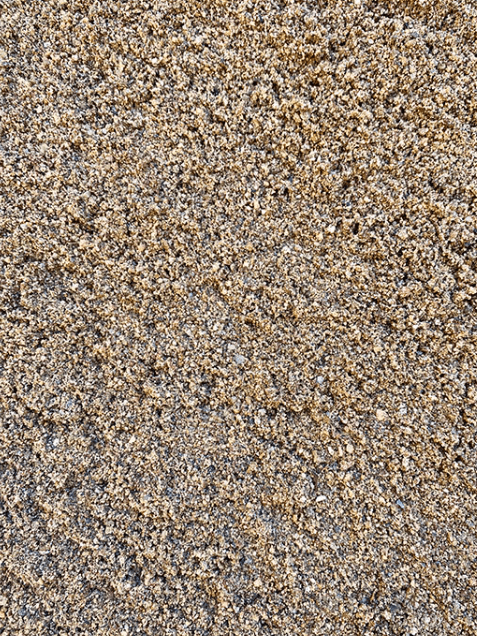
La mayoría de las arenas de construcción (como la concrete sand) son: Densa-gradada (o al menos "bien gradada")
Porque:
- Contienen una gama de tamaños de partículas pequeñas
- Los granos más pequeños llenan los huecos entre los granos más grandes
- Pueden compactarse y crear una superficie firme
Una sola gran diferencia — finos vs. sin finos — es lo que separa la mayoría de los materiales.
Cómo la arena, la piedra y la grava trabajan juntas en una obra
Una vez que entiendes la gradación, el siguiente paso es ver cómo se usan realmente estos materiales en proyectos reales.
Aquí es donde se aclara mucha confusión.
Diferentes tipos de arena de construcción
La arena se habla como si fuera un solo producto, pero en una obra se usa de manera muy diferente según qué tan fina sea y qué tan limpia esté procesada.
Concrete sand suele ser la opción más práctica para la construcción general. Es lo bastante gruesa para mantenerse manejable sin convertirse en polvo, lo que la hace ideal para nivelar adoquines o como cama bajo losas. Se esparce limpiamente, mantiene su forma suficientemente bien durante la instalación y te da una superficie consistente para trabajar.
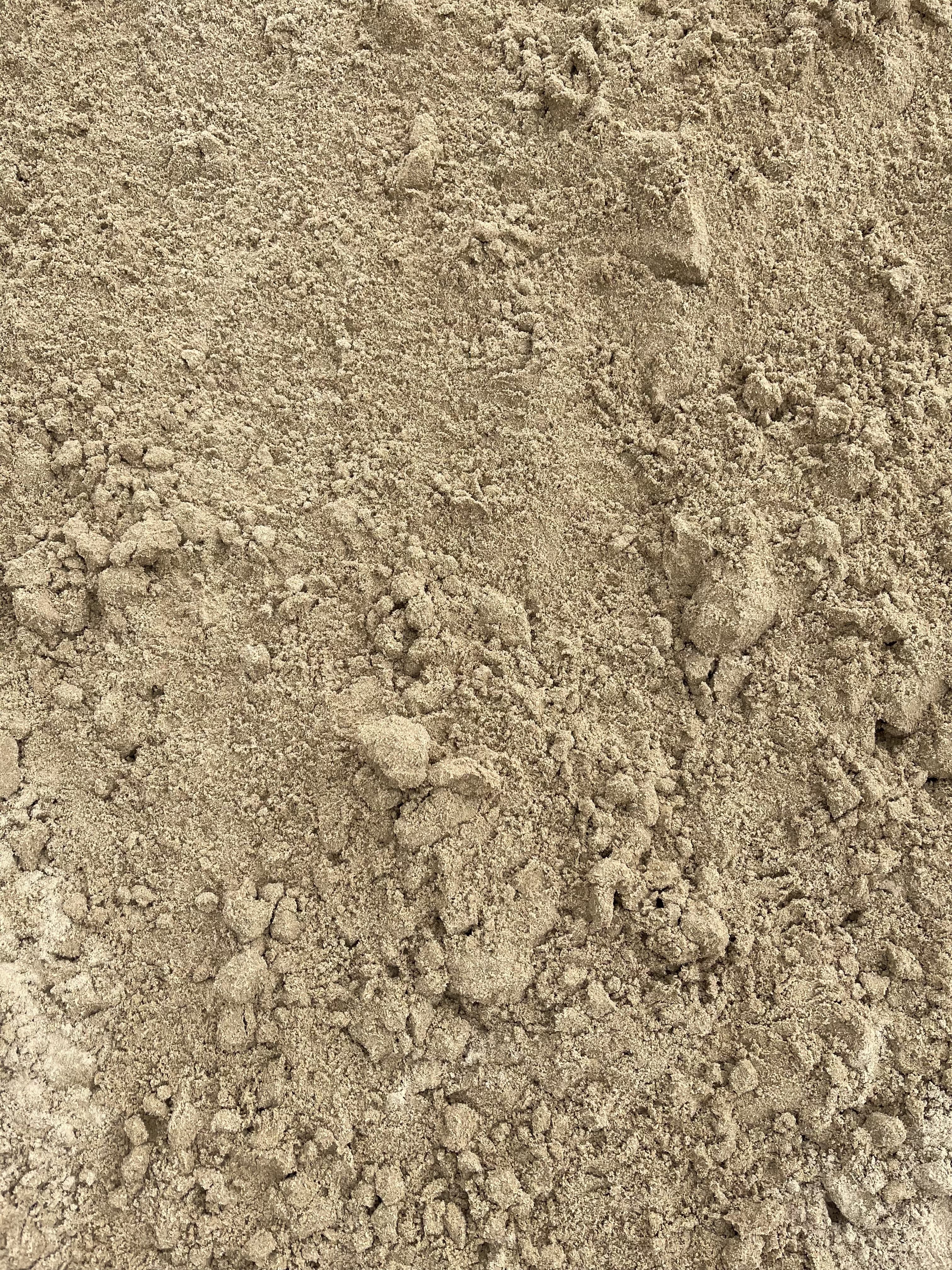
Mason sand es un paso más fina. Es más suave, más uniforme y normalmente está lavada más limpiamente. Por eso se usa para mortero, albañilería y nivelación de acabado donde la apariencia importa más que el rendimiento estructural. Se ve mejor y se siente más fácil de trabajar, pero no está pensada para soportar carga.
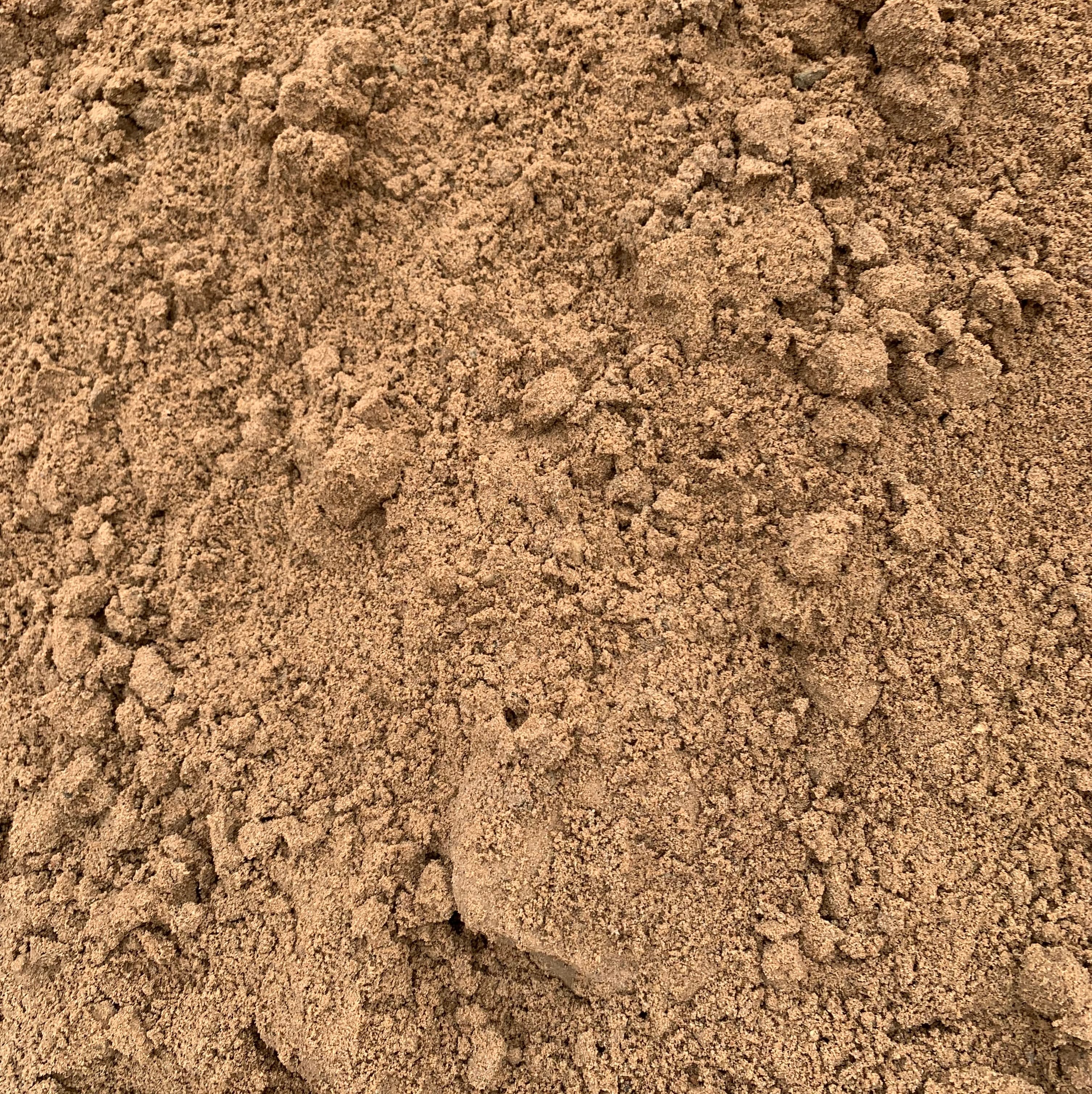
Fill sand es diferente otra vez. No se trata de precisión — se trata de volumen. Se usa para subir el nivel, rellenar puntos bajos o nivelar áreas antes de que se coloque mejor material encima. Normalmente está menos procesada y es más económica, lo que la convierte en la elección práctica cuando necesitas cobertura, no acabado.
Donde la gente se mete en problemas es asumiendo que, como la arena se compacta, puede actuar como base.
No puede — al menos no para nada que deba durar.
La arena es excelente para nivelar, pero si se usa como capa estructural principal, tiende a desplazarse o asentarse con el tiempo, especialmente cuando interviene el agua. Por eso casi siempre se combina con un material más fuerte debajo.
Diferentes tipos de piedra triturada
Una vez que pasas de la arena a la piedra, estás trabajando con los materiales que dan al proyecto su estructura real. Pero incluso aquí, no toda la piedra hace el mismo trabajo. Algunas piedras son mejores para base profunda, otras para compactación, otras para drenaje y otras para la capa superior.
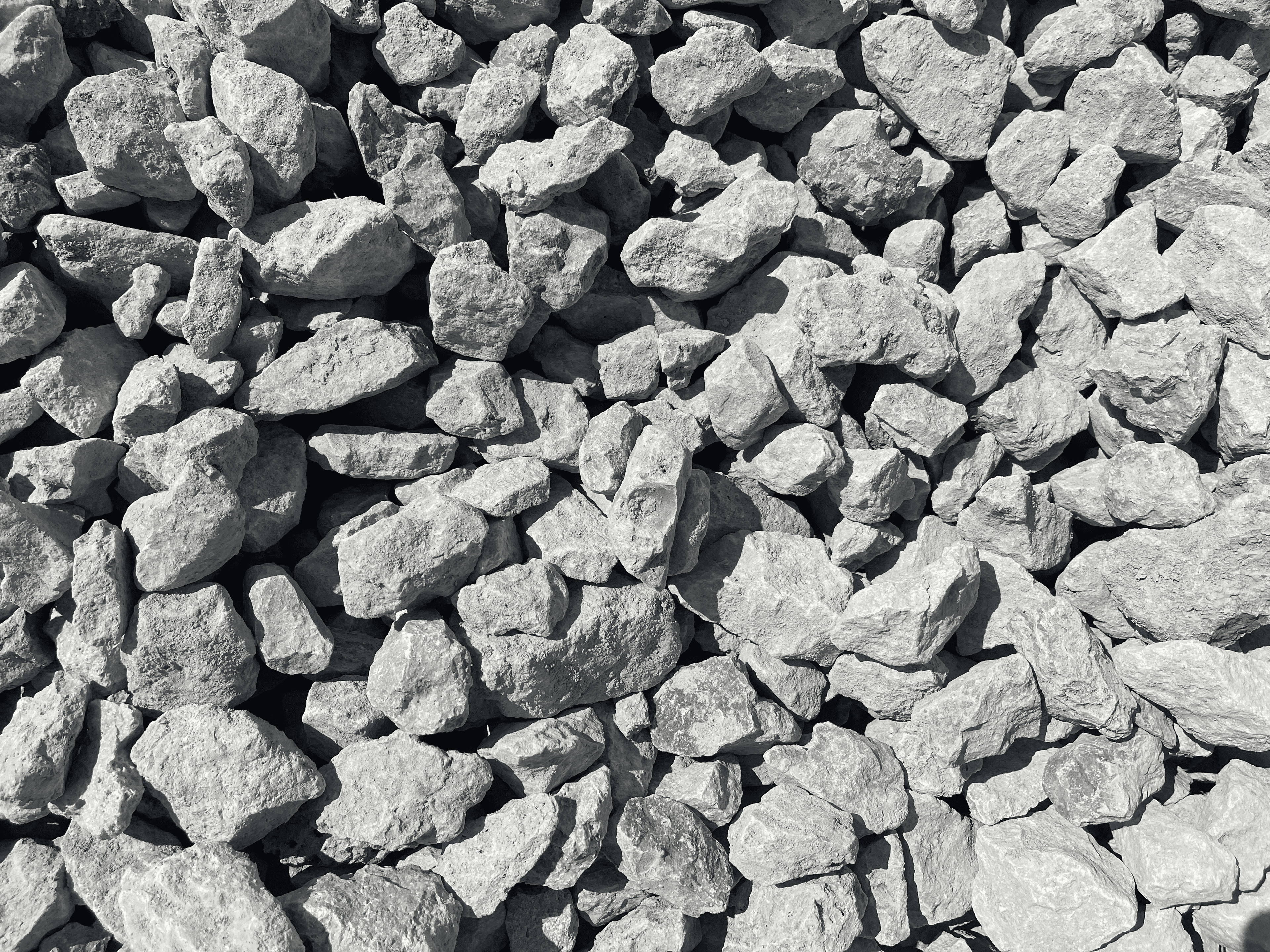
#2 stone es normalmente donde comienza la base pesada. Es una piedra más grande, a menudo de unos 2 a 3 inches, y se usa cuando necesitas construir una capa de cimentación sobre suelo más blando o crear una sub-base fuerte. Como las piezas son tan grandes, deja mucho espacio abierto y ayuda con la estabilidad y el drenaje debajo. Por sí sola, sin embargo, es demasiado gruesa para una superficie de acabado. Es más una capa inicial que final.
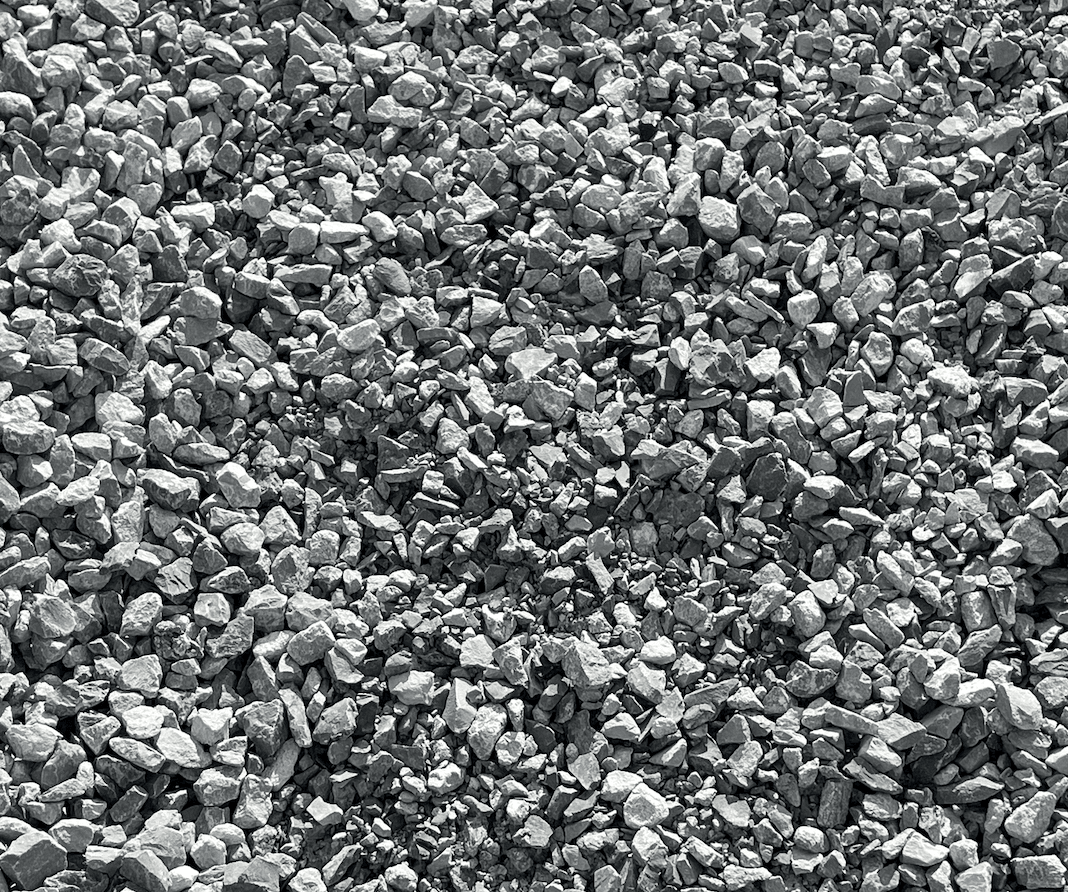
Encima de eso, a menudo verás Crusher Run u otro material base de gradación densa. Esta es una de las opciones más comunes porque crea una capa estable y compactable. Contiene una mezcla de tamaños, desde finos hasta piedra triturada más grande, y al compactarse, las partículas más pequeñas llenan los huecos mientras la piedra más grande se traba. Eso es lo que te da una base dura y confiable bajo entradas de vehículos, patios y otras áreas que soportan carga.
#57 stone funciona de manera diferente. Es una piedra limpia, de tamaño medio, normalmente de unos tres cuartos de inch a uno inch, con poco o ningún fino. Como no hay nada llenando los huecos, no se compacta en una masa apretada como lo hace Crusher Run. En cambio, permanece más abierta, que es exactamente por lo que funciona tan bien para el drenaje. Alrededor de cimentaciones, en drenajes franceses o detrás de muros de contención, #57 suele ser la mejor opción porque el agua puede moverse a través en lugar de quedar atrapada.
#8 stone o #11 stone son piedras limpias más pequeñas que se usan a menudo como capa superior o capa de acabado en ciertos sistemas. Son mucho más fáciles de caminar sobre ellas que la #57 y pueden crear una superficie más ordenada. En algunas aplicaciones, especialmente caminos, patios o cama de tuberías, se usan encima de una capa base más grande porque dan un acabado más refinado manteniendo algo de drenaje. No suelen ser tu base estructural principal, pero juegan un papel importante más arriba en el sistema.
Pea Gravel es diferente otra vez porque la forma importa tanto como el tamaño. Es más pequeña y redondeada, no angular como la piedra triturada. Por eso, no se traba bien y tiende a desplazarse más fácilmente. Eso la hace mejor para áreas decorativas, caminos de uso ligero o paisajismo, pero no para base estructural.
La forma más fácil de pensarlo es así:
- #2 stone = base profunda / sub-base
- Crusher Run = base estructural compactada
- #57 stone = capa de drenaje
- #8 o #11 stone = capa superior más pequeña / agregado de acabado
- Pea Gravel = superficie decorativa o de uso ligero
Y una regla simple sigue siendo cierta:
👉 Piedra triturada angular = fuerza y estructura
👉 Piedra redondeada = apariencia y uso más ligero
La mayoría de los proyectos no dependen de un solo material — dependen de capas trabajando juntas.
Toma un patio de adoquines como ejemplo. La fuerza viene de una base compactada, normalmente algo como Crusher Run. Encima, añades una fina capa de concrete sand para poder nivelar la superficie antes de colocar los adoquines. La arena ayuda con el ajuste, pero la base es lo que realmente soporta la carga.
Las entradas de vehículos siguen la misma idea. Lo que ves encima — grava, asfalto o cualquier otra cosa — no es lo que la mantiene en pie. La base debajo está haciendo ese trabajo. Si la base es débil, la superficie no lo arreglará.
Los sistemas de drenaje son la excepción porque están resolviendo un problema diferente. En lugar de fuerza, el objetivo es el movimiento del agua. Por eso se usa piedra limpia como #57. Agregar finos o compactar materiales en esas situaciones normalmente reduce el rendimiento en lugar de mejorarlo.
Una vez que empiezas a pensar en términos de capas y función, en lugar de solo nombres de productos, todo el sistema se vuelve más fácil de entender.
La mayoría de los errores vienen de intentar usar un material para todo.
Usar solo arena como base porque es fácil de esparcir.
Usar #57 stone bajo adoquines pero sin compactación.
Usar grava decorativa donde se necesita una base compactada.
Estas configuraciones pueden verse bien al principio, pero con el tiempo empiezan a fallar — normalmente tras la lluvia, el tráfico o los cambios estacionales.
Y la parte frustrante es que la mayoría de esos fallos son predecibles.
Si algo necesita soportar peso, debe estar compactado y entrelazado.
Si necesita drenar, debe permanecer abierto.
Si necesita nivelar una superficie, ahí es donde la arena pertenece.
Es simple, pero es la diferencia entre hacerlo una vez y hacerlo dos veces.
¿Qué ahorra dinero realmente?
Mucha gente intenta ahorrar dinero recortando en la base, sobre todo porque no es visible cuando el trabajo está terminado.
Eso normalmente acaba siendo el error más caro.
Si la base falla, no solo estás reemplazando material — estás rehaciendo mano de obra, arreglando el nivel y lidiando con un proyecto que debería haber durado más. Usar el material correcto desde el principio casi siempre cuesta menos que arreglarlo después.
Especialmente al pedir materiales a granel, la mejor decisión es conseguir el producto correcto una vez en lugar de intentar hacer que el producto equivocado funcione.
Qué usar para trabajos comunes
Para la mayoría de entradas de vehículos y capas base estructurales, Crusher Run suele ser la opción más segura porque se compacta firmemente y crea una base estable que realmente puede soportar peso con el tiempo. Si estás construyendo sobre suelo más blando o necesitas profundidad extra, es común empezar aún más abajo con #2 stone como sub-base, y luego volver encima con Crusher Run para trabar todo.
Para sistemas de drenaje, relleno de cimientos o drenajes franceses, #57 stone es la mejor opción porque permite que el agua se mueva libremente en lugar de quedar atrapada. En algunas configuraciones, especialmente alrededor de tuberías o en sistemas de drenaje más refinados, la piedra limpia más pequeña como #8 o #11 se puede usar encima de la #57 para crear una capa más apretada y uniforme manteniendo el drenaje.
Para instalaciones de adoquines, el sistema normalmente funciona en capas. Una base compactada como Crusher Run (o una base más profunda empezando con #2) proporciona la fuerza, y luego concrete sand se añade encima como una capa fina de cama para poder nivelar todo correctamente antes de colocar los adoquines.
Para mortero, albañilería y trabajo de acabado detallado, mason sand es más adecuada por su textura más fina y apariencia más limpia. Es más fácil de trabajar cuando la precisión importa, pero no está pensada para reemplazar materiales estructurales debajo.
Y para rellenar áreas bajas o elevar el nivel antes de construir tu base real, fill sand suele ser la opción práctica. Te da el volumen que necesitas sin pagar de más por un material más refinado que no es necesario en esa etapa.
Si das un paso atrás, la mayoría de los proyectos siguen la misma idea básica: empezar con piedra más grande para soporte, pasar a material compactable para fuerza y terminar con material más fino para nivelar.