Cuando compras materiales a granel como asphalt millings, #57 stone o crusher run, al principio muchos pueden parecer iguales.
Pero en realidad, estos materiales se comportan de forma muy diferente, y elegir el equivocado es una de las formas más rápidas de malgastar dinero en un proyecto.
La mayoría de las personas que buscan términos como crusher run near me, #57 stone for drainage, o asphalt millings for driveway ya están planificando un trabajo. Lo único que queda es elegir el material adecuado.
Esta guía lo explica en términos sencillos para que sepas exactamente qué usar y cuándo.
Asfalto tamizado vs. sin tamizar (millings)
Los asphalt millings son asfalto reciclado, pero la forma en que se procesan marca una gran diferencia.


Screened Asphalt Millings
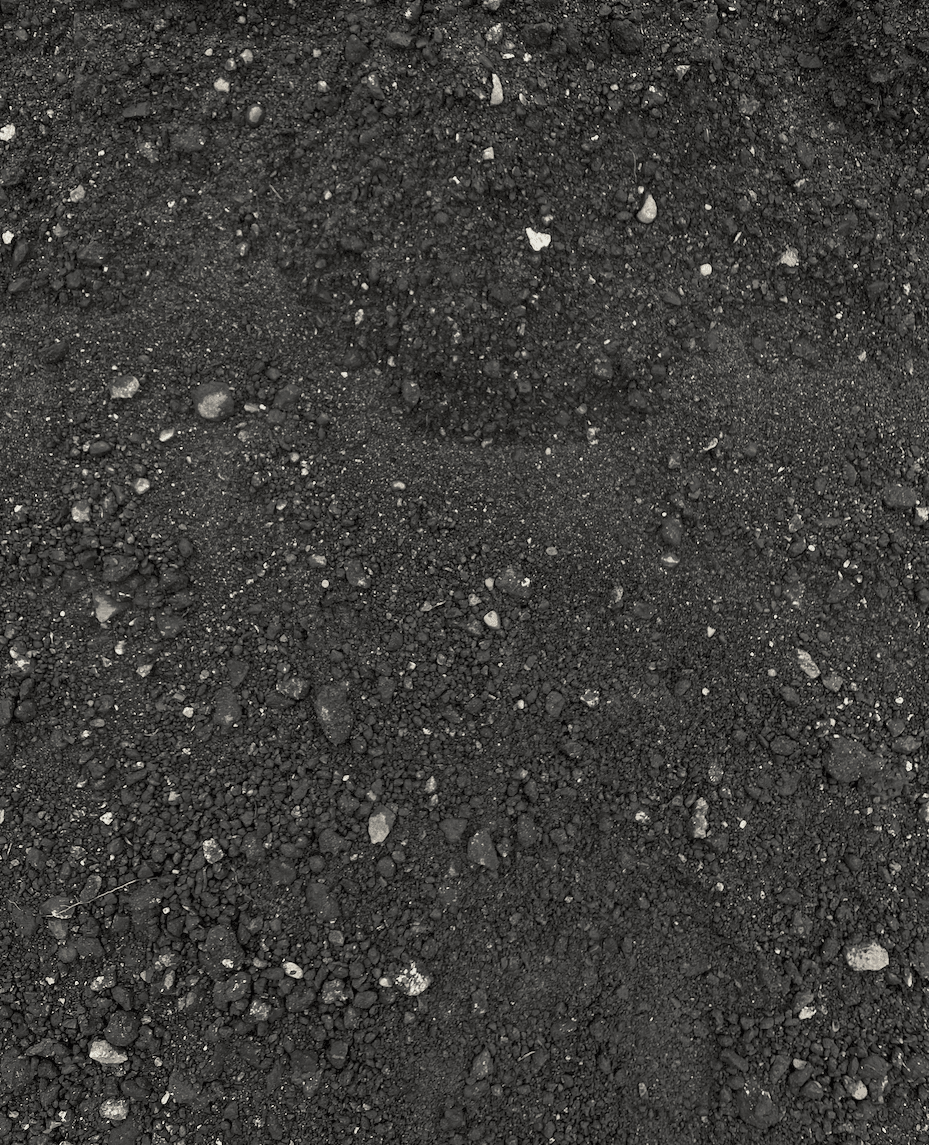
Los screened millings se procesan para eliminar trozos demasiado grandes y crear un tamaño más consistente.
Normalmente se utilizan para:
- Entradas de vehículos
- Áreas de estacionamiento
- Superficies donde quieres un acabado más limpio
Debido a que el material es más uniforme, se extiende más fácil y se compacta mejor, dándote una superficie más compacta y acabada.
Unscreened Asphalt Millings
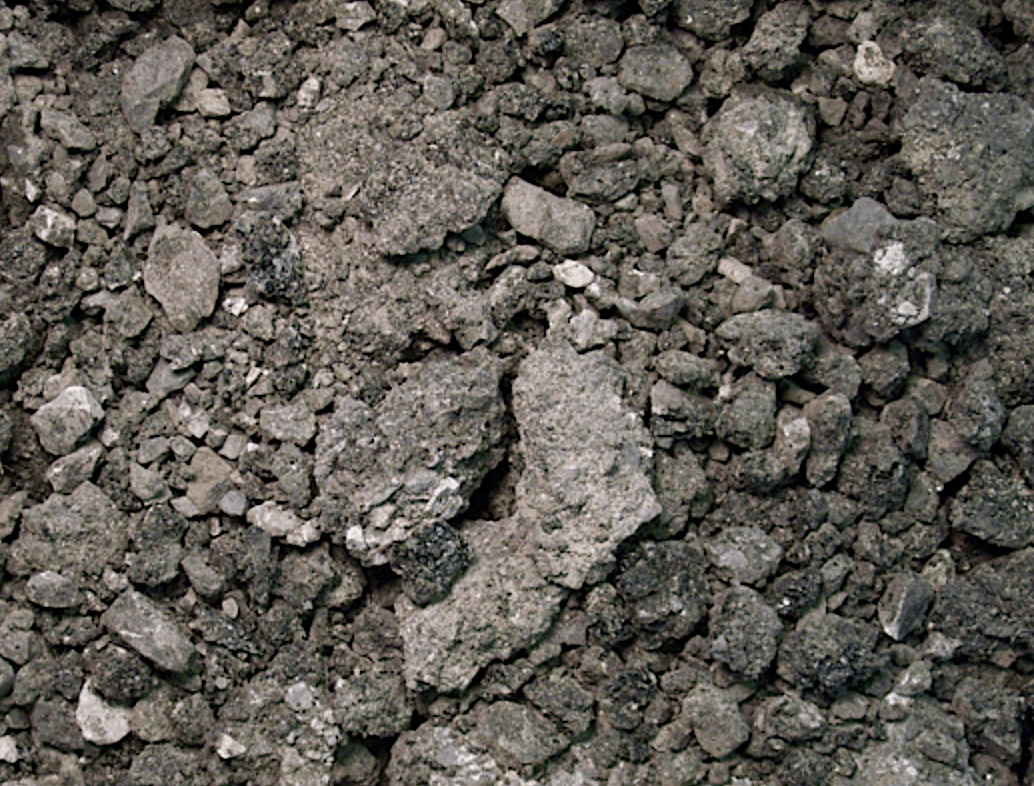
Los unscreened millings son más en bruto. Obtendrás una mezcla de material fino y trozos más grandes.
Normalmente se utilizan para:
- Capas de base
- Caminos rurales o temporales
- Proyectos donde la apariencia no importa
Son más baratos, pero menos predecibles. Puede que necesites nivelación adicional o más pasadas para lograr un resultado uniforme.
#57 Stone vs. Crusher Run
Estos dos se confunden todo el tiempo, pero cumplen funciones completamente diferentes.


#57 Stone
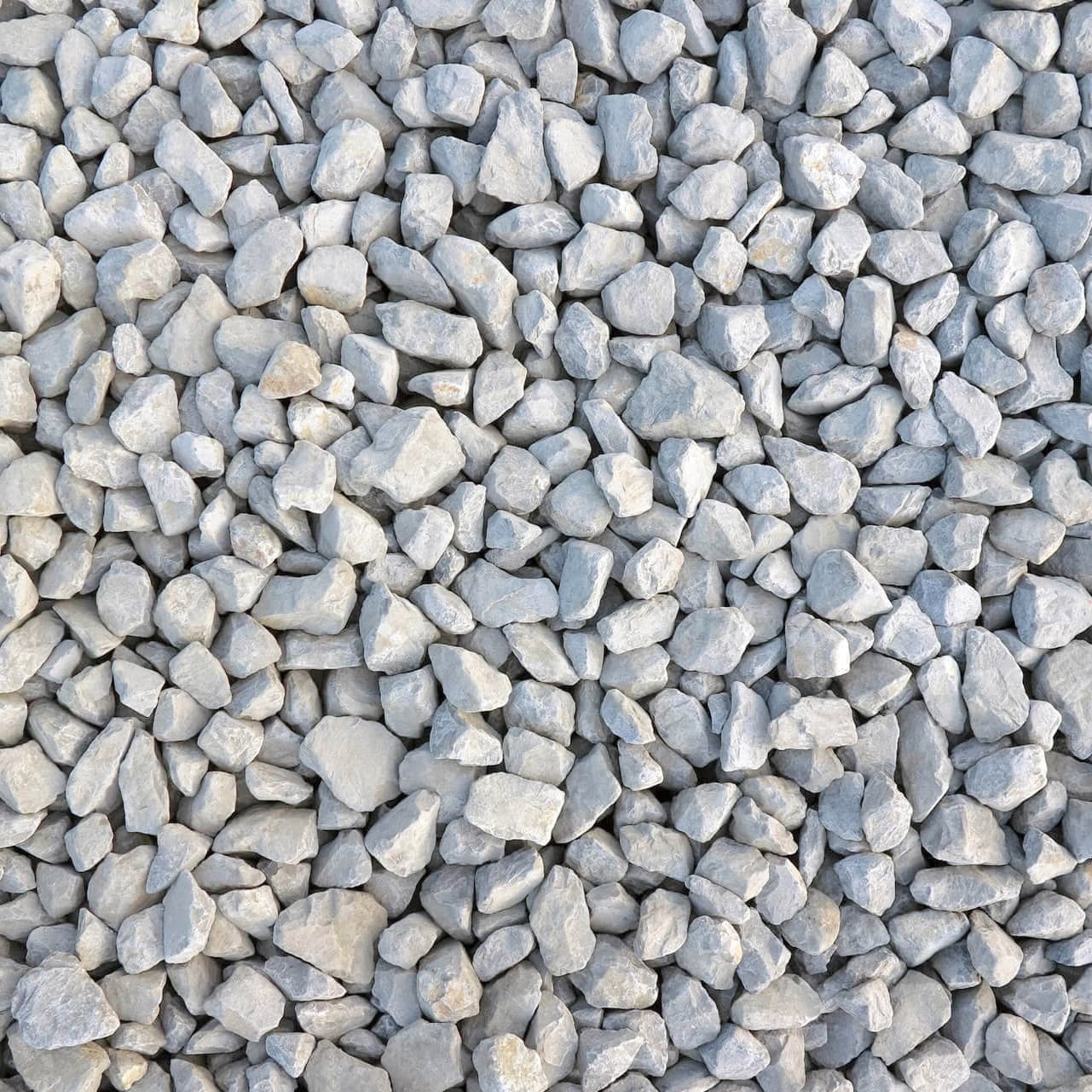
El #57 stone es grava limpia de tamaño medio (aproximadamente ¾”–1”) sin polvo.
Es el mejor para:
- Drenaje (drenajes franceses, alrededor de cimientos)
- Áreas donde el agua necesita moverse
- Bajo concreto en algunas aplicaciones
Debido a que no contiene finos, no se compacta firmemente — que es exactamente por lo que el agua puede fluir a través de él.
Crusher Run
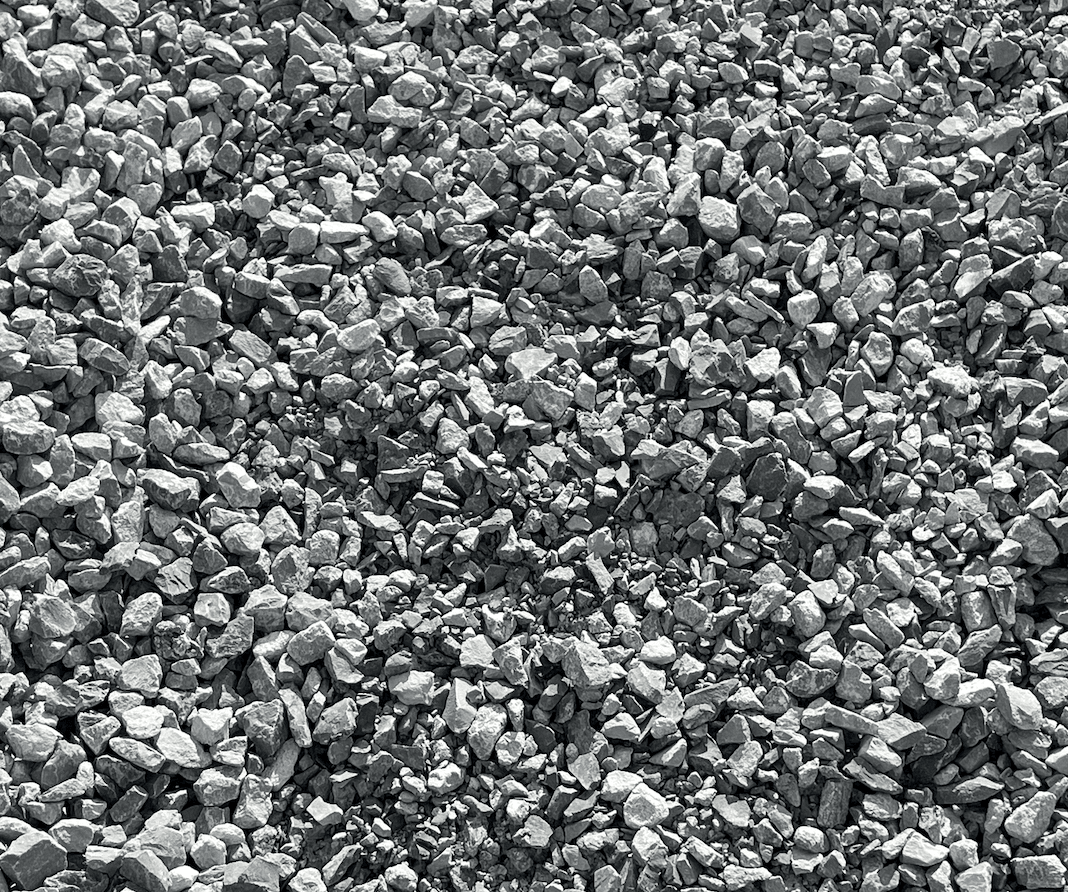
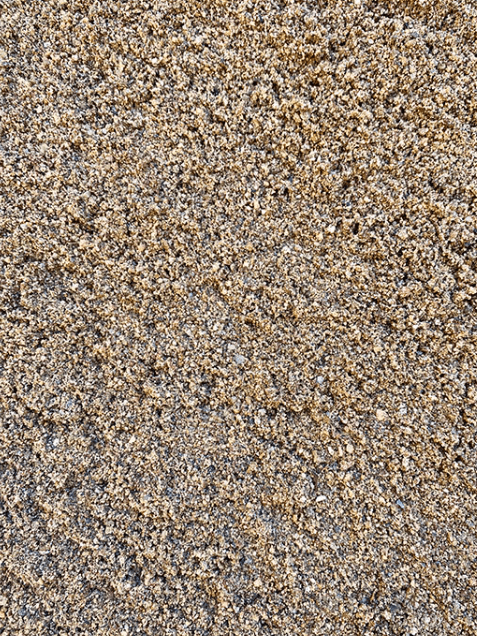
El crusher run es una mezcla de piedra triturada y polvo de piedra.
Es el mejor para:
- Base de entrada de vehículos
- Base de carreteras
- Soporte de cimientos
El polvo rellena los huecos entre la piedra, permitiéndole compactarse en una superficie dura y estable.
Si necesitas algo que realmente soporte peso, esta suele ser la mejor opción.
Mejores casos de uso (mundo real)
Esto es lo que realmente funciona en trabajos reales:
- Entrada de vehículos (largo plazo) → Base de crusher run + asfalto tamizado encima
- Opción económica de entrada de vehículos → Solo asfalto tamizado
- Sistema de drenaje → Solo #57 stone
- Base bajo patio o losa → Crusher run
- Camino o acceso temporal → Asfalto sin tamizar
Peores casos de uso (qué evitar)
Aquí es donde la gente pierde dinero:
- Usar #57 stone como base → no se compactará, las cosas se moverán
- Usar crusher run para drenaje → atrapa el agua
- Usar asfalto sin tamizar como capa de acabado → superficie rugosa e irregular
- Usar asfalto tamizado sin preparación → puede fallar si la base es débil
Cómo elegir el material adecuado (guía real de instalación)
Si no estás seguro, no elijas solo un material: piensa en capas.
La mayoría de los proyectos sólidos utilizan una combinación.
Entrada de vehículos (mejor configuración a largo plazo)
Si quieres algo que realmente dure:
- Capa base → Crusher run (4–6 inches, compactado)
- Capa superior → Screened asphalt millings
Por qué funciona:
- El crusher run te da una base sólida y compacta
- El asfalto tamizado te da una superficie lisa y transitable
👉 Este es el mejor equilibrio entre costo + durabilidad
Opción económica para entrada de vehículos
Si quieres algo más barato y rápido:
- Base → Unscreened asphalt millings
- Capa superior → (opcional) Screened asphalt
Por qué:
- El sin tamizar rellena huecos y construye grosor de forma económica
- El tamizado encima mejora el acabado
👉 Bueno para entradas rurales o temporales
Proyectos de drenaje (drenaje francés, alrededor de cimientos)
Mantenlo simple:
- Usa solo #57 stone
Por qué:
- Permite que el agua fluya libremente
- Sin finos = sin obstrucciones
⚠️ No añadas crusher run aquí — atrapará el agua
Base de patio / adoquines
- Base → Crusher run (compactado)
- Segunda capa → Concrete / mason sand
- Capa superior → Adoquines
👉 NO uses #57 stone como base aquí — no se bloqueará
¿Cuándo PUEDES usar #57 para adoquines?
Funciona bien si:
- Quieres un patio permeable
- Instalas 4–8+ inches de piedra
- Compactas en capas
- Usas una capa de asiento adecuada (arena o chip stone)
- Tienes restricciones de borde
👉 Esto se acerca más a instalaciones comerciales / profesionales
Base en bruto / áreas de relleno
Si solo estás nivelando el terreno:
- Comienza con asfalto sin tamizar
- Compacta
- Añade mejor material encima si es necesario
👉 Esto ahorra dinero cuando el acabado no importa
Regla simple para recordar
- Crusher run = estructura (soporta peso)
- #57 stone = drenaje (mueve el agua)
- Asfalto tamizado = superficie (se conduce sobre él)
- Asfalto sin tamizar = relleno a granel (base barata)