Si llevas suficiente tiempo dirigiendo obras de construcción, sabes cómo empieza esta conversación.
“No pagues por la entrega. Enganchamos el remolque, agarramos la piedra y volvemos.”
A veces funciona. ¿Una recogida rápida de arena para una reparación pequeña? Claro. Pero en la mayoría de los trabajos, acarrear tú mismo materiales a granel solo parece más barato porque la gente compara una sola línea —la tarifa de entrega— e ignora el resto del día.
Ese es el verdadero problema.
La comparación no es solo recogida vs. entrega. Es producción vs. tiempo muerto.
Cuando un camión deja el sitio, ese camión no está disponible para herramientas, movimiento de la cuadrilla ni viajes de último minuto por suministros. Cuando una persona se va con él, esa persona ya no está nivelando, compactando, colocando encofrados ni terminando el trabajo. Si hay fila en la cantera, si el cargador está ocupado, si el remolque es más pequeño de lo esperado, o si el trabajo requiere más de un viaje, tu carga “barata” se vuelve cara muy rápido.

La tarifa de entrega es solo una parte del costo
Muchos contratistas miran la entrega y piensan: “Ese es el cargo extra”.
Pero el acarreo propio tiene sus propios cargos extra. Solo son más fáciles de pasar por alto.
Empieza por la mano de obra. Cuenta a la persona que conduce. Cuenta a la cuadrilla esperando. Cuenta el tiempo de carga, amarre, cubrir con lona, descarga, limpieza, y cualquier manipulación repetida una vez que el material llega al sitio.
Luego suma el camión.
El combustible importa. Los neumáticos importan. Los frenos importan. El desgaste de la suspensión importa. El uso del remolque también importa, ya sea alquilado, prestado o propio.
Luego está el mayor costo oculto de todos: el doble manejo.
El material se carga en el patio, se acarrea al sitio, y luego se mueve otra vez a mano o con máquina. Ese es tiempo que pagas dos veces.
Y después viene el error que arruina las cuentas: el segundo viaje.
Te quedas un poco corto. Un viaje más se convierte en otra hora o dos. La cuadrilla pierde el ritmo. El equipo queda parado. El trabajo se desvía.
Así es como desaparecen los márgenes.
Una forma sencilla de comparar ambas opciones
Antes de decidir, haz las cuentas así:
Costo de acarreo propio = tiempo del conductor + tiempo muerto de la cuadrilla + combustible + desgaste del camión + costo del remolque + tiempo de carga/descarga + riesgo de segundo viaje
Costo de entrega = material + entrega + una breve ventana de descarga/acopio
Esa es la comparación que realmente importa en una obra de construcción.
Cuándo sigue teniendo sentido acarrear tú mismo
El acarreo propio no siempre es la decisión equivocada.
Puede tener sentido cuando el trabajo es pequeño, el patio de materiales está cerca, la carga es liviana, y ya tienes el camión y remolque adecuados sin usar. También tiene sentido cuando la programación es flexible y nadie en el sitio está esperando esa carga para seguir avanzando.
Una reparación puntual, una carga pequeña de arena de albañilería, un trabajo de parcheo de último momento, o una recogida rápida para una cuadrilla pequeña todavía pueden valer la pena manejarlos uno mismo.
No toda carga necesita un volquete.
Ese equilibrio es importante, porque el contenido demasiado comercial suele sonar falso. Los contratistas reales saben que hay trabajos en los que acarrear uno mismo está perfectamente bien.
Cuándo suele ganar pedir a granel en línea
La entrega a granel suele ganar cuando el material es pesado, la cantidad supera un viaje fácil, o la programación realmente importa.
Eso incluye trabajos que involucran:
- Crusher Run
- base para carreteras
- grava para entradas de vehículos
- piedra #57
- caliza
- tierra de relleno
- relleno estructural
- tierra vegetal
- arena de concreto
- arena de albañilería
- concreto reciclado
- piedra a granel para drenaje o preparación de base
En esos trabajos, la entrega no es solo cuestión de comodidad. Protege la producción.
Tu cuadrilla se mantiene en tarea. Tu camión sigue disponible. Tu material aparece cuando el sitio está listo para recibirlo. No estás quemando media mañana persiguiendo una carga de piedra mientras el resto del trabajo espera.
Eso importa más de lo que la mayoría de los presupuestos admiten.
El error que cometen los contratistas al comparar precios
Muchos contratistas comparan el acarreo propio y el material entregado de la forma incorrecta.
Preguntan:
“¿Cuánto cuesta la entrega?”
La mejor pregunta es:
“¿Cuánto cuesta sacar un camión y una persona de este trabajo?”
Ese es el número que cambia la decisión.
Si tu capataz se va, eso cuesta dinero. Si tu operador se va, eso cuesta dinero. Si tu peón pierde dos viajes a la cantera y encima tiene que descargar el remolque de vuelta en el sitio, eso también cuesta dinero.
Una vez que le pones precio al día entero en lugar de a una sola línea, la entrega a granel de grava y la entrega de tierra de relleno empiezan a verse mucho más eficientes.
Algunos materiales simplemente conviene pedirlos a granel
Hay materiales que casi siempre son más adecuados para la entrega que para el acarreo propio.
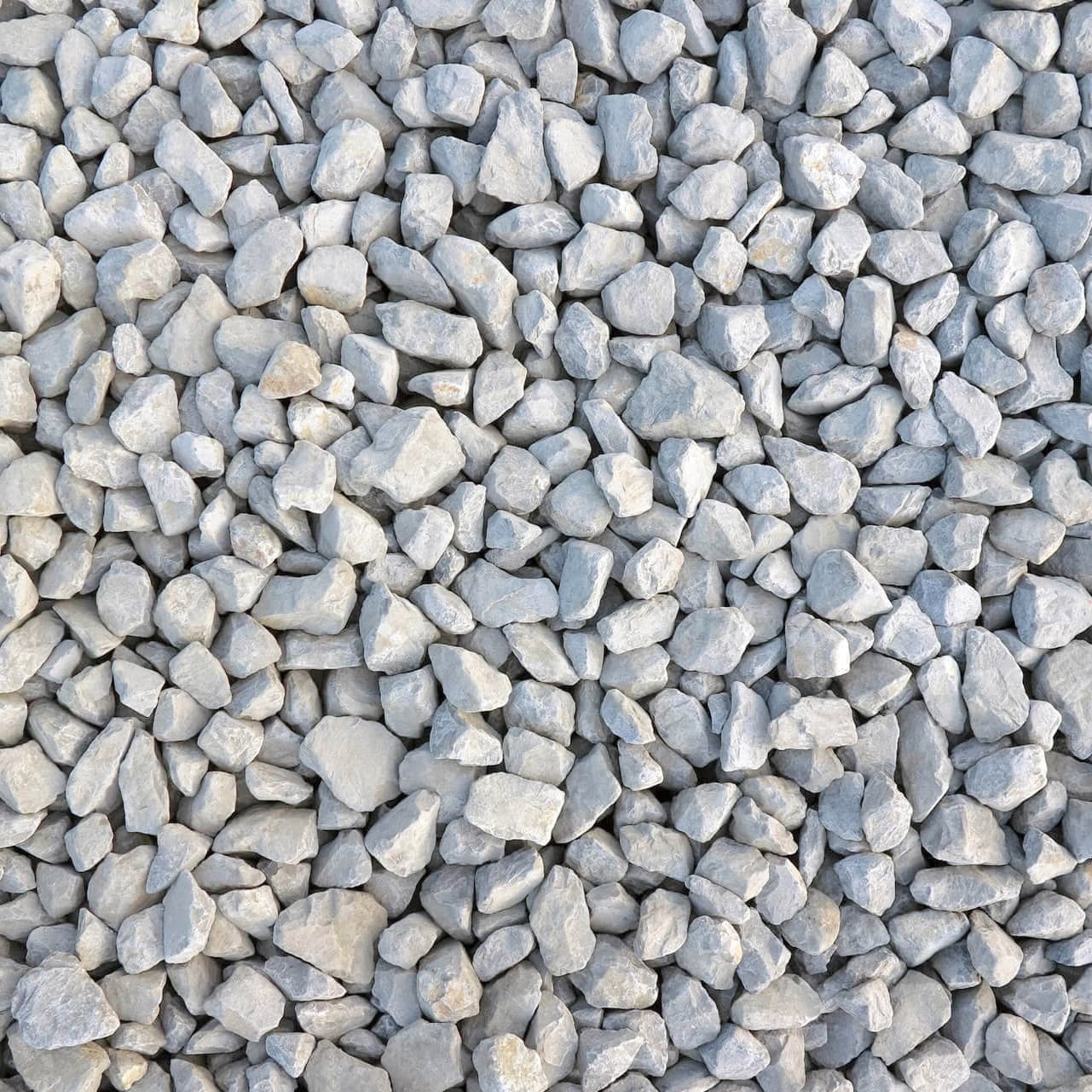
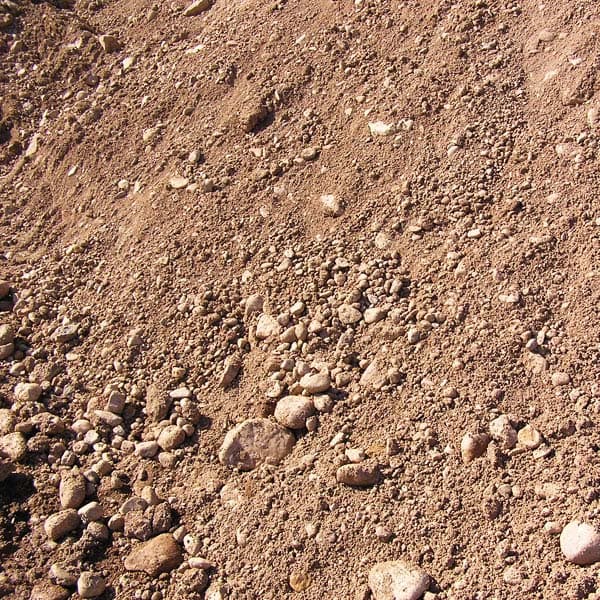
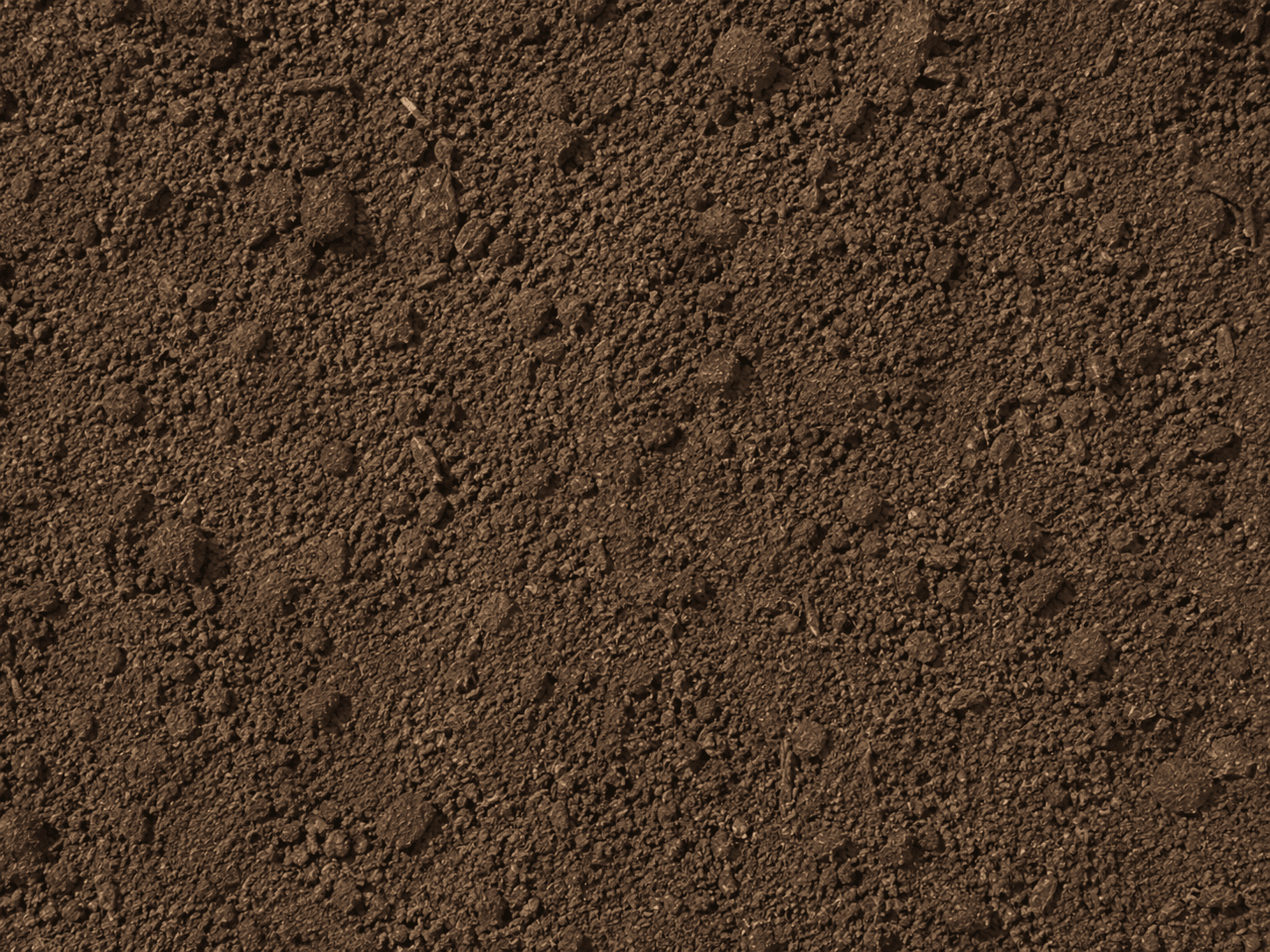
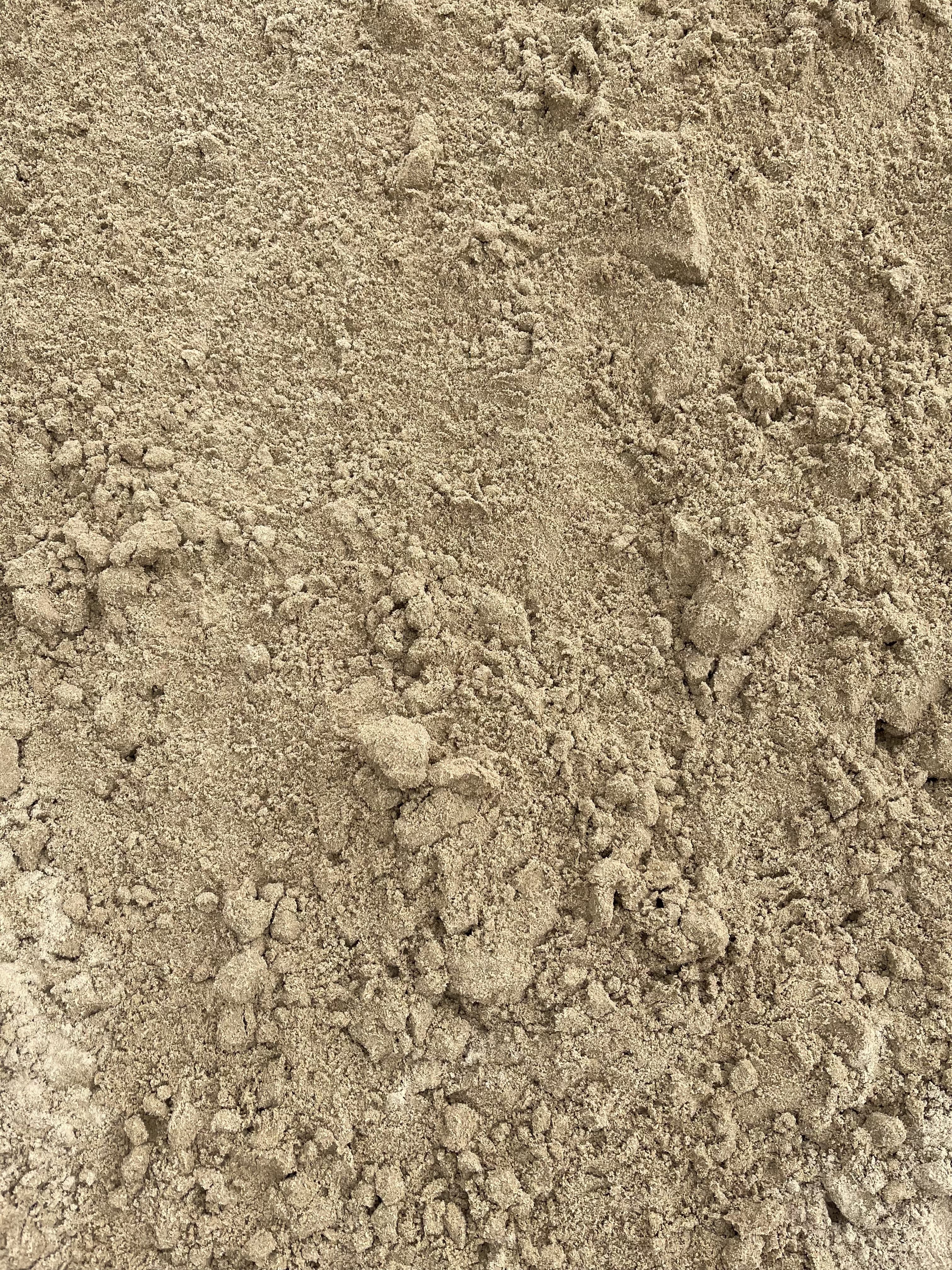
Crusher Run y base para carreteras son ejemplos obvios porque normalmente están ligados a trabajos de compactación, bases, caminos de acceso y entradas de vehículos. La grava de drenaje, la piedra #57, la caliza y el concreto reciclado también suman rápido. La tierra de relleno y la tierra vegetal pueden requerir más viajes de los que la gente espera. La arena de concreto y la arena de albañilería son sucias, fáciles de subestimar, y suelen manejarse mejor en una descarga limpia.
Si el material es denso, sucio o se necesita en cargas repetidas, la entrega a granel suele ser la decisión más limpia.
Ejemplo real de Johnny, IN:
“En un trabajo reciente de base para entrada de vehículos, nuestra cuadrilla pequeña planeaba ahorrar dinero acarreando ellos mismos el Crusher Run. El sitio necesitaba unas 18 a 20 tons, y calcularon que dos cargas de remolque alcanzarían. El primer viaje salió bien, pero la segunda carga se quedó corta, así que tuvieron que volver por un tercer viaje. Entre la espera en la cantera, la carga, el manejo y la descarga, un trabajador y el camión estuvieron ocupados la mayor parte de la mañana. Mientras tanto, el resto de la cuadrilla se ralentizó porque el material no llegaba de forma constante. Para cuando terminaron, habían quemado casi medio día de mano de obra y todavía tenían que esparcir y compactar con prisa. Mirando atrás, el contratista dijo que una sola entrega en volquete habría costado un poco más al inicio, pero habría ahorrado horas de tiempo de la cuadrilla y mantenido el trabajo en el cronograma.”
Una mejor lista de verificación para contratistas antes de enganchar el remolque
Antes de decidir acarrear tú mismo, hazte estas cinco preguntas:
¿Cuántos viajes va a requerir esto realmente?
¿Quién va a dejar el sitio para ir a buscarlo?
¿Qué más debería estar haciendo ese camión hoy?
¿Cómo se ve la descarga cuando vuelva?
¿Qué pasa si nos quedamos cortos?
Si la respuesta apunta a pérdida de tiempo, manipulación extra o un segundo viaje, la entrega suele ser la mejor decisión.
Palabra final
El material más barato no siempre es el que tiene el precio de etiqueta más bajo.
En las obras de construcción, el material más barato es el que llega al sitio a tiempo, mantiene a la cuadrilla en movimiento, y no te inmoviliza el camión medio día.
Así que cuando compares acarrear los materiales tú mismo vs. pedir a granel en línea, ponle precio al día entero, no solo a la carga.
Para contratistas que compran a granel grava, Crusher Run, base para carreteras, tierra de relleno, tierra vegetal, arena, caliza o concreto reciclado, la entrega suele ser la opción más rentable porque protege lo único que los trabajos consumen más rápido: el tiempo.
Pide materiales a granel online a través de AggregateMarkets.com y mantén a tu cuadrilla trabajando donde ganan dinero: en la obra.