Si estás cansado de pasar tus sábados por la mañana peleándote con la cortadora de césped o tirando dinero en un sistema de aspersores que apenas mantiene el césped verde durante una ola de calor texana o una sequía del Medio Oeste, es hora de mirar el paisajismo con arena y roca.
Esto no se trata solo de tirar un poco de grava en una esquina; se trata de construir un entorno funcional y "bien gradado". Cuando lo haces bien, reduces el trabajo del patio en un 75%. No más cortar el césped, no más riegos intensos—solo un aspecto limpio y nítido que maneja la lluvia intensa y el sol de verano como un profesional.
Por qué la arena y la roca funcionan mejor juntas
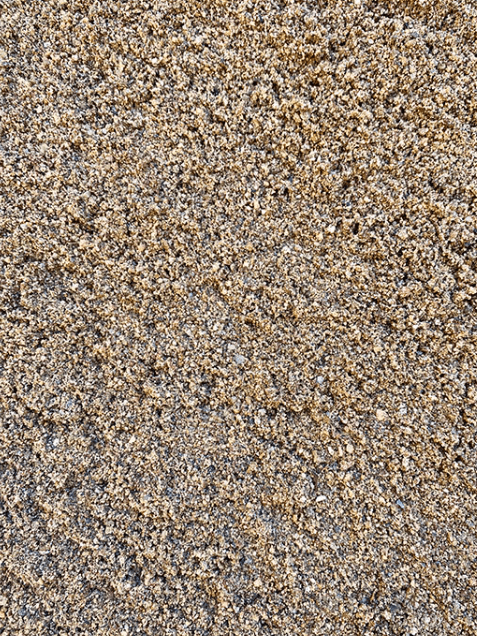
En un patio estándar, las rocas tienden a "hundirse" en la tierra con el tiempo. Esto sucede porque la tierra debajo se ablanda cuando se moja. Al usar una base de Coarse Sand bajo tu piedra decorativa, creas una "capa de transición".
La arena llena los pequeños huecos debajo de las rocas, fijándolas en su sitio. Esto evita que las piedras se desplacen cuando caminas sobre ellas y crea un sistema de drenaje natural que permite que el agua se filtre en el suelo sin crear charcos embarrados o "lavados" cerca de tu cimentación.
Elegir los materiales correctos para el trabajo
No te dirijas simplemente a la tienda de mejoras para el hogar y compres la bolsa más bonita. Necesitas combinar el material con el "caso de uso" de esa parte de tu patio.
1. Los senderos (alto tráfico)
Para las áreas donde realmente te moverás, necesitas estabilidad.
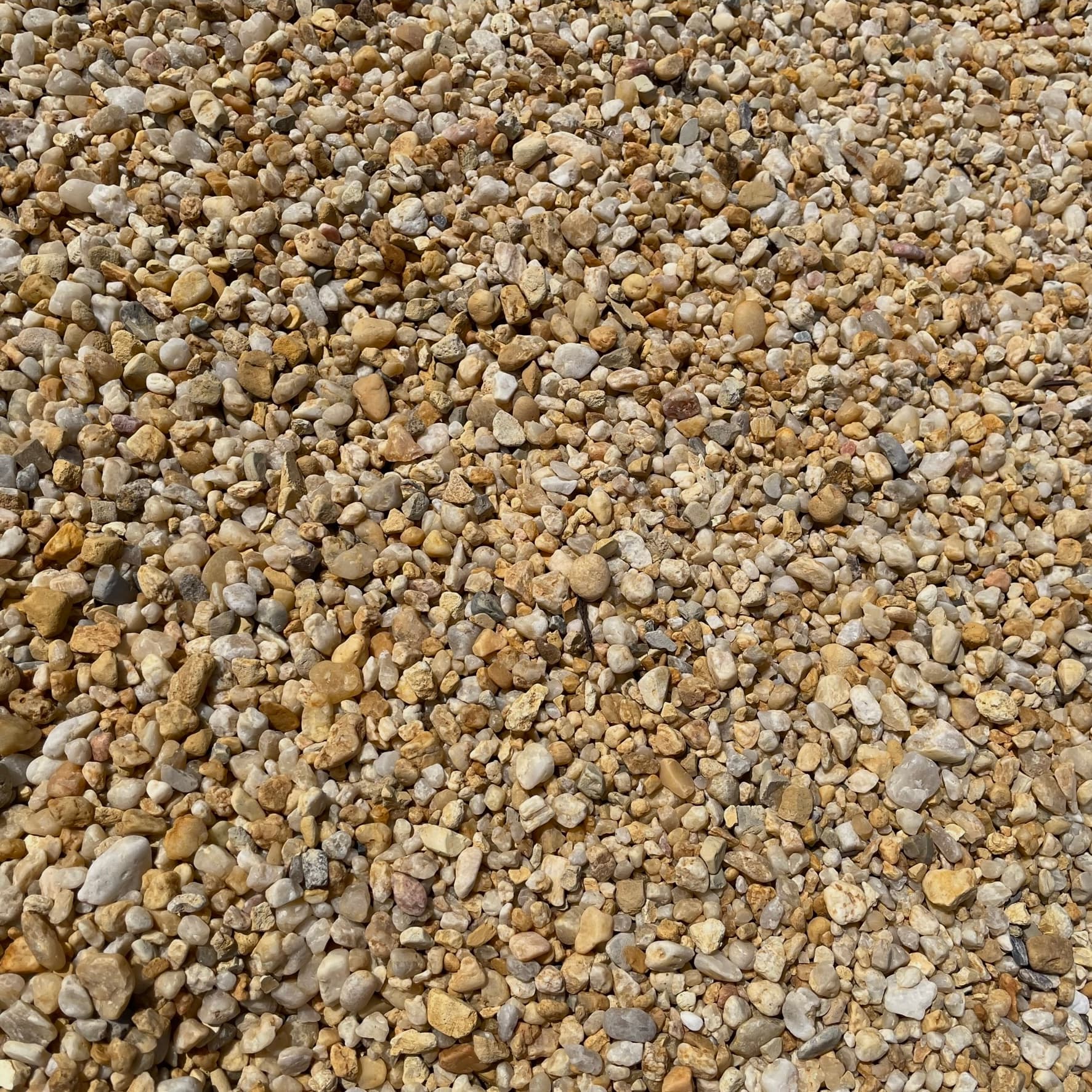
- Pea Gravel o 3/8-inch Crushed Limestone.
- Concrete Sand (gruesa).
- El secreto DIY: Coloca 2 inches de arena primero, luego rastrilla las piedras pequeñas hacia la pulgada superior. Esto crea una "superficie para caminar" que no se siente como si estuvieras haciendo senderismo por una playa profunda.
2. Las zonas decorativas "sin corte"
Para las áreas bajo las ventanas o a lo largo de la valla donde solo quieres que se vea bien.
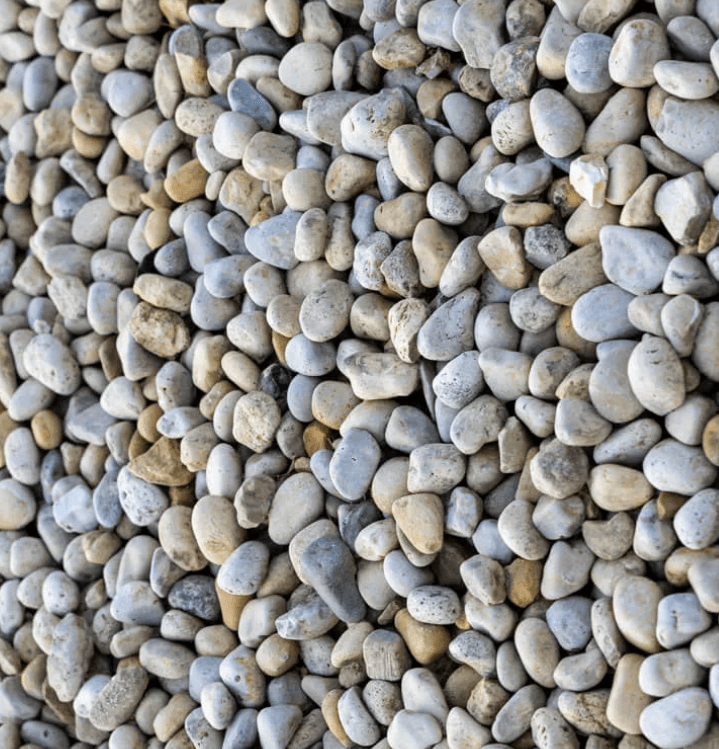
- River Rock (1-inch a 3-inch) o Cobblestone.
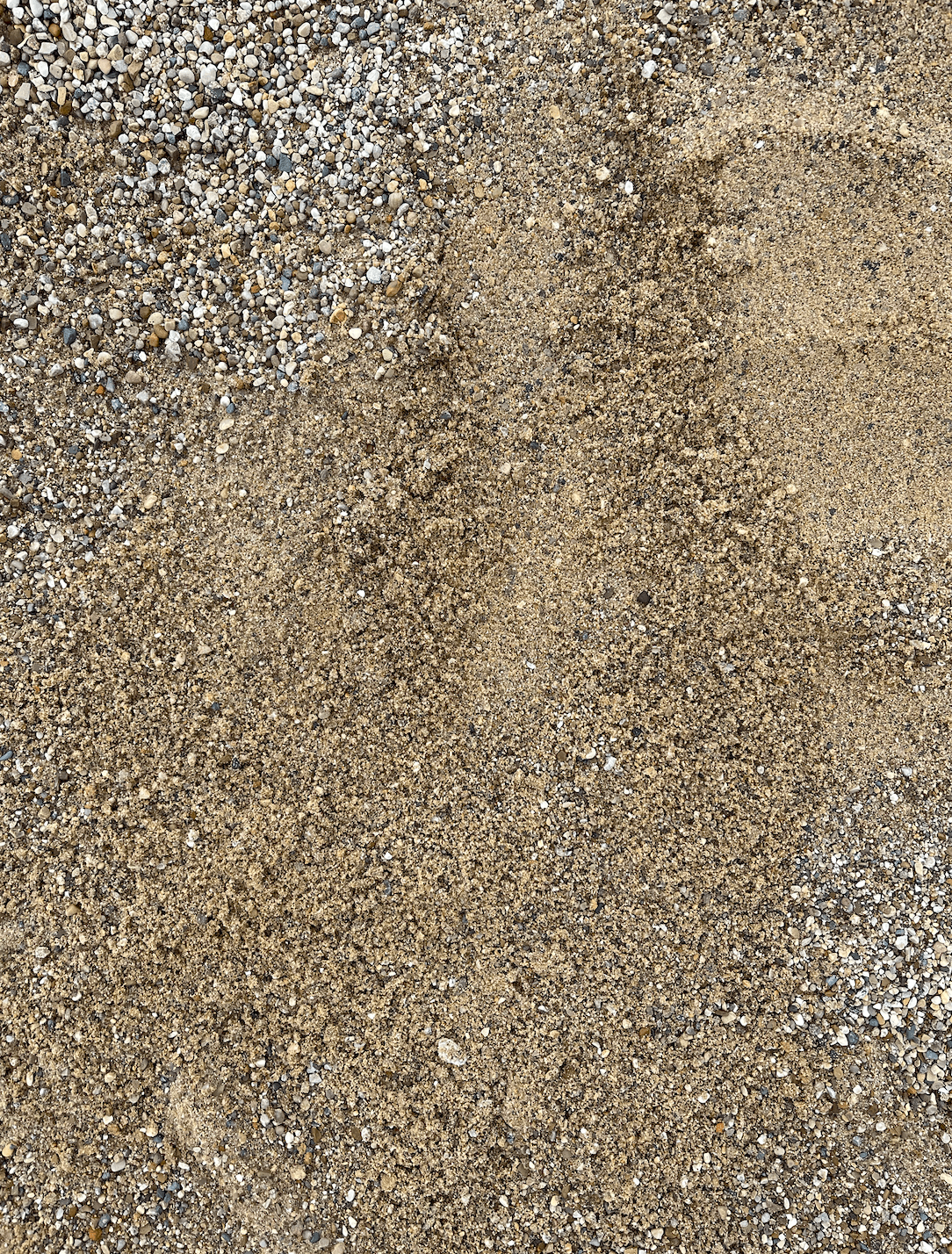
- Utility Sand o Decomposed Granite.
- El secreto DIY: Usa la arena para crear una "cama de nivelación" para que tus rocas más grandes queden planas y no parezcan un montón desordenado de escombros.
3. Las zonas de drenaje y erosión
Si tienes un lugar donde los canalones vierten y crean una zanja.
- Large Base Rock o Bull Rock (3-inch a 5-inch).
- Coarse Sharp Sand.
- El secreto DIY: La arena actúa como un filtro, mientras que las rocas grandes rompen la fuerza del agua para que no destroce tu patio.
| Step | Action | Why It Matters |
|---|---|---|
| 1. Excavation | Dig down 3–4 inches. | Prevents "spillover" onto your sidewalk. |
| 2. Fabric | Lay heavy-duty landscape fabric. | Keeps the sand from disappearing into the mud. |
| 3. Sand Bed | Apply 1-2 inches of coarse sand. | Provides the "locking" foundation for the rocks. |
| 4. Rock Cap | Top with 2 inches of your chosen stone. | Creates the final low-maintenance look. |


Mantenimiento - la verdad del "ponlo y olvídalo"
Aunque lo llamamos "bajo mantenimiento", no es "sin mantenimiento". Aquí está la realidad de un patio de rocas:
- El soplado: Una vez al mes, usa un soplador de hojas para limpiar hojas y ramitas. Si la materia orgánica se asienta encima de la arena, eventualmente se convertirá en tierra, y ahí es donde crecerán las malas hierbas.
- La pulverización de primavera: Aplica un herbicida pre-emergente a la zona a principios de primavera. Esto evita que las semillas de malas hierbas germinen en las capas de arena.
- La renovación: Cada 3–5 años, puede que quieras añadir un ligero "espolvoreado" de piedra nueva para mantener los colores nítidos.
Comparación rápida: césped vs. roca/arena
Consejo DIY final: la regla del "borde"
El mayor error que comete la gente es no usar un borde resistente. Sin un bordillo de metal o de plástico resistente, tu arena acabará lavándose hacia la tierra y tus rocas acabarán en el patio del vecino. Invierte en un buen bordillo de 4-inch de profundidad para mantener contenida tu "matriz de arena y roca". Te ahorrará horas de limpieza más adelante.
Introduce tu dirección y navega por tus opciones de piedra decorativa locales!
Preguntas frecuentes
¿Cuál es la mejor arena para usar como base de un paisaje rocoso?
Quédate con Concrete o Coarse Sand (también conocida como arena gruesa o afilada). A diferencia de la arena de juego, que es demasiado lisa y fina, la concrete sand tiene bordes dentados que "muerden" las rocas, creando una base estable y de trabazón que no se desplaza bajo tus pies.
¿Puedo saltarme la tela para paisajismo si uso una capa gruesa de arena?
No se recomienda. Sin tela resistente, la arena acabará migrando hacia abajo al suelo nativo, especialmente durante lluvias intensas. La tela mantiene tu "matriz de arena y roca" separada de la tierra, evitando que las rocas se hundan con el tiempo.
¿Cómo evito que crezcan malas hierbas en la arena y grava?
Aunque la tela detiene a las malas hierbas que vienen desde abajo, las semillas igual aterrizarán encima. Usa un soplador de hojas para eliminar residuos orgánicos (hojas/ramitas) antes de que se conviertan en tierra, y aplica un herbicida pre-emergente cada primavera para detener la germinación de nuevas semillas.
¿Se lavará la arena durante una tormenta?
Siempre y cuando tengas un sólido borde de 4-inch de profundidad (bordillo de metal o plástico resistente) y hayas cubierto la arena con al menos 2 inches de grava, la arena se quedará en su sitio. La grava actúa como un "escudo" protector mientras la arena rellena los huecos debajo para proporcionar estabilidad.
¡Llámanos para ayudarte a estimar el número exacto de tons de arena y grava decorativa que necesitarás para las dimensiones específicas de tu patio!