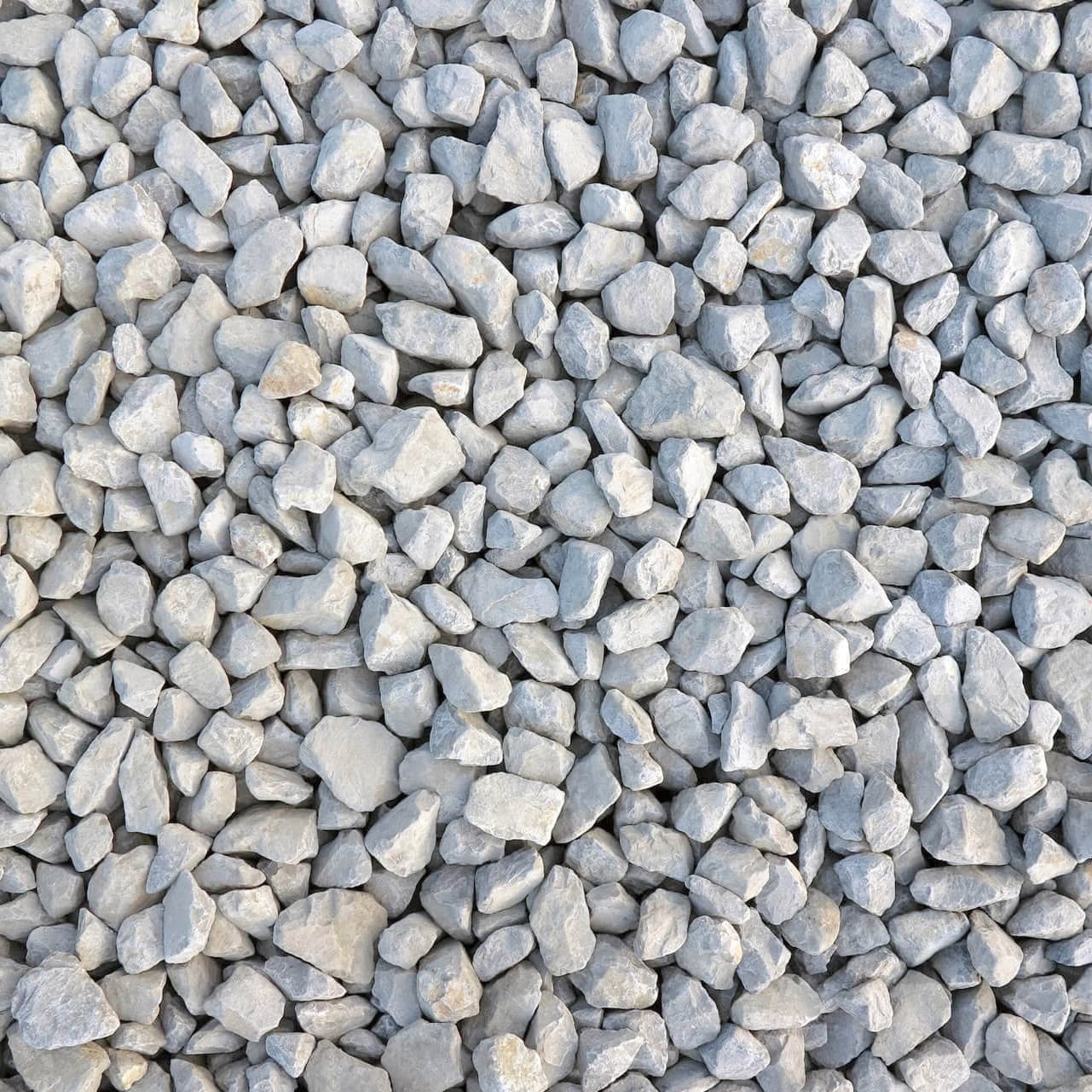
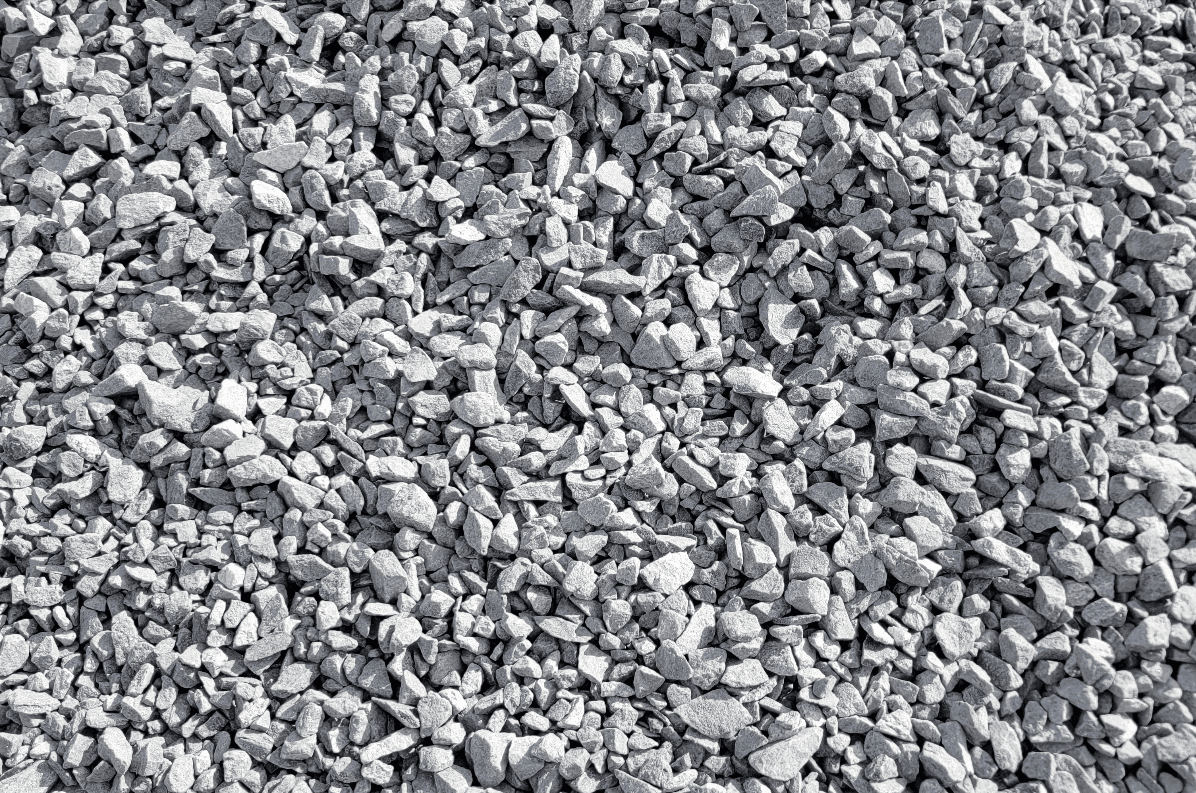
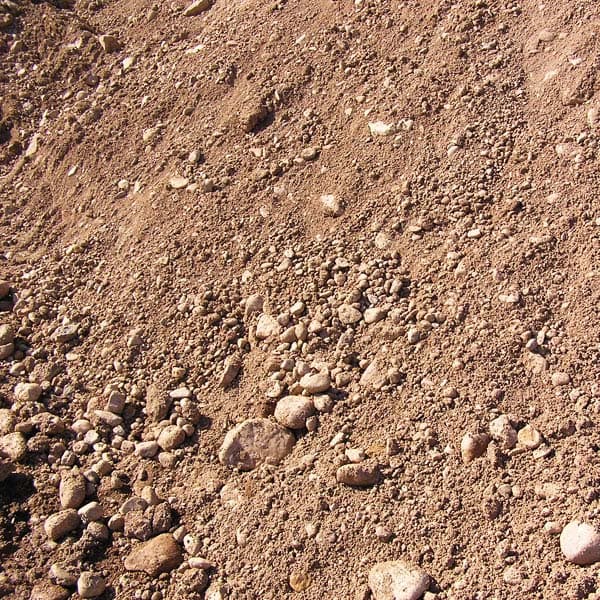
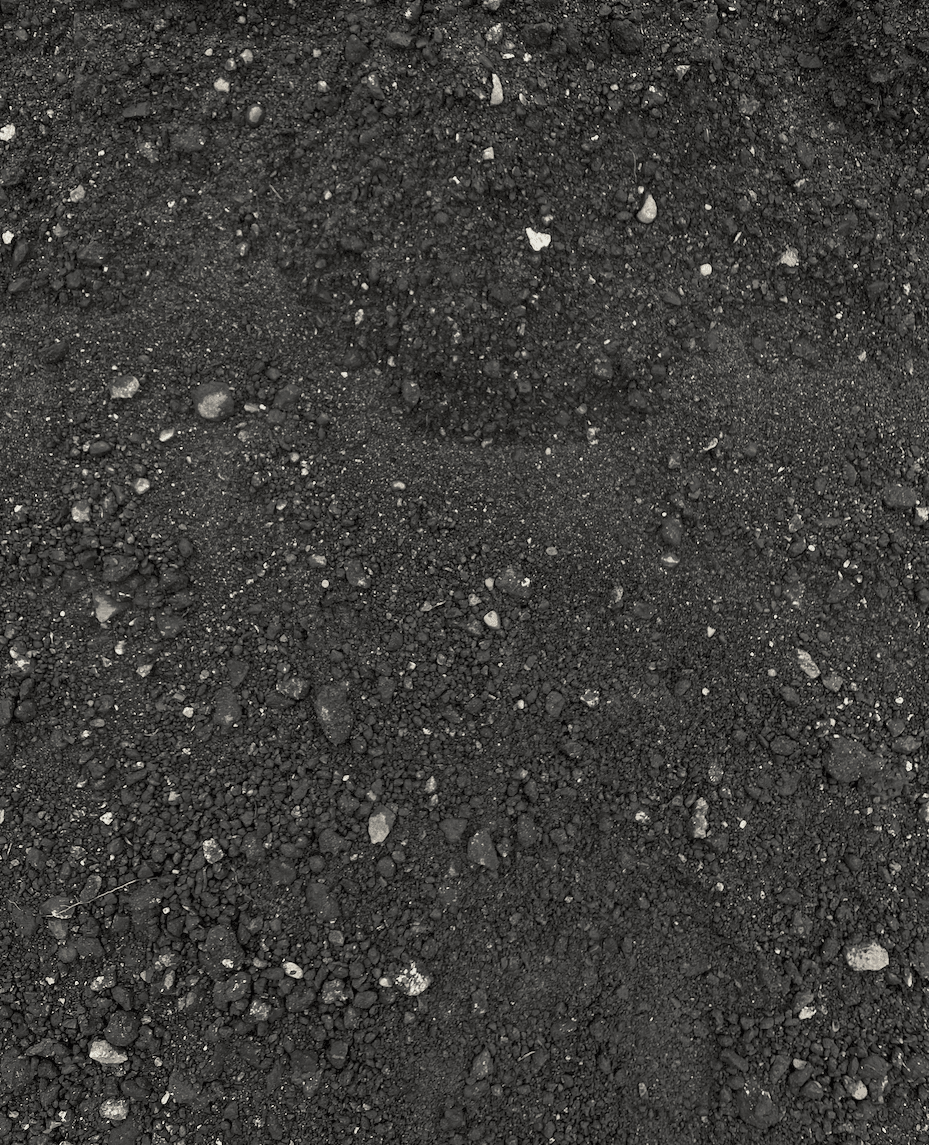
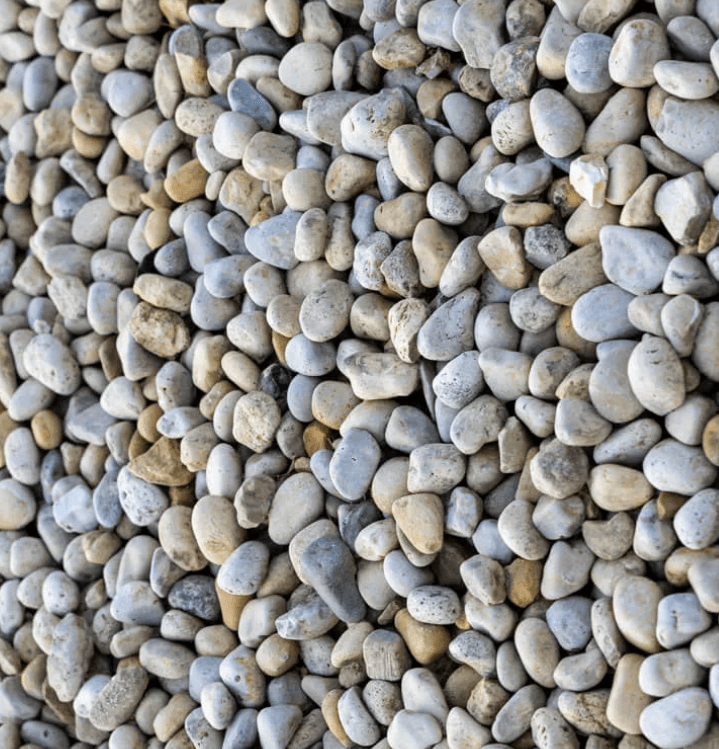
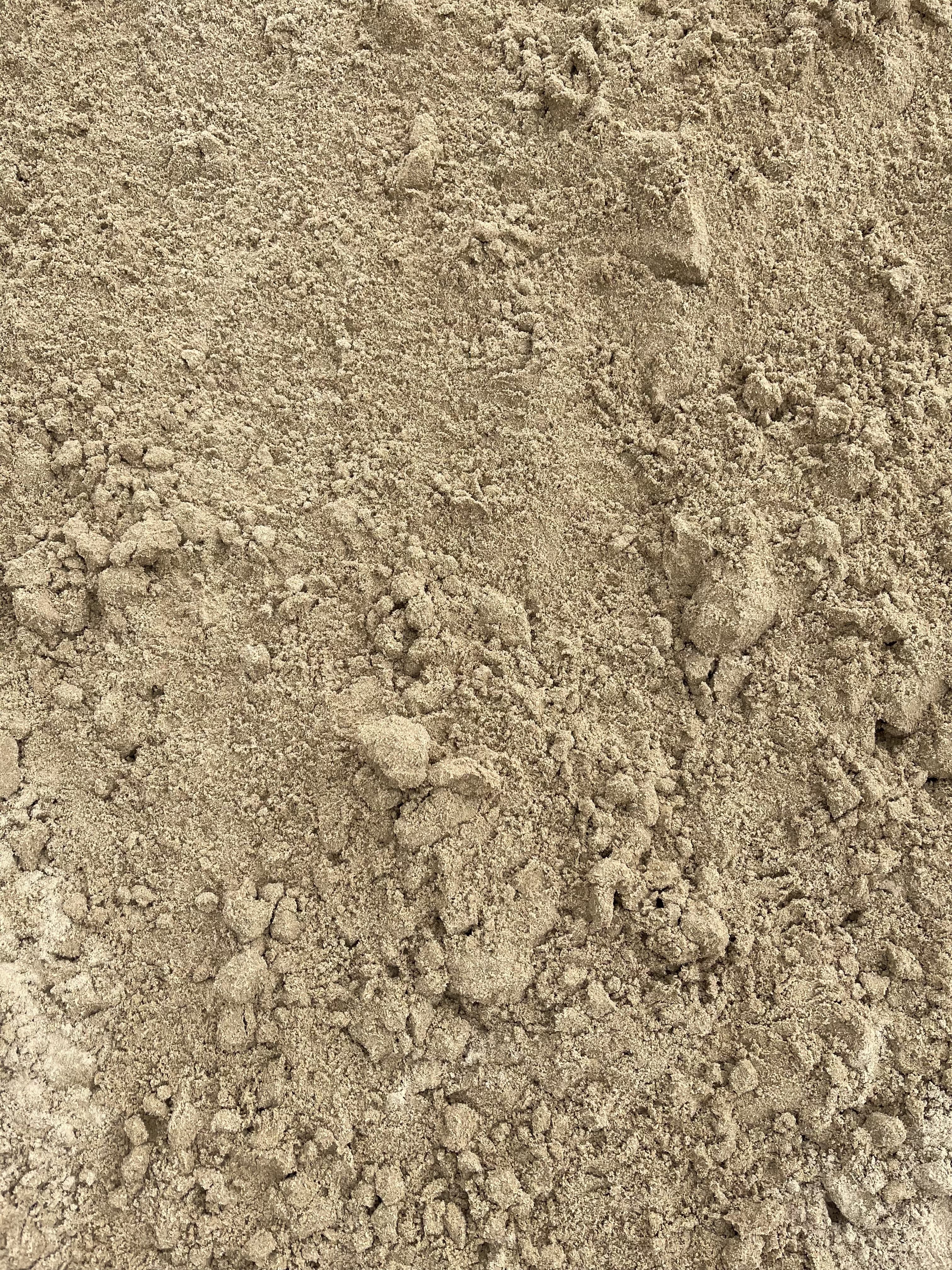
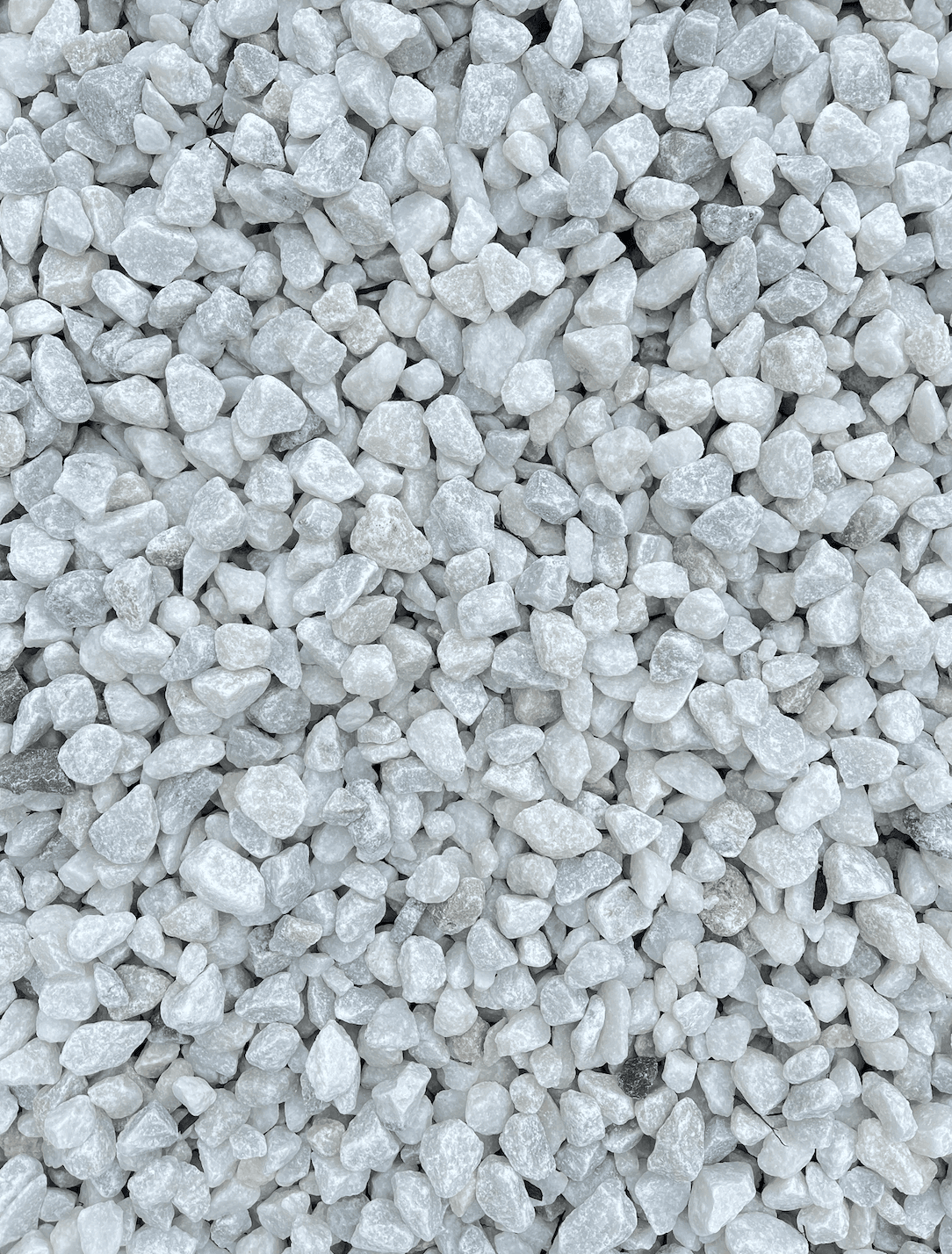
Searching “gravel delivery near me” in South Carolina can bring up dozens of products that look almost identical in a photo.
They aren't.
Crusher run, #57 stone, asphalt millings, river rock, fill dirt and topsoil all behave differently, and choosing the right one can make the difference between a driveway that stays solid and one that needs another load after the next wet season.
This guide is designed for South Carolina homeowners, DIY property owners and small contractors who need bulk material delivered without becoming aggregate experts first.

What Material Do You Need?
Product names can vary between South Carolina suppliers. Crusher run may also be called crush and run or ABC stone. Always check the material size, intended use and delivery requirements before ordering.
1. Crusher Run Is One of the Most Useful Driveway Materials
If you've searched “crusher run near me,” “crush and run gravel near me” or “ABC stone near me,” you are generally looking at a compactable base material.
Crusher run contains larger crushed particles together with smaller particles and fines.
When properly graded and compacted, those different sizes fit together and create a dense surface.
That's why crusher run is widely used for:
- driveway bases
- private roads
- parking areas
- equipment pads
- construction access
- patio and hardscape bases
SCDOT's description of graded aggregate base follows the same basic principle: coarse and fine aggregate work together so the fines fill the voids and bind the larger material after placement and compaction.
When crusher run makes sense
If you are building a driveway over prepared ground, crusher run is usually a more logical starting point than clean decorative stone.
If your existing driveway already has a stable compacted base, you may instead be looking for material to refresh the surface.
Those are two different jobs.
2. #57 Stone: One of South Carolina's Most Common Searches
Another frequent product search is #57 stone, sometimes called #57 gravel or #57 crushed stone.
It is generally a clean, angular stone commonly used for:
- drainage
- French drains
- construction backfill
- driveways
- parking areas
- landscaping
- areas where a clean stone is preferred
#57 Stone vs. Crusher Run
The easiest way for a homeowner to understand the difference is:
Crusher run: contains fines and is designed to compact tightly.
#57 stone: generally contains less fine material and leaves more open space between the stones.
Therefore:
Need a compactable base? → Crusher run
Need drainage? → #57 stone
A driveway can sometimes use both—a compactable base underneath and another aggregate as the upper layer.
3. South Carolina Soil Makes Drainage Particularly Important
There isn't one soil condition across all of South Carolina.
Clemson Extension notes that South Carolina ranges from heavy clay soils in the Upstate to sandier soils through the Midlands and Lowcountry, with compaction also common in developed areas.
That matters when you're installing a driveway.
A gravel driveway is only as good as what sits underneath it.
If the subgrade turns soft and holds water, repeatedly adding stone to the surface may only provide temporary relief.
Before ordering another load, ask:
Where does the rainwater go?
Look for:
- standing water
- low sections
- blocked ditches
- poor driveway crown
- water flowing directly across the driveway
- soft shoulders
- deep recurring ruts
Clemson also specifically identifies poor drainage as a common problem across South Carolina landscapes, including clay soils and flat coastal conditions.
Fixing the water problem can save far more material than endlessly topping off the driveway.
4. Asphalt Millings for Driveways and Private Roads
Asphalt millings near me is already a strong transactional search in South Carolina.
Millings are recycled material produced when existing asphalt pavement is removed.
They may be suitable for:
- rural driveways
- private roads
- parking areas
- equipment areas
- resurfacing appropriate existing bases
But there is an important DIY rule:
Don't expect the product to do the contractor's job.
Millings perform much better when the site is properly:
graded → placed → spread → compacted
If they are simply dumped onto a muddy driveway with poor drainage, the result may still be a muddy driveway—with asphalt millings on top.
5. Fill Dirt for Low Spots, Grading and Construction
If the problem is elevation rather than surfacing, gravel may not be what you need.
Fill dirt is commonly used for:
- filling depressions
- rough grading
- raising areas
- backfill
- building up low ground
- preparing areas before final topsoil
This is why a search for “cheap fill dirt delivery” should not necessarily lead to the same material as “topsoil for sale near me.”
They're intended for different jobs.
If plants need to grow in the finished surface, use suitable topsoil over the final graded area rather than assuming ordinary fill dirt will provide a good planting layer.
6. Screened Topsoil for Lawns and Landscaping
Screened topsoil is the better choice for:
- lawn installation
- repairing lawn areas
- garden beds
- final landscape grading
- planting
- adding soil around landscaped areas
If you need significant depth, consider using appropriate fill underneath and then finishing with topsoil.
That can make a large project much more economical.
Clemson also cautions against simply mixing sand into clay soil as a DIY drainage fix because the wrong mixture can actually make the soil harder to work with.
In other words: buy material based on the problem you are solving, not simply because it says “soil” or “sand.”
7. River Rock for Landscaping and Drainage Features
River rock near me and bulk river rock near me are common searches for homeowners looking to improve appearance without constantly replacing mulch.
River rock can work well around:
- landscape beds
- houses
- drainage channels
- dry creek beds
- downspout areas
- pathways
- entrances
For active drainage work, however, make sure the size and type of stone actually fit the design.
Decorative rock and engineered drainage stone are not always interchangeable.
8. Bulk Sand: Know Which Sand You're Buying
A truckload of sand can mean very different things depending on the product.
You may encounter:
- mason sand
- fill sand
- concrete sand
- manufactured sand
- washed sand
For homeowners and small contractors searching “bulk sand near me” or “sand for sale near me,” the best question isn't:
Which one is cheapest?
It's:
What am I using it for?
Masonry, paver preparation, backfill and general fill may require different products.
9. How Much Gravel Do I Need for My Driveway?
Calculate the area first.
For a rectangular driveway:
Length × width × depth
Convert the depth into feet.
Then:
Cubic feet ÷ 27 = cubic yards
For example:
100-foot driveway
10 feet wide
4 inches deep
100 × 10 × 0.333 ÷ 27 = approximately 12.3 cubic yards
The tonnage depends on the specific material.
Don't use the same tons-per-yard assumption for topsoil, crusher run, #57 stone and sand.
Use the density for the actual product.
10. How Much Does a Load of Gravel Cost in South Carolina?
This is one of the most commercially valuable questions—and also one where generic online answers are often misleading.
Your delivered gravel cost usually depends on:
- type of stone
- quantity
- source location
- distance to the job
- truck capacity
- delivery requirements
- local availability
A quarry might advertise an attractive price per ton while being far enough away that trucking becomes the biggest part of the order.
Therefore, when searching:
“gravel prices near me”
“57 stone price per ton”
“crusher run price near me”
compare delivered cost to your address, not only material cost at the quarry.
11. DIY Delivery: Make Sure a Dump Truck Can Actually Reach You
Before arranging bulk delivery, walk the intended truck route.
Look for:
- low power lines
- tree branches
- narrow gates
- weak culverts
- septic areas
- soft lawns
- steep grades
- parked vehicles
- tight turns
A loaded dump truck is much larger and heavier than a pickup.
Choose a safe dump location before the driver arrives.
If the material needs to be spread across 100 feet of driveway, also plan how you're going to move it after it is delivered.

A Better Way to Buy Bulk Material for a Small Project
Traditionally, buying gravel meant finding quarries, calling several suppliers, figuring out which product names meant the same thing and then separately arranging trucking.
For a homeowner replacing 10–20 tons of driveway stone—or a contractor who just needs material delivered to tomorrow's job—that is a lot of work for a simple purchase.
Aggregate Markets lets you search bulk materials based on the delivery location and see locally available options for products such as crusher run, #57 stone, asphalt millings, fill dirt, topsoil, sand and river rock.
So instead of starting with:
“Where's the closest quarry?”
start with:
“What material solves my problem, how much do I need and what does it cost delivered here?”
That is usually the more useful way to buy bulk material.
South Carolina FAQ
Where can I buy crusher run near me in South Carolina?
Crusher run is widely sold by aggregate and landscape-material suppliers. Search using your delivery location because trucking distance can have a major effect on delivered cost.
Is crusher run or #57 stone better for a driveway?
Crusher run is generally better where a dense compactable base is required. #57 stone is a cleaner aggregate that works well for drainage and can also be used in driveway applications depending on the design.
What is crush and run gravel?
“Crush and run” is another common name for crusher run—a mixture of crushed stone sizes and fines designed to compact.
Where can I get #57 stone delivered near me?
Look for suppliers serving your exact ZIP code or address. #57 stone is commonly offered in bulk by the ton.
Can asphalt millings be used for a driveway?
Yes, they are often used for driveways and private roads, particularly when properly graded and compacted over a suitable base.
Where can I get fill dirt delivered near me?
Bulk fill dirt is commonly delivered by dump truck for grading and site work. For planting areas, finish with appropriate topsoil rather than relying on fill material alone.
What is the best gravel for a muddy South Carolina driveway?
Don't choose the surface material until you understand why the driveway is muddy. Poor drainage, insufficient base depth or weak subgrade may need to be corrected first.