If you are searching for gravel delivery near me in Texas, choosing the closest supplier is only half the job.
The bigger question is: what material do you actually need?
A driveway, drainage trench, garden bed and low area in the yard may all require bulk material, but putting the wrong material in the wrong place can mean buying it twice.
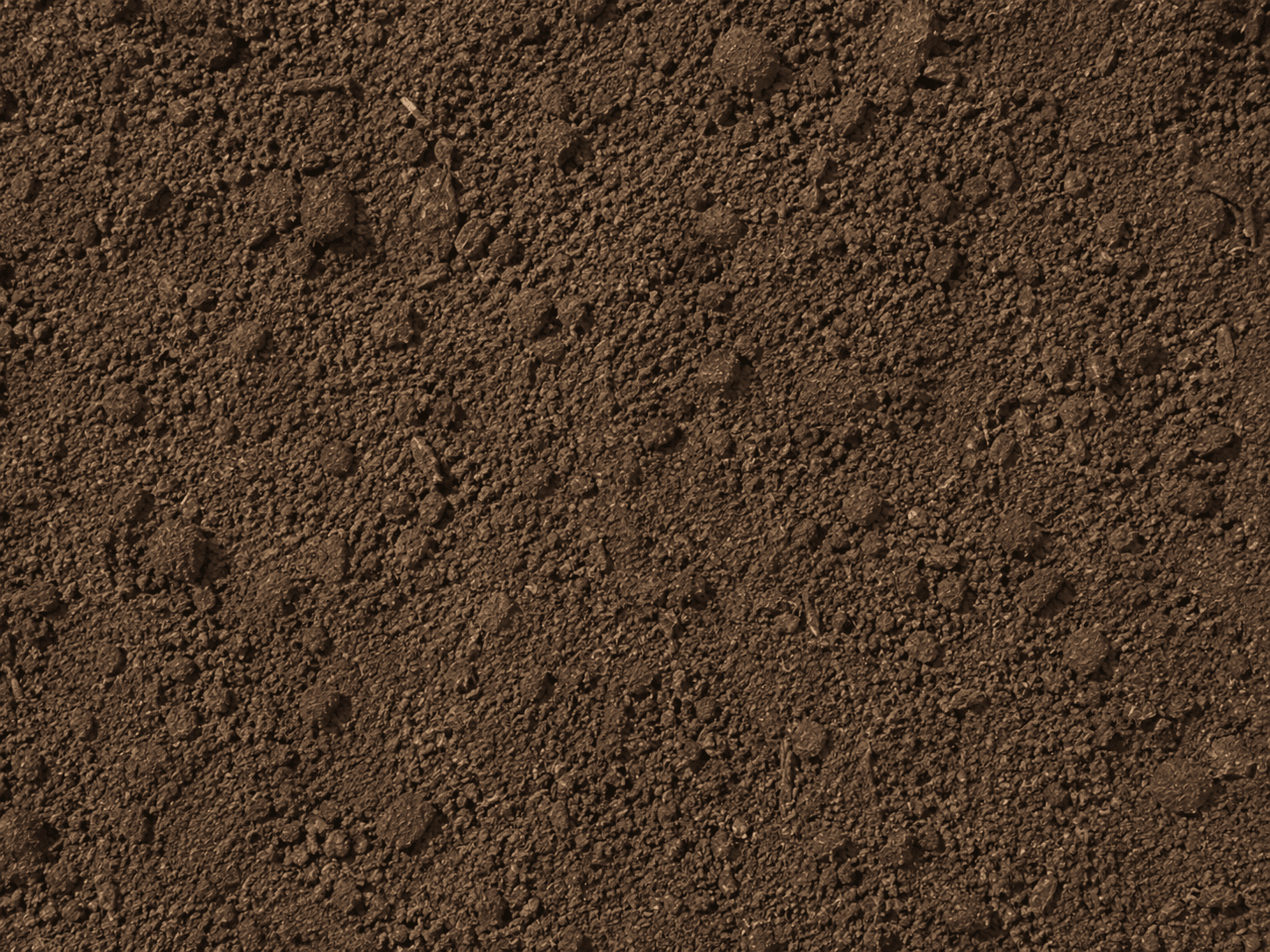
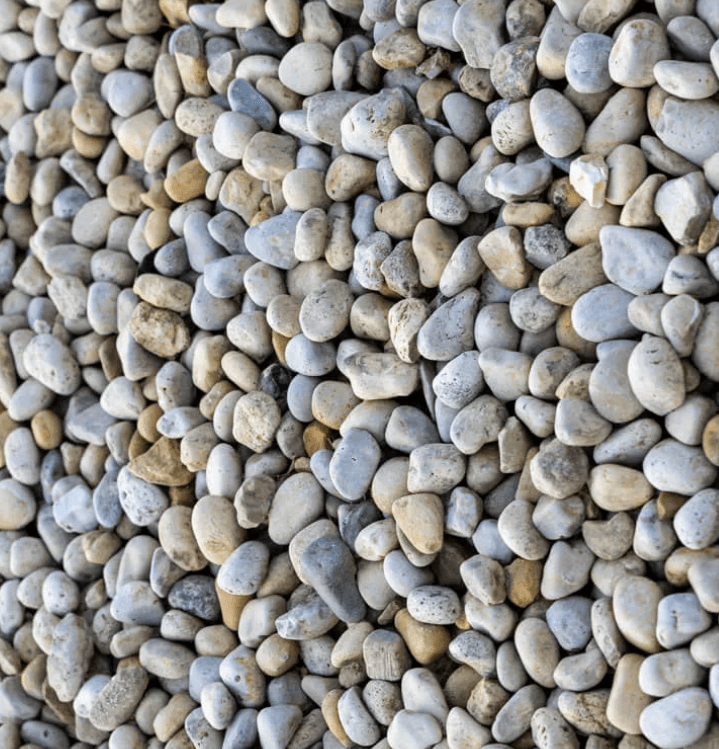
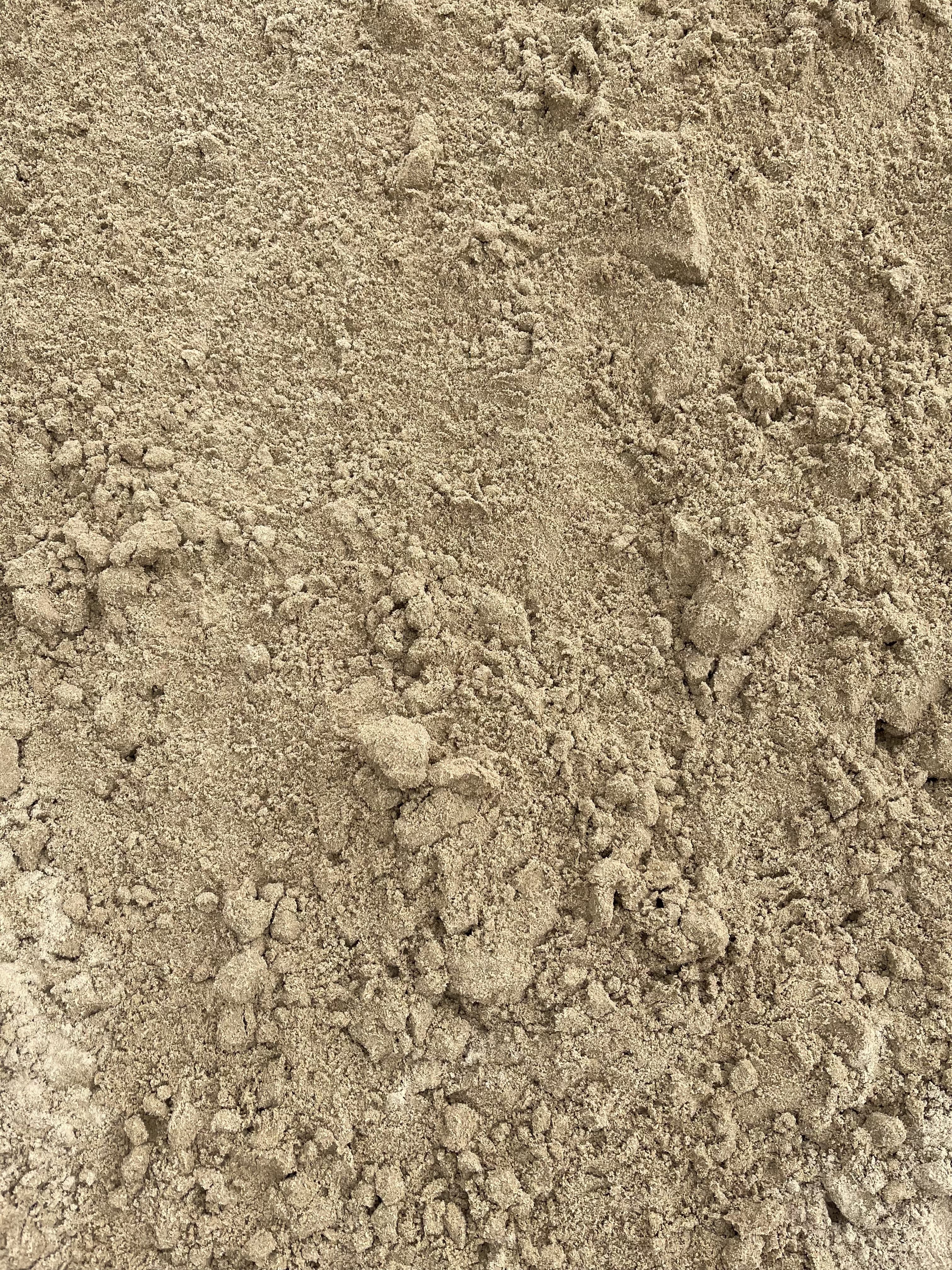
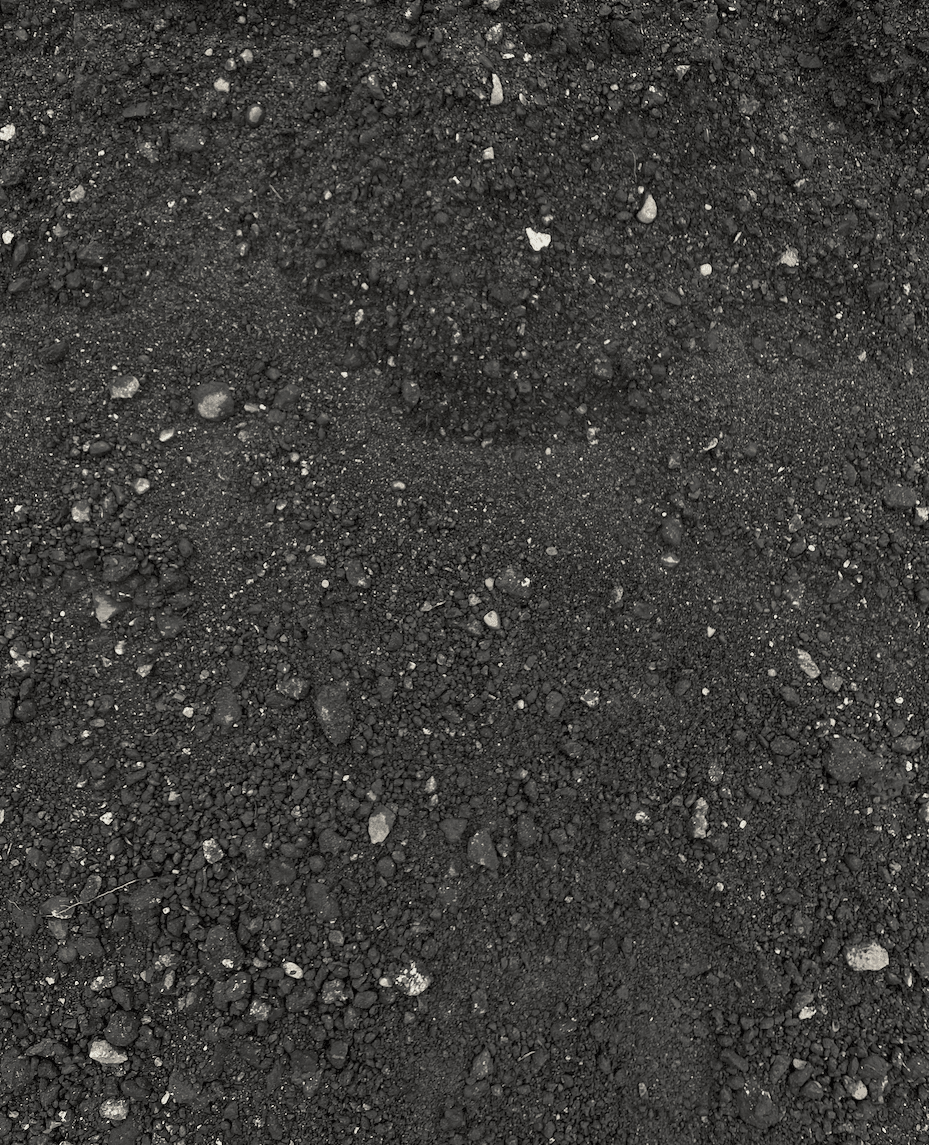
For Texas homeowners, DIY buyers and small contractors, the most common choices include crushed limestone, flex base, decomposed granite, #57 stone, select fill dirt, screened topsoil, mason sand, river rock and asphalt millings.

Here is how to choose.
Product names and specifications can vary between Texas suppliers. Always check the material description, size and intended use before ordering bulk delivery.
The names can vary between quarries and regions, so always check the material description and size before ordering.
1. Crushed Limestone and Flex Base for Texas Driveways
For a new driveway, the layer underneath the visible stone is usually more important than the stone you see on top.
A compactable base contains different particle sizes and fines that lock together when graded and compacted. This creates a much more stable driving surface than simply dumping clean decorative gravel onto soft ground.
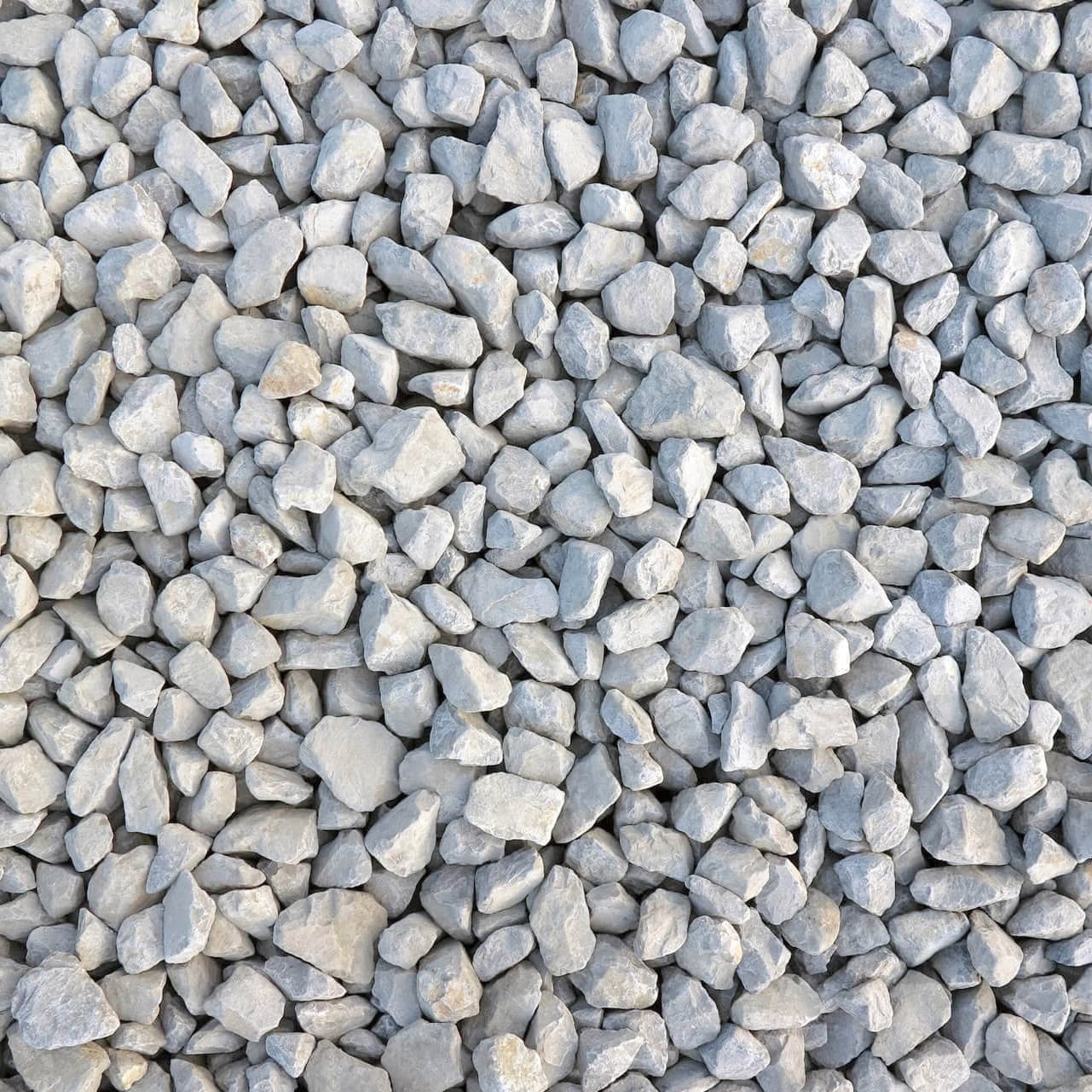
In Texas, crushed limestone and flexible base are common road-base materials. TxDOT notes that crushed material is generally preferred for base because angular particles interlock better, and also identifies crushed limestone as the most commonly available crushed stone in Texas.
So if you're searching for:
“driveway gravel near me”
“crushed limestone near me”
“flex base near me”
“gravel driveway material near me”
don't automatically choose the cheapest gravel.
For a new driveway, look for a compacting base material first.
For an existing driveway that already has a solid foundation, you may only need a new surface layer.
DIY tip
If your driveway keeps developing deep ruts, adding another thin layer of pretty gravel may hide the problem temporarily without fixing the weak base underneath.
Fix the soft areas, drainage and grading first.
2. Decomposed Granite for Walkways, Patios and Landscaping
Decomposed granite, often shortened to DG, is popular for:
- walkways
- garden paths
- seating areas
- patios
- xeriscaping
- landscape borders
- low-traffic outdoor areas
It gives a more finished appearance than ordinary road base while still maintaining a natural look.
If you're searching “decomposed granite near me” or “decomposed granite for sale near me,” check whether the product is intended as loose decorative material or as a material that can be compacted.
That distinction matters.
For a pathway or patio, proper preparation underneath the DG will usually make a bigger difference than simply adding more material on top later.
3. Select Fill vs. Fill Dirt: What's the Difference?
Texas buyers frequently search for both fill dirt and select fill.
They aren't necessarily interchangeable.
Fill dirt
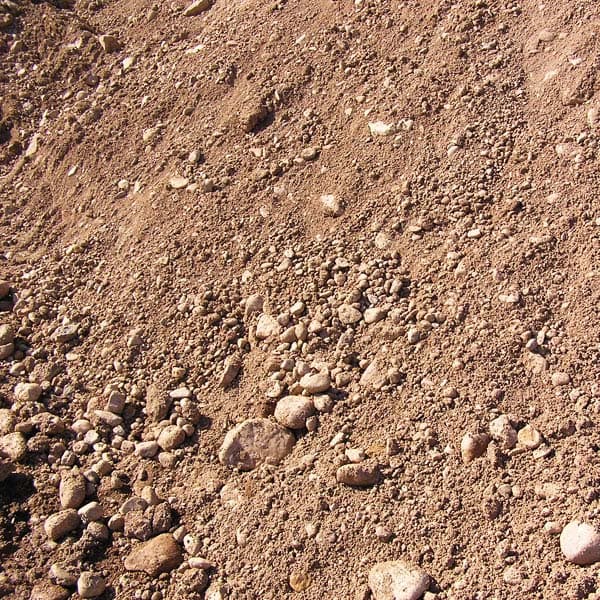
Fill dirt is generally used to:
- fill holes
- raise low areas
- reshape property
- backfill
- create rough grades
- build up areas before adding better soil
Select fill
Select fill is typically a material chosen to meet particular compaction or soil characteristics and is often used underneath pads, roads or construction areas.
Specifications vary by source and project.
For a simple backyard depression, ordinary fill dirt may be enough.
For a building pad, structural area or engineered project, use the material required by your plans or contractor rather than assuming any dirt will work.
High-intent searches such as “select fill dirt near me,” “fill dirt prices near me” and “fill dirt delivery near me” often come from buyers who are already close to ordering, so check the actual delivered material rather than comparing only a quarry's advertised price per ton.
4. Screened Topsoil Is for Growing — Not Building a Driveway
Topsoil and fill dirt solve different problems.
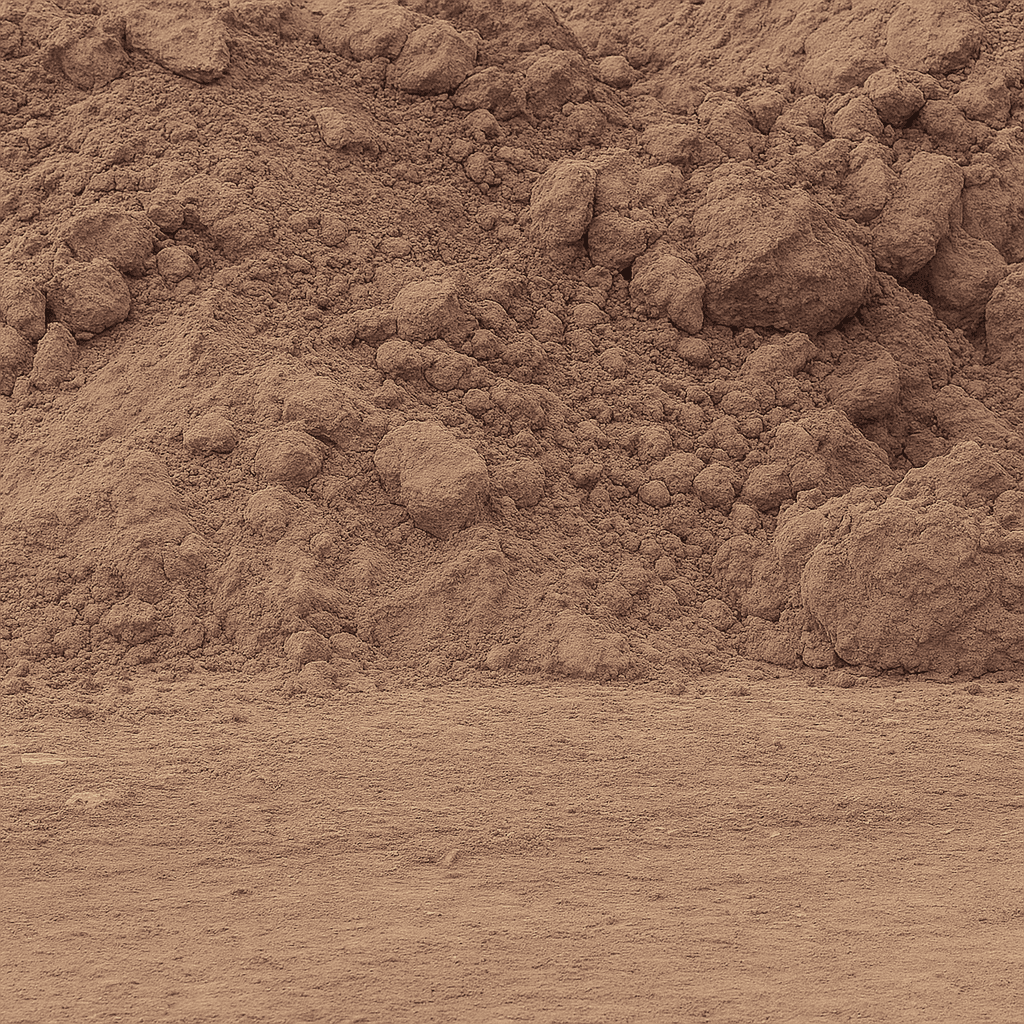
Use screened topsoil when you are preparing areas for:
- grass
- sod
- garden beds
- planting
- lawn repair
- final grading where vegetation will grow
Use cheaper fill material underneath when substantial elevation needs to be added.
For example, if you need to raise a large section of yard, filling the entire depth with premium screened topsoil can become unnecessarily expensive.
A common approach is:
fill material → grade → topsoil → vegetation
That is why searches such as “topsoil delivery near me,” “screened topsoil near me” and “bulk topsoil near me” should lead to a different product than searches for fill dirt.
5. #57 Stone and Clean Gravel for Drainage
Water can destroy a driveway surprisingly quickly when it has nowhere to go.
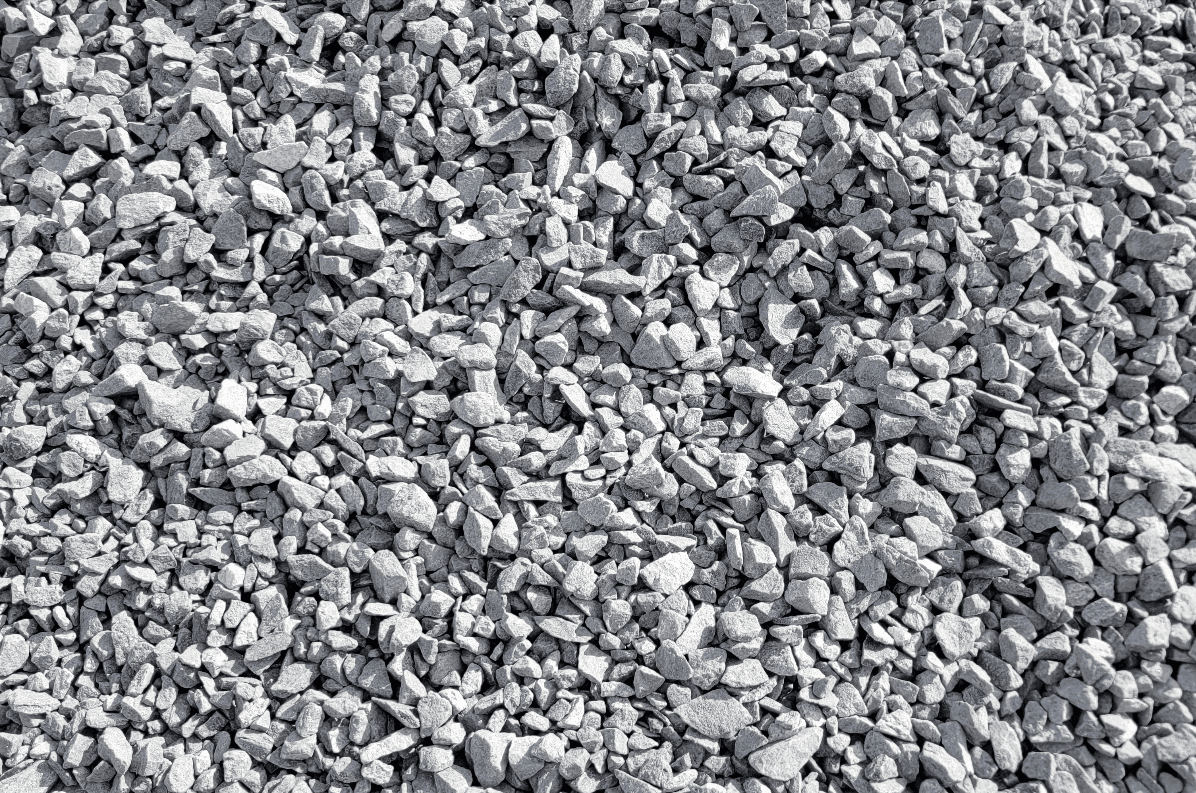
Clean angular stone such as #57 stone is commonly used in:
- French drains
- drainage trenches
- around certain drain pipes
- construction drainage
- backfill
- other applications where water needs space to move
Unlike dense road base, clean stone contains fewer fines.
That makes it useful where drainage is important.
Texas properties can also have compacted or clay-heavy soils where water infiltrates slowly and runoff becomes an issue. Texas A&M notes that compacted and clay soils can be particularly susceptible to runoff.
If your driveway problem starts every time it rains, you may need drainage stone and grading, not just another truckload of surface gravel.
6. River Rock and Decorative Stone
If function is only part of the goal, river rock is popular around:
- houses
- landscape beds
- drainage features
- dry creek beds
- entrances
- walkways
- pool landscaping
Searches such as “river rock near me,” “bulk river rock near me” and “bulk river rock delivery near me” usually have strong buying intent because transporting stone yourself gets difficult quickly.
Before ordering, think about rock size.
Smaller stone is generally easier to walk on and place around landscape features. Larger river rock is often better as a visual feature or in drainage-style landscaping.
7. Asphalt Millings Can Be a Practical Driveway Option
Another material Texas homeowners and contractors frequently look for is asphalt millings, also called recycled asphalt.
Millings can be used for:
- rural driveways
- private roads
- parking areas
- equipment areas
- resurfacing suitable existing bases
If you are comparing “asphalt millings near me” with gravel, don't compare appearance alone.
Consider:
- the condition of the existing base;
- how the material will be graded;
- whether it will be compacted;
- drainage;
- local project requirements.
Material alone cannot compensate for poor preparation.
8. Mason Sand, Fill Sand and Other Bulk Sand
Not every type of sand is interchangeable either.
Mason sand is generally selected for applications requiring a finer, cleaner material, including masonry and some paver work.
Other sand products may be intended for fill, grading or construction applications.
So searches such as “mason sand near me,” “bulk sand delivery near me” and “sand for sale near me” should start with the project—not simply whichever sand costs less.
How Much Gravel, Dirt or Sand Do You Need?
For a rectangular area:
Length × Width × Depth = volume
When measurements are in feet:
Length × Width × Depth in feet ÷ 27 = cubic yards
Example:
A 50-foot-long × 10-foot-wide area with a 4-inch layer:
50 × 10 × 0.333 ÷ 27 = approximately 6.2 cubic yards
But don't automatically convert that number into tons using one universal number.
Limestone, sand, topsoil, river rock and other materials have different densities.
Use the specific product calculator or tonnage conversion for the material you plan to order.
What Does Gravel Delivery Cost in Texas?
The cheapest material per ton does not necessarily create the cheapest delivered order.
Your actual cost can depend on:
- material type
- quantity
- quarry or supplier location
- distance to your property
- truck type
- number of loads
- local availability
For homeowners and small contractors, the useful number is therefore usually delivered price to your address, not just "$X per ton at the quarry."
If you're searching “cheap gravel delivery near me” or “gravel prices near me,” compare the complete delivered order.
Before the Dump Truck Arrives
Bulk delivery is different from a parcel arriving at your front door.
Before ordering, make sure there is:
- enough space for a dump truck
- firm access
- clearance from low branches
- clearance from overhead utilities
- a safe dumping location
- room for the truck to leave
Also remember that dumping material is not the same as spreading and compacting it.
If you're doing the project yourself, have your skid steer, tractor, wheelbarrow, rake or other equipment ready before the load arrives.

Buying Bulk Materials in Texas Doesn't Need to Start With Calling Five Quarries
Homeowners and smaller contractors often just want to know:
What material do I need?
How much do I need?
What will it cost delivered?
Can someone bring it to my property?
Aggregate Markets lets you enter your delivery location, compare available bulk materials and check delivered options for your project.
Whether you're looking for gravel delivery near you, crushed limestone, select fill dirt, topsoil, sand, river rock or asphalt millings, start with the job you're trying to complete and choose the material that actually fits it.
Texas FAQ
Where can I buy gravel near me in Texas?
Look for a bulk-material supplier or delivery marketplace that serves your exact address. Availability and delivery cost can change substantially depending on distance from the material source.
What is the best gravel for a Texas driveway?
For new driveways, a compactable crushed base such as flex base or an appropriate crushed limestone base is usually more important than decorative surface stone. Existing driveways may only require resurfacing.
Where can I get fill dirt delivered near me?
Bulk fill dirt can normally be delivered by dump truck. Choose ordinary fill for general grading and appropriate select or specified fill for structural projects.
Is decomposed granite good for a driveway?
It can work well for certain light-duty surfaces and pathways, but preparation, drainage, product type and compaction matter. For vehicle traffic, evaluate the underlying base as well.
How do I find asphalt millings near me?
Search based on your delivery address rather than only the nearest city. Recycled asphalt availability can vary significantly between local suppliers.
Can I order only a few tons of gravel?
Often yes, although truck sizes, minimum quantities and delivery economics vary by area.