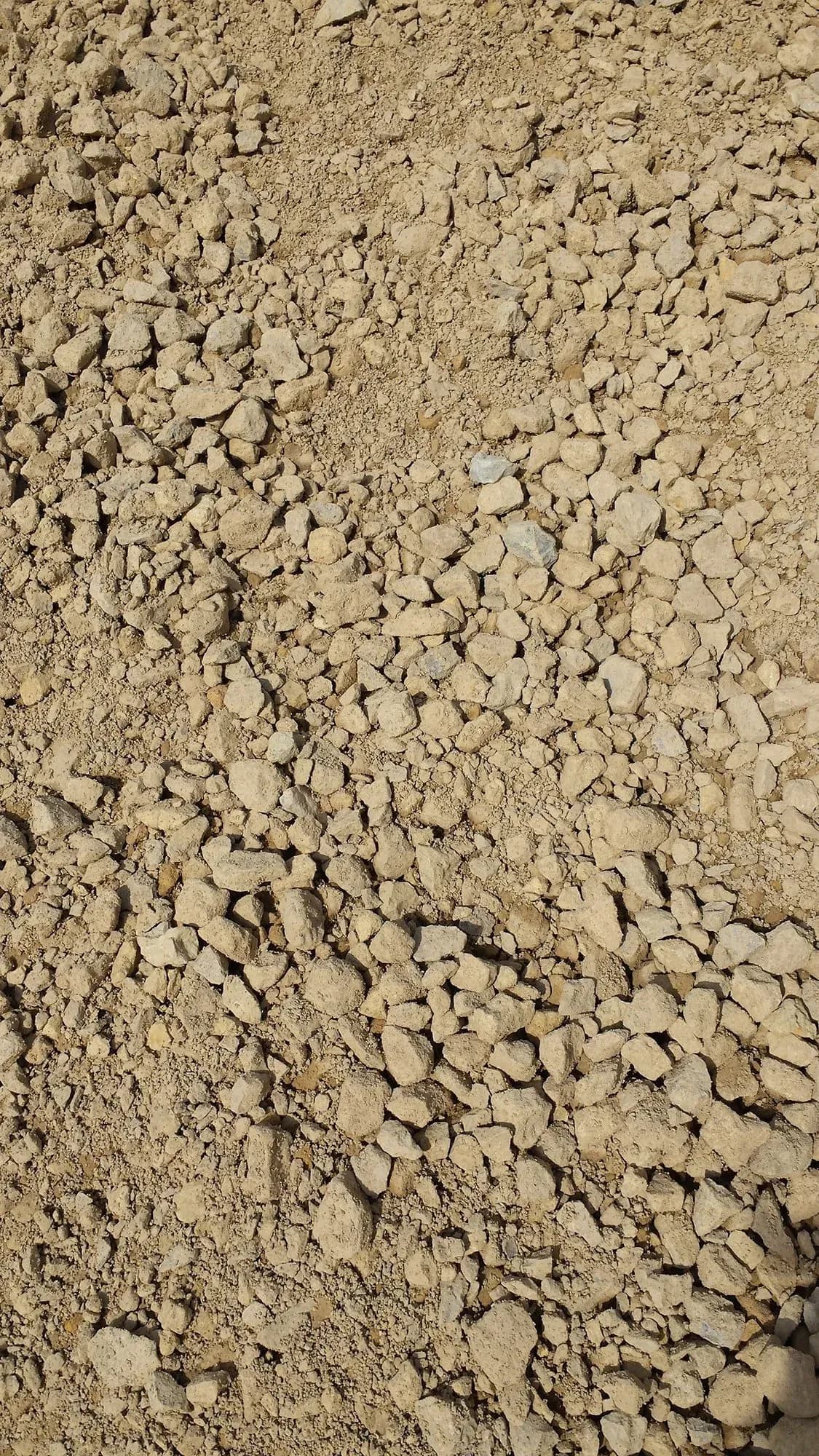
If you are planning a new driveway, parking area, farm lane, or base for a shed or patio, choosing the right aggregate matters. Many buyers search for terms like crushed limestone, crusher run, #57 gravel, driveway rock, and gravel prices because they want a material that is affordable, durable, and easy to order in bulk.
The challenge is that these products are often confused with each other. While all of them can be used in surface or base applications, each one performs differently depending on compaction, drainage, and the type of traffic it will handle.
This guide explains the differences between crushed limestone, crusher run, and #57 gravel so you can choose the best material for your project.
What Is Crushed Limestone?
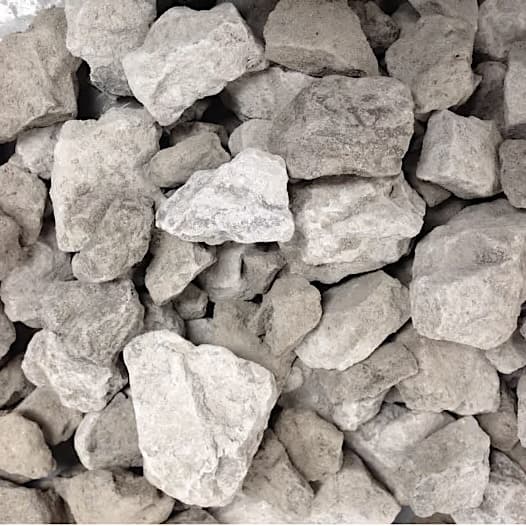
Crushed limestone is a versatile aggregate made by crushing natural limestone into different sizes. It is commonly used for driveways, road base, pathways, drainage applications, and construction projects.
One reason crushed limestone is so popular is its flexibility. Depending on the size you choose, it can serve as a compactable base, a top layer for a driveway, or a drainage stone around structures and landscaping.
Buyers often choose crushed limestone because it is:
- Durable under vehicle traffic
- Widely available in many regions
- Suitable for both residential and commercial use
- Offered in multiple sizes for different applications
- Often cost effective compared to decorative stone
What Is Crusher Run?
Crusher run is a compactable aggregate made from crushed stone mixed with fine particles, often called stone dust or screenings. Those fines are what make crusher run different from cleaner stone products. When compacted, the smaller particles fill gaps between larger pieces, creating a dense and stable surface.
Crusher run gravel is one of the best choices for:
- Driveway base layers
- Road base
- Parking pads
- Walkway base
- Areas that need compaction and stability
If your goal is a firm base that locks together well, crusher run is usually the better choice than loose decorative gravel.
What Is #57 Gravel?
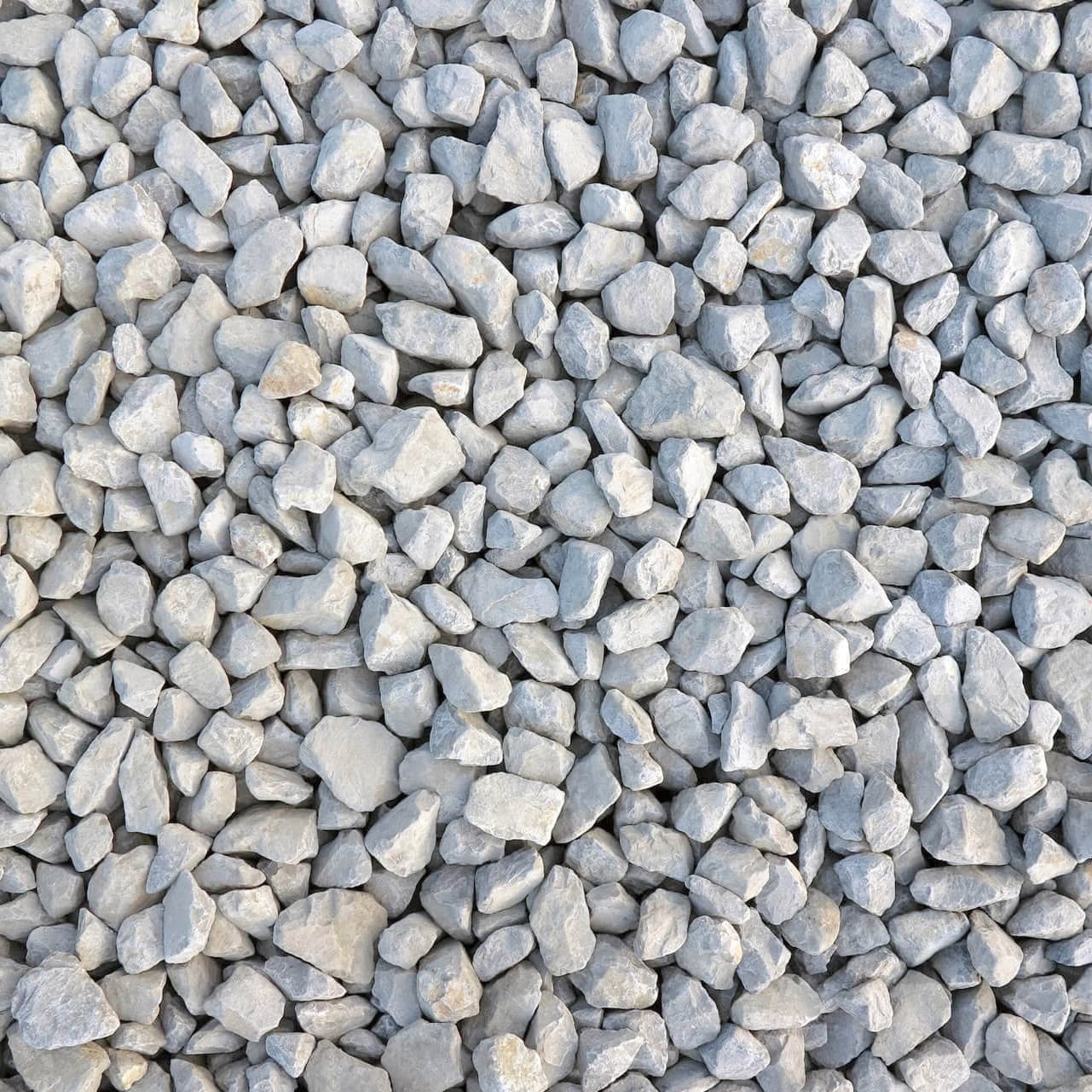
#57 gravel, sometimes called 57 limestone or number 57 stone, is a clean, angular aggregate that typically measures around 1/2 inch to 1 inch. Unlike crusher run, it usually contains fewer fines, which means it drains better but does not compact into a hard surface the same way.
#57 gravel is often used for:
- Driveway top layers
- Drainage systems
- French drains
- Around foundations
- Concrete mix applications
- General landscaping
For buyers comparing crusher run vs #57 gravel, the biggest difference is simple: crusher run compacts better, while #57 gravel drains better.
Crushed Limestone vs Crusher Run vs #57 Gravel
Below is a simple comparison to help customers choose the right aggregate for their needs.
| Product | Best For | Compaction | Drainage | Typical Use |
|---|---|---|---|---|
| Crushed Limestone | General construction and driveway projects | Depends on size | Moderate to good | Base, surface, drainage, landscaping |
| Crusher Run | Stable base layers | Excellent | Lower | Driveway base, pad base, road base |
| #57 Gravel | Drainage and top layers | Moderate | Excellent | Driveway topping, drainage, backfill |
What Is the Best Driveway Rock?
The best driveway rock depends on how you plan to use the area.
If you are building a new driveway from scratch, crusher run is often the best base material because it compacts tightly and creates a strong foundation. Many contractors use it under a top layer of cleaner stone.
If you want a top layer with better drainage and a more finished look, #57 gravel is a common choice. It works especially well when installed over a properly compacted base.
If you are looking for a versatile material for multiple applications, crushed limestone offers a wide range of options depending on the size and grade.
A common setup for long lasting driveways is:
- A compacted crusher run base
- A top layer of #57 gravel or another suitable driveway rock
- Periodic maintenance to level and refresh the surface
What Affects Gravel Prices?
Many customers searching for gravel prices, gravel price per ton, cost of gravel, or how much is a ton of gravel are trying to estimate total project costs before ordering.
The final price usually depends on several factors:
- Material type
- Aggregate size
- Order volume
- Delivery distance
- Local availability
- Seasonal demand
- Whether you order by ton, cubic yard, or truckload
For example, crusher run gravel and #57 gravel may have different prices in the same market because they serve different purposes and come from different supply streams. Crushed limestone prices can also vary by region based on quarry access and transportation cost.
Because delivery has a major impact on total cost, many buyers get the best value by ordering bulk aggregate from a supplier that can source locally and deliver directly to the jobsite.
How to Choose the Right Material for Your Project
Before ordering sand, gravel, or limestone, ask these questions:
1. Do you need compaction or drainage?
If you need a solid base, choose crusher run. If you need water to pass through more easily, #57 gravel is often better.
2. Is this a base layer or a finish layer?
Base layers usually need compactable material. Finish layers often prioritize appearance, drainage, or driving comfort.
3. How much traffic will the area get?
Light residential traffic may allow more flexibility. Heavy vehicles usually require a stronger base and the correct stone size.
4. Are you ordering by ton or by truckload?
A small walkway and a long driveway need very different quantities. Make sure your estimate matches the project dimensions.
Why Bulk Aggregate Delivery Matters
Ordering aggregate online is easier when you can compare products, choose a quantity, and schedule delivery without chasing quotes from multiple yards. Bulk delivery is especially helpful for homeowners, contractors, and property managers who want dependable supply for driveways, landscaping, and construction projects.
When shopping for driveway rock or crushed limestone online, look for a supplier that offers:
- Clear product categories
- Local availability
- Bulk and truckload options
- Transparent delivery information
- Multiple aggregate sizes and types
That makes it easier to compare products like crushed limestone, crusher run, and #57 gravel and order the right material for the job.
Final Thoughts
Crushed limestone, crusher run, and #57 gravel each have an important role in driveway and construction projects. Crusher run is ideal for a compacted base. #57 gravel is a strong choice for drainage and top layers. Crushed limestone gives buyers flexible options across many applications.
If you are comparing driveway rock options, start with the function of the material first, then compare price, availability, and delivery. Choosing the right aggregate at the start can help your driveway last longer, drain better, and require less maintenance over time.