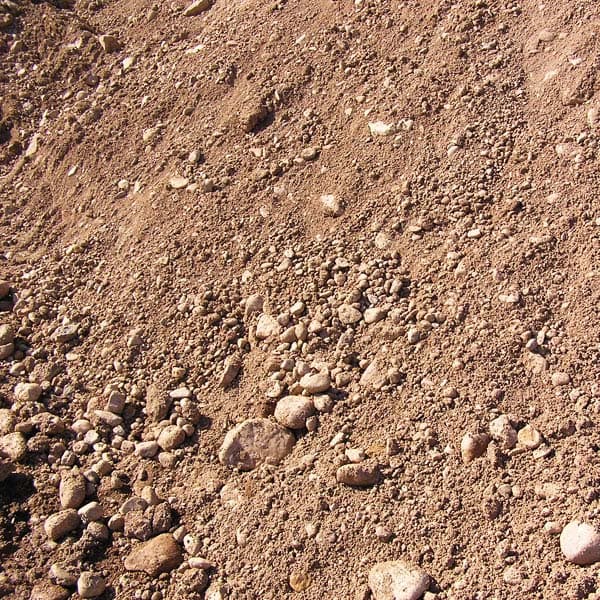
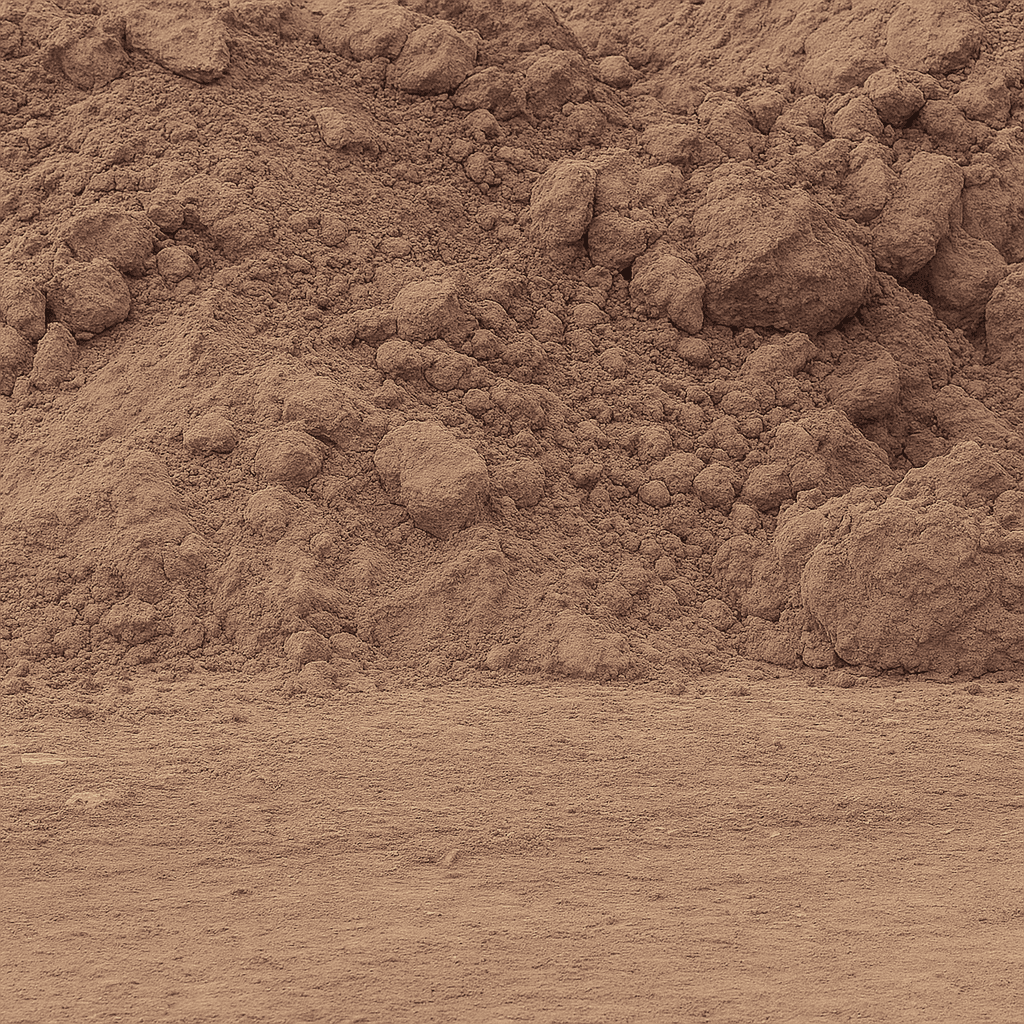
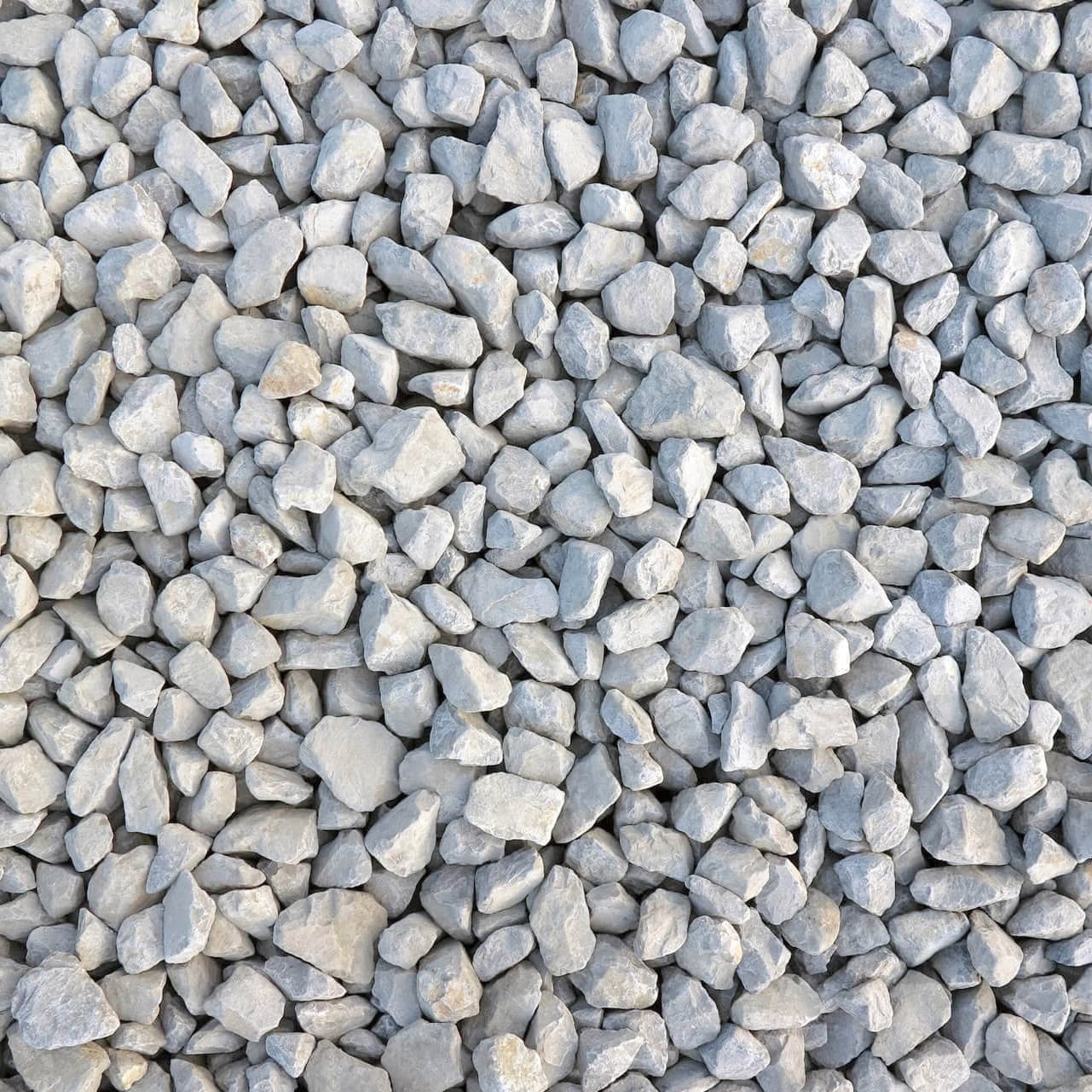
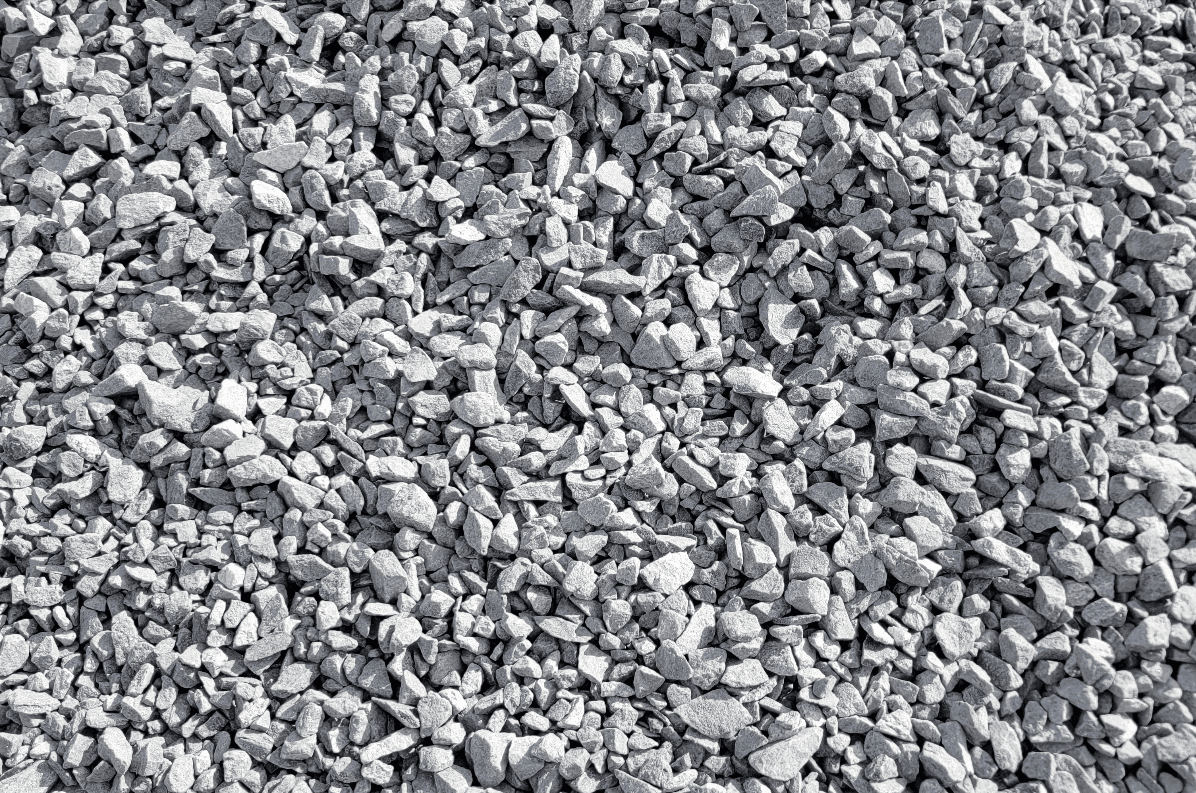
Preparing land for a new home, commercial building, shop, warehouse, slab, parking area, or other construction project involves much more than clearing the property and pouring concrete.
Before foundation work begins, the site may need to be cleared, excavated, filled, raised, graded, moisture-conditioned, compacted, drained, and prepared with the correct soil or aggregate materials.
In Texas, this step deserves particular attention because soil conditions can vary significantly between locations. Expansive clay, sandy soils, weak subgrade, drainage issues, and elevation differences can all affect how a building pad or construction site should be prepared.
A typical project may require several different bulk materials, including:
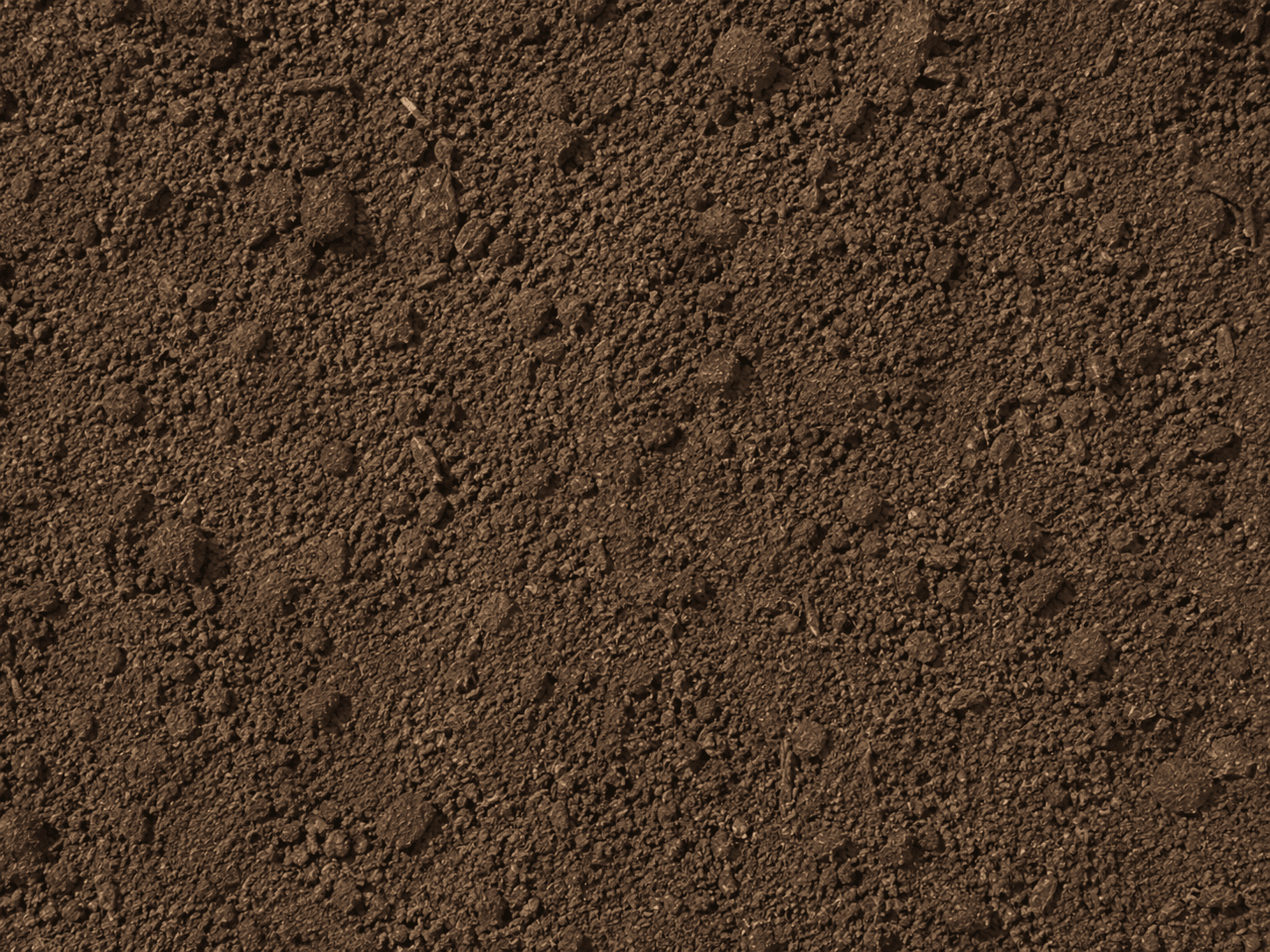
- Fill dirt
- Select fill
- Structural fill
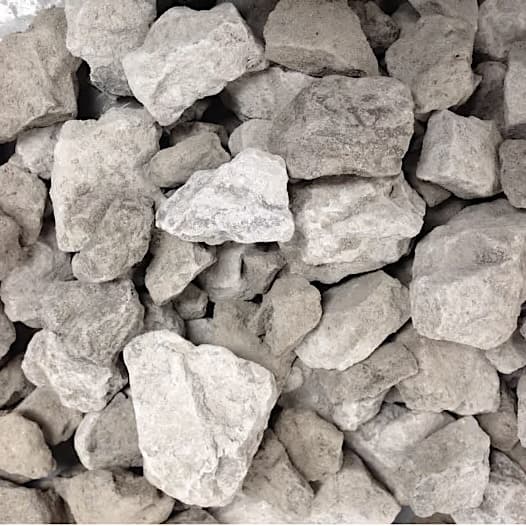
- Crushed limestone
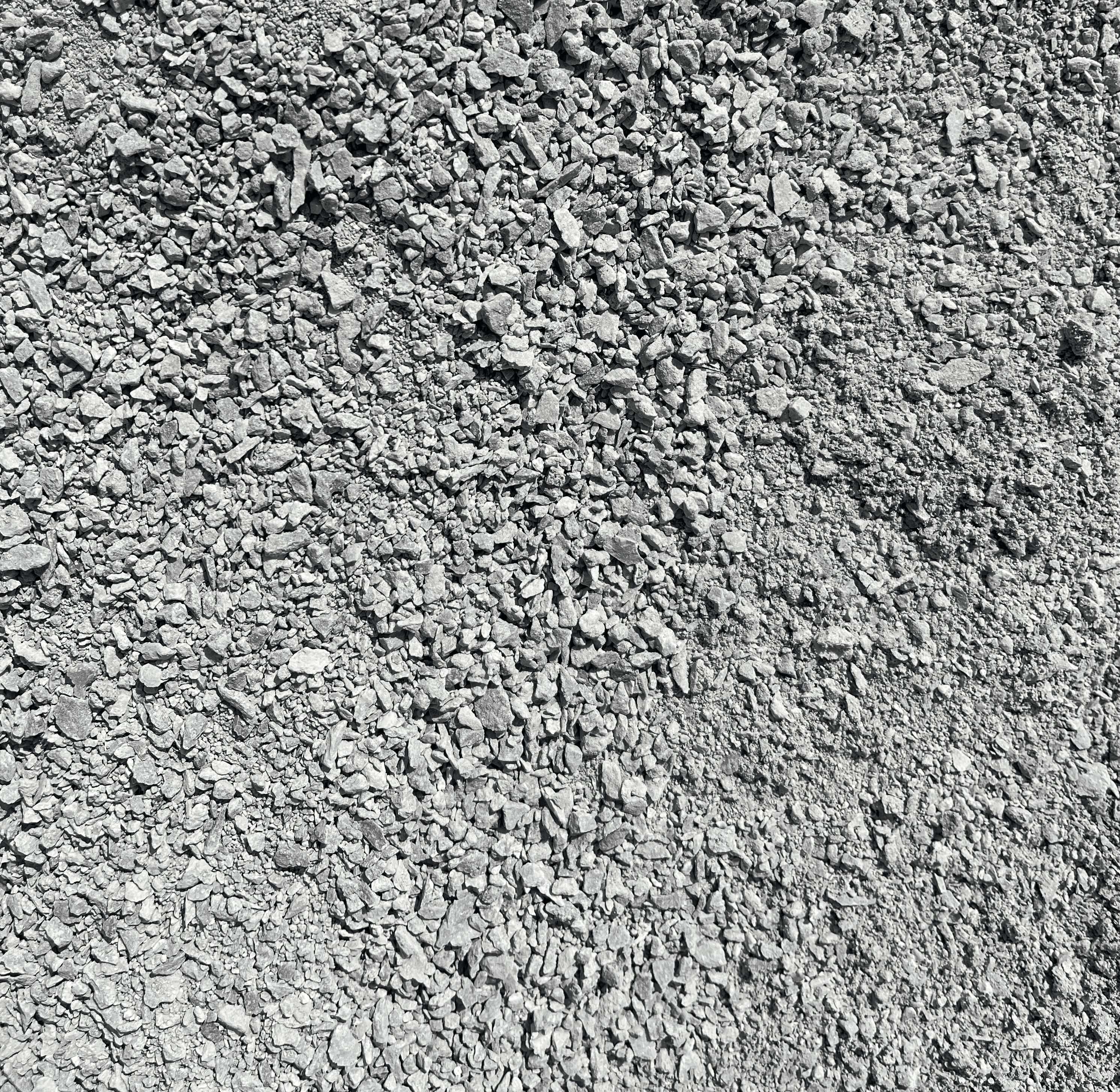
- Flexible base or road base
- Crusher run
- #57 limestone or other clean drainage stone
- Concrete sand
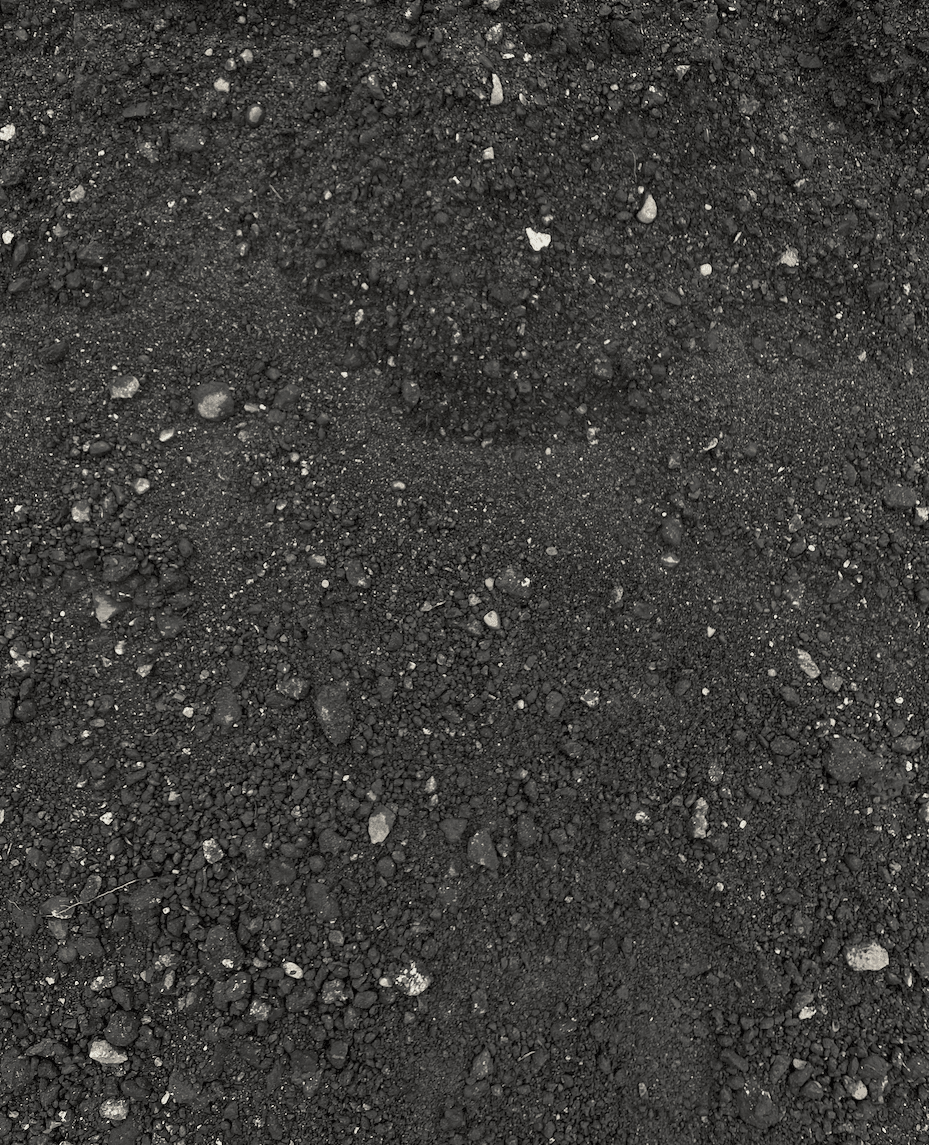
- Screened soil
- Topsoil
The correct material depends on what part of the site you are building and what the project plans or geotechnical recommendations require.
This guide explains the typical process for preparing a construction site and building pad in Texas and where each type of bulk material is commonly used.

Step 1: Understand the Existing Soil Before Ordering Fill
Before ordering truckloads of fill dirt or aggregate, determine what is already underneath the project.
Texas soil conditions can change considerably by region and even within the same development. Some locations contain highly expansive clay that changes volume as moisture conditions change, while other areas may contain sand, limestone, mixed soils, or previously placed fill.
For a small non-structural project, contractors may be able to evaluate existing conditions during excavation.
For a house foundation, commercial building, warehouse, industrial project, or other significant structure, a geotechnical investigation is often the better starting point.
A geotechnical report may identify:
- Existing soil types
- Expansive soil conditions
- Weak or unsuitable material
- Required excavation depth
- Building pad recommendations
- Select fill requirements
- Moisture-conditioning requirements
- Compaction requirements
- Foundation recommendations
- Drainage considerations
- Potential soil treatment
Texas transportation guidance specifically recognizes expansive soils as an important consideration when preparing subgrade and base layers.
Do not order material based only on the product name
If your plans call for Select Fill, that does not necessarily mean any locally advertised select fill will meet the specification.
Engineered projects may specify characteristics such as plasticity, gradation, moisture content, density, or compaction performance.
Send the supplier or material marketplace the project specification whenever one exists.
That is particularly important when sourcing large quantities for a building pad.
Step 2: Clear and Strip the Construction Area
Construction usually begins by removing material that should not remain beneath the building pad or structural areas.
This can include:
- Vegetation
- Trees and roots
- Organic topsoil
- Debris
- Loose material
- Existing unsuitable fill
- Soft or unstable soil
Topsoil is valuable for landscaping, but it is generally not the material you want buried underneath a structural building pad.
Contractors will often strip usable topsoil and stockpile it elsewhere on the property so it can be reused during final landscaping.
Once unsuitable surface material has been removed, the contractor can evaluate the exposed subgrade and determine where additional excavation, stabilization, or fill is required.
Step 3: Establish the Required Site Elevation
One of the biggest reasons Texas construction projects require bulk dirt delivery is simple:
The site needs to be higher.
The existing land may be too low, uneven, poorly drained, or below the required finished construction elevation.
This is common when preparing:
- House pads
- Commercial building pads
- Warehouses
- Shops and barns
- Apartment developments
- Subdivisions
- Industrial properties
- Parking lots
- Roads
- Ranch developments
- Large yards
A grading plan establishes the required elevations and slopes across the project.
The difference between existing ground elevation and proposed finished elevation determines how much soil must be moved, excavated, or imported.
Even a relatively small elevation increase across a large area can require a substantial amount of material.
For example, a building footprint itself might appear modest, but fill may also need to extend beyond the structure to provide working space and transition the pad into the surrounding grade.
That can turn what appears to be a few truckloads of dirt into dozens or hundreds of loads.
Step 4: Use Economical Fill for Large-Volume Filling Where Appropriate
Not every cubic yard of a construction site needs expensive engineered material.
When the objective is primarily to raise elevation or fill large non-critical areas, contractors may use:
Fill dirt, common fill, unscreened soil, or another approved bulk fill material.
These materials are commonly used for:
- Filling large depressions
- Raising general site elevation
- Rough grading
- Building slopes
- Forming berms
- Reshaping land
- Filling portions of development sites
- Preparing areas that will later receive better material
Using economical bulk fill for deeper portions of a project can significantly reduce material costs compared with using premium select fill throughout the entire fill depth.
However, whether common fill can be used beneath or near a structure depends on the project design.
Do not substitute ordinary fill dirt for specified structural or select fill simply because it is less expensive.
Step 5: Build the Foundation Pad With the Specified Select Fill
As construction approaches the structural portion of the project, material requirements typically become more controlled.
Select Fill is commonly used for building-pad construction because it provides more predictable placement and compaction characteristics than ordinary excavated dirt.
Depending on the local material and project specification, select fill may consist of controlled proportions of sand, clay, and mineral particles with limited organic matter and unsuitable debris.
It is commonly used beneath:
- House foundations
- Concrete slabs
- Commercial buildings
- Warehouses
- Industrial buildings
- Shops
- Parking areas
- Pavement
- Other load-bearing improvements
Texas project specifications can require select fill beneath slabs or pavement where existing soils are unsuitable or expansive. However, the exact material specification and required depth are project-specific.
Why Select Fill matters
A building pad needs more than dirt piled to the correct elevation.
The material must be placed and compacted correctly so the finished layer performs as intended.
Select fill can help contractors create a more uniform working platform and control soil behavior beneath the construction area when it is appropriate for the design.
Step 6: Place Fill in Controlled Lifts
One of the biggest mistakes in site preparation is placing a large depth of soil at once and attempting to compact only the surface.
Construction fill is normally placed progressively in lifts, or controlled layers.
Each layer is spread across the site, brought to the appropriate moisture condition, and mechanically compacted before additional fill is placed.
The exact:
- Lift thickness
- Moisture requirement
- Compaction percentage
- Testing procedure
- Equipment requirement
should follow the geotechnical report, plans, or project specification.
For engineered Texas projects, specifications can require controlled lift thicknesses and density testing rather than simply spreading and rolling the material once.
This process continues until the building pad reaches the required elevation.
For large pads, that can mean repeated cycles of:
truck delivery → spreading → moisture conditioning → compaction → testing → next lift
and may continue for days or weeks.
Step 7: Prepare Construction Access Before Heavy Truck Traffic Begins
The building pad is not the only part of the project that needs material.
Once construction begins, the site may receive traffic from:
- Dump trucks
- Concrete trucks
- Excavators
- Loaders
- Cranes
- Material delivery trucks
- Utility crews
- Subcontractors
- Employee vehicles
Weak or muddy access can quickly interfere with construction.
Contractors often establish a construction entrance, temporary access road, or working surface using compactable aggregate.
Common materials can include:
- Texas flex base
- Limestone road base
- Crusher run
- Crushed concrete
- Aggregate base
- Asphalt millings
The best material depends on the project, local availability, traffic load, and specification.
A dense-graded aggregate containing stone and fines can be mechanically compacted into a firm working surface and is generally more appropriate for road-base applications than clean drainage stone.
Step 8: Install Road Base or Limestone Base Where Structural Support Is Needed
For roads, parking areas, driveways, construction entrances, and other traffic areas, a compactable aggregate base is commonly installed above the prepared subgrade.
Texas contractors frequently source materials under names such as:
flex base, limestone base, crushed limestone base, road base, aggregate base, or crusher run.
These products contain a combination of larger crushed aggregate and smaller fines.
During compaction, the smaller particles fill spaces between the larger stone and help produce a dense layer capable of distributing loads.
Texas guidance for flexible-base construction emphasizes that base performance depends on factors including the underlying subgrade, loading, confinement, material availability, and cost.
For engineered or public work, use the exact material specification shown on the plans rather than assuming every product marketed as “road base” is interchangeable.
Step 9: Use Clean Stone Where Drainage Is Required
The material you want underneath a road is not necessarily the material you want inside a drainage system.
Dense materials like crusher run contain fines because they are designed to compact.
Drainage applications typically require clean stone with fewer fines.
Common choices include:
- #57 limestone
- #57 granite
- #67 stone
- #8 stone
- Other locally specified clean aggregate
These materials leave open voids between particles so water can move through the aggregate layer.
Clean stone is commonly used for:
- Foundation drainage
- French drains
- Retaining wall backfill
- Utility trenches
- Pipe bedding
- Perimeter drainage
- Drainage beneath slabs
- Septic applications where specified
- Stormwater installations
If the project calls for clean drainage aggregate, replacing it with dense road base can change how water moves through the system.
Step 10: Prepare Utility Trenches and Pipe Bedding
New construction usually brings water, sewer, electrical, drainage, communications, and other underground utilities.
These installations may require their own bedding and backfill materials.
Depending on the utility and specification, materials may include:
- Concrete sand
- #8 stone
- #57 stone
- Select fill
- Approved trench backfill
Smaller aggregate or sand may be useful around pipes because it can be placed more precisely than large stone.
Again, follow the utility or engineering specification where one exists.
A municipal sewer project and a backyard drainage line may have completely different requirements even though both involve a trench.
Step 11: Prepare for Concrete and Foundation Work
Once the pad, subgrade, utilities, and drainage systems are prepared, the site moves toward foundation construction.
Materials needed around this stage can include:
- Select fill
- Concrete sand
- Clean aggregate
- Crushed limestone
- Road base
- Specified concrete aggregates
The exact foundation system depends on the project and soil conditions.
Texas foundations may include slab-on-grade systems, pier-supported foundations, drilled shafts, footings, or other engineered systems.
The geotechnical and structural designs—not a generic online guide—should determine how the actual foundation is built.
Bulk aggregate purchasing should follow those plans.
Step 12: Calculate How Much Fill Dirt or Aggregate You Need
This is where construction material orders can get expensive if the quantity is estimated incorrectly.
For a rectangular area, start by calculating:
Length × Width × Average Depth
and converting the resulting volume into cubic yards.
But construction projects usually require more than a simple geometric calculation.
Consider:
- Compaction
- Existing slopes
- Uneven terrain
- Pad overbuild
- Side slopes
- Material loss during grading
- Excavated unsuitable soil
- Transition areas
- Roads and access areas
- Utility areas
- Additional project phases
Most importantly, loose delivered volume is not the same as finished compacted volume.
Material consolidates as it is spread and compacted.
For a major house pad, commercial building, development, or roadway project, use the grading plan or contractor's earthwork calculation instead of estimating solely from the building footprint.
Step 13: Convert Your Material Requirement Into Truckloads
Once you know approximately how much material is required, the next question is usually:
How many dump trucks do I need?
Truck capacity varies based on:
- Truck configuration
- Material density
- Legal weight limits
- Hauling conditions
- Supplier equipment
- Local regulations
Material may also be sold by either ton or cubic yard depending on the supplier and product.
Do not assume one truckload equals one universal quantity.
For example, a load of soil and a load of crushed limestone can have very different weights even if they occupy similar physical space.
For high-volume projects, it is generally better to plan around the total required tonnage or cubic-yard quantity and allow the supplier or trucking provider to determine the number of loads.
Step 14: Compare Delivered Cost, Not Just Material Price
Bulk construction material pricing has two major components:
The material itself + transportation to the project.
This distinction is especially important in Texas because haul distances can be significant.
A quarry offering limestone at a lower price per ton may ultimately cost more if it is substantially farther from the construction site.
Delivered cost can depend on:
- Material price
- Quarry or pit location
- Delivery address
- Quantity
- Truck type
- Haul distance
- Loading time
- Site access
- Current trucking rates
- Supplier availability
For contractors purchasing significant quantities, a difference of only a few dollars per delivered ton can become substantial across hundreds or thousands of tons.
The closest source is not always the cheapest source.
The cheapest material at the quarry is not always the cheapest material delivered to the job site.
Step 15: Coordinate Bulk Material Delivery With Site Production
Large construction projects should treat material delivery as part of the production schedule.
A grading crew may have:
- Excavators
- Dozers
- Loaders
- Compactors
- Operators
- Survey crews
working simultaneously.
If those crews are waiting for fill dirt, select fill, or road base, the project can lose productivity quickly.
For ongoing projects, determine:
- Required material
- Total expected volume
- Trucks needed per day
- Desired delivery hours
- Project duration
- Placement location
- Site entrance
- Turnaround area
- Whether multiple materials are required
- Whether backup material sources are needed
A project might initially require common fill, then transition to select fill, road base, drainage stone, and eventually topsoil.
Planning those phases ahead of time makes bulk material sourcing much easier.
Step 16: Finish the Site With Screened Soil or Topsoil
Once heavy construction is complete, the material requirements change again.
Rough fill and structural material are excellent for creating elevation and support, but they usually are not the ideal finished surface for lawns or planting.
Landscape areas may receive:
- Screened soil
- Screened topsoil
- Garden soil
- Compost
- Soil blends
Screened material creates a smoother surface that is easier to grade, rake, seed, and sod.
This is another reason it often makes sense to build a project in layers.
Use economical or structural materials where volume and support are required, then use finer soil only where the finished landscape actually needs it.
Common Mistakes When Preparing a Texas Construction Site
Ordering Fill Dirt When the Plans Require Select Fill
Generic fill may not meet structural or geotechnical requirements.
Check the specification before ordering large quantities.
Using Topsoil for Deep Filling
Topsoil is generally better reserved for the finished landscape layer rather than used simply to gain construction elevation.
Using #57 Stone as Road Base
#57 stone drains well but contains too few fines to compact like a dense road-base material.
Using Crusher Run for a Drainage System
Crusher run contains fines specifically because it is designed to compact. Clean stone is generally a better choice where free drainage is required.
Ignoring Truck Access
A fully loaded dump truck needs a suitable route into and out of the site.
Soft ground, overhead wires, narrow gates, low tree limbs, steep slopes, septic systems, and insufficient turning areas can all create delivery problems.
Buying Only by Price Per Ton
Compare the delivered cost to the construction site, not only the quarry price.
Ordering Hundreds of Tons Before Confirming the Specification
For engineered projects, verify the material before committing to high-volume delivery.
What Materials Might a Texas New-Construction Project Need?
A typical project could progress something like this:
Early grading:
Fill dirt or common fill to establish general elevation.
Building pad:
Specified select fill placed and compacted in lifts.
Construction entrance:
Flex base, crushed limestone, crusher run, crushed concrete, or another compactable aggregate.
Foundation drainage:
#57 limestone or another specified clean stone.
Utility work:
Sand, #8 stone, #57 stone, select fill, or specified bedding material.
Roads and parking:
Road base or flexible base beneath pavement.
Final landscaping:
Screened soil or topsoil.
The exact sequence varies, but the important point is that one material normally does not perform every job on a construction site.
Ordering Construction & Foundation Materials in Texas
Before requesting bulk material delivery, have as much of the following information available as possible:
- Texas project address
- Required material
- Project specification, if applicable
- Approximate tonnage or cubic yards
- Intended use
- Required delivery date
- Expected daily volume
- Site access information
- Whether the project is residential or commercial
- Whether deliveries will continue over several days or weeks
For engineered projects, include the geotechnical or material specification.
For homeowners who do not know the exact material, start with the application—for example:
“I am building a house pad and need approximately 600 cubic yards of fill.”
“I need compactable limestone base for a commercial parking area.”
“I need clean stone for foundation drainage.”
That information makes it much easier to match the project with an appropriate material source.
Find Bulk Fill, Select Fill, Limestone & Construction Materials in Texas
Texas construction projects can require anything from a few truckloads of limestone for a residential driveway to thousands of tons of fill and aggregate for a commercial development.
Whether you are preparing a house pad, foundation, warehouse, subdivision, commercial property, road, ranch, parking lot, utility project, or industrial site, material sourcing ultimately comes down to four things:
the correct material, the required quantity, a suitable local source, and reliable delivery to the job site.
Aggregate Markets helps homeowners, contractors, excavation companies, builders, developers, municipalities, and commercial buyers source fill dirt, select fill, crushed limestone, flexible base, road base, sand, gravel, drainage stone, topsoil, and other bulk construction materials from suppliers serving their project location.
Enter your Texas delivery address and project requirements to check available bulk materials and delivered options from sources serving your area.
For ongoing construction projects, material can also be sourced around larger quantities, project specifications, daily trucking requirements, and multiple phases of site development.