Crushed limestone is one of the most commonly used aggregates for residential, commercial, and farm projects. Whether you are building a driveway, improving drainage, creating a stable base, or topping off a parking area, choosing the right limestone gravel size matters.
Many buyers search for terms like crushed limestone, limestone gravel, #57 gravel, or #4 limestone when they are trying to figure out what material to order. The challenge is that these products may look similar at first, but they perform very differently depending on the size, shape, and amount of fines in the mix.
In this guide, we explain what crushed limestone is, how common limestone gravel sizes compare, and how to choose the right aggregate for driveways, drainage, and base applications.
What Is Crushed Limestone?
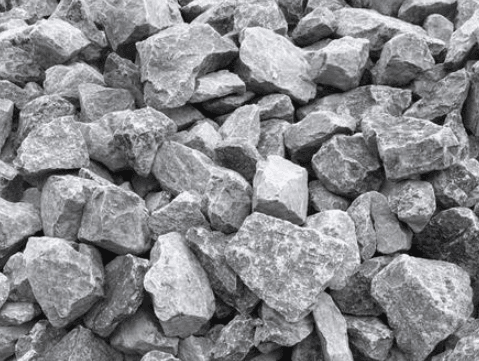
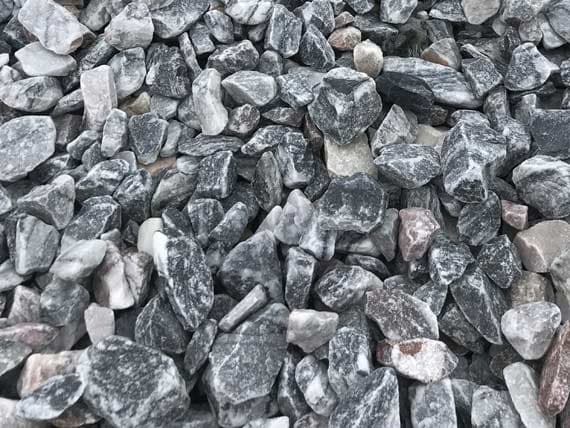
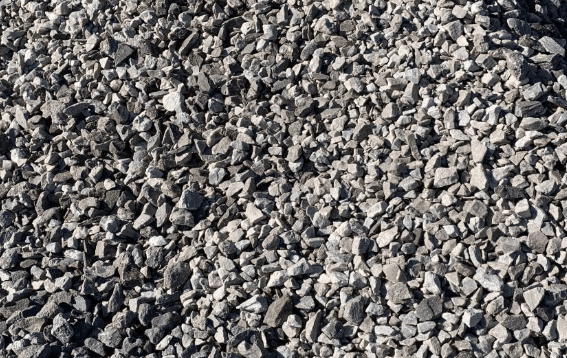
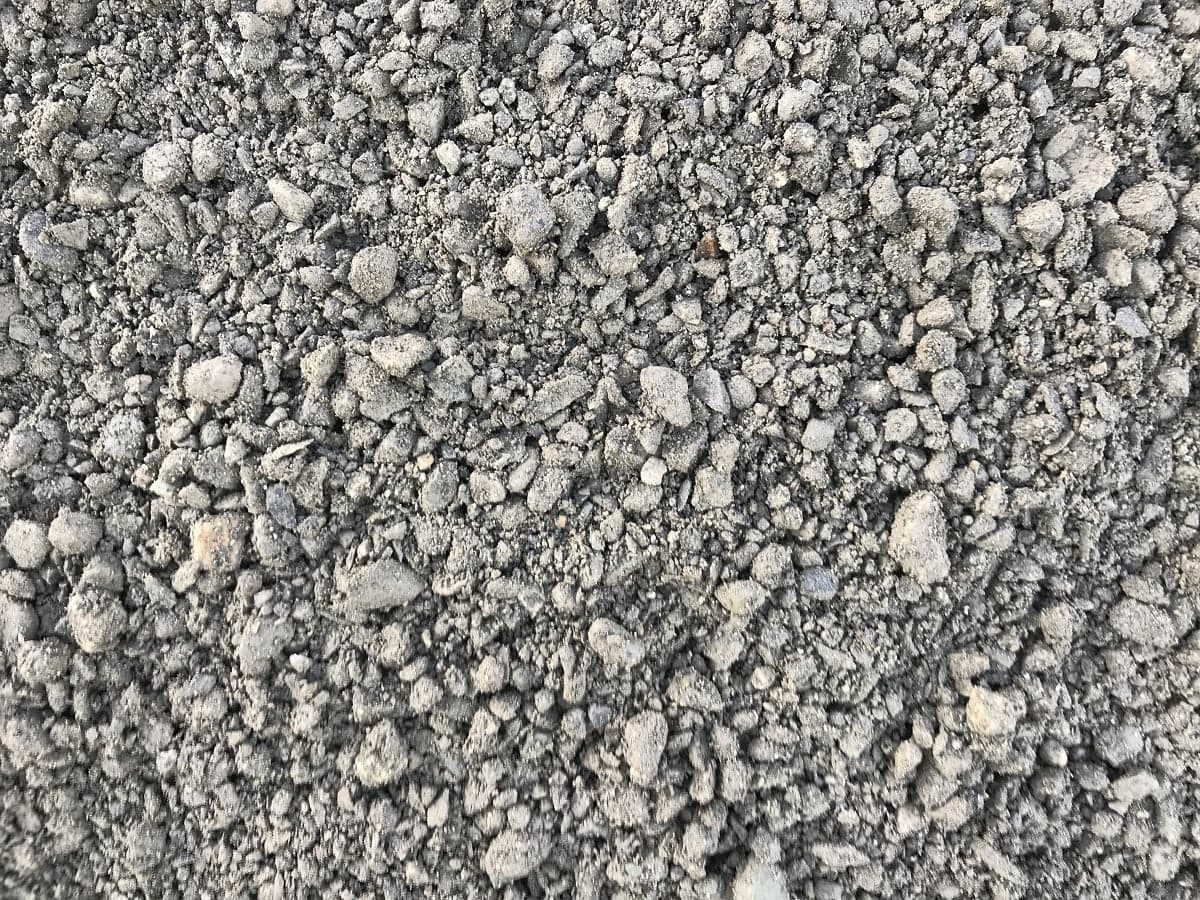
Crushed limestone is an angular aggregate made by crushing quarried limestone rock into specific sizes. It is used in a wide range of construction and landscaping projects because it compacts well, drains predictably, and is available in multiple gradations.
Depending on the product, crushed limestone may contain:
- larger angular stone
- smaller chips
- stone dust or fines
That blend affects whether the material is better for compaction, drainage, surface coverage, or structural support.
Limestone Gravel vs Crushed Limestone
People often use the terms limestone gravel and crushed limestone interchangeably. In practice, both usually refer to limestone aggregate products, but the exact material can vary by supplier and product listing.
In general:
- Crushed limestone usually emphasizes manufactured angular stone, often used for base or compacted surfaces
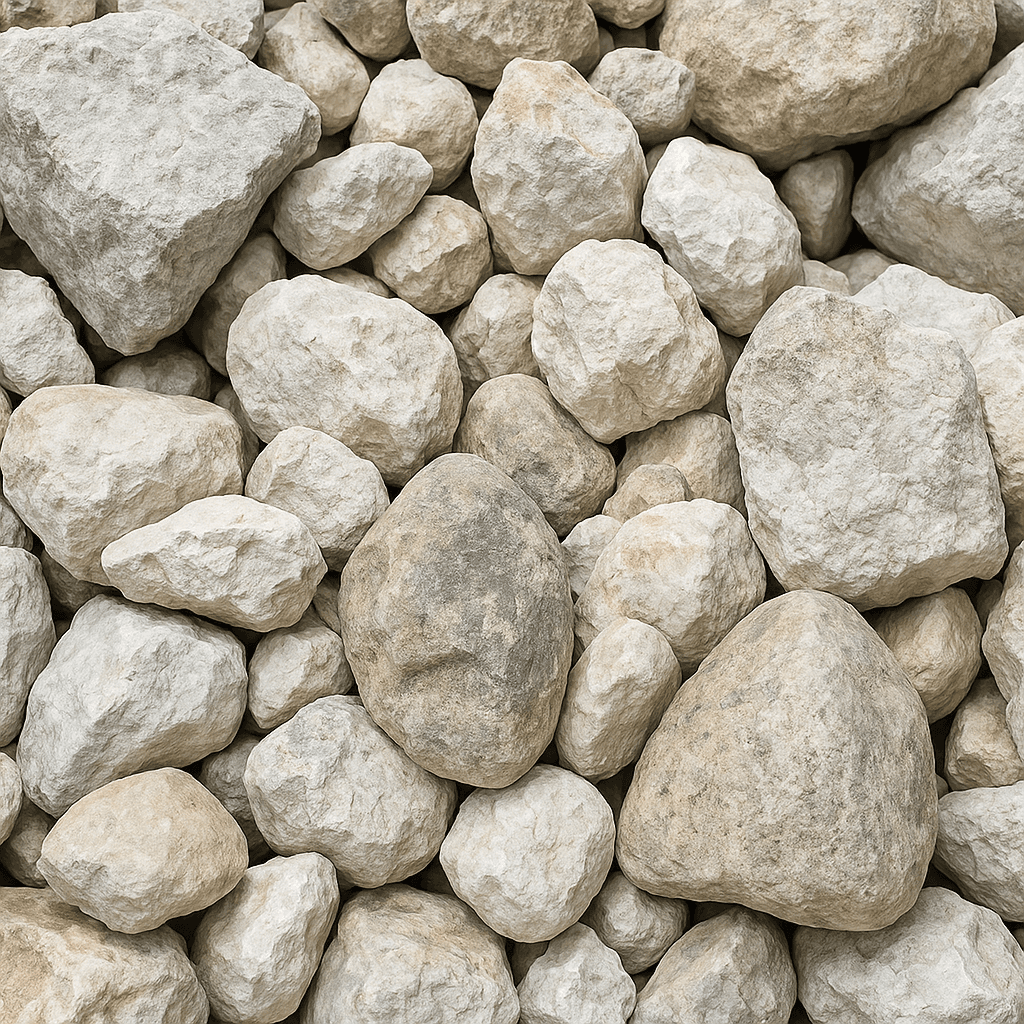
- Limestone gravel is a broader term that may include several limestone sizes used for driveways, drainage, landscaping, or general fill
For buyers, the most important step is not the label alone. It is understanding the size and intended use of the material.
Common Limestone Gravel Sizes and Their Best Uses
The right limestone product depends on whether you need compaction, drainage, or a stable surface finish.
| Material | Typical Size | Best For | Compacts? | Drains Well? |
|---|---|---|---|---|
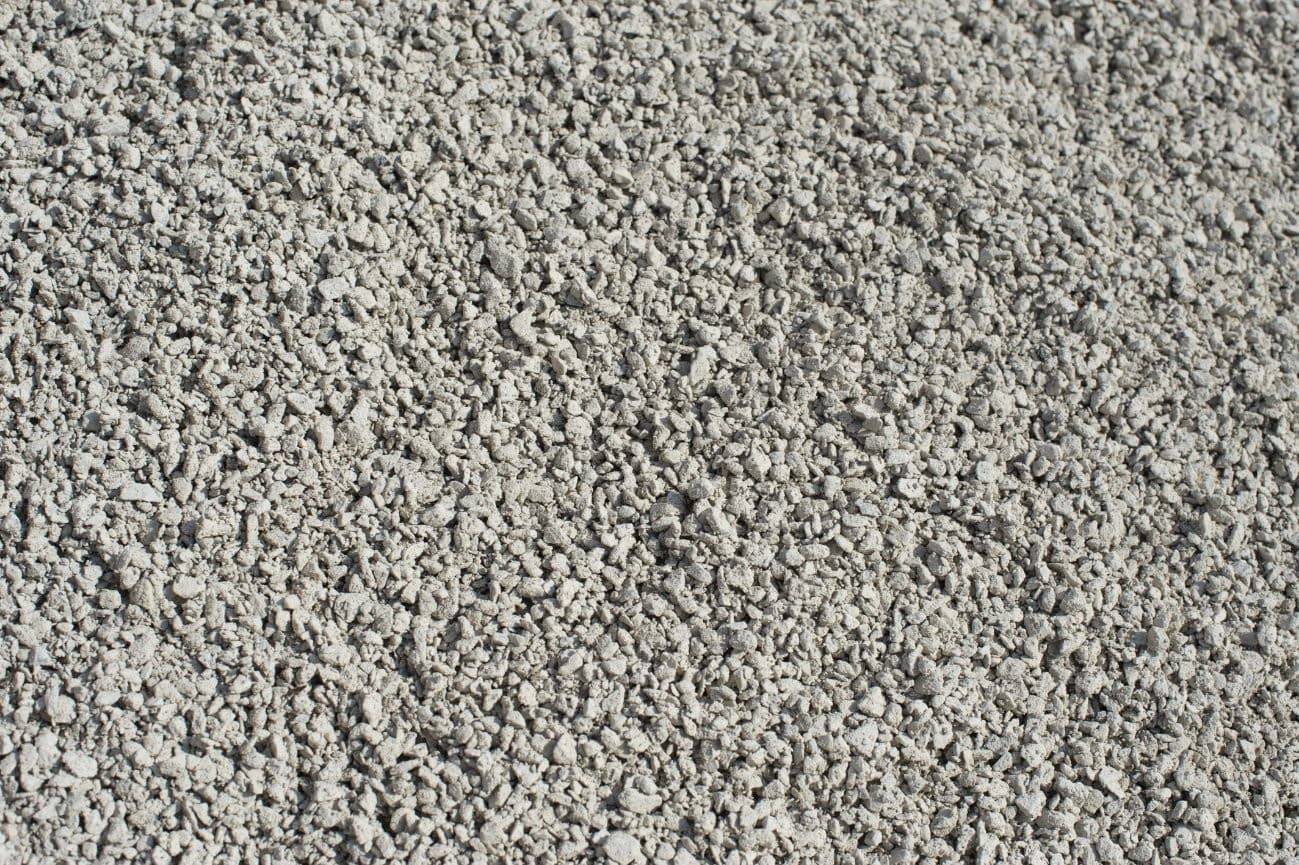
| Crushed limestone with fines | Mixed sizes with dust | Base layers, driveways, pads | Yes | Moderate |
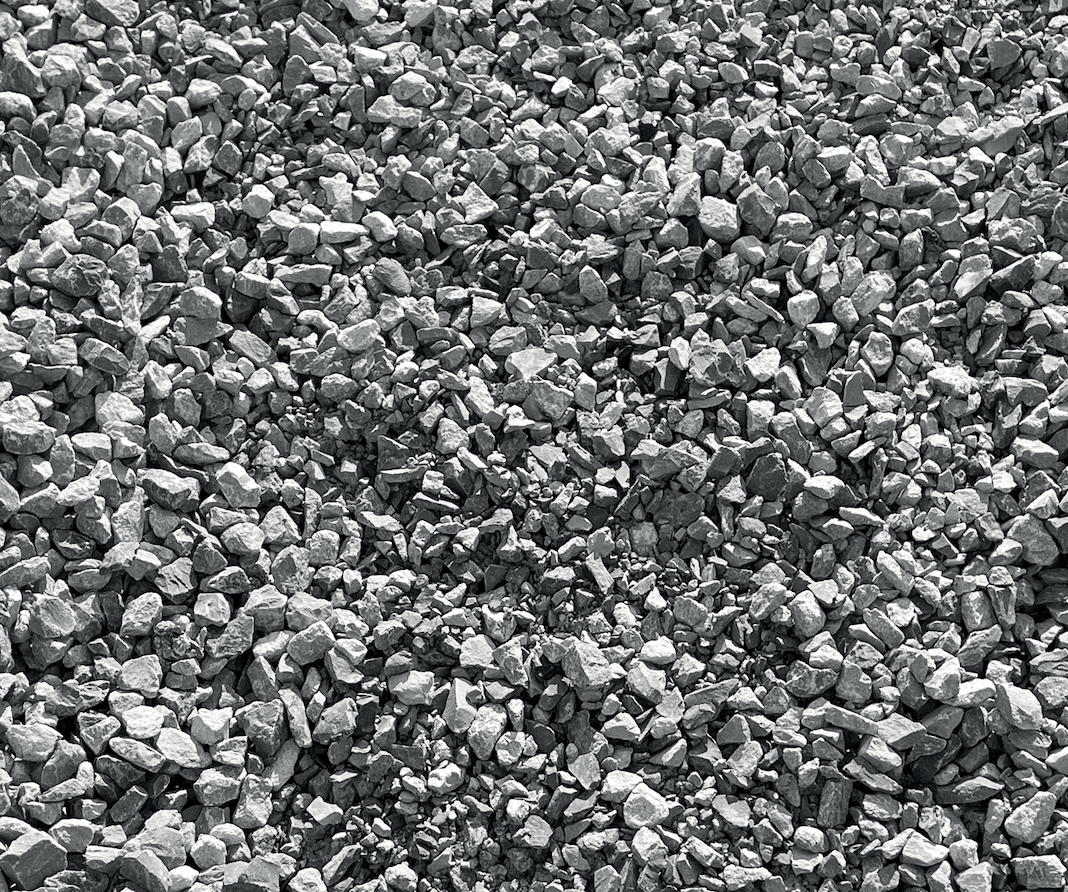
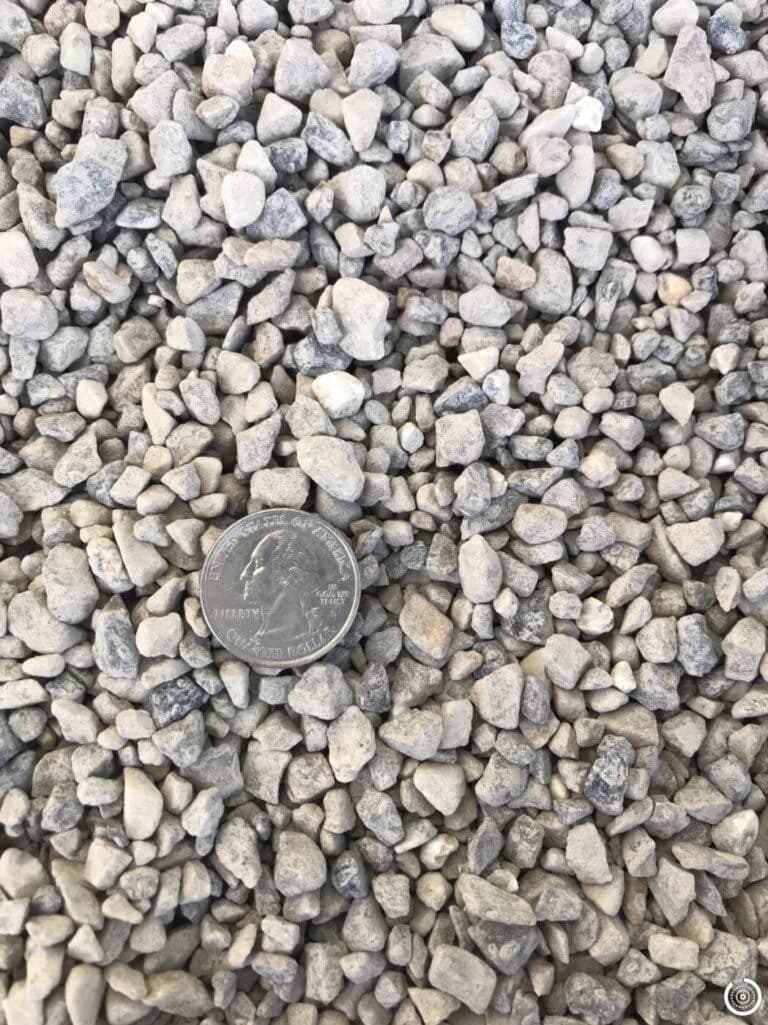
| #57 limestone gravel | About 3/4 inch to 1 inch | Drainage, driveways, top layer, backfill | Lightly | Yes |
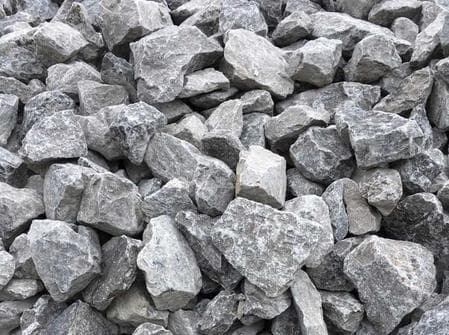
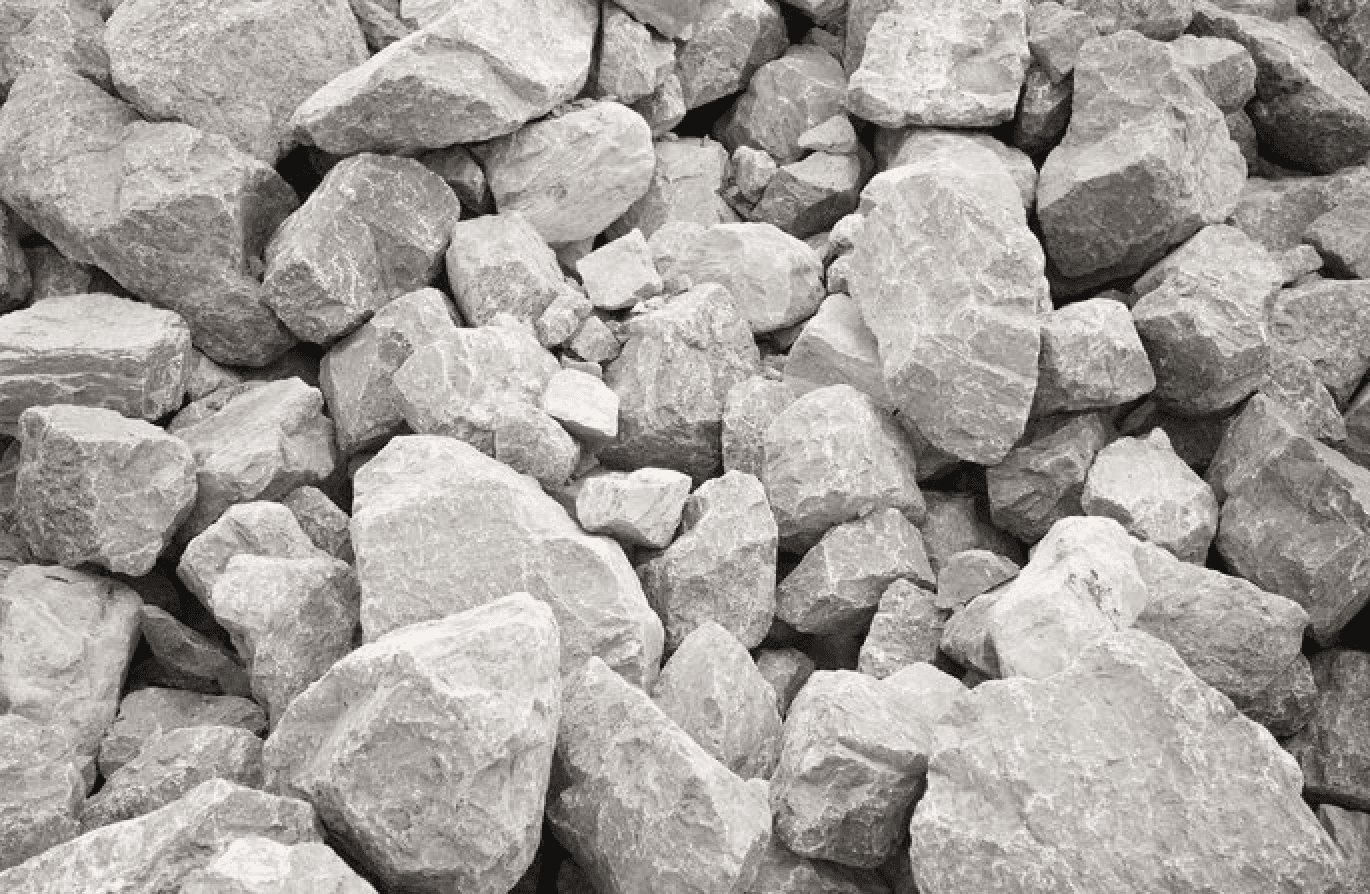
| #4 limestone | Larger stone, often 1 to 2 inches | Drainage, erosion control, heavy-use areas | No | Excellent |
When to Use Crushed Limestone for a Driveway
Crushed limestone is a strong choice for driveways because angular particles lock together better than rounded stone. If the product includes fines, it can compact into a dense and stable base that holds up well under traffic.
Crushed limestone is often a good fit when you want:
- a firm driveway base
- improved load support
- a material that compacts tightly
- a practical option for rural roads, parking pads, or equipment areas
For many driveway projects, buyers use one compactable limestone product for the base and then choose a different top layer depending on the finish and drainage they want.
Is #57 Gravel Good for Driveways?
Yes, #57 gravel is commonly used in driveways, but it works best in specific roles.
Because #57 limestone is a clean, angular stone with little or no fines, it typically drains better than compactable base material. That makes it useful for:
- a top layer over a solid base
- areas where water needs to move through the surface
- parking areas with moderate traffic
- drainage zones next to driveways
If you use #57 gravel alone on a soft subgrade, it may shift more than a dense-graded limestone product. In many projects, the best result comes from using compacted crushed limestone underneath and #57 stone above.
What Is #4 Limestone Used For?
#4 limestone is a larger stone product often used where drainage and durability matter more than a smooth surface.
It is commonly used for:
- drainage trenches
- culvert backfill
- erosion control
- wet areas
- stabilizing muddy access points
- heavy-duty base support in some applications
Because it is larger and more open-graded than smaller driveway stone, #4 limestone usually does not create the same finished driving surface as compactable crushed limestone. It is better suited for structural and drainage roles than for a clean finished surface.
Choosing the Right Limestone Aggregate for Your Project
The best limestone gravel depends on how the material needs to perform.
Choose compactable crushed limestone if you need:
- a driveway base
- a shed or building pad
- a stable road base
- a hard-packed surface
Choose #57 limestone gravel if you need:
- drainage behind walls
- a top layer with good water flow
- backfill around pipe
- general-purpose driveway stone over a stable base
Choose #4 limestone if you need:
- large drainage stone
- support in wet conditions
- erosion control applications
- a heavy-duty coarse aggregate layer
How Much Does 1 Ton of Gravel Cover?
A common buying question is how far 1 ton of gravel or limestone gravel will go. The actual coverage depends on the material size, moisture, compaction, and depth, but a general rule is:
- 1 ton of aggregate covers about 80 to 100 square feet at 2 inches deep
- 1 ton covers about 160 to 200 square feet at 1 inch deep
- deeper applications require more tons quickly
Driveways, base layers, and drainage areas often need more material than buyers first expect, especially when the site has soft ground or uneven grade.
| Depth | Approximate Coverage Per Ton |
|---|---|
| 1 inch | 160 to 200 sq ft |
| 2 inches | 80 to 100 sq ft |
| 3 inches | 55 to 70 sq ft |
For a more accurate order, buyers should calculate project length × width × desired depth and then confirm the tonnage with the supplier based on the exact product.
Where to Buy Crushed Limestone Near You
If you are searching for where to buy crushed limestone near me, the best option is usually a supplier or marketplace that lets you compare available products by location, size, and intended use.
Before ordering, check:
- the exact product name and size
- whether the material includes fines
- whether it is intended for base, drainage, or surface use
- minimum order quantity
- delivery availability
- whether pricing is listed by ton, cubic yard, or truckload
This is especially important because one supplier’s “limestone gravel” may be very different from another supplier’s listing.
Tips for Ordering Limestone Gravel Online
Ordering aggregates online is easier when you start with the use case, not just the keyword.
Ask these questions first:
- Is the material for compaction, drainage, or surface appearance?
- Do you need a base layer, a top layer, or both?
- Are you ordering by ton, yard, or full truckload?
- Does your site have access limitations for delivery?
- Is your project in a wet area where drainage stone performs better?
A little planning helps reduce overordering, underordering, and the risk of getting a material that does not match the job.
Final Thoughts
Crushed limestone remains one of the most reliable materials for driveways, base work, drainage, and general site improvement. But not all limestone gravel products behave the same way.
If you need a dense and stable base, compactable crushed limestone is often the better fit. If you need better drainage or a clean top layer, #57 gravel may be the stronger option. If you are working in wet or high-flow areas, #4 limestone can provide the large stone structure needed for drainage and support.
Understanding the size, gradation, and intended use of each product helps you choose the right limestone aggregate and avoid costly mistakes.
FAQ
What is the difference between crushed limestone and limestone gravel?
Crushed limestone usually refers to angular limestone aggregate produced by crushing rock into specific sizes. Limestone gravel is a broader term that may include several limestone products used for driveways, drainage, and base work.
Is #57 gravel the same as crushed limestone?
Not always. #57 gravel is a specific aggregate size, while crushed limestone is a broader category. Some crushed limestone products include fines for compaction, while #57 stone is usually cleaner and drains better.
What is #4 limestone used for?
#4 limestone is commonly used for drainage, erosion control, wet areas, and heavy-duty support applications where large stone performs better than compactable fines-based material.
How much does 1 ton of limestone gravel cover?
As a general estimate, 1 ton covers about 80 to 100 square feet at 2 inches deep. Coverage varies by depth, compaction, and the specific material.