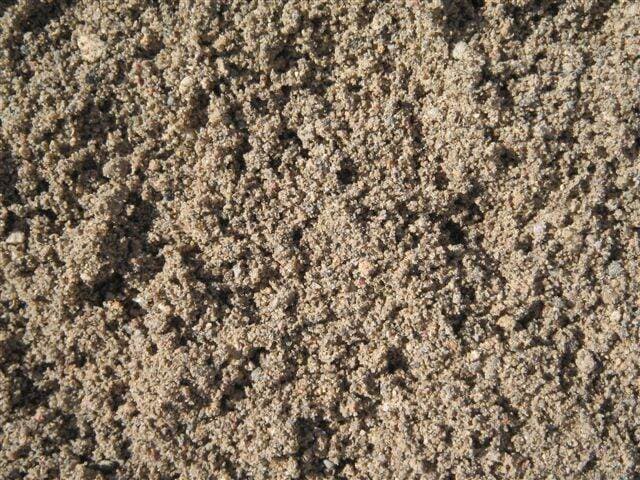
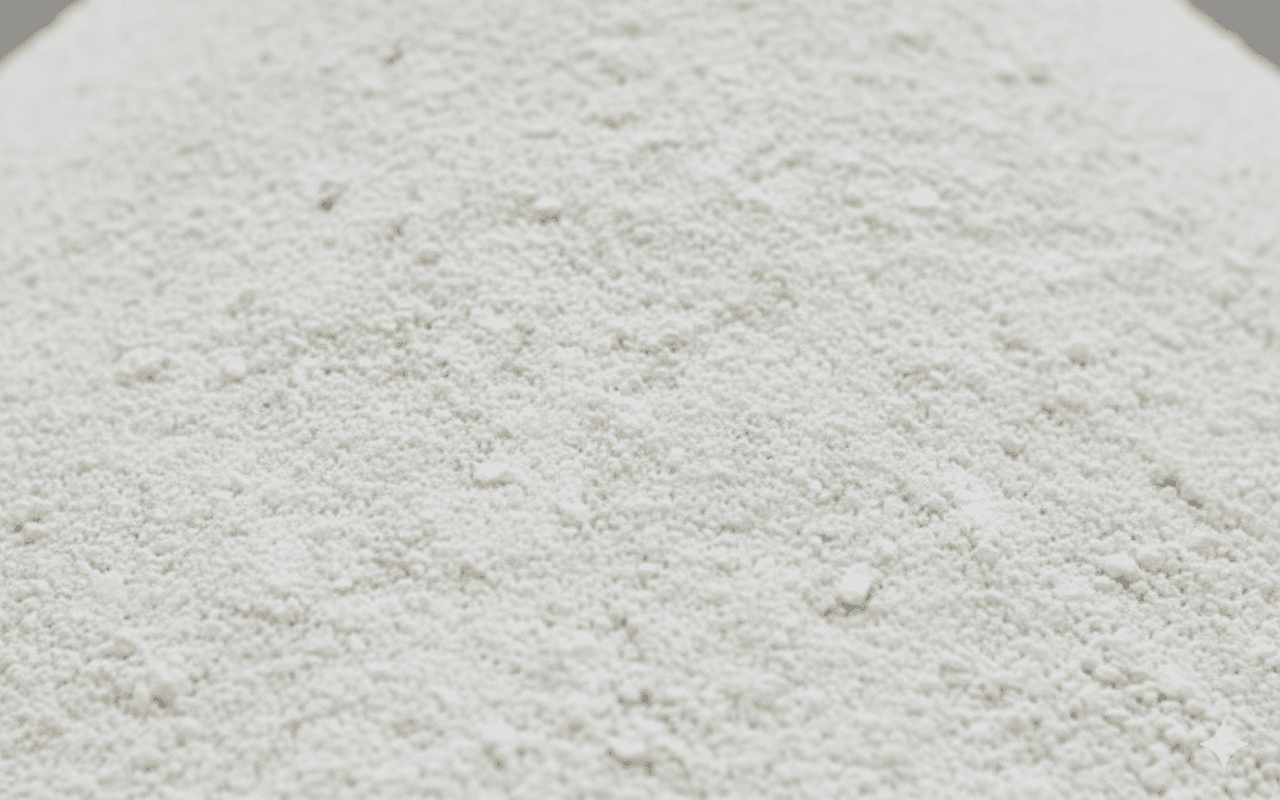
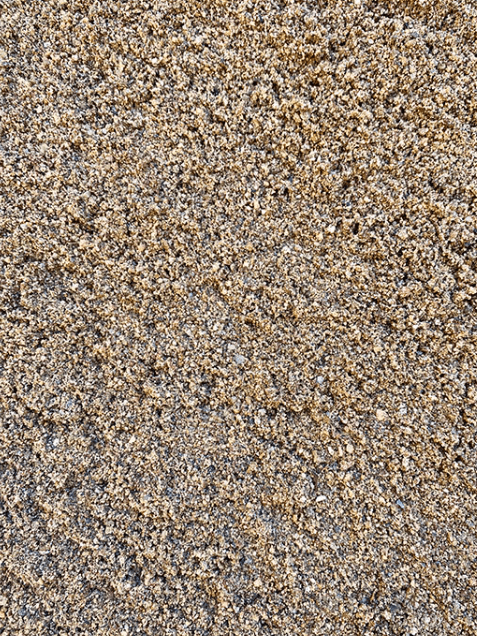
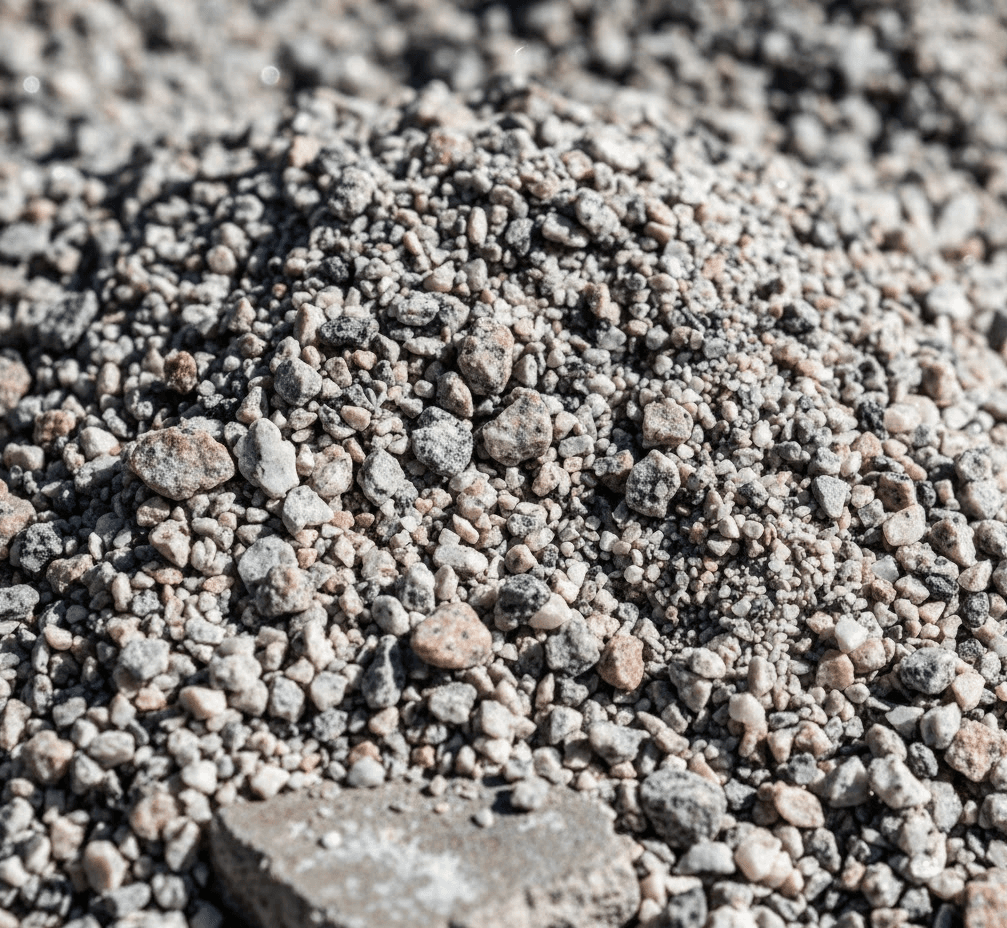
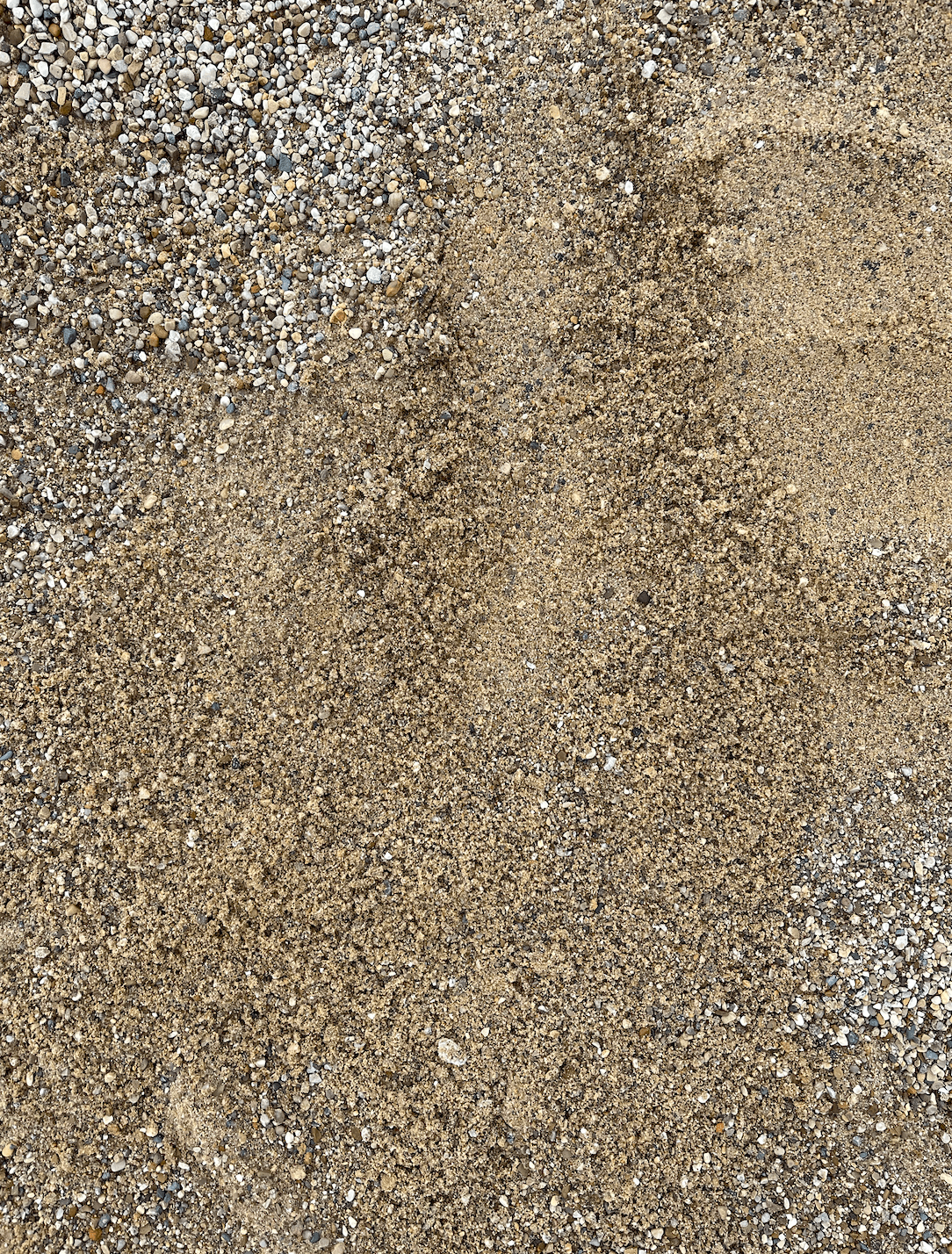
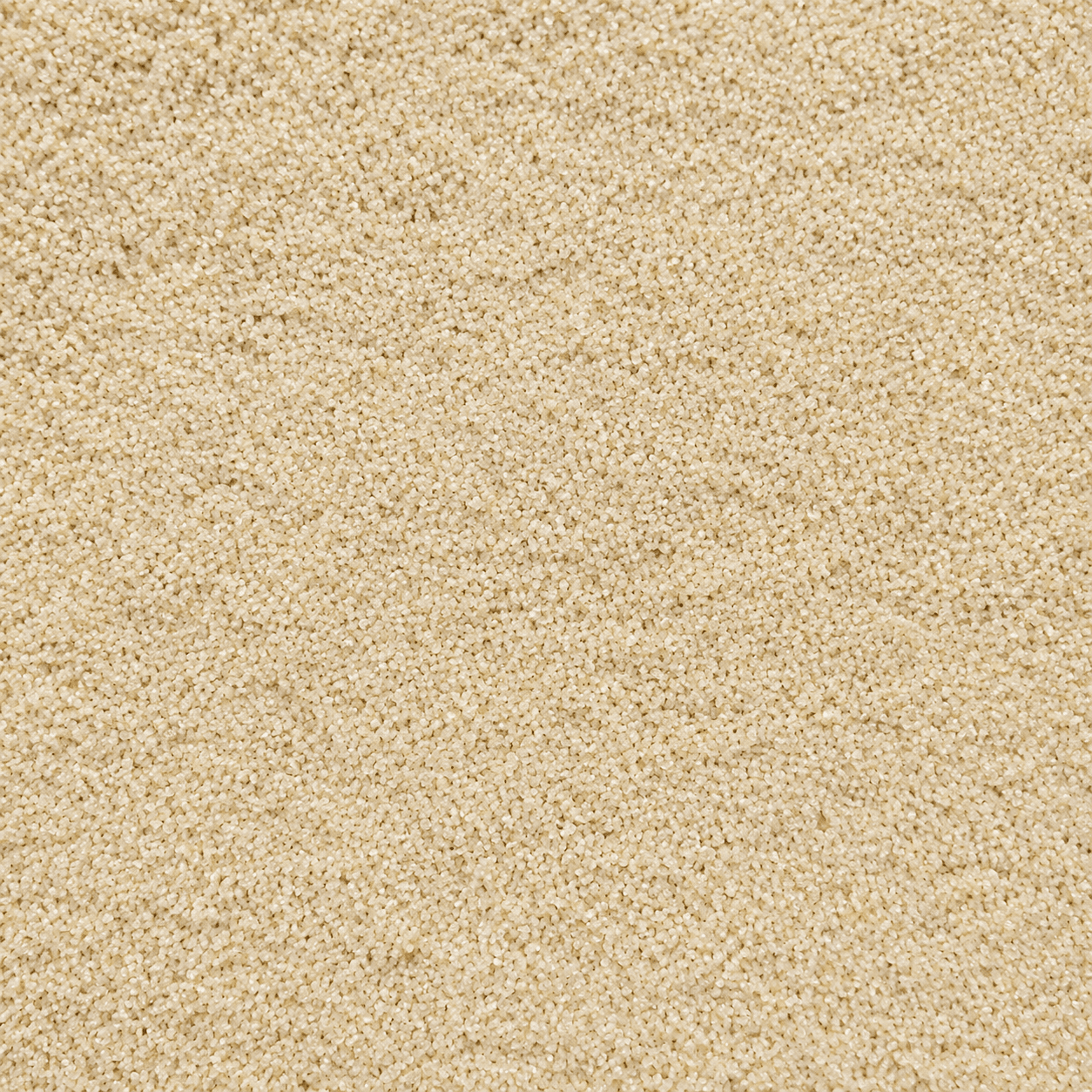
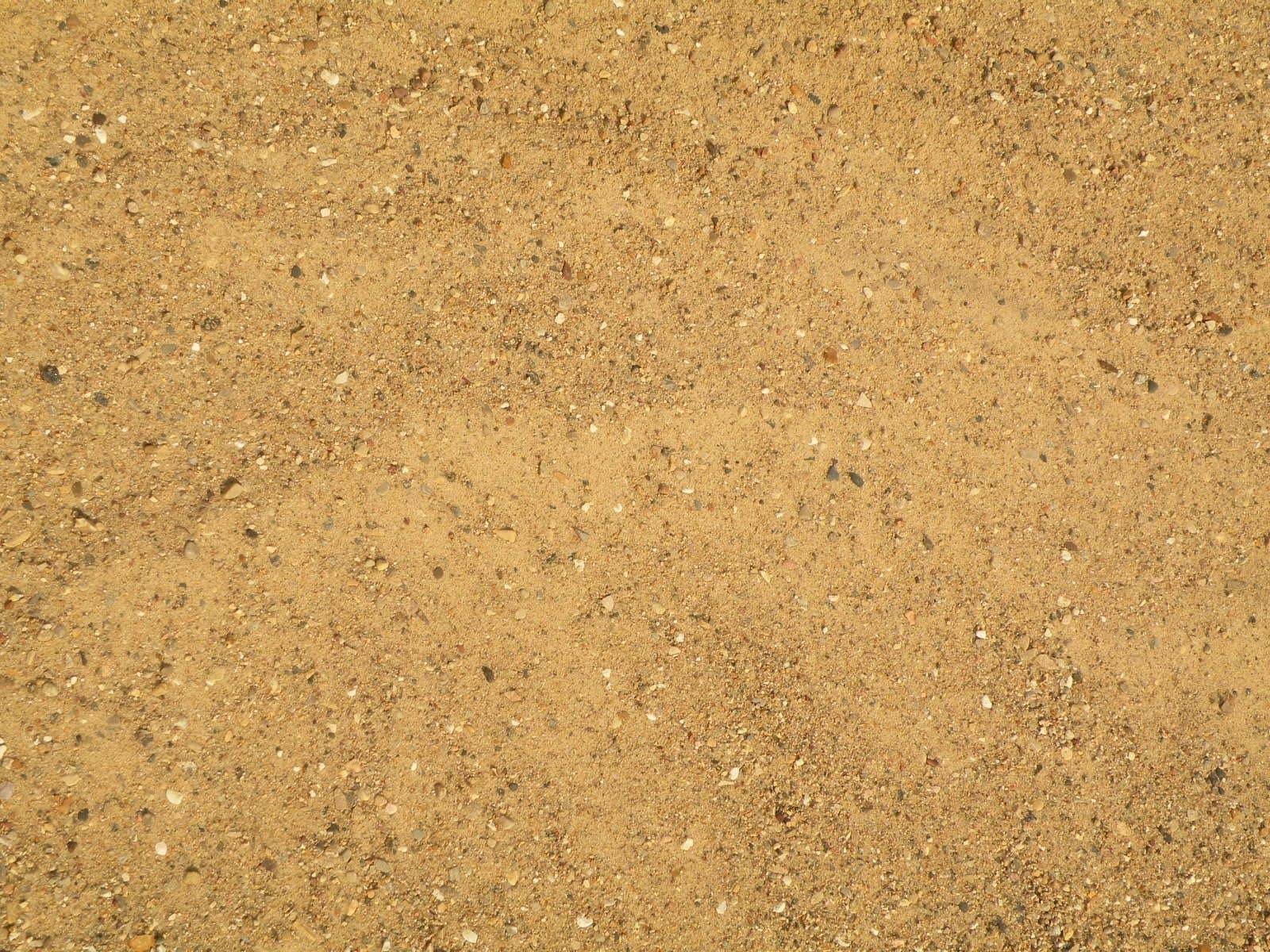
When shopping for sand online, many buyers search broad terms like sand for sale or specific product names like masonry sand, mason sand, beach sand, fill sand, or fine sand. While these materials may look similar at first glance, they are used for very different purposes. Choosing the right sand can save time, reduce waste, and help your project perform the way it should.
If you are planning a patio base, mixing mortar, leveling pavers, filling low spots, improving drainage, or creating a play area, understanding the differences between common sand types matters. This guide explains what each type is used for and how to decide which sand product best fits your job.
What Is Masonry Sand?
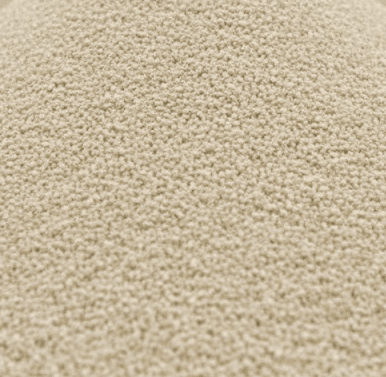
Masonry sand, often called mason sand, is a fine, washed sand commonly used in construction and hardscaping. It is processed to remove larger stones and debris, which gives it a smoother and more consistent texture than many other bulk sands.
Masonry sand is often used for:
- Mixing mortar
- Setting pavers
- Sweeping into paver joints in some applications
- Sandboxes and play areas when the product is approved for that use
- Leveling under above-ground pools
- General landscaping projects
Because it is clean and finely graded, masonry sand is a popular choice for homeowners and contractors who want a versatile sand that is easy to work with.
Is Mason Sand the Same as Masonry Sand?
In most markets, mason sand and masonry sand mean the same thing. The difference is usually just wording, not product type. However, product gradation can still vary by supplier and region, so it is always smart to check the product description before ordering.
If your project requires a very clean, fine material for mortar, paver bedding, or a smooth finish, mason sand is often one of the best options available.
What Is Beach Sand?
Beach sand is a broad term that many shoppers use when they want a soft, natural-looking sand for decorative or recreational use. In some cases, beach sand may refer to a washed sand with a light, attractive appearance. In other cases, it may simply describe the look customers want rather than an exact geological classification.
Beach sand is commonly used for:
- Volleyball courts
- Play areas
- Backyard beach-style landscaping
- Decorative outdoor spaces
- Event staging and temporary installations
Beach sand is usually chosen for appearance and feel. It is not always the right material for construction uses like mortar mixing or compacted base preparation.
What Is Fill Sand?
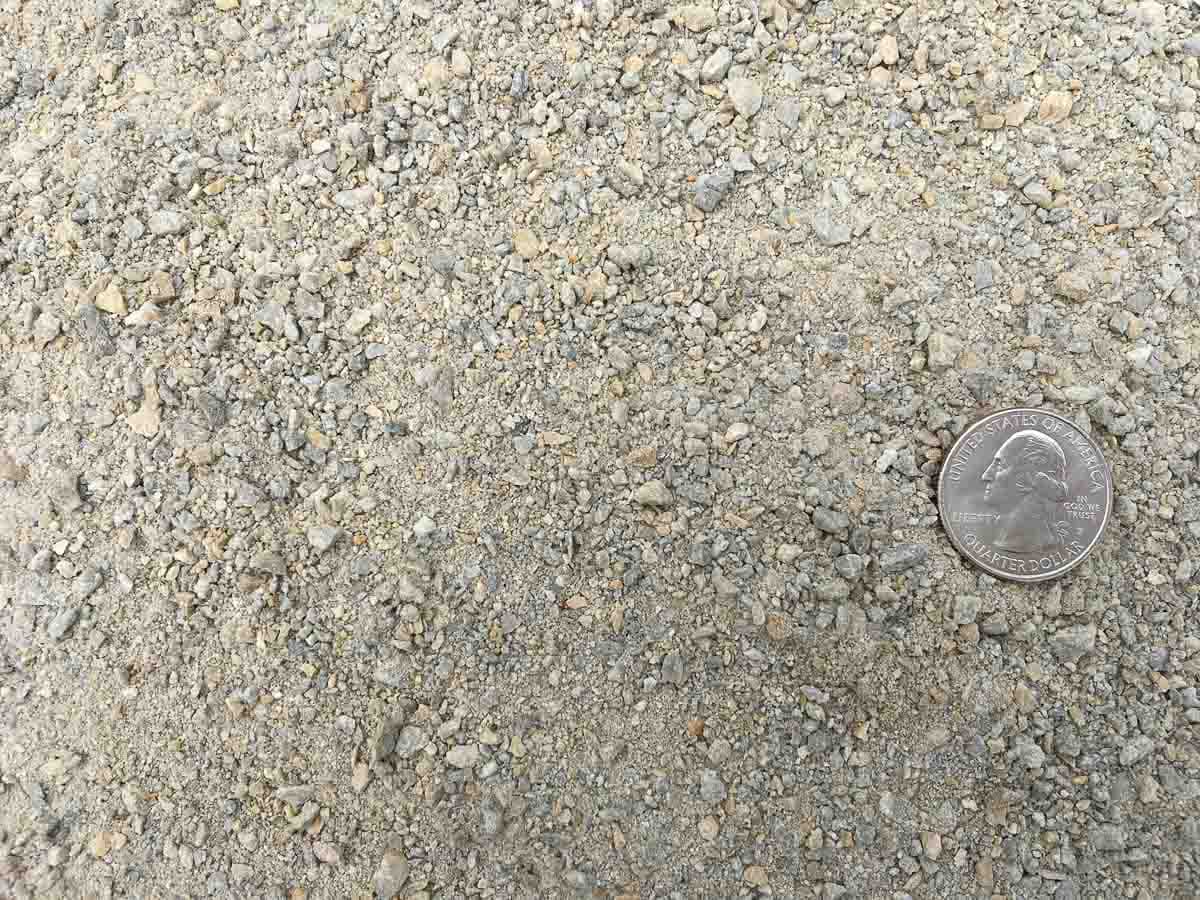
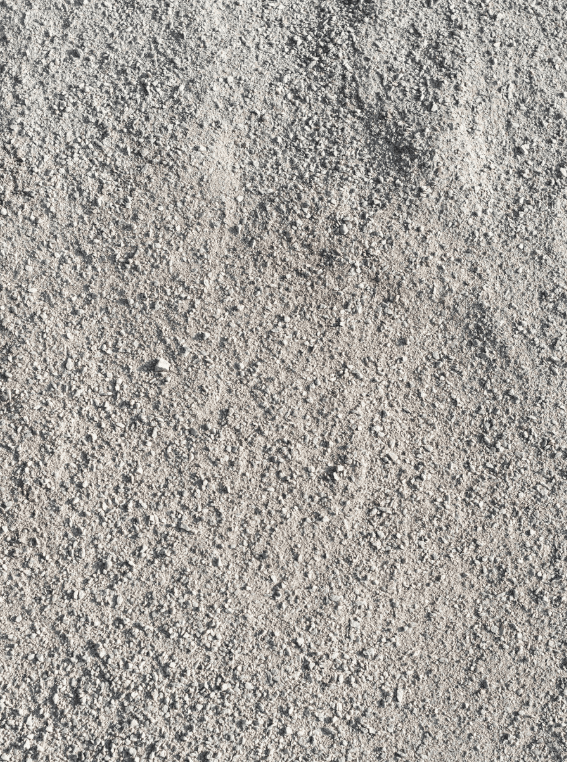
Fill sand is typically a more affordable sand used to fill voids, raise grade, or support general site work. It is not usually screened or washed as finely as masonry sand, which makes it less suitable for finish work.
Fill sand is commonly used for:
- Backfilling
- Raising low areas
- Base fill under projects
- General construction fill
- Bulk grading applications
If the goal is coverage and volume rather than appearance or texture, fill sand is often the better choice. For jobs where finish quality matters, masonry sand or fine sand is usually preferred.
What Is Fine Sand?
Fine sand refers to sand with smaller particle sizes and a smoother texture. Depending on the source and local naming, fine sand may overlap with masonry sand in some markets, but not always.
Fine sand is often used for:
- Leveling surfaces
- Landscaping
- Specialty construction applications
- Areas that need a smoother sand texture
If you want a clean, refined look and a material that spreads evenly, fine sand may be a good fit. Always check whether it is washed, screened, or suitable for your intended use.
What About Play Sand?
Many shoppers search for play sand near me when building a sandbox or play area. Play sand is often processed for softness and cleanliness, but not every sand product is automatically suitable for children’s play spaces.
When selecting play sand, look for product details that confirm it is intended for:
- Sandboxes
- Playgrounds
- Recreational areas
If you sell sandbox-safe products, that is worth highlighting clearly in your category and product pages because buyers searching for play sand usually want reassurance around texture, cleanliness, and intended use.
How to Choose the Right Sand
The best sand depends on what you are trying to build.
Choose masonry sand or mason sand when you need a clean, fine sand for mortar, pavers, leveling, or general landscaping.
Choose beach sand when appearance, softness, and recreational use matter more than structural performance.
Choose fill sand when you need a bulk material for filling, grading, or backfilling.
Choose fine sand when you want a smoother texture for finish work or decorative applications.
Choose play sand when the sand is specifically intended for sandboxes or children’s play areas.
Why Buying Sand Online Makes the Process Easier
Ordering sand for sale online helps homeowners, landscapers, and contractors compare materials faster and choose the right product for the job. Instead of calling multiple local yards, buyers can review product types, intended uses, available quantities, and delivery options in one place.
Online ordering is especially useful when you need:
- Bulk sand delivered to a home or jobsite
- Different sand types for multiple phases of a project
- Clear product descriptions before purchase
- Fast local availability
For many buyers, the challenge is not finding sand. It is finding the right sand. That is why clear product categorization and educational content make a real difference.
Common Projects and the Best Sand to Use
Homeowners and contractors often buy sand for one of these common jobs:
For paver installation, masonry sand is often a strong choice because of its clean, workable texture.
For mortar mixing, mason sand is a common go-to material.
For backfilling and leveling large areas, fill sand is often the more economical option.
For decorative backyard features, beach sand can create a soft, attractive finish.
For sandboxes, buyers usually prefer products labeled for play use.
Final Thoughts
Sand may seem simple, but the right product can make a big difference in installation quality, finish, and cost. Whether you are looking for masonry sand, mason sand, beach sand, fill sand, fine sand, or sand for sale, matching the material to the project is the best way to get better results.
If you sell bulk materials online, this is a strong topic because it targets both high-volume informational searches and product-driven buying intent. Customers searching these terms are often already planning a project and close to making a purchase. A well-optimized sand guide can help them choose confidently and move from research to order.