See all reviews on Google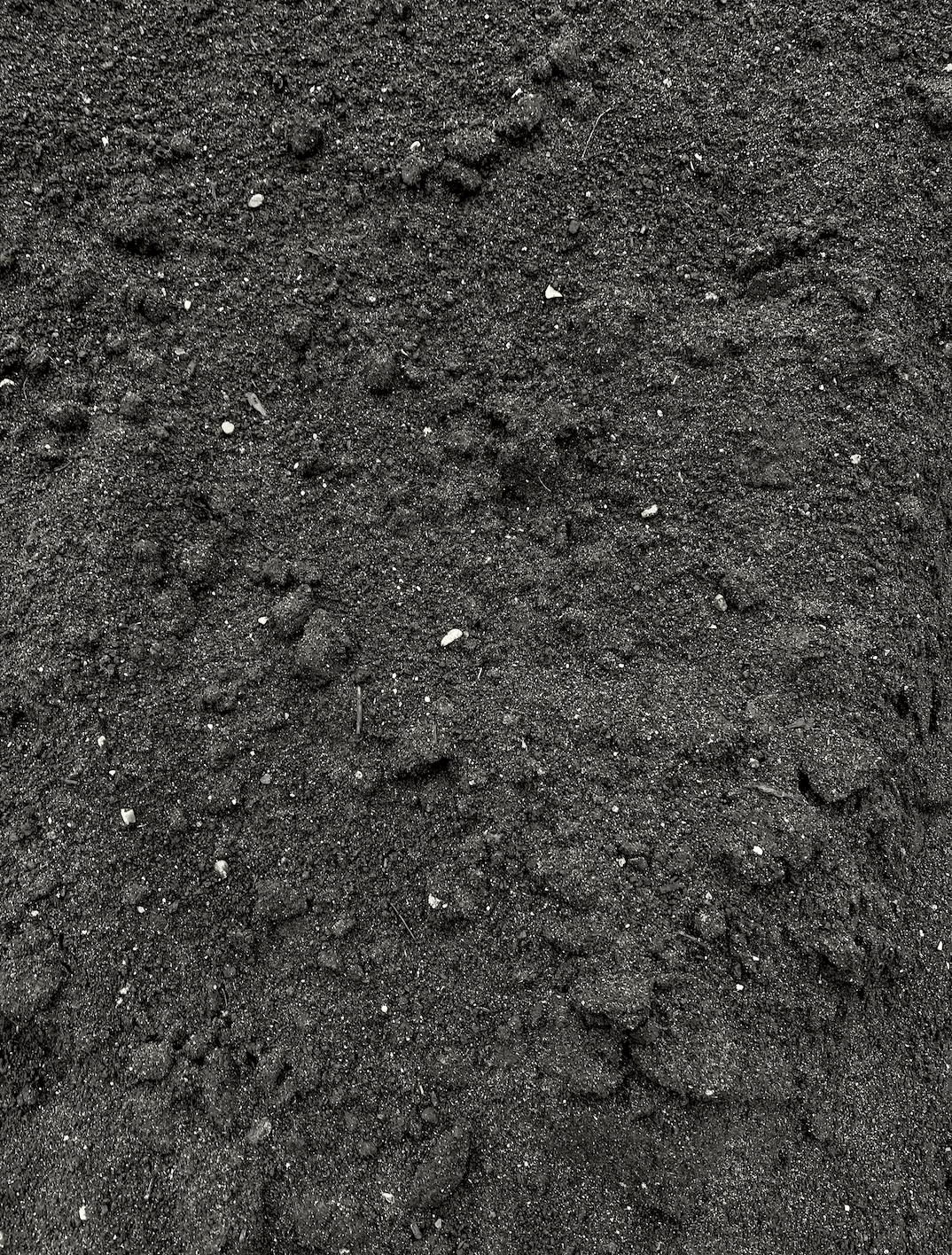
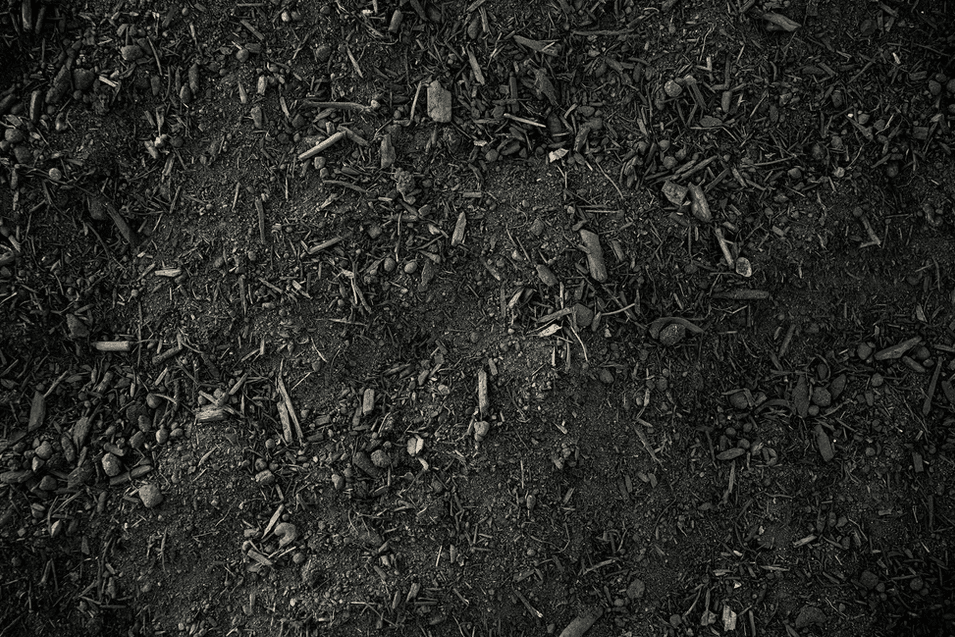
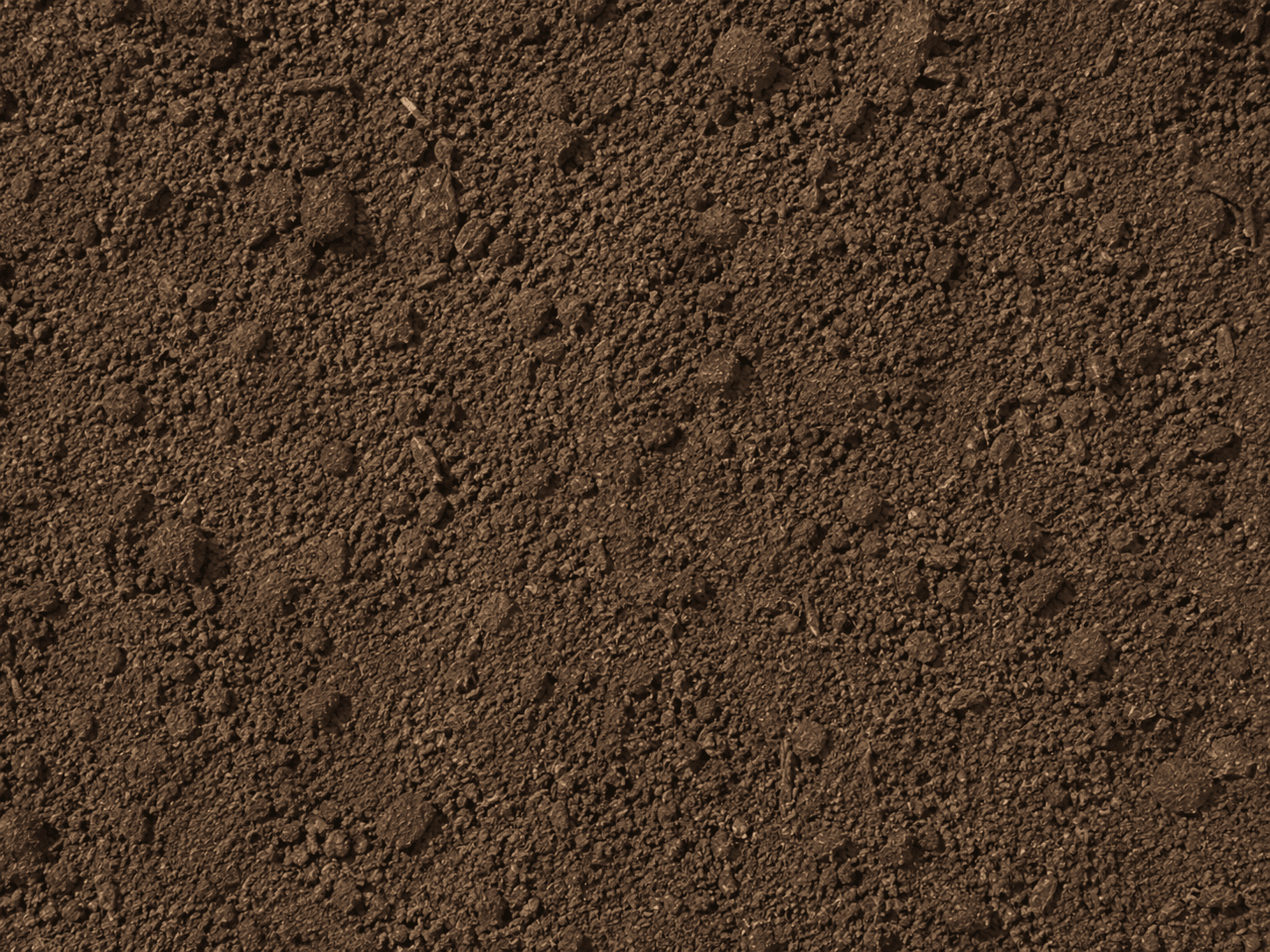
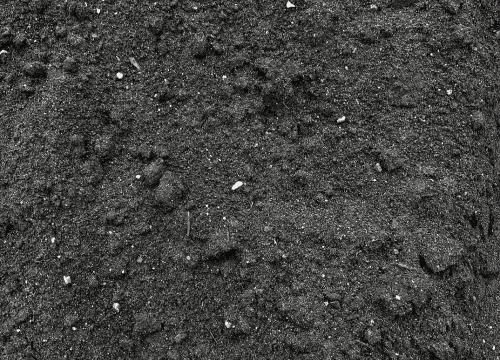
Organic compost, also known as garden compost, compost soil amendment, or bulk compost, is a processed organic material commonly used to improve existing soil for lawns, gardens, planting beds, landscaping, and site restoration. It is made from decomposed organic materials and can be incorporated into soil or applied as a top-dressing where additional organic matter is needed.
Produced by composting facilities, landscape suppliers, soil producers, and recycling operations, compost is processed until the original organic materials have broken down into a dark, workable soil amendment. Exact composition, texture, nutrient content, and maturity can vary by producer and feedstock, so material characteristics may differ between local suppliers.
When mixed into existing soil, compost adds organic matter and can improve soil structure, water retention, aeration, and workability. This is especially useful when preparing planting areas with compacted, sandy, clay-heavy, or depleted soils.
Organic compost is commonly used by homeowners, landscapers, landscape contractors, builders, farms, property managers, municipalities, and commercial landscaping crews. It can be incorporated into new planting beds, spread over lawns, blended with screened soil or topsoil, or used during landscape installation and restoration work.
For new garden beds and planting areas, compost is commonly incorporated into the upper layer of existing soil rather than used as a complete replacement for soil. Application depth and blending ratio depend on the existing soil, intended planting, and characteristics of the compost being supplied.
Compost can also be applied as a light top-dressing across established lawns and landscape areas. For larger properties, new construction sites, parks, commercial developments, or landscape installations, it is often used to improve soil conditions before seed, sod, trees, shrubs, or other plant material is installed.
Compared with screened soil or standard topsoil, compost generally contains a higher proportion of decomposed organic matter and is primarily used as a soil amendment rather than for major grading or filling. It is often blended with other soils where both improved planting characteristics and additional material volume are required.
Exact color, texture, organic content, and nutrient levels vary between compost producers and local sources. For larger residential, contractor, agricultural, municipal, or commercial landscaping projects, compost is commonly available in bulk and delivered by dump truck directly to the property or job site.
Common Applications of Organic Compost
- Vegetable gardens and raised beds
- Lawn top-dressing and soil conditioning
- Flower beds and landscape planting areas
- Tree and shrub planting
- Improving native or depleted soil