See all reviews on Google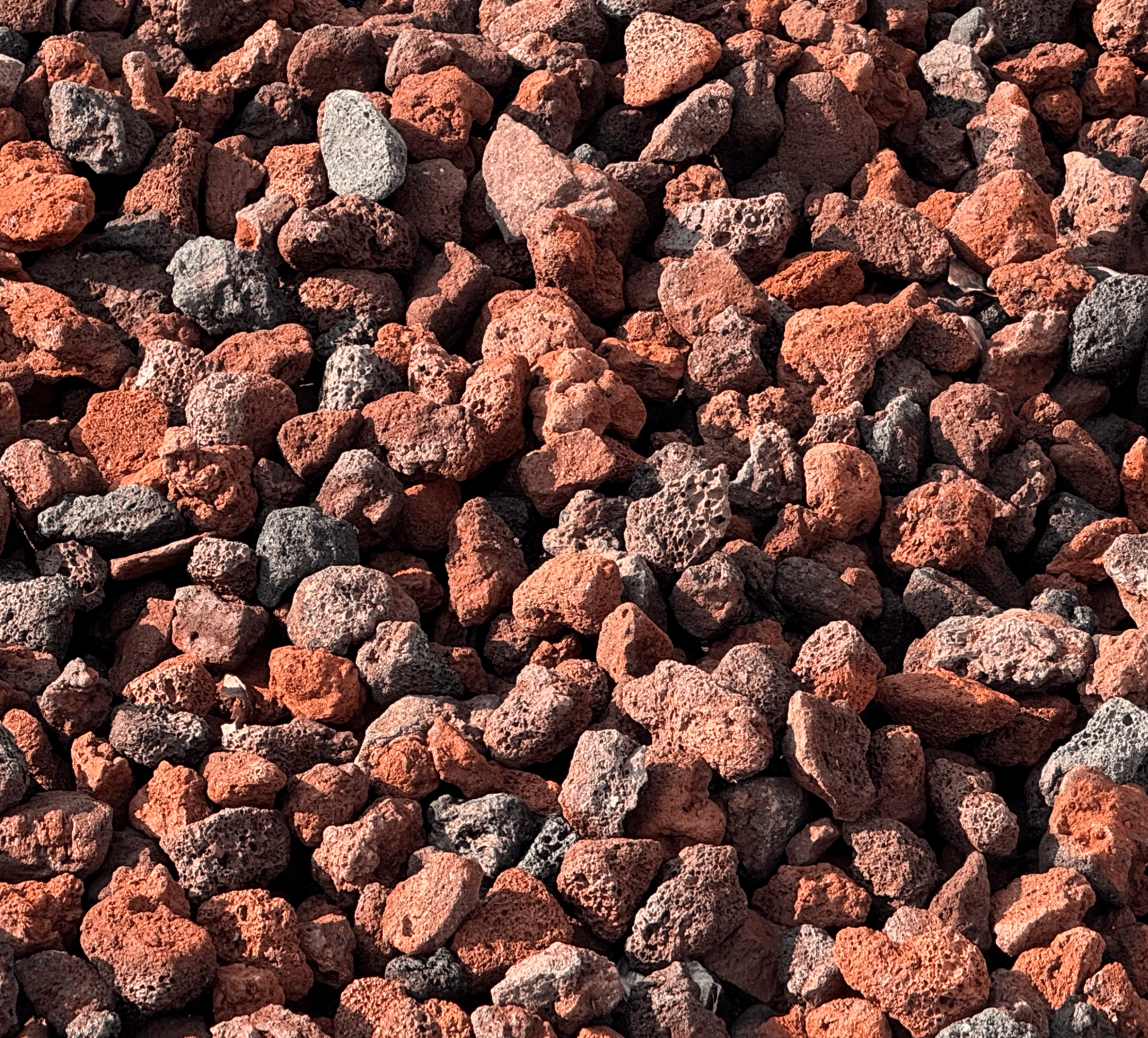
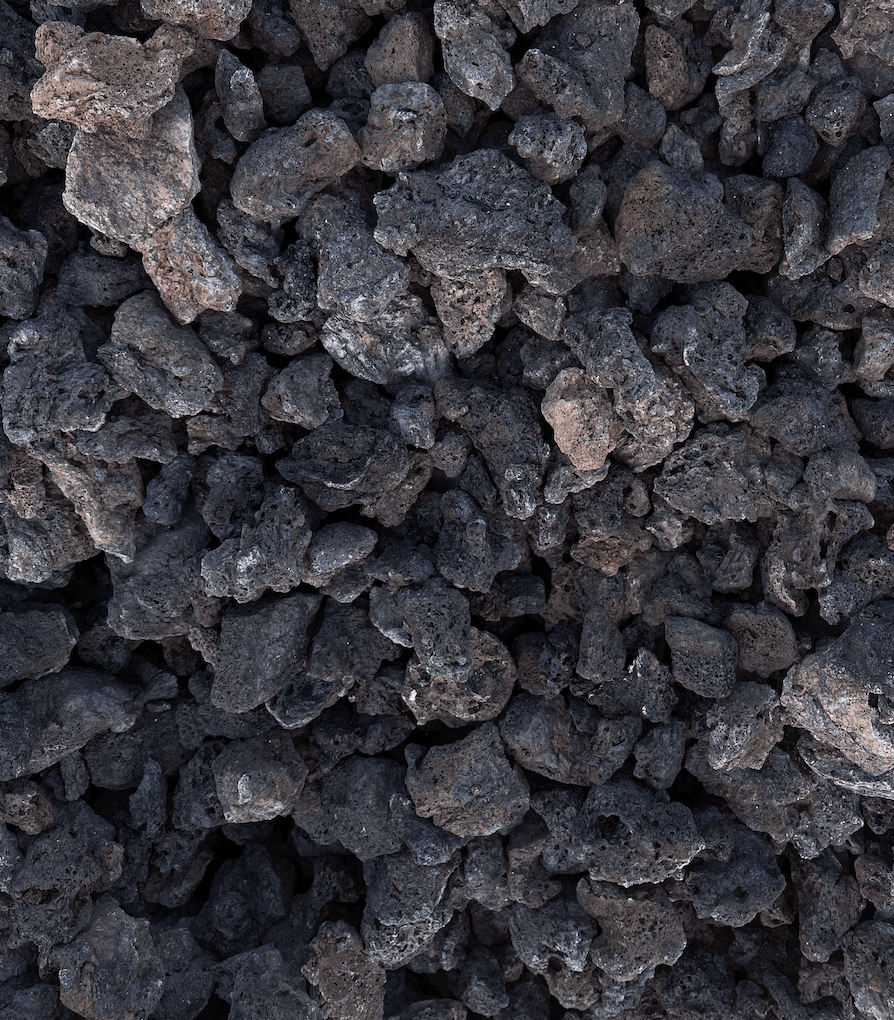
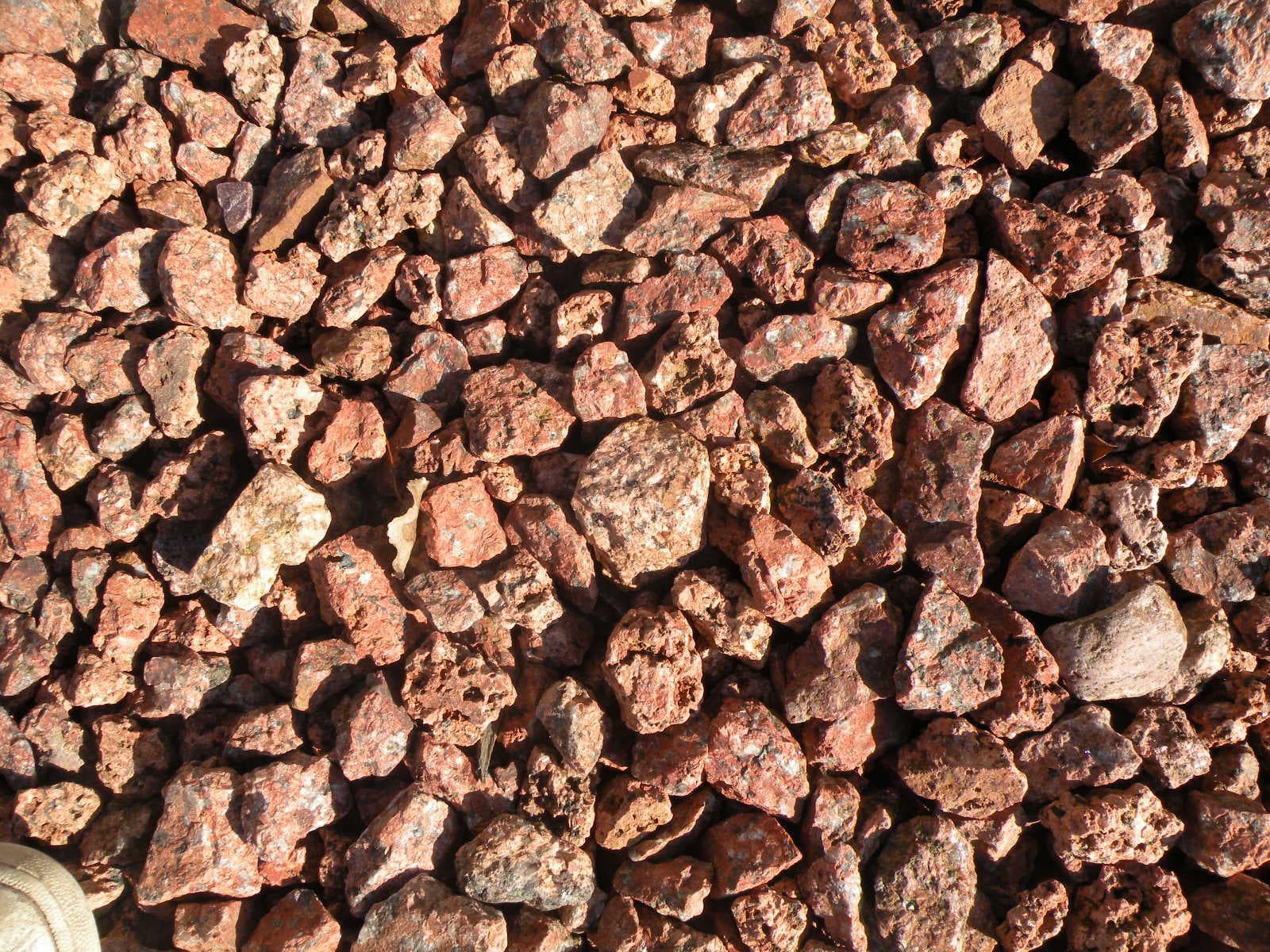
Red lava stone is a lightweight, porous decorative aggregate formed from naturally cooled volcanic lava. As the molten material cools, trapped gases create small holes, pockets, and cavities throughout the stone, producing its distinctive rough texture, lower density, and rich red to reddish-brown coloring.
Its naturally bold appearance creates strong contrast against green plants, ornamental grasses, light-colored gravel, concrete, pavers, brick, and other hardscape materials. The textured volcanic surface adds depth and visual interest to residential and commercial landscapes while complementing desert, Southwestern, modern, and tropical design styles.
The porous structure allows water to move through the installed layer while retaining a small amount of moisture near the soil surface. This balance makes red lava stone especially useful around drought-tolerant plants, shrubs, flowers, trees, and other landscape features where drainage and surface moisture management are both important.
When installed at an appropriate depth, red lava rock helps reduce direct soil exposure, limit weed growth, moderate soil temperature, and protect the ground from erosion caused by rainfall, irrigation, and wind. Its irregular particles settle together to create dependable coverage across beds, borders, and accent areas.
Compared with dense decorative stone, red lava stone is relatively lightweight and easier to spread by hand or with standard landscape equipment. This can make installation more manageable across larger areas, slopes, courtyards, and detailed planting zones.
Unlike organic mulch, red lava stone does not decompose or require frequent seasonal replacement. It maintains its structure and natural color over time, providing long-lasting ground coverage and consistent curb appeal with minimal ongoing maintenance.
Red lava rock is widely used in xeriscaping and low-water landscape designs because it creates a clean, finished surface while reducing the need for organic ground-cover replacement. It works well around cacti, succulents, ornamental grasses, native plants, and other species commonly used in water-conscious landscapes.
The material can also be incorporated into pathways, courtyard designs, decorative borders, indoor displays, terrariums, and water-conscious commercial landscapes. For fire features, aquariums, or specialized indoor uses, select material specifically approved and prepared for the intended application.
Common Applications of Red Lava Stone
- Flower beds and decorative ground cover
- Xeriscape and drought-tolerant landscaping
- Landscape borders and accent areas
- Around trees, shrubs, and ornamental plants
- Pathways, garden features, and courtyard designs
- Modern residential and commercial landscapes