Dallas has a way of making outdoor projects look easy from the street.
A fresh gravel drive. A clean flower bed. A green lawn after spring rain. A neat row of shrubs in front of a brick house. A backyard patio that looks effortless.
Then you try to do the same thing at your own place and realize the yard has opinions.
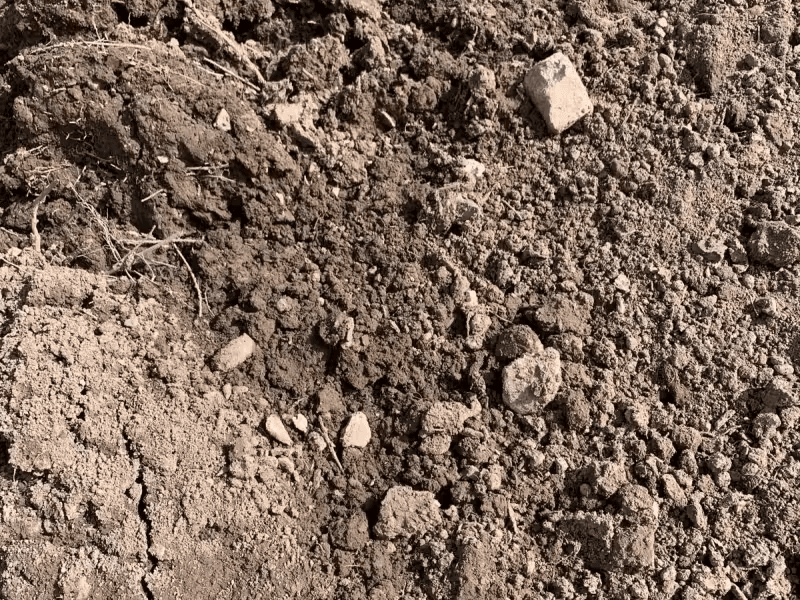
The ground is hard until it rains, then it is sticky. The side yard drains fine until one storm turns it into a mud track. The flower beds look good in March and tired by July. The driveway holds up for months, then one wet week brings back the ruts. A low spot near the fence collects water just long enough to kill the grass. A garden bed needs better soil, but the native dirt feels more like pottery clay than planting mix.
That is the real Dallas landscaping problem: it is not one problem. It is clay, heat, water, compaction, shade, drainage, delivery access, and timing all stacked together.
So instead of asking, “Where can I get bulk materials in Dallas?” the better question is:
What is my yard trying to tell me?
Because the right load of gravel, mulch, soil, sand, or stone depends on the problem you are solving.

The Dallas Yard Has Four Moods
Most Dallas outdoor projects come down to one of four conditions.
1. Hard as concrete
During dry stretches, North Texas clay can become tough, cracked, and difficult to dig. Trying to plant directly into it can feel like fighting the ground instead of improving it.
2. Sticky after rain
When heavy rain hits, the same hard soil can become slick and muddy. Side yards, unpaved drive areas, and low spots can turn soft fast.
3. Hot and thirsty
Dallas summers are not gentle. Flower beds and young plants can dry out quickly, especially where the soil is exposed.
4. Flat in the wrong places
A yard does not need to be dramatically sloped to have drainage issues. A small low area near a fence, driveway, patio, or foundation can create standing water, mud, mosquitoes, dead grass, or erosion.
A good material order starts by deciding which mood you are dealing with.
If the Yard Is Hard: Do Not Just Add Plants
A lot of Dallas planting problems start below the surface.
You can buy healthy shrubs, good flowers, and expensive sod, but if the root zone is compacted clay, the plants may struggle. Water can sit on top after storms, then disappear too quickly during dry heat. Roots may have trouble spreading. Soil can crack, crust, or become difficult to work.
This is where people often confuse dirt, soil, compost, and garden blend.
They are not the same.
Fill dirt is for building up low areas.
Topsoil is for creating a better growing surface.
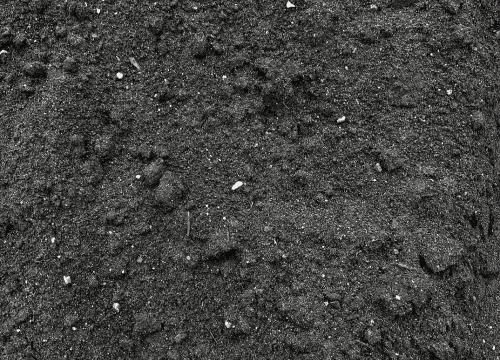
Garden blend is for planting areas that need organic matter and structure.
Compost is an amendment, not always a full replacement soil.
For Dallas flower beds, raised beds, and planting areas, the goal is usually not to replace the entire yard. The goal is to create a better growing zone where plants can actually establish.
That might mean loosening the existing soil, adding garden blend, mixing in compost, or building raised beds where the native ground is too difficult.
The material should match the plant plan. A raised vegetable bed needs a different mix than a lawn patch. A shrub border needs a different approach than a deep low spot.
If the Yard Is Sticky: Think Base, Not Beauty
A muddy area is tempting to cover with whatever looks good.
Pea gravel looks clean. River rock looks nice. Decorative stone photographs well. But if the area is soft and gets traffic, beauty alone will not fix it.
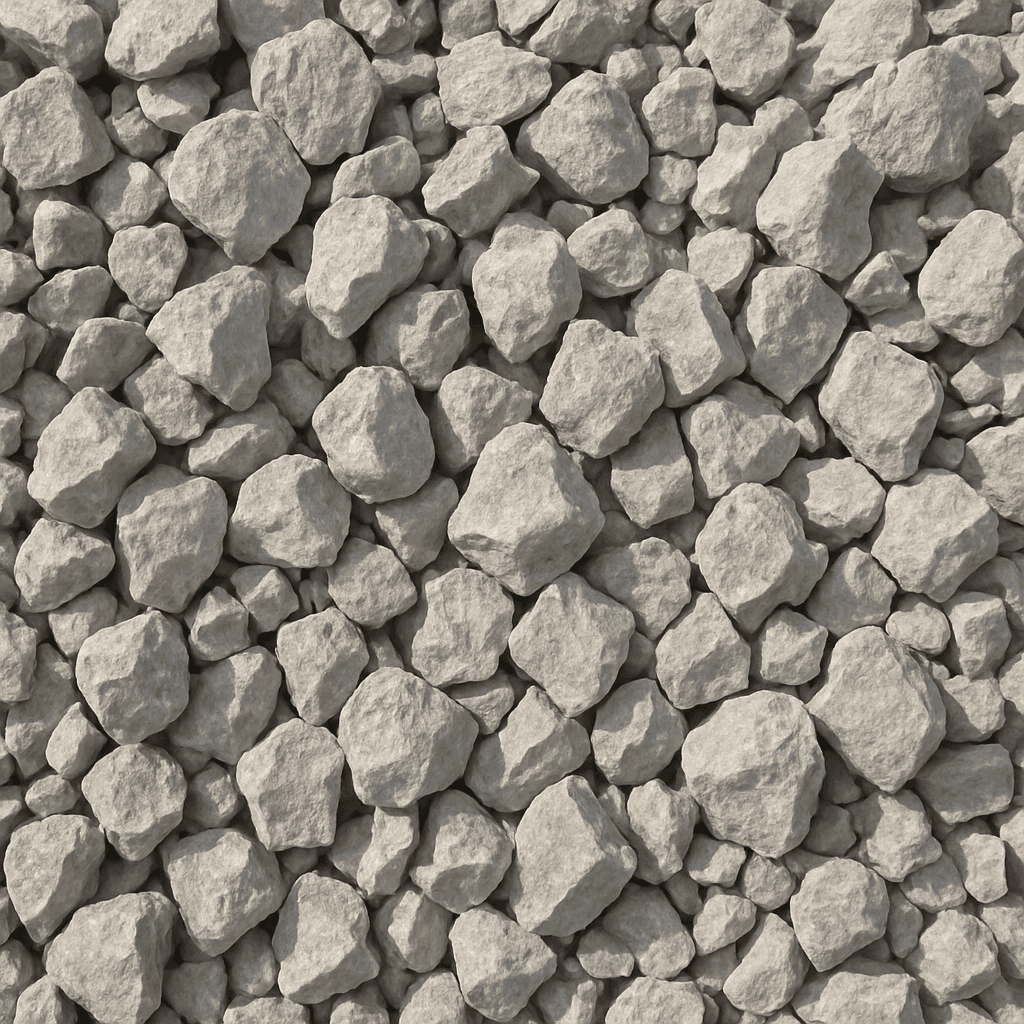
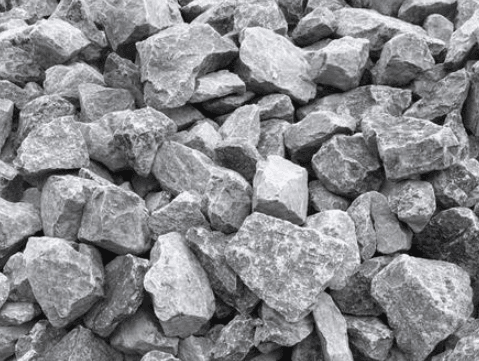
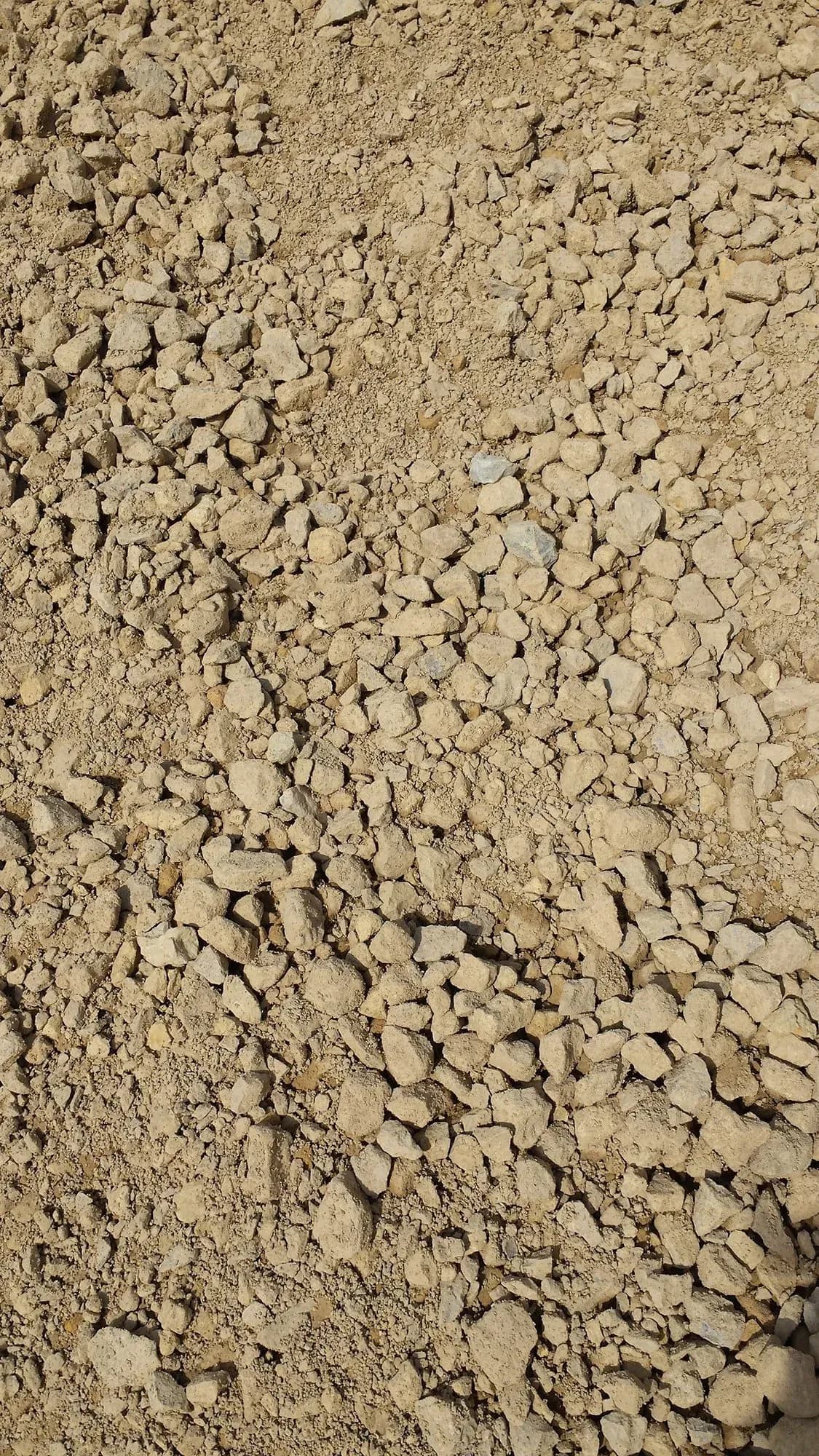
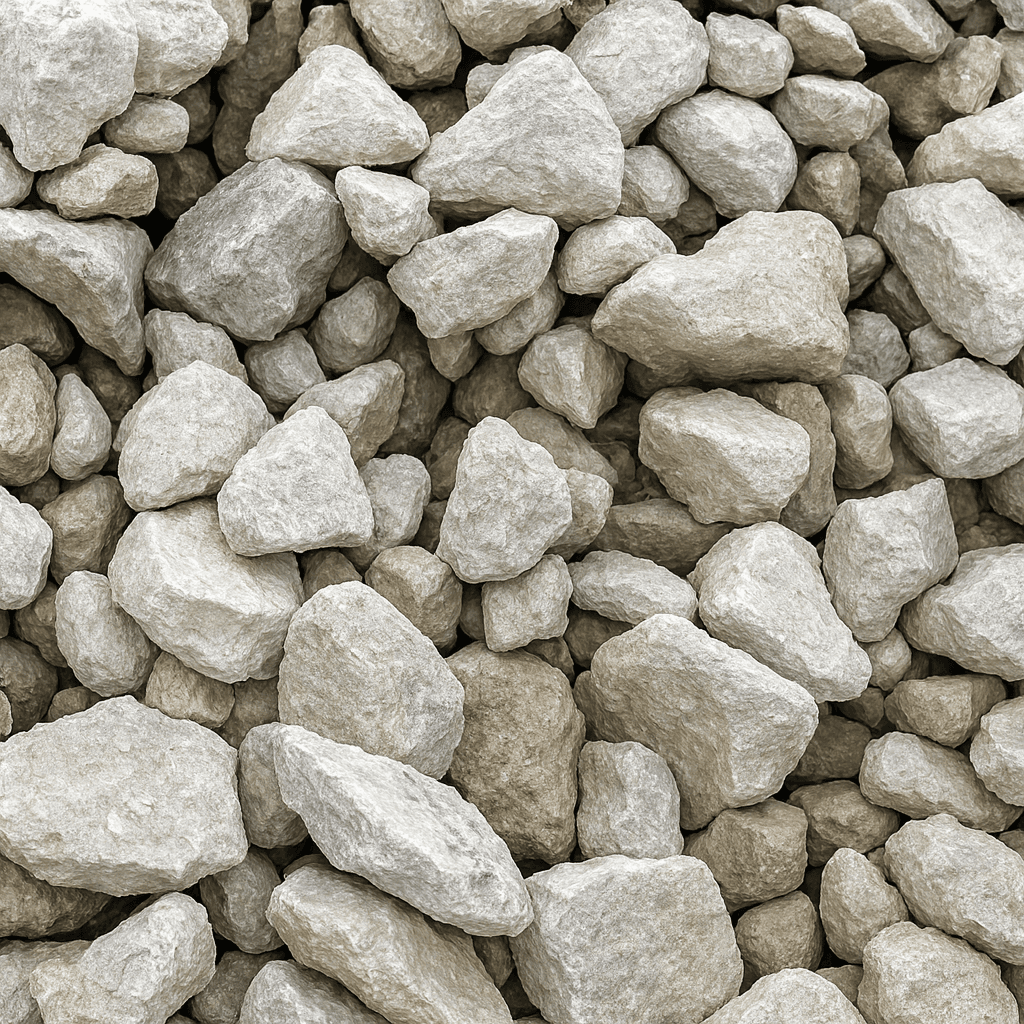
A muddy driveway, side parking area, or access path usually needs structure. That means angular, compactable material that can lock together or form a stable base.
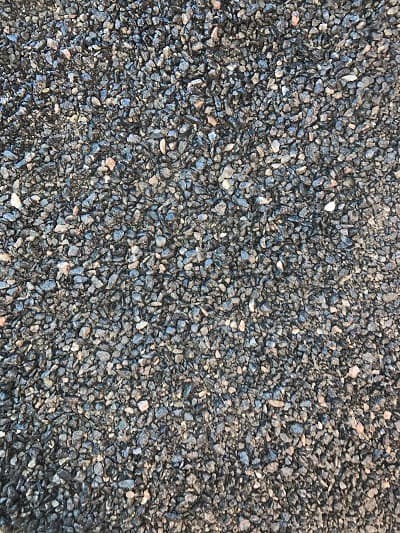
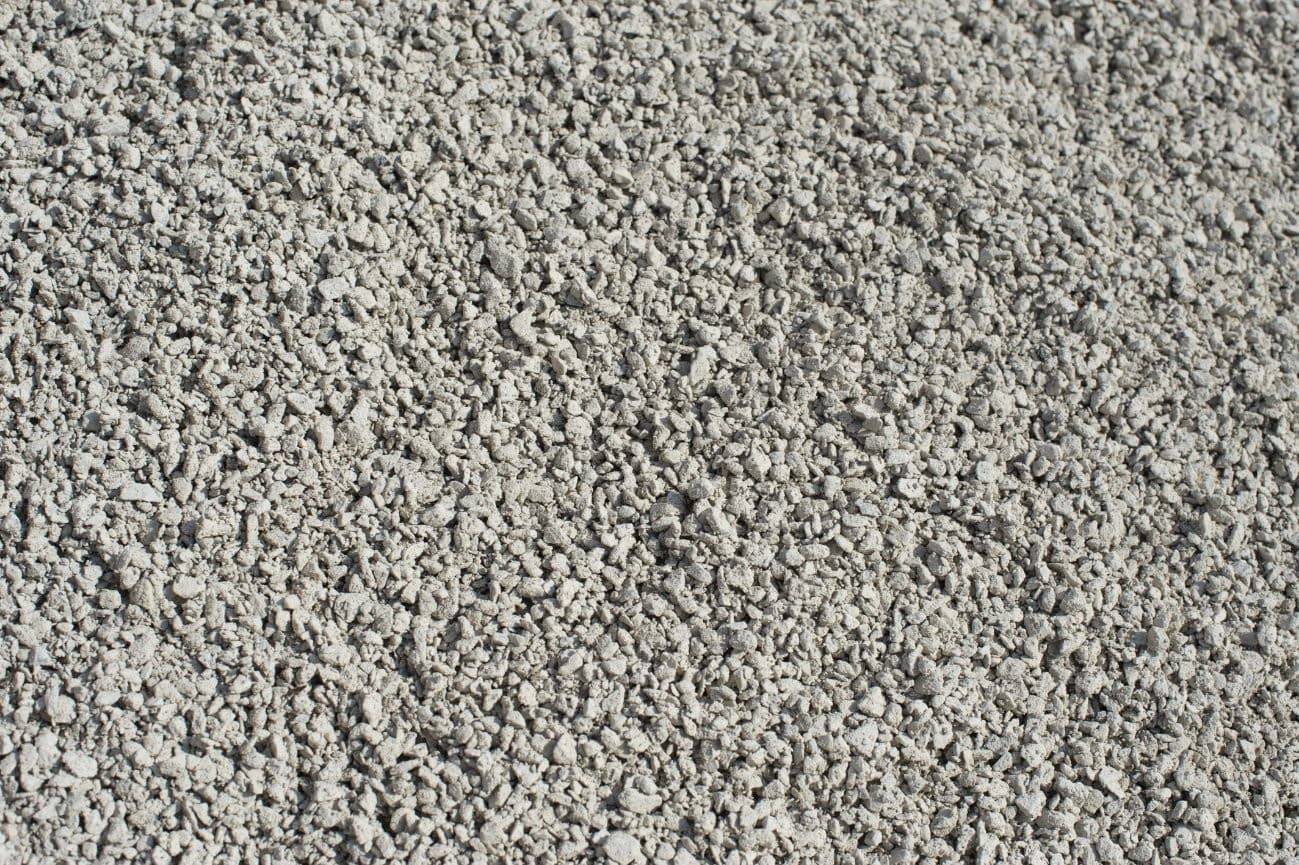
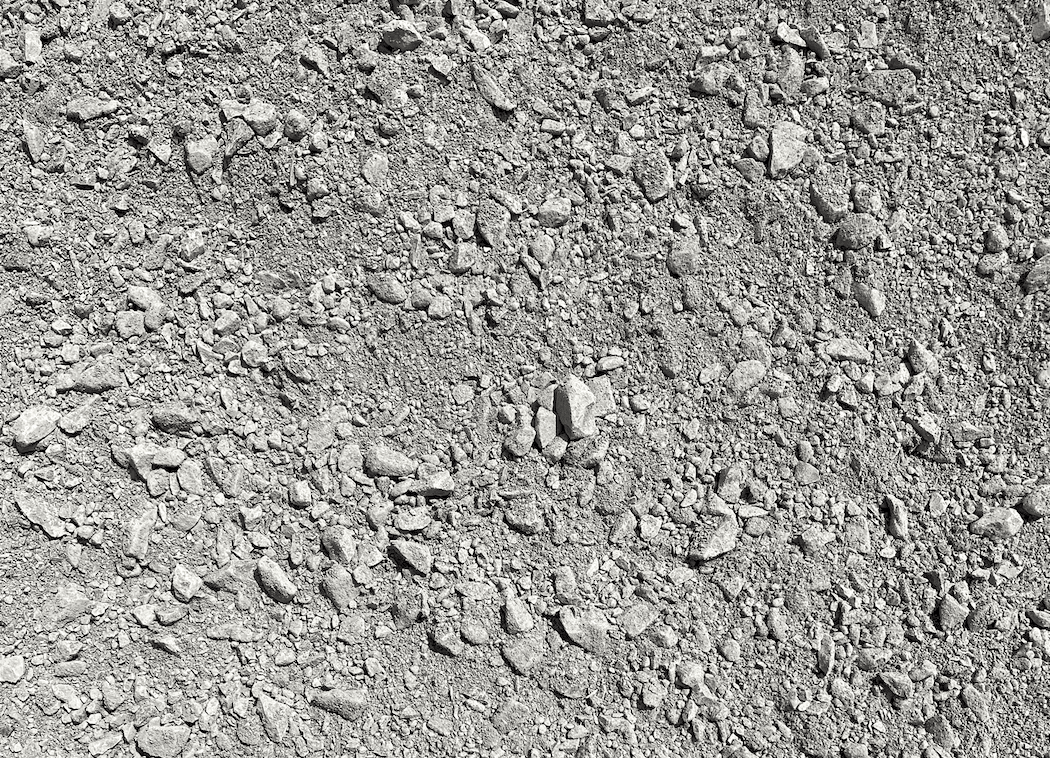
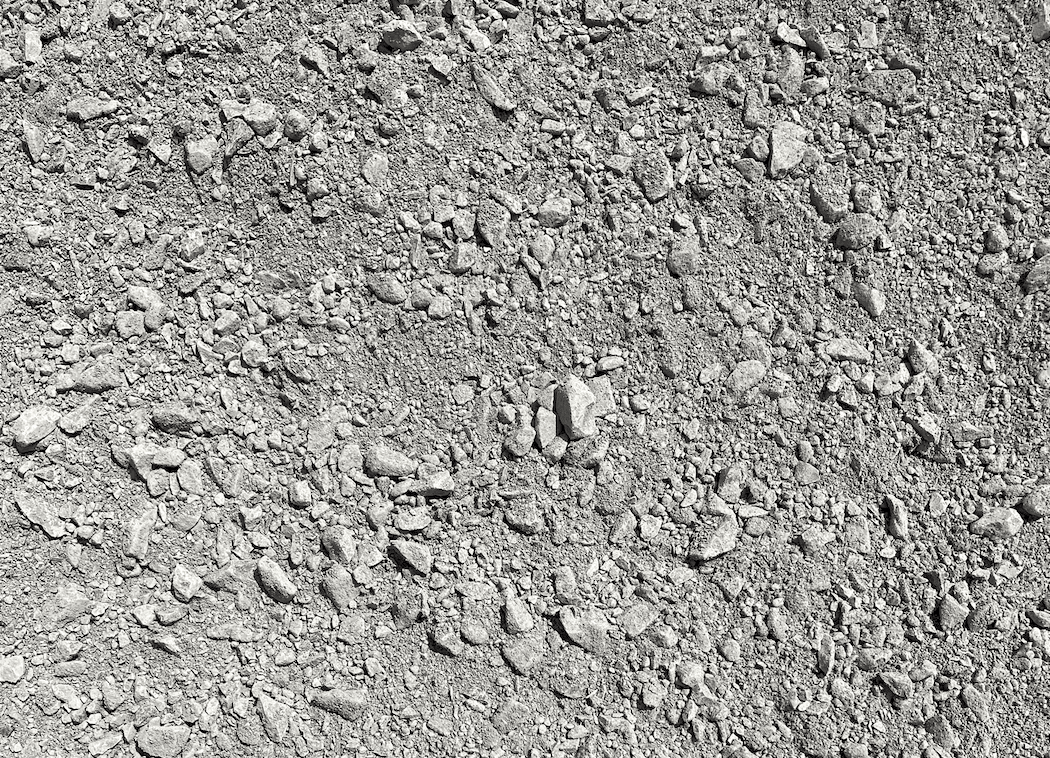
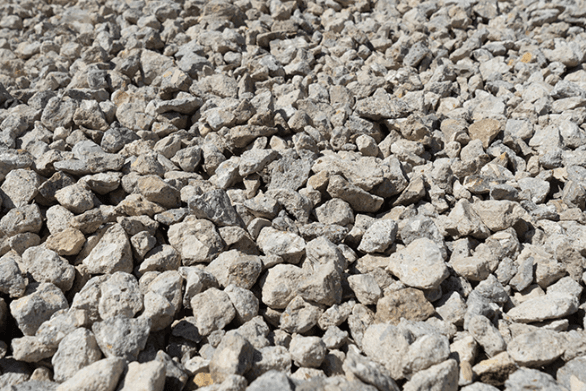
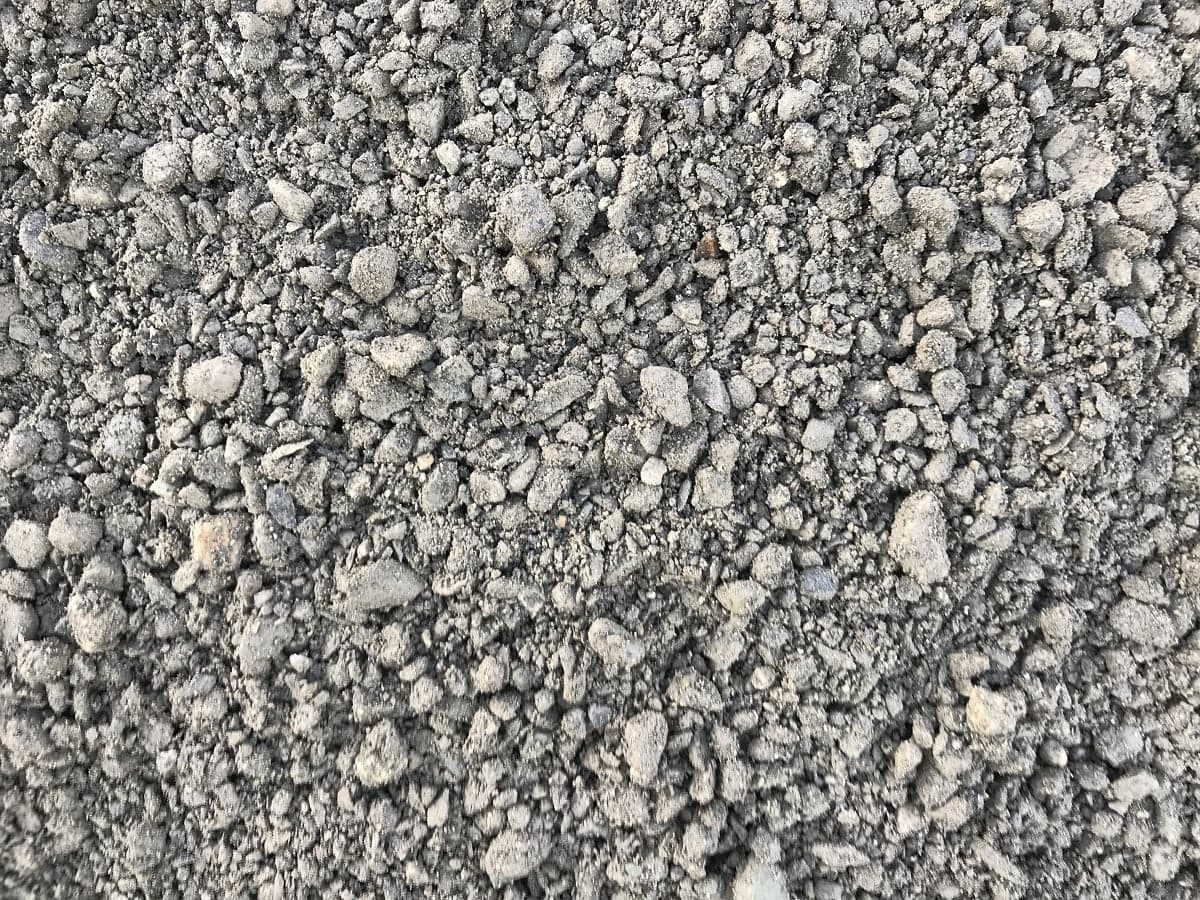
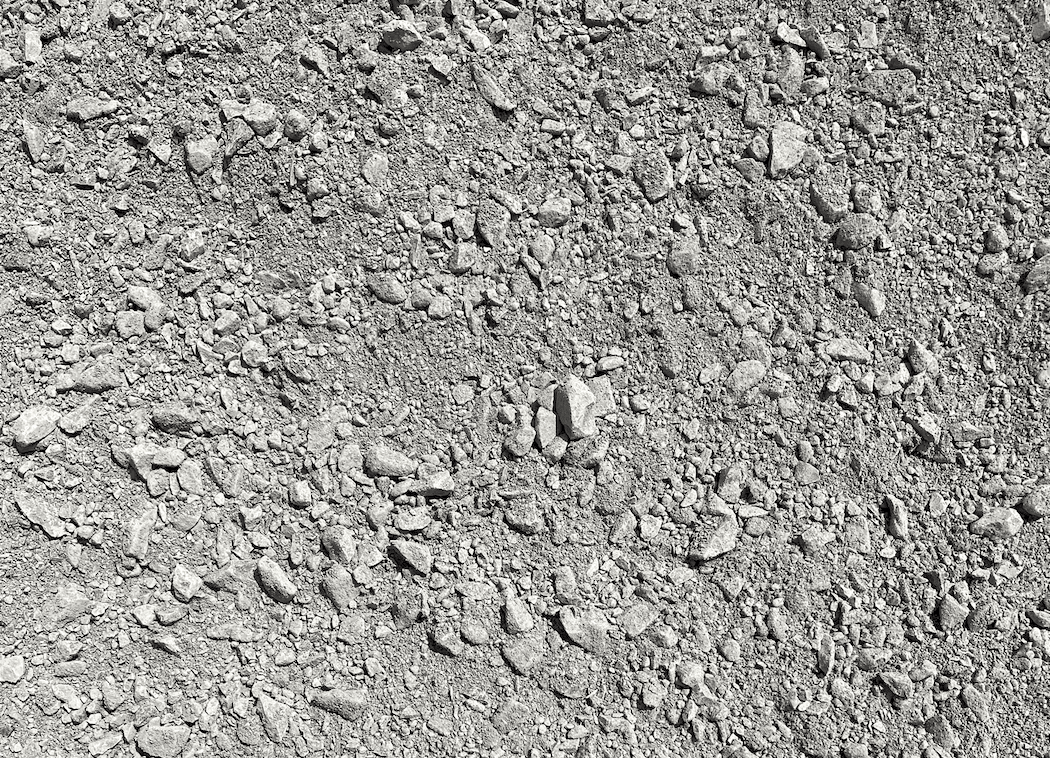
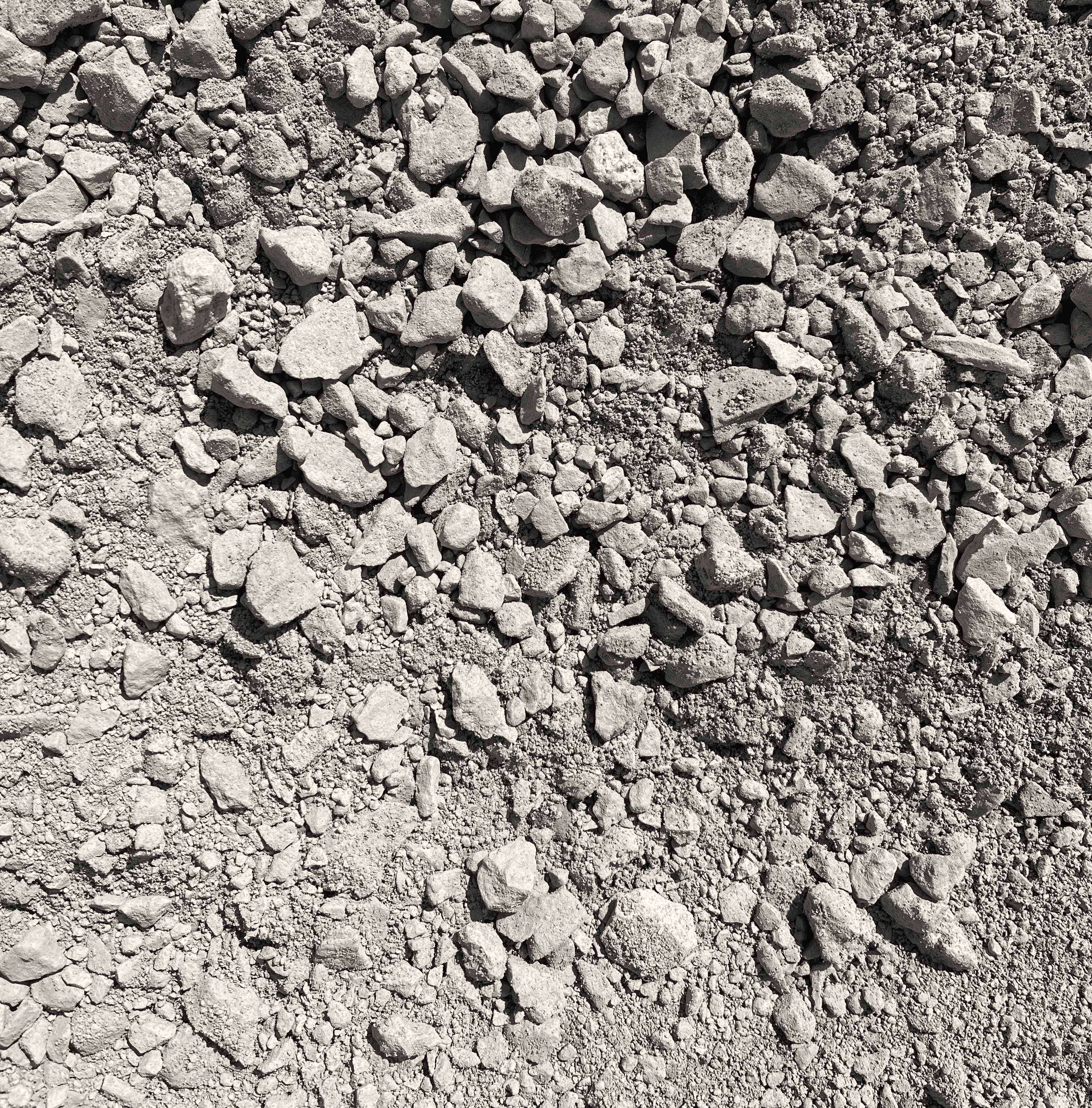
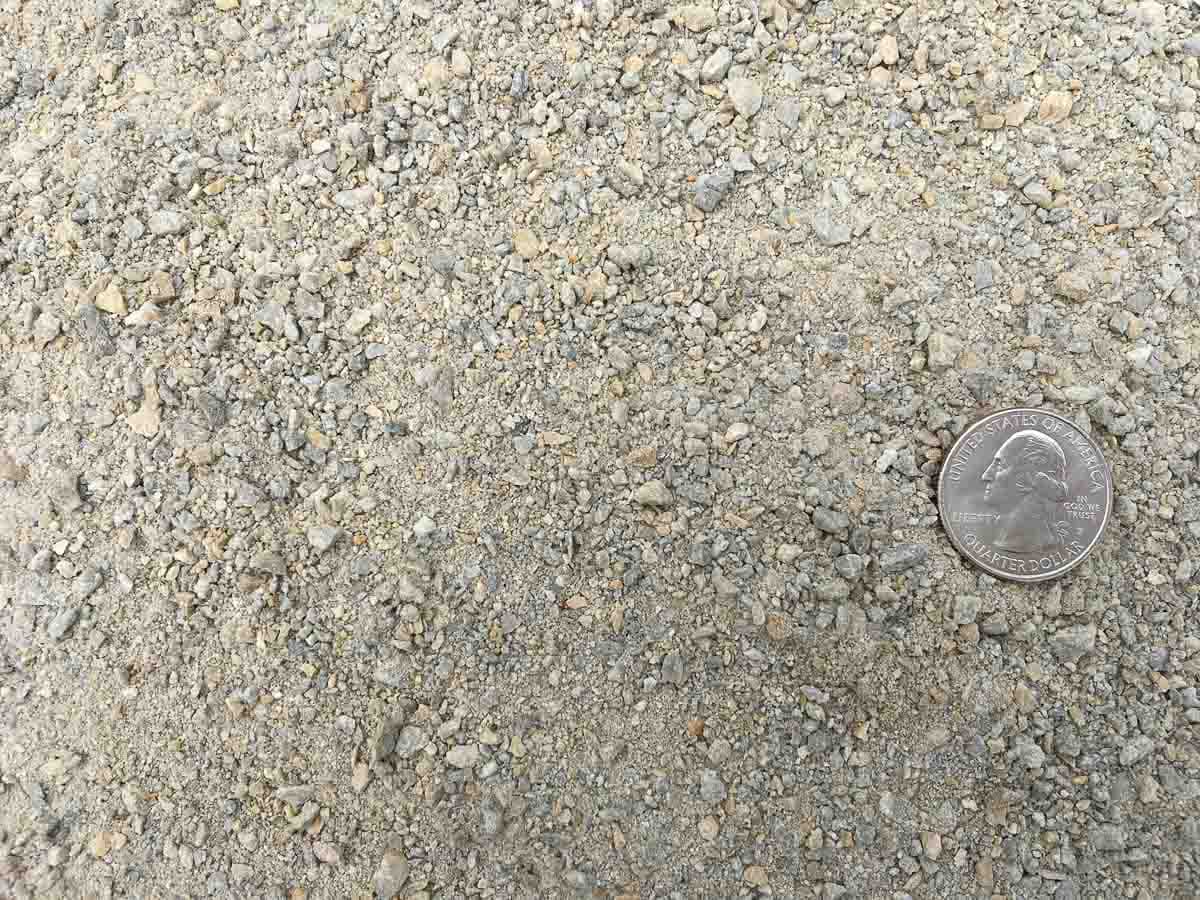
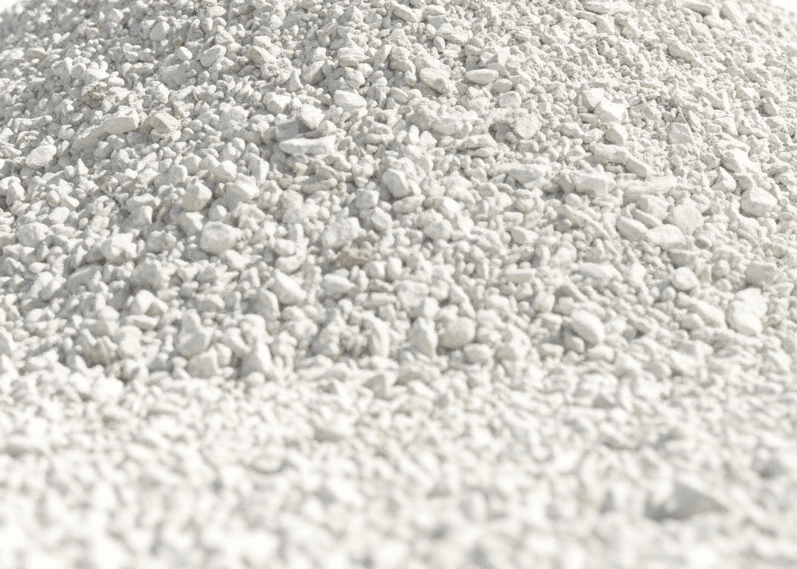
In Dallas-area projects, that often means materials like road base, crusher run, crushed limestone, recycled concrete, or other compactable aggregate. The exact local name can vary, but the purpose is the same: create a surface that does not roll around under tires or disappear into mud after the next rain.
The mistake is treating a driveway like a flower bed.
A driveway needs stability.
A flower bed needs appearance and plant support.
A drainage trench needs water movement.
Those are three different jobs.
If the ground is soft, a thin decorative layer is usually just makeup. It may look better for a short time, but the yard will win again after a few storms.
If the Yard Is Hot: Mulch Is Not Just Decoration
In Dallas, mulch is not only about curb appeal.
It is shade for the soil.
A bare flower bed bakes. Moisture leaves faster. Weeds get sunlight. Soil crusts. Plants get stressed. Mulch helps slow that cycle.
A good mulch layer can make a front bed look finished, but the bigger benefit is what it does underneath: it protects the soil surface, helps hold moisture longer, and reduces the harsh swing between wet and dry.
That matters in North Texas.
For many residential beds, 2 to 3 inches is enough. If the goal is stronger weed suppression, slightly deeper may help. But mulch should not be piled against tree trunks, plant stems, siding, or the foundation. The goal is a blanket, not a volcano.
Fresh mulch can be one of the fastest ways to make a Dallas home look maintained without rebuilding the whole landscape. It is also one of the most forgiving bulk materials to order because it can be spread by hand, adjusted around plants, and refreshed over time.
If the Yard Holds Water: Stop Guessing and Watch the Rain
Drainage problems are hard to diagnose on a dry day.
The best time to understand the yard is during or right after rain. Watch where water moves. Watch where it stops. Watch whether it runs across the driveway, sits against the fence, pools near the patio, or cuts a small channel through the bed.
That tells you more than any product label.
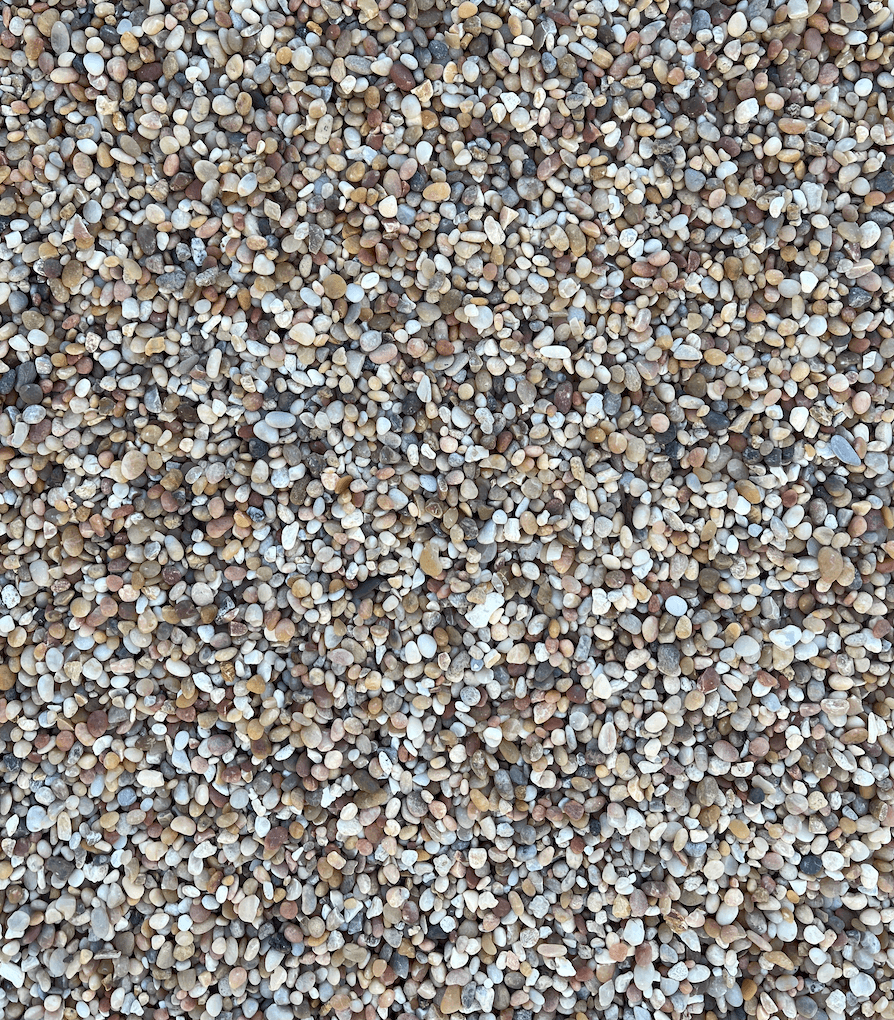
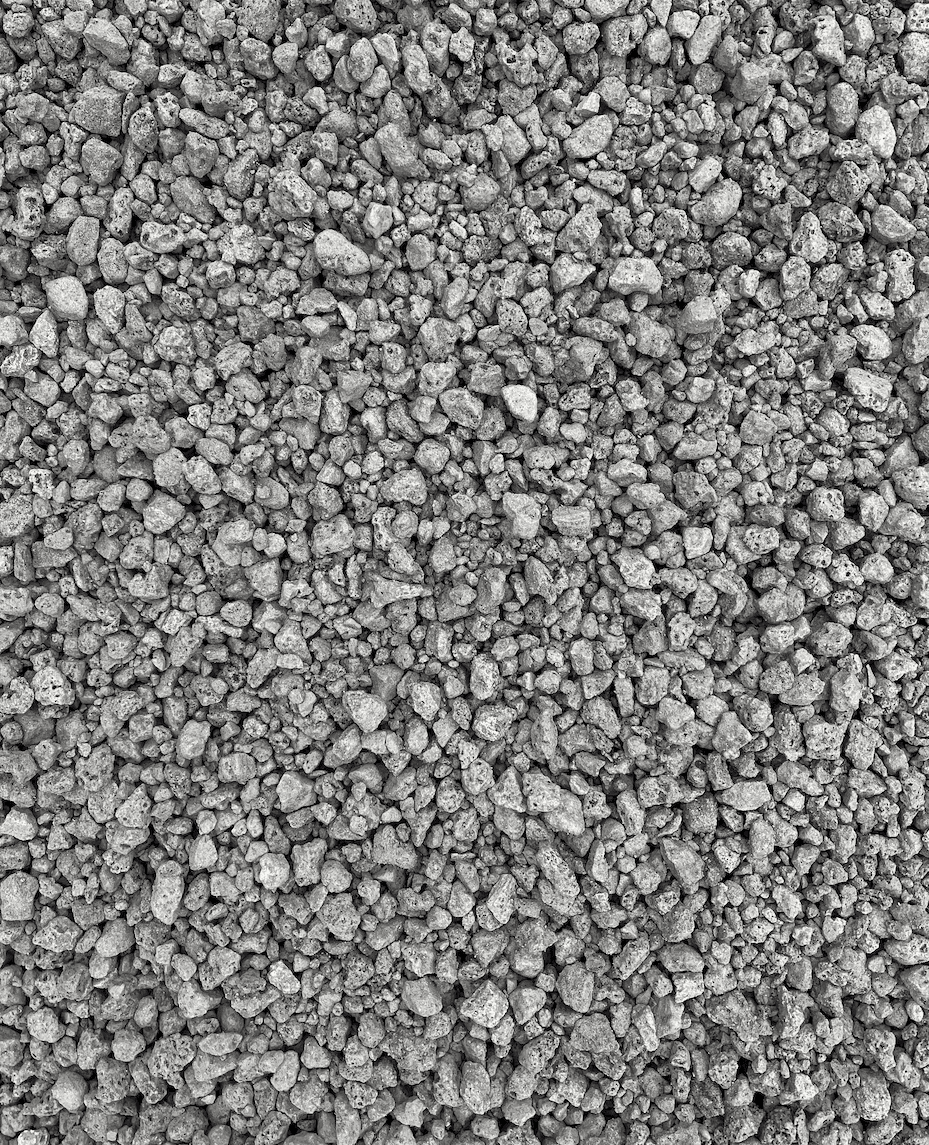
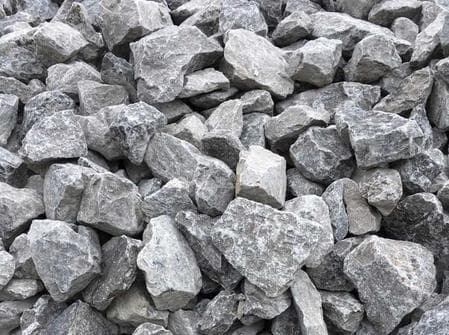
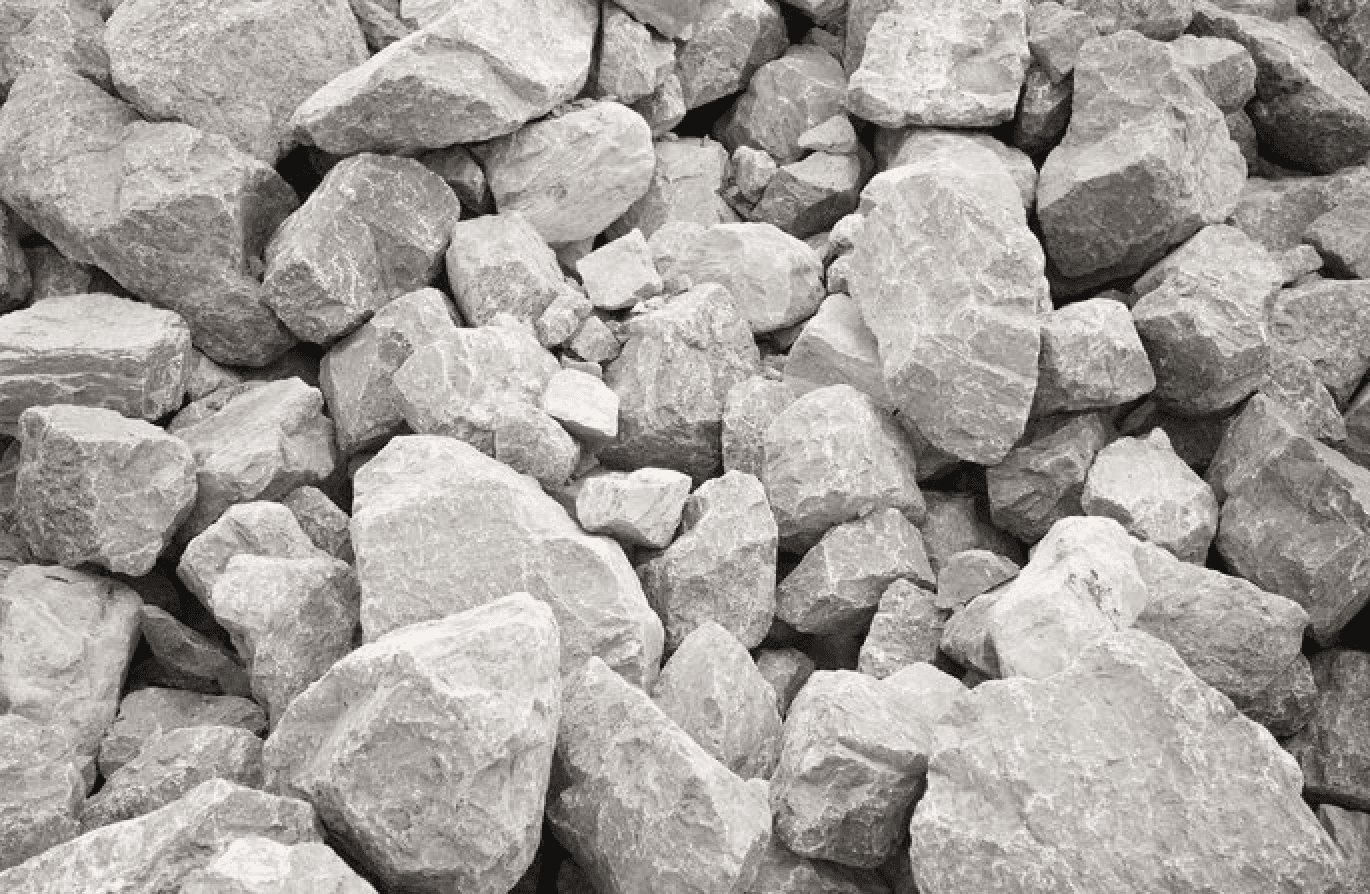
If water needs to move through stone, the material should have open space. Clean crushed stone, drain rock, washed gravel, #57 stone, and river rock can all be part of drainage solutions depending on the area.
If the material has too many fines, it may compact instead of drain. That can be great for a driveway base but wrong for a drainage project.
This is one of the biggest mistakes in bulk material orders: using the right category but the wrong version.
“Gravel” can mean compactable base.
“Gravel” can also mean open drainage stone.
Those are not the same thing.
Dallas drainage projects often need both grading and material. Stone helps, but water still needs somewhere to go.
The Dallas Driveway Test
Here is a simple way to think about driveway gravel in Dallas.
Ask three questions:
Does water sit on it?
If yes, fix the drainage or slope first. Gravel alone may not solve standing water.
Does it rut under tires?
If yes, the surface may need a compactable base material, more depth, or better compaction.
Does the stone roll around?
If yes, the material may be too rounded or too loose for vehicle traffic.
Driveways usually prefer angular stone because it locks together better. Rounded stone may be fine for decorative areas, but it can shift under tires.
For an existing driveway, a new top layer may improve appearance and function. For a failed driveway, the base may need more serious repair.
The difference matters because a cheap surface refresh is not the same as fixing the cause of the rutting.
The Side Yard Problem
Every Dallas neighborhood has them: side yards that nobody enjoys dealing with.
They are narrow. They are shaded. They get roof runoff. They stay muddy longer than the rest of the yard. They are used by dogs, trash bins, utility access, kids, or lawn crews. They are too useful to ignore and too awkward to landscape like the front yard.
Side yards need practical materials.
If it is muddy, think about compactable base, stepping stones, or a drainage-friendly layout.
If it carries water, think clean stone and grading.
If it is just ugly, mulch or decorative rock may be enough.
If dogs use it, think about drainage, cleanup, and comfort underfoot.
The side yard is where “pretty” and “practical” have to shake hands.
Before ordering material, also think about how it gets there. A dump truck may not reach the side yard. The load may need to be dropped in the driveway and moved by wheelbarrow, skid steer, or small equipment.
The material choice matters. The moving plan matters too.
The Raised Bed Shortcut
Raised beds are popular in Dallas for a reason: they let you stop fighting native clay.
Instead of trying to turn the entire yard into perfect soil, you build a controlled growing space. That gives you better drainage, better root depth, and a cleaner planting area.
But raised beds should not be filled with random dirt.
A good raised bed needs a planting mix that can hold moisture, drain reasonably, and support roots. Garden blend soil, raised bed mix, or a topsoil-compost blend is usually a better fit than fill dirt.
Fill dirt is for raising grade. It is not a vegetable garden.
For Dallas gardeners, raised beds can be one of the smartest uses of delivered soil because the material goes exactly where the plants need it. You are not trying to fix the whole property. You are building a better growing zone one bed at a time.
The “Looks Good From the Street” Upgrade
Not every project is structural. Sometimes the goal is simple: make the place look better.
That is where mulch, decorative gravel, river rock, decomposed granite, and clean edging can change the feel of a home quickly.
If the front beds look tired, mulch can make them look fresh in a few hours.
If a low-maintenance look is the goal, decorative stone may last longer.
If the landscape needs a natural Texas look, decomposed granite or warm-toned stone can fit well.
If water moves through the front bed, river rock can create a dry creek look while helping manage runoff.
The key is to avoid using decorative material to hide a functional problem. Stone can make a bed look clean, but it will not fix poor grading. Mulch can protect soil, but it will not solve a drainage issue. Decomposed granite can make a path look finished, but it needs proper base prep and compaction to perform well.
Curb appeal works best when the surface material matches the reality underneath.
Why Delivery Is Part of the Project
Bulk material delivery in Dallas is not like dropping off a small package.
A dump truck needs space. It is heavy. It needs overhead clearance. It needs a safe place to raise the bed. It may not be able to drive on soft ground, tight alleys, weak pavement, or narrow residential access.
Before ordering, decide where the pile will go.
Good dump spots are usually:
- Firm
- Open
- Accessible
- Away from low wires
- Away from low branches
- Clear of parked cars
- Close enough to the project to reduce labor
Bad dump spots are usually:
- Soft lawns
- Septic areas
- Steep slopes
- Tight corners
- Sidewalks
- Under trees
- Under wires
- Anywhere the truck could get stuck
The best delivery plan is boring. The truck arrives, dumps safely, leaves, and the material is exactly where the work can begin.
Dallas Timing: When to Order
Timing matters more than people think.
Spring is busy because everyone is repairing beds, refreshing mulch, fixing driveways, and starting projects. After heavy rains, drainage stone and driveway material can be in higher demand. During summer, crews may start early to avoid heat, and homeowners may want materials dropped before the worst part of the day.
If you need material for a weekend project, do not wait until Friday afternoon to figure it out. If a contractor is scheduled, order early enough that the material is already onsite or confirmed. If rain is coming, think carefully about where the truck will dump and whether the site will still be accessible.
Bulk material projects go smoother when delivery is treated like part of the schedule, not an afterthought.
A Dallas Material Cheat Sheet
Here is a simple way to match the problem to the material.
Muddy driveway
Look at road base, crusher run, crushed limestone, recycled concrete, or other compactable aggregate.
Standing water
Look at clean drainage stone, #57 stone, drain rock, river rock, and grading solutions.
Tired flower beds
Look at hardwood mulch, dyed mulch, cedar mulch, pine bark, compost, or decorative stone.
Raised garden beds
Look at garden blend soil, raised bed mix, or screened topsoil blended with compost.
Low spots
Use fill dirt for volume, then topsoil if grass or plants will grow on top.
Patio base
Look at compactable base material, screenings, or proper paver base materials.
Dry creek bed
Look at river rock, larger drainage stone, or mixed decorative rock.
Side yard path
Look at decomposed granite, stepping stones, gravel, mulch, or clean stone depending on drainage and use.
Quick curb appeal
Fresh mulch, decorative stone, clean edging, and plant bed cleanup usually give the fastest result.
The Best Question to Ask Before Ordering
Before you order, ask this:
What do I need this material to do after the truck leaves?
Not what it is called.
Not what is cheapest.
Not what looks good in a photo.
What does it need to do?
Support tires.
Move water.
Grow grass.
Hold moisture.
Fill space.
Create a path.
Stop erosion.
Look clean from the street.
Build a base.
Make the yard usable again.
Once you know the job, the material choice becomes much clearer.
Frequently Asked Questions
What is the best material for a Dallas driveway?
For most gravel driveways and access areas, angular compactable materials such as road base, crusher run, crushed limestone, crushed granite, or recycled concrete are often better than rounded stones. The best choice depends on drainage, traffic, existing base, and how soft the area gets after rain.
What should I use for drainage in Dallas clay soil?
Clean stone is usually better for drainage than compactable base. Common options include #57 stone, drain rock, washed gravel, clean crushed stone, and river rock for visible drainage areas. The material should allow water to move through it.
Is mulch or rock better for Dallas flower beds?
Mulch is often better for plant health because it helps protect the soil and hold moisture. Rock lasts longer and can look cleaner in low-maintenance beds, but it does not improve the soil. The best choice depends on whether the priority is plant support, appearance, or long-term maintenance.
Can I use fill dirt to grow grass?
Fill dirt is usually better for raising low areas than growing grass. If the area will be seeded or sodded, add a layer of topsoil on top after the grade is built.
What soil should I use for raised beds?
Use garden blend soil, raised bed mix, or screened topsoil blended with compost. Avoid filling raised beds with plain fill dirt.
Why does gravel cost more delivered than expected?
The delivered price includes material, loading, trucking, fuel, driver time, distance, and sometimes minimum load fees. Bulk materials are heavy, so distance from the source can change the price significantly.
Can a dump truck deliver in a Dallas neighborhood?
Usually yes, but access matters. The truck needs enough room, firm ground, overhead clearance, and a safe dump location. Tight alleys, low trees, soft ground, or parked cars can create problems.
Will the driver spread the material?
Usually no. Most deliveries are dumped in one pile unless spreading is specifically offered or a special truck is used.
How much extra material should I order?
For many projects, 5% to 10% extra is a good buffer for settling, compaction, uneven areas, and edges. Soft driveways and low spots may need more.
Dallas yards are not difficult because homeowners are doing something wrong. They are difficult because North Texas gives you clay soil, sudden rain, long heat, tight access, and fast-changing conditions.
The right bulk material can make a yard easier to use, easier to maintain, and better looking. But the right choice depends on the problem.
Do not start with “I need dirt” or “I need gravel.” Start with the yard.
Is it soft?
Is it dry?
Is it holding water?
Is it cracking?
Is it washing out?
Is it failing under tires?
Is it supposed to grow something?
Is it supposed to look good from the street?
Answer that first, and the material decision gets much easier.
In Dallas, the yard always tells you what it needs. You just have to listen before the truck arrives.