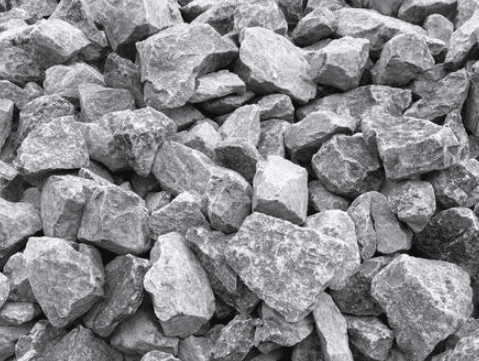
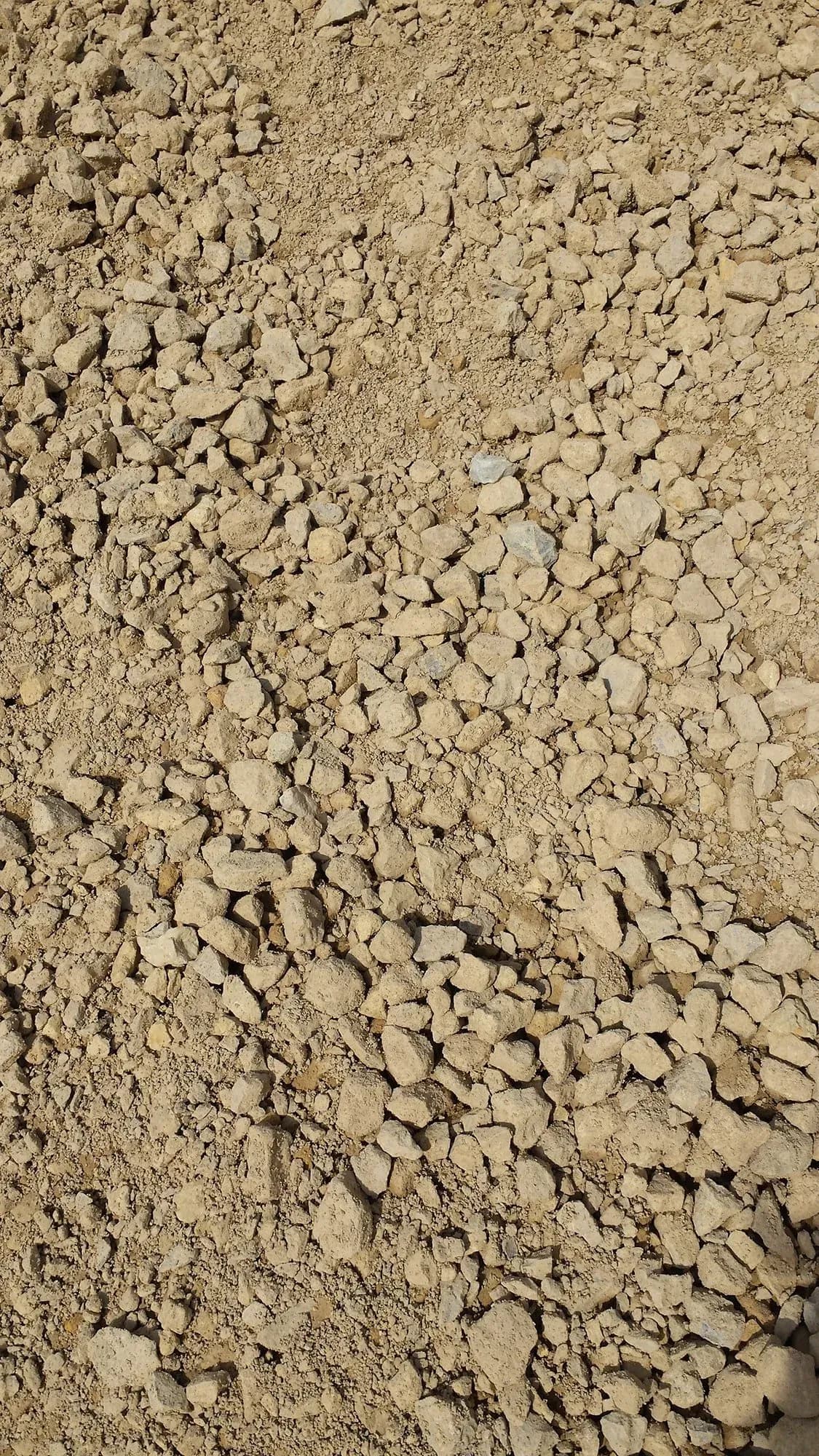
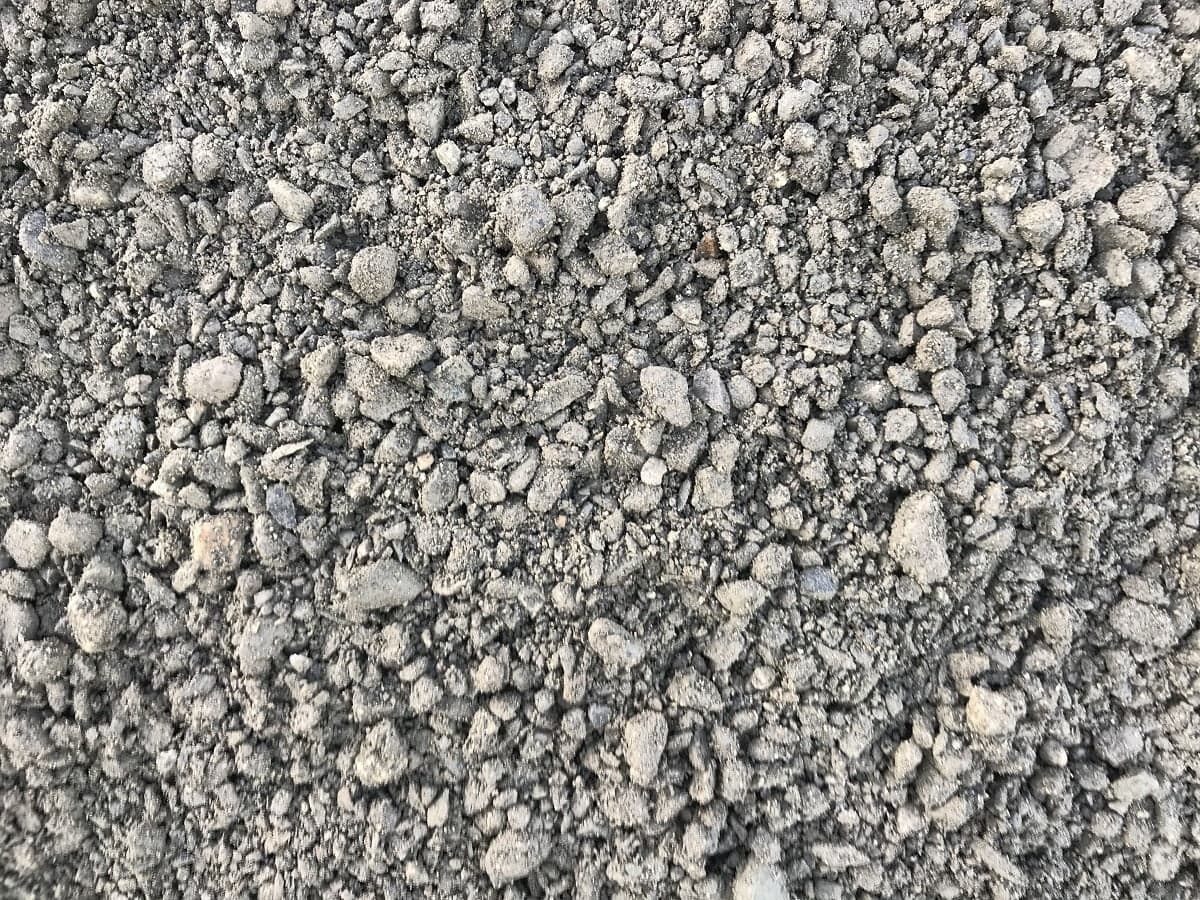
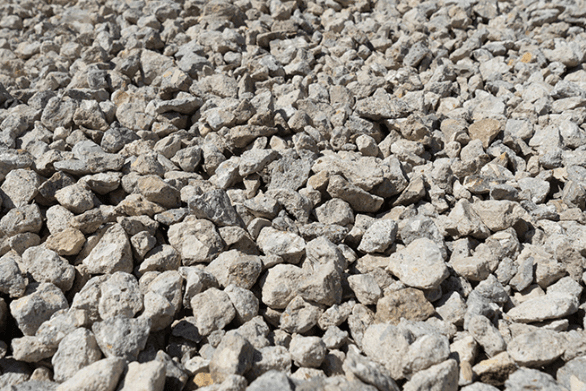
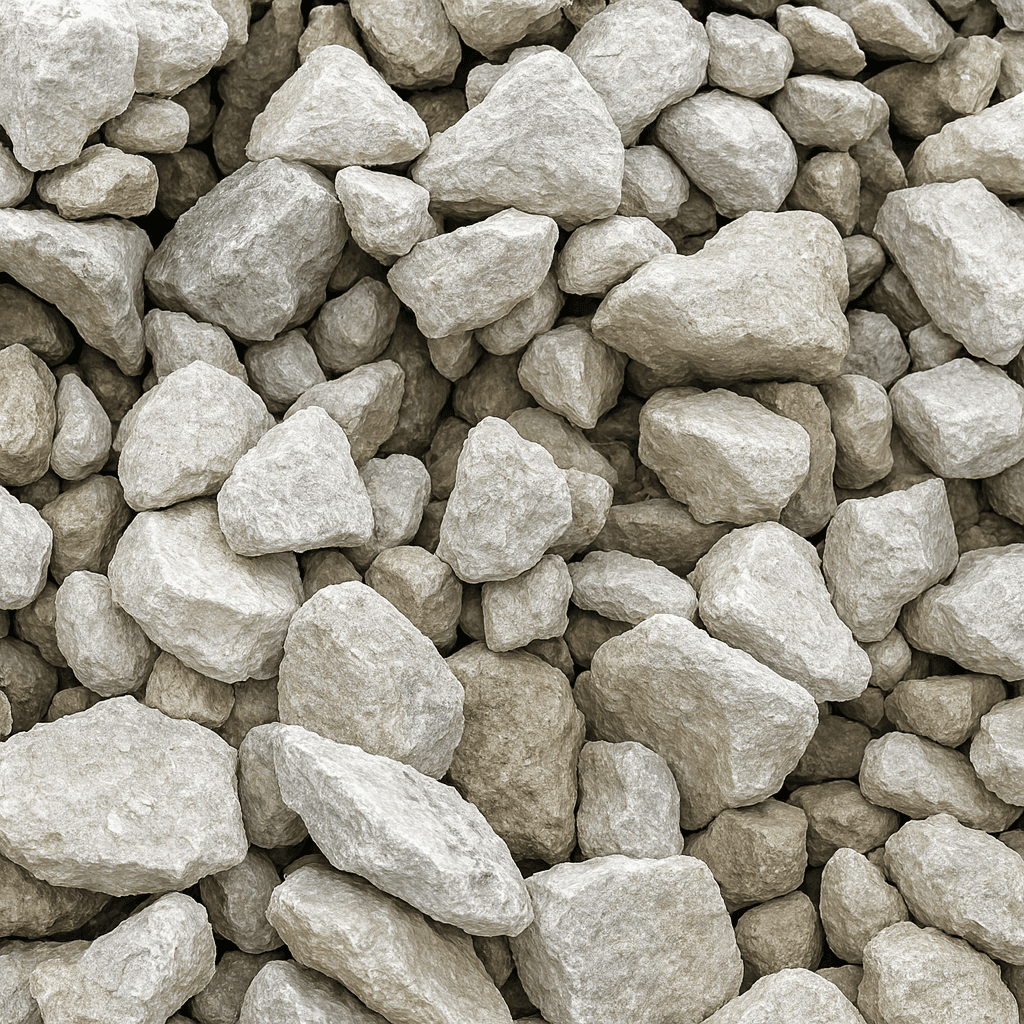
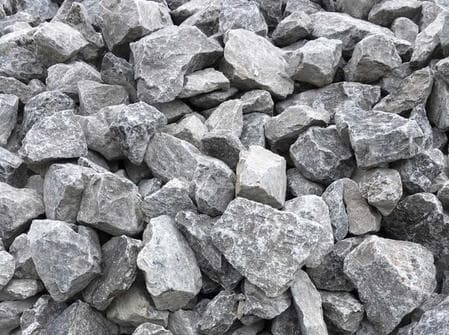
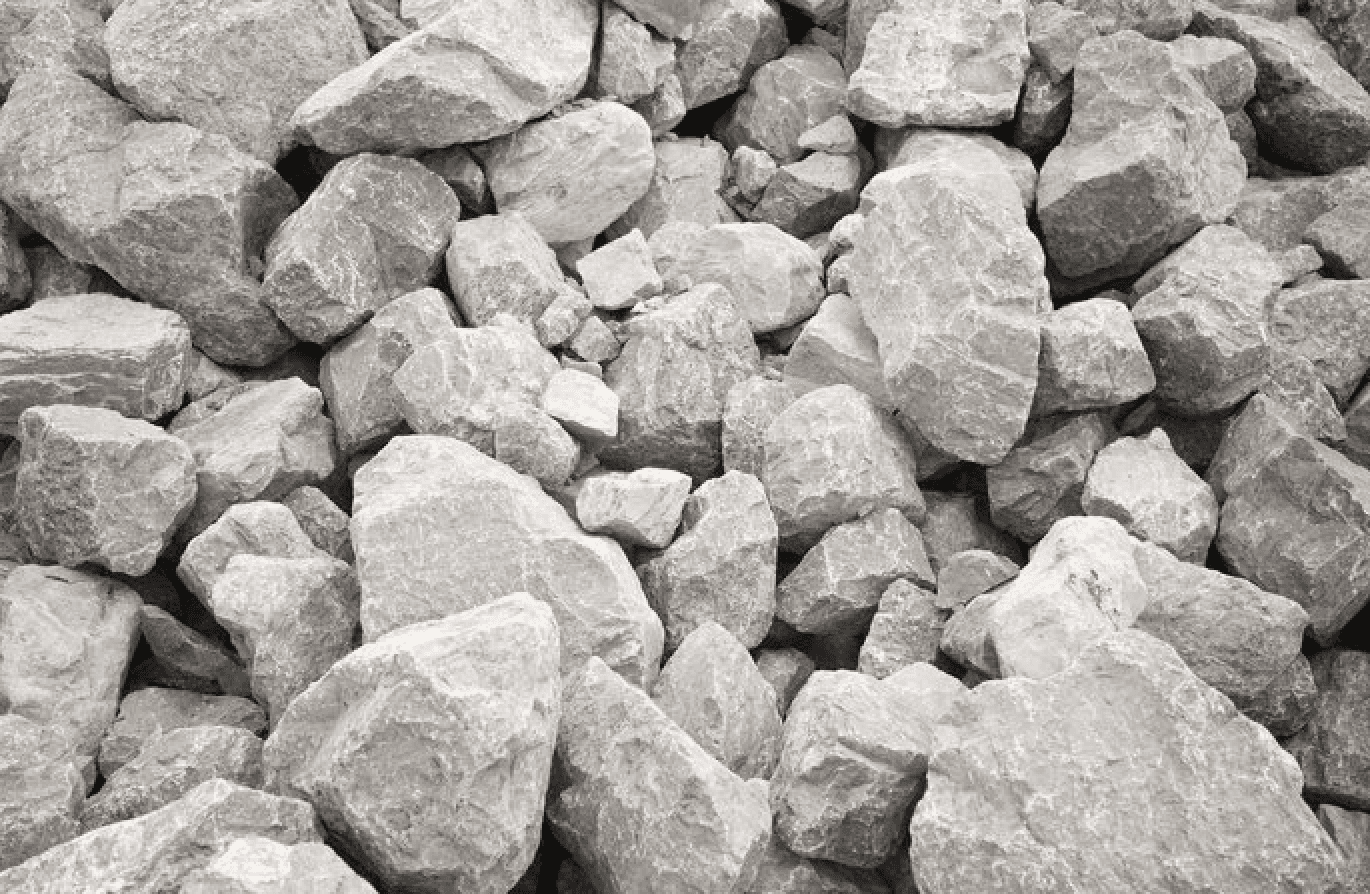
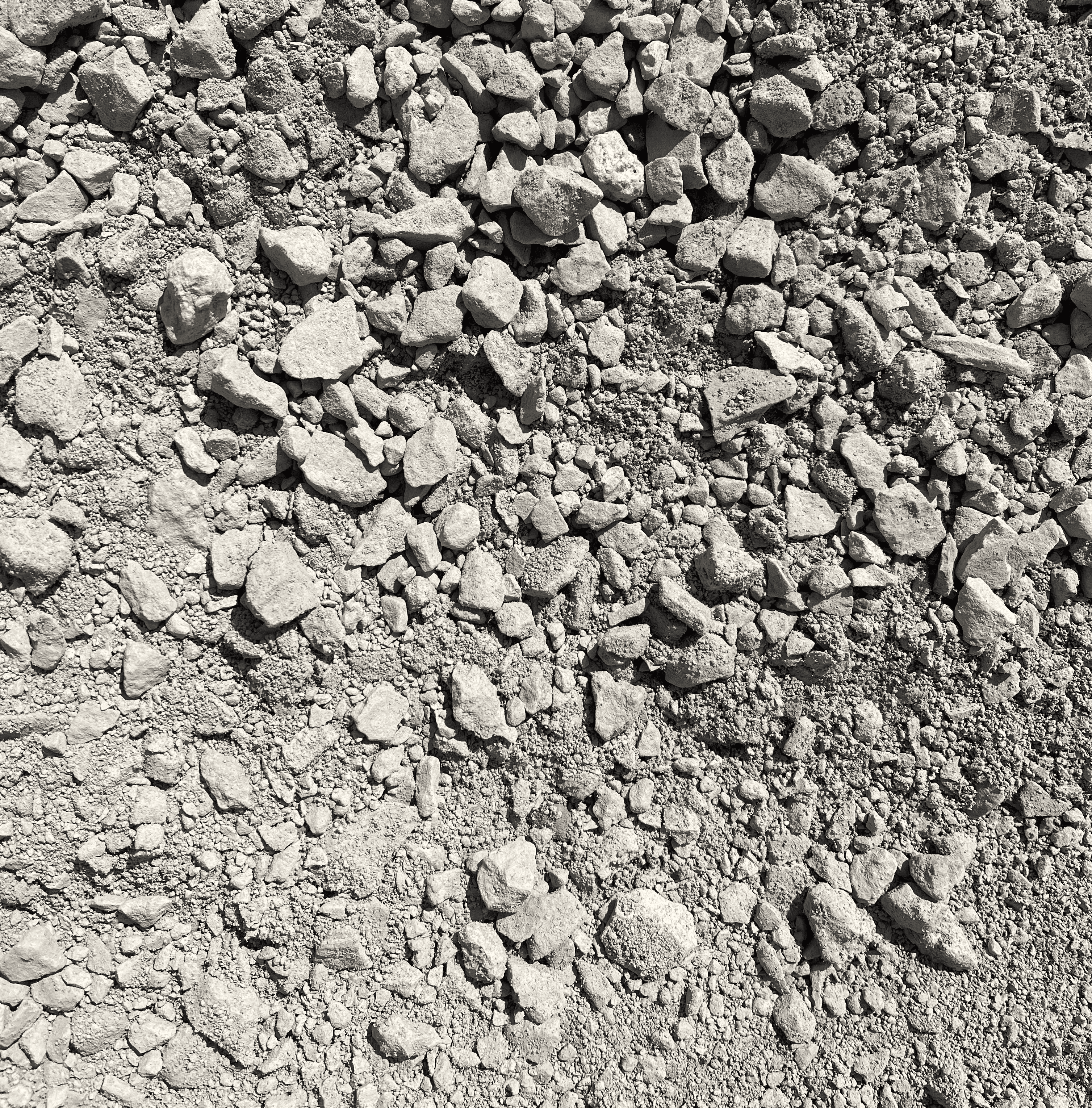
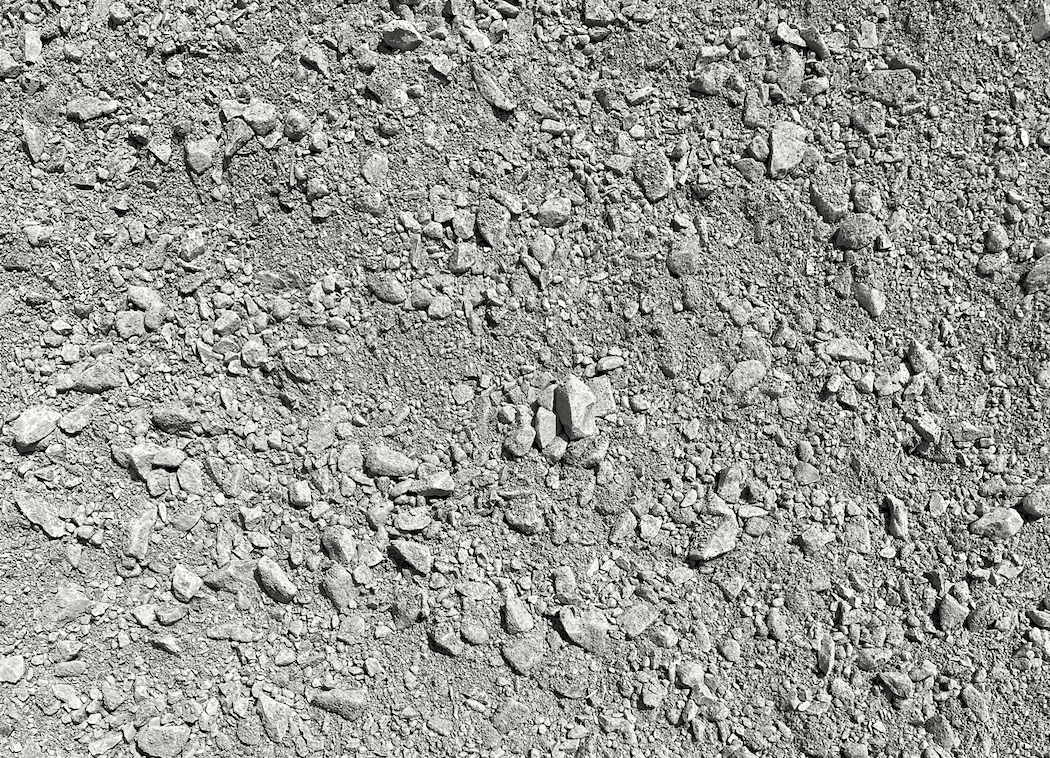
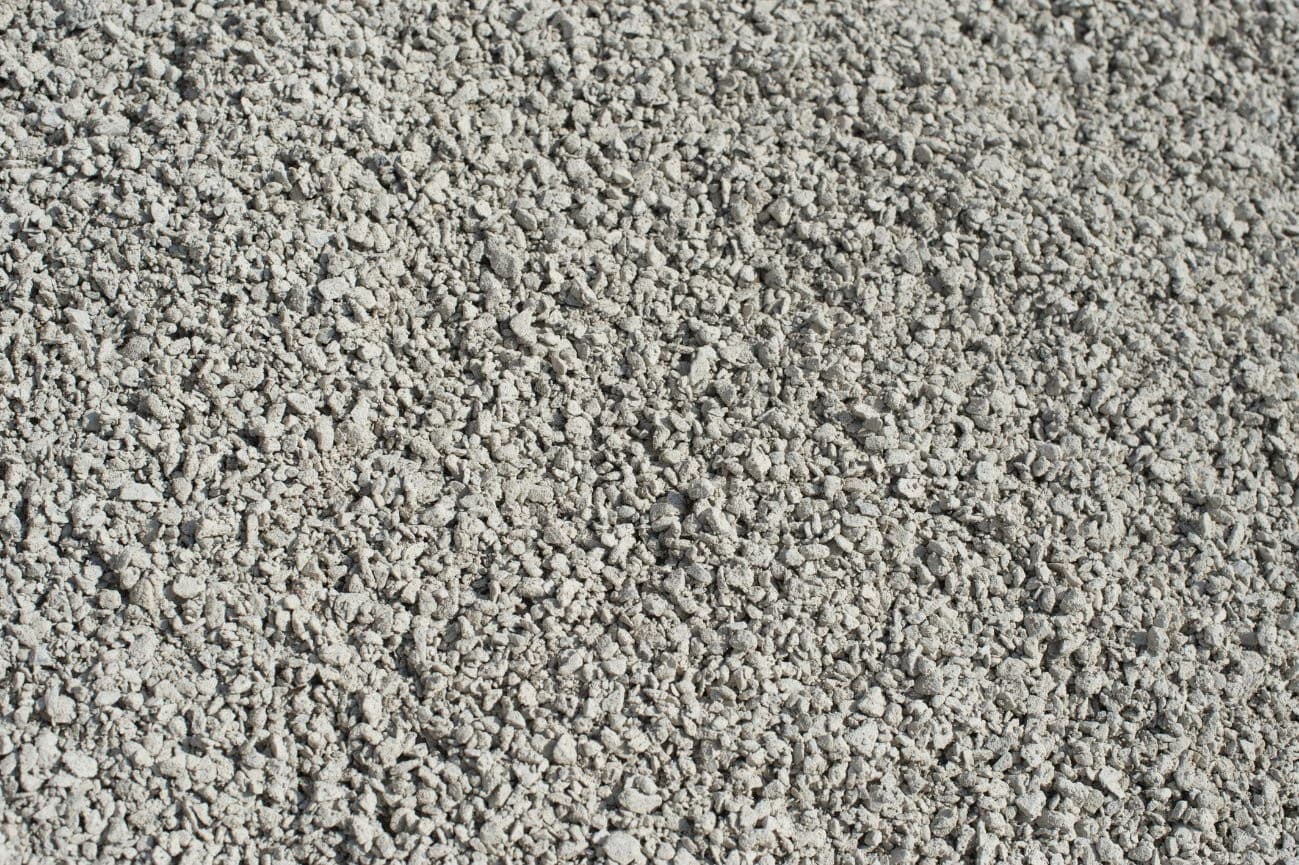
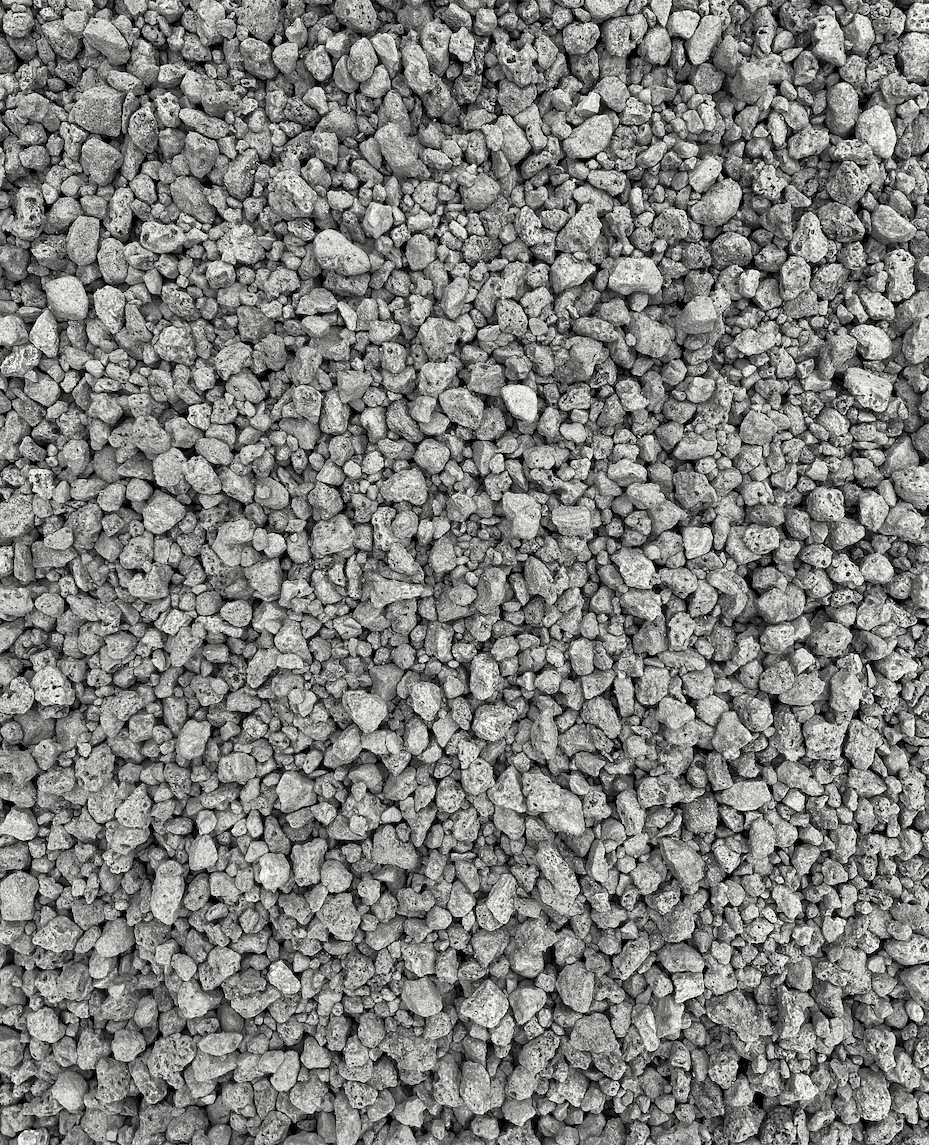
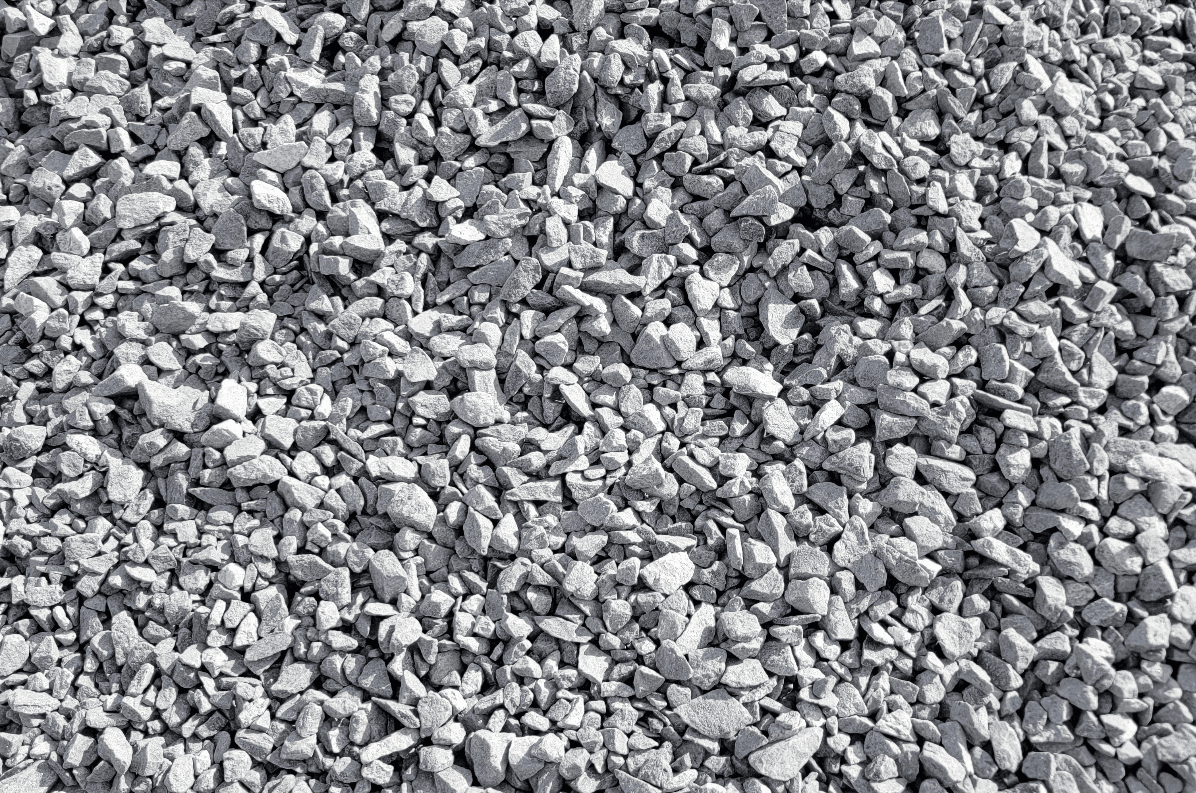
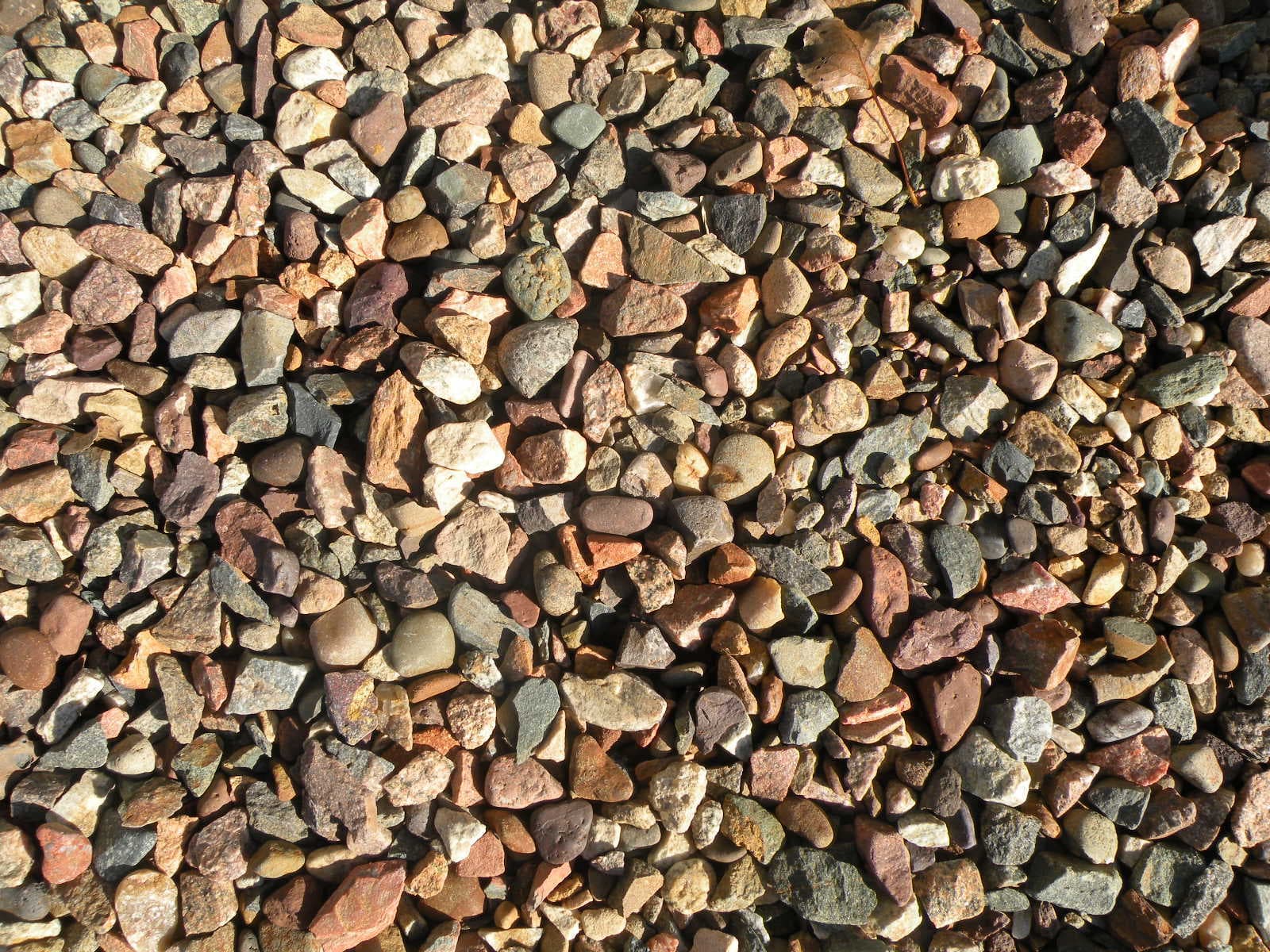
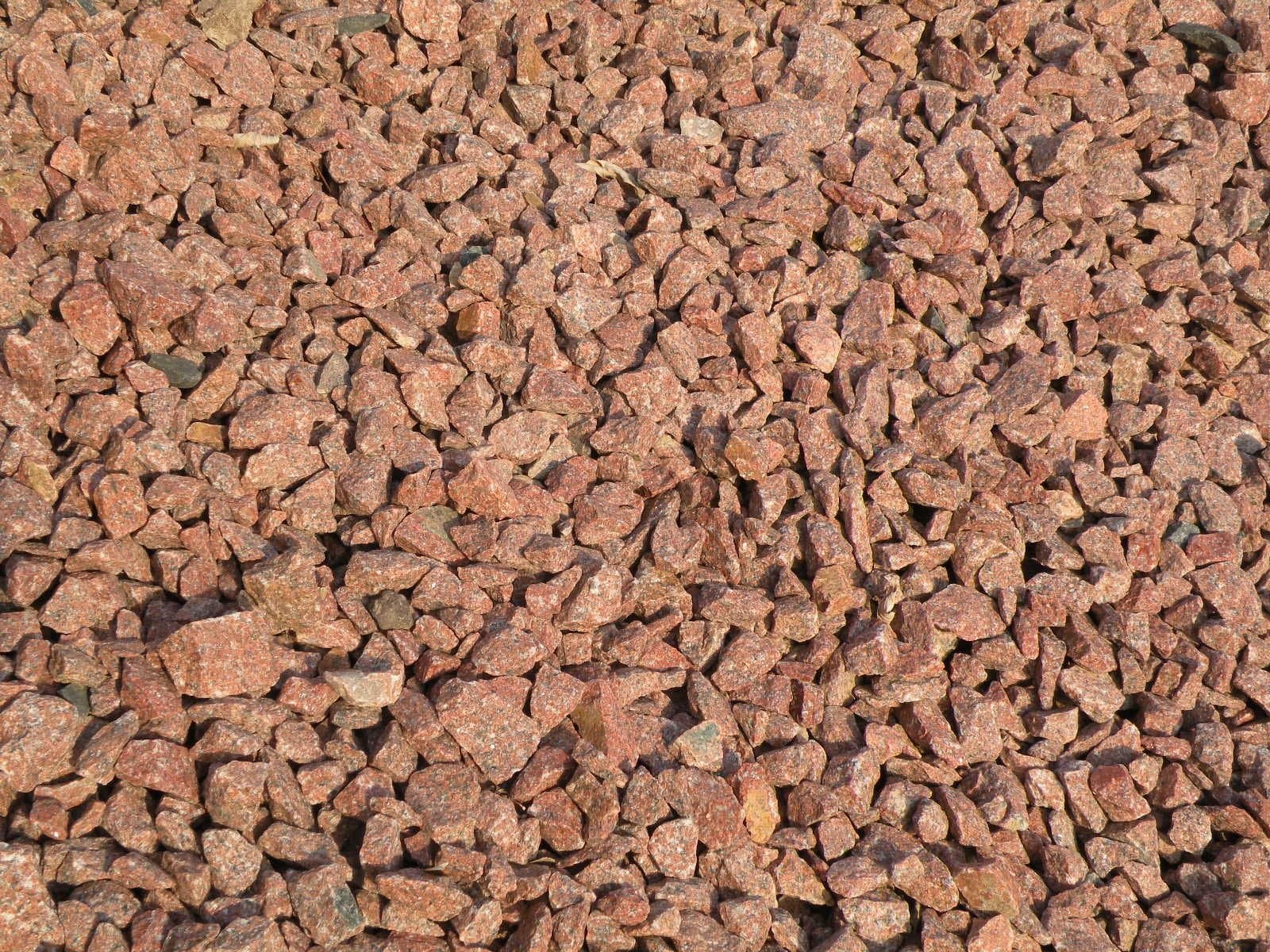
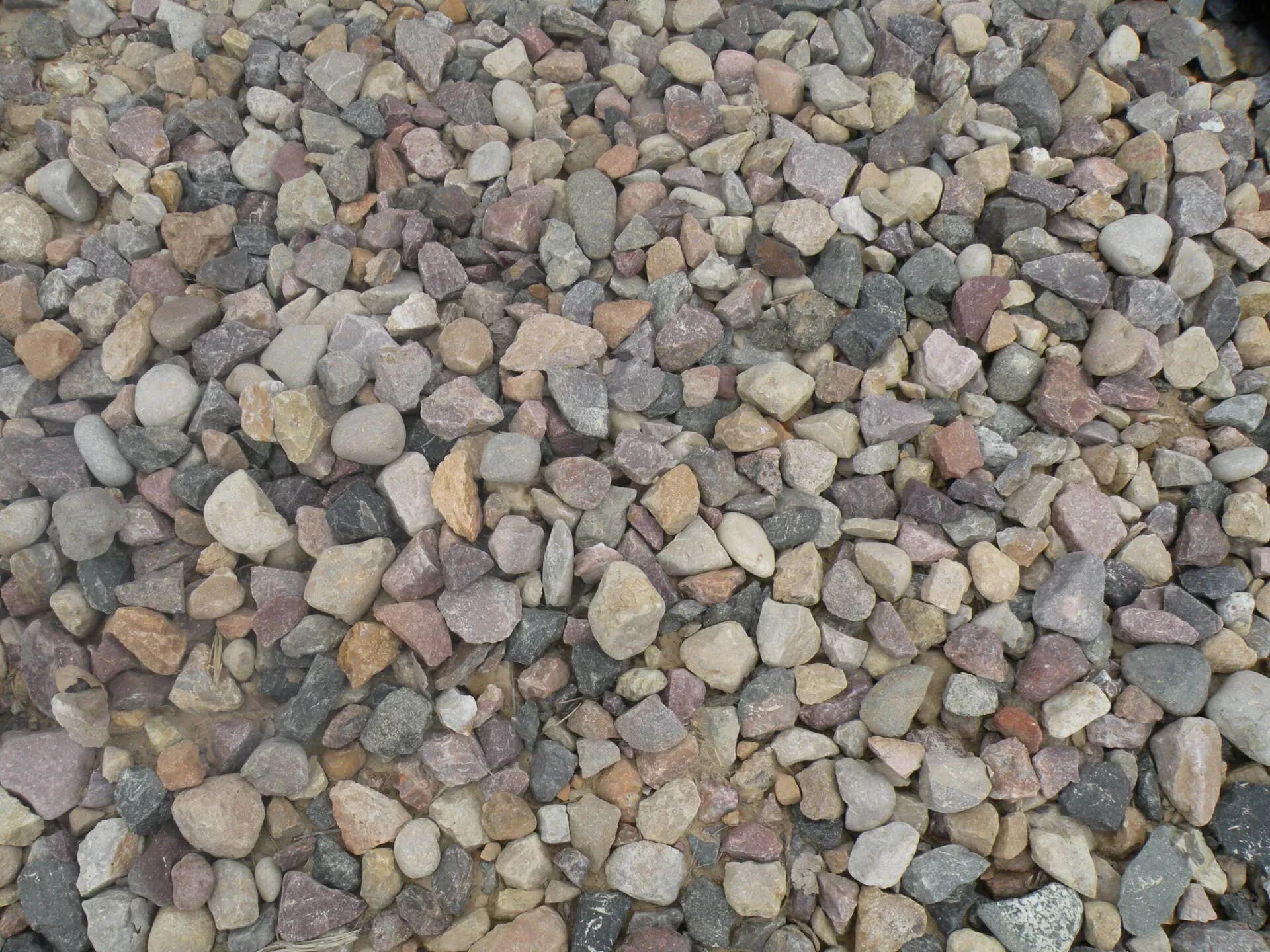
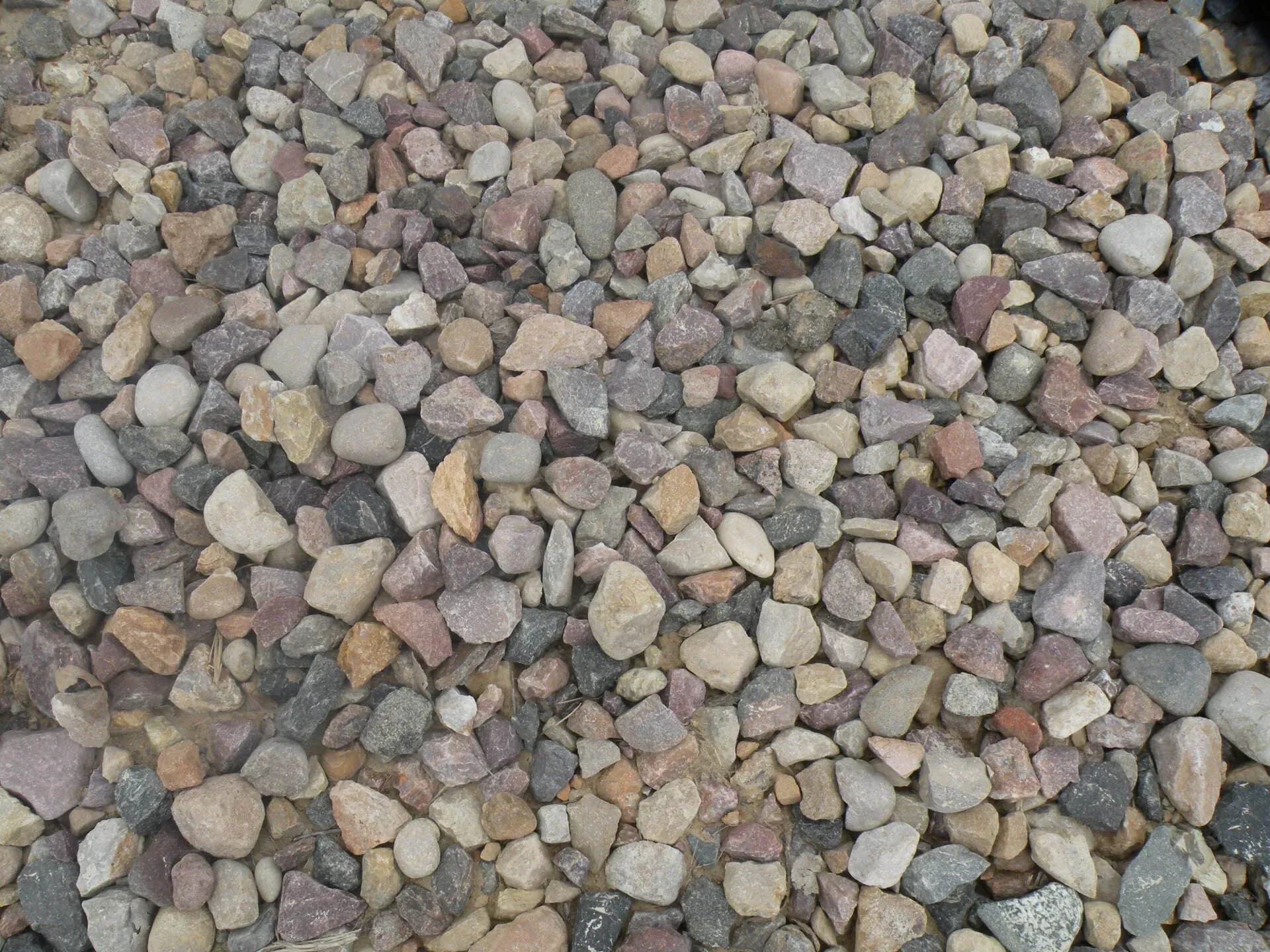
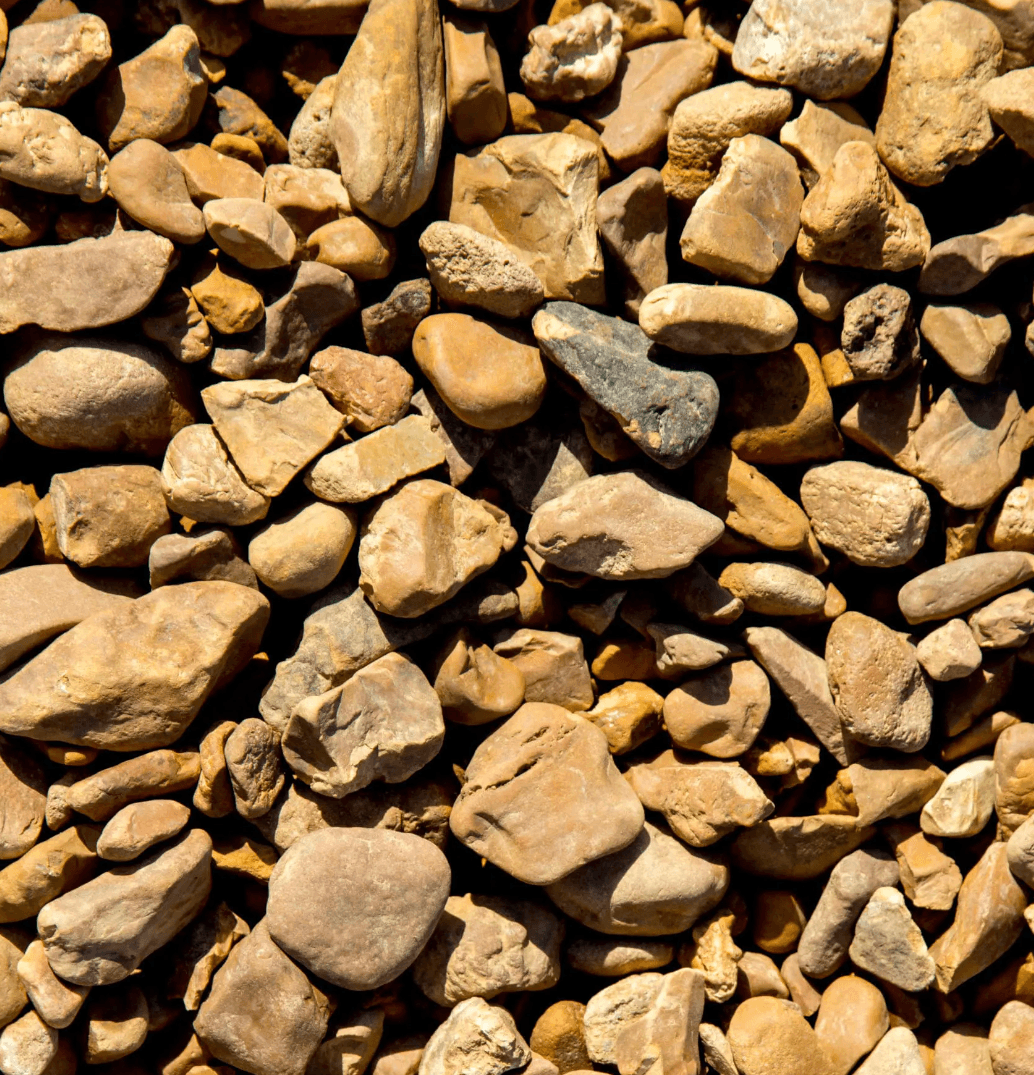
A full dump truck load of gravel in the United States usually costs between $500 and $1,500 delivered, but the final price can be lower or higher depending on the gravel type, truck size, delivery distance, local quarry availability, and project size. For common residential orders, most homeowners receive around 10 to 15 tons of gravel in a standard dump truck delivery. Larger contractor orders often use bigger trucks carrying 15 to 22 tons, and major construction or commercial projects may use semi end dumps, side dumps, or belly dumps for even larger bulk hauling.
Gravel is one of the most widely used bulk materials for driveways, parking areas, road base, drainage projects, construction entrances, site preparation, shed pads, concrete base, landscaping, and erosion control. Because gravel is heavy, the total delivered price depends on both the material cost and the trucking cost. A supplier close to a quarry or gravel pit can usually offer a better delivered price than one hauling material from far away.
The easiest way to estimate the cost of a gravel delivery is to understand three things: the price per ton, the number of tons needed, and the type of truck required for delivery. A small residential driveway may only need a partial load, while a large driveway, parking pad, road, or contractor job may need one or more full truckloads.

Quick Answer: Average Cost of a Full Dump Truck Load of Gravel
A full dump truck load of gravel commonly costs:
- Small residential load: $300 to $800
- Average homeowner or residential load, 10 to 15 tons: $500 to $1,200
- Contractor-size dump truck load, 15 to 22 tons: $800 to $1,800+
- Semi end dump, belly dump, or large bulk load: $1,200 to $3,000+ depending on distance and material
- Specialty or decorative gravel load: $1,500 to $4,000+ depending on stone type and delivery distance
Most homeowners ordering driveway gravel, road base, #57 stone, crusher run, pea gravel, or drainage gravel will usually receive a 10 to 15 ton load. Contractors working on larger pads, access roads, construction entrances, parking areas, or sitework often order 15 to 22 ton loads using tri-axle or quad-axle dump trucks.
For large-volume construction projects, suppliers may use semi end dumps, side dumps, or belly dumps. These trucks can move more material per trip, but they require more space, better site access, and are usually used for commercial, agricultural, roadwork, or large contractor jobs rather than tight residential deliveries.
Gravel Cost Per Ton
Gravel is usually sold by the ton because truck weight and legal hauling limits matter. The price per ton depends on the material type and local supply.
Common gravel price ranges include:
- Road base / crusher run: $20 to $60 per ton
- Recycled concrete aggregate: $20 to $50 per ton
- #57 crushed stone: $30 to $75 per ton
- Crushed limestone: $30 to $85 per ton
- Crushed granite: $40 to $100 per ton
- Pea gravel: $35 to $95 per ton
- Drain rock: $35 to $90 per ton
- River rock: $50 to $180 per ton
- Decorative gravel: $60 to $200+ per ton
These are general planning ranges. The delivered price may be higher because it includes trucking, fuel, loading time, minimum order fees, and local delivery charges.
A material listed at $35 per ton does not always mean a 15-ton order costs exactly $525 delivered. Delivery distance can add a major cost, especially if the quarry, pit, or supplier is far from the jobsite.
Dump Truck Gravel Load Sizes
The amount of gravel a truck can carry depends on the truck type, legal road weight limits, material density, moisture content, and local hauling rules.
Small Dump Trucks
Small dump trucks are often used for tight residential areas, narrow driveways, small landscape projects, and smaller gravel deliveries.
Typical capacity:
- 3 to 6 tons
- Best for small driveways, small drainage projects, garden paths, and tight access areas
Small trucks usually cost more per ton because the delivery cost is spread across less material.
Single-Axle Dump Trucks
Single-axle dump trucks are common for residential deliveries where access is limited.
Typical capacity:
- 6 to 10 tons
- Best for small residential driveways, shed pads, side yards, and small gravel projects
These trucks are easier to maneuver than larger trucks and may be better for neighborhoods, tight driveways, or smaller jobsites.
Tandem Dump Trucks
Tandem dump trucks are common for medium residential and contractor deliveries.
Typical capacity:
- 10 to 16 tons
- Best for average homeowner loads, driveway resurfacing, road base, drainage stone, and medium landscape projects
For many residential orders, this is the most common truck size. A homeowner ordering gravel for a driveway or parking area will often receive a load in the 10 to 15 ton range.
Tri-Axle and Quad-Axle Dump Trucks
Tri-axle and quad-axle dump trucks are commonly used for larger residential, contractor, and construction deliveries.
Typical capacity:
- 15 to 22 tons
- Sometimes up to 25 tons where local laws allow
- Best for contractors, long driveways, access roads, parking pads, construction entrances, and site preparation
These trucks offer better efficiency for larger projects because they haul more material in one trip.
Semi End Dumps
Semi end dumps are large tractor-trailer dump trucks used for high-volume material hauling.
Typical capacity:
- 20 to 25+ tons
- Best for large contractor jobs, roadwork, commercial sites, agricultural lanes, and bulk construction projects
Semi end dumps require more space to turn around and dump safely. They are usually not ideal for tight residential driveways.
Belly Dumps
Belly dump trucks release material from the bottom of the trailer instead of tipping the bed up. They are commonly used for road construction, large pads, long driveways, and projects where material needs to be spread in a windrow.
Typical capacity:
- 20 to 25+ tons
- Best for road base, driveway base, large access roads, commercial pads, and long linear projects
Belly dumps are efficient for spreading large quantities quickly, but they require a suitable site and enough room to move forward while dumping.
Side Dumps
Side dump trailers are rare but unload material to the side and are often used in larger construction, roadwork, and site development jobs.
Typical capacity:
- 20 to 25+ tons
- Best for large jobsites, road projects, and areas where side unloading is useful
Like belly dumps and semis, side dumps are usually better for contractors and commercial projects than small residential orders.
Homeowner vs. Contractor Gravel Loads
Gravel delivery needs are different for homeowners and contractors.
Average Homeowner or Residential Load
Most residential gravel deliveries are around 10 to 15 tons. This is usually enough for driveway resurfacing, a small parking area, drainage work, a shed pad, or a landscape project.
Common residential uses include:
- Driveway gravel
- Gravel parking pads
- Shed or garage pads
- Drainage gravel
- Walkway base
- Patio base
- Erosion repair
- Yard access areas
- Landscape rock
- Small road base projects
A 10 to 15 ton load is often delivered by a tandem or smaller tri-axle dump truck, depending on access and local truck availability.
Contractor and Commercial Loads
Contractors commonly order 15 to 22 tons per truckload for larger jobs. These loads are often delivered in tri-axle, quad-axle, or larger trucks.
Common contractor uses include:
- Construction entrances
- Driveway installation
- Road base
- Parking lots
- Building pads
- Utility trench backfill
- Drainage systems
- Site preparation
- Commercial landscaping
- Farm roads
- Large access roads
For very large jobs, contractors may use multiple truckloads or larger equipment such as semi end dumps, belly dumps, or side dumps.
What Affects the Cost of a Gravel Truckload?
The final price of a gravel delivery depends on several major factors.
1. Gravel Type
The type of gravel has a major impact on price. Basic road base, crusher run, and recycled concrete are usually more affordable. Specialty gravel, decorative stone, river rock, and premium crushed stone cost more.
Common gravel types include:
- #57 stone
- Crusher run
- Road base
- Recycled concrete
- Crushed limestone
- Crushed granite
- Pea gravel
- Drain rock
- River rock
- Riprap
- Decorative gravel
- Screenings
- Stone dust
A driveway base material is usually cheaper than decorative river rock because it is chosen mainly for function, not appearance.
2. Local Quarry or Gravel Pit Availability
Gravel is heavy, so local supply matters. If the material is produced close to the delivery address, the delivered cost is usually lower. If it must be hauled from another city or region, trucking costs rise quickly.
This is why gravel pricing is local. A material that is cheap near one quarry may be expensive in another area.
3. Delivery Distance
Delivery distance is often one of the biggest cost drivers. Trucking includes driver time, fuel, loading time, truck wear, insurance, and return travel.
Short local deliveries are usually the most affordable. Long-distance deliveries can increase the cost significantly, especially for heavy materials.
4. Truck Type
Truck type affects pricing. A smaller truck may be required for tight residential access, but it carries less material. A larger truck may offer a better cost per ton, but it needs more room and may not be suitable for every property.
Large trucks such as semis, belly dumps, and side dumps are efficient for big projects but are usually only practical when the jobsite can handle the access requirements.
5. Order Size
A full truckload usually has a better per-ton delivered price than a small partial load. Small deliveries may have minimum order fees or higher delivery cost per ton.
If your project needs close to a full load, ordering a full truckload is often more cost-effective.
6. Seasonal Demand
Spring and summer are peak seasons for gravel, landscaping, and construction. During busy periods, prices and delivery times may increase because trucks and materials are in high demand.
Ordering ahead can help avoid delays.
7. Material Moisture and Density
Wet gravel can weigh more than dry gravel. Dense stone such as granite or limestone may weigh more per cubic yard than lighter materials. This can affect truck capacity, coverage, and delivered quantity.
8. Site Access
Delivery may cost more if the site is difficult to access. Narrow roads, steep driveways, soft ground, low wires, low tree branches, or limited turnaround space can affect truck choice and delivery options.
Some suppliers may refuse unsafe dump locations.
How Much Area Does a Truckload of Gravel Cover?
Coverage depends on tonnage, depth, stone size, and compaction. Most gravel projects use depths between 2 inches and 6 inches.
As a general planning guide:
- 1 ton at 2 inches deep: covers about 100 to 120 square feet
- 1 ton at 3 inches deep: covers about 70 to 90 square feet
- 1 ton at 4 inches deep: covers about 50 to 65 square feet
- 1 ton at 6 inches deep: covers about 35 to 45 square feet
Coverage varies by material density. Larger stone may cover differently than compactable road base or crusher run.
Coverage for a 10 to 15 Ton Residential Load
A typical homeowner load of 10 to 15 tons may cover approximately:
At 3 Inches Deep
- 10 tons: about 700 to 900 square feet
- 12 tons: about 840 to 1,080 square feet
- 15 tons: about 1,050 to 1,350 square feet
At 4 Inches Deep
- 10 tons: about 500 to 650 square feet
- 12 tons: about 600 to 780 square feet
- 15 tons: about 750 to 975 square feet
At 6 Inches Deep
- 10 tons: about 350 to 450 square feet
- 12 tons: about 420 to 540 square feet
- 15 tons: about 525 to 675 square feet
For residential driveways, 3 to 4 inches is common for resurfacing, while new driveways or soft areas may require a deeper base.
Coverage for a 15 to 22 Ton Contractor Load
A contractor load of 15 to 22 tons may cover approximately:
At 3 Inches Deep
- 15 tons: about 1,050 to 1,350 square feet
- 18 tons: about 1,260 to 1,620 square feet
- 22 tons: about 1,540 to 1,980 square feet
At 4 Inches Deep
- 15 tons: about 750 to 975 square feet
- 18 tons: about 900 to 1,170 square feet
- 22 tons: about 1,100 to 1,430 square feet
At 6 Inches Deep
- 15 tons: about 525 to 675 square feet
- 18 tons: about 630 to 810 square feet
- 22 tons: about 770 to 990 square feet
These are estimates. For construction jobs, compaction, subgrade condition, and project specifications can change the required quantity.
Recommended Gravel Depths by Project
The right depth depends on the use.
Common gravel depths include:
- Driveway resurfacing: 2 to 4 inches
- New gravel driveway: 4 to 8 inches or more, depending on base
- Parking pad: 4 to 6 inches
- Road base: 4 to 8 inches or more
- Walkways: 2 to 3 inches
- Patio base: 4 to 6 inches
- Drainage areas: 4 to 8 inches
- French drains: depth varies by trench design
- Decorative beds: 2 to 4 inches
- Construction entrances: 6 inches or more, depending on use
If the area has soft soil, poor drainage, or vehicle traffic, more depth and a proper base may be required.
How to Calculate How Many Tons of Gravel You Need
To estimate gravel quantity:
- Measure the length and width of the area.
- Multiply length by width to get square feet.
- Choose the desired depth.
- Convert depth from inches to feet.
- Multiply square feet by depth in feet to get cubic feet.
- Divide by 27 to get cubic yards.
- Convert cubic yards to tons based on material density.
- Add 5% to 10% extra for compaction, settling, and uneven areas.
Example Calculation
A driveway is 12 feet wide by 20 feet long.
12 × 20 = 240 square feet
The desired gravel depth is 4 inches.
4 inches = 0.33 feet
240 × 0.33 = about 80 cubic feet
80 ÷ 27 = about 3 cubic yards
Depending on gravel type, 3 cubic yards may be around 4 to 5 tons. Because driveways compact and settle, ordering around 5 to 6 tons may be safer for full coverage.
Delivery Access: What to Know Before Ordering
Before ordering a truckload of gravel, make sure the delivery location is accessible. Dump trucks are heavy and need safe access.
A delivery site should have:
- Firm ground
- Enough truck clearance
- No low tree branches
- No low wires
- Enough room to raise the dump bed
- A safe dumping area
- No soft lawn or septic field access
- No narrow gates unless approved
- Enough turnaround space
For residential jobs, a tandem or smaller tri-axle truck may be easier to place than a semi or belly dump. For large contractor jobs, semis and belly dumps can be efficient but require much more room.
The driver may refuse to dump in an unsafe location.
Should You Order a Full Truckload?
A full truckload is often the best value if your project needs enough material. The delivery cost is spread across more tons, which can reduce the delivered cost per ton.
However, a full truckload is not always best. If the project only needs 4 tons, ordering 15 tons may leave too much extra material. If access is tight, a smaller truck may be required.
The best order is the right amount of gravel delivered by the right truck for the site.
Should You Order Extra Gravel?
Yes, it is usually smart to order slightly more than the exact calculation. Gravel can settle, compact, spread unevenly, or get lost in soft spots and edges.
A 5% to 10% buffer is usually reasonable. For soft driveways, muddy areas, or new construction, more may be needed.
How to Save Money on Gravel Delivery
There are several ways to reduce the cost of a gravel order.
Choose Local Material
Locally sourced gravel is usually cheaper than stone hauled from far away.
Order Full Loads When Practical
A full truckload often provides a better delivered cost per ton.
Compare Delivered Prices
Always compare the total delivered price, not just the material price per ton.
Use the Right Truck
A larger truck may save money for big jobs, but a smaller truck may be necessary for residential access.
Choose the Correct Material
Do not use expensive decorative stone for a hidden base layer. Use road base or crusher run underneath and decorative gravel only on top if appearance matters.
Avoid Peak Season Delays
Spring and summer can be busy. Ordering early may help with pricing and delivery scheduling.
Common Mistakes When Ordering Gravel
Avoid these common mistakes:
- Ordering by price only
- Forgetting delivery fees
- Ordering too little
- Choosing pea gravel for a steep driveway
- Using road base where drainage stone is needed
- Using clean drainage stone where compaction is needed
- Ignoring truck access
- Assuming all dump trucks carry the same tonnage
- Not accounting for compaction
- Not ordering extra for soft spots
- Comparing partial-load price to full-load price
- Choosing decorative gravel for structural base work
A good supplier can help match the material and truck type to the project.
Frequently Asked Questions About Dump Truck Load of Gravel Cost
How much does a dump truck load of gravel cost?
A dump truck load of gravel usually costs between $500 and $1,500 delivered for common materials. The price can be higher for specialty gravel, decorative stone, long-distance delivery, or larger contractor loads.
How many tons are in a dump truck load of gravel?
A residential dump truck load commonly carries 10 to 15 tons. Contractor-size dump trucks often carry 15 to 22 tons. Smaller trucks may carry 6 to 10 tons, while semis, belly dumps, and side dumps may carry 20 to 25+ tons depending on local limits.
What is the average homeowner gravel load?
The average homeowner or residential gravel load is usually around 10 to 15 tons. This is common for driveway gravel, resurfacing, drainage projects, and small parking pads.
What is the average contractor gravel load?
Contractors commonly order 15 to 22 tons per truckload using tri-axle or quad-axle dump trucks. Larger projects may use semi end dumps, belly dumps, or side dumps.
What is a belly dump gravel delivery?
A belly dump is a large trailer that unloads gravel from the bottom while moving forward. It is commonly used for roads, large driveways, pads, and contractor jobs where material needs to be spread efficiently.
Can a semi deliver gravel to a house?
Sometimes, but not always. Semis require more room, better access, and more turning space than standard dump trucks. For many residential deliveries, a tandem or tri-axle dump truck is more practical.
How much area does 10 tons of gravel cover?
Ten tons of gravel may cover about 700 to 900 square feet at 3 inches deep, 500 to 650 square feet at 4 inches deep, or 350 to 450 square feet at 6 inches deep, depending on the material.
How much area does 15 tons of gravel cover?
Fifteen tons of gravel may cover about 1,050 to 1,350 square feet at 3 inches deep, 750 to 975 square feet at 4 inches deep, or 525 to 675 square feet at 6 inches deep.
What is the best gravel for a driveway?
Crusher run, road base, #57 stone, crushed limestone, crushed granite, and recycled concrete are common driveway gravel options. Angular stone usually performs better than rounded gravel.
What is the best gravel for drainage?
Clean washed stone, #57 stone, drain rock, river rock, and other open-graded materials are common for drainage. Gravel with too many fines may not drain as well.
Is gravel sold by the ton or cubic yard?
Gravel is often sold by the ton because weight matters for trucking. Some suppliers may also price by the cubic yard, especially for landscape materials.
Should I order extra gravel?
Yes. Ordering 5% to 10% extra helps account for compaction, settling, uneven ground, and spreading loss.
Why does gravel delivery cost so much?
Gravel is heavy and requires a dump truck, driver, fuel, loading equipment, travel time, and safe delivery access. Distance from the quarry or supplier is often one of the biggest cost factors.
Final Thoughts
A full dump truck load of gravel usually costs between $500 and $1,500 delivered for common materials, but the final price depends on gravel type, truck size, delivery distance, local supply, and project requirements. Most residential gravel deliveries are around 10 to 15 tons, while contractor loads commonly range from 15 to 22 tons. Large commercial and construction projects may use semi end dumps, belly dumps, or side dumps to move higher volumes more efficiently.
For the best results, customers should choose the right gravel type, estimate the correct tonnage, confirm the total delivered price, and make sure the site is ready for the truck. Whether the project is a driveway, drainage system, parking pad, construction entrance, road base, or landscape area, ordering the right gravel load can save time, money, and extra delivery costs.