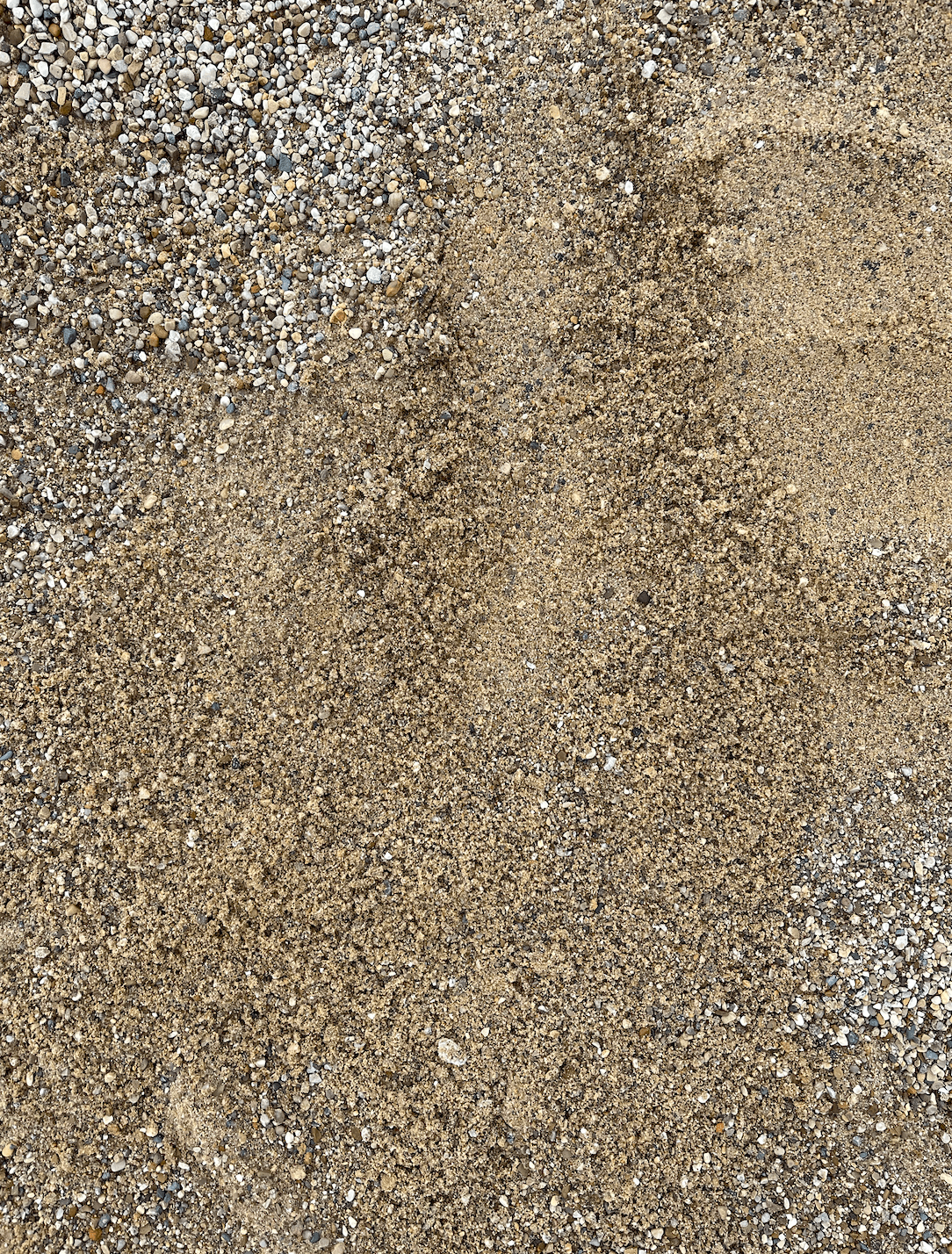
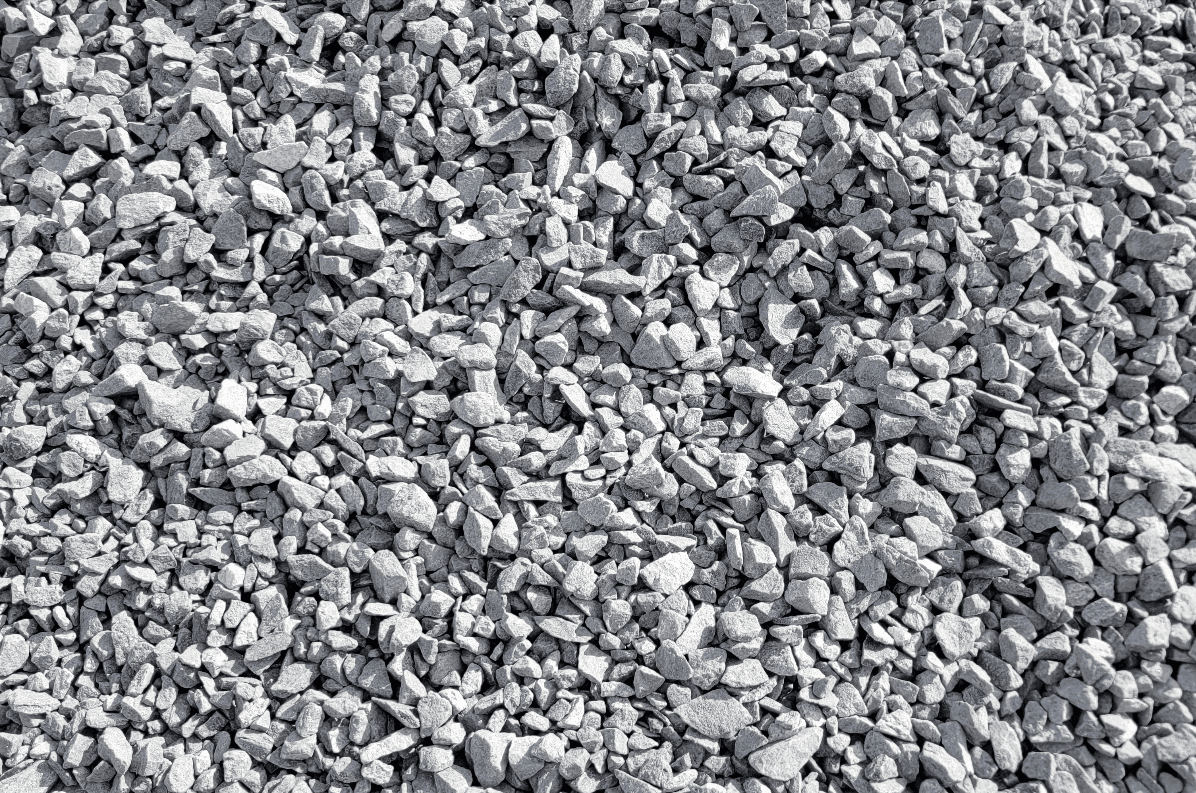
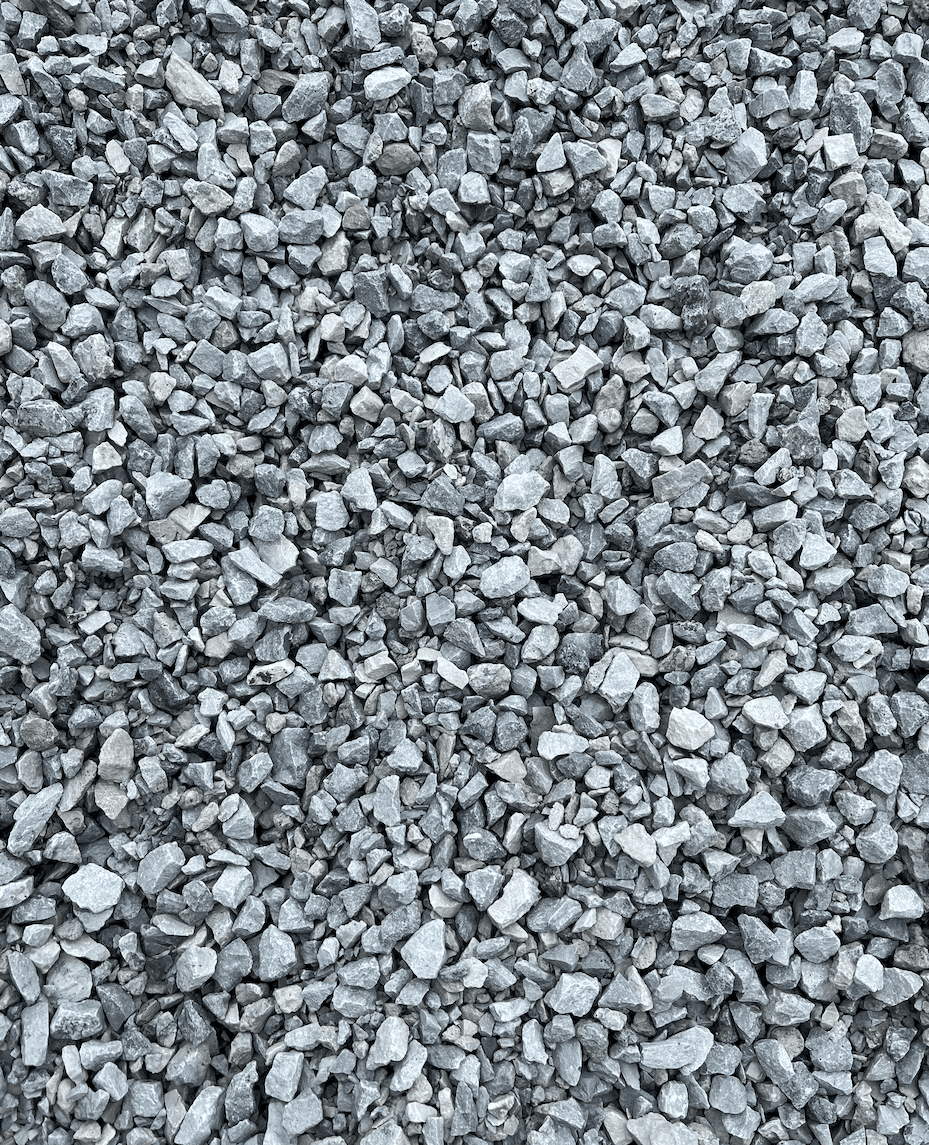
Si alguna vez te has quedado mirando una pila de piedra triturada de 3/4-inch y te has preguntado si es suficiente para sostener un nuevo granero de postes o una camioneta dually de tamaño texano, estás haciendo la pregunta correcta. En el mundo del trabajo de tierra profesional, raramente usamos un solo material. El secreto de una superficie que no se hunde ni se convierte en un lodazal tras un deshielo primaveral es la gradación—el simple truco de mezclar diferentes tamaños de partículas para crear un "agregado bien gradado".
Para un DIYer, acertar con la proporción arena-grava es la diferencia entre un proyecto que se mantiene en su sitio durante décadas y uno que desarrolla surcos profundos tras la primera tormenta fuerte.
La ciencia de la gradación: rellenar los huecos
Cuando viertes grava pura, te quedan "huecos"—las bolsas de aire entre las piedras. Esas brechas son donde empiezan los problemas. Bajo el peso de una cortadora de césped pesada o un cobertizo, esas piedras quieren desplazarse hacia esos espacios vacíos. Así es como acabas con "socavones" en tu camino.
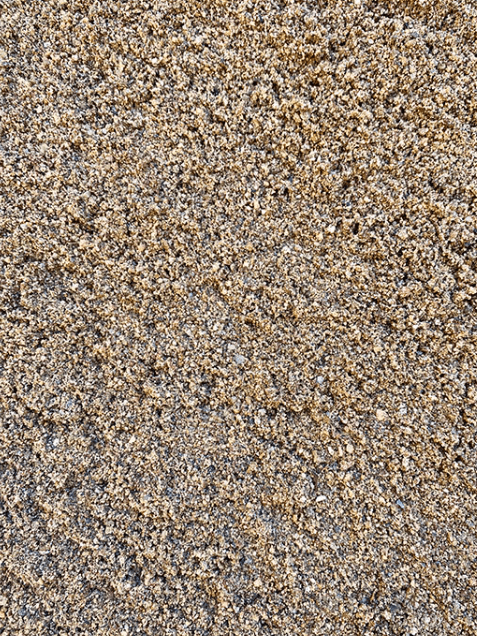
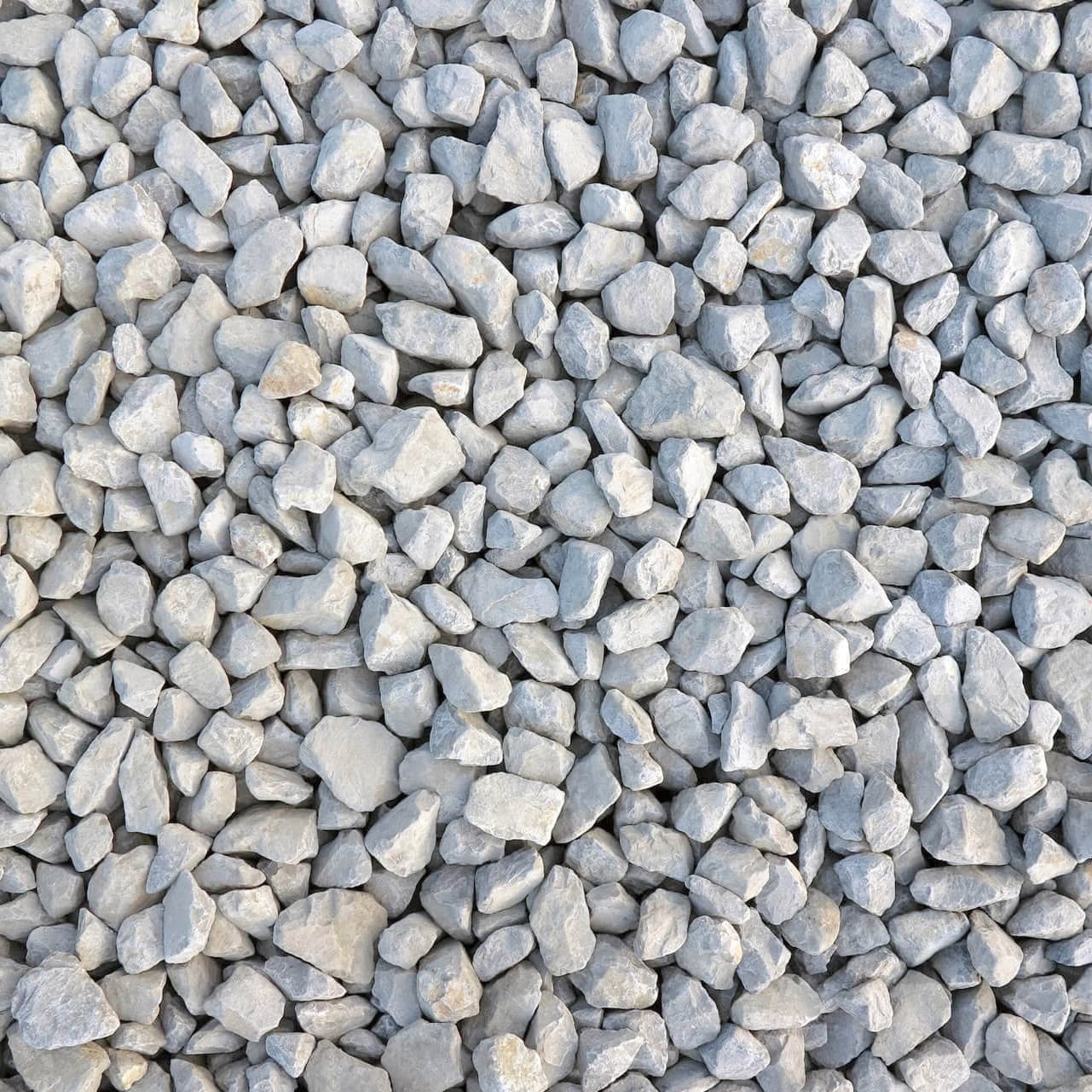
Al añadir arena, introduces partículas que van desde 0.002 inches a 0.08 inches. Estos diminutos granos actúan como un relleno estructural entre las piezas de grava de 0.75-inch a 2.5-inch.
¿El resultado? Una base densa y entrelazada que:
- Evita el desplazamiento: La arena "traba" la grava en su sitio para que no "ruede" bajo los neumáticos.
- Refuerza la capacidad de carga: Distribuye el peso de tu vehículo por toda la plataforma en lugar de solo unas pocas piedras.
- Previene baches: Al rellenar los huecos, no dejas espacio para que el agua se asiente y se congele, que es lo que normalmente destroza las entradas de vehículos en el Norte.
Proporciones óptimas para tu proyecto
No todos los trabajos necesitan la misma mezcla. Si estás construyendo una plataforma para una caravana pesada, querrás más "finos" (arena) para trabarla. Si solo intentas arreglar un punto húmedo en el patio, inclínate más hacia la piedra.
| Project Type | Gravel % | Sand % | Best For... |
|---|---|---|---|
| Driveways & RV Pads | 70% | 30% | Heavy Pickup Trucks |
| French Drains / Culverts | 85% | 15% | Water Drainage |
| Paver/Patio Base | 60% | 40% | Easy Leveling |
| Pole Barn Foundations | 75% | 25% | Anti-Settling |
Ahorrar dinero en materiales a granel
Usar una mezcla de arena-grava no solo es una mejor forma de construir—es más barato. En la mayor parte de EE. UU., la arena a granel cuesta mucho menos por cubic yard que la piedra triturada "limpia". Cuando mezclas un 30% de arena, estás mirando a un ahorro del 20-25% en tu factura total de material. Además, como una mezcla bien gradada se compacta más apretada, realmente acabas usando menos material total para rellenar el mismo espacio.
Qué buscar en el depósito
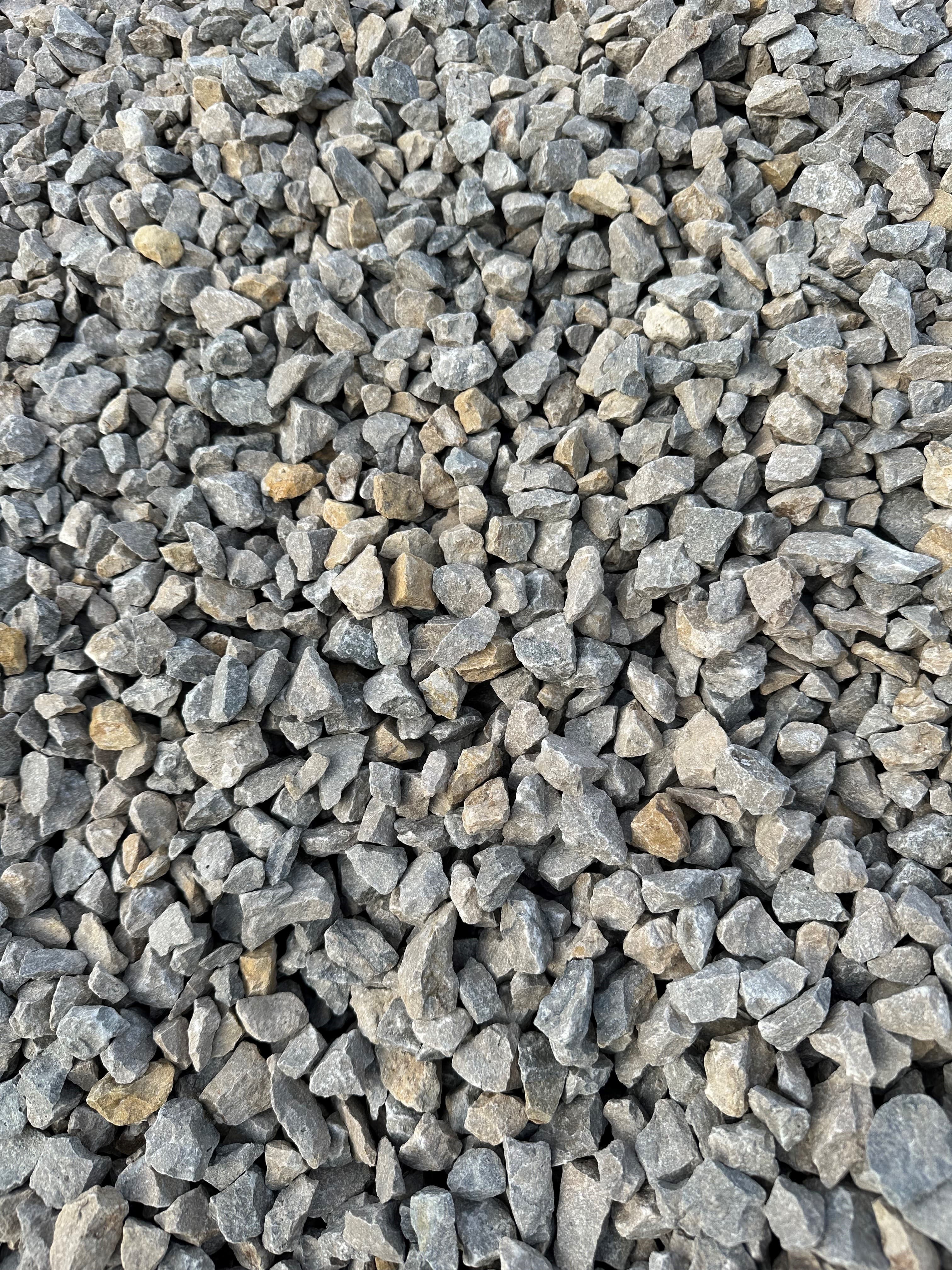
- La grava: Pide "3/4-inch Minus" o "Road Base". Estos normalmente vienen con algo de tierra o polvo ya mezclado, que es lo que quieres.
- La arena: No compres la arena fina blanca de juegos de la gran tienda. Quieres Coarse Sand o Torpedo Sand. Es más áspera y tiene el "mordisco" necesario para trabar esas piedras.
Por qué las mezclas profesionales superan a la piedra limpia
Aquí están las tres mezclas "caseras" más comunes usadas en todo EE. UU., desglosadas por cómo deberías mezclarlas en tu carretilla o sobre una lona.
1. La mezcla "sólida como una roca" para entrada de vehículos y plataforma de cobertizo
Objetivo: Máxima compactación. Quieres una superficie que se sienta como hormigón pero cueste una fracción del precio.
- La mezcla: 3 partes de piedra triturada (3/4-inch angular) por 1 parte de concrete sand.
- Por qué funciona: Los bordes angulares de la piedra triturada se traban, mientras que la concrete sand gruesa rellena los "huecos" (las bolsas de aire).
- El resultado: Una vez que lo mojes y le des con un apisonador manual o una compactadora de placa, no se "surcará" cuando conduzcas tu camioneta sobre él. Crea una estera densa que repele el agua en lugar de absorberla.
2. La mezcla "de alto flujo" para drenaje y drenaje francés
Objetivo: Alejar el agua de tu cimentación o de un patio empapado sin que la tubería se atasque con sedimentos.
- La mezcla: 4 partes de piedra limpia (#57 o 3/4-inch lavada) por 1 parte de Coarse Sand.
- Por qué funciona: Quieres principalmente piedra aquí para dejar grandes huecos por donde el agua pueda pasar. La pequeña cantidad de Coarse Sand actúa como "medio filtrante", evitando que trozos más pequeños de tierra se laven hacia tu tubería de drenaje y la tapen con el tiempo.
- El resultado: Movimiento rápido del agua con filtración incorporada.
3. La base "nivelación fácil" para patio y adoquines
Objetivo: Una superficie perfectamente plana y lisa que no se desplace bajo tus pies ni permita que las malas hierbas salgan fácilmente.
- La mezcla: 2 partes de piedra triturada (1/2-inch o más pequeña) por 2 partes de concrete sand.
- Por qué funciona: Esta es una mezcla "más pesada" en arena. El mayor contenido de arena la hace mucho más fácil de "enrasar" (nivelar con una tabla recta). Las pequeñas piedras proporcionan la fuerza estructural para que tus adoquines no se inclinen con el tiempo.
- El resultado: Una base suave como mantequilla que se mantiene nivelada incluso tras una dura helada invernal.


Consejo profesional de mezcla: el método "pastel de capas"
Si no tienes una mezcladora de cemento, no intentes remover una pila gigante de una vez.
- Esparce tu piedra en una capa de 3-inch.
- Echa tu arena por encima.
- Usa un rastrillo de jardín para "peinar" la arena sobre la piedra.
- Rocía ligeramente con una manguera (¡no la empapes!) antes de compactar.
Consejo DIY final: la "prueba de apretón"
Antes de alquilar una compactadora de placa y ponerte a trabajar, comprueba tu humedad. Coge un puñado de tu mezcla y apriétalo. Debería pegarse como un terrón de tierra pero deshacerse fácilmente si lo pinchas con el pulgar. Si está demasiado seca, no se compactará; si es un lodazal, nunca fraguará. Acierta con esa humedad y tendrás una base tan dura como el hormigón sin el precio del hormigón.
¿Necesitas ayuda para calcular exactamente cuántas tons de material necesitas pedir para tus dimensiones?
- Llámanos