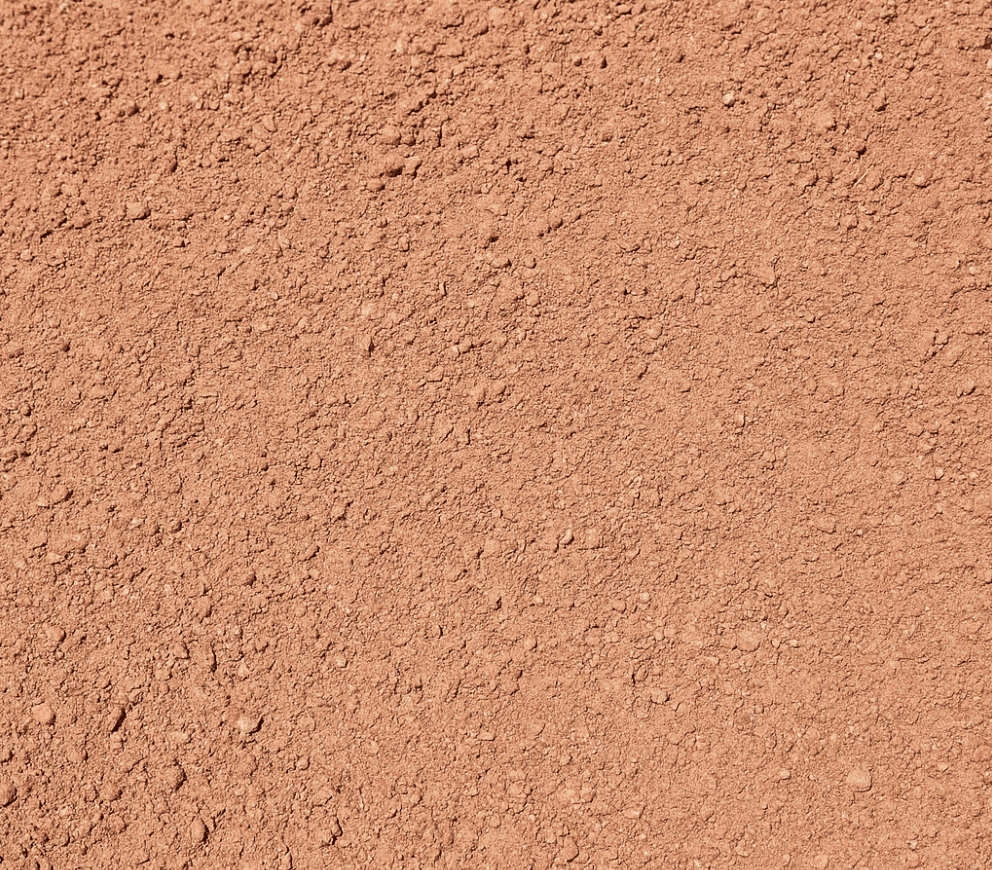
Decomposed granite, often called DG, is one of the most popular compactable aggregates used in landscaping, hardscaping, pathways, patios, driveways, garden areas, and outdoor living spaces. It is a natural crushed stone material made from weathered granite that has broken down over time into smaller particles. Depending on how it is processed, decomposed granite can range from a fine sandy texture to a small crushed rock blend with stone fines.
DG is widely used because it creates a firm, stable, natural-looking surface while still allowing water to drain. It is easier to spread and level than many larger aggregates, and when compacted properly, it can form a smooth surface suitable for foot traffic, garden paths, walkways, patios, seating areas, landscape borders, and light vehicle access areas.
One thing customers often notice is that decomposed granite does not look the same in every region. In some states, DG may be tan, gold, brown, orange, or reddish. In other areas, it may be gray, blue-gray, charcoal, pink-gray, or mixed in color. This is completely normal because decomposed granite is a natural quarried material. Its color depends on the local granite source, minerals in the stone, and geology of the area where it is mined.

What Is Decomposed Granite?
Decomposed granite is a finely crushed granite aggregate produced from granite rock that has naturally weathered or been mechanically crushed into smaller pieces. Granite is an igneous rock made mostly of minerals such as quartz, feldspar, and mica. Over long periods of time, exposure to wind, water, temperature changes, and natural erosion can break granite down into smaller particles.
When this weathered granite is excavated, screened, crushed, and processed, it becomes decomposed granite. The final material typically includes a mix of fine stone dust, sand-sized particles, and small crushed granite pieces. This combination of fines and small stone particles is what allows DG to compact into a firm surface.
Decomposed granite is sometimes sold under different names depending on the supplier and region. Common names include DG gravel, granite fines, crusher fines, decomposed granite fines, granite screenings, rock fines, stone dust, breeze, pathway fines, and compactable granite gravel. In many areas, the exact product name may vary, but the material is usually used for similar landscaping and hardscaping purposes.
Where Does Decomposed Granite Come From?
Decomposed granite comes from granite deposits, quarries, and natural rock formations. Granite is found in many parts of the United States, but the color, texture, hardness, and mineral composition can vary greatly depending on the region.
In some areas, granite naturally weathers near the surface and can be mined as decomposed material. In other areas, larger granite rock is quarried and then crushed into smaller particles to create a DG-like product. Both natural weathering and mechanical crushing can produce material used as decomposed granite, granite fines, or crusher fines.
The final product depends heavily on the local stone source. A quarry in Arizona may produce a warm gold or reddish DG because of iron-rich minerals in the rock. A quarry in Georgia, Virginia, Pennsylvania, or New York may produce more gray or blue-gray fines because the local rock has a different mineral profile. This is why decomposed granite color is not universal across the country.
Why Is Decomposed Granite Different Colors?
Decomposed granite changes color from region to region because it is made from natural stone, not manufactured pigment. The color comes from the minerals inside the granite and surrounding rock.
Common decomposed granite colors include:
- Tan
- Gold
- Brown
- Orange
- Rust
- Red
- Pink-gray
- Gray
- Blue-gray
- Charcoal
- Mixed natural tones
Warm-colored DG is often caused by minerals that create yellow, brown, orange, or reddish tones. Iron content, feldspar, and natural oxidation can give the material a warmer appearance. Cooler-colored DG often comes from granite or related rock sources with more gray, blue-gray, or darker mineral tones.
This is why two products can both be called decomposed granite but look very different. A tan DG from California or Arizona may not look like a gray crusher fine from Georgia, Pennsylvania, or Virginia. Both may be suitable for pathways, patios, and landscape surfaces, but the local color will depend on the quarry source.
Customers should always expect natural variation and confirm the local DG color before ordering. Product photos are helpful, but exact appearance can vary by quarry, batch, moisture level, lighting, and screen size.
Regional Decomposed Granite Color Guide
DG color availability is best understood as a regional expectation, not a strict rule. Local quarries determine the actual color available in each city or state. Still, some broad patterns are common.
States Where DG Is Often Tan, Gold, Brown, Orange, or Reddish
CA, AZ, NV, NM, TX, UT
These states often have warmer-toned decomposed granite, especially in Southwest and West Coast markets. Customers in these areas may commonly see DG sold in gold, tan, brown, orange, desert, or reddish tones.
States Where DG Is Often More Gray or Blue-Gray
GA, NC, SC, VA, WV, KY, TN, AL, PA, NY, NJ, MA, CT, RI, VT, NH, ME, OH, MI, IN, IL, WI, MN
In many Eastern, Appalachian, and Midwest markets, similar compactable materials are often gray, blue-gray, charcoal, or mixed gray. These products may be listed as decomposed granite, granite fines, crusher fines, screenings, stone dust, or rock fines.
States Where DG Can Be More 50/50 Depending on Local Quarry
CO, OR, WA, ID, MT, WY, KS, OK, AR, MO, IA, NE, SD, ND, LA, MS, FL, MD, DE
These states can vary more widely. Some areas may have tan, buff, red, or brown fines, while others may mostly offer gray, pink-gray, or mixed crusher fines. Colorado is a good example: some suppliers may carry tan or buff decorative materials, but many local compactable fines are gray, red, pink-gray, or mixed depending on the quarry.
How Decomposed Granite Is Mined
Decomposed granite is typically mined from natural granite deposits or quarry sites. The process can vary depending on whether the material is naturally decomposed near the surface or produced from larger granite rock.
The mining process usually starts with identifying a suitable granite deposit. Quarry operators test the rock for hardness, color, composition, durability, and consistency. Once the deposit is approved, the material is extracted using heavy equipment such as excavators, loaders, bulldozers, and haul trucks.
If the granite is naturally weathered, it may be excavated directly from the ground and processed through screening equipment. If the source is solid granite, the rock may need to be blasted, broken, crushed, and screened to create a fine compactable aggregate.
After extraction, the raw stone is transported to a processing area where oversized rocks, clay, organic matter, and unwanted debris can be removed. The material is then crushed and screened to meet the desired size specification.
How Decomposed Granite Is Produced
Producing decomposed granite involves several steps. The goal is to create a consistent, usable aggregate that contains the right balance of fines and small crushed stone.
The common production process includes:
- Excavation or quarrying
Granite or weathered granite is removed from the quarry or deposit. - Primary crushing
Larger pieces of granite are broken down into smaller rock. - Secondary crushing
The material is crushed again to create smaller particles. - Screening
Screens separate the material by size. Oversized pieces may be sent back through the crusher. - Blending
Some producers blend fine particles and small crushed stone to create a compactable mix. - Stockpiling
Finished DG is stored in piles by color, size, or product type. - Loading and delivery
The material is loaded into dump trucks, trailers, or bulk bags for delivery.
The most common DG sizes are fine screenings, 1/4 inch minus, 3/8 inch minus, and similar compactable blends. “Minus” means the material includes particles smaller than the listed size, including stone dust and fines. These fines are important because they help the material lock together during compaction.
Natural DG vs. Crushed Granite Fines
Customers often ask whether decomposed granite and crushed granite fines are the same. The answer depends on the supplier and region.
Natural decomposed granite usually refers to granite that has weathered over time and broken down into smaller particles. Crushed granite fines are produced by mechanically crushing granite or similar stone into fine material. Both can be used for pathways, patios, and compacted landscape surfaces, but the texture and performance may vary.
In many markets, especially where natural DG is not locally available, suppliers sell crusher fines, granite screenings, breeze, or stone dust as the closest equivalent. These products can perform similarly when used correctly, especially for compacted surfaces and landscape projects.
The best choice depends on the intended use, local availability, color preference, drainage needs, and installation method.
Stabilized vs. Unstabilized Decomposed Granite
Decomposed granite is commonly sold in different forms, including natural/unstabilized DG and stabilized DG.
Unstabilized DG
Unstabilized DG is the natural material without added binders. It is often used for garden paths, informal walkways, landscape ground cover, xeriscaping, and areas where a softer natural surface is acceptable. It is usually more affordable and easier to install, but it may loosen over time, especially on slopes or in areas with heavy runoff.
Stabilized DG
Stabilized DG includes a stabilizing binder that helps the material hold together more firmly. It is commonly used for pathways, patios, public walkways, seating areas, and projects where a more durable compacted surface is desired. Stabilized DG can reduce dust, erosion, and loose gravel movement compared with unstabilized material.
Resin-Bound or Polymer DG
Some premium systems use resin or polymer binders to create a harder surface. These are more specialized and may be used for commercial walkways, parks, trails, or projects requiring improved durability. Installation is usually more technical and expensive.
Common Uses for Decomposed Granite
Decomposed granite is popular because it is versatile, attractive, and functional. It can be used in both residential and commercial landscaping.
Common DG applications include:
- Garden pathways
- Walkways
- Patios
- Outdoor seating areas
- Driveways
- Access roads
- Side yards
- Dog runs
- Fire pit areas
- Landscape borders
- Xeriscaping
- Ground cover
- Trail surfaces
- Park paths
- Courtyards
- Around raised garden beds
- Under stepping stones
- Low-maintenance landscape areas
DG works especially well where a natural, informal, compactable surface is desired. It is often chosen as an alternative to concrete, asphalt, pavers, mulch, pea gravel, or loose decorative rock.
Why Decomposed Granite Is Popular for Landscaping
Decomposed granite is a favorite material for landscape designers, homeowners, contractors, and property managers because it combines natural appearance with practical performance.
It has a clean, earthy look that blends well with plants, stone, wood, desert landscaping, modern gardens, rustic landscapes, and natural outdoor spaces. It can be used to create smooth transitions between patios, lawns, garden beds, and walkways.
DG is also relatively easy to install compared with many hardscape materials. It can be spread, graded, watered, and compacted using basic tools and equipment. For larger projects, a contractor may use a skid steer, plate compactor, roller, or laser grading equipment.
Another major advantage is drainage. Unlike concrete, decomposed granite can allow water to move through the surface when installed correctly. This makes it useful for landscape areas where a firm but more natural draining surface is preferred.
Decomposed Granite for Pathways
One of the most common uses for decomposed granite is pathway construction. DG creates a natural-looking path that is smoother than loose gravel and more flexible than concrete.
For pathways, DG is usually installed over a compacted base. The area is excavated, graded, and edged. A base layer may be added depending on soil conditions and traffic. Then DG is spread in layers, lightly watered, and compacted until firm.
A properly installed DG pathway can be comfortable to walk on and visually attractive. It works well in gardens, parks, residential yards, side yards, and commercial landscapes.
For higher-traffic paths, stabilized DG may be a better choice because it helps reduce loose particles and surface erosion.
Decomposed Granite for Patios
DG can be used for patios and outdoor seating areas when a natural surface is desired. It is often used around fire pits, lounge areas, garden patios, and informal dining spaces.
A DG patio should be installed with proper edging to keep the material contained. The surface should be graded to prevent standing water. Compaction is important because patios need to support furniture, foot traffic, and repeated use.
For a firmer patio surface, stabilized DG is often recommended. Natural DG can still work, but it may require more maintenance and occasional re-leveling.
Decomposed Granite for Driveways
Decomposed granite can be used for driveways and light vehicle areas, but the installation must be done correctly. Driveways require a stronger base, proper drainage, good compaction, and enough material depth to handle vehicle weight.
For driveway use, many contractors prefer compactable crusher fines, stabilized DG, or a combination of base rock and DG top layer. Unstabilized DG may loosen, rut, or wash out if the driveway is steep, heavily used, or poorly drained.
DG driveways are best suited for light residential use, rural access areas, garden driveways, and decorative driveway surfaces where a natural look is desired.
Decomposed Granite for Xeriscaping
DG is especially popular in xeriscaping and drought-tolerant landscaping. It works well in dry climates because it provides a clean ground cover that does not require watering like grass. It also pairs well with succulents, native plants, desert plants, boulders, river rock, and decorative stone.
Warm tan, gold, and reddish DG are common in desert-style landscapes, while gray DG can create a more modern or neutral appearance. In both cases, DG helps reduce exposed soil, control dust, and create usable outdoor space.
Benefits of Decomposed Granite
Decomposed granite offers many benefits for landscape and hardscape projects.
Natural Appearance
DG has an earthy, organic look that blends into outdoor spaces better than many manufactured surfaces. It can create a softer, more natural finish than concrete or asphalt.
Compactable Surface
Because DG contains fines, it can compact into a firm surface. This makes it useful for walkways, patios, seating areas, and light-use driveways.
Drainage
DG can allow water to drain through the surface when installed properly. This makes it a practical option for outdoor projects where drainage matters.
Low Maintenance
DG generally requires less maintenance than lawn or mulch. It may need occasional raking, re-compaction, or top dressing, but it does not need mowing or frequent replacement.
Affordable
Compared with pavers, concrete, natural stone slabs, and other hardscape materials, DG is often a more budget-friendly option.
Easy to Install
DG can be spread, graded, watered, and compacted with relatively simple tools. This makes it popular for both DIY projects and professional installations.
Versatile
DG can be used for pathways, patios, driveways, garden beds, landscape borders, xeriscaping, and outdoor living spaces.
Limitations of Decomposed Granite
Although decomposed granite is useful, it is not the best choice for every project.
DG can become loose over time if not compacted properly. It can wash out on steep slopes or areas with heavy water flow. Fine particles may track onto shoes, patios, or indoor floors. In wet climates, some DG surfaces may become muddy if the material has too many fines or the base does not drain well.
For high-traffic public areas, steep slopes, wheelchair-accessible routes, or commercial walkways, stabilized DG or another engineered surface may be a better option.
Customers should choose the right DG type based on traffic level, drainage, slope, climate, and desired appearance.
How to Install Decomposed Granite
A good DG installation starts with proper site preparation. The exact method depends on the project, but the general process is similar for pathways, patios, and small access areas.
1. Mark the Area
Outline the path, patio, or landscape area using paint, stakes, string, or edging layout tools.
2. Excavate the Surface
Remove grass, soil, roots, and debris. The depth depends on the use. A light garden path may need less depth, while a driveway or patio needs more base preparation.
3. Grade for Drainage
The area should be sloped slightly so water does not pool. Proper drainage helps prevent soft spots, erosion, and washout.
4. Install Edging
Edging keeps DG contained and helps maintain clean lines. Common edging materials include steel, aluminum, plastic, concrete, stone, brick, or wood.
5. Add Base Material if Needed
For patios, driveways, or high-traffic paths, a compacted base layer may be needed. Crushed base rock can improve stability and drainage.
6. Spread the DG
Place DG in thin layers instead of one thick layer. This helps with even compaction.
7. Water Lightly
Light moisture helps fines settle and bind during compaction. Avoid overwatering.
8. Compact the Surface
Use a plate compactor, roller, or hand tamper. Compaction is one of the most important steps for a stable DG surface.
9. Repeat Layers if Needed
For thicker installations, add DG in lifts and compact each layer.
10. Finish and Maintain
After compaction, lightly rake or broom the surface if needed. Over time, add more DG to refresh the surface.
How Thick Should Decomposed Granite Be?
The ideal DG depth depends on the project.
For light garden paths, a compacted depth of around 2 inches may be enough. For patios and walkways, 2 to 3 inches is common. For driveways or heavier use areas, a deeper section with a strong compacted base may be needed.
The material should be installed in layers and compacted properly. A thick loose layer is not the same as a properly compacted DG surface. Too much loose material can shift, rut, or become uneven.
Does Decomposed Granite Drain?
Yes, decomposed granite can drain when installed properly. Because it is made of small stone particles and fines, water can move through the surface more easily than it can through solid concrete. However, drainage depends on the material gradation, compaction, base layer, soil type, and slope.
If DG is compacted too tightly, contains too much clay, or is installed over poorly draining soil, water may pond or the surface may become soft. A proper base and slight slope are important for long-term performance.
Does Decomposed Granite Get Hard?
Decomposed granite can become firm and stable when compacted, but it does not become hard like concrete unless a binder or stabilizer is used. Natural DG creates a compacted stone surface that remains somewhat flexible and natural.
Stabilized DG can become firmer and more resistant to movement. Resin-bound or polymer-bound systems can become much harder, but those are different from standard natural DG.
Is Decomposed Granite Good for Dogs?
DG is often used in dog runs, pet areas, and side yards because it drains better than soil and is easier to maintain than grass in some climates. It can provide a firm surface that does not become as muddy as bare dirt.
However, the material should be compacted and maintained. Some loose particles may stick to paws or be tracked indoors. For pet areas, drainage, odor control, and regular cleaning are important.
Is Decomposed Granite Better Than Pea Gravel?
DG and pea gravel are used for different purposes. Decomposed granite compacts and forms a firmer surface, while pea gravel stays loose and rounded. DG is usually better for pathways, patios, and compacted surfaces. Pea gravel is often better for decorative ground cover, drainage areas, and loose gravel features.
If the goal is a walkable compacted path, DG is often the better choice. If the goal is a loose decorative stone bed, pea gravel may be better.
Decomposed Granite vs. Crushed Stone
Crushed stone is a broad category that includes many rock types and sizes. Decomposed granite is more specific and usually refers to fine granite-based material used for compactable surfaces.
Larger crushed stone is often used for drainage, base layers, construction, and driveways. DG is used more often for surface layers, landscape paths, patios, and decorative compacted areas.
Decomposed Granite vs. Gravel
Gravel can refer to many different materials, from rounded river rock to crushed limestone, crushed granite, pea gravel, and road base. Decomposed granite is a fine, compactable type of gravel-like aggregate made from granite.
The biggest difference is texture. DG contains fines and small particles, which help it compact. Many gravels are larger and looser, which makes them better for drainage but less suitable for smooth compacted surfaces.
Decomposed Granite vs. Mulch
DG and mulch are both used in landscaping, but they serve different purposes. Mulch is organic and helps retain moisture around plants, but it breaks down over time and must be replaced. DG is inorganic and lasts longer as a ground cover or compacted surface.
DG is better for pathways, patios, and decorative rock landscapes. Mulch is better for planting beds where soil health and moisture retention are the main goals.
Decomposed Granite vs. Pavers
Pavers create a more formal and durable hardscape surface. DG creates a softer, natural, compacted surface. Pavers are usually more expensive and require more installation work, while DG is often more affordable and easier to install.
DG is a good choice for natural paths, informal patios, and garden areas. Pavers may be better for high-use patios, outdoor kitchens, and areas where a very stable, clean, hard surface is required.
How Much Decomposed Granite Do You Need?
The amount of decomposed granite needed depends on the project area and installation depth. DG is usually sold by the ton, cubic yard, or bulk truckload. The deeper the installation, the more material is required.
For estimating, measure the length and width of the area, then multiply by the desired depth. Pathways and patios often use a compacted depth of 2 to 3 inches. Driveways may require more depth and a stronger base.
Because compaction reduces volume, it is usually smart to order slightly more than the loose volume calculation suggests. A supplier or contractor can help estimate the correct quantity based on the project size and local material density.
How to Maintain Decomposed Granite
DG is low maintenance, but not maintenance-free. Over time, traffic, weather, runoff, and settling can affect the surface.
Common maintenance steps include:
- Raking loose areas
- Filling low spots
- Re-compacting worn sections
- Adding a fresh top layer when needed
- Clearing leaves and debris
- Maintaining edging
- Managing drainage and runoff
- Repairing washouts after storms
Stabilized DG usually requires less maintenance than unstabilized DG, but even stabilized surfaces may need occasional touch-ups.
Why DG May Look Different After Delivery
Customers may notice that DG looks different in a truck, pile, sample photo, or installed surface. This is normal.
DG color can appear darker when wet and lighter when dry. A compacted surface may look different than loose material. Sunlight, shade, camera settings, and screen brightness can also change how the color appears. In addition, natural stone can vary slightly from batch to batch.
For this reason, customers should treat product images as general examples, not exact guarantees. The most accurate color will be the local material currently available from the supplier or quarry.
Why Local Availability Matters
Because decomposed granite is heavy and usually sold in bulk, it is often sourced from nearby quarries or regional suppliers. Transporting aggregate long distances can be expensive. This means most customers receive the material that is locally available in their region.
A customer in Arizona may be able to get warm gold or reddish DG easily, while a customer in Pennsylvania may find mostly gray granite fines or stone dust. A customer in Colorado may find tan, red, pink-gray, gray, or mixed crusher fines depending on the supplier.
The best way to set expectations is to explain that DG is a natural local product. Exact color and naming can vary by region, but the material is generally used for the same types of compacted landscaping projects.
Buying Decomposed Granite
When buying decomposed granite, customers should confirm the product name, color, size, and intended use. It is also important to ask whether the material is stabilized or unstabilized.
Useful questions to ask before ordering include:
- Is this decomposed granite, granite fines, crusher fines, or stone dust?
- What color is currently available?
- Is the material natural or color-enhanced?
- What size is the material?
- Is it 1/4 inch minus, 3/8 inch minus, or another gradation?
- Is it suitable for compaction?
- Is it recommended for pathways, patios, or driveways?
- Does it include a stabilizer?
- How much material do I need for my project?
- Can it be delivered in bulk?
- Is the delivery area accessible for a dump truck?
Asking these questions helps avoid confusion and ensures the right product is ordered for the project.
Best Projects for Decomposed Granite
DG is best for projects where a natural, compacted, drainable surface is desired. It is especially useful for:
- Residential pathways
- Garden walkways
- Side-yard access paths
- Decorative patios
- Seating areas
- Xeriscape landscapes
- Fire pit areas
- Informal driveways
- Landscape ground cover
- Park trails
- Courtyards
- Low-maintenance outdoor spaces
DG may not be ideal for steep slopes, heavy vehicle traffic, areas with uncontrolled runoff, or places where a completely hard, dust-free surface is required.
Decomposed Granite Installation Tips
A successful DG project depends on preparation. The material itself is important, but installation quality matters just as much.
For better results:
- Use proper edging to contain the material.
- Install over a stable base when needed.
- Grade the area for drainage.
- Spread DG in thin layers.
- Water lightly during installation.
- Compact each layer thoroughly.
- Avoid installing too thick of a loose layer.
- Use stabilized DG for high-traffic areas.
- Repair washouts early before they grow.
- Confirm color and material type before delivery.
These steps help create a smoother, longer-lasting DG surface.
Frequently Asked Questions About Decomposed Granite
What is decomposed granite used for?
Decomposed granite is used for pathways, patios, walkways, driveways, garden areas, xeriscaping, ground cover, dog runs, seating areas, and outdoor living spaces. It is popular because it creates a natural compacted surface that is both decorative and functional.
Is decomposed granite the same as gravel?
Decomposed granite is a type of fine crushed stone aggregate. Unlike many loose gravels, DG contains fines that help it compact into a firmer surface.
Why is decomposed granite different colors?
DG color depends on the local quarry source and minerals in the stone. Some regions produce tan, gold, brown, orange, or reddish DG, while others produce gray, blue-gray, charcoal, or mixed-color fines.
Does decomposed granite harden?
Natural DG compacts into a firm surface but does not harden like concrete. Stabilized DG can become firmer because it includes a binder.
Is decomposed granite good for drainage?
DG can drain when installed correctly, especially when placed over a proper base and graded to prevent standing water.
Can decomposed granite be used for driveways?
Yes, DG can be used for light-use driveways when properly installed with good base preparation, compaction, and drainage. Stabilized DG or compactable crusher fines may perform better for vehicle traffic.
Is decomposed granite low maintenance?
DG is lower maintenance than grass or mulch, but it may need occasional raking, re-compaction, and top dressing over time.
What is the difference between stabilized and unstabilized DG?
Unstabilized DG is natural decomposed granite without added binders. Stabilized DG includes a binder that helps the surface stay firmer and reduces loose material.
How much decomposed granite do I need?
The amount depends on the project area and depth. Most pathways and patios use a compacted depth of about 2 to 3 inches, but driveways or heavier-use areas may need more material and a stronger base.
Should I choose tan DG or gray DG?
Choose based on local availability, design preference, and project style. Warm tan and gold DG works well in desert, rustic, and natural landscapes. Gray or blue-gray DG works well in modern, neutral, and cooler-toned landscapes. Exact color depends on the local quarry.
Final Thoughts
Decomposed granite is a versatile, natural, compactable aggregate used for landscaping, pathways, patios, walkways, driveways, and outdoor living spaces. It offers a clean, durable, low-maintenance surface that blends well with many landscape styles.
The most important thing to understand is that DG is a natural local stone product. Its color, texture, and name can vary from region to region. In some areas, it may be tan, gold, brown, orange, or reddish. In others, it may be gray, blue-gray, pink-gray, or mixed. These differences are normal and are based on the local quarry source.
For homeowners, contractors, and landscapers, decomposed granite is a practical choice when the goal is a natural-looking, compacted, drainable surface. Whether used for a garden path, patio, driveway, xeriscape area, or landscape ground cover, DG remains one of the most useful and attractive bulk materials for outdoor projects.