Garden blend soil is one of the most useful bulk landscaping materials for homeowners, gardeners, landscapers, and contractors who need a ready-to-use growing mix for planting areas, raised beds, lawns, gardens, and general landscape improvement. Unlike basic fill dirt or plain topsoil, garden blend soil is typically made by combining screened soil with organic matter and other soil-building ingredients to create a balanced material that supports plant growth, improves drainage, and helps retain nutrients.
Garden blend soil is commonly used for vegetable gardens, flower beds, raised garden beds, lawn repair, landscape beds, tree and shrub planting, and general soil improvement. It is designed to be easier to work with than native soil and more nutrient-rich than ordinary dirt. Depending on the supplier and region, garden blend soil may also be called garden soil mix, planting mix, landscape soil, raised bed soil, screened garden soil, blended topsoil, compost soil mix, or topsoil compost blend.
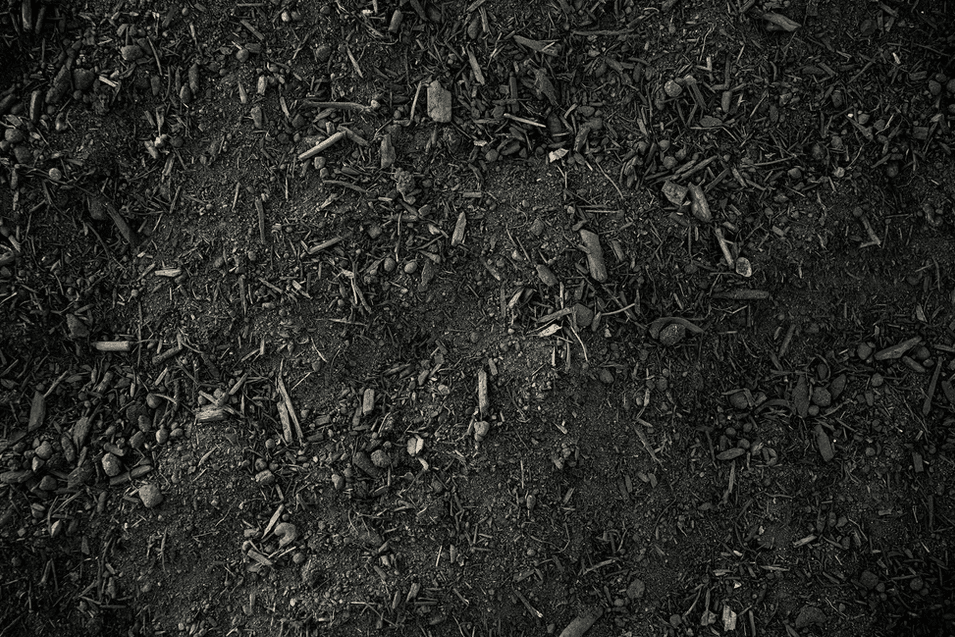
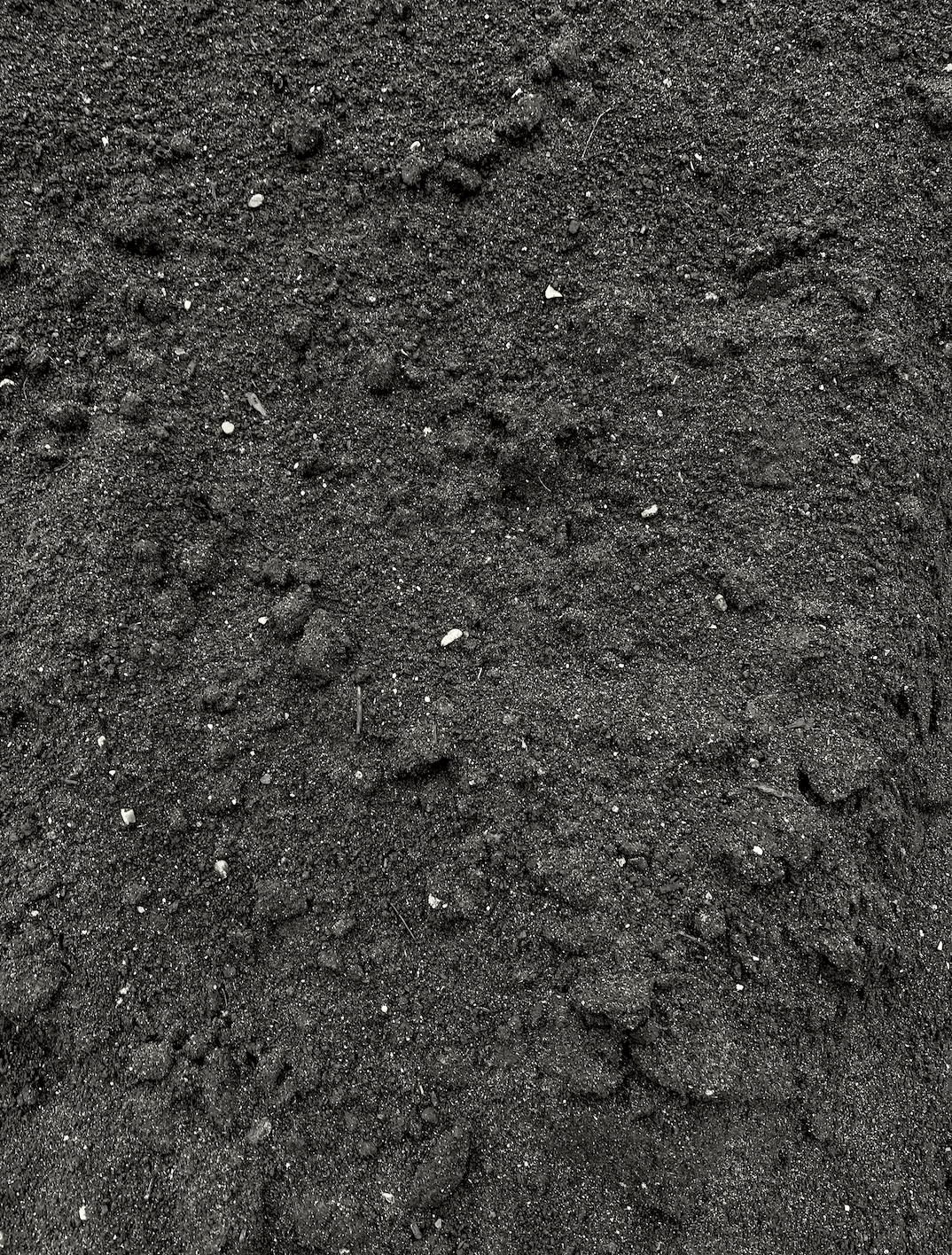
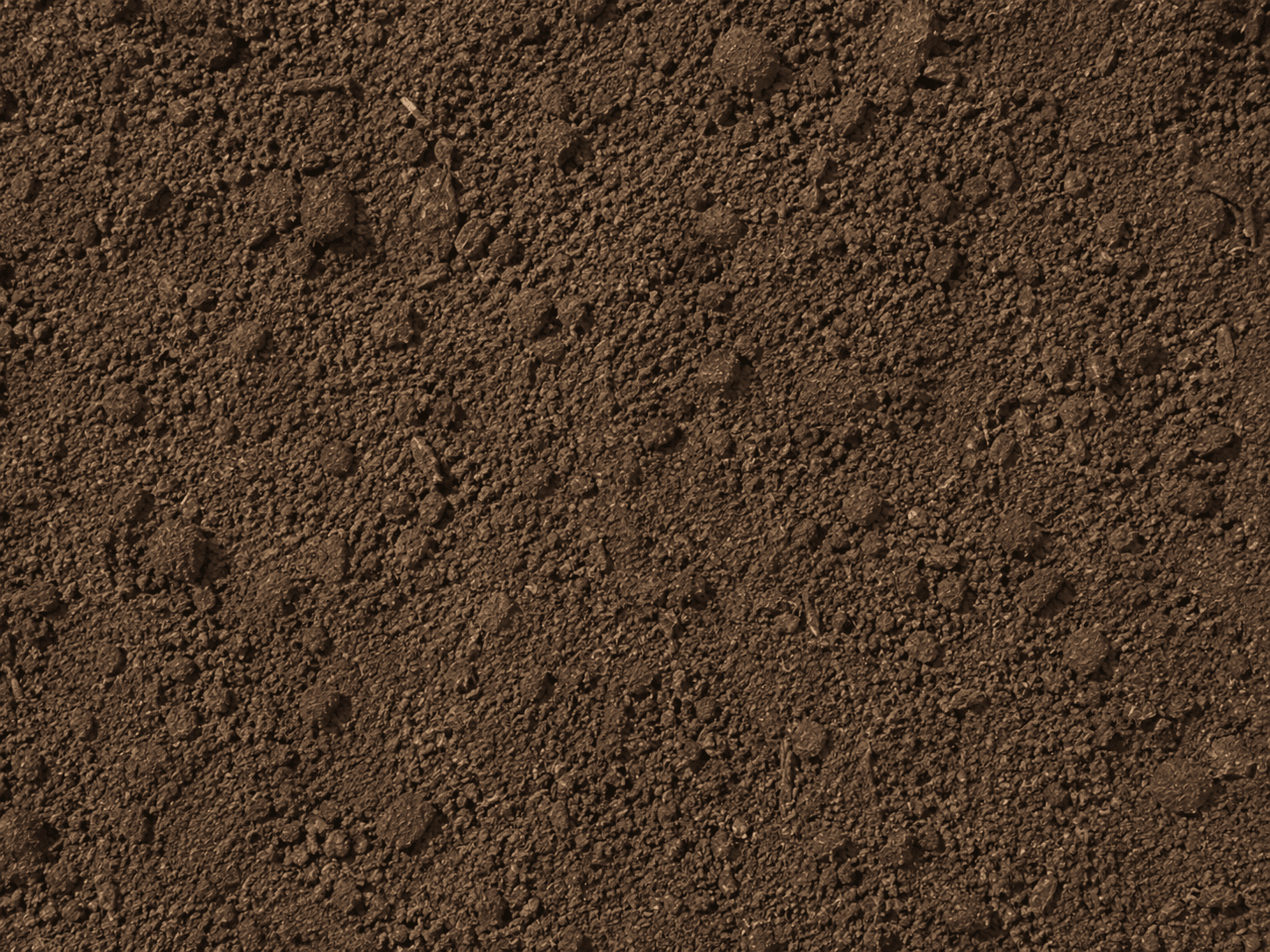
Because garden blend soil is made from natural and locally sourced materials, the exact texture, color, composition, and performance can vary from region to region. Some garden blends are darker and richer because they contain more compost or organic matter. Others may be lighter, sandier, or more mineral-based depending on the local soil, climate, and available ingredients. A good garden blend should be loose enough for roots to grow, rich enough to support healthy plants, and structured enough to hold moisture without staying overly wet.


What Is Garden Blend Soil?
Garden blend soil is a mixed growing material made by combining soil with organic amendments such as compost, aged bark fines, sandy loam, peat alternatives, manure-based compost, or other locally available soil conditioners. The goal is to create a soil product that is more suitable for planting than raw native soil or unscreened dirt.
Most garden blend soils are designed to improve three important growing conditions:
- Soil structure
Plants need soil that is not too compacted, not too loose, and not too heavy. A good garden blend creates a workable structure that allows air, water, and roots to move through the soil. - Organic matter
Organic matter helps feed soil biology, improve moisture retention, and support nutrient availability. Compost is one of the most common ingredients in garden blend soil. - Drainage and moisture balance
Garden soil must hold enough moisture for plants but also drain well enough to prevent root rot and standing water. Many garden blends are designed to balance these needs.
Garden blend soil is not just “dirt.” It is a prepared soil mix intended for planting, growing, and improving landscape areas.
What Is Garden Blend Soil Made Of?
The exact recipe depends on the supplier, but garden blend soil usually contains a combination of mineral soil and organic material. Common ingredients include:
- Screened topsoil
- Sandy loam
- Compost
- Aged bark fines
- Leaf compost
- Manure compost
- Peat or peat alternatives
- Soil conditioner
- Fine sand
- Mineral fines
- Organic amendments
Some suppliers create a simple topsoil and compost blend, while others offer more advanced mixes for raised beds, vegetable gardens, flowers, lawns, or landscape planting. The best garden blend depends on the intended use and local growing conditions.
A typical garden blend may contain screened topsoil for mineral structure, compost for organic matter, and sand or loam for drainage. The material is usually screened to remove large rocks, sticks, roots, debris, and clumps so it is easier to spread and plant into.
Where Does Garden Blend Soil Come From?
Garden blend soil is usually produced by landscape supply yards, soil producers, compost facilities, nurseries, mulch suppliers, and aggregate or bulk material yards. The ingredients are often sourced locally because soil and compost are heavy materials that are expensive to transport long distances.
The mineral soil portion may come from screened topsoil, sandy loam deposits, excavation soil, agricultural soil, or other approved soil sources. The organic portion may come from composted yard waste, leaves, bark, wood fines, food waste compost, manure compost, or other decomposed organic materials.
After the ingredients are collected, they are screened, processed, blended, tested, and stockpiled. The finished product is then sold in bulk by the cubic yard, ton, truckload, scoop, or bag depending on the supplier.
Because local ingredients vary, garden blend soil is not identical everywhere. A garden blend in Texas may look and perform differently from a garden blend in Georgia, California, Pennsylvania, or Colorado. Local climate, soil type, organic material availability, and supplier recipe all affect the final product.
Why Garden Blend Soil Varies by Region
Garden blend soil varies by region because it is made from local soil and locally available organic amendments. Unlike a factory-made product, bulk garden soil is usually blended near the market where it is sold.
Several factors affect the final soil mix:
Local Native Soil
Some regions have heavy clay soils. Others have sandy soils, silty soils, rocky soils, or loamy soils. A garden blend made in a clay-heavy region may need more compost, sand, or conditioner to improve workability. A blend made in a sandy region may need more organic matter to help retain moisture.
Compost Source
Compost can be made from yard waste, leaves, bark, manure, food waste, or other organic materials. Different compost sources affect color, texture, nutrient content, and moisture behavior.
Climate
Dry climates may benefit from soil blends that retain moisture. Wet climates may need blends that drain better. Regional climate often influences how suppliers design their garden soil products.
Intended Use
Some blends are designed for vegetable gardens and raised beds. Others are designed for lawn topdressing, landscape beds, tree planting, or general-purpose planting. A soil mix for raised beds may be lighter and richer, while a lawn soil blend may be finer and easier to spread.
Supplier Recipe
Each supplier may use a different recipe. One “garden blend” may be 50% topsoil and 50% compost. Another may include sandy loam, compost, bark fines, and soil conditioner. This is why customers should always read the product description and ask what the blend is designed for.
How Garden Blend Soil Is Produced
Garden blend soil production usually involves several steps. The process can vary by supplier, but the goal is to create a consistent, clean, easy-to-use planting soil.
1. Sourcing Raw Soil
The producer starts with a mineral soil source such as topsoil, loam, sandy loam, or screened native soil. This material provides the base structure of the blend.
2. Sourcing Organic Material
Compost or other organic amendments are brought in or produced on-site. Organic material improves soil fertility, water-holding ability, and biological activity.
3. Screening
Raw soil and compost are often screened to remove large debris, rocks, sticks, roots, trash, and oversized clumps. Screening helps create a more uniform texture that is easier to spread, rake, and plant into.
4. Blending
The screened soil is blended with compost and other amendments using loaders, blending equipment, conveyors, pugmills, or windrow mixing methods. The blend ratio depends on the desired final product.
5. Testing and Quality Control
Higher-quality producers may test for pH, organic matter, soluble salts, nutrient levels, texture, and contaminants. Testing helps confirm the soil is suitable for planting.
6. Stockpiling
The finished garden blend is placed in a stockpile at the supply yard. It may be kept separate from other soils, composts, mulches, sands, and aggregates.
7. Loading and Delivery
Garden blend soil is loaded into trucks, trailers, or bulk bags for delivery. Most customers buy it by the cubic yard because soil is commonly measured by volume.
Garden Blend Soil vs. Topsoil
Garden blend soil and topsoil are related, but they are not always the same.
Topsoil is the upper layer of soil, usually containing mineral particles and some organic matter. It may be screened or unscreened. Basic topsoil can be useful for filling low spots, grading, lawn repair, and general landscape use, but it may not contain enough organic material for intensive planting.
Garden blend soil is usually improved with compost or other organic amendments. It is typically better suited for planting beds, raised beds, flowers, vegetables, shrubs, and gardens. It is often easier to work with and more nutrient-supportive than plain topsoil.
For simple grading, topsoil may be enough. For growing plants, garden blend soil is usually the better choice.
Garden Blend Soil vs. Fill Dirt
Fill dirt is not the same as garden blend soil. Fill dirt is usually subsoil or earth material used to fill holes, raise grades, build up low areas, or create a stable base. It often contains little organic matter and may be too compacted or nutrient-poor for planting.
Garden blend soil is made for plant growth. It contains organic matter and is usually screened or blended to create a better planting medium.
Use fill dirt for structural filling and grading. Use garden blend soil for growing plants.
Garden Blend Soil vs. Compost
Compost is decomposed organic matter. It is an amendment, not always a complete soil by itself. Compost improves soil fertility, biology, and moisture retention, but using pure compost in large amounts can sometimes create drainage, nutrient, or settling issues depending on the product.
Garden blend soil usually contains compost mixed with mineral soil. The mineral soil provides structure, while compost adds organic matter and nutrients. This makes garden blend soil more balanced for many planting uses.
Use compost to improve existing soil. Use garden blend soil when you need a ready-to-use planting mix.
Garden Blend Soil vs. Raised Bed Soil
Garden blend soil and raised bed soil can overlap, but they are not always identical. Raised bed soil is usually designed to be lighter, richer, and better-draining because raised beds rely entirely on the imported soil mix.
Some garden blends work well for raised beds, especially if they contain compost and loamy soil. However, very heavy garden blends may compact in raised beds over time. For vegetable gardening, customers should confirm that the blend is suitable for raised beds and food-growing areas.
Common Uses for Garden Blend Soil
Garden blend soil is one of the most versatile landscaping materials. It can be used for both residential and commercial projects.
Common applications include:
- Raised garden beds
- Vegetable gardens
- Flower beds
- Planting beds
- Lawn repair
- Lawn topdressing
- Tree and shrub planting
- Landscape bed improvement
- Garden soil replacement
- Soil leveling
- New lawn preparation
- Sod preparation
- Seeding areas
- Planter boxes
- Around perennials and annuals
- Improving poor native soil
- General landscape planting
Garden blend soil is especially useful when native soil is too compacted, too sandy, too rocky, too clay-heavy, or too nutrient-poor.
Garden Blend Soil for Raised Beds
Raised garden beds need soil that supports root growth, drains properly, and contains enough organic matter for healthy plants. Garden blend soil can be a good choice if the mix is not too heavy and has the right balance of mineral soil and compost.
A good raised bed garden blend should feel loose, dark, and workable. It should hold moisture without becoming waterlogged. It should also settle reasonably without compacting into a dense, hard layer.
For vegetable gardens, customers should choose a garden blend recommended for edible plants or raised beds. Some suppliers offer specific raised bed mixes, while others sell a general garden blend that works for both flowers and vegetables.
Garden Blend Soil for Vegetable Gardens
Vegetable gardens need soil that supports strong roots, nutrient availability, drainage, and moisture retention. Garden blend soil is commonly used for vegetable beds because it contains organic matter and is easier to plant into than many native soils.
A good vegetable garden soil blend should:
- Drain well
- Hold moisture
- Contain organic matter
- Be loose enough for roots
- Be free of large debris
- Be suitable for edible growing
- Have a balanced texture
- Not contain excessive salts or contaminants
Gardeners may still add compost, fertilizer, or other amendments based on the crop and soil test results. Garden blend soil provides a strong starting point, but plant nutrition may need to be adjusted throughout the growing season.
Garden Blend Soil for Flower Beds
Garden blend soil works well for annual and perennial flower beds. It improves soil texture, makes planting easier, and helps support healthy blooms. Flower beds often benefit from the organic matter in garden blend soil because it supports moisture retention and nutrient cycling.
For flower beds, garden blend soil can be spread over existing soil and mixed in, or it can be used to build up new planting areas. The best approach depends on the condition of the existing soil.
Garden Blend Soil for Lawns
Garden blend soil can be used for lawn repair, new lawn preparation, and light topdressing. However, the texture matters. Lawn soil should be screened fine enough to spread evenly and should not contain large chunks of wood, rocks, or compost clumps.
For new lawns, garden blend soil can help create a better seedbed before grass seed or sod installation. For lawn repair, it can fill low spots and improve thin areas. For topdressing, a finer screened blend is usually preferred.
Customers should avoid applying a thick layer over existing grass because it can smother the lawn. Thin, even applications are better for topdressing.
Garden Blend Soil for Trees and Shrubs
Garden blend soil can be used around trees and shrubs, but it should be used carefully. Trees and shrubs usually perform best when their roots can transition into the surrounding native soil. If the planting hole is filled only with rich imported soil, roots may stay in the hole instead of expanding outward.
For planting trees and shrubs, it is often better to mix garden blend soil with native soil rather than replacing all native soil completely. The goal is to improve structure and organic matter without creating a sharp difference between the planting hole and the surrounding ground.
Benefits of Garden Blend Soil
Garden blend soil offers many advantages for landscaping and gardening projects.
Better Plant Growth
Because it contains organic matter and improved structure, garden blend soil usually supports better root development than poor native soil or fill dirt.
Easier Planting
Screened garden blend soil is easier to dig, rake, grade, and plant into. This makes it helpful for new garden beds and landscape installations.
Improved Drainage
A well-designed garden blend can improve drainage compared with heavy clay soil. This helps reduce standing water and root problems.
Better Moisture Retention
Organic matter helps soil hold moisture, which can reduce watering needs and support plants during dry periods.
More Nutrient Support
Compost and organic material can provide nutrients and improve nutrient-holding capacity.
Better Soil Structure
Garden blend soil helps create a balanced structure that supports air, water, and roots.
Versatility
It can be used for raised beds, gardens, lawns, flowers, shrubs, trees, and general landscape improvement.
Limitations of Garden Blend Soil
Garden blend soil is useful, but it is not perfect for every situation.
Some garden blends may be too rich for certain native plants or drought-tolerant landscapes. Others may contain too much compost, which can cause settling over time. Very heavy blends may compact in raised beds or drain poorly. Very sandy blends may dry out quickly.
Because recipes vary by supplier, customers should match the soil to the project. A vegetable garden may need a different mix than a lawn topdressing project. A raised bed may need a lighter mix than a landscape berm.
Soil testing may be helpful for large projects, edible gardens, or sensitive plantings.
How to Choose the Right Garden Blend Soil
Choosing the right garden blend starts with the project type. Customers should think about what they are planting, how the soil will be used, and what the existing site conditions are.
Before ordering, ask:
- Is the soil screened?
- What ingredients are in the blend?
- Is it suitable for vegetable gardens?
- Is it suitable for raised beds?
- Is it better for lawns, beds, or general planting?
- Does it contain compost?
- What is the approximate texture?
- Is it sandy, loamy, or compost-heavy?
- Has it been tested?
- Is it free of large debris?
- How much does it settle?
- How much do I need?
A reliable supplier should be able to explain the basic purpose of the mix and whether it is appropriate for the intended project.
How Much Garden Blend Soil Do You Need?
Garden blend soil is commonly sold by the cubic yard. The amount needed depends on the project area and depth.
For raised beds, calculate the length, width, and height of the bed. For landscape beds, calculate the square footage and desired depth. For lawn repair or topdressing, use a shallower depth. For new garden beds, deeper soil may be needed depending on the existing soil quality.
As a general guide:
- Light topdressing may require 1/4 inch to 1/2 inch of soil.
- Lawn repair may require 1/2 inch to 1 inch.
- Flower beds may use 2 to 4 inches mixed into existing soil.
- Raised beds may require 8 to 24 inches depending on bed depth.
- New garden areas may use 4 to 8 inches or more depending on the project.
Because soil settles after watering and planting, it is common to order slightly more than the exact loose-volume calculation.
How to Install Garden Blend Soil
Garden blend soil is easy to use, but proper preparation improves results.
1. Clear the Area
Remove weeds, rocks, debris, grass, and unwanted roots from the planting area.
2. Loosen Existing Soil
If planting into native soil, loosen the existing soil before adding garden blend. This helps roots move between the imported soil and native ground.
3. Add the Garden Blend
Spread the garden blend evenly across the area. Use a shovel, rake, loader, wheelbarrow, or grading tool depending on the project size.
4. Mix if Needed
For planting beds, mix garden blend into the top layer of native soil rather than leaving a sharp boundary. For raised beds, fill the bed evenly and avoid over-compacting.
5. Level the Surface
Rake the soil smooth and create the desired grade. Avoid low spots where water can collect.
6. Water Lightly
Watering helps settle the soil before planting. Do not overwater or compact the soil too heavily.
7. Plant and Mulch
Install plants, seeds, sod, or garden crops as needed. Mulch can help conserve moisture and reduce weeds in planting beds.
Garden Blend Soil Color and Texture
Garden blend soil is usually brown to dark brown, but color can vary depending on compost content and local soil source. A blend with more compost may appear darker and richer. A blend with more sandy loam may look lighter brown or tan. A blend with clay-based soil may appear reddish, yellowish, or darker depending on the region.
Texture can also vary. Some blends are fine and smooth, while others may contain small organic particles, bark fines, or sandy grains. A good garden blend should feel workable and should not contain excessive rocks, trash, large wood chunks, or hard clods.
Color alone does not prove quality. A very dark soil is not always better, and a lighter soil is not always poor. The best garden blend has the right balance of mineral soil, organic matter, drainage, and nutrient support for the intended use.
Should Garden Blend Soil Be Tested?
For small decorative beds, many customers use garden blend soil without testing. For large projects, vegetable gardens, commercial landscapes, or sensitive plants, testing can be helpful.
A soil test can show:
- pH
- Organic matter level
- Nutrient levels
- Soluble salts
- Texture
- Potential issues with amendments
- Fertility needs
Testing helps avoid over-fertilizing and can identify whether additional lime, sulfur, compost, or fertilizer is needed.
Is Garden Blend Soil Good for Drainage?
A good garden blend should drain better than heavy clay soil while still holding enough moisture for plants. However, drainage depends on the recipe. A sandy loam blend may drain quickly. A compost-heavy blend may hold more moisture. A clay-heavy blend may drain more slowly.
For raised beds and containers, drainage is especially important. Customers should avoid overly dense soil mixes that become compacted and waterlogged.
Is Garden Blend Soil Good for Containers?
Garden blend soil is usually not the best choice for small pots or containers unless the supplier specifically says it is suitable for containers. Container soil needs to be lighter and better aerated than bulk garden soil. Standard garden blend may compact in pots and reduce drainage.
For large outdoor planters, some garden blends can work if mixed with lighter amendments. For small pots, a dedicated potting mix is usually better.
Is Garden Blend Soil Good for Native Plants?
Garden blend soil can help native plants if the existing soil is extremely poor, compacted, or disturbed. However, many native plants prefer leaner, well-drained soil and may not need rich compost-heavy blends.
For native plant landscapes, choose a garden blend that matches the plants’ needs. Some drought-tolerant plants may prefer sandy or mineral-based soil instead of a rich organic mix.
Is Garden Blend Soil Safe for Vegetable Gardens?
Many garden blend soils are intended for vegetable gardens, but customers should confirm with the supplier. For edible gardens, the soil should come from clean sources and should not contain questionable fill, construction debris, treated wood, or contaminated material.
A good supplier should know whether the blend is appropriate for raised beds and vegetable gardens.
Common Problems With Garden Blend Soil
Garden blend soil problems usually come from poor material quality, wrong use, or poor installation.
Common issues include:
- Too much clay
- Too much sand
- Too much compost
- Poor drainage
- High salts
- Weed seeds
- Large rocks or debris
- Excessive wood chunks
- Strong odor from unfinished compost
- Settling after installation
- Compaction over time
- Nutrient imbalance
To reduce problems, buy from a reputable supplier, ask about ingredients, and choose the right blend for the project.
How to Maintain Garden Blend Soil
Garden blend soil should be maintained over time because organic matter breaks down and nutrients are used by plants. Maintenance depends on what is being grown.
Helpful maintenance steps include:
- Add compost periodically
- Mulch planting beds
- Avoid walking on garden beds
- Prevent compaction
- Test soil when needed
- Add fertilizer based on plant needs
- Rotate vegetable crops
- Keep soil covered when possible
- Refresh raised beds as soil settles
- Improve drainage if water collects
Healthy soil is not a one-time product. It is a growing environment that changes over time.
Garden Blend Soil Delivery
Bulk garden blend soil is usually delivered by dump truck, landscape truck, trailer, or bulk bag. Delivery is often the most efficient option for large projects because soil is heavy and difficult to move in small bags.
Before delivery, customers should make sure there is enough space for the truck to access and dump the material. The drop area should be firm, level, and free of overhead obstacles such as low tree branches, wires, or carports.
Once delivered, garden blend soil should be moved and installed as soon as practical. Leaving soil in a pile for a long time can make it harder to work with, especially after rain.
Buying Garden Blend Soil in Bulk
Buying garden blend soil in bulk is usually more cost-effective than buying many small bags, especially for raised beds, lawns, and larger landscape projects. Bulk delivery also reduces packaging waste and makes it easier to cover larger areas.
When ordering bulk garden blend soil, customers should confirm:
- Quantity needed
- Delivery access
- Dump location
- Soil ingredients
- Intended use
- Whether the material is screened
- Whether it is suitable for vegetables or raised beds
- Moisture level
- Local availability
- Delivery timing
A clear order helps avoid receiving the wrong material.
Frequently Asked Questions About Garden Blend Soil
What is garden blend soil?
Garden blend soil is a prepared planting soil made by blending screened soil with compost and other organic or mineral amendments. It is used for gardens, raised beds, flower beds, lawns, and landscape planting.
Is garden blend soil the same as topsoil?
No. Topsoil is usually a basic mineral soil layer, while garden blend soil is typically improved with compost or organic amendments. Garden blend is usually better for planting and growing.
What is garden blend soil used for?
Garden blend soil is used for raised garden beds, vegetable gardens, flower beds, lawn repair, landscape beds, tree and shrub planting, new planting areas, and general soil improvement.
Can I use garden blend soil for raised beds?
Yes, many garden blend soils can be used for raised beds if the mix is loose, well-draining, and suitable for vegetables or flowers. Always confirm with the supplier.
Is garden blend soil good for vegetable gardens?
Garden blend soil is commonly used for vegetable gardens because it contains organic matter and supports root growth. For edible gardens, confirm that the soil is appropriate for food-growing areas.
Is garden blend soil better than fill dirt?
Yes, for planting. Fill dirt is used for filling and grading, while garden blend soil is designed for plant growth.
Does garden blend soil contain compost?
Most garden blend soils contain compost or another organic amendment, but the exact recipe depends on the supplier.
Is garden blend soil good for lawns?
Garden blend soil can be used for lawn repair, new lawn preparation, and light topdressing if it is screened and fine enough to spread evenly.
How much garden blend soil do I need?
The amount depends on the area and depth. Raised beds require more depth, while lawn topdressing uses a thin layer. Garden blend is usually sold by the cubic yard.
Why does garden blend soil look different from supplier to supplier?
Garden blend soil varies because it is made from local soil, compost, and amendments. Color, texture, and composition depend on the source materials and supplier recipe.
Final Thoughts
Garden blend soil is a practical, versatile, and plant-friendly material used for gardens, raised beds, flower beds, lawns, and landscape projects. It is designed to be more useful for growing than plain fill dirt and often more planting-ready than basic topsoil.
Because garden blend soil is made from local soil and organic amendments, the exact recipe, texture, color, and performance can vary by region and supplier. A good blend should support root growth, improve soil structure, balance drainage and moisture retention, and make planting easier.
For homeowners, gardeners, landscapers, and contractors, garden blend soil is one of the best bulk materials for building healthier planting areas, improving poor native soil, and creating productive outdoor spaces.