If you’re trying to figure out whether you need sand or stone, you’re asking the right question.
A lot of projects go wrong right here — not because people don’t try, but because they pick the wrong base material.
Here’s the simplest way to think about it:
👉 Sand is for leveling and finishing
👉 Stone is for strength and drainage
Once you understand that, everything else gets a lot easier.
What’s the Actual Difference?
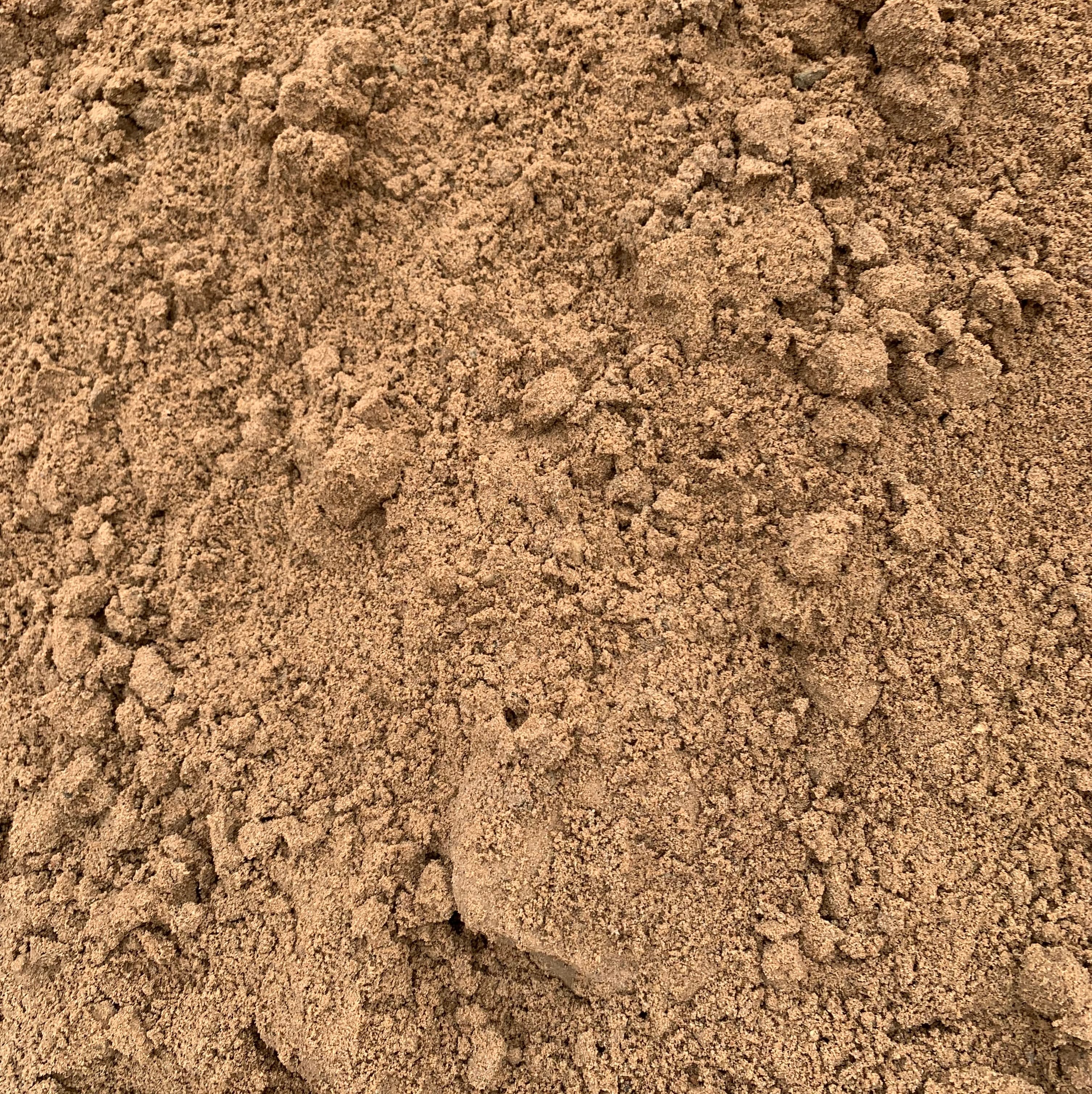
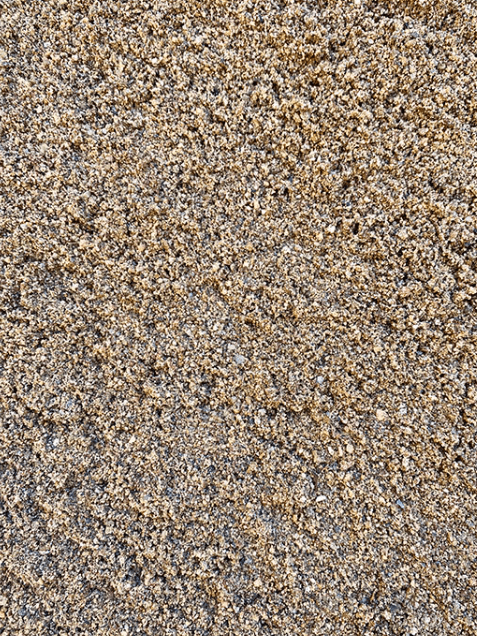
Sand is fine and compactable. It packs tight and creates a smooth surface, which is why it’s used under pavers, in sandboxes, or for mixing mortar.
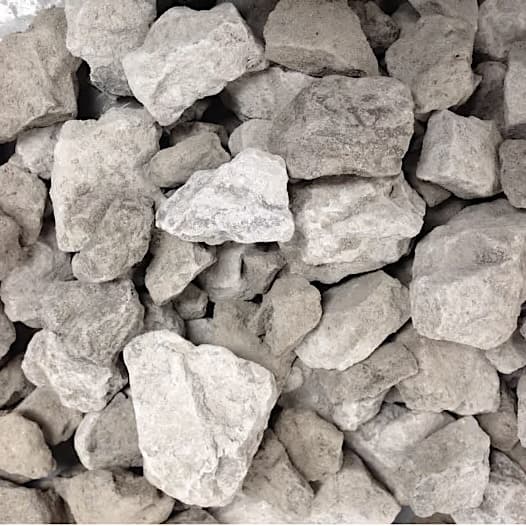
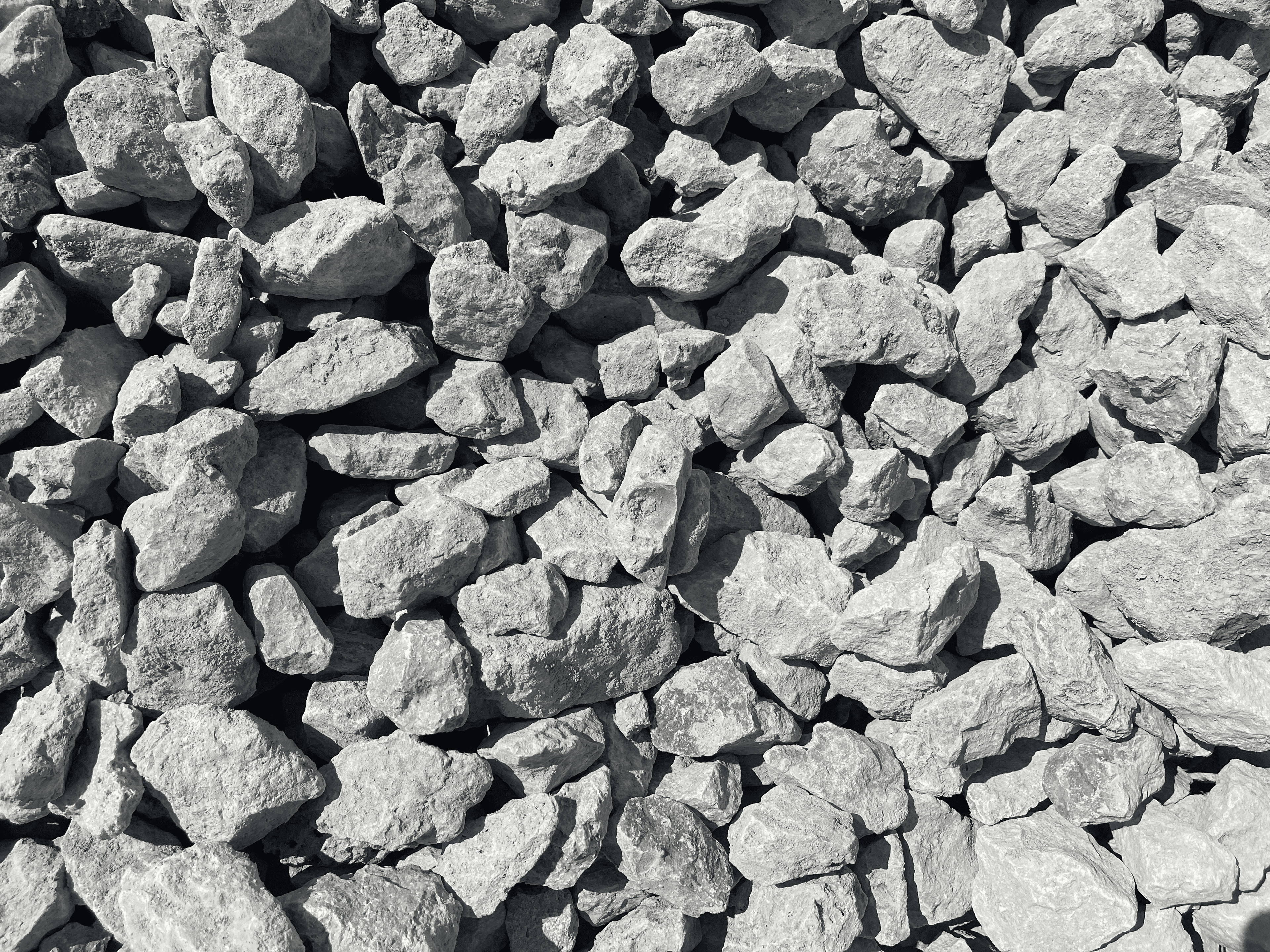
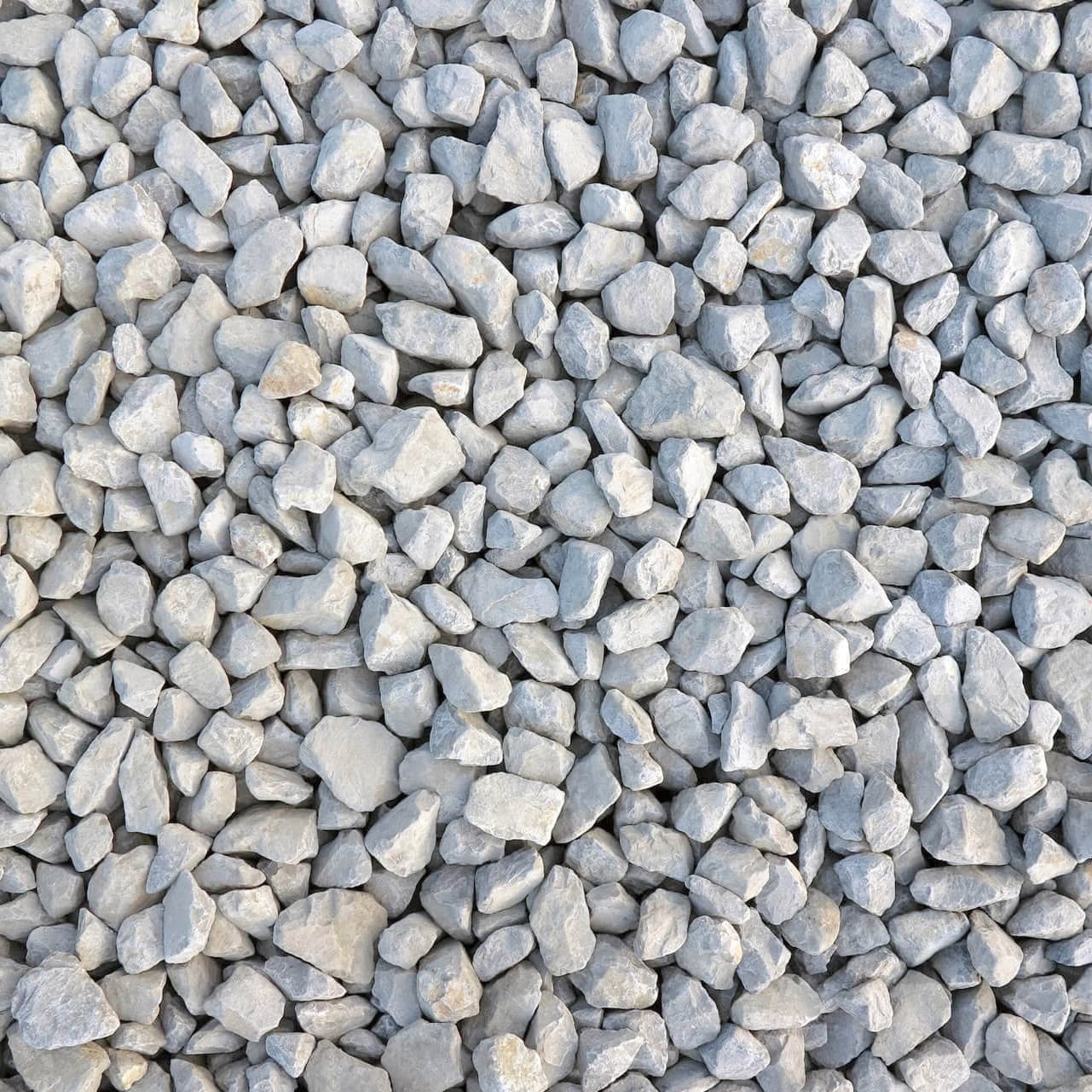
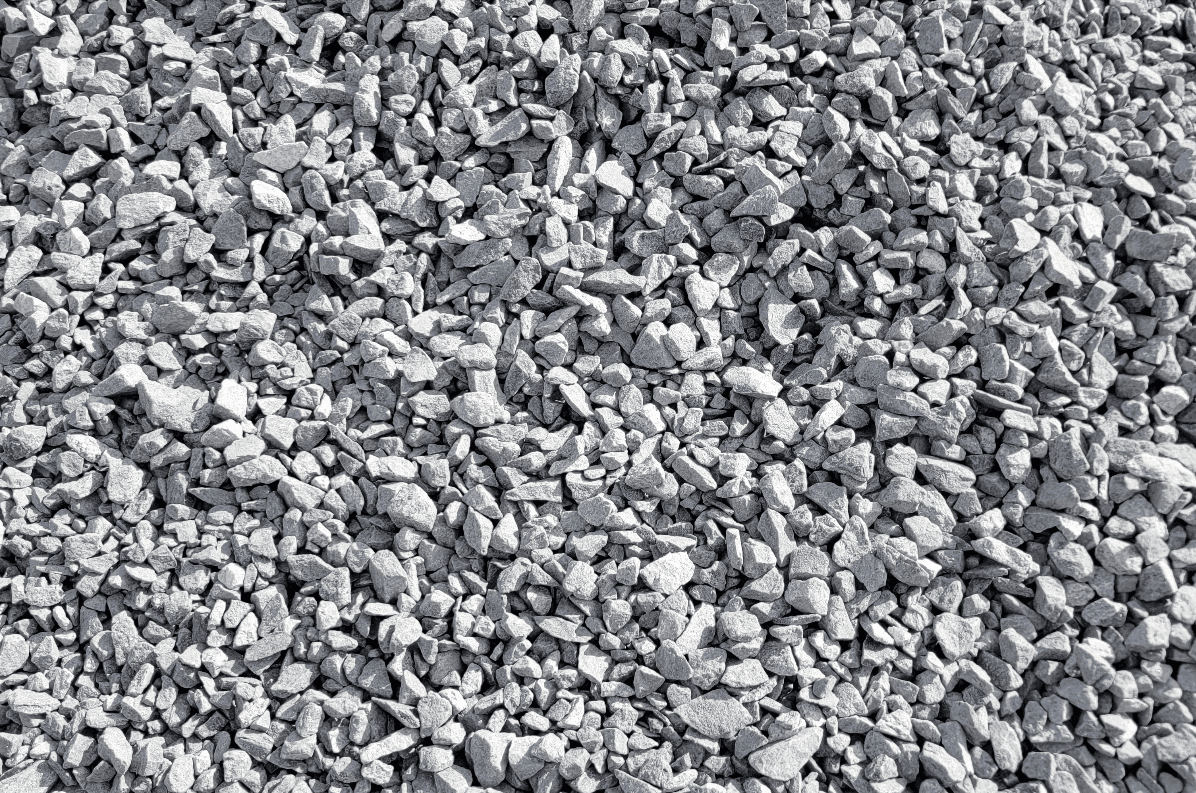
Stone is larger and more rigid. It doesn’t pack the same way — instead, it creates a strong base and leaves space for water to pass through.
That’s why stone is what carries weight, and sand is what finishes the job.
When to Use Sand
Sand works best when you need something level, smooth, or easy to shape.
Common uses include:
- Leveling pavers
- Bedding for pipes
- Sandboxes and play areas
- Mixing concrete or mortar
The most common types you’ll run into:
- Concrete sand – your go-to for leveling pavers
- Mason sand – finer, used for mortar and finishing
- Fill sand – used to bring up grade in large areas
- Play / beach sand – soft, but not meant for structural support
One thing to keep in mind — sand alone doesn’t handle weight well. If you’re building anything that needs to last, it’s usually not enough by itself.


When to Use Stone
Stone is what gives your project structure and longevity.
Use it when you need:
- A solid base
- Drainage
- Something that won’t shift under pressure
Typical uses:
- Driveways
- Patio and paver base
- Drainage systems (like French drains)
- Foundation support
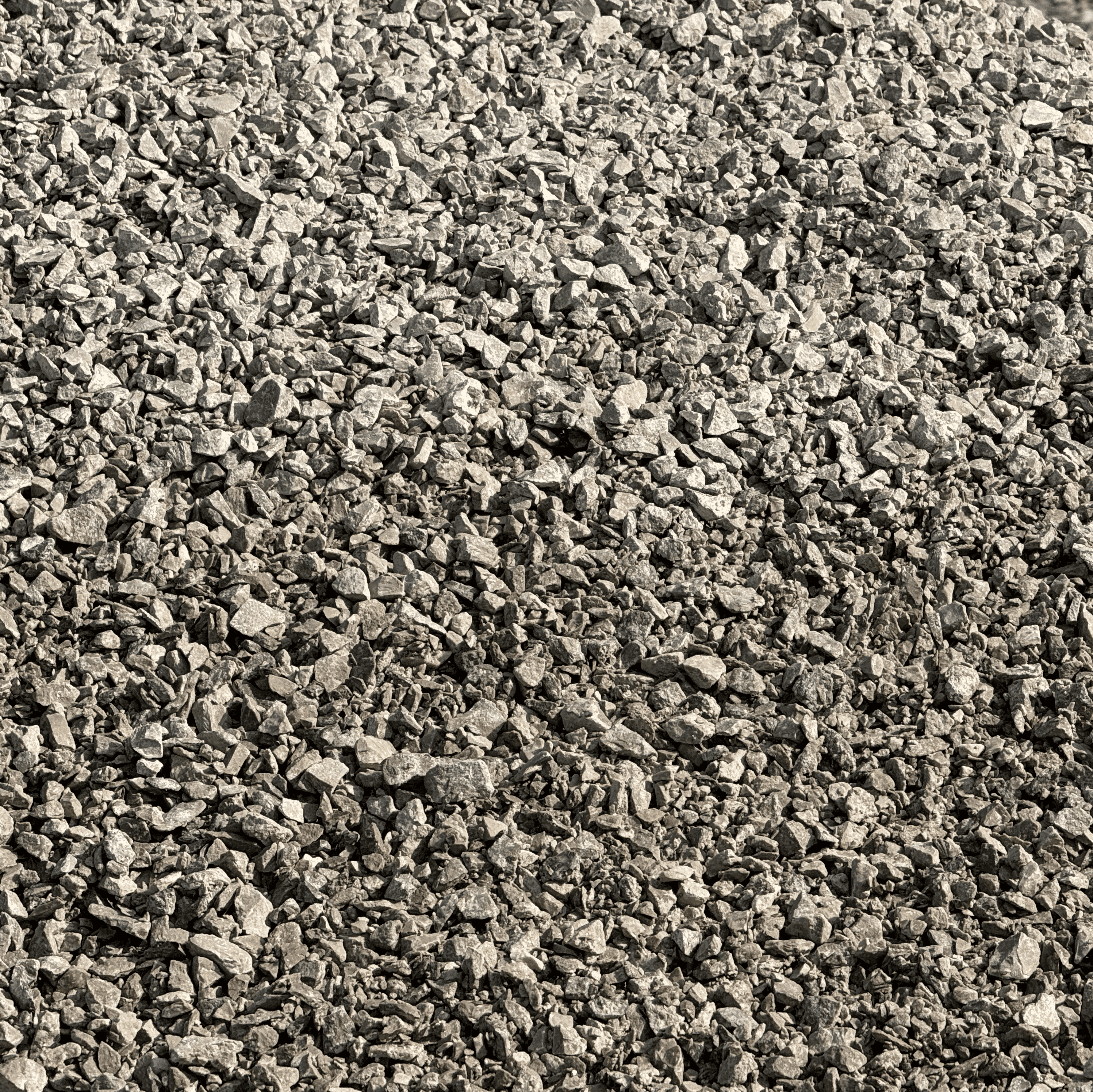
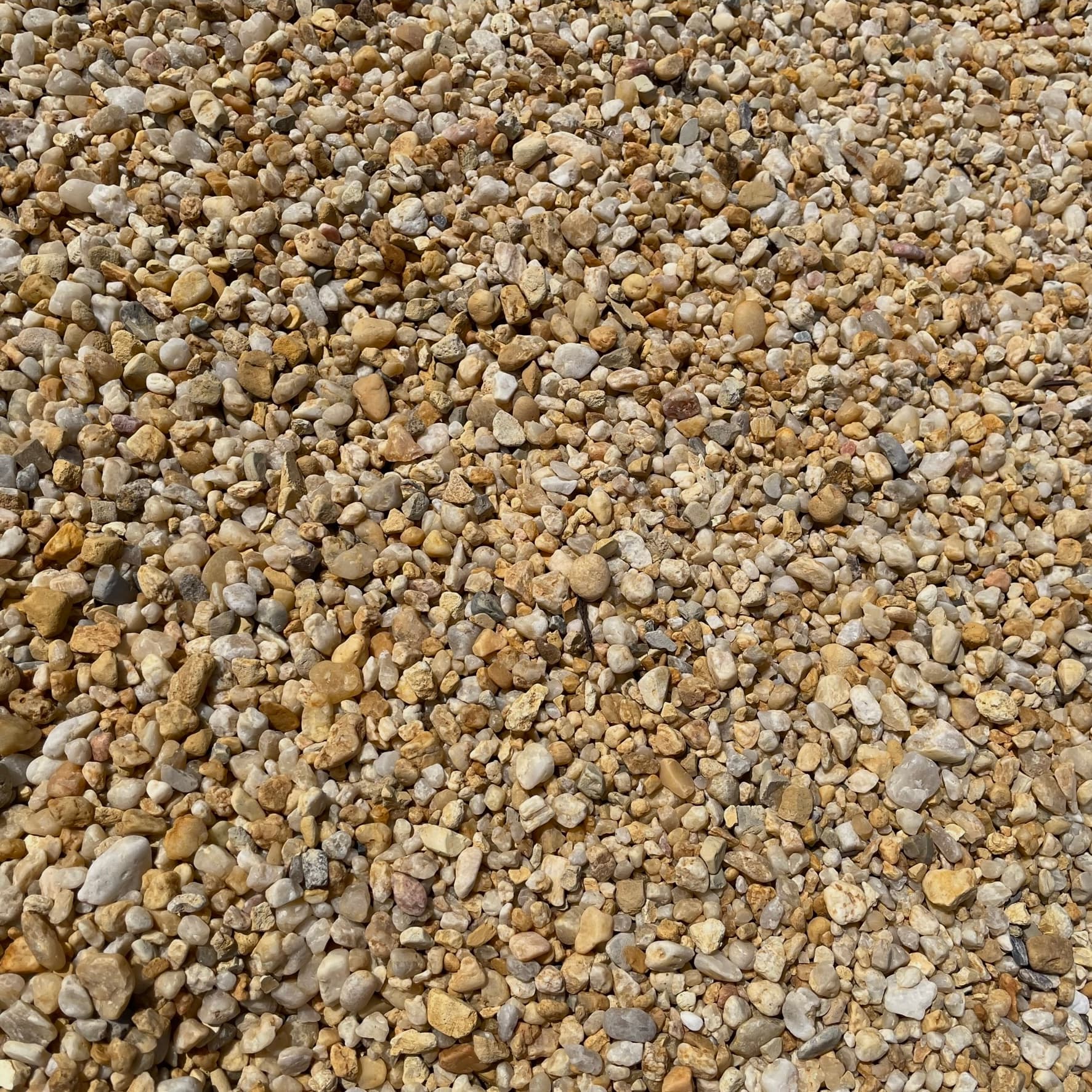
The main types to know:
- #1 and #2 stone – best for heavy traffic foundations and filling
- Crusher run – the best all-around base material. It compacts hard and stays put.
- #57 stone – ideal for drainage since water flows right through it.
- Crushed limestone – a reliable, cost-effective base option.
- Pea gravel – mostly decorative, not for load-bearing use.


The Mistake Most People Make
The biggest issue is trying to use sand as a base layer alone.
It might look fine at first, but over time:
- It shifts
- It sinks
- It washes out
That’s how you end up redoing the whole thing.
The correct approach is simple:
👉 Stone first, sand second
Stone gives you stability. Sand gives you a clean, level finish.
Wait… Don’t Roads Use Sand First?
This is a really common question — and it’s a good one.
At first glance, it can look like roads are built the opposite way (with sand at the bottom), but that’s not really what’s happening.
How Road Construction Actually Works
Roads are built in multiple engineered layers, and each layer has a specific job.
A simplified version looks like this:
- Compacted soil (subgrade)
- Sometimes a sand layer (only if needed)
- Large crushed stone
- Smaller, compacted stone layers
- Asphalt or concrete on top
So yes — sand can be used near the bottom, but it’s not there to carry weight.


What the Sand Is Really Doing
In road construction, sand is used for things like:
- Leveling uneven ground
- Separating layers
- Helping with drainage in certain soil conditions
But the important part is this:
👉 Sand is not the structural layer
The actual strength of the road comes from the crushed stone layers above it.
Those layers are thick, compacted, and designed to handle heavy loads like trucks and traffic over time.
Why This Is Different From Home Projects
This is where people get tripped up.
When you're building something at home — like a driveway, patio, or walkway — you’re not building a multi-layer engineered road system.
You’re usually working with:
- Less depth
- Fewer layers
- Simpler materials
So if you try to copy the idea of “sand first” without the full structure, you end up with problems.
For example:
- Pavers on sand only → they shift
- Driveway on sand → it sinks and ruts
The Right Approach for Most Projects
For almost all residential projects, the rule is still simple:
👉 Stone handles the load
👉 Sand is just for leveling
A typical setup should look like:
- Compacted ground
- Crusher run or crushed stone (base layer)
- Concrete sand (thin leveling layer)
- Pavers, concrete, or surface material
Simple Way to Think About It
If you’re unsure what to use, just ask:
“What is actually holding the weight?”
- If the answer is stone → you’re doing it right
- If the answer is sand → it’s likely going to fail over time