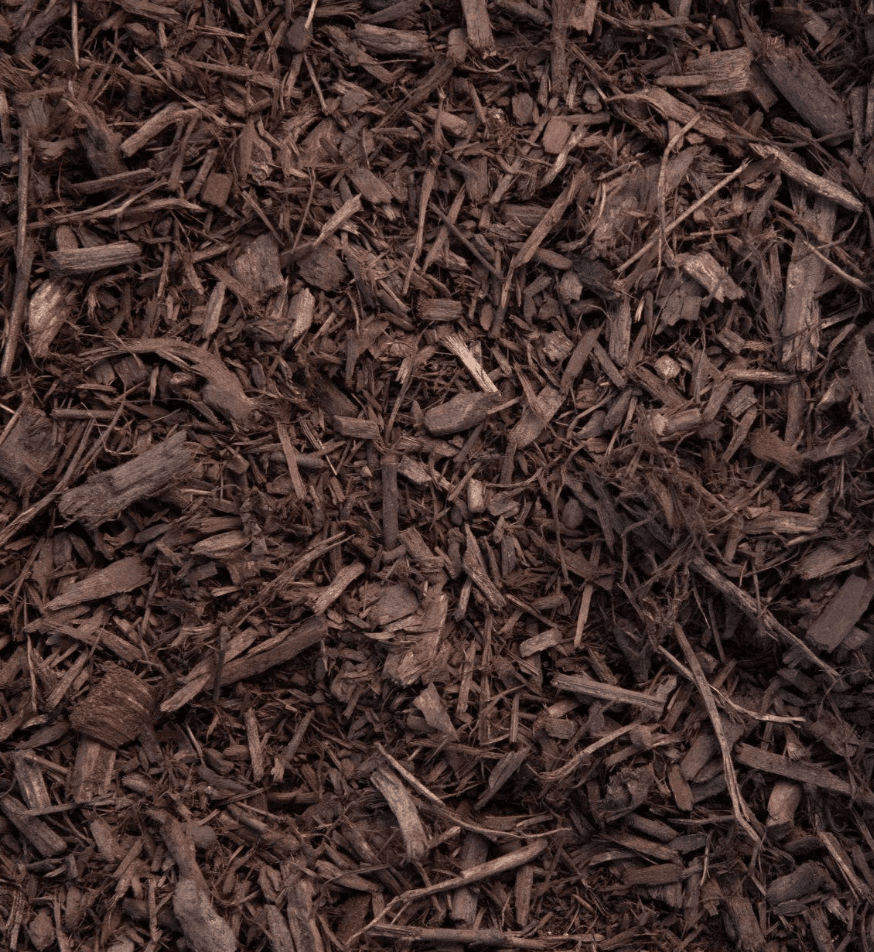
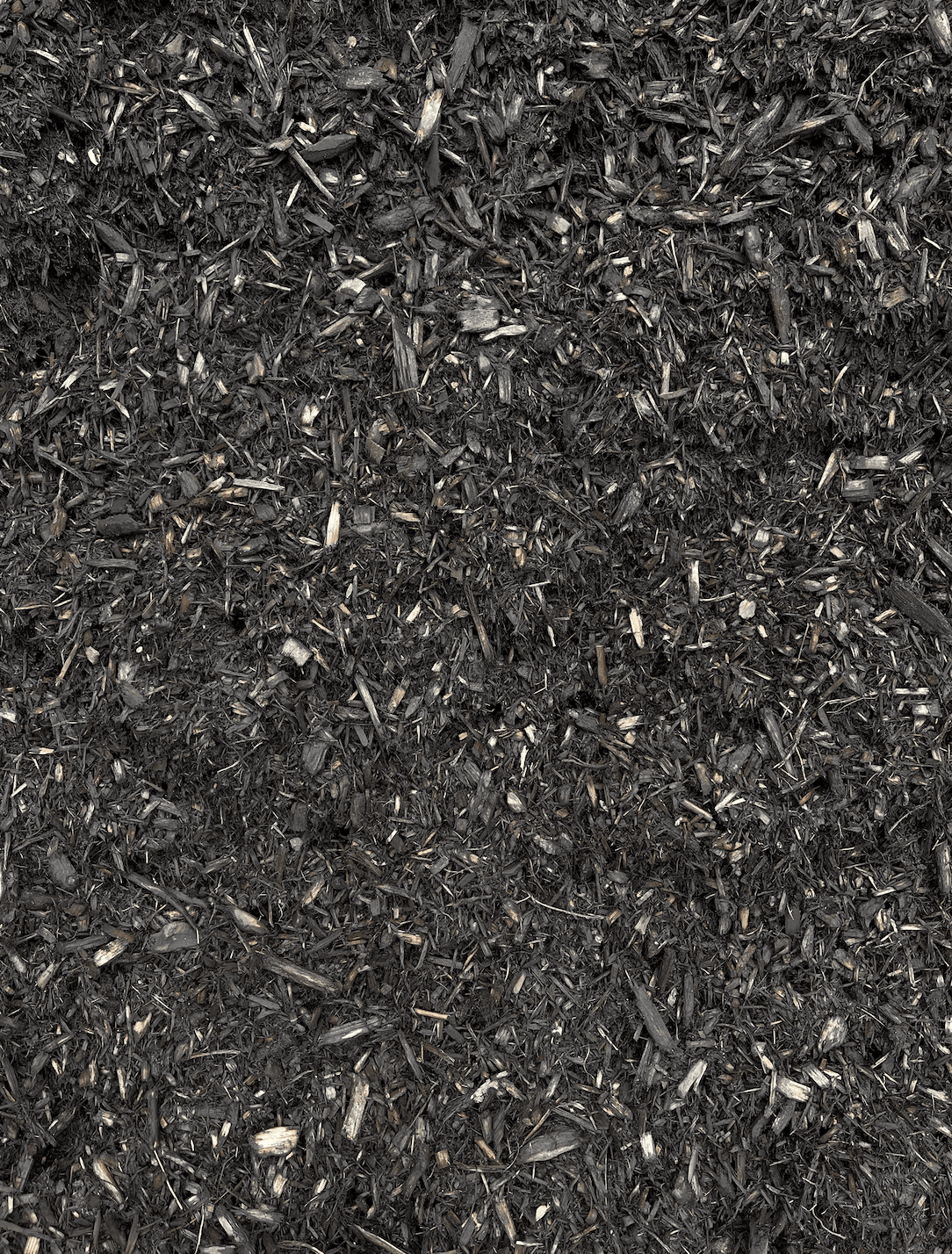
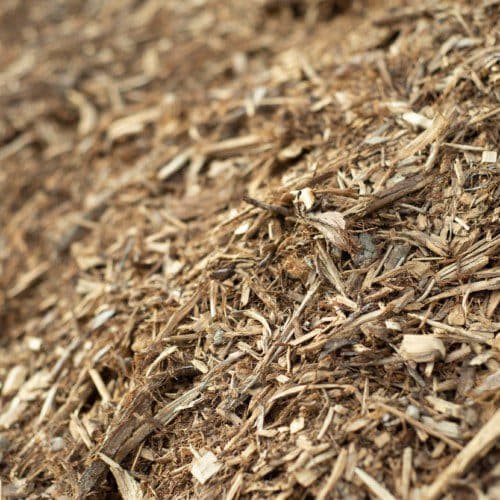
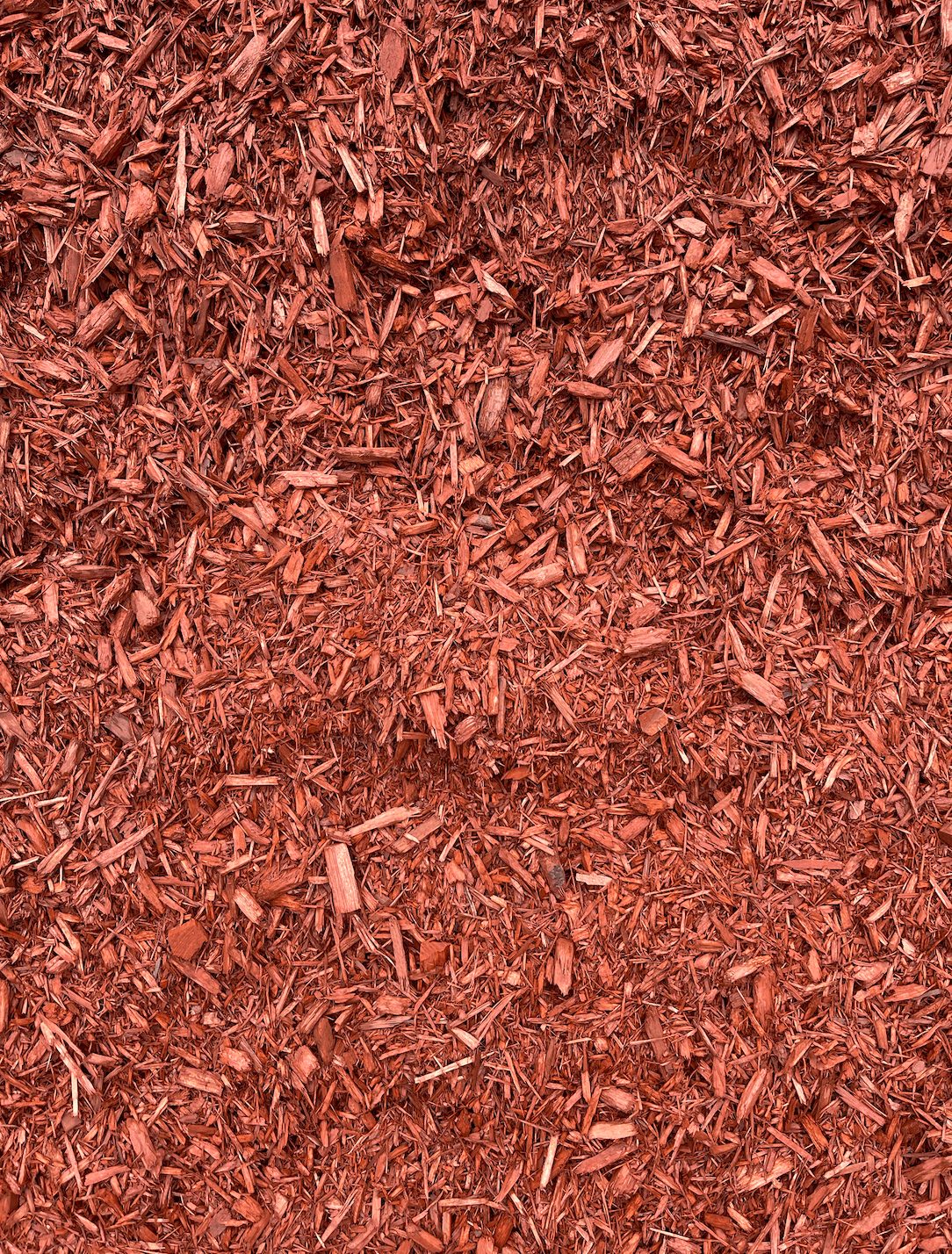
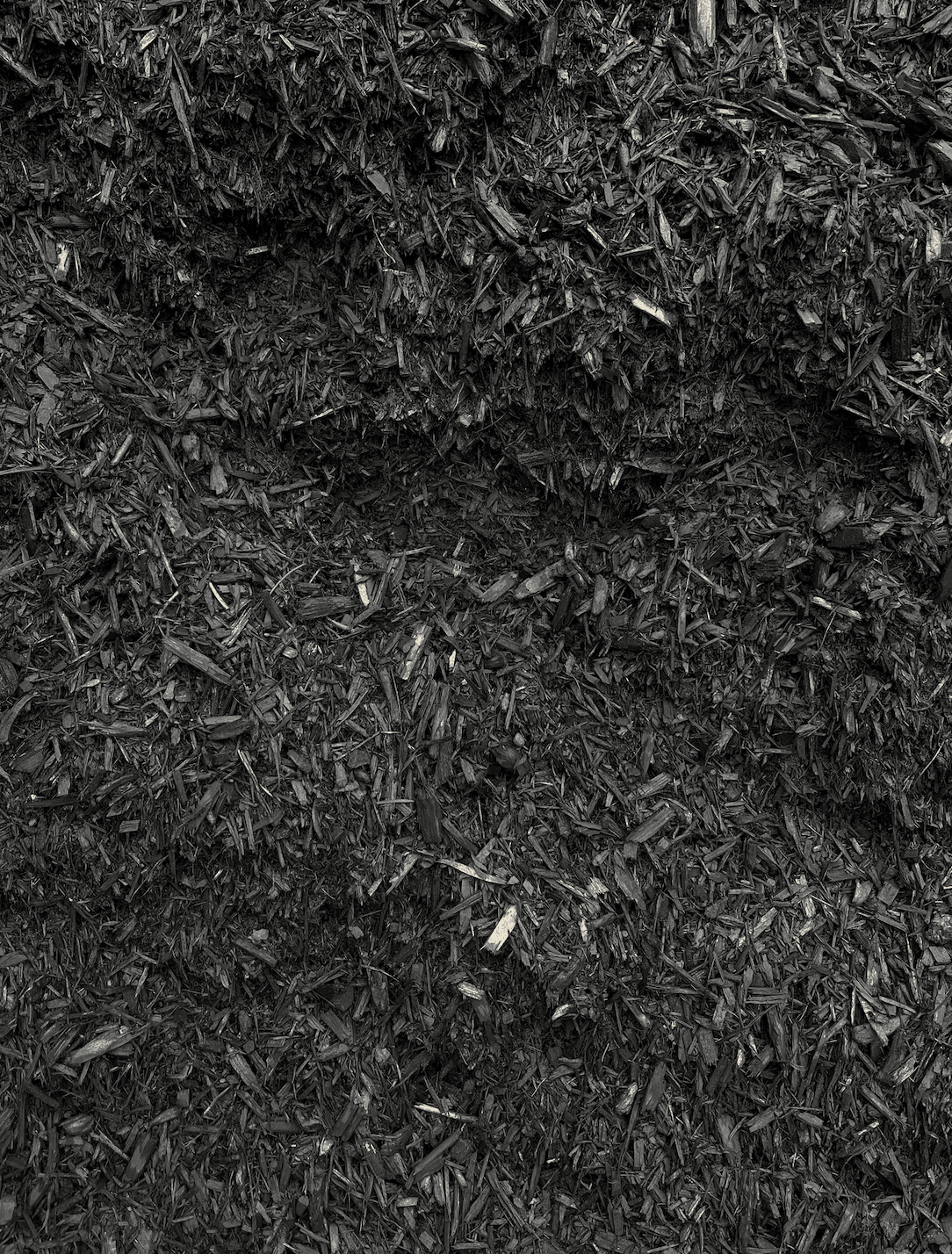
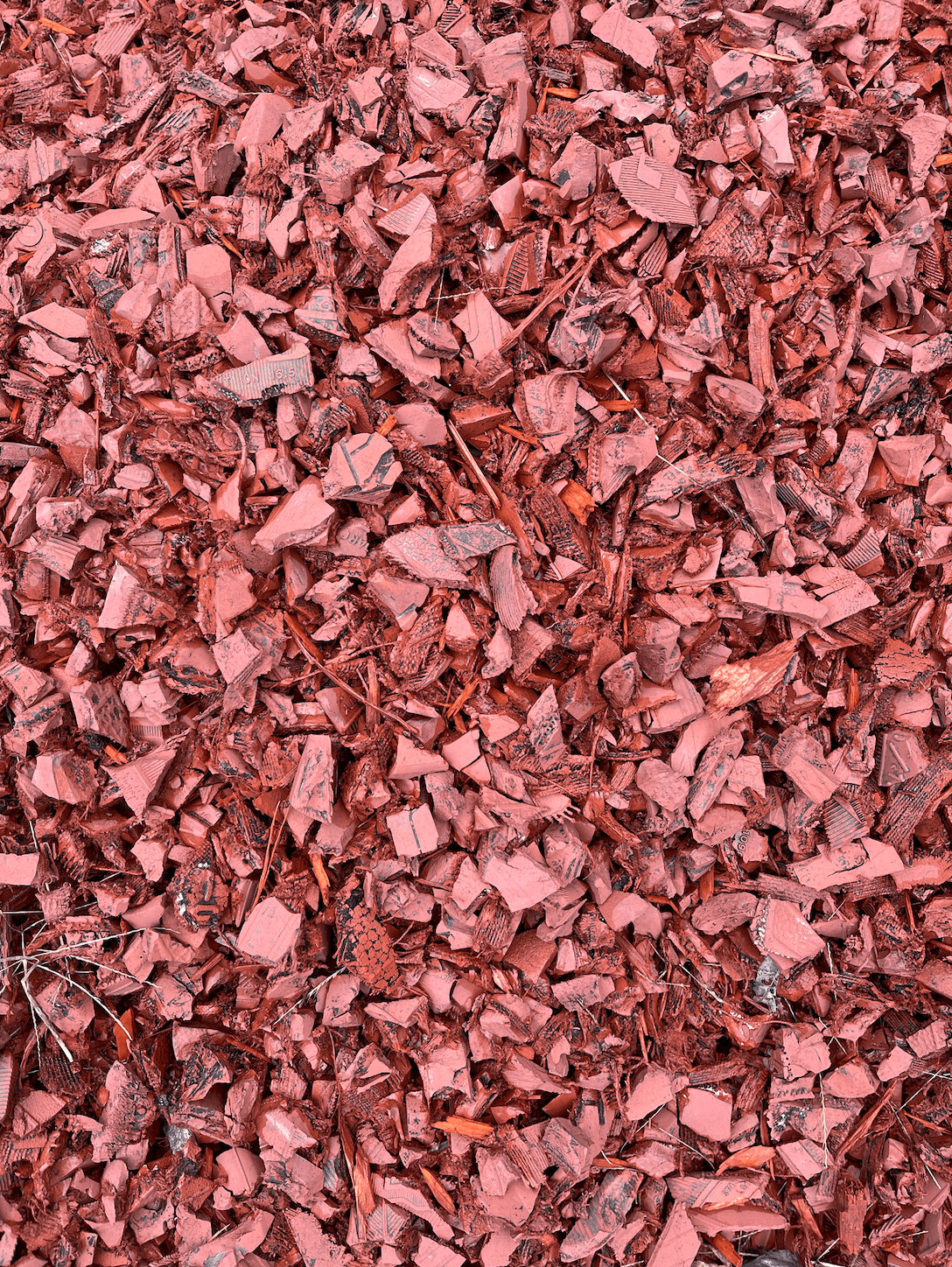
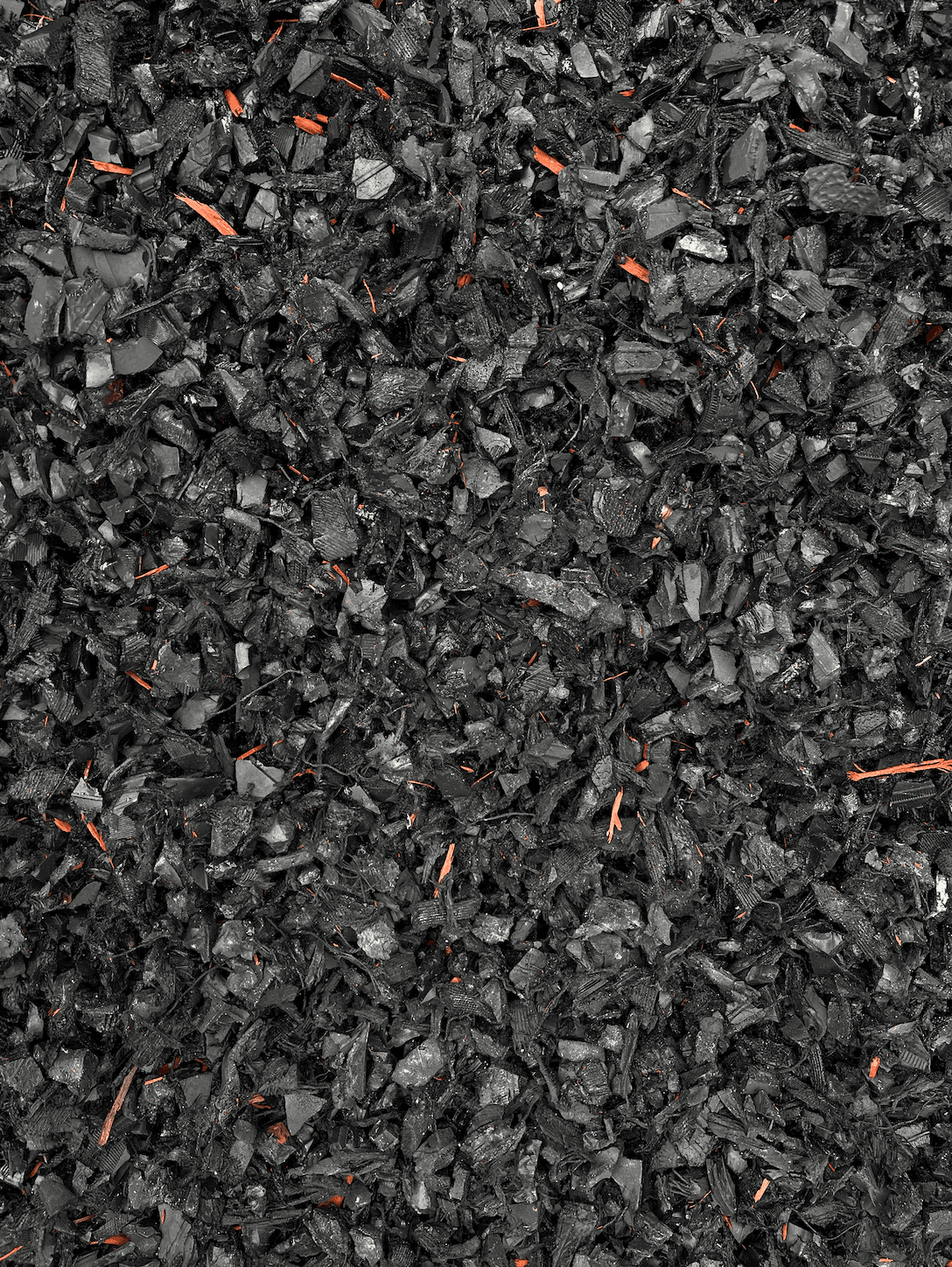
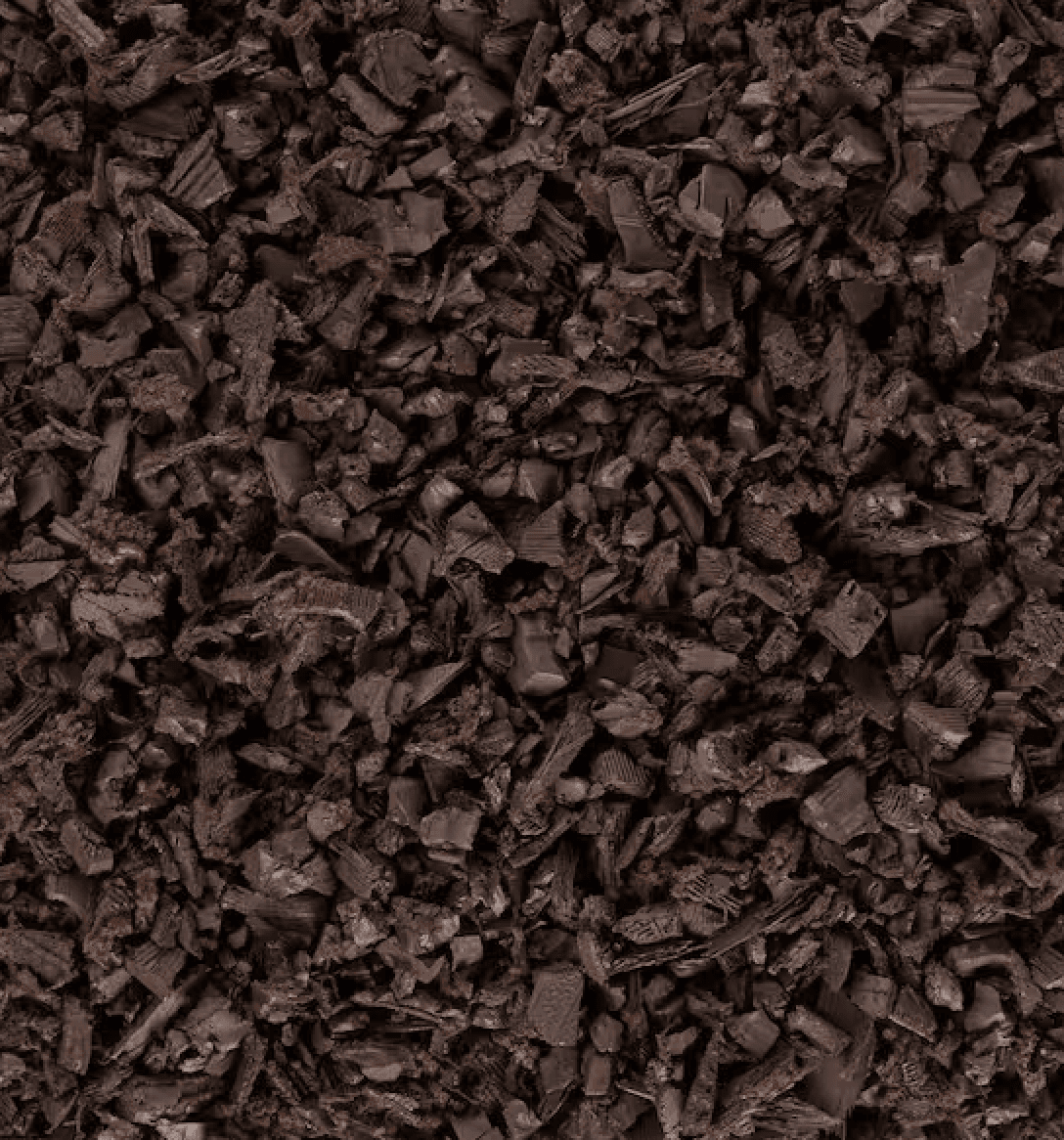
A full dump truck load of mulch in the United States typically costs between $150 and $500 delivered for common bulk mulch, but the final price can vary based on mulch type, truck size, delivery distance, local supply, season, and whether the order is a full truckload or a smaller partial load. Basic hardwood mulch and pine bark mulch are usually more affordable, while premium mulches such as cedar mulch, cypress mulch, dyed black mulch, dyed brown mulch, red mulch, and certified playground mulch usually cost more per cubic yard.
Mulch is one of the most common landscaping materials used for flower beds, garden beds, tree rings, playgrounds, walkways, shrub borders, erosion control, and moisture retention. It helps improve the appearance of a landscape, reduce weed growth, protect soil from temperature swings, and keep moisture in the ground. Because mulch is lighter than stone, sand, or gravel, it is usually sold by the cubic yard instead of by the ton.
For homeowners, landscapers, and contractors, the easiest way to estimate mulch cost is to understand three things: the price per cubic yard, the number of cubic yards needed, and the delivery fee. A small dump truck may carry 6 to 10 cubic yards of mulch, while larger dump trucks may carry 12 to 20 cubic yards or more depending on the truck body, local weight limits, and material volume.

Quick Answer: Average Dump Truck Load of Mulch Cost
A dump truck load of mulch usually costs:
- Small mulch delivery: $150 to $300
- 6 to 10 cubic yard load: $200 to $450
- 12 to 15 cubic yard load: $300 to $650
- Large 15 to 20 cubic yard load: $400 to $900+
- Premium mulch full truckload: $500 to $1,200+ depending on type and distance
These are general planning ranges. Local pricing can be lower or higher depending on the mulch product and delivery area. A local hardwood mulch delivered a short distance may be relatively inexpensive, while dyed mulch, cedar mulch, cypress mulch, or certified playground mulch delivered farther away can cost significantly more.
Mulch Cost Per Cubic Yard
Mulch is usually sold by the cubic yard because it is a lightweight, high-volume material. One cubic yard is equal to 27 cubic feet. Bulk mulch is usually much cheaper per cubic yard than buying small bags from a retail store.
Common bulk mulch price ranges include:
- Basic hardwood mulch: $20 to $45 per cubic yard
- Double-ground hardwood mulch: $25 to $55 per cubic yard
- Triple-ground hardwood mulch: $35 to $70 per cubic yard
- Pine bark mulch: $30 to $65 per cubic yard
- Pine bark nuggets: $35 to $80 per cubic yard
- Dyed black mulch: $35 to $75 per cubic yard
- Dyed brown mulch: $35 to $75 per cubic yard
- Dyed red mulch: $35 to $75 per cubic yard
- Cedar mulch: $45 to $100+ per cubic yard
- Cypress mulch: $45 to $100+ per cubic yard
- Playground mulch / engineered wood fiber: $35 to $90+ per cubic yard
Material price is only one part of the total cost. Delivery fees, minimum order requirements, fuel surcharges, and seasonal demand can all affect the delivered price.
Why Dump Truck Mulch Prices Vary
Two customers can order a “truckload of mulch” and get very different prices. One may receive a basic local hardwood mulch for a few hundred dollars, while another may pay much more for cedar mulch, dyed mulch, or playground mulch delivered farther away.
The most important pricing factors are mulch type, truck capacity, delivery distance, local supply, season, and order size.
1. Mulch Type
The type of mulch has a major impact on price. Basic hardwood mulch is usually one of the most affordable options because it is widely available and often produced from local wood material. Double-ground hardwood mulch is also popular because it provides a clean, consistent appearance for general landscaping.
Premium mulches cost more because they require additional processing, specific wood sources, color dye, certification, or specialized production.
Common mulch types include:
- Hardwood mulch
- Double-ground hardwood mulch
- Triple-ground hardwood mulch
- Pine bark mulch
- Pine bark nuggets
- Cedar mulch
- Cypress mulch
- Dyed black mulch
- Dyed brown mulch
- Dyed red mulch
- Playground mulch
- Compost mulch
- Leaf mulch
- Natural wood chips
If the goal is general landscape coverage, basic hardwood mulch or pine bark mulch is usually cost-effective. If the goal is color contrast, odor resistance, playground safety, or a specific design style, premium mulch may be worth the extra cost.
2. Delivery Distance
Delivery distance is one of the biggest variables in mulch pricing. Mulch is lighter than gravel or soil, but it still takes a truck, driver, fuel, loading equipment, and time to deliver.
A short local delivery may be inexpensive. A longer haul can increase the delivered price quickly, especially if the supplier charges by distance zone or fuel surcharge.
Delivery cost may include:
- Driver time
- Fuel
- Truck wear
- Loading time
- Minimum delivery fee
- Distance zone fee
- Small-load fee
- Difficult access fee
- Seasonal surcharge
For the best price, customers should usually choose a mulch supplier close to the delivery location.
3. Truck Size and Load Capacity
Dump trucks can carry different amounts of mulch depending on truck size and body volume. Since mulch is usually sold by volume, truck capacity is measured in cubic yards.
Common mulch truck capacities include:
- Small dump truck: 3 to 6 cubic yards
- Single-axle dump truck: 6 to 10 cubic yards
- Tandem dump truck: 10 to 15 cubic yards
- Large tri-axle or quad-axle truck: 12 to 20 cubic yards
- Walking floor or large bulk truck: 30+ cubic yards in some commercial deliveries
A full truckload often has a better cost per cubic yard than a small partial load because the delivery cost is spread across more material. However, smaller trucks may be needed for tight residential driveways or limited access sites.
4. Seasonal Demand
Mulch demand usually peaks in spring and early summer. During this time, homeowners, landscapers, property managers, and contractors are all ordering material for landscape refreshes, garden beds, commercial properties, and HOA maintenance.
During busy season, prices may increase and delivery slots may fill quickly. Ordering early can help reduce delays and improve availability.
Fall can also be a good time to install mulch because it helps protect plant roots before winter and reduces exposed soil during colder months.
5. Local Supply
Mulch is often produced from local wood sources such as tree trimming material, bark, sawmill byproducts, wood recycling, forestry byproducts, or landscape debris. If local supply is strong, prices are usually lower.
If a specific mulch type has to be hauled from another region, the delivered price may be higher. This is common with certain premium bark mulches, cedar mulch, cypress mulch, or specialty playground products.
6. Processing and Dye
Mulch processing affects price. Double-ground and triple-ground mulches require extra grinding to create a finer texture. Dyed mulch requires colorant and additional production steps. Playground mulch may require specific sizing and safety standards.
More processing usually means a higher price per cubic yard.
7. Minimum Orders and Partial-Load Fees
Many bulk material suppliers have minimum delivery quantities. A supplier may require a 3-yard, 5-yard, or 10-yard minimum depending on the truck and delivery area.
Partial loads may cost more per yard because the truck still has to make the trip. A full truckload is usually more efficient when the customer has enough space and needs enough material.
How Much Mulch Fits in a Dump Truck?
Mulch truck capacity depends on the truck body size. Unlike gravel, which is limited heavily by weight, mulch is usually limited by volume because it is much lighter.
Typical mulch load sizes include:
- Small residential truck: 3 to 6 cubic yards
- Single-axle dump truck: 6 to 10 cubic yards
- Tandem dump truck: 10 to 15 cubic yards
- Large dump truck: 12 to 20 cubic yards
- Commercial bulk truck: 30+ cubic yards in some areas
For most residential mulch deliveries, a 6 to 15 cubic yard load is common. Larger landscape jobs may use 15 to 20 cubic yards or multiple truckloads.
How Much Area Does a Truckload of Mulch Cover?
Mulch coverage depends on the number of cubic yards and the depth of installation. Most landscape beds use 2 to 4 inches of mulch.
As a general rule:
- 1 cubic yard at 1 inch deep: covers about 324 square feet
- 1 cubic yard at 2 inches deep: covers about 162 square feet
- 1 cubic yard at 3 inches deep: covers about 108 square feet
- 1 cubic yard at 4 inches deep: covers about 81 square feet
Coverage can vary slightly depending on mulch texture, settling, moisture, and how evenly it is spread.
Coverage Examples by Truckload Size
5 Cubic Yards of Mulch
At 2 inches deep, 5 cubic yards covers about 810 square feet.
At 3 inches deep, 5 cubic yards covers about 540 square feet.
At 4 inches deep, 5 cubic yards covers about 405 square feet.
10 Cubic Yards of Mulch
At 2 inches deep, 10 cubic yards covers about 1,620 square feet.
At 3 inches deep, 10 cubic yards covers about 1,080 square feet.
At 4 inches deep, 10 cubic yards covers about 810 square feet.
15 Cubic Yards of Mulch
At 2 inches deep, 15 cubic yards covers about 2,430 square feet.
At 3 inches deep, 15 cubic yards covers about 1,620 square feet.
At 4 inches deep, 15 cubic yards covers about 1,215 square feet.
20 Cubic Yards of Mulch
At 2 inches deep, 20 cubic yards covers about 3,240 square feet.
At 3 inches deep, 20 cubic yards covers about 2,160 square feet.
At 4 inches deep, 20 cubic yards covers about 1,620 square feet.
These numbers are useful for planning, but customers should add a small buffer for settling, uneven beds, tree rings, curves, and edges.
Recommended Mulch Depth
The best mulch depth depends on the project. Too little mulch may not suppress weeds or retain moisture well. Too much mulch can hold excess moisture, reduce airflow, and create problems around plant stems and tree trunks.
Common recommended depths include:
- Flower beds: 2 to 3 inches
- Garden beds: 2 to 3 inches
- Tree rings: 2 to 3 inches, kept away from the trunk
- Shrub beds: 2 to 4 inches
- Weed suppression: 3 to 4 inches
- Playground mulch: depth depends on fall height and product specifications
- Pathways: 3 to 4 inches
- Erosion control areas: 3 to 4 inches or more depending on slope
Avoid piling mulch directly against tree trunks, plant stems, siding, or foundations. Mulch should be spread evenly and kept slightly away from woody plants.
How to Calculate How Much Mulch You Need
To calculate mulch, measure the area and choose the desired depth.
Use this method:
- Measure the length and width of the bed.
- Multiply length by width to get square feet.
- Choose the mulch depth in inches.
- Use the formula:
Square feet × depth in inches ÷ 324 = cubic yards needed
Example Calculation
A flower bed is 15 feet by 20 feet.
15 × 20 = 300 square feet
The customer wants mulch at 3 inches deep.
300 × 3 ÷ 324 = 2.78 cubic yards
For this project, ordering 3 cubic yards would usually be enough. Ordering slightly more may help cover uneven areas and settling.
Should You Order Extra Mulch?
Yes, it is usually smart to order a little extra. Mulch can settle after installation, especially if it is fresh, fluffy, or dry when delivered. Bed shapes may also be irregular, and edges can require more material than expected.
A 5% to 10% buffer is usually reasonable for most projects. Ordering slightly extra is better than running short and needing another delivery fee.
Choosing the Right Mulch for Your Project
The best mulch depends on appearance, budget, plant type, maintenance expectations, and project use. Some mulches are better for general landscape beds, while others are better for playgrounds, pathways, or premium design areas.
Hardwood Mulch
Hardwood mulch is one of the most common and affordable landscape mulches. It is usually made from shredded hardwood material and is often available as single-ground, double-ground, or triple-ground mulch.
Hardwood mulch works well for flower beds, tree rings, shrub borders, commercial landscapes, and general ground cover. It breaks down over time and can help add organic matter to the soil.
Best uses for hardwood mulch:
- Flower beds
- Tree rings
- Shrub beds
- Commercial landscapes
- General landscaping
- Moisture retention
- Weed suppression
Double-Ground Hardwood Mulch
Double-ground hardwood mulch is processed twice to create a more consistent texture than coarse wood chips. It is a popular choice for homeowners and landscapers because it looks clean, spreads easily, and works well in many applications.
Best uses for double-ground hardwood mulch:
- Residential flower beds
- Front yard landscaping
- Around shrubs and trees
- Garden borders
- Property refreshes
- HOA and commercial beds
Triple-Ground Hardwood Mulch
Triple-ground mulch is finer and smoother than double-ground mulch. It creates a more finished look and can be easier to spread in detailed beds. Because it is processed more, it may cost more.
Best uses for triple-ground hardwood mulch:
- Premium landscape beds
- Detailed planting areas
- Front entrances
- Commercial properties
- Decorative garden beds
Pine Bark Mulch
Pine bark mulch is made from pine bark and is often available as shredded bark or nuggets. It has an attractive natural look and is popular in flower beds, garden beds, and around shrubs.
Pine bark nuggets last longer than finer shredded mulch but may float or move during heavy rain if not contained.
Best uses for pine bark mulch:
- Decorative beds
- Shrub borders
- Garden areas
- Acid-loving plants
- Natural landscape designs
Cedar Mulch
Cedar mulch is a premium mulch known for its aroma, natural decay resistance, and attractive appearance. It is often used in garden borders, walkways, decorative beds, and areas where a longer-lasting mulch is desired.
Cedar mulch usually costs more than basic hardwood mulch because cedar material is more specific and less widely available.
Best uses for cedar mulch:
- Garden borders
- Decorative beds
- Walkways
- Around shrubs
- Areas where longer life is desired
- Premium landscape projects
Cypress Mulch
Cypress mulch is another premium mulch option. It is often chosen for its color, texture, and durability. Availability and price vary by region.
Best uses for cypress mulch:
- Decorative landscape beds
- Shrub areas
- Moisture retention
- Long-lasting ground cover
- Premium landscape designs
Dyed Mulch
Dyed mulch is available in colors such as black, brown, and red. It is usually made from wood material that has been colored with landscape-safe dye. Dyed mulch is popular because it creates a bold, consistent appearance.
Black mulch is often used for modern landscape contrast. Brown mulch creates a natural look. Red mulch is used for strong color impact in certain designs.
Best uses for dyed mulch:
- Front yard landscaping
- Commercial properties
- High-contrast beds
- Modern landscape designs
- HOA refreshes
- Areas where consistent color matters
Playground Mulch
Playground mulch is usually made from engineered wood fiber or other safety-focused wood material designed for playground surfacing. It is different from basic landscape mulch because it may need to meet specific safety requirements for impact absorption and accessibility.
Best uses for playground mulch:
- Playgrounds
- Play areas
- School yards
- Parks
- Childcare centers
- Backyard playsets
For playgrounds, customers should confirm the correct material type, depth, and safety rating before ordering.
Natural Wood Chips
Wood chips are often coarser than shredded mulch. They are useful for pathways, large landscape areas, erosion control, and natural ground cover. They may not create as refined a look as dyed or double-ground mulch, but they are often practical and affordable.
Best uses for wood chips:
- Trails
- Natural pathways
- Large beds
- Erosion control
- Around trees
- Low-cost ground cover
Mulch Compared With Other Landscape Materials
Mulch vs. Compost
Mulch and compost are both organic materials, but they are used differently.
Mulch is placed on top of the soil as a protective cover. It helps reduce weeds, retain moisture, regulate soil temperature, and improve appearance.
Compost is usually mixed into soil to improve fertility, organic matter, and soil biology. Compost can also be used as a light topdressing, but it does not function the same way as a thicker mulch layer.
Use mulch on the surface. Use compost to improve soil.
Mulch vs. Topsoil
Topsoil is a growing medium used for lawns, planting, and soil improvement. Mulch is a surface covering. Topsoil supports roots; mulch protects the soil surface.
If you are filling low spots or preparing a lawn, use topsoil. If you are covering beds to reduce weeds and retain moisture, use mulch.
Mulch vs. Decorative Gravel
Mulch and decorative gravel are both used in landscape beds, but they have different advantages.
Mulch is organic, helps improve soil over time, and is usually better around many plants. It breaks down and needs to be refreshed regularly.
Decorative gravel lasts longer and creates a clean, low-maintenance look, especially in xeriscaping and modern landscapes. It does not improve soil like organic mulch.
Use mulch where plant health and soil improvement matter most. Use decorative gravel where long-term stone ground cover and lower replacement frequency are the priority.
Is Bulk Mulch Cheaper Than Bagged Mulch?
Yes, bulk mulch is usually cheaper than bagged mulch for medium and large projects. Bagged mulch can be convenient for small touch-ups or very small beds, but it becomes expensive and labor-intensive for larger areas.
Bulk mulch delivery is usually the better choice for:
- Large flower beds
- Multiple tree rings
- Commercial properties
- HOA landscaping
- Garden bed refreshes
- Large residential yards
- Playground areas
- Landscape contractor jobs
Bagged mulch may be better for very small areas, apartments, or locations where truck delivery is not possible.
Ordering, Delivery, and Installation Tips
Why Delivered Mulch Costs More Than the Material Price
Customers may see a mulch price per cubic yard and assume that is the full cost. However, delivered mulch usually includes both material and trucking.
Delivered mulch pricing may include:
- Material cost
- Loading
- Delivery fee
- Fuel surcharge
- Distance charge
- Minimum order fee
- Small-load fee
- Taxes
- Difficult access fee
A mulch listed at $35 per cubic yard may not mean a 10-yard delivery costs exactly $350. Delivery may add a separate charge depending on the supplier and location.
How to Save Money on Mulch Delivery
There are several ways to reduce the cost of mulch.
Choose Local Mulch
Local hardwood or pine mulch is usually cheaper than specialty mulch hauled from far away.
Order the Right Quantity
Measure carefully. Ordering too little can lead to another delivery fee, while ordering too much creates waste.
Order Full Loads When Practical
A full truckload often lowers the delivered cost per cubic yard.
Compare Delivered Prices
Always compare the total delivered price, not just the material price.
Avoid Peak Season Rush
Ordering before peak spring demand can help with scheduling and sometimes pricing.
Use Premium Mulch Strategically
Use premium mulch in visible front beds and more affordable mulch in large back areas if budget matters.
Delivery Access for Mulch
Before delivery, customers should prepare a safe dump location. Dump trucks need room to access the property, raise the bed, and unload.
A good mulch dump area should be:
- Firm and level
- Clear of vehicles
- Free from low branches
- Free from overhead wires
- Wide enough for truck access
- Away from fragile pavement if needed
- Close to the project area if possible
Drivers may not dump on soft lawns, steep slopes, sidewalks, septic areas, or areas where the truck could get stuck or cause damage.
How to Install Mulch
Mulch installation is simple, but proper application improves results.
1. Clear the Beds
Remove weeds, leaves, trash, and old debris. Existing old mulch can often be lightly raked or partially removed if it is too thick.
2. Edge the Beds
Clean edges help contain the mulch and create a finished look.
3. Spread Evenly
Use a shovel, rake, wheelbarrow, or loader depending on project size. Spread mulch evenly across the bed.
4. Set the Right Depth
Most beds need 2 to 3 inches. For stronger weed suppression, 3 to 4 inches may be used.
5. Keep Mulch Away From Trunks and Stems
Do not pile mulch against tree trunks or plant stems. Leave a small gap to prevent moisture and rot issues.
6. Water if Needed
Light watering can help settle mulch and reduce dust, especially with dry mulch.
Common Mulch Mistakes
Avoid these common mistakes:
- Ordering too little
- Spreading mulch too thin
- Spreading mulch too thick
- Piling mulch against tree trunks
- Ignoring delivery access
- Comparing only material price instead of delivered price
- Using landscape mulch for playground safety without checking specifications
- Choosing dyed mulch without understanding color fading
- Installing mulch over active weeds without preparation
- Forgetting that mulch settles over time
Mulch Maintenance and Common Questions
How Long Does Mulch Last?
Mulch lifespan depends on type, climate, weather, sunlight, rainfall, and bed conditions.
Basic hardwood mulch may need refreshing every year or every other year. Dyed mulch may fade over time. Pine bark nuggets and cedar mulch may last longer than finer shredded mulch. Coarser mulch often breaks down more slowly, while finer mulch creates a finished look but may decompose faster.
Many homeowners refresh mulch once per year in spring. Commercial properties may refresh mulch seasonally or annually to maintain appearance.
Does Mulch Attract Bugs?
Mulch can create a moist habitat where insects may live, but properly installed mulch does not automatically cause pest problems. The key is to avoid piling mulch directly against foundations, siding, tree trunks, or plant stems.
Cedar mulch is often chosen because it has natural aromatic oils and decay resistance. However, no mulch is completely pest-proof.
To reduce pest concerns:
- Keep mulch a few inches away from foundations
- Avoid overly thick layers
- Maintain drainage
- Do not let mulch stay constantly wet against wood structures
- Refresh or rake compacted mulch
Does Mulch Prevent Weeds?
Mulch helps reduce weed growth by blocking sunlight and covering exposed soil. A 2 to 4 inch layer can make it harder for weeds to germinate and grow.
Mulch does not stop all weeds. Weed seeds can blow in and grow on top of mulch, especially as the mulch breaks down. Regular maintenance is still needed.
For stronger weed control, remove existing weeds before installing mulch and consider landscape fabric in appropriate areas.
Is Dyed Mulch Safe?
Most commercially produced dyed mulch uses colorants intended for landscape use. However, quality can vary by supplier. Customers should buy dyed mulch from reputable sources and ask what material is used as the wood base.
Avoid mulch made from questionable recycled wood, treated lumber, or construction debris. Good dyed mulch should be made from clean wood material and landscape-safe colorant.
Is Mulch Good Around Trees?
Yes, mulch is very beneficial around trees when installed correctly. It helps retain moisture, reduce mower damage, moderate soil temperature, and improve the area around the root zone.
The key is to avoid “mulch volcanoes.” Mulch should not be piled high against the trunk. Instead, spread mulch in a wide, shallow ring and leave space around the trunk flare.
Is Mulch Good for Flower Beds?
Yes, mulch is one of the best materials for flower beds. It improves appearance, helps control weeds, holds moisture, and protects soil. A 2 to 3 inch layer is usually enough for most flower beds.
Is Mulch Good for Vegetable Gardens?
Mulch can be useful in vegetable gardens, but the best type depends on the crop and garden style. Straw, leaf mulch, composted mulch, or fine wood mulch may be used in some vegetable gardens. Standard dyed landscape mulch is usually more common in ornamental beds than edible gardens.
For vegetable gardens, customers should choose clean mulch and avoid questionable recycled wood products.
Frequently Asked Questions About Dump Truck Load of Mulch Cost
How much does a dump truck load of mulch cost?
A dump truck load of mulch usually costs between $150 and $500 for common mulch, but premium mulch or long-distance delivery can cost more. The final price depends on mulch type, cubic yards ordered, truck size, delivery distance, and local supply.
How much does mulch cost per cubic yard?
Bulk mulch commonly costs between $20 and $75 per cubic yard for many standard products. Premium options like cedar, cypress, triple-ground mulch, dyed mulch, and playground mulch may cost more.
How many cubic yards are in a dump truck load of mulch?
A small dump truck may carry 3 to 6 cubic yards, a single-axle dump truck may carry 6 to 10 cubic yards, and a larger dump truck may carry 12 to 20 cubic yards or more.
How much area does 1 cubic yard of mulch cover?
One cubic yard of mulch covers about 162 square feet at 2 inches deep, 108 square feet at 3 inches deep, or 81 square feet at 4 inches deep.
How much area does 10 cubic yards of mulch cover?
Ten cubic yards of mulch covers about 1,620 square feet at 2 inches deep, 1,080 square feet at 3 inches deep, or 810 square feet at 4 inches deep.
How deep should mulch be?
Most flower beds, shrub beds, and tree rings use 2 to 3 inches of mulch. For stronger weed suppression, 3 to 4 inches may be used. Avoid piling mulch against tree trunks or plant stems.
Is bulk mulch cheaper than bagged mulch?
Yes. Bulk mulch is usually cheaper for medium and large projects. Bagged mulch is convenient for small areas, but bulk delivery is usually better for larger beds and landscaping projects.
What is the cheapest type of mulch?
Basic hardwood mulch, natural wood chips, and local pine mulch are usually among the most affordable options. The cheapest mulch depends on what is produced near the delivery location.
What is the best mulch for flower beds?
Double-ground hardwood mulch, pine bark mulch, dyed mulch, cedar mulch, and composted mulch can all work well for flower beds depending on the desired look, budget, and plant needs.
What is the best mulch for playgrounds?
Playground mulch should be engineered wood fiber or another material designed for play areas. Customers should confirm the required depth and safety specifications before ordering.
Does mulch delivery cost extra?
Usually yes. Many suppliers charge a delivery fee based on distance, truck size, and order quantity. Some suppliers quote a total delivered price that includes both mulch and delivery.
Should I order extra mulch?
Yes. Ordering 5% to 10% extra helps account for settling, uneven beds, curves, edges, and spreading loss.
Can mulch be delivered to my driveway?
In most cases, yes, if the driveway is accessible and safe for the truck. The driver needs enough room to enter, raise the dump bed, and unload without overhead wires, low branches, or soft ground.
Final Thoughts
A dump truck load of mulch usually costs between $150 and $500 for common bulk mulch, but the final delivered price depends on mulch type, truck size, delivery distance, season, and local availability. Basic hardwood mulch and pine mulch are usually the most affordable, while cedar, cypress, dyed mulch, triple-ground mulch, and playground mulch usually cost more.
For the best results, customers should estimate the right number of cubic yards, choose the proper mulch type, confirm the total delivered price, and prepare a safe dump location before delivery. Bulk mulch is one of the most cost-effective materials for improving flower beds, tree rings, garden areas, playgrounds, shrub borders, and landscape beds while helping with moisture retention, weed suppression, and curb appeal.