Landscaping and gardening projects in Texas often require more planning than people expect.
A new lawn, flower bed, garden area, tree line, decorative border, drainage feature, or full yard renovation usually involves more than simply buying a few bags of soil or mulch. Many projects require proper grading, soil preparation, drainage planning, and the right bulk materials to create a landscape that looks good and performs well over time.
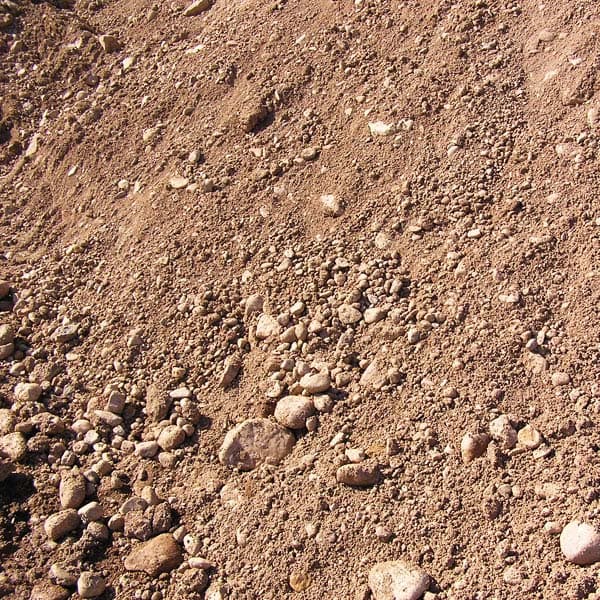
Texas properties also present unique challenges. Depending on the location, you may be working with hard clay, sandy soil, rocky ground, poor drainage, intense summer heat, slope erosion, or large areas that need coverage and material buildup before planting can begin.
For homeowners, landscapers, builders, HOAs, property managers, and commercial site crews, the most common materials used in Texas landscape and garden projects include:
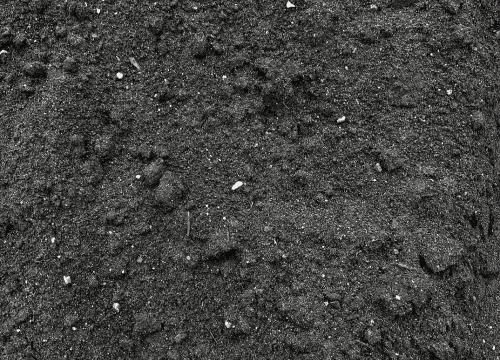
- Screened topsoil
- Screened soil
- Garden soil
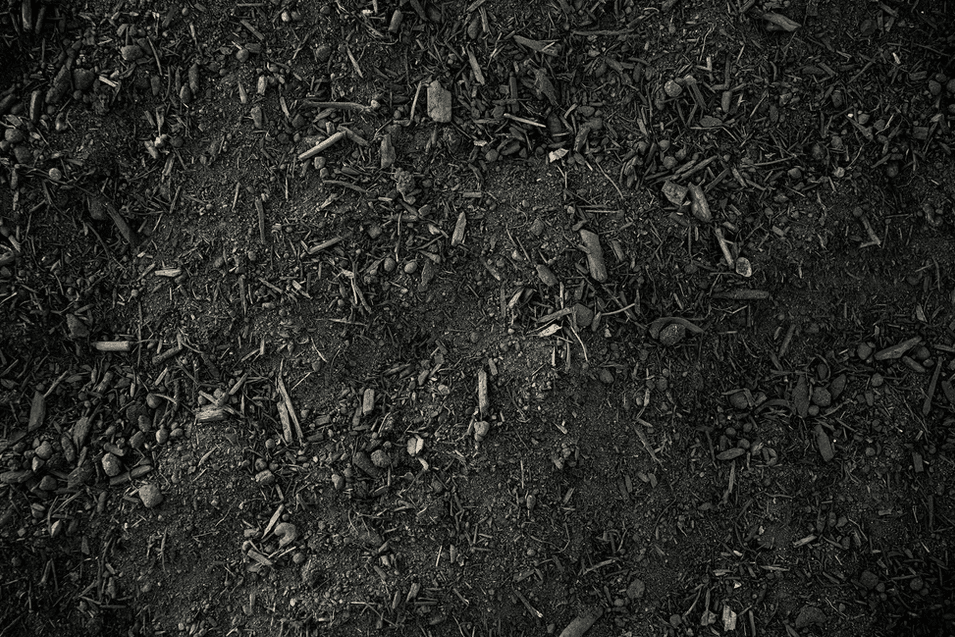
- Compost
- Mulch
- Sand
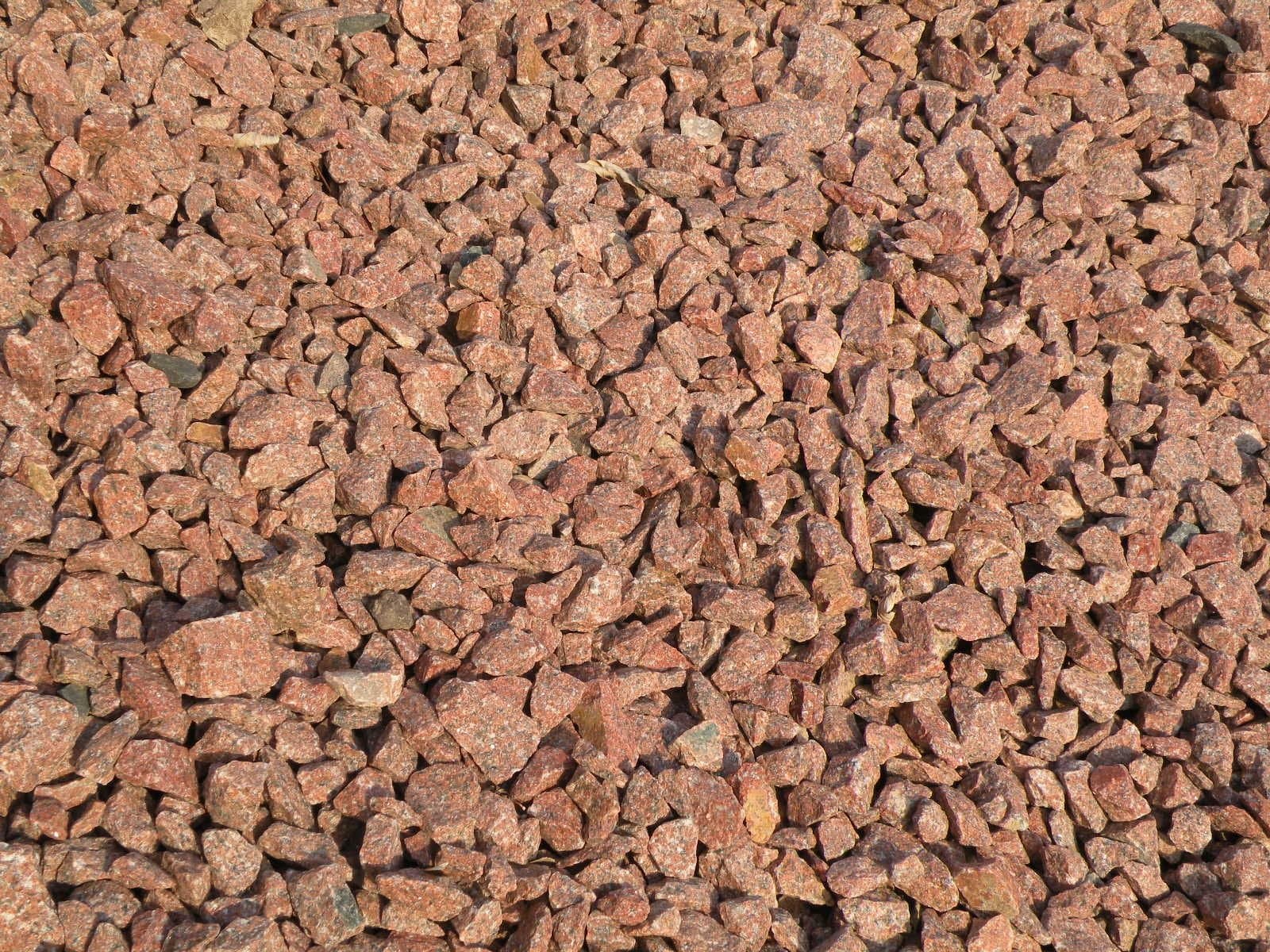
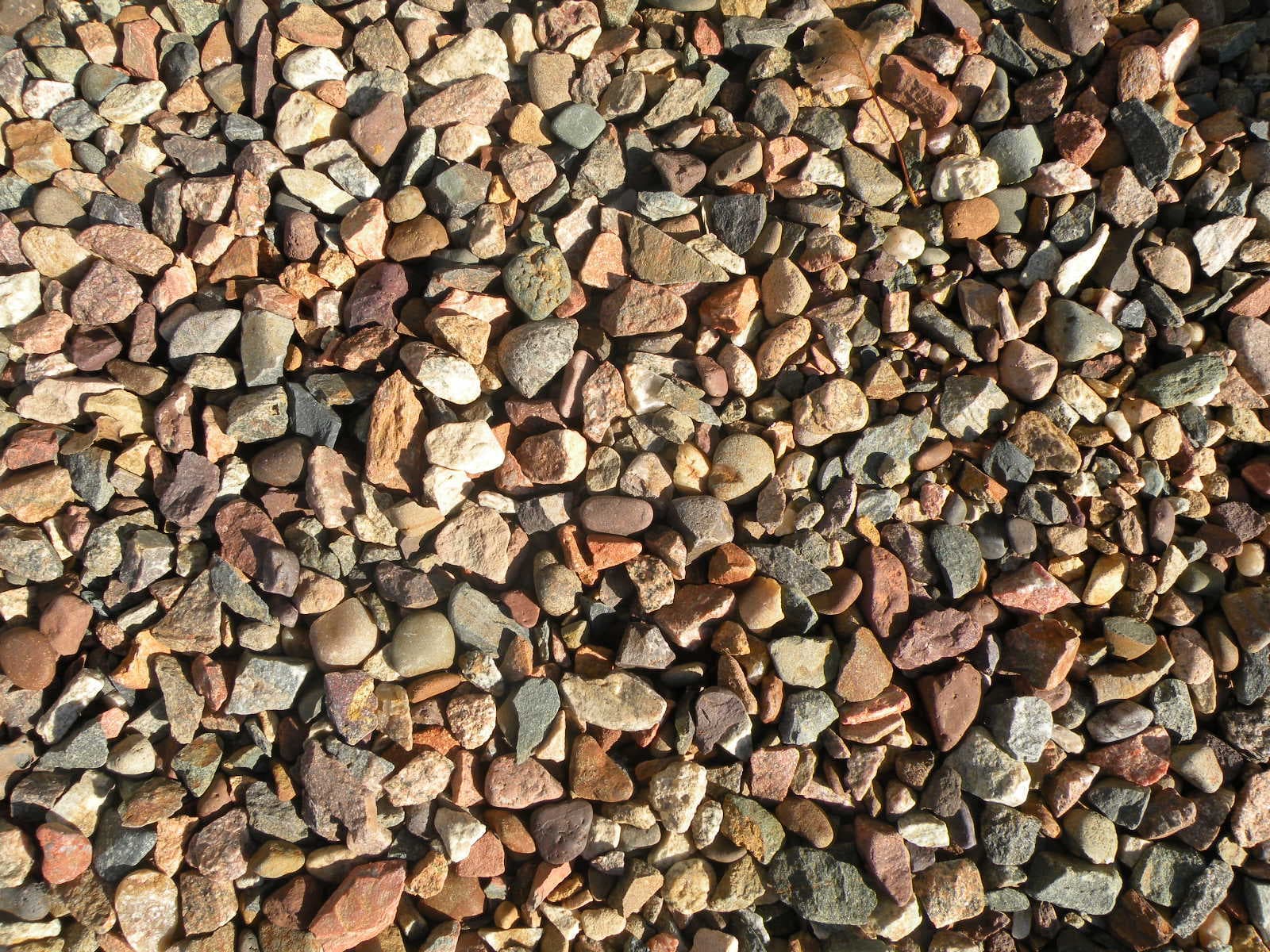
- Decorative gravel
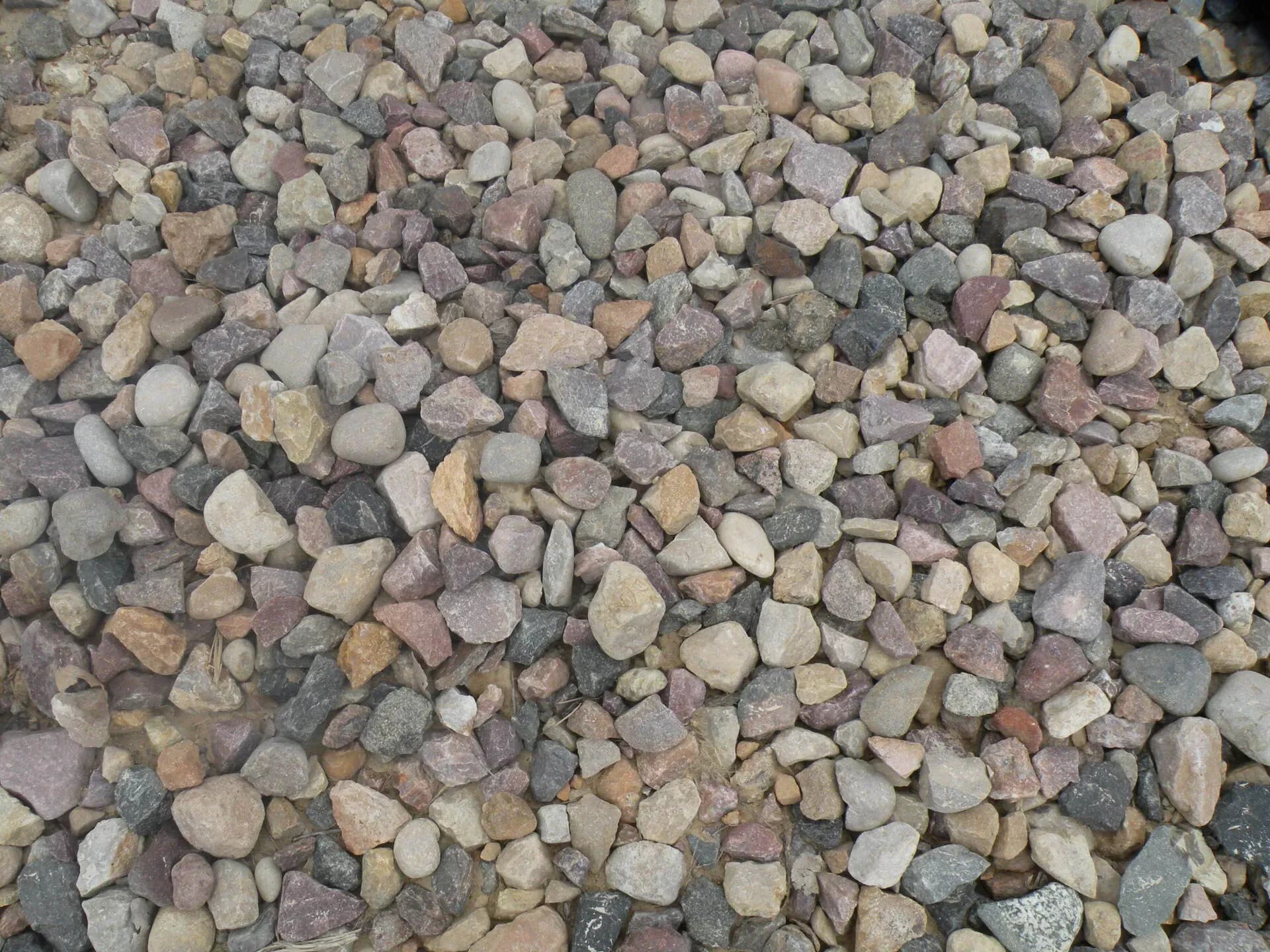
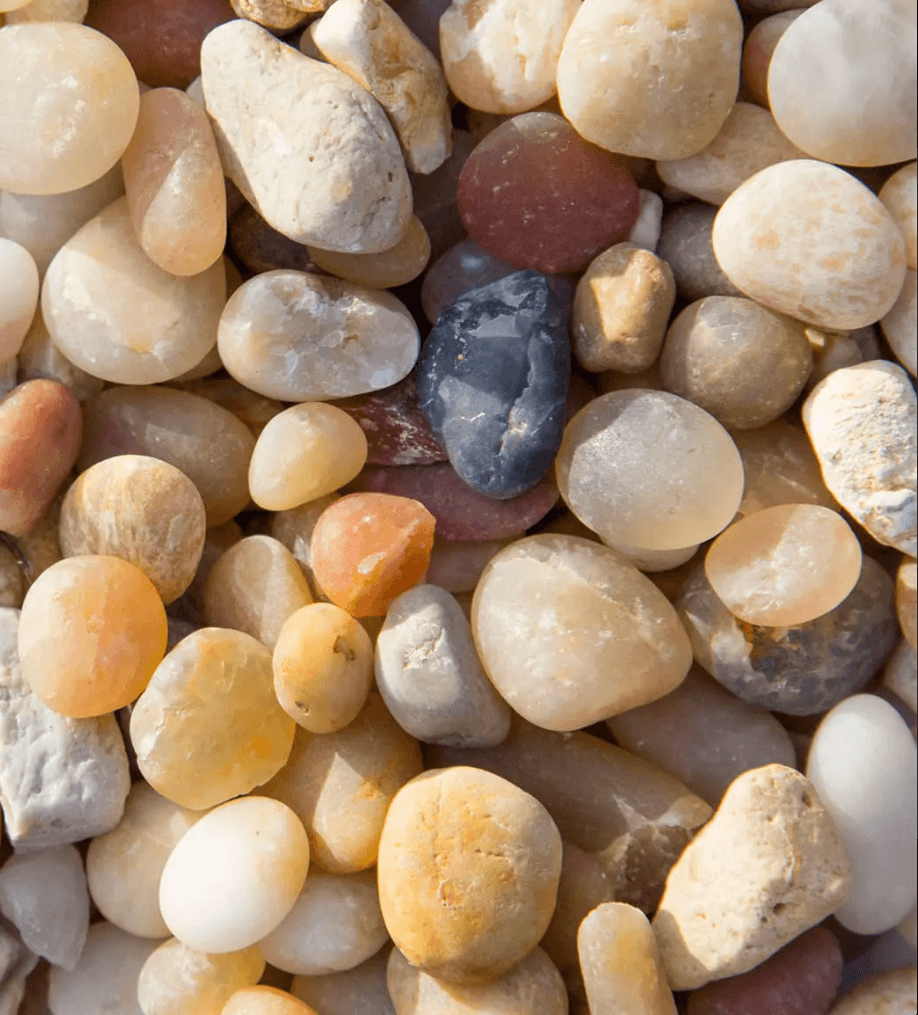
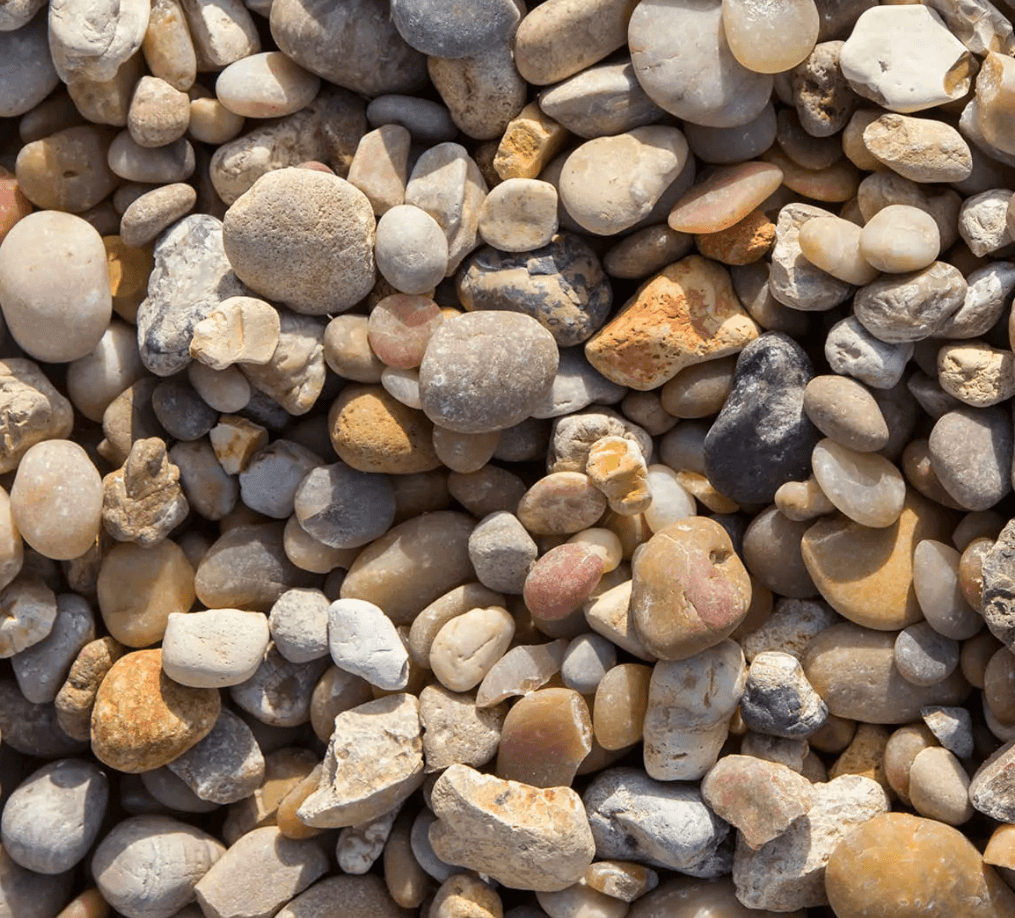
- River rock
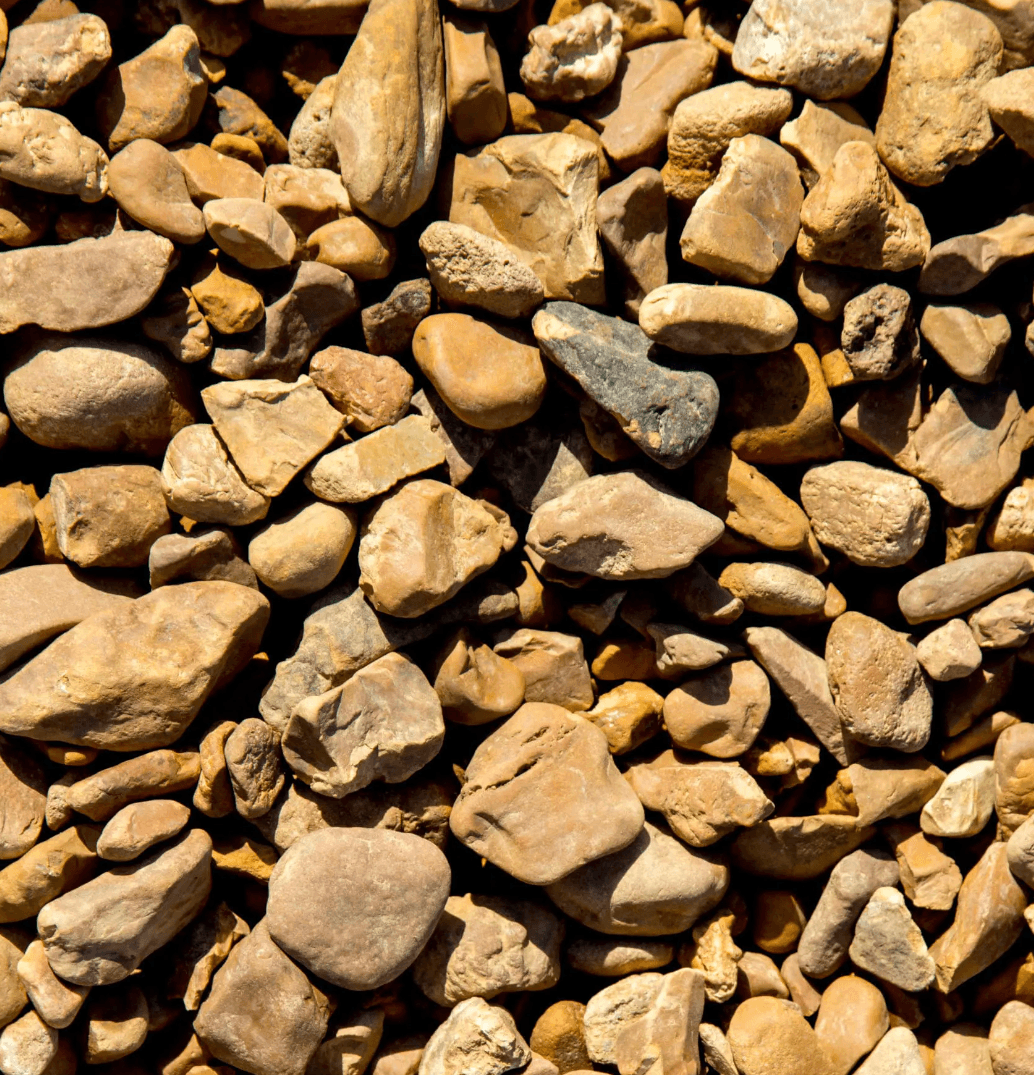
- Crushed stone
- Limestone gravel
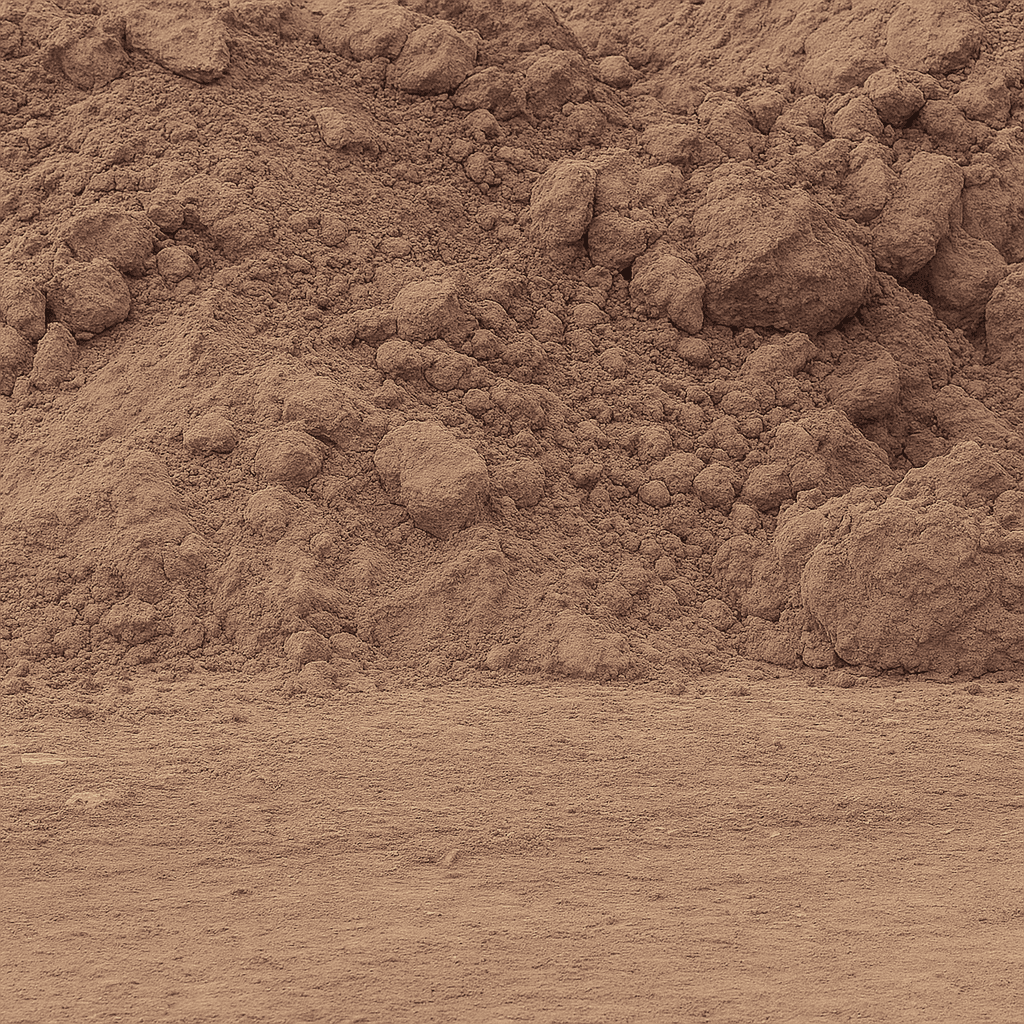
- Fill dirt
- Sod prep soil blends
The right material depends on what part of the project you are building and whether the main goal is planting, grading, drainage, appearance, erosion control, or low-maintenance ground coverage.
This guide explains how to approach a landscaping or gardening project in Texas step by step and where different bulk materials are commonly used.

Step 1: Start With the Purpose of the Project
Before ordering any material, decide what the area needs to do.
That sounds obvious, but it is where many landscape projects go wrong.
A front-yard landscape bed, vegetable garden, drainage swale, decorative border, lawn-renovation area, and backyard play zone may all look similar on a rough sketch, but they require different materials.
For example:
- A new lawn area may need screened topsoil or lawn soil
- A garden bed may need compost, garden soil, or blended planting soil
- A drainage area may need river rock, clean stone, or sand
- A decorative landscape bed may need mulch, gravel, or decorative rock
- A low area in the yard may need fill dirt first, then topsoil
- A commercial landscape project may require large volumes of topsoil, mulch, or rock delivered in phases
If you begin by asking “What am I trying to build?” instead of “What is the cheapest material?”, you usually make better decisions.
Step 2: Evaluate the Existing Ground
Many Texas yard and garden projects need some level of site preparation before the finished material goes down.
You may be dealing with:
- Uneven grade
- Compacted native soil
- Poor drainage
- Existing weeds or turf
- Clay-heavy ground
- Low spots
- Bare areas
- Construction debris
- Thin or depleted soil
- Erosion-prone slopes
Some areas may only need surface improvement, while others may require filling, reshaping, or soil replacement.
For example, if a new-construction yard has compacted subsoil and scattered debris, applying mulch directly on top will not fix the underlying issue. Likewise, if a future lawn area has low spots and poor grade, a thin layer of topsoil may not be enough.
Large landscaping projects often work best in layers:
- fill or grade correction where needed
- surface soil preparation
- planting or lawn layer
- mulch, decorative stone, or finishing material
Step 3: Correct Drainage and Grading Before Planting
One of the most common problems in Texas landscaping is trying to solve a grading or drainage issue only with plants or mulch.
If water is collecting near the home, ponding in the yard, washing through a planting bed, or moving too aggressively down a slope, the project may need grade correction or drainage work before final landscaping is installed.
This can involve:
- Filling shallow depressions
- Reshaping drainage paths
- Improving slope transitions
- Installing a swale
- Creating a dry creek bed
- Adding downspout runoff rock
- Building up areas around the home
- Installing clean stone or river rock in water-control areas
For larger drainage-related landscape projects, materials may include:
- Fill dirt for reshaping
- Screened soil for smoothing
- River rock for runoff areas
- Clean stone for subsurface drainage
- Sand for bedding or leveling
- Decorative gravel for visible drainage features
If the ground surface is not functioning properly, finish materials alone usually will not solve the problem.
Step 4: Use Fill Dirt or Screened Soil to Build Up Low Areas
Not every part of a landscape project needs premium planting soil.
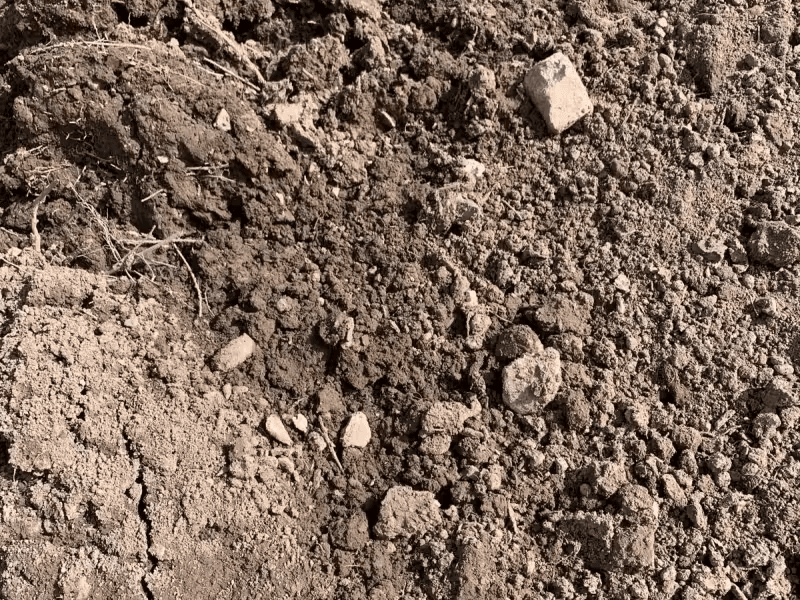
If the main goal is to raise elevation, fill a low area, or reshape part of the yard, fill dirt, unscreened soil, or screened soil may be the more practical starting material.
Fill dirt is commonly used for:
- Large low spots
- Major grade changes
- Building up rough yard areas
- Berm formation
- Slope reshaping
- Bulk filling before topsoil is applied
Screened soil is commonly used for:
- Smoother final grading
- Lawn prep
- Surface leveling
- Improving the finish over rough fill
- Preparing for seed or sod
- Building up landscape beds with a more workable material
For many Texas landscape projects, a common approach is:
- use fill dirt for deeper volume
- then add screened soil or topsoil near the surface
- then finish with sod, seed, mulch, compost, or planting material
That approach is often more economical than using premium garden soil throughout the entire depth of the project.
Step 5: Choose the Right Soil for Lawns, Gardens, and Planting Beds
One of the most important decisions in a landscape or gardening project is selecting the correct upper soil layer.
These materials are often confused with each other, but they serve different purposes.
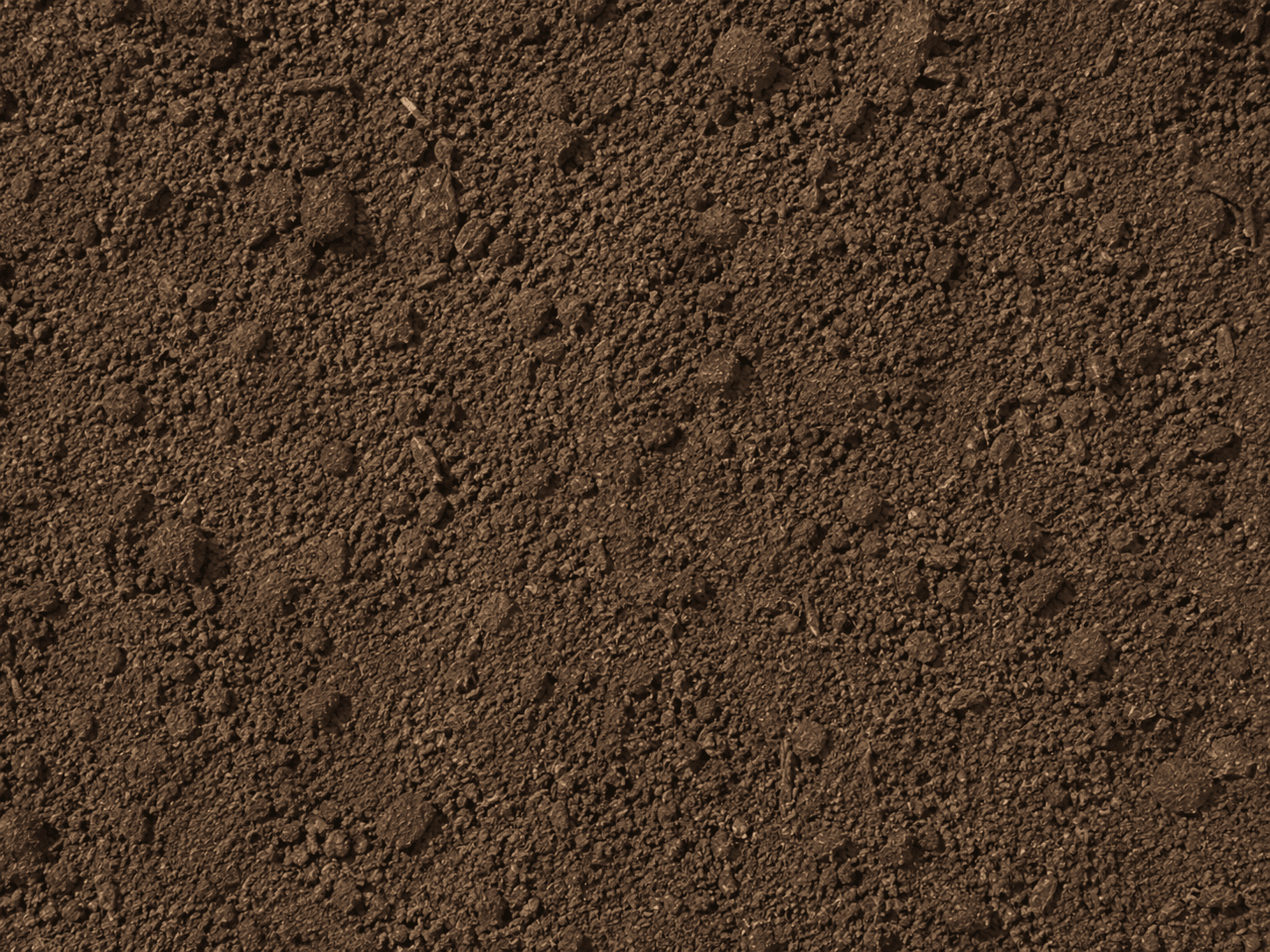
Screened Topsoil
Screened topsoil is commonly used for:
- Lawn preparation
- Surface smoothing
- Sod installation
- Seeding areas
- General yard improvement
- Final grading
It is usually a better finishing soil than raw or unscreened dirt because it spreads more evenly and creates a cleaner surface.
Screened Soil
Screened soil is similar in that it is easier to rake, level, and grade than unscreened material. It may be used where a smoother, more consistent surface is needed across lawns, landscape areas, or larger yards.
Garden Soil
Garden soil is usually better suited for:
- Flower beds
- Vegetable gardens
- Raised beds
- Shrub and planting areas
- Areas where better planting performance is the main goal
Depending on the supplier, garden soil may be a blend of soil, compost, sand, and other organic or mineral components designed more for planting than grading.
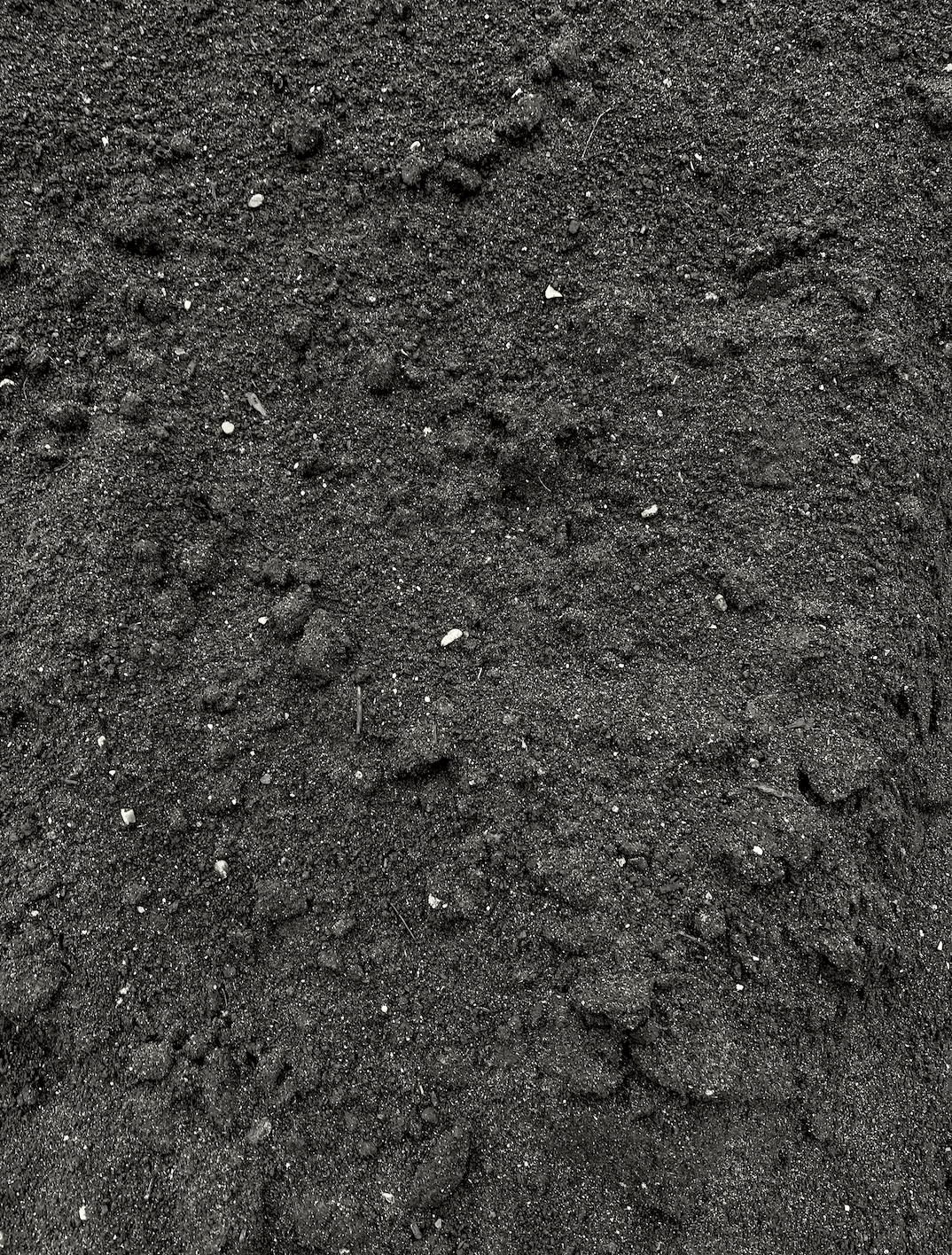
Compost
Compost is typically used as a soil amendment, not as a full replacement for all soil in a large area.
It is often incorporated into:
- vegetable gardens
- flower beds
- planting rows
- tree and shrub beds
- lawn top-dressing blends
- poor native soil that needs more organic matter
For many Texas homeowners and landscapers, the question is not topsoil or compost, but rather how much compost should be blended into the soil.
Step 6: Prepare the Lawn Area Properly
Texas lawn projects often fail because the surface is not prepared correctly before seed or sod goes down.
A smoother, healthier lawn usually begins with:
- removing debris
- correcting low spots
- improving drainage
- loosening compacted areas if needed
- applying screened topsoil or screened soil where needed
- grading the surface properly
- creating the final elevation before sod or seed
If the surface remains uneven, compacted, or poorly drained, the lawn may struggle regardless of what grass is installed.
For new lawns or major lawn repair, screened soil or topsoil is commonly delivered in bulk so larger areas can be graded consistently.
This is especially useful for:
- new-construction homes
- yard renovation projects
- large rural properties
- HOA common areas
- apartment grounds
- commercial landscapes
- parks and recreational areas
Step 7: Improve Garden Beds With Compost and Planting Soil
Texas gardening projects often benefit from improving the soil before planting begins.
Vegetable gardens, flower beds, and raised planters usually perform better when the existing soil is amended rather than left untouched, especially where native ground is compacted, sandy, or clay-heavy.
Compost is commonly added to:
- improve workability
- increase organic matter
- help moisture retention
- improve soil structure
- support root development
For raised beds and more plant-focused installations, a richer garden soil or planting mix may be a better choice than plain screened topsoil.
Large residential or commercial planting projects often need material by the cubic yard or truckload rather than in bags, especially when installing:
- multiple garden beds
- subdivision entrances
- tree islands
- commercial flower beds
- community gardens
- school gardens
- park improvements
Step 8: Use Mulch for Moisture Control and Bed Finishing
Mulch is one of the most common finishing materials in Texas landscaping.
It is used in residential, commercial, and municipal landscapes because it helps:
- reduce weed pressure
- improve the appearance of planting beds
- slow moisture loss
- separate planting areas from lawn
- create a finished and maintained look
Common mulch choices include:
- hardwood mulch
- shredded mulch
- black mulch
- brown mulch
- natural mulch
- pine bark or bark-based products
Mulch is commonly installed in:
- flower beds
- foundation beds
- tree rings
- shrub areas
- commercial property beds
- apartment complexes
- schools
- HOAs
- municipal landscapes
For larger properties, bulk mulch delivery is often more practical and cost-effective than buying dozens of bags.
Step 9: Use Decorative Rock or Gravel for Low-Maintenance Areas
Some Texas properties are better suited to rock-based landscaping in certain areas, especially where:
- irrigation is limited
- runoff is common
- traffic is higher
- maintenance needs to be reduced
- mulch tends to wash away
- a longer-lasting visible ground cover is preferred
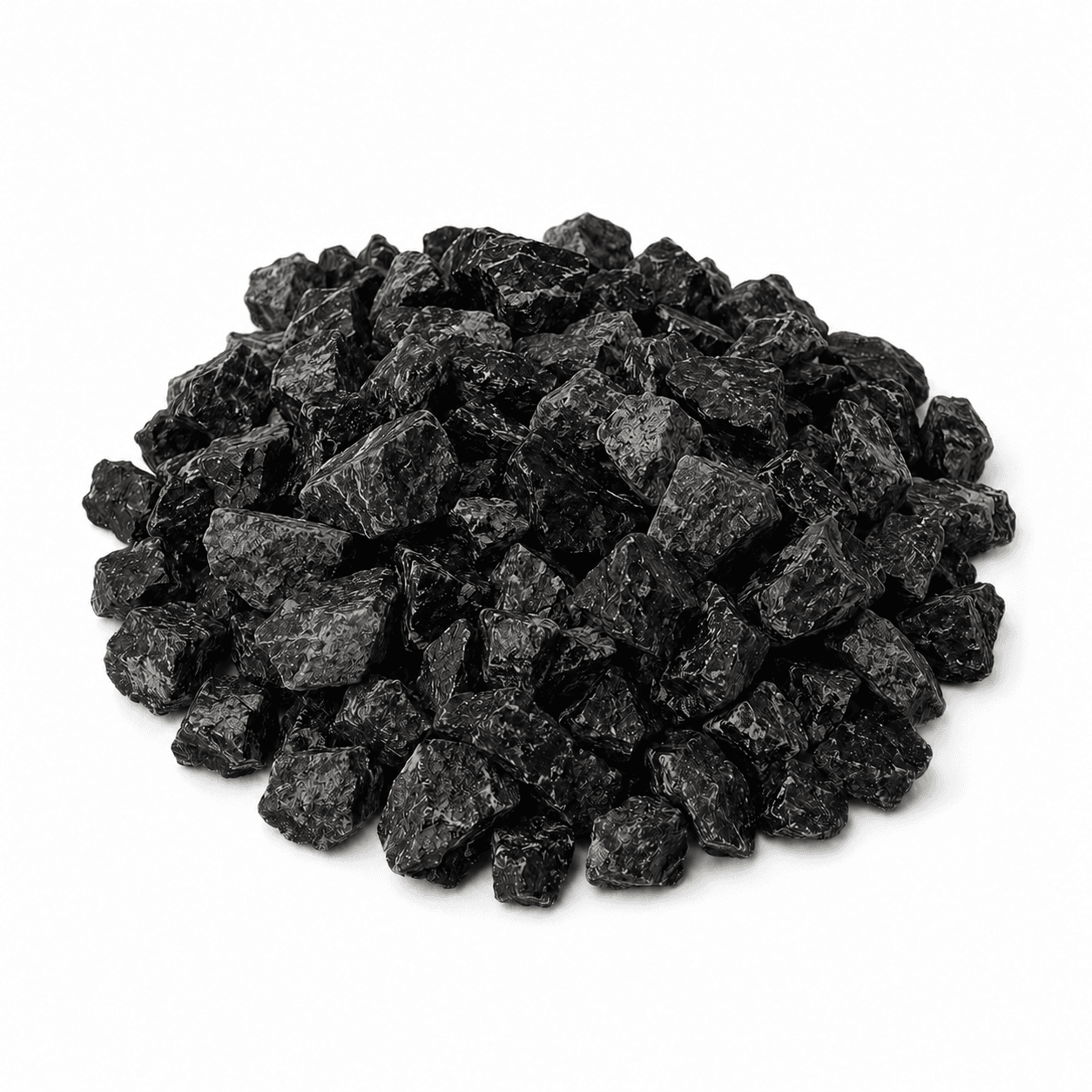
Decorative materials may include:
- river rock
- crushed granite
- limestone gravel
- decomposed granite
- decorative stone
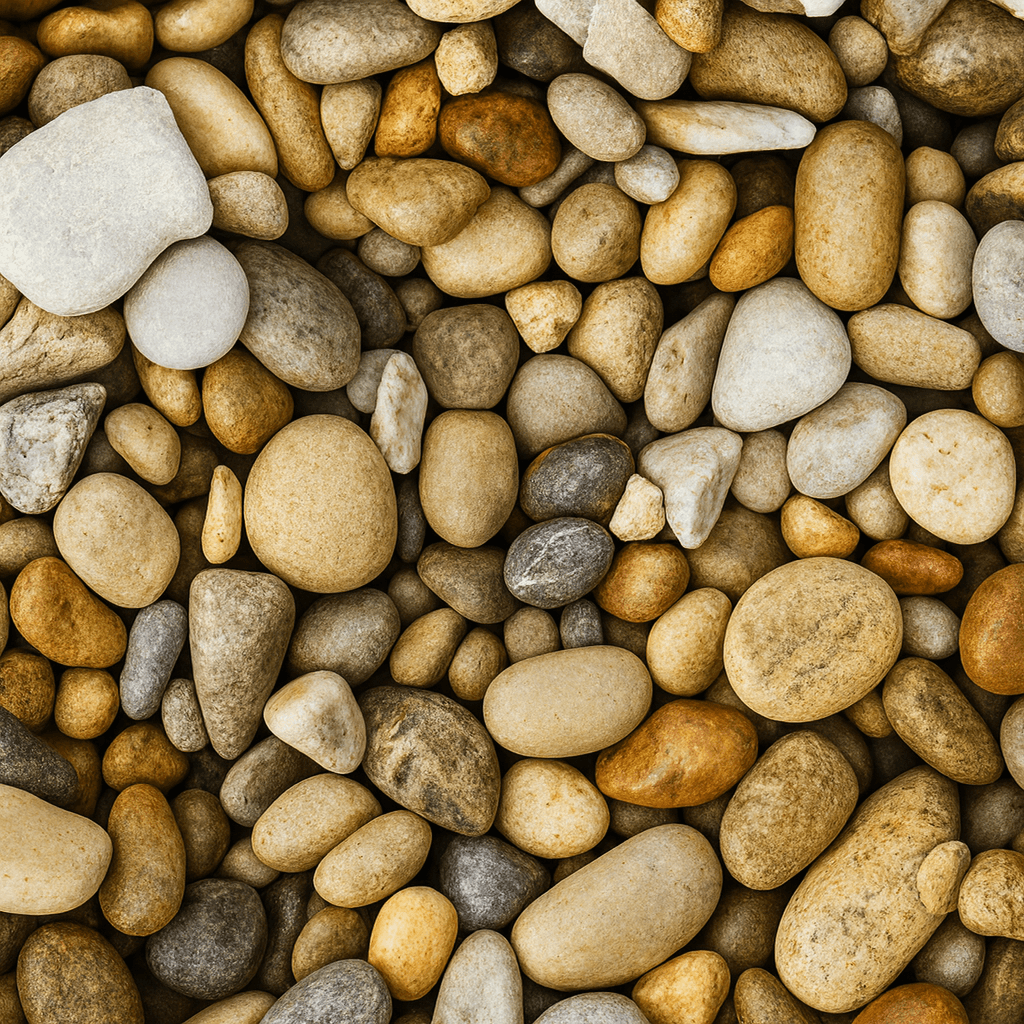
- pea gravel
- larger drainage rock
These products are often used for:
- borders
- pathways
- xeriscape areas
- decorative beds
- around buildings
- around patios and pools
- commercial frontage
- tree islands
- dry creek beds
- rain garden features
Rounded river rock is commonly used in drainage and decorative applications, while angular gravel or crushed stone may be preferred where greater stability is needed.
Step 10: Match the Rock Size to the Application
Choosing stone by color alone can lead to poor results.
The size of the rock often matters just as much as the appearance.
Smaller gravel and stone
Useful for:
- pathways
- top dressing
- small decorative beds
- compact spaces
- hardscape accents
1"–3" river rock
Useful for:
- landscape beds
- dry creek beds
- drainage areas
- around downspouts
- visible decorative coverage
2"–5" river rock
Useful for:
- larger drainage channels
- erosion-prone areas
- bold decorative features
- swales and runoff zones
- commercial landscape features
Larger stone may stay in place better under water flow, but it is usually not the best choice for normal walkways or compacted traffic areas.'

Step 11: Build the Project in Layers
A good landscape or garden project usually works better when the materials are selected by layer rather than trying to make one product do everything.
A typical project might look like this:
Low area correction:
Fill dirt or screened soil
Final yard smoothing:
Screened topsoil or screened soil
Garden bed improvement:
Compost blended into soil
Decorative bed finish:
Mulch or decorative rock
Drainage feature:
River rock or clean stone
Walkway or border:
Crushed stone, gravel, or sand depending on design
This layered approach is especially useful for larger Texas landscaping projects where both function and appearance matter.
Step 12: Calculate How Much Material You Need
Landscaping materials add up quickly. Use our bulk material calculator!
A small flower bed may only need a few cubic yards of mulch or soil, but a full yard renovation, drainage project, lawn install, or commercial landscaping job may require many truckloads.
For most bulk materials, the starting calculation is:
Length × Width × Depth = Volume
Then convert that volume into cubic yards.
Depth matters a lot.
Examples:
- mulch may be installed at a few inches
- topsoil may vary depending on lawn prep
- compost may be applied lightly or blended in
- fill dirt may be much deeper in low areas
- decorative rock coverage depends on rock size
For irregular yards, slopes, drainage areas, or large commercial jobs, it is usually better to estimate by section rather than trying to calculate the whole property as one rectangle.
Step 13: Bulk Delivery Often Makes More Sense Than Bags
Many Texas landscaping and gardening projects begin with a bagged-material mindset, but bulk delivery often becomes the better option once the area gets larger.
Bulk delivery is commonly the better fit for:
- new lawns
- multiple planting beds
- HOA or apartment projects
- commercial landscaping
- school or church grounds
- erosion-control projects
- drainage installations
- full-yard renovation
- large garden areas
- builder and developer landscaping work
Bulk supply can make it easier to source:
- screened topsoil
- mulch
- compost
- river rock
- gravel
- limestone
- sand
- fill dirt
- garden soil
in the quantities actually needed for the project.
It also reduces the labor of moving and opening large numbers of bags.
Step 14: Compare Delivered Cost, Not Only Material Price
For bulk landscaping materials, the lowest product price does not always mean the lowest real cost.
Delivered cost can depend on:
- material type
- source location
- delivery address
- quantity
- truck type
- haul distance
- site accessibility
- availability
- regional supply
That means the best buying decision is usually based on:
material suitability + delivered cost + quantity + source distance + site needs
rather than simply the cheapest listed yardage price.
For Texas properties, especially larger residential, rural, and commercial sites, trucking can be a major part of the total cost.
Step 15: Plan Material Delivery Around the Project Sequence
Larger landscape and gardening jobs often need materials in stages.
For example:
Stage 1: fill dirt or screened soil for grading
Stage 2: topsoil or garden soil for finishing
Stage 3: compost for planting areas
Stage 4: mulch or decorative rock for visible coverage
This is common for:
- new-construction landscaping
- backyard renovation
- developer punch-list landscaping
- HOA common areas
- large residential installs
- municipal beautification projects
- commercial property upgrades
Ordering in the right sequence helps prevent materials from being dumped on finished areas or getting in the way of later work.
Common Mistakes in Texas Landscape & Garden Projects
Using topsoil to fix drainage without correcting grade
Soil alone may not solve standing water if the yard still drains incorrectly.
Using mulch where runoff regularly washes through
Rock or drainage stone may be better in concentrated water-flow areas.
Using fill dirt as the final planting surface
Fill dirt is useful for volume, but it is usually not the ideal top layer for lawns or garden beds.
Using decorative rock where people need a stable walking surface
Some larger or rounded stones shift too much underfoot.
Applying compost as if it were a deep fill material
Compost is usually best used as an amendment, not a bulk grade-building substitute.
Buying too little material
Landscape coverage often gets underestimated, especially on deeper projects or irregular areas.
Buying bags for a truckload-sized project
Bulk delivery is often more practical and cost-effective once the project reaches larger volume.
What Materials Might a Texas Landscape Project Need?
A typical landscape or garden project may require:
Rough grading:
Fill dirt or screened soil
Lawn preparation:
Screened topsoil or lawn-prep soil
Garden beds:
Garden soil and compost
Planting improvement:
Compost or blended planting mix
Drainage areas:
River rock, clean stone, or gravel
Decorative beds:
Mulch, decorative stone, or gravel
Walkways and borders:
Crushed stone, sand, or decorative aggregate
The exact combination depends on the property, but most larger projects use more than one material.
Ordering Landscaping & Gardening Materials in Texas
Before requesting bulk material delivery, it helps to have:
- Delivery address
- Material type
- Estimated quantity
- Area dimensions
- Intended use
- Desired delivery timing
- Whether access is residential or commercial
- Whether the material is for lawn prep, grading, planting, drainage, or decorative finish
- Whether the project needs one load or ongoing delivery
For homeowners who are not sure what they need, describing the project often helps more than guessing the product name.
For example:
- “I need bulk topsoil for a new lawn in Texas.”
- “I need compost and garden soil for raised beds.”
- “I need river rock for a drainage swale.”
- “I need mulch for large landscape beds.”
- “I need screened soil to level a backyard.”
That gives enough context to match the project with appropriate materials.
Find Bulk Landscaping & Gardening Materials in Texas
Whether you are building a new lawn, flower bed, vegetable garden, drainage feature, decorative border, HOA landscape area, commercial planting zone, or full yard renovation, the success of the project usually depends on using the right material in the right layer.
Aggregate Markets helps homeowners, landscapers, builders, property managers, HOAs, municipalities, and commercial buyers source screened topsoil, screened soil, compost, mulch, river rock, gravel, limestone, sand, fill dirt, and other bulk landscape materials from suppliers serving their delivery area.
Enter your Texas delivery address to check available landscaping and gardening materials and compare delivered options for your project.
For larger or ongoing landscape projects, materials can also be sourced by quantity, project phase, and delivery requirements rather than purchased one bag at a time.