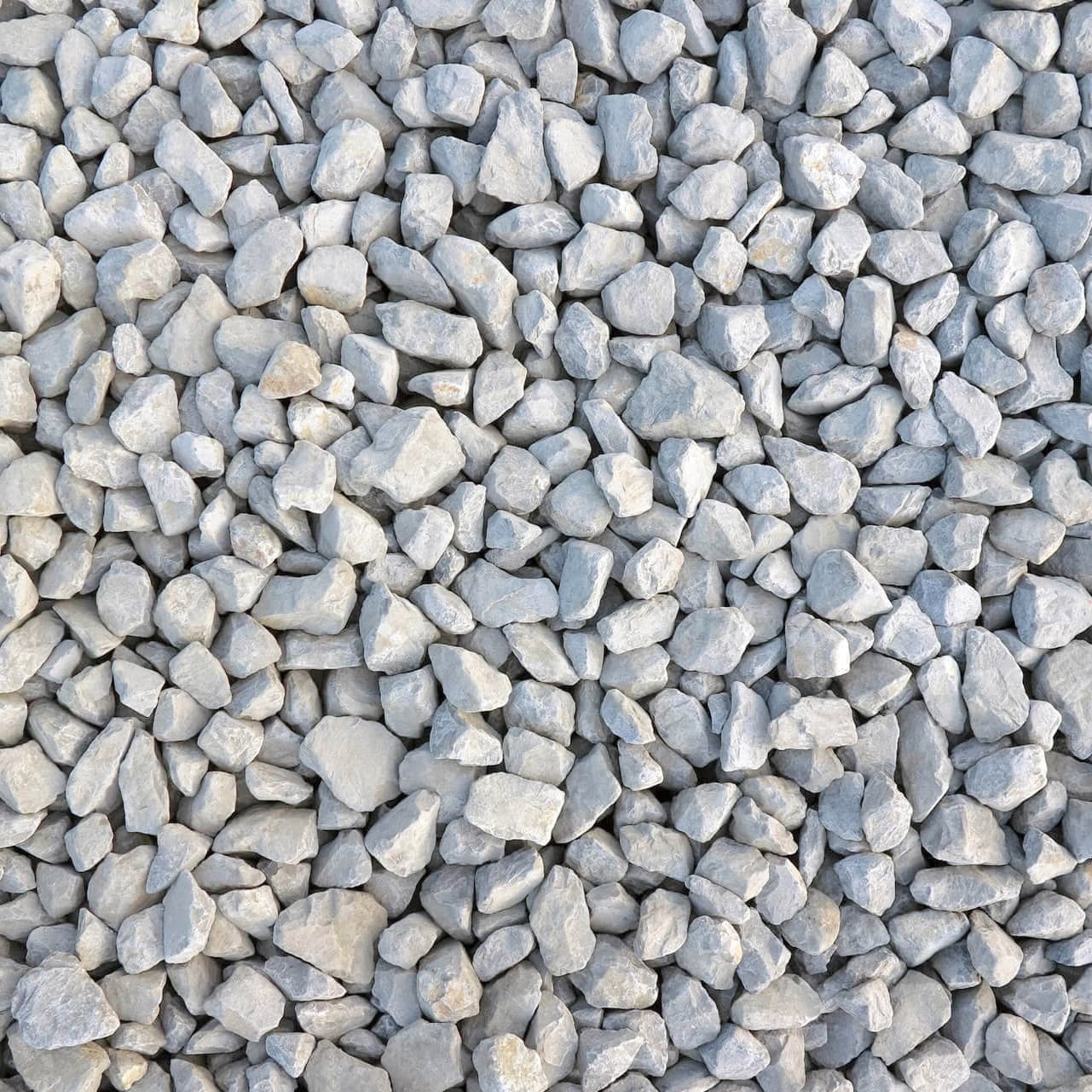
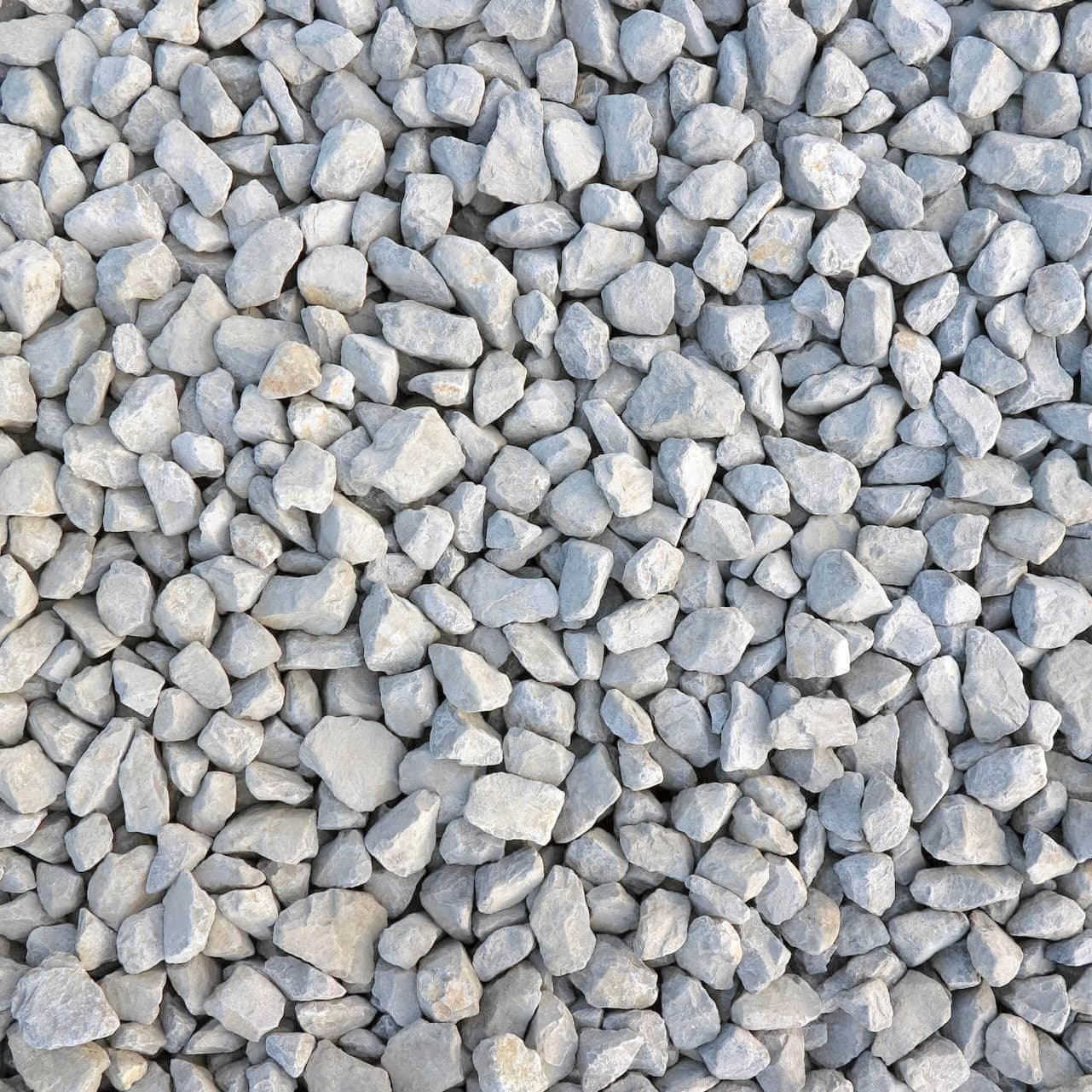
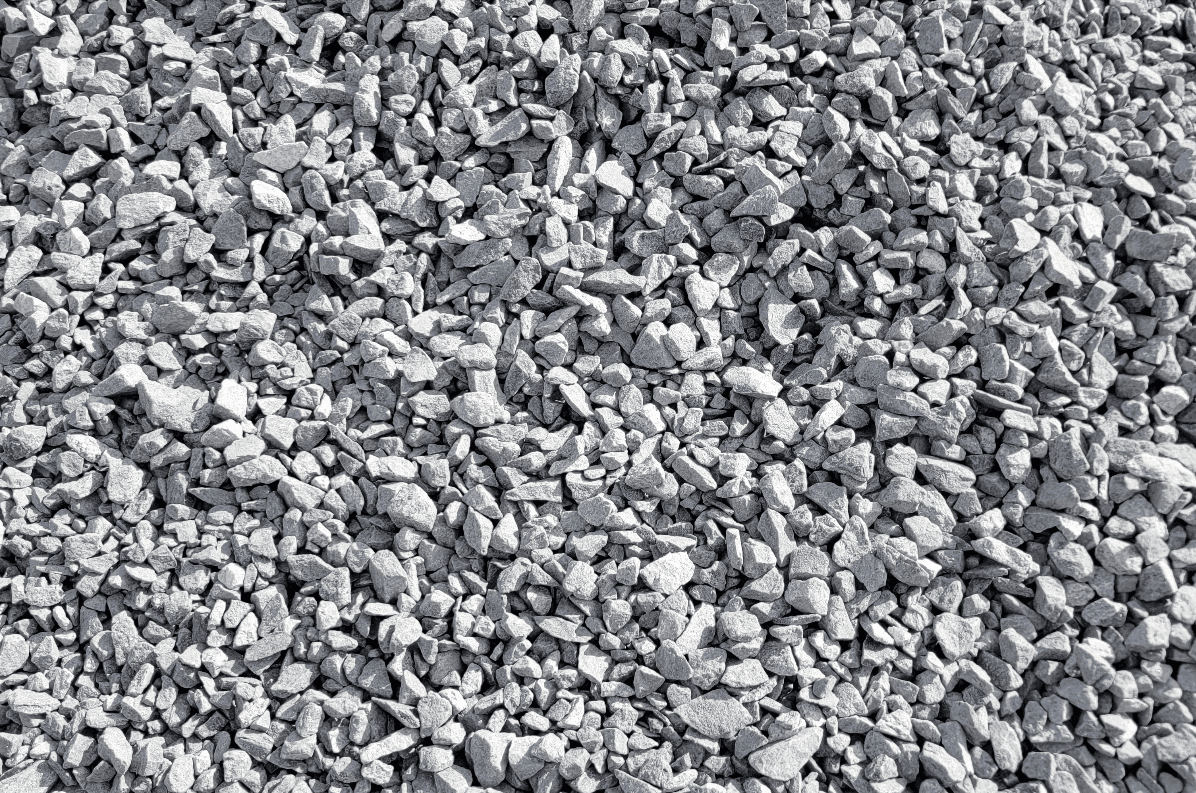
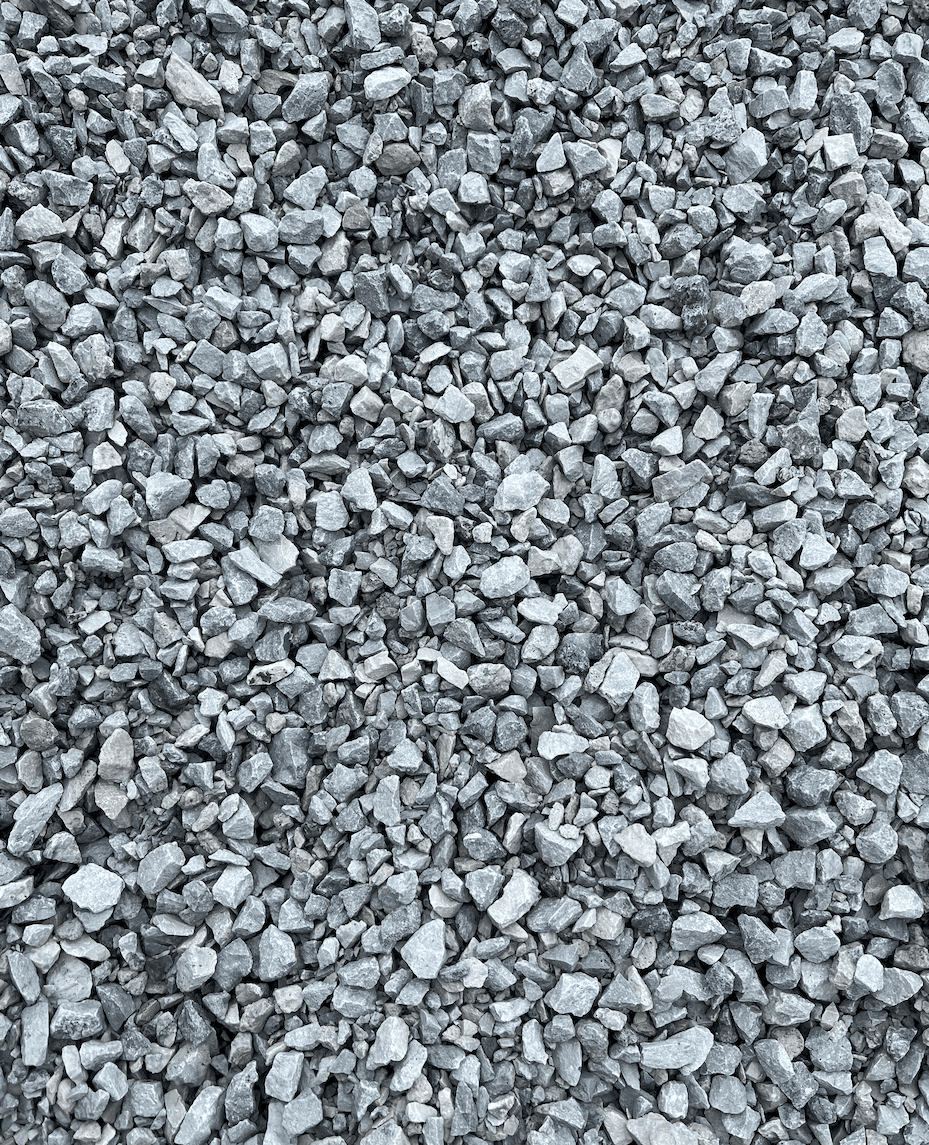
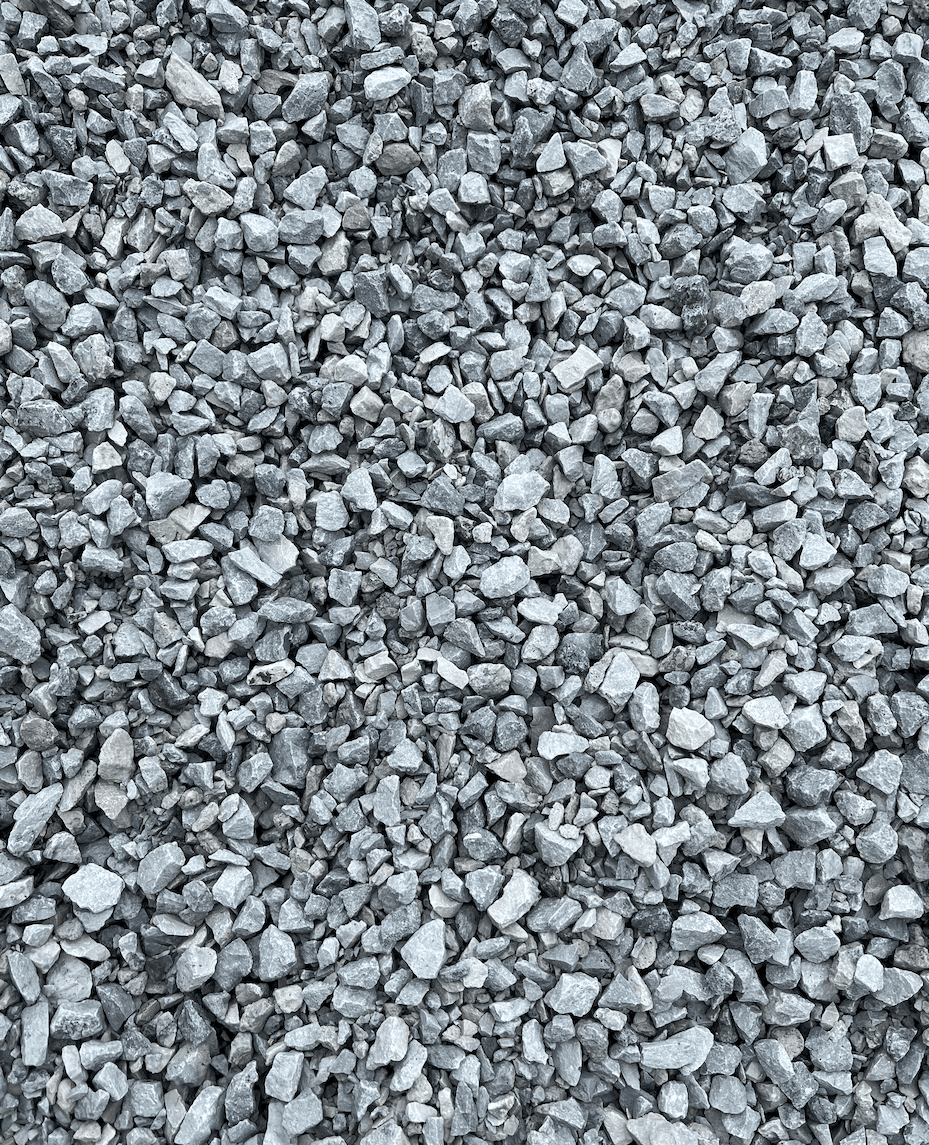
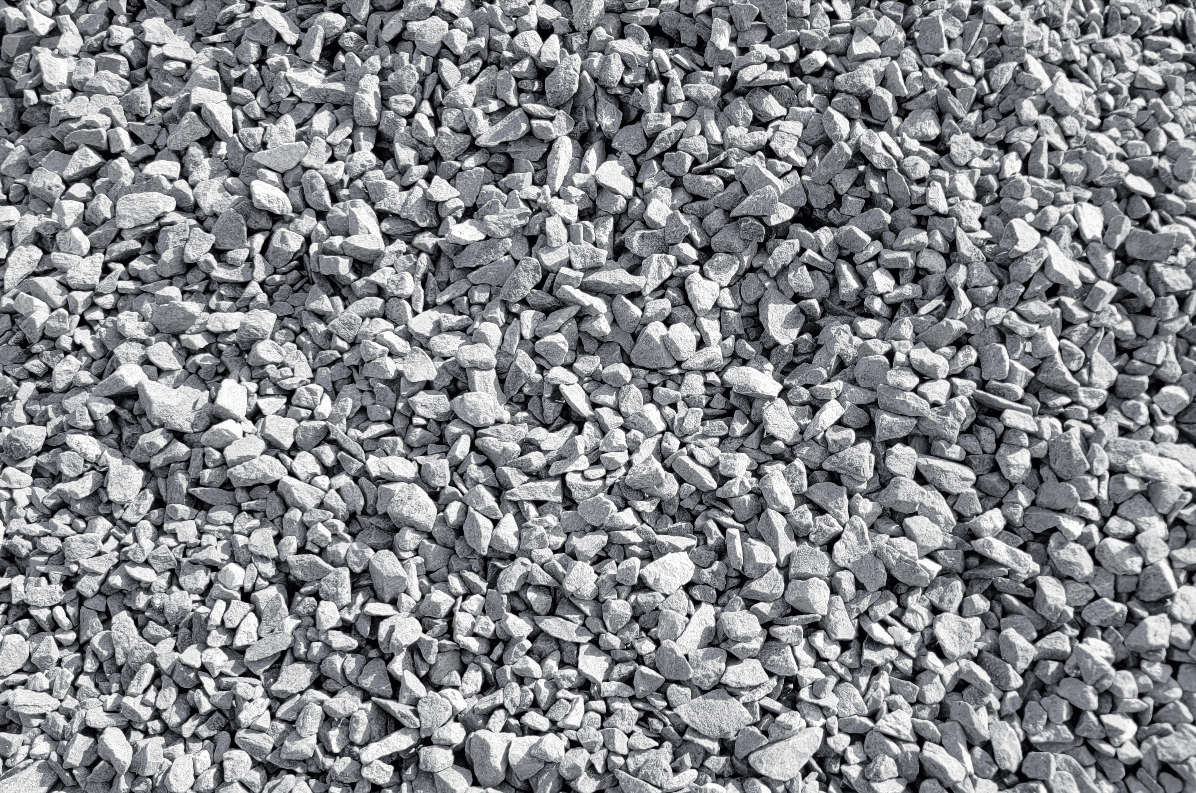
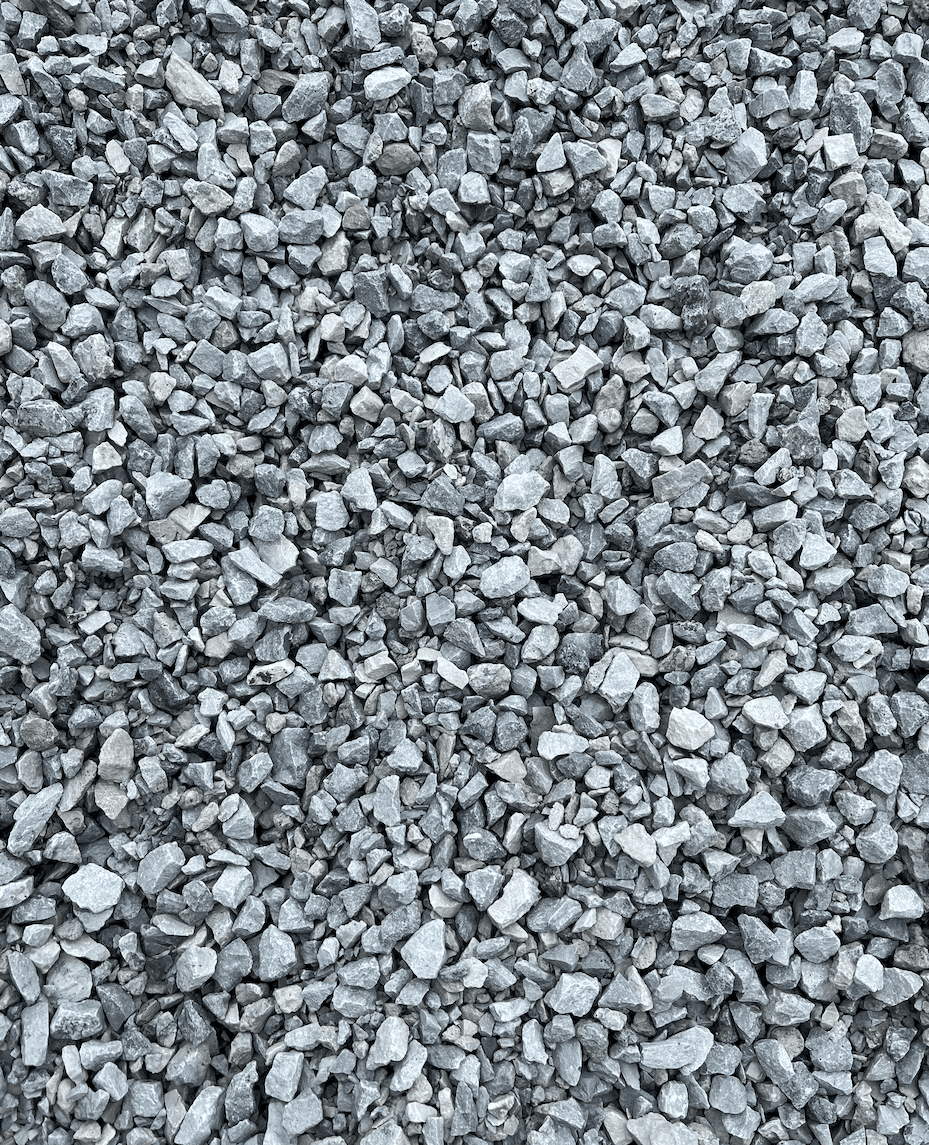
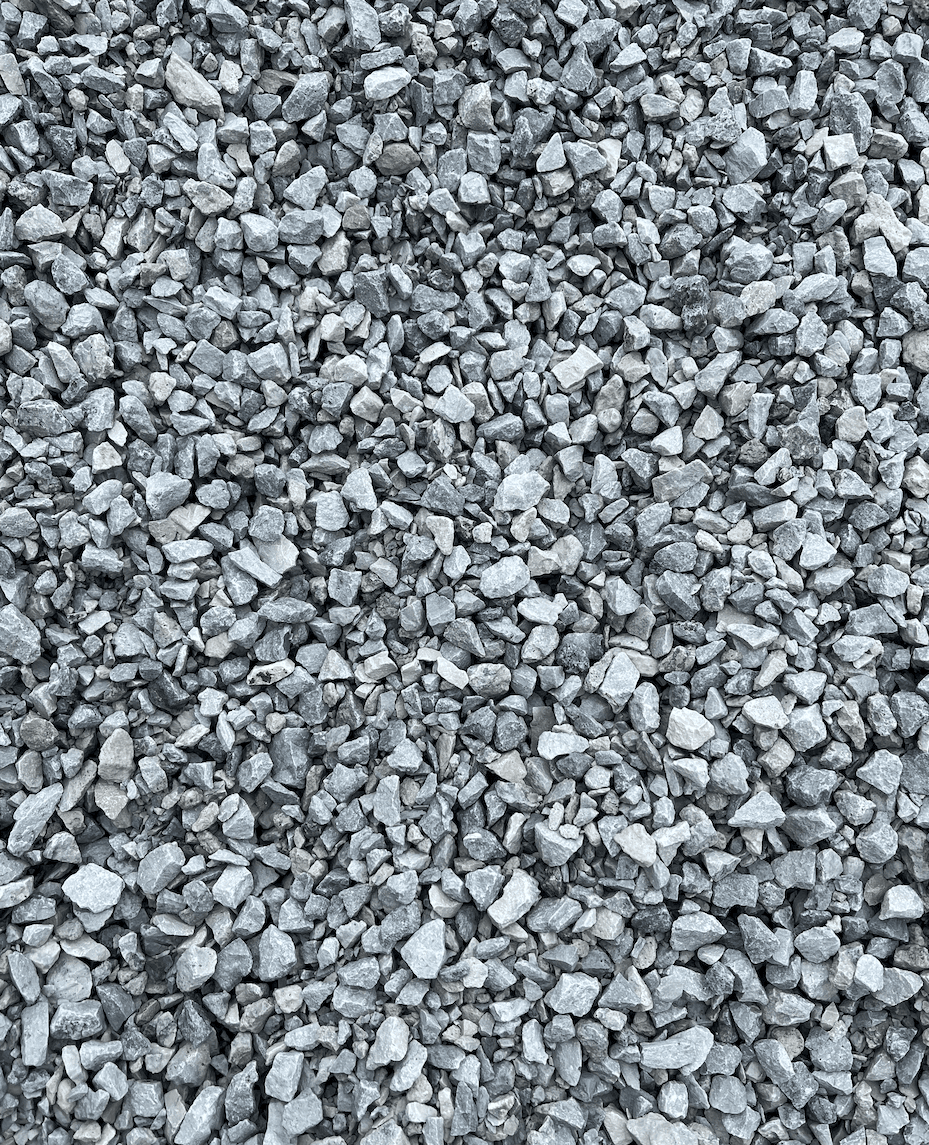
If you're deciding between #57 stone and #8 stone, the right choice depends on what you're building.
Both are commonly sold as clean, crushed aggregate with relatively few fines. The biggest practical difference is size: #57 stone is the larger material, while #8 stone is smaller.
That affects where each performs best. The main difference is simple:
👉 #57 stone = base and drainage
👉 #8 stone = top layer and finish
Once you get that, everything else falls into place.


- #57 stone is usually the better choice for drainage, heavier aggregate applications, driveway stone and areas where larger clean stone is specified.
- #8 stone is smaller and works well for walkways, bedding, smaller drainage applications, landscaping and projects where a finer stone surface is preferred.
- You can use them together, but most projects do not automatically require both.
- If you need a material that compacts into a dense structural base, you may actually need crusher run, road base, #53, ABC or another locally available dense-graded aggregate instead.
Both #57 and #8 are commonly classified as open-graded aggregate sizes rather than dense-graded base materials.
If you're already searching for #57 stone near me, #8 stone near me, #57 limestone price per ton, driveway gravel or bulk stone delivery, you're probably past the research stage.
The goal now is to choose the correct material, calculate how much you need and compare the delivered price to your address.
| Feature / Project | #57 Stone | #8 Stone | Better Starting Choice |
|---|---|---|---|
| Relative Size | Larger clean aggregate | Smaller clean aggregate | Depends on project |
| Typical Material | Limestone, granite or other crushed rock | Limestone, granite or other crushed rock | Check local availability |
| Fines / Stone Dust | Usually very little | Usually very little | Both are typically clean stone |
| Drainage | Excellent | Good for suitable smaller-stone applications | #57 Stone |
| French Drain | ✓ Common choice | Can work where specified | #57 Stone |
| Existing Gravel Driveway | ✓ Common resurfacing option | Smaller finished stone; use depends on site | #57 Stone |
| New Driveway Base | Not usually the same as a dense compactable base | Not usually the same as a dense compactable base | Consider Crusher Run / Road Base |
| Walkways | Coarser underfoot | ✓ Smaller and generally easier to walk on | #8 Stone |
| Pipe Bedding / Small Aggregate Areas | Larger material | ✓ Smaller gradation can suit specified bedding applications | #8 Stone when specified |
| Landscaping | Larger, more rugged appearance | Smaller, finer appearance | Personal preference |
| Compaction | Settles and interlocks but remains open graded | Settles more tightly but still lacks dense fines | Neither replaces dense-grade base |
| Best Overall Role | Drainage, driveways & larger clean-stone applications | Walkways, bedding & smaller finished-stone applications | Match the stone to the project |
What Is #57 Stone?
#57 stone is one of the most common clean aggregate sizes used in residential and commercial construction.
Depending on your location, it may be produced from:
- limestone
- granite
- trap rock
- other locally quarried stone
The exact gradation varies by specification and supplier, so don't assume every product labeled “#57” will look identical.
In general, however, #57 contains larger stone than #8 and very little fine material.
That gives it open spaces between the particles, allowing water to move through the aggregate.
Common Uses for #57 Stone
#57 stone is frequently used for:
- gravel driveways
- driveway resurfacing
- French drains
- drainage trenches
- foundation drainage
- construction backfill
- parking areas
- concrete aggregate
- landscaping
- certain pipe and utility applications
It is especially useful when you want clean stone without the dust and fines found in crusher run.
What Is #8 Stone?
#8 stone is a smaller clean aggregate.
You may also encounter descriptions such as:
- #8 limestone
- #8 gravel
- #8 crushed stone
- 3/8-inch stone
- chip stone
Those names are not necessarily interchangeable specifications, so always check the actual product description before ordering.
Because #8 is smaller than #57, it produces a finer-looking surface and can fit into applications where the larger stone would be uncomfortable or unnecessarily coarse.
Common Uses for #8 Stone
#8 stone may be used for:
- walkways
- landscaping
- smaller drainage applications
- pipe bedding
- concrete or asphalt applications
- driveway top dressing
- patio areas
- decorative stone
- construction applications requiring smaller clean aggregate
It can be easier to walk on than larger #57 stone and gives landscaping areas a tighter, more uniform appearance.
#57 Stone vs #8 Stone: What's the Main Difference?
The main difference is gradation and particle size.
#57 is the larger aggregate.
#8 is the smaller aggregate.
That sounds simple, but it changes how the material behaves.
Larger #57 Stone
Creates larger void spaces between particles.
That makes it particularly useful when:
- drainage is important
- larger clean stone is specified
- you're resurfacing certain gravel driveways
- you're filling a deeper aggregate section
Smaller #8 Stone
Creates a finer aggregate surface.
That makes it useful when:
- you want a smaller stone underfoot
- appearance matters
- the project specification calls for smaller clean stone
- you're bedding or filling around smaller features
Neither behaves exactly like crusher run because both generally contain relatively little fine material.
Which Is Better for a Gravel Driveway?
For many buyers, this is the real question.
Existing Driveway With a Good Base
If your driveway already has a stable compacted base and simply needs fresh stone, #57 can be an excellent resurfacing option.
The angular stone provides a durable gravel surface while still allowing water to move through it.
#8 can also be used in some driveway applications where a smaller finished stone is desired, but smaller stone can move more easily under tires depending on the site and material.
For most normal gravel driveway resurfacing projects, I'd generally start by looking at #57 stone or another locally recommended driveway aggregate.
What About a Brand-New Driveway?
This is where the old version of this article was misleading.
A new driveway does not automatically mean:
#57 base → #8 top
If you're building over soil, the driveway typically needs a stable structural base.
That may mean using something such as:
- crusher run
- crush and run
- road base
- ABC stone
- #53
- dense-grade aggregate
- another locally specified compactable base
The correct name depends heavily on your region.
Once that base is prepared and compacted, clean aggregate such as #57 stone may be used as a surface depending on the driveway design.
So if you're building from scratch, don't choose between #57 and #8 until you know whether you first need a compactable base material.
Which Is Better for a Muddy Driveway?
Usually, neither stone size alone solves a failed driveway.
If gravel repeatedly disappears into mud, the underlying issue may be:
- weak subgrade
- poor drainage
- inadequate stone depth
- insufficient base material
- standing water
- poor grading
Dumping a few inches of #8 over mud can result in the smaller stone working into the soil.
Adding #57 may temporarily improve the surface, but if the underlying ground is failing, you may still need to rebuild the base.
For a seriously muddy driveway, think:
fix drainage → stabilize subgrade → build compactable base → add surface aggregate
rather than simply buying whichever stone is cheapest.
#57 Stone vs #8 Stone for Drainage
For larger drainage projects, #57 stone is commonly the stronger starting choice.
Its larger particle size creates open spaces through which water can move.
Typical applications include:
- French drains
- drainage trenches
- foundation drainage
- certain retaining-wall drainage areas
- wet areas around properties
#8 can also drain because it is typically a clean aggregate, but the smaller gradation means it creates a different void structure.
If your plans or drainage system specify a certain stone size, follow that requirement rather than substituting based only on price.
Which Stone Should You Use for a French Drain?
#57 stone is commonly used around perforated drainage pipe because it provides good drainage while being readily available in many markets.
However, local specifications and contractors may recommend another clean aggregate.
For a French drain, the more important distinction is often:
clean drainage stone vs material containing lots of fines
rather than simply #57 versus #8.
Fines can reduce the amount of open space available for water movement.
Which Is Better for Walkways?
Here, #8 stone often has the advantage.
Because it is smaller, it generally creates a finer walking surface than larger #57 stone.
That can make it a good choice around:
- homes
- gardens
- sheds
- patios
- commercial landscaping
- HOA common areas
- churches
- schools
- rental properties
But if the walkway needs a solid, compacted foundation, #8 stone should not automatically be treated as the structural base.
You may still need a properly prepared compactable aggregate underneath.
Which Is Better for Landscaping?
Both can work.
The decision is mostly about:
- desired appearance
- stone size
- drainage
- foot traffic
- local stone color
- availability
Choose #57 When:
You want:
- a larger, more rugged stone
- substantial drainage
- fewer small particles
- stone around larger landscape features
Choose #8 When:
You want:
- a finer gravel appearance
- easier walking
- stone around planting areas
- a smaller-scale landscape texture
The available stone can also look dramatically different depending on whether your local #8 or #57 is limestone, granite or another rock.
Can You Use #57 and #8 Stone Together?
Yes.
But you do not automatically need to.
One legitimate use is adding smaller stone into or over larger aggregate where the project design calls for it.
For example, a landscaping or walking area could have larger aggregate underneath and smaller stone as the visible finished surface.
However, putting #8 on top of #57 doesn't magically turn the system into a compacted structural base.
If structural stability is the goal, a dense-graded product containing multiple particle sizes and fines may be more appropriate underneath both.
The better question is:
What does each layer need to accomplish?
- Structural base?
- Drainage?
- Finished driveway?
- Walking surface?
- Decorative appearance?
Choose the material for the function rather than assuming every project needs two stone sizes.
#57 Stone vs Crusher Run: Don't Confuse Them
This is an important distinction.
#57 Stone
Generally:
- clean aggregate
- few fines
- good drainage
- does not compact into the same dense surface as crusher run
Crusher Run
Generally contains:
- larger crushed stone
- smaller particles
- stone dust/fines
Those different particle sizes fill the voids when compacted.
That makes crusher run much better suited to many driveway base and structural base applications.
If you're building a new driveway and deciding between crusher run and #57 stone, crusher run may be the base while #57 becomes the surface.
Is #8 Stone the Same as Pea Gravel?
No.
Even if both products may fall into a similar general size range, the shape can be different.
Pea gravel is typically more rounded.
Crushed #8 stone is generally more angular.
That matters because rounded stone moves more easily under foot and tire traffic, while angular crushed aggregate can interlock more effectively.
Don't purchase material based only on the stated diameter.
Check:
- stone type
- shape
- gradation
- whether it is washed/clean
- intended use
Is #57 Stone Always Limestone?
No.
“#57” refers to an aggregate size/gradation designation rather than one particular rock type.
Depending on local geology, you may find:
- #57 limestone
- #57 granite
- #57 trap rock
- other crushed rock products
That's why searches for #57 limestone near me may produce different options in Tennessee or Indiana than someone sees in Texas, Georgia or another state.
Buy based on the actual locally available product and project requirements.
How Much #57 or #8 Stone Do I Need?
Start by calculating volume.
Formula
Length × Width × Depth = Cubic Feet
Then:
Cubic Feet ÷ 27 = Cubic Yards
Example
Suppose your project is:
- 40 feet long
- 10 feet wide
- 3 inches deep
Convert 3 inches to feet:
3 ÷ 12 = 0.25 feet
Then:
40 × 10 × 0.25 = 100 cubic feet
100 ÷ 27 = approximately 3.7 cubic yards
If the supplier sells by the ton, convert the calculated volume using the density of the specific aggregate being ordered.
Don't use one universal tons-per-yard conversion for every stone because density varies by material and moisture.
Should I Order #57 or #8 Stone by the Ton?
Bulk aggregates are often sold by weight, although some suppliers also describe quantities in cubic yards or truckloads.
For larger projects, you'll usually be ordering tons, not individual bags.
Typical bulk projects include:
- gravel driveways
- parking areas
- French drains
- commercial properties
- rental-property maintenance
- landscaping
- construction sites
If you only need a few square feet, bagged material may be easier.
If you need several tons, bulk dump-truck delivery is usually far more practical.
How Much Does #57 Stone Cost Per Ton?
There is no useful single nationwide price.
The material price depends on:
- stone type
- quarry
- region
- quantity
- local availability
But the bigger issue is delivery.
Two suppliers could sell almost identical #57 stone at different quarry prices, yet the more expensive material may still have the lower delivered cost if that quarry is closer to your project.
So when comparing:
- #57 stone price per ton
- #8 stone price per ton
- gravel prices near me
look at:
Material + Delivery to Your Address
That's the figure that determines what the order actually costs.
Why Delivery Distance Matters
Stone is heavy.
That means trucking can be a major part of the final invoice.
For example, buying inexpensive gravel from a distant supplier may make no financial sense if another quarry has a similar product much closer to your property.
Delivery pricing can be affected by:
- distance
- truck capacity
- tonnage
- number of loads
- road restrictions
- property access
- local hauling rates
The cheapest stone isn't necessarily the cheapest delivered stone.
Can a Dump Truck Deliver #57 or #8 Stone to My House?
Usually, yes, provided the property has suitable access.
Before ordering, check:
- driveway width
- gate width
- overhead power lines
- low tree branches
- septic systems
- soft lawns
- weak culverts
- steep slopes
- tight turns
- room to safely dump
A loaded dump truck is far heavier than a passenger vehicle.
If access is limited, a smaller truck may be a better option even if it requires a smaller load.
Which Should You Buy? #57 or #8 Stone?
Here's the simple buying decision.
Buy #57 Stone If You Need:
- larger clean stone
- French-drain stone
- drainage aggregate
- driveway resurfacing
- parking-area gravel
- construction aggregate
- a more substantial clean stone
Buy #8 Stone If You Need:
- smaller crushed stone
- a finer walking surface
- landscape stone
- bedding aggregate
- smaller stone around pipes or construction features
- a smaller finished aggregate appearance
Look at Crusher Run or Road Base Instead If You Need:
- a compacted new-driveway base
- a structural parking-pad base
- a dense layer under pavers
- a material designed to bind tightly when compacted
And if your plans specify a particular gradation, use the specified material rather than substituting based on appearance.
Where Can I Buy #57 Stone or #8 Stone Near Me?
Once you know which material you need, the next question is availability.
Searching individually for:
- #57 stone near me
- #8 stone near me
- #57 limestone near me
- #57 gravel delivery near me
- #8 limestone near me
- bulk crushed stone near me
can produce dozens of local quarry, landscape-yard and hauling-company results.
But you still need to determine:
- whether they deliver to your address
- minimum order quantity
- available truck size
- actual material type
- delivered cost
Aggregate Markets lets homeowners, contractors and property managers search for bulk aggregates available for delivery to their project location.
Depending on local availability, you may find:
- #57 limestone
- #57 granite
- #8 limestone
- #8 stone
- crusher run
- road base
- drainage stone
- pea gravel
- crushed stone
- other locally available aggregate sizes
Instead of comparing quarry prices alone, compare the material based on the delivered cost to your home or job site.
Final Answer: #57 Stone vs #8 Stone
If you're choosing between the two:
#57 stone is larger and generally better suited to drainage, driveway and heavier aggregate applications.
#8 stone is smaller and often better for walking surfaces, bedding, landscaping and projects that need a finer clean stone.
But there is no rule saying every project needs both.
And neither should automatically replace a compactable base such as crusher run when the project needs structural support.
The smartest order is:
choose the application → choose the stone → calculate the quantity → compare delivered prices.
If you already know the project dimensions, enter your delivery location on Aggregate Markets to check #57 stone, #8 stone and similar locally available aggregates delivered near you.
Frequently Asked Questions
Is #57 stone bigger than #8 stone?
Yes. #57 is the larger aggregate gradation, while #8 consists of smaller stone. Exact gradation can vary by specification and supplier.
Which is better for a driveway, #57 or #8 stone?
For resurfacing an existing gravel driveway with a stable base, #57 stone is commonly a strong option. For a completely new driveway, you may first need a compactable base such as crusher run or road base.
Is #57 stone good for drainage?
Yes. Clean #57 stone is commonly used in French drains and other drainage applications because the aggregate contains relatively few fines and leaves open voids for water movement.
Does #57 stone compact?
It can settle and interlock under load, but it does not compact into the same dense layer as crusher run or dense-grade aggregate because it lacks the same distribution of fines.
Does #8 stone compact?
#8 stone can settle and tighten somewhat, but clean #8 stone should not be confused with a dense-graded compactable base.
Can I put #8 stone over #57 stone?
Yes, in some applications. But it is not required for every project, and the combination does not automatically replace a structural base.
Is #8 stone good for walkways?
Yes. Its smaller particle size can make it more comfortable underfoot than larger #57 stone.
What is #57 stone used for?
Common uses include drainage, driveway resurfacing, parking areas, construction aggregate, backfill and landscaping.
What is #8 stone used for?
Common uses include walkways, landscaping, bedding, smaller drainage applications and construction applications requiring smaller clean aggregate.
Is #57 stone the same as #57 limestone?
Not necessarily. #57 describes the aggregate gradation. Limestone is the rock type. #57 can also be made from granite or other stone depending on local availability.
How many tons of #57 stone do I need?
Calculate the required cubic volume first, then convert using the density of the specific product being purchased. Avoid assuming that every type of stone has the same weight per cubic yard.
Where can I buy #57 stone near me?
Local quarries, aggregate suppliers and landscape yards may offer it. For bulk orders, compare the delivered price to your actual property rather than only the advertised price per ton.