Crusher run is one of the most useful base materials for driveways, walkways, parking areas, and patio foundations. If you are planning a project, you may also be asking practical questions like how much crusher run you need, whether 1 ton of gravel will fit in a truck, and how many tons of gravel a dump truck can carry.
This guide explains the basics so you can choose the right material and order the right amount for your job.
What Is Crusher Run?
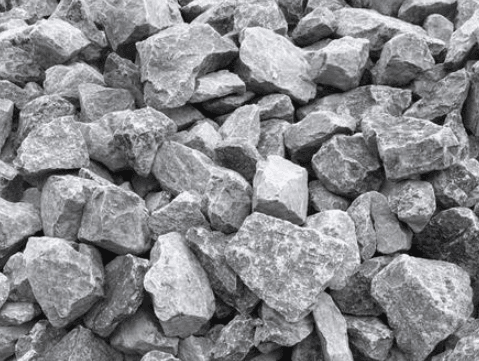
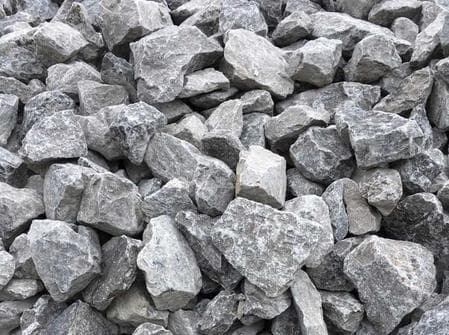
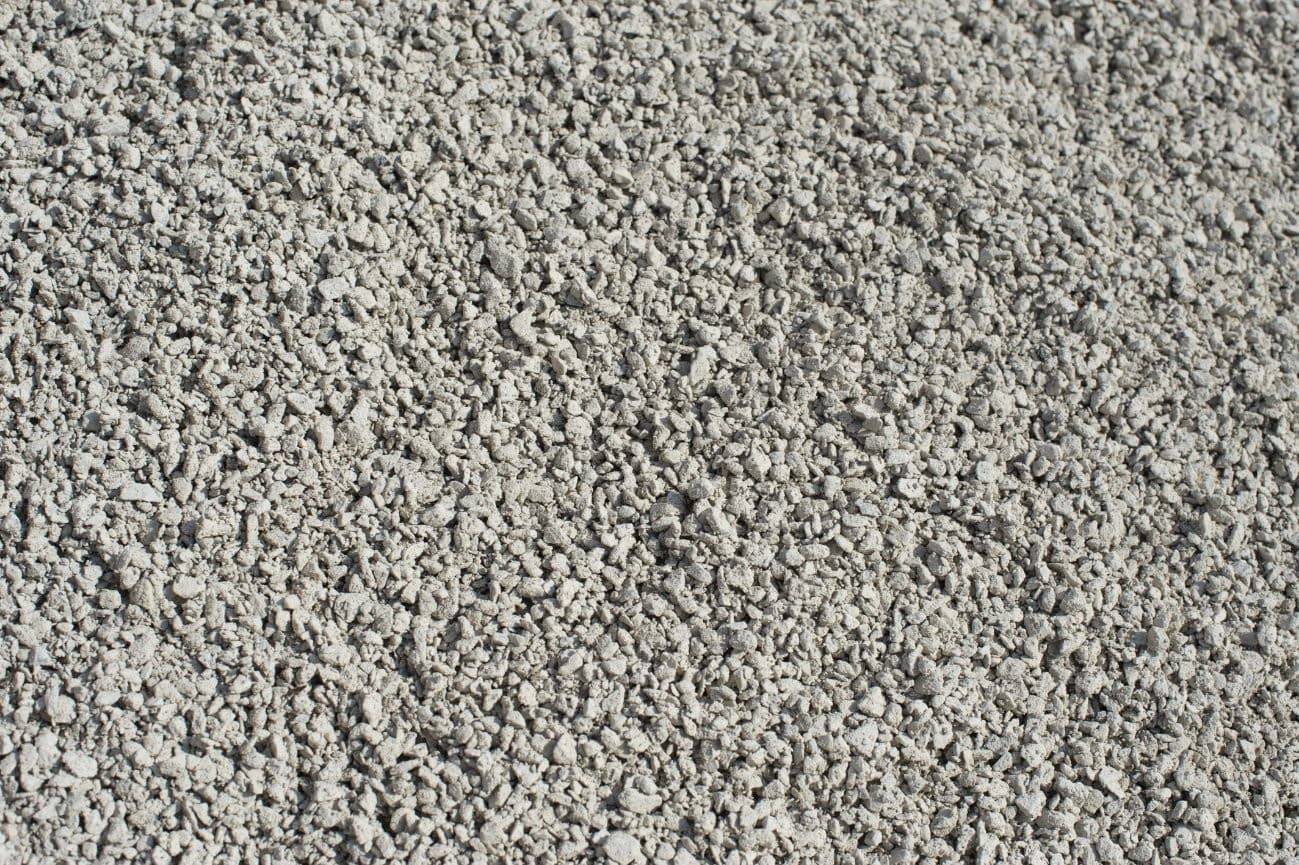
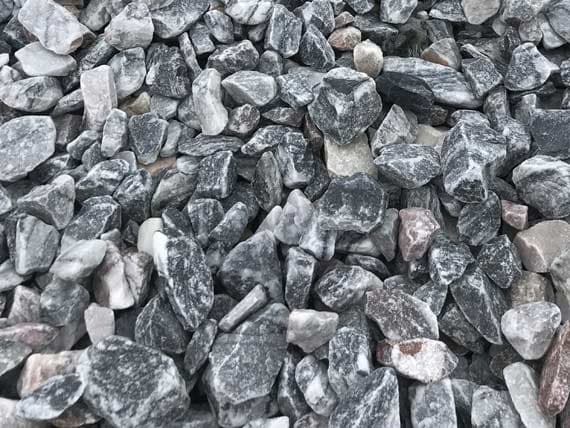
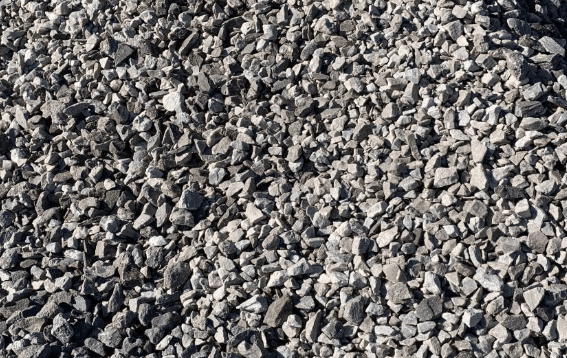
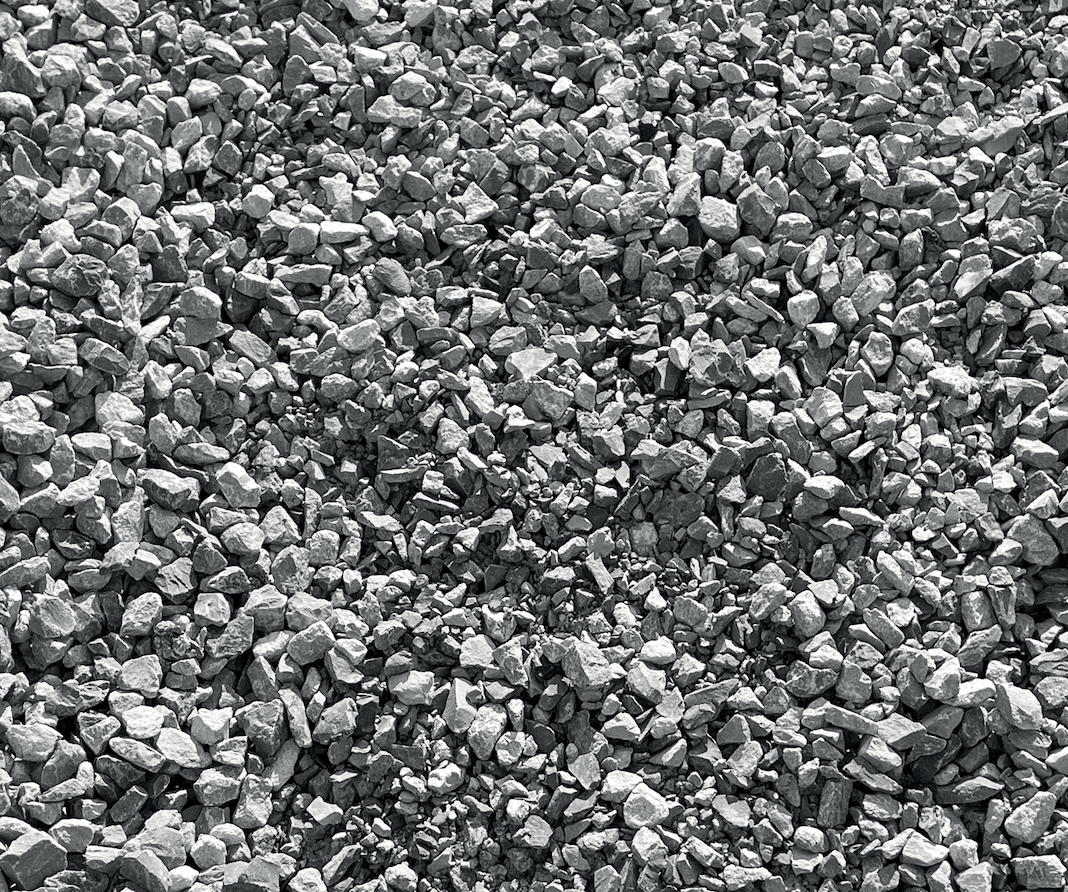
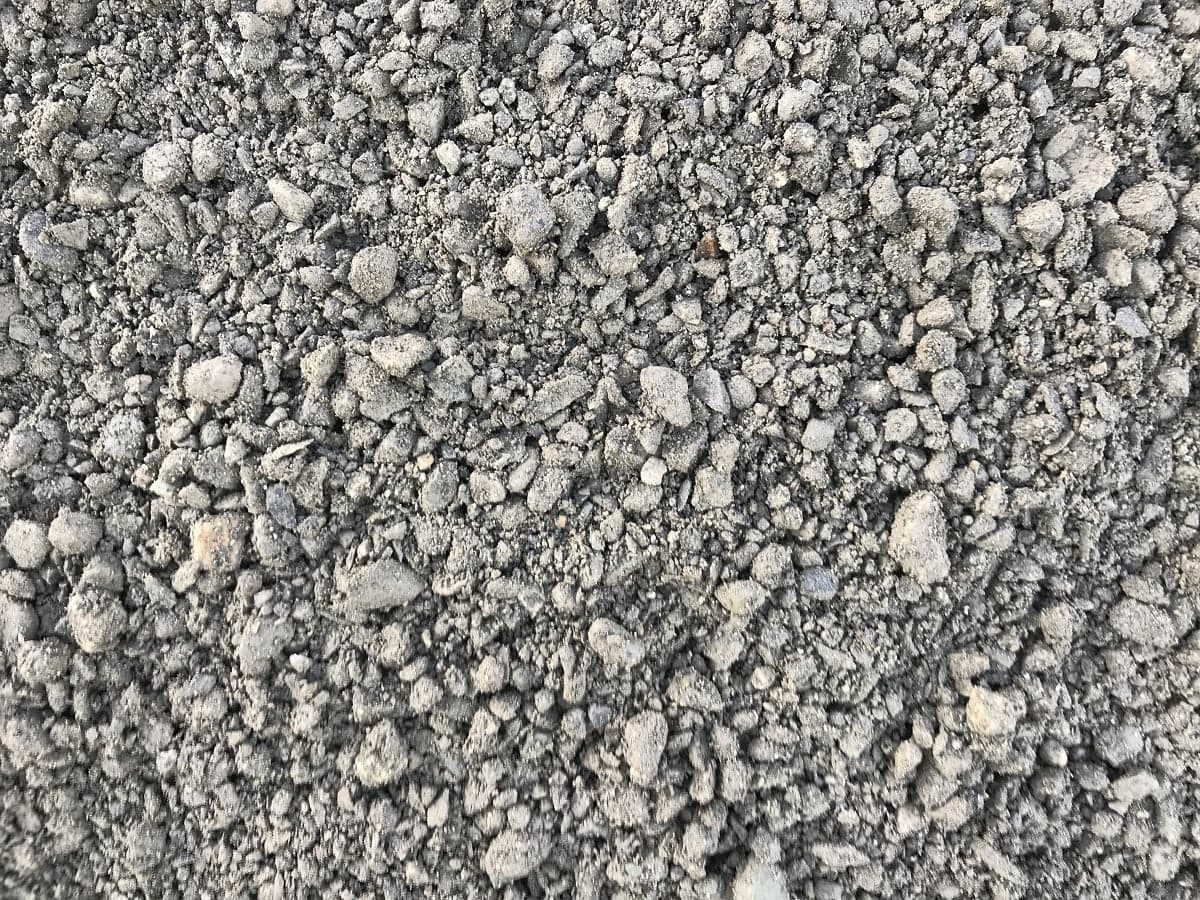
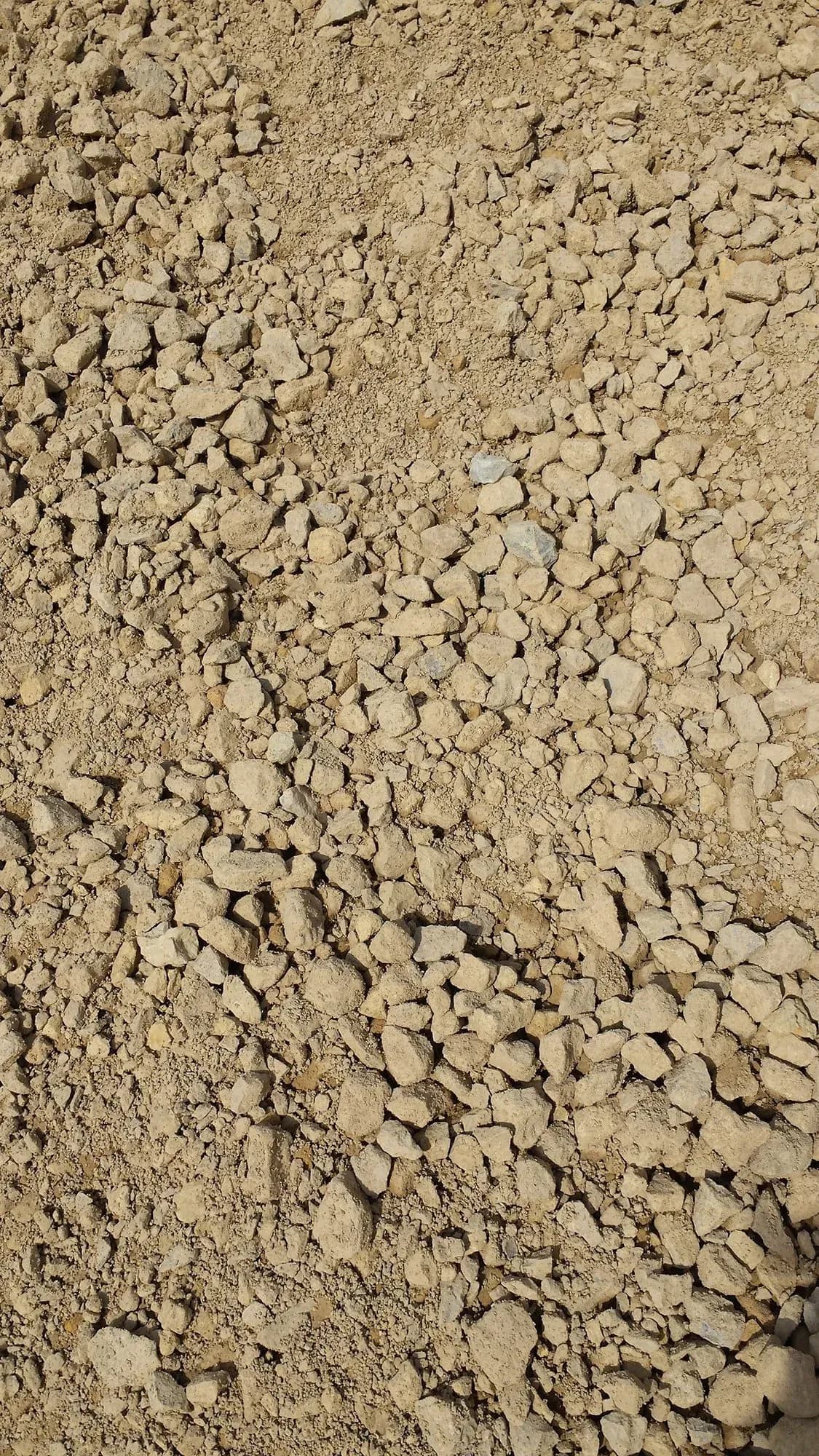
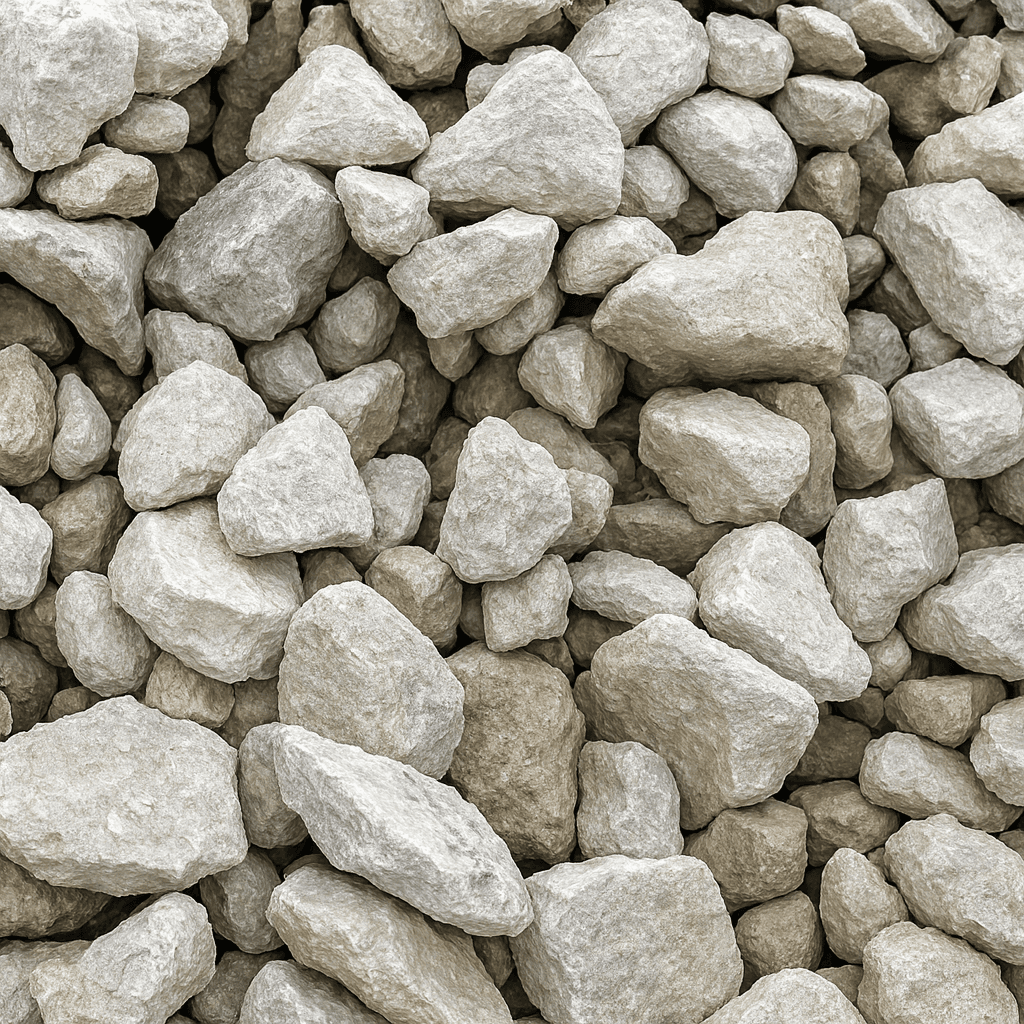
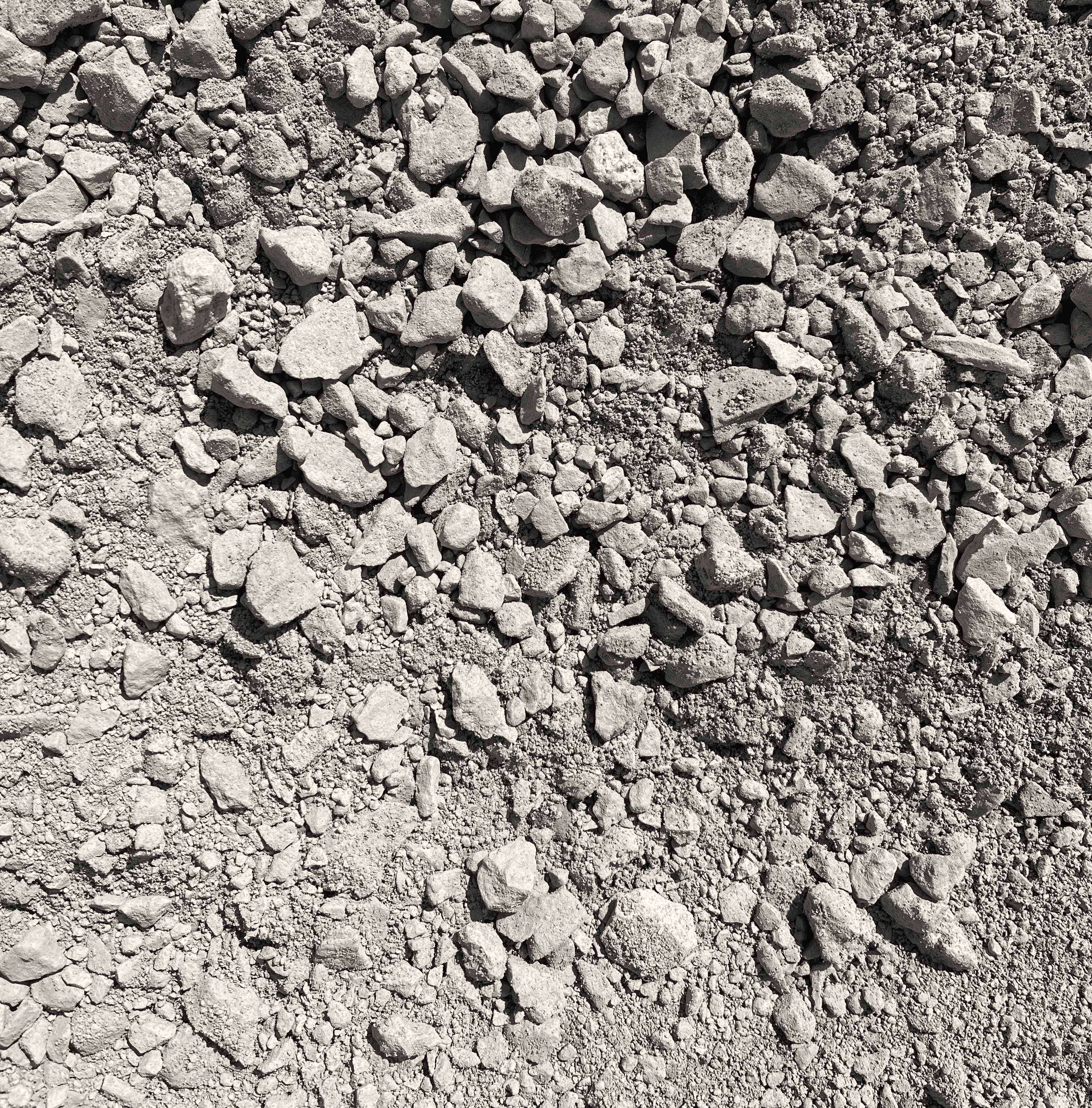
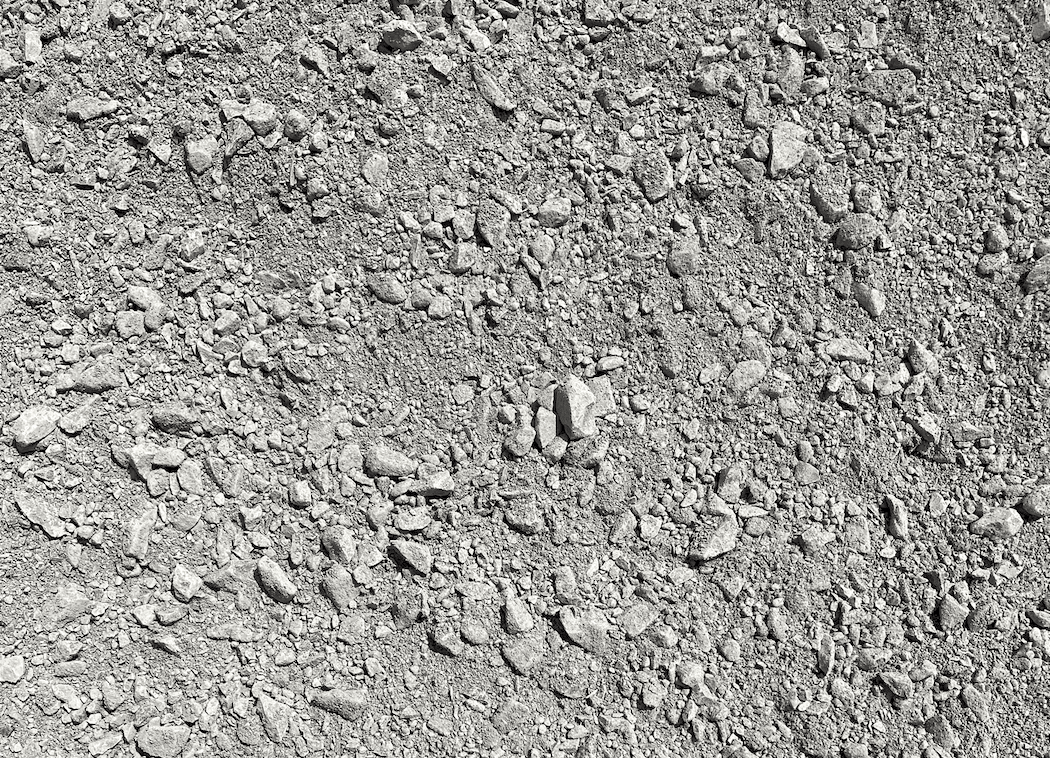
Crusher run is a compactable aggregate made from crushed stone and stone dust. Because it contains a mix of larger particles and fines, it locks together well when compacted. That makes it a reliable choice for creating a stable base under surfaces that need strength and drainage.
Many customers choose crusher run for:
- Driveway bases
- Road and lane repairs
- Shed and garage pads
- Walkways and paths
- Patio and paver bases
- General fill and grading projects
Compared with loose gravel, crusher run compacts into a firmer surface. That is why it is often used as a foundation layer instead of a decorative top layer.
Why Crusher Run Is Popular for Driveways
Crusher run is widely used for driveway construction because it creates a dense, supportive base. Once spread and compacted, it helps reduce shifting and rutting under vehicle traffic.
For residential driveways, crusher run is often used:
- As the main base layer
- As a repair material for low spots and washouts
- Under gravel, asphalt, or pavers
- In areas where drainage and compaction both matter
If you want a driveway material that balances affordability, durability, and easy installation, crusher run is often one of the best options.
How Much Crusher Run Do You Need?
The amount of crusher run you need depends on your project dimensions and the depth of the material. Most buyers start with the length, width, and desired depth of the area.
A common rule of thumb is to calculate the cubic footage of the space, convert that into cubic yards, and then convert cubic yards into tons based on the material density.
Basic formula
Area length x width x depth = cubic feet
Then:
- Divide cubic feet by 27 to get cubic yards
- Convert cubic yards into tons based on aggregate weight
Because aggregate weights vary by moisture and stone type, it is always smart to order with a little buffer.
Is 1 Ton of Gravel a Lot?
For many homeowners, 1 ton of gravel sounds like a huge amount, but it is usually a moderate quantity for outdoor projects. In practice, 1 ton of gravel can cover a small area at a few inches deep, but it is not enough for a full-size driveway.
If you are picking up material yourself, another common question is whether 1 ton of gravel in truck is realistic. The answer depends on the type of truck.
A full ton may be suitable for some full-size pickup trucks, but payload limits vary a lot by model. Smaller pickups may not safely handle that weight once you include passengers, tools, and the bed itself. Always check the vehicle payload rating before loading aggregate.
For larger projects, delivery is usually the better option because it saves time, reduces wear on your vehicle, and helps you get the right quantity in one trip.
How Many Tons of Gravel Are in a Dump Truck?
One of the most searched questions online is how many tons of gravel in a dump truck. The answer depends on the truck size, local weight regulations, and the type of material being hauled.
Smaller dump trucks carry less, while larger commercial dump trucks may carry substantially more. The actual tonnage also changes based on whether the load is crusher run, washed gravel, sand, or another aggregate product.
In general, dump truck capacity varies because of:
- Truck body size
- Axle configuration
- Local road weight limits
- Aggregate density
- Moisture content of the material
That is why aggregate is commonly sold by the ton and matched to an appropriate delivery vehicle by the supplier. When ordering, it is best to tell your supplier the project size and access conditions so they can recommend the right load.
Crusher Run vs Gravel
Although people often compare crusher run with gravel, the two materials serve different purposes.
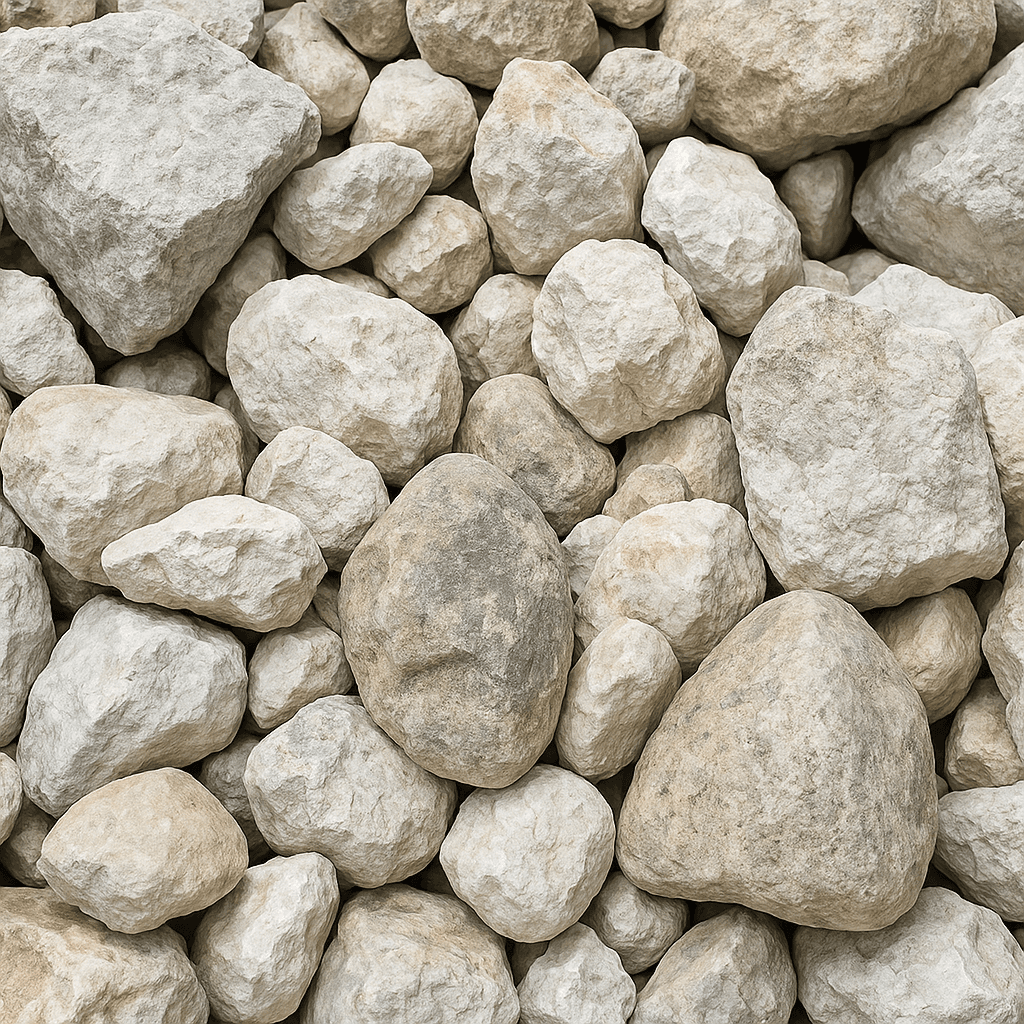
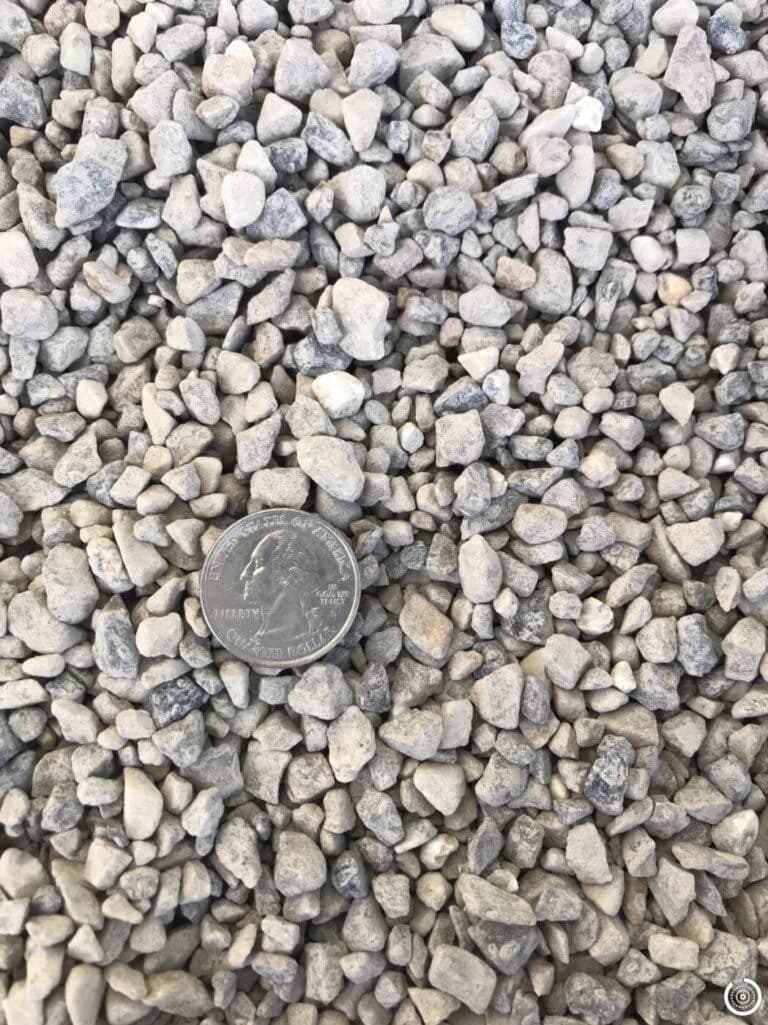
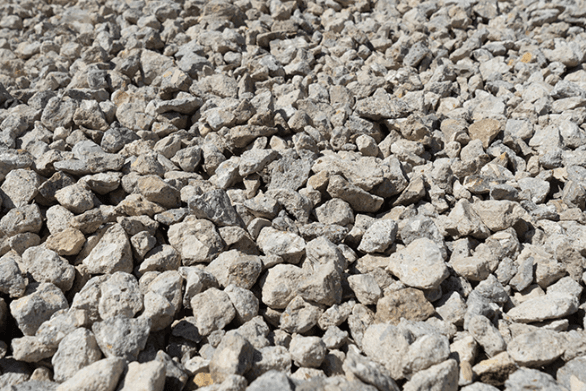
Crusher run is typically better when you need compaction and a stable base. Standard gravel is often better when you want a more decorative finish or a looser top layer with visible stone.
Here is a simple comparison:
| Material | Best Use | Compacts Well | Decorative Finish |
|---|---|---|---|
| Crusher Run | Base layers, driveways, pads, repairs | Yes | Less common |
| Gravel | Top layers, drainage, decorative coverage | Usually less than crusher run | Yes |
Common Projects That Use Crusher Run
Crusher run works especially well in projects where a stable, compacted foundation matters.
Typical uses include:
- New driveway construction
- Expanding a parking area
- Building a base under pavers
- Creating a level shed foundation
- Filling ruts and potholes
- Preparing a compacted base for landscaping features
If your project needs a strong sub-base before installing another surface, crusher run is often the right place to start.
Should You Order by the Ton or by the Truckload?
For smaller jobs, ordering by the ton is often the easiest way to estimate cost and volume. For larger projects, it may make more sense to order by truckload, especially if you need multiple tons delivered at once.
Ordering by truckload can be more efficient for:
- Long driveways
- Large parking pads
- Commercial access roads
- Multi-stage landscaping jobs
- Site preparation and grading
If you are unsure how much to order, a good aggregate supplier can help estimate tonnage based on your dimensions and delivery location.
Final Thoughts on Crusher Run
Crusher run remains one of the most dependable materials for driveways, pads, and base layers. It compacts well, performs reliably, and fits a wide range of residential and commercial projects.
If you are comparing options, planning a delivery, or wondering how many tons of gravel a dump truck can carry, the key is to match the material and order size to the actual job. With the right estimate and the right product, you can avoid underordering, overloading a pickup, or paying for unnecessary extra trips.
For projects that need a strong, compacted base, crusher run is often one of the smartest aggregate choices available.