See all reviews on Google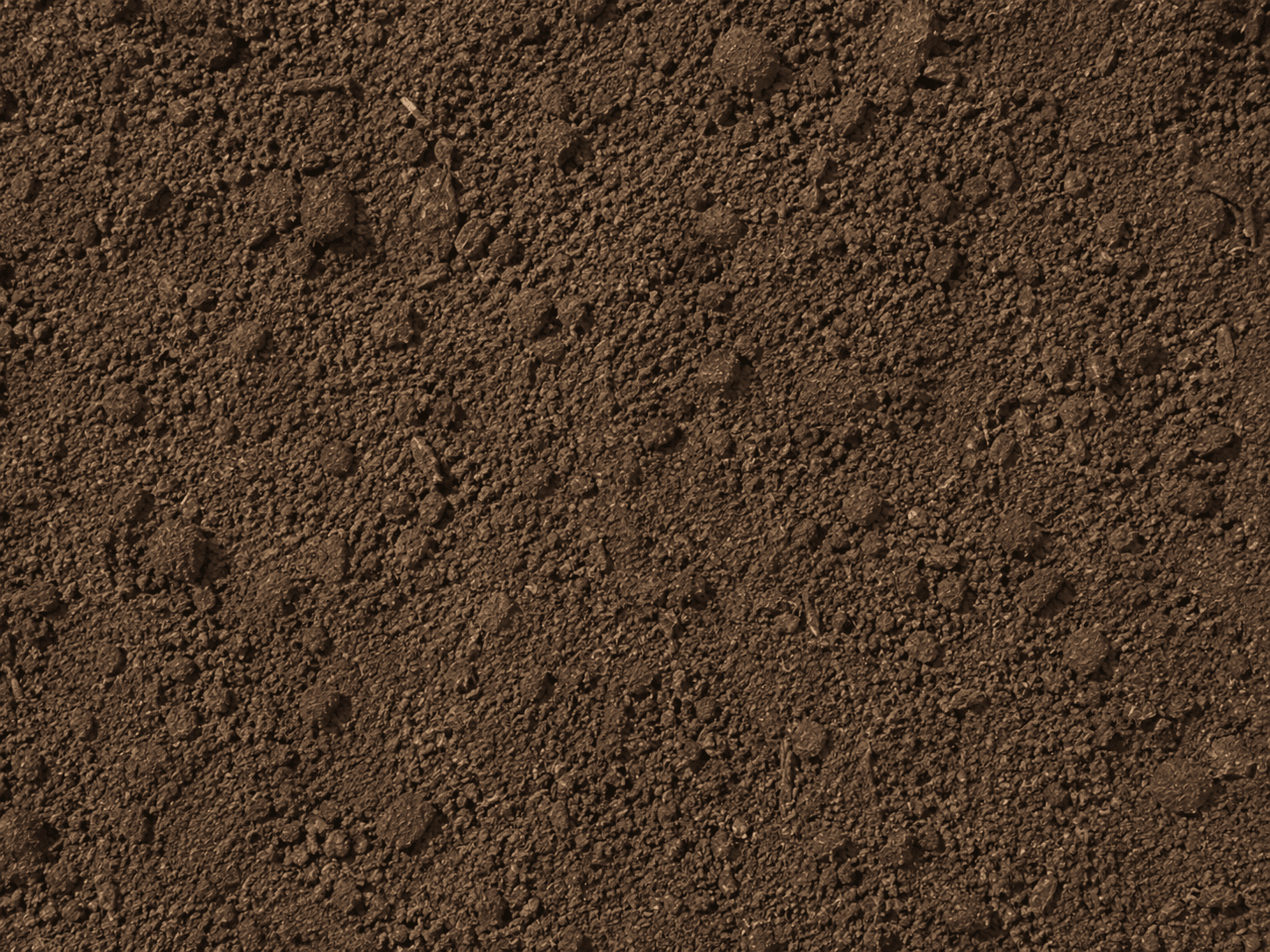
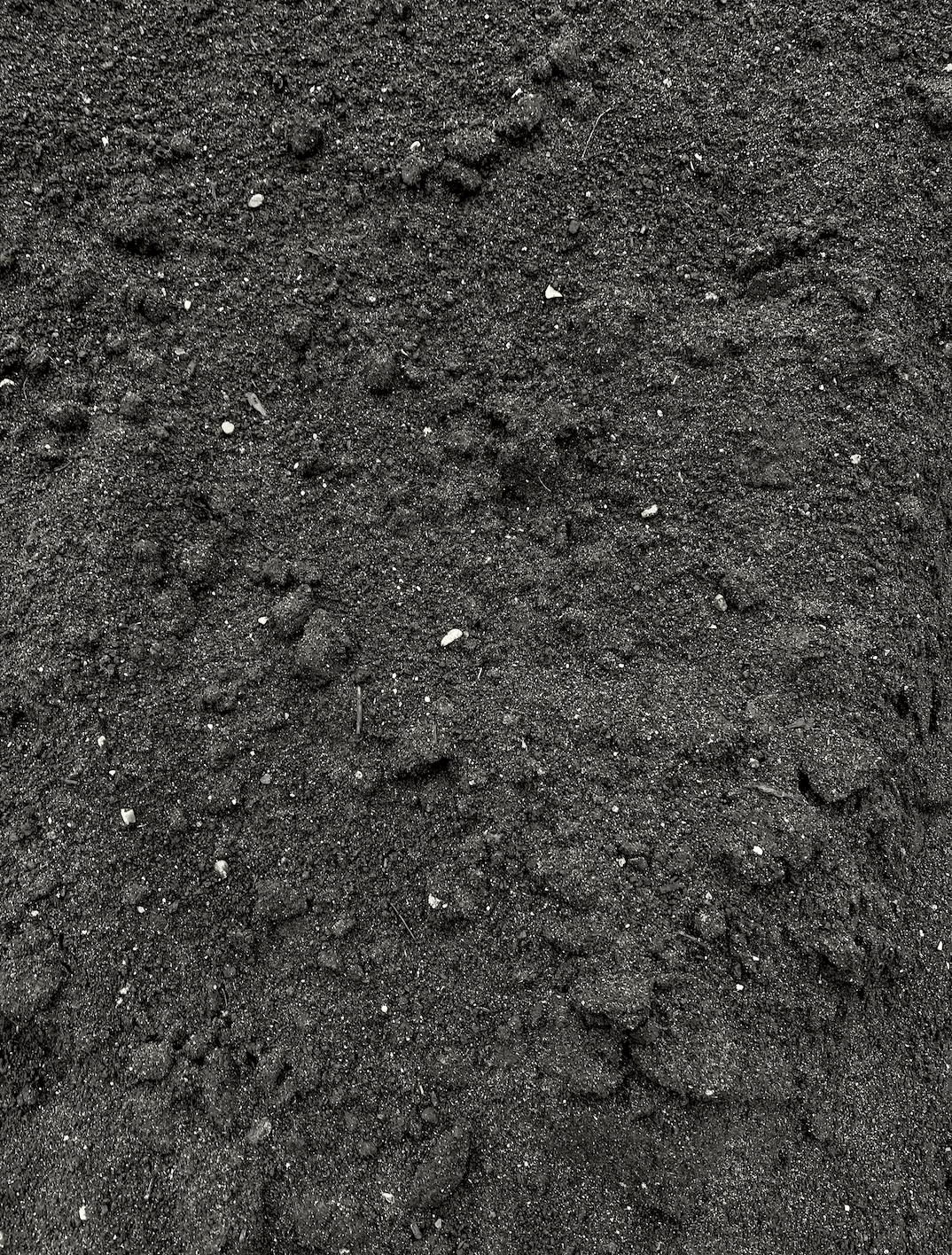
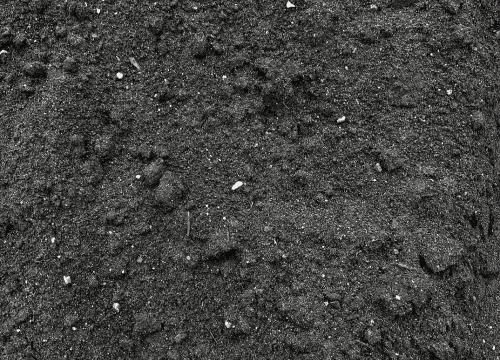
Screened soil is a natural bulk soil that has been mechanically sifted to remove large rocks, roots, sticks, clumps, and other oversized debris. The screening process creates a smoother, more consistent material that is easier to spread, rake, grade, and level than unscreened soil or general fill dirt.
Produced and processed by soil suppliers, landscape yards, quarries, and aggregate facilities, screened soil is commonly used for final grading, lawn preparation, landscape construction, and general site work. Its improved workability makes it suitable for homeowners, contractors, landscapers, builders, property managers, municipalities, and commercial projects where a cleaner soil layer is needed over rough fill or uneven native ground.
Screened soil can be placed across lawns, yards, landscape beds, building sites, and commercial properties to create a more uniform upper layer before grass seed, sod, mulch, or other finished landscape materials are installed. It is especially useful where accurate grading and a smoother finished surface are more important than the added organic content found in specialized planting soils.
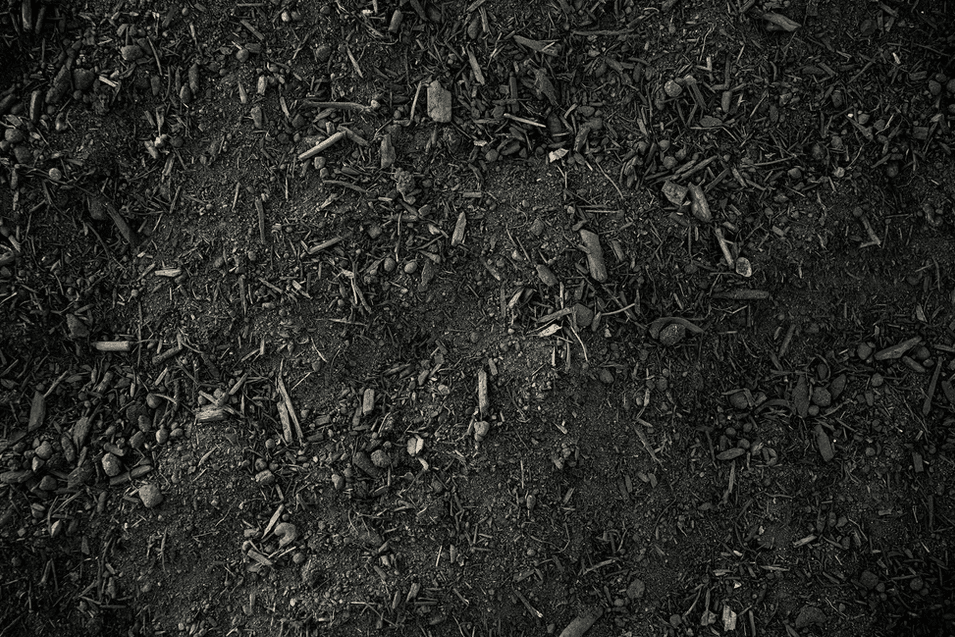
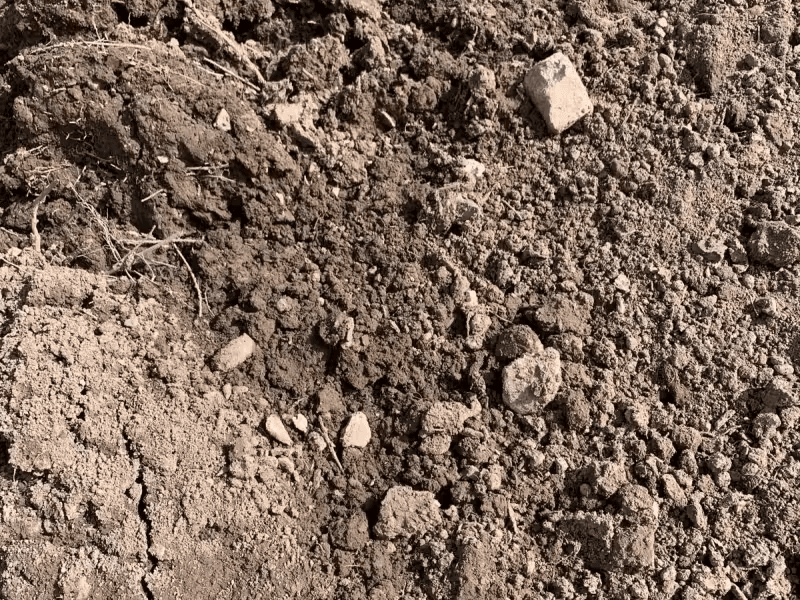
The exact composition of screened soil varies according to its natural source. It may contain different proportions of sand, silt, clay, and organic matter, which can affect drainage, compaction, color, and planting performance. Some screened soils are well suited for grading and lawn preparation, while others may contain enough natural organic content for general landscaping and turf establishment.
Because screened soil is a natural bulk material rather than a highly refined bagged product, it may still contain small stones, fine roots, or occasional organic particles. Screening primarily removes larger debris and improves consistency, making the material easier to handle and place across both small residential areas and larger contractor or commercial job sites.
Screened soil is commonly used to correct shallow low areas, smooth uneven yards, improve transitions between grades, and establish final elevations around homes, buildings, patios, walkways, parking areas, and other site features. Its more consistent texture allows contractors and property owners to create a finished grade with less sorting and preparation on site.
For lawn projects, screened soil can provide a workable surface for grass seed or sod when its composition is suitable for turf growth. It helps create more even coverage and a smoother lawn surface than rough fill material alone and is often used during new lawn installation, renovation, and final site grading.
The material can also be used to build up landscape beds, cover rough fill dirt, or improve large outdoor areas before finished landscaping. For vegetable gardens, flower beds, trees, shrubs, and other nutrient-demanding planting applications, enriched garden soil, screened topsoil with added organic matter, or a formulated planting mix may be a better choice.
Exact soil characteristics can vary between suppliers and local sources, so screened soil should be selected based on the intended use and site conditions. For larger residential, contractor, landscaping, municipal, or commercial projects, it is commonly supplied in bulk and delivered by dump truck directly to the property or job site.