See all reviews on Google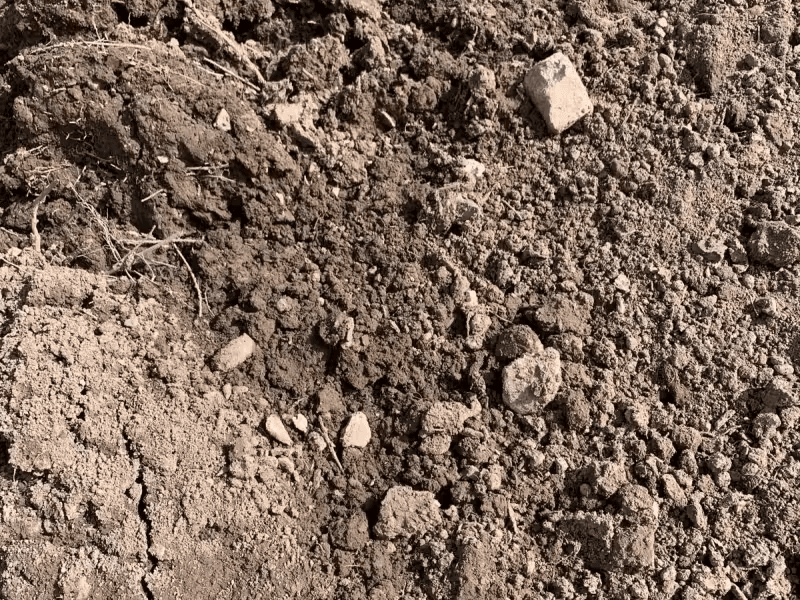
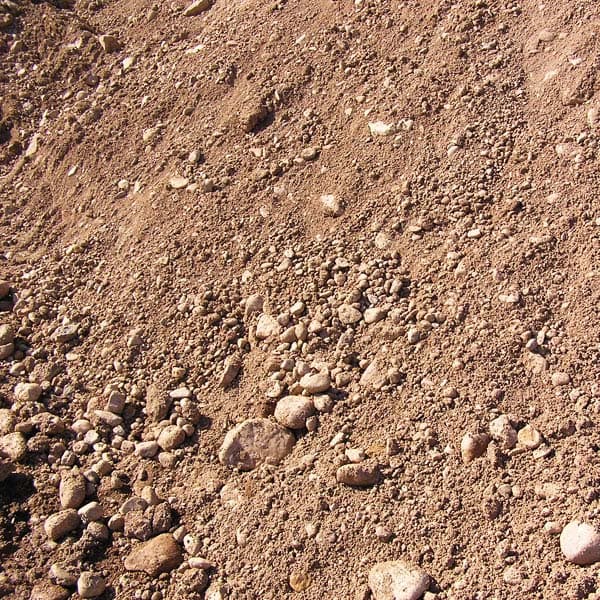
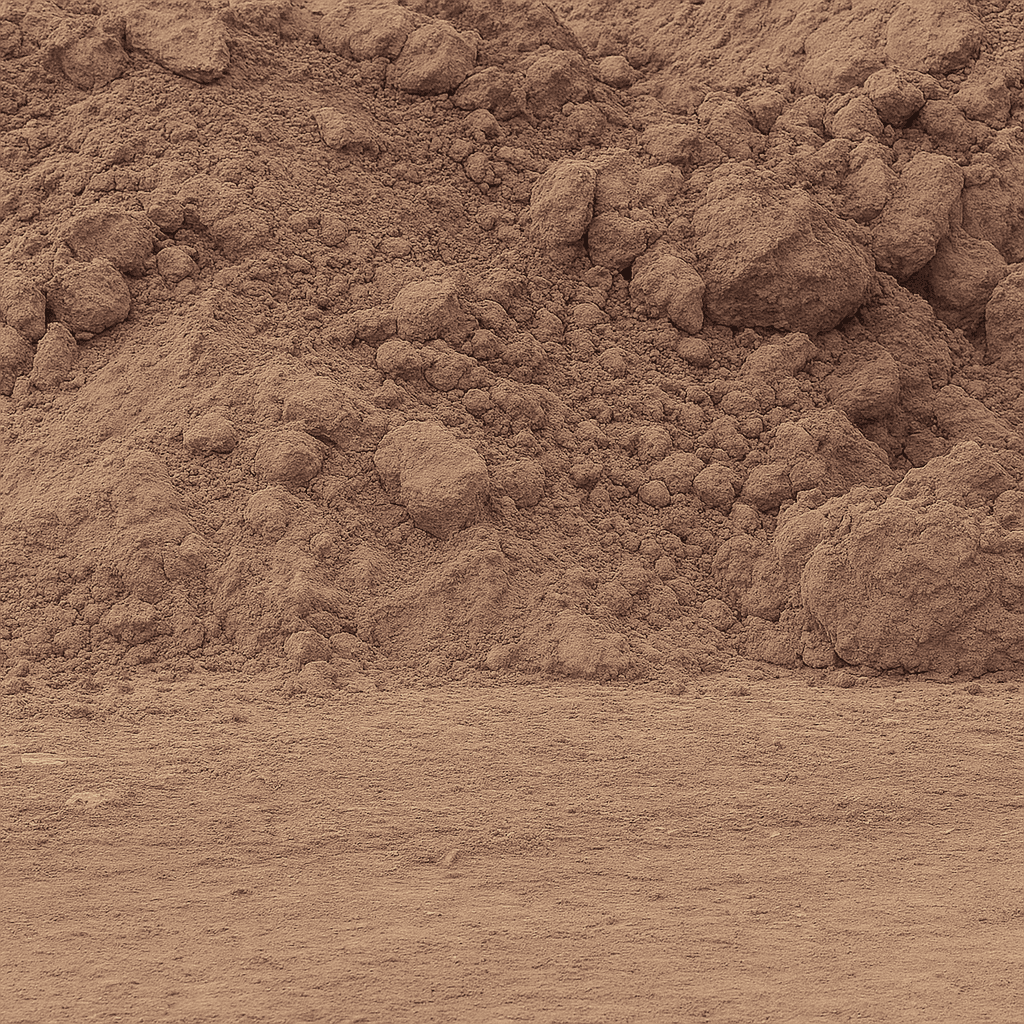
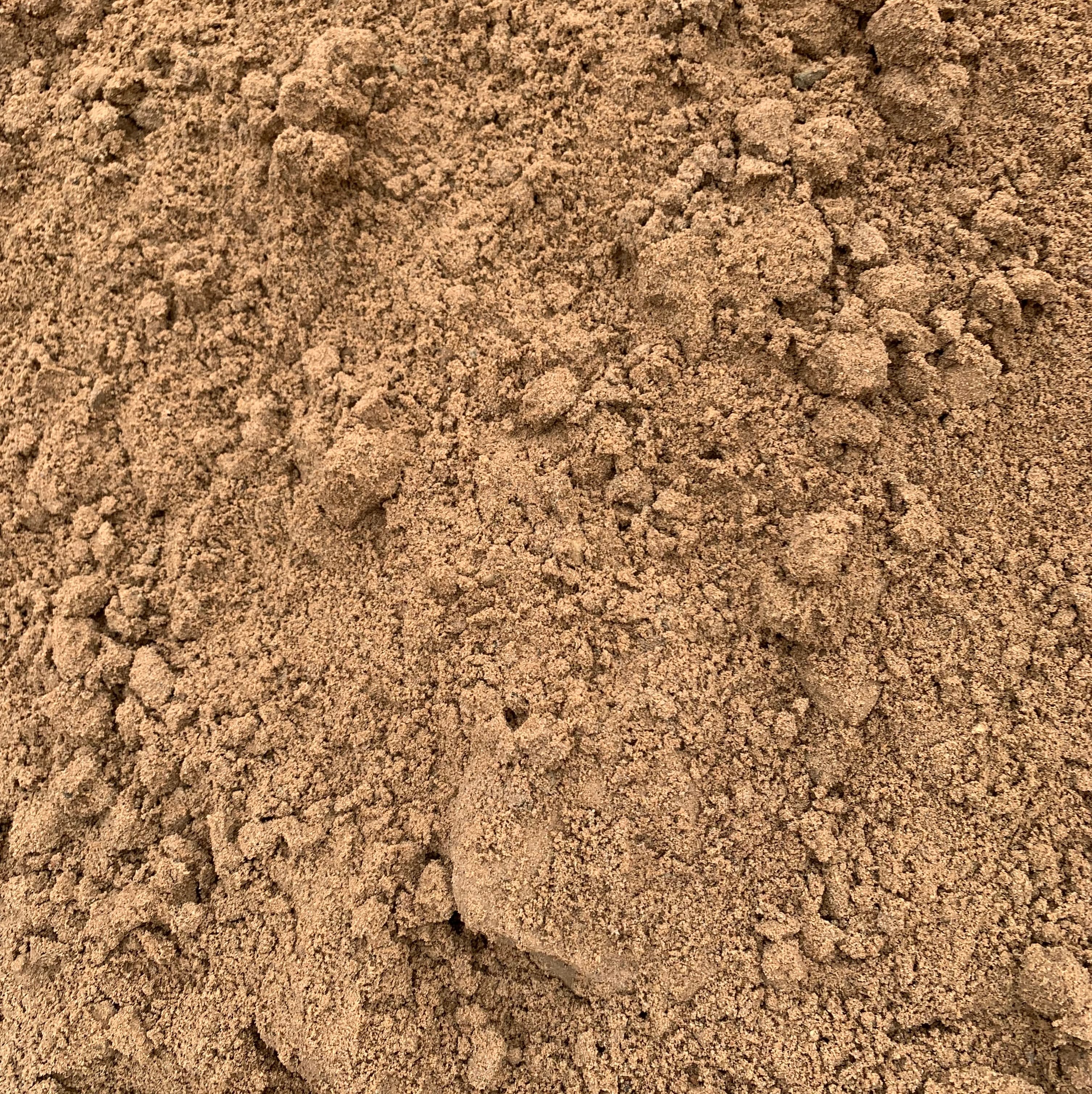
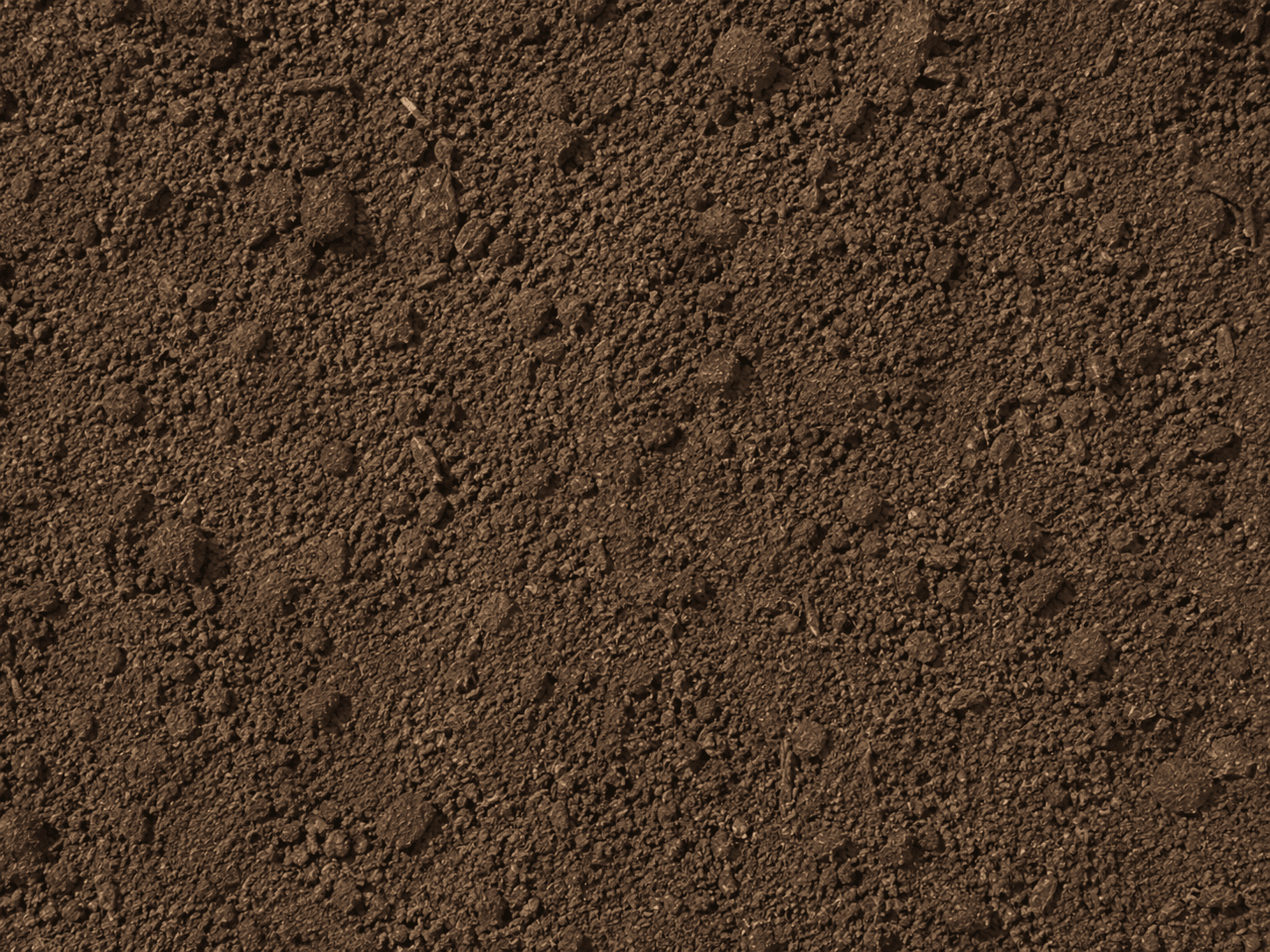
Unscreened topsoil is a natural excavated soil material commonly used for large-volume filling, rough grading, elevation changes, site preparation, and early-stage construction work. Because it has not been mechanically screened, the material retains its original composition and may contain compacted soil clumps, roots, small stones, sticks, and organic matter from the source area.
Its heavier and less refined texture makes unscreened topsoil a practical choice for projects where volume, coverage, and site shaping are more important than a smooth planting surface. It can be placed efficiently with excavators, loaders, dozers, and other standard earthmoving equipment to build up low areas, correct uneven terrain, establish grades, and prepare land before finer materials are installed.
Unscreened topsoil is commonly used at the beginning of residential, commercial, agricultural, and land-development projects where significant amounts of soil are required. Contractors and property owners may use it to raise site elevations, fill depressions, reshape slopes, form berms, build up yards, or establish the general profile of a site before construction, paving, drainage, or landscaping work continues.
For new construction and ongoing site-development projects, unscreened topsoil can provide an economical way to move large quantities of natural soil into place during rough grading and filling operations. It is useful for phased projects where material may be delivered over time as building pads, access areas, landscape zones, or surrounding grades are established.
The material is also commonly installed as a lower soil layer beneath screened topsoil, lawn soil, or planting mixes. This layered approach allows contractors, landscapers, developers, and property owners to build up substantial depth and elevation with bulk material while reserving cleaner screened soil for the finished surface.
Around homes, commercial buildings, and developed areas, unscreened topsoil may be used for general grade adjustment and non-structural backfilling where appropriate. Proper placement helps establish the required ground elevation and surface slope before final grading, drainage work, seed, sod, or landscaping is completed.
For lawn and landscape projects, unscreened topsoil can establish the necessary depth and elevation before a finished layer of screened topsoil is applied. The upper layer can then be graded, seeded, sodded, or planted to create a cleaner and more workable finished surface.
This makes unscreened topsoil a common choice for contractors, excavation crews, landscapers, builders, developers, farms, municipalities, property managers, and homeowners completing projects that require substantial quantities of soil. It is especially useful for new construction, land improvement, large-area filling, ongoing site work, rough grading, and projects where multiple truckloads of material may be needed.
Exact texture, color, moisture content, and composition can vary by source, supplier, and region. For larger residential, contractor, agricultural, municipal, or commercial projects, unscreened topsoil is commonly supplied in bulk and delivered by dump truck directly to the property or job site.